


World's 50 Best #67 · Tatler Listed in Best Bars Asia-Pacific · Top 500 Bars Best Bars #214
Gold Bar occupies the ground floor of the Tokyo Edition in Toranomon, and its back-to-back appearances in Asia's 50 Best Bars, #76 in 2024, rising to #67 in 2025, confirm its position inside Tokyo's upper tier of hotel drinking. The room trades in a particular kind of confident calm that the Toranomon district has made its own, and bookings are worth planning well ahead.

Pearl is the En Primeur Club membership app, where members save venues, book tables and use the concierge.

Gold at Ground Level: Tokyo’s Hotel Bar Scene Gets Serious
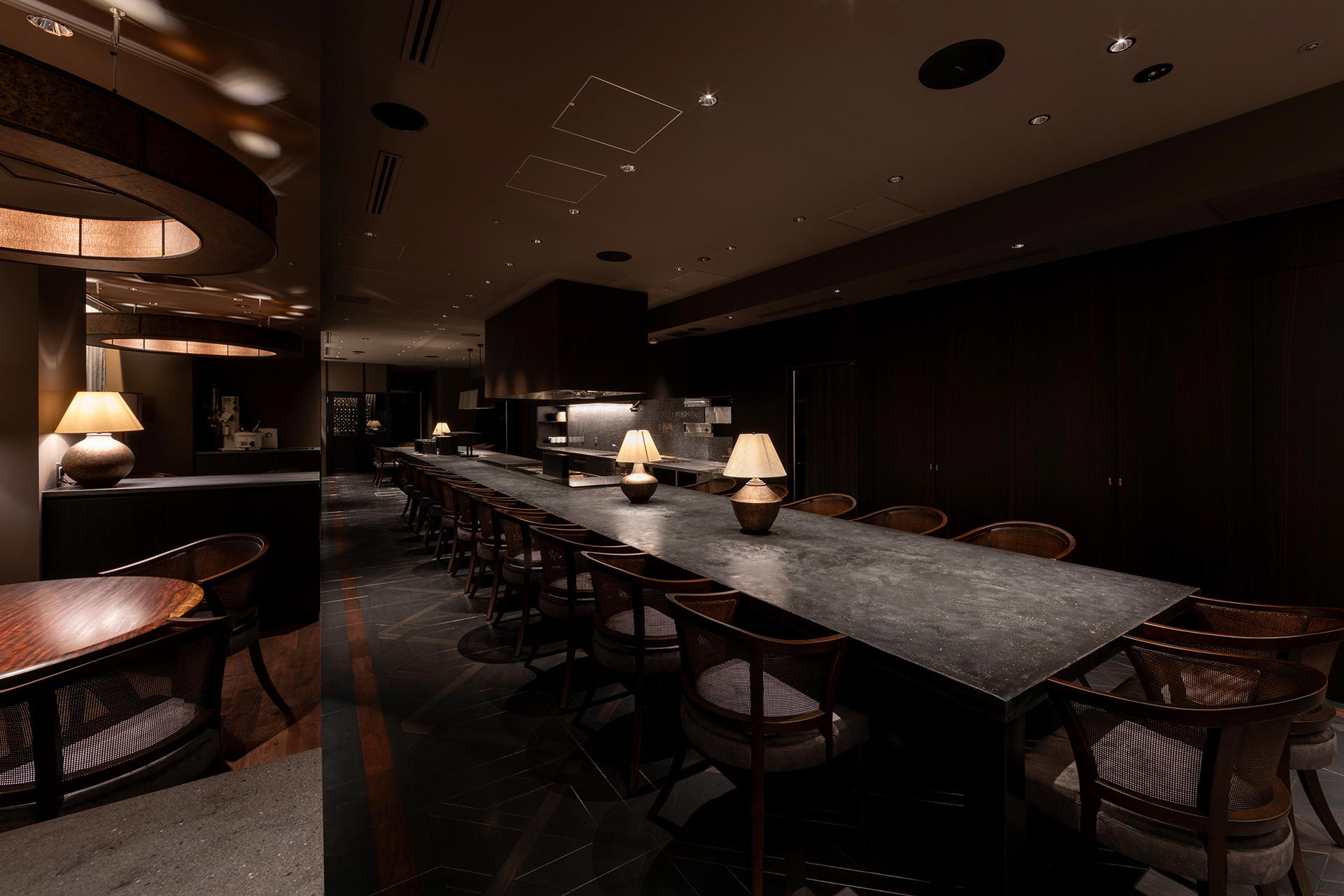
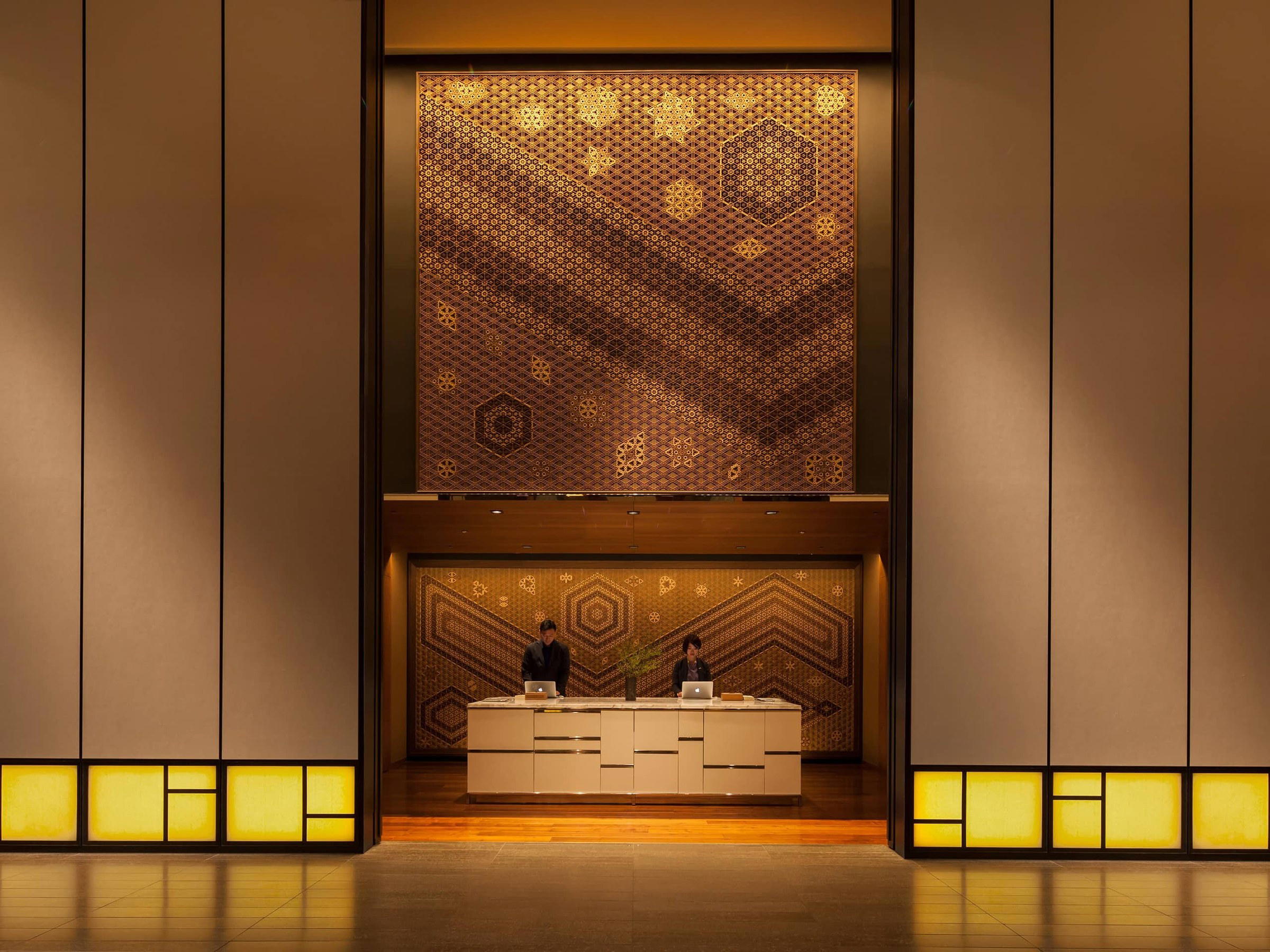
The lobby of The Tokyo EDITION, Toranomon sits in the kind of building that reminds you how much Minato-ku has changed since the Toranomon Hills complex reshaped the district’s skyline. Arriving at Gold Bar on the ground floor, the design register is immediate: warm metallics, low lighting, and a sense of controlled drama that reads less like a hotel amenity and more like a deliberate statement about what a hotel bar can be. This is a room that has been thought about, not assembled from a standard luxury template.
That distinction matters more than it might seem. Tokyo’s hotel bar circuit has long sat in the shadow of its standalone cocktail rooms. The city’s most celebrated bars, including Bar Benfiddich and Bar High Five, operate as independent institutions where the counter itself is the whole point. Hotel bars have historically occupied a different tier: convenient, comfortable, and rarely the destination. Gold Bar has spent the last few years dismantling that assumption.
The Rankings as Evidence
Listed on Tatler Asia’s Leading Bars Asia-Pacific 2025, ranked at number 76 in Asia’s Leading Bars for 2024 and climbing to number 67 in 2025, and sitting at number 214 in the Top 500 Bars global list for the same year, Gold Bar has accumulated the kind of third-party validation that places it firmly inside Tokyo’s serious cocktail conversation. These are not hospitality-industry participation trophies. Asia’s Leading Bars in particular draws on a wide panel of industry professionals across the region, and its list has become a reliable marker of sustained technical quality. Consecutive appearances with upward movement from 76 to 67 over a single year indicate a program that is improving, not coasting.
For context, Tokyo’s other internationally ranked bars tend to cluster in older, quieter neighbourhoods, with Bar Libre and Bar Orchard Ginza representing the kind of specialist independent operations that define the city’s classical cocktail identity. Gold Bar occupies a different but increasingly credible position: a hotel property with the program depth to compete on the same lists.
Cocktails as the Core Argument, Food as the Supporting Case
The editorial angle at Gold Bar is leading understood through the relationship between its drinks program and its food offering, which is where the venue makes its clearest argument for why a hotel bar deserves serious attention. In much of the world, bar food is still an afterthought: something to absorb alcohol rather than something to shape the drinking experience. Japan has generally resisted this tendency. The country’s izakaya culture, which has always treated drinking and eating as inseparable, has quietly influenced even its most formal cocktail rooms.
At Gold Bar, the food program functions as a complement to the cocktail architecture rather than a service add-on. The bar’s framing around a “golden age of cocktails with a futuristic twist” suggests a drinks list that moves between classic structures and contemporary technique, the kind of menu where a well-made Martini variant might sit alongside a clarified, carbonated, or fat-washed creation. Food built to accompany that range needs range of its own: dishes that can hold their own against a spirit-forward Old Fashioned riff or allow a lighter, citrus-driven cocktail to breathe. The pairing discipline required to do this well is not a given, and when a bar gets it right, the effect on an evening is significant. Each drink lands differently when the food beside it has been chosen with the same care as the glassware.
Japan’s broader drinking culture provides useful scaffolding here. The concept of eating while drinking, rather than eating before or after, has been embedded in Japanese social life long enough to become structural rather than fashionable. Bars elsewhere in Japan that have built strong reputations, from Bar Nayuta in Osaka to Bee’s Knees in Kyoto, operate within this same understanding. Even bars in smaller cities like Lamp Bar in Nara or Yakoboku in Kumamoto reflect a national sensibility around the hospitality of the whole experience, not just the liquid in the glass. Gold Bar inherits that context even as it layers in an international hotel aesthetic.
The Toranomon Address and What It Signals
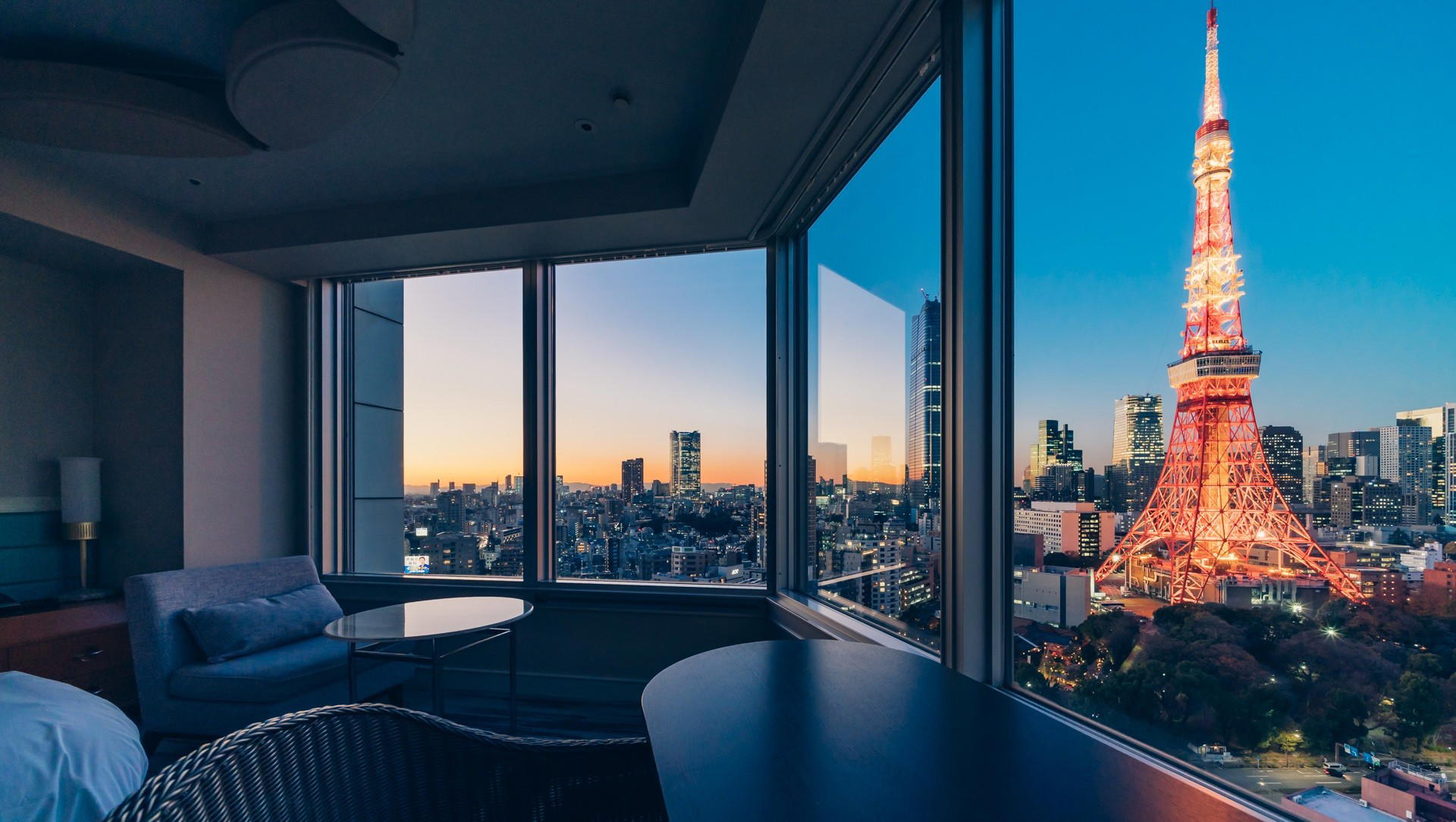
Location does interpretive work here. Toranomon is not Ginza, and it is not Shinjuku. The district has been undergoing a sustained commercial and architectural reinvention over the past decade, driven by the Toranomon Hills development and a cluster of international businesses and consulates that have given the area a transient professional energy. The EDITION brand, which sits within the Marriott portfolio but operates with a design-led identity distinct from the parent company’s broader range, chose Toranomon deliberately. The hotel’s positioning is aimed at a guest who is in Tokyo for work or design-adjacent tourism and wants something more considered than a conventional business hotel, but does not necessarily want the heritage density of Ginza or the neighbourhood-bar intimacy of Ebisu.
Gold Bar serves that guest well, but it also draws visitors who arrive specifically for the bar program. The ground-floor address means you do not need to be a hotel guest, and the bar’s visibility on international lists means Tokyo’s cocktail-focused visitors are finding it on their own terms rather than stumbling across it via the hotel. That shift, from hotel amenity to independently sought destination, is the clearest signal that the program has reached a different level.
Gold Bar makes the most sense as an early-evening destination: the Toranomon location is accessible from central Tokyo by subway, and the bar’s hotel positioning means the pacing is more relaxed than the intense counter format of the city’s specialist independents. Reservations via the hotel’s reservation line (+81 3-5422-1630) or the bar’s own website are worth making on weekends and during periods when the hotel is at capacity. Walk-ins during quieter weekday evenings are generally accommodated, but the bar’s rising profile on international lists has made this less reliable than it was in earlier years.
Planning Your Visit
Gold Bar is located on the ground floor of The Tokyo EDITION, Toranomon at 4-1-1 Toranomon, Minato, Tokyo. The bar is accessible without a hotel stay, and Toranomon station puts the address within easy reach of central Tokyo. For reservations, the hotel’s direct line is +81 3-5422-1630, and the bar’s own site at goldbaratedition.com carries current hours and booking options. Evenings from Thursday through Saturday see the highest demand, and the bar’s consecutive appearances on Asia’s Leading Bars have increased inbound interest from international visitors, making advance planning more prudent than it was even two years ago.
Peers Worth Knowing
Comparable venues nearby, for context on price, style, and recognition.
| Venue | Cuisine | Price | Awards | Notes |
|---|---|---|---|---|
| Gold BarThis venue (the venue you are viewing) | cocktail_bar | $50–100 | World's 50 Best #67 · Tatler Listed in Best Bars Asia-Pacific | Not listed |
| Memento Mori | cocktail_bar | $30–50 | World's 50 Best #41 | Minato |
| Tokyo Confidential | rooftop_bar | $50–100 | World's 50 Best #70 · Top 500 Bars Best Bars #89 | Minato |
| Bar Libre | cocktail_bar | $10–20 | World's 50 Best #39 | Toshima |
| Codename Mixology Akasaka | cocktail_bar | $50–100 | World's 50 Best #36 | Minato |
| Mixology Laboratory | Bar | Not listed | World's 50 Best #38 | Chūō |
Recognition history
Dated appearances from independent guides and award organizations, with the underlying list record or original source where available.
World's 50 Best Asia's Best Bars #67
World's 50 Best
Tatler Listed in Best Bars Asia-Pacific
Tatler
Top 500 Bars Best Bars #214
Top 500 Bars
Full recognition history (4 entries)
World's 50 Best Asia's Best Bars #76
World's 50 Best
Continue exploring
More in Tokyo
Bars in Tokyo
All bars in Tokyo →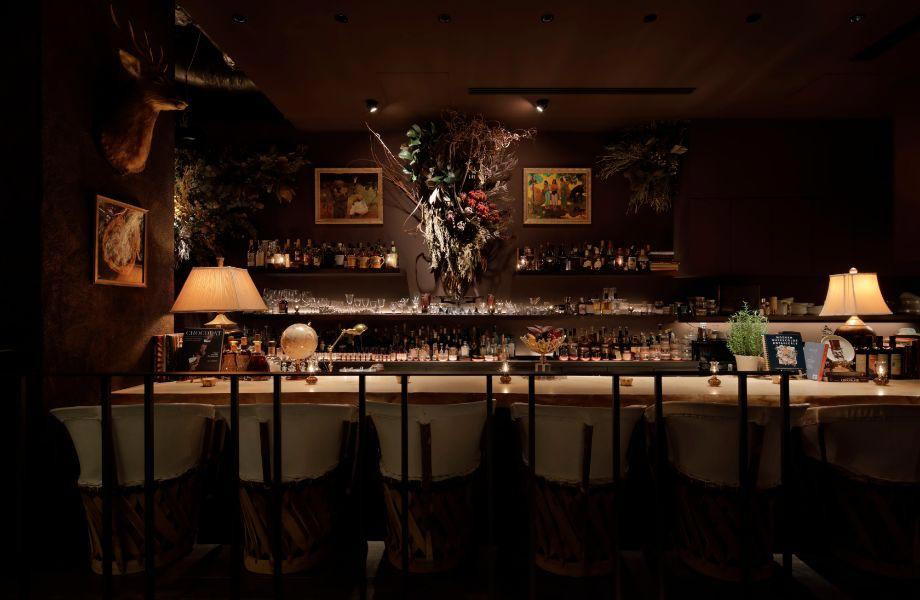

Restaurants in Tokyo
All restaurants in Tokyo →


Gold Bar
The drinks
- Craft cocktails
- Classic cocktails
Signature drinks: Psychedelic, Thorns in You, Nippon Pale Ale, Mugi & Shoga.
Details
- Sophisticated
- Elegant
- Intimate
- Trendy
- Date Night
- Late Night
- Celebration
- Special Occasion
- Hotel Bar
- Design Destination
- Seated Bar
- Lounge Seating
- Classic Cocktails
- Craft Cocktails
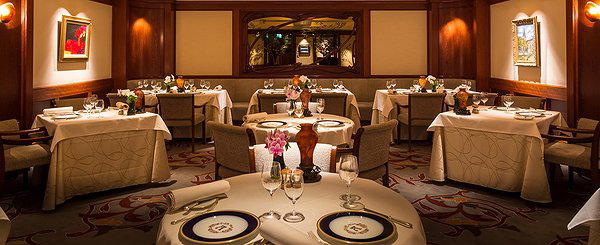
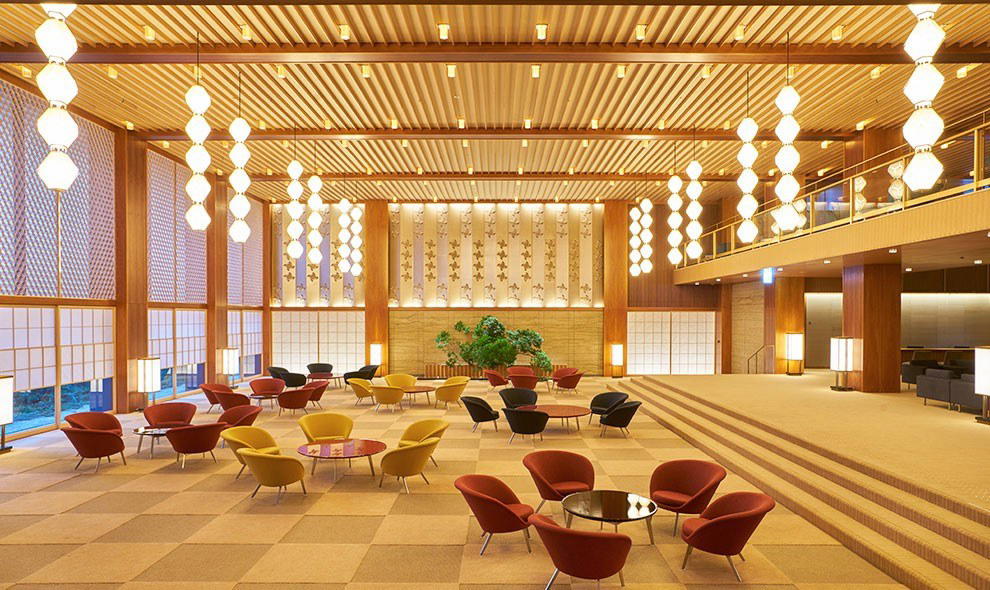
Sophisticated and moody with blackened wood, gold accents, downlights, and a cozy yet exclusive atmosphere enhanced by low-tempo music midweek and DJ sets on weekends.