Fort-de-France 97200
Fort-de-France sits at the intersection of French metropolitan culture and deep Caribbean drinking tradition, where rum agricole shapes the glass as fundamentally as terroir shapes a Burgundy. The city's bar scene draws on sugarcane heritage, Creole flavour logic, and the kind of unhurried pavement drinking that belongs to the tropics rather than the metropole. For visitors approaching Martinique's capital with serious intent, the question is never whether to drink rum — it's how.
Pearl is the En Primeur Club membership app — saves, bookings, and concierge access live there. Same editors, same standards.
- Address
- Fort-de-France, Martinique
- Directions
- Get directions
 Saves & bookings on Pearl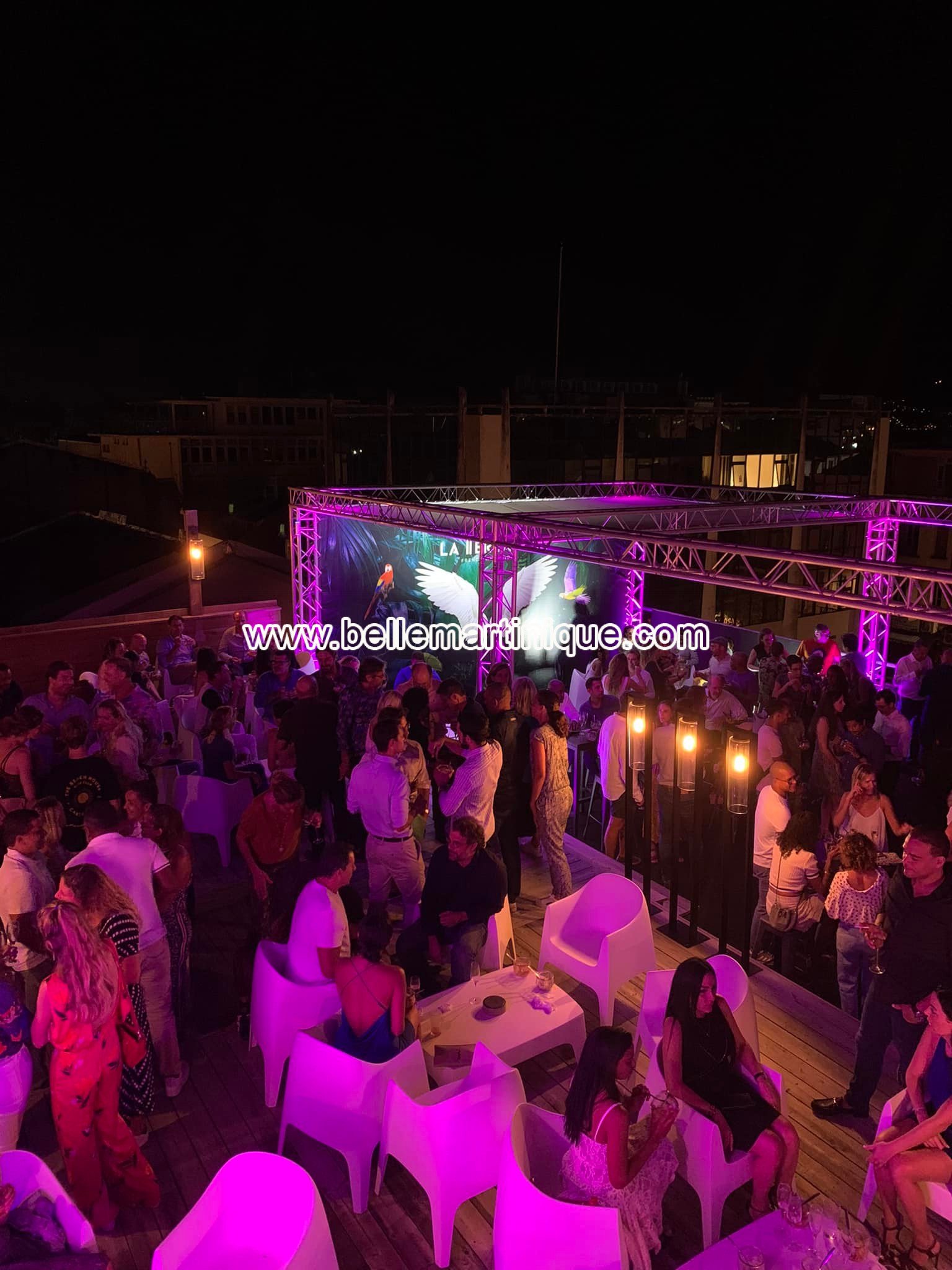
Where Rum Agricole Sets the Terms
In most French cities, the cocktail conversation centres on imported spirits — whisky allocations, agave sourcing, the latest Japanese gin. Fort-de-France operates by different rules. Martinique holds an Appellation d'Origine Contrôlée for its rum agricole, one of the only spirits in the world to carry that designation, and that fact shapes every serious glass poured in the capital. The AOC framework mandates fresh sugarcane juice as the base, rather than molasses, and specifies production geography. What that produces in the glass is more vegetal, more herbaceous, and considerably more specific than most rum drinkers expect the first time. Fort-de-France is the city where that spirit is not a speciality — it is the default.
This context matters when assessing any bar programme here. A bartender in Bar Nouveau in Paris or a precision cocktail counter in the 2nd arrondissement builds technique around a global spirits shelf. In Fort-de-France, technique is expressed through how a bartender handles the local product: whether they let the agricole speak through a Ti' Punch served strictly at room temperature, or whether they engineer complexity around it with tropical fruit, spice, and measured dilution. The two approaches coexist in the city's bars, and neither is wrong. But the ratio tells you something about the venue.
The Ti' Punch as a Lens on the Drinking Culture
The Ti' Punch is not a cocktail in the way a Negroni or a Daiquiri is a cocktail. In Martinique, it is closer to a social ritual with a fixed structure, white agricole rum, a disc of lime squeezed and dropped, and a small amount of cane syrup, and an intentionally variable execution. Bars here typically serve the components separately, leaving the drinker to build the drink to their own proportion. The phrase used locally, chacun prépare sa propre mort (each prepares their own death), is partly dark humour and partly an accurate description of the self-service format. For visitors arriving from the more curated end of the French cocktail scene, where the bartender's authority over the finished glass is close to absolute, this transfer of agency can feel disorienting. It is actually the more interesting model, because it turns the drink into a conversation rather than a performance.
Bars in neighbouring French cities have begun working with agricole as an ingredient in longer, more constructed drinks. Papa Doble in Montpellier and Bar Casa in Bordeaux both reflect the growing mainland interest in Caribbean spirits, but the context is always that of an imported ingredient placed in a metropolitan programme. In Fort-de-France, there is no such frame. The spirit is local, the technique is local, and the bar culture grew up around the product rather than discovering it later.
The Physical Character of the Bar Scene
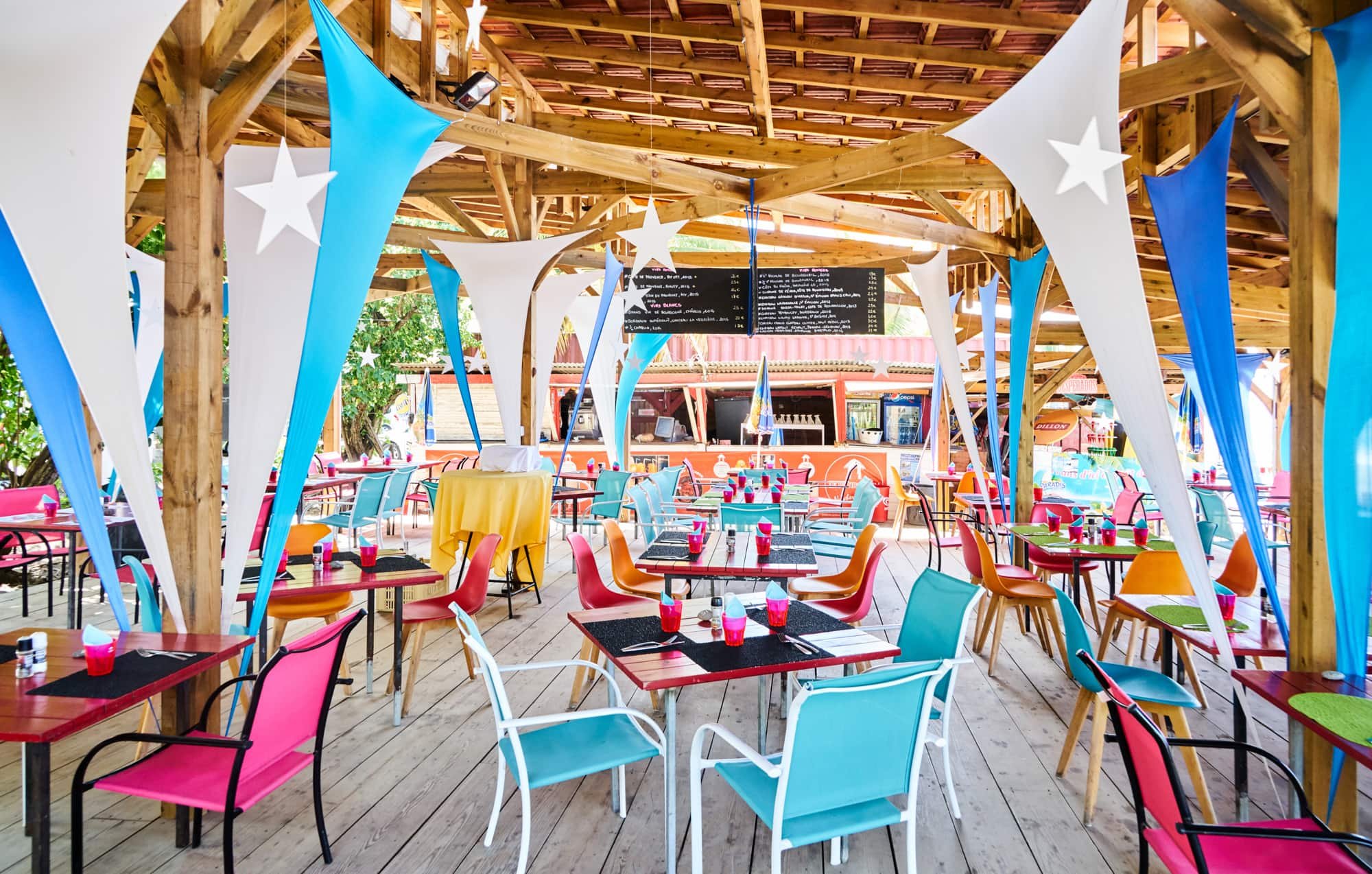
Fort-de-France's drinking culture has always been oriented outward rather than inward. The pavement, the terrace, the open-air rum shop, these formats suit a climate that makes enclosed drinking feel like a choice against the weather rather than with it. The city's older rum bars, concentrated around the central market area and along the waterfront, operate with a directness that contrasts sharply with the atmospheric engineering that defines high-end bar programmes in, say, La Maison M. in Lyon or Le Café de la Fontaine in La Turbie. There is no low lighting, no curated soundtrack, no considered glassware programme. What there is instead is proximity to the product, some of the island's distilleries supply direct to local bars in a way that European bars rarely achieve with their key spirits.
A newer layer of more constructed bar spaces has emerged in the city, particularly in the areas around the Schoelcher library and the La Savane park, where venues pitch to a younger, more internationally aware clientele. These bars tend to run longer drink menus, introduce citrus-forward and spiced formats, and engage more directly with the regional bar conversation. The comparison set here is not Au Brasseur in Strasbourg or Coté Vin in Toulouse, it is the broader Caribbean cocktail movement, which has been gaining momentum from Havana to Bridgetown. Fort-de-France sits within that movement as a city with a genuinely differentiated raw material rather than one borrowing a trend from elsewhere.
Rum Agricole as a Technical Resource
For anyone approaching Fort-de-France's bar scene from a spirits-literacy perspective, the AOC classification is worth understanding before arriving. Martinique agricole is divided broadly into white rum (rhum blanc, typically unaged or briefly rested), amber rum (rhum ambré, partially aged), and aged rum (rhum vieux, barrel-aged under specific conditions). Each behaves differently in a glass and demands different handling behind a bar. The rhum blanc is assertive and vegetal, suited to the Ti' Punch format. The rhum vieux, aged sometimes beyond ten years in oak, carries vanilla, dried fruit, and woodsmoke in a range that competes credibly with Cognac or aged Calvados as a contemplative spirit. Bars in Fort-de-France that carry serious aged selections, offered neat or on a single cube, position themselves closer to the premium spirits bar model found at Bouvet Ladubay in Saumur or the House of Cointreau in Angers, where the spirit itself is the point rather than the vehicle.
The parallel with wine appellation culture is not accidental. The AOC designation was granted in 1996 precisely to protect a production method and a geography, in the same way that Champagne or Bordeaux designations protect theirs. Visitors who arrive in Fort-de-France already familiar with how appellation systems shape terroir expression will find the agricultural rum logic immediately legible. The distilleries, several of which offer tastings accessible from the capital, function as the equivalent of estate visits in a wine region. For context on how serious spirits programmes handle appellation-level products in a bar format, Bar Leather Apron in Honolulu offers a Pacific counterpoint: a bar that foregrounds regional spirits provenance within a technically disciplined programme, and whose approach to education-through-service finds an echo in the more informed Fort-de-France venues.
Planning Your Time in Fort-de-France
The city's bar culture is most active in the early evening, when the heat begins to yield and the pavement tables fill around La Savane. The waterfront area offers the most accessible concentration of options for visitors. The central market is worth visiting in the morning for context on the local ingredient culture, the produce, spices, and cane products that inform Creole cooking and, by extension, the flavour logic of the city's cocktails. Rum bars here do not require reservations; the premium aged selections at more serious venues carry corresponding price points, but the entry-level Ti' Punch format remains one of the more affordable ways to drink well in any French territory.
Fort-de-France is not a city that performs its bar culture for visitors. The drinking here predates tourism, and the leading bars reflect that. The AOC rum, the Ti' Punch ritual, the open-air format, these are not attractions arranged around an audience. They are what the city actually does, and that is precisely what makes arriving with preparation worthwhile.
How It Stacks Up
| Venue | Cuisine |
|---|---|
| Fort-de-France 97200This venue — the venue you are viewing | This venue |
| Bar Nouveau | World's 50 Best |
| Buddha Bar | World's 50 Best |
| Candelaria | World's 50 Best |
| Danico | World's 50 Best |
| Harry's Bar | World's 50 Best |
Continue exploring
More in Fort De France
Restaurants in Fort De France
Browse all →
At a Glance
- Sophisticated
- Trendy
- Elegant
- Date Night
- After Work
- Late Night
- Rooftop
- Live Music
- Panoramic View
- Lounge Seating
- Outdoor Terrace
- Craft Cocktails
- Classic Cocktails
- Waterfront
- Skyline
Relaxed yet sophisticated blend of urban elegance and tropical influences, shifting from chill early evenings to lively nights with DJ sets.
Know Before You Go
- Getting there
- Fort-de-France, Martinique