Chez Bernadette
On Rue de la Liberté, Fort-de-France's main civic boulevard, Chez Bernadette represents the kind of neighbourhood table that anchors Martinique's everyday food culture: rooted in Creole tradition, dependent on what the island produces, and indifferent to the kind of international polish that dominates higher-profile Caribbean dining rooms. A reliable address for those wanting to eat the way the city actually eats.
Pearl is the En Primeur Club membership app — saves, bookings, and concierge access live there. Same editors, same standards.
- Address
- 5 Rue de la liberté, Fort-de-France 97200, Martinique
- Phone
- +596 596 80 75 75
- Website
- fortsavane.fr
- Directions
- Get directions
 Saves & bookings on Pearl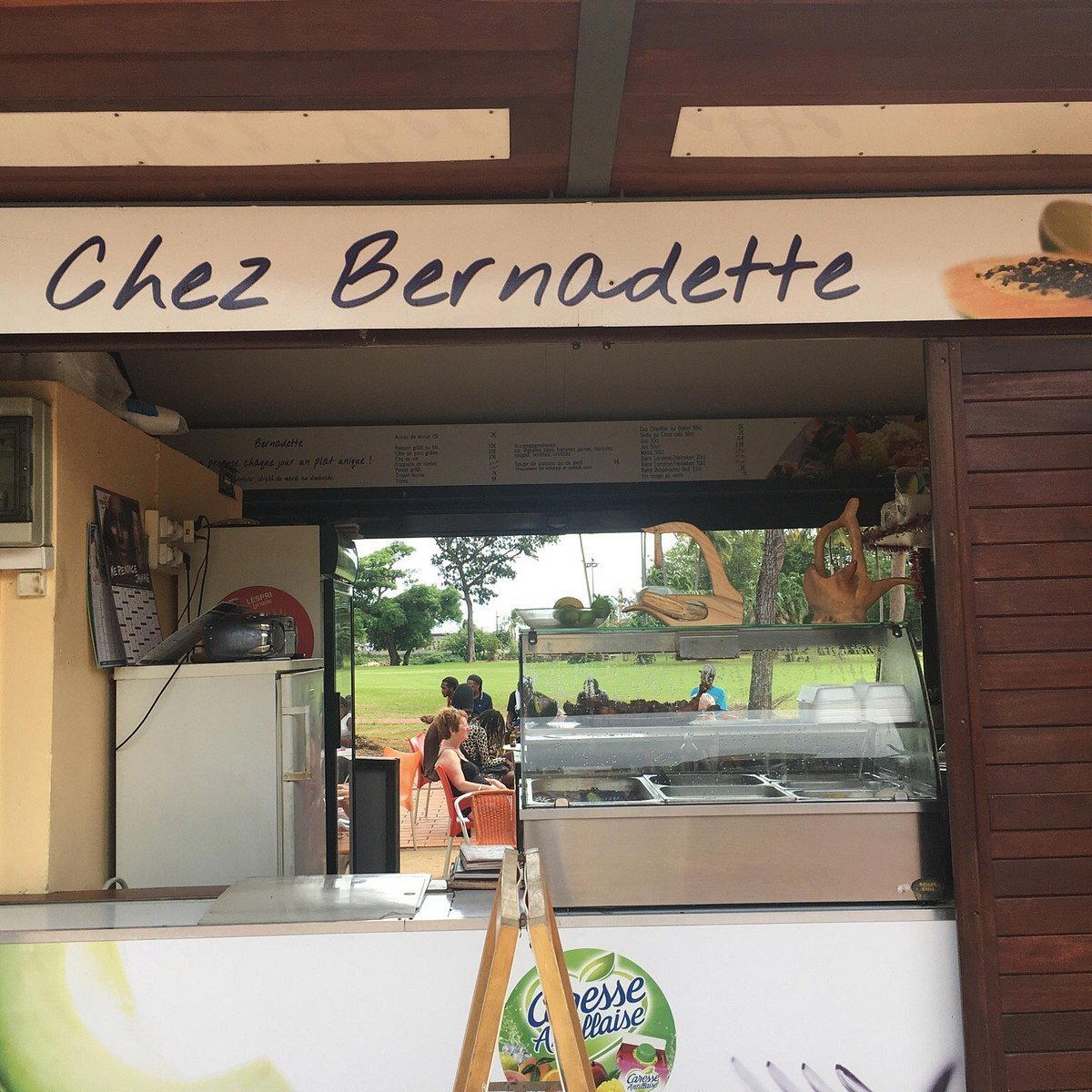
Rue de la Liberté and the Logic of the Creole Table
Fort-de-France's Rue de la Liberté runs along the waterfront with the kind of civic confidence that colonial-era boulevards were designed to project. The buildings that line it range from the Schoelcher Library's polychrome iron facade to low commercial blocks that have weathered decades of trade and foot traffic. Chez Bernadette, at number 5, occupies a position on this street that situates it firmly in the working life of the city rather than its tourist circuit. This is not an incidental detail. In Martinique, the geography of where a restaurant sits often tells you as much about its food as the menu does.
The island's Creole cooking tradition developed through the convergence of African, French, South Asian, and Amerindian foodways, and its logic has always been one of proximity: cook what grows here, what arrives at the dock this morning, what the garden produces in this season. Restaurants like Chez Bernadette carry that logic forward not as a marketing position but as a structural reality. Fort-de-France's covered market, the Grand Marché, sits close enough to the centre that sourcing from it is a practical decision as much as a principled one. For visitors trying to understand what Martinican cooking actually is beneath the resort-hotel approximations, addresses on or near Rue de la Liberté are often more instructive than those in purpose-built dining districts.
What the Island Supplies
Martinique's agricultural profile is specific enough to shape menus in ways that distinguish local Creole cooking from the broader Caribbean category. Sugarcane cultivation defined the island's economy for centuries and its legacy runs through the cooking in the form of rhum agricole, which appears in marinades and sauces as well as glasses. Christophine, breadfruit, plantain, yam, and dasheen are grown across the island's interior hillsides and appear in their fresh form at the Grand Marché and smaller neighbourhood vendors. The Atlantic coast and the Caribbean side produce different fish: kingfish, tuna, snapper, and the small, firm-fleshed species that are grilled or braised into court-bouillon, Martinique's most characteristic fish preparation.
The Creole table's dependence on this supply chain means that what is served in any given week reflects what is available rather than what a fixed menu specifies. This stands in structural contrast to the kind of restaurant tourism anchored around signature dishes at Michelin-recognised tables, places like Le Bernardin in New York City, Uliassi in Senigallia, or Quattro Passi in Marina del Cantone, where consistency of a specific dish across multiple visits is part of the proposition. At a neighbourhood Creole restaurant, the proposition is different: the dish changes because the catch or the harvest changes, and that variability is itself the point.
Fort-de-France's Dining Register
The city's restaurant options range from the kind of destination-level cooking found at Le Petibonum in Le Carbet, which has drawn international attention for its interpretation of Martinican produce, to the street-facing simplicity of spots like Rue Felix Eboue in Bellefontaine. Chez Bernadette sits within a mid-register that Fort-de-France sustains particularly well: restaurants that cook for the people who live and work nearby, that do not require advance booking strategies of the kind associated with chef-driven tasting menus at places like Lazy Bear in San Francisco or Atomix in New York City, and that derive their authority from repetition and consistency rather than innovation.
This register is where Creole cooking is most legible as a tradition rather than a performance. The cooking techniques, the spicing, the use of colombo (a spice blend brought by Indian indentured workers in the nineteenth century), the preparation of accras de morue, the assembly of a plate of rice and peas alongside a braised protein: these are practices with depth, not simplicity. They just do not announce themselves with the vocabulary that high-end dining rooms use. For comparison, the ingredient-sourcing rigour that earns recognition at restaurants like Atelier Moessmer Norbert Niederkofler in Brunico or Reale in Castel di Sangro operates from the same underlying principle: food tastes like where it is from because the sourcing made it so. In Fort-de-France, that principle is embedded in the neighbourhood table before it is ever formalised into a dining concept.
Other Fort-de-France addresses worth placing in context alongside Chez Bernadette include Dabkeh, which represents the Lebanese-influenced strand of the city's multicultural food scene, and Pitaya Thaï Street Food, a fast-casual format operating in a different register entirely. The three together sketch the range of what Fort-de-France actually offers day to day. Our full Fort De France restaurants guide maps the broader picture.
Planning a Visit
Chez Bernadette's address at 5 Rue de la Liberté places it in the city centre, within walking distance of the waterfront and the main market. Fort-de-France's central districts are navigable on foot, and the Rue de la Liberté corridor is accessible without a car. For those arriving by ferry from other parts of the island or from Sainte-Lucie, the terminal sits close to the waterfront, making this stretch of the city a natural first or last stop.
Continue exploring
More in Fort De France
Restaurants in Fort De France
Browse all →
Bars in Fort De France
Browse all →
At a Glance
- Cozy
- Lively
- Casual Hangout
- Family
- Standalone
- Local Sourcing
- Street Scene
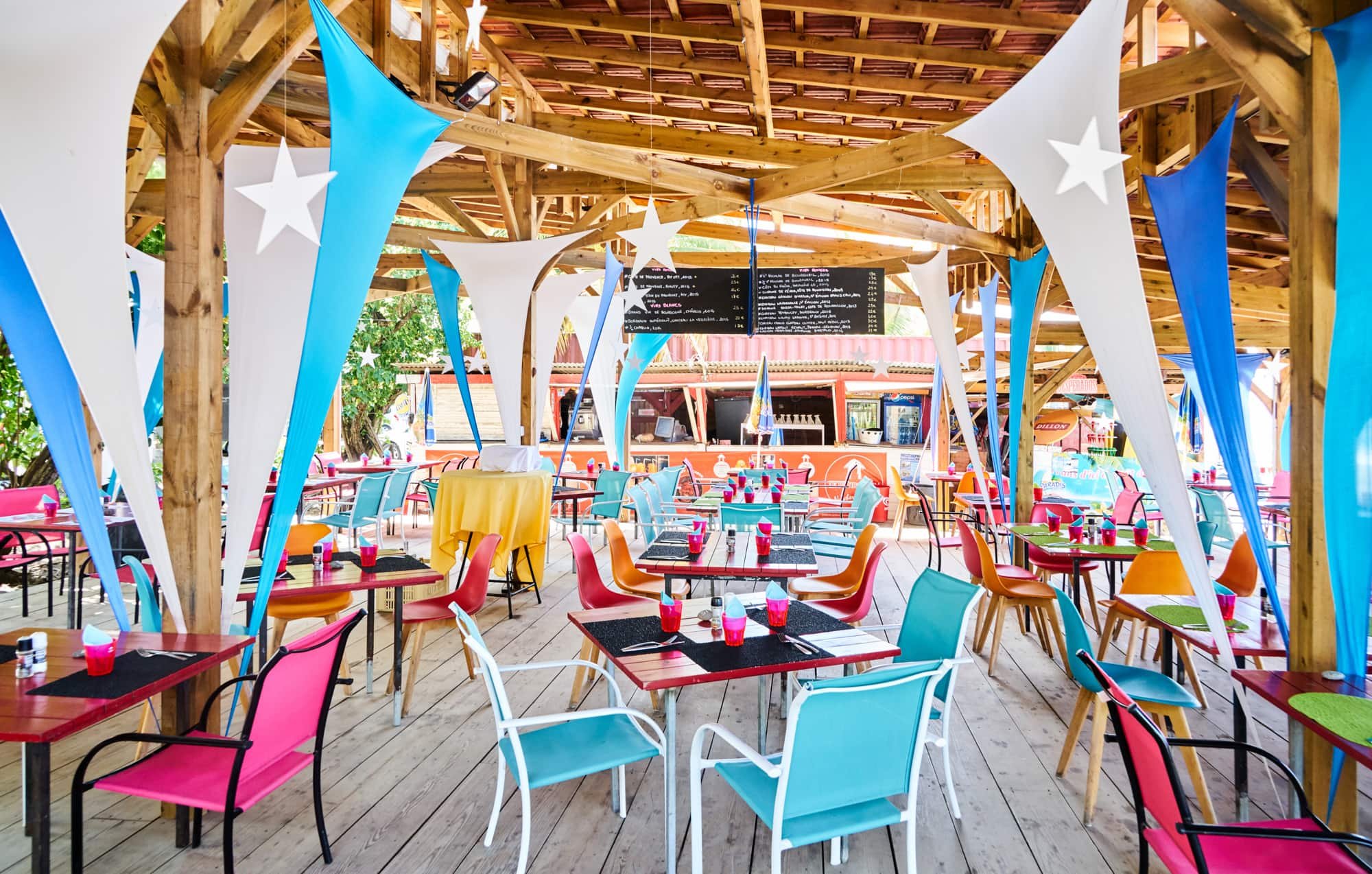
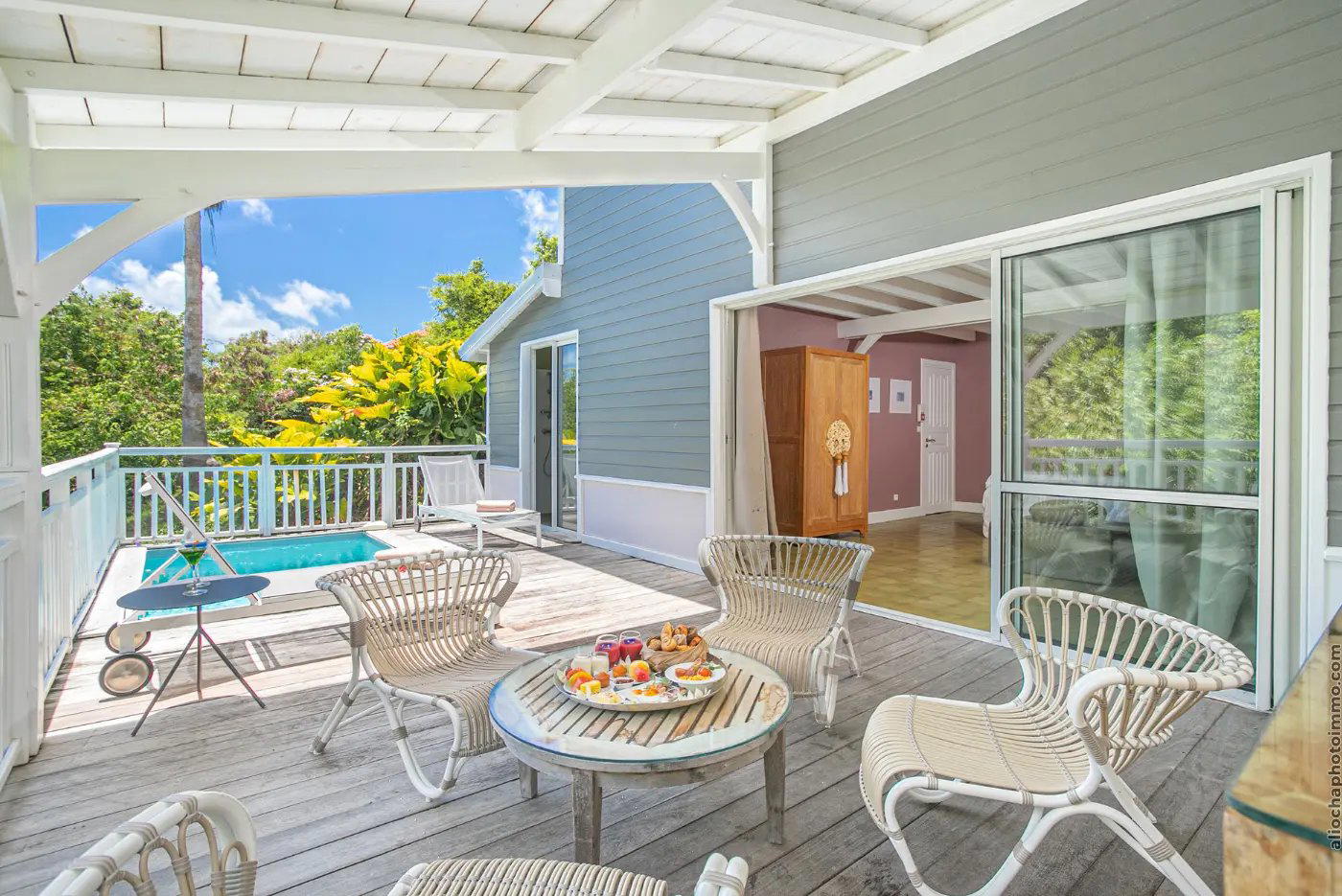
Casual, shaded outdoor seating with a warm, family-run atmosphere and lively local energy.
Know Before You Go
- Getting there
- 5 Rue de la liberté, Fort-de-France 97200, Martinique