Pitaya Thaï Street Food
Fort-de-France's dining scene sits at a crossroads of Caribbean produce and global culinary influence, and Pitaya Thaï Street Food on Rue Ernest Desproges represents one of the more specific expressions of that tension: a Thai street food format operating in the heart of Martinique's capital. The kitchen translates Southeast Asian technique through a French Caribbean lens, drawing an audience that ranges from office workers at lunch to evening crowds seeking something outside the island's Creole mainstream.
Pearl is the En Primeur Club membership app — saves, bookings, and concierge access live there. Same editors, same standards.
- Address
- 74 Rue Ernest Desproges, Fort-de-France 97200, Martinique
- Phone
- +596 596 71 72 04
- Website
- pitaya-thaistreetfood.com
- Directions
- Get directions
 Saves & bookings on Pearl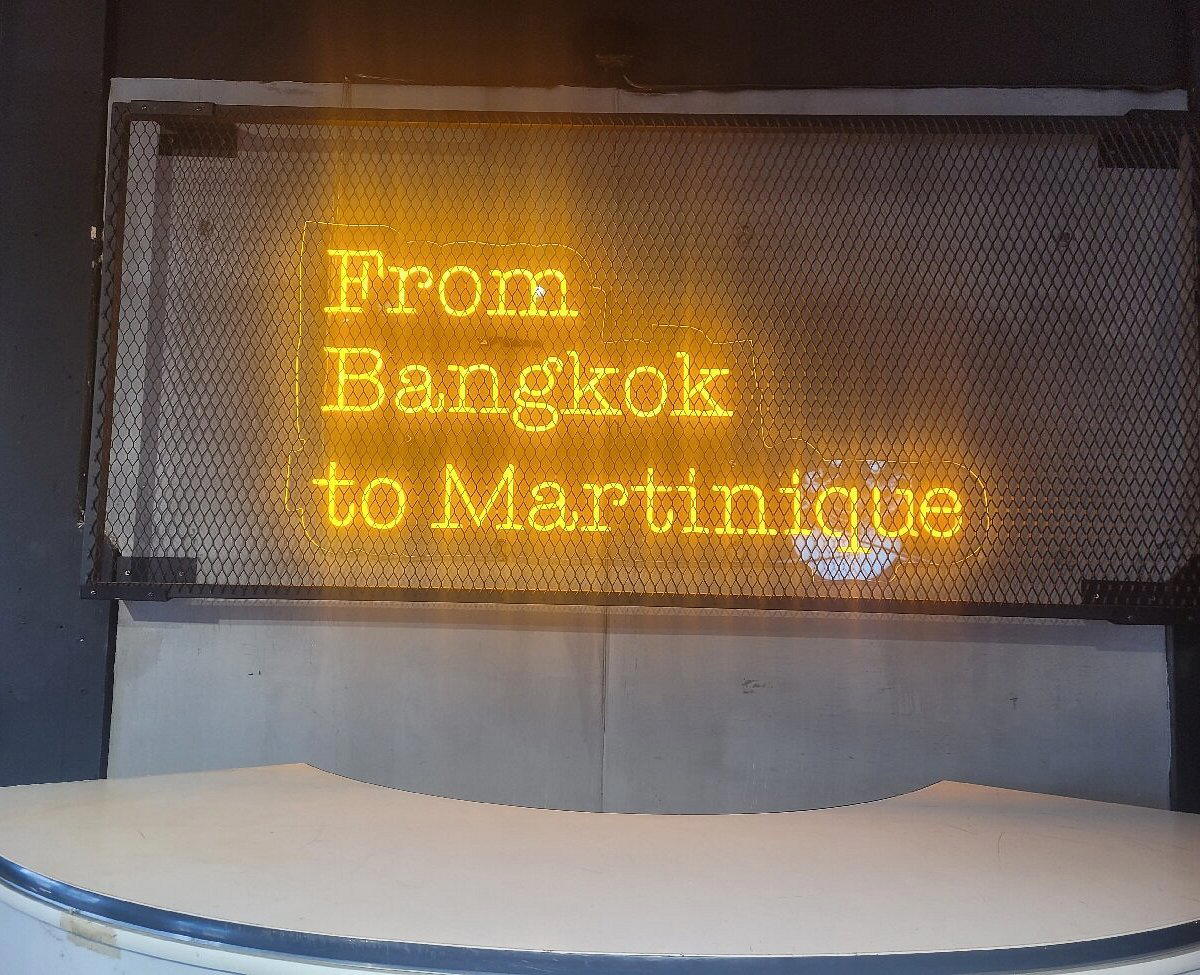
Thai Street Food in a French Caribbean Capital
Fort-de-France is a city where the street-level food offer tells you more about the population than any restaurant guide. The covered market on Rue Antoine Siger, the rotisserie trucks near the waterfront, the bakeries producing both baguettes and accras within a few metres of each other: the city's eating habits reflect a layered colonial and immigrant history that neither a purely Creole nor a purely French framing captures cleanly. It is into this context that Thai street food arrives on Rue Ernest Desproges, not as an anomaly but as one more thread in a food culture that has always absorbed outside influence.
Pitaya Thaï Street Food sits at 74 Rue Ernest Desproges in central Fort-de-France, a short walk from the commercial heart of the city. The format is immediately legible to anyone who has eaten at a Thai street counter in Paris or Lyon: counter service, a tight menu built around noodle soups, rice dishes, and stir-fries, and a price point that puts it firmly in the everyday eating category rather than the special-occasion bracket. What makes the location specific is the ingredient question. Fort-de-France is surrounded by some of the most productive agricultural land in the Caribbean, and the sourcing decisions a kitchen makes here carry weight that the same format in a European city would not necessarily face.
The Sourcing Question in a Produce-Rich Island
Martinique's agricultural output is dominated by bananas and sugarcane at the export level, but the local market circuit supplies a range of tropical produce, herbs, and proteins that any kitchen operating on the island has access to. The tension for a Thai-format restaurant is specific: the cuisine is built around ingredients, aromatics, and preserved pastes that have no direct local equivalent. Galangal, lemongrass, Thai basil, kaffir lime leaves, and fish sauce are the structural elements of the cooking, and sourcing decisions about whether to import these at cost or substitute with local alternatives define what version of the food actually reaches the plate.
This is a genuine editorial question for any Thai restaurant operating in the French Caribbean rather than in a city with a large Southeast Asian ingredient supply chain. The most coherent answer, and the one that produces the most defensible food, is to import the irreplaceable aromatics while using local proteins and fresh produce where the cuisine allows substitution without compromise. A Thai green curry built on imported paste but local fish or poultry from Martinique's interior sits in a different category from one assembled entirely from frozen or long-haul imports. Whether Pitaya Thaï Street Food resolves this tension with precision is something only direct, repeated observation confirms, but the question itself is the right one to ask of any operation in this position.
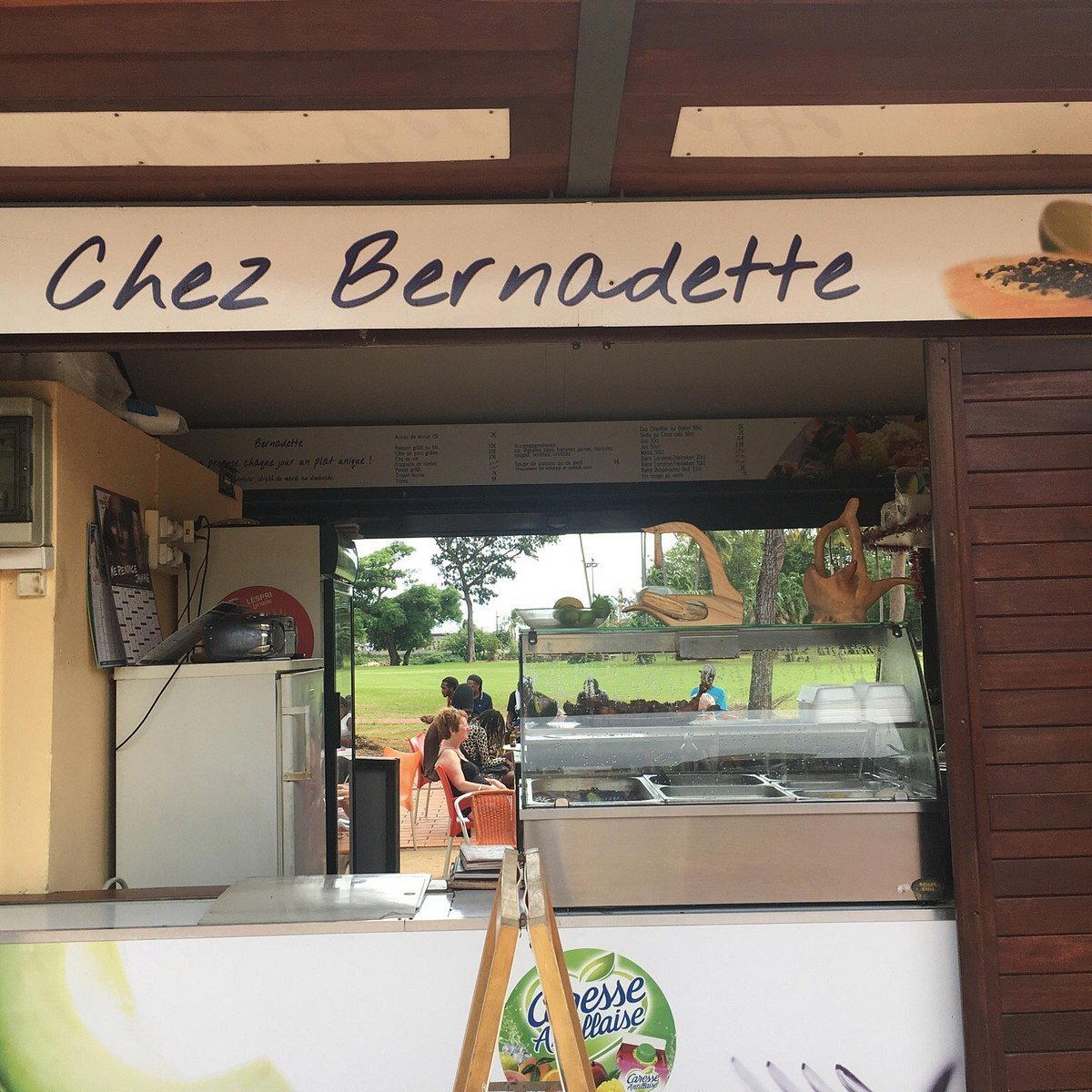
Fort-de-France's dining scene has other reference points that illuminate the range of approaches to this sourcing question. Le Petibonum in Le Carbet has built a reputation specifically around Martinican produce as the centrepiece of a more formal Caribbean cooking tradition, while Chez Bernadette operates closer to the Creole mainstream that defines the city's everyday eating. Pitaya occupies a different register entirely, not competing in the Creole tradition but offering an alternative for the part of Fort-de-France's population that wants something outside that frame.
Street Food Format in a Caribbean Urban Setting
The street food format carries specific social logic. In Bangkok or Chiang Mai, Thai street counters function as neighbourhood infrastructure: open long hours, priced for daily use, and embedded in the pedestrian rhythm of the city. Fort-de-France has its own version of that infrastructure, built around markets, food trucks, and small Creole lunch spots that serve the working population of the city centre. A Thai street food operation inserts itself into that same functional category, competing not with fine dining but with the planteur lunch or the acras stand on a Tuesday afternoon.
That positioning has implications for the experience. This is not the kind of operation that rewards extended research into tasting notes or wine pairings. It rewards showing up, eating directly and efficiently, and understanding the format for what it is: a kitchen executing a specific and narrow range of dishes at a price accessible to the city's everyday appetite. Visitors oriented toward Martinique's more ambitious dining, including the broader scene documented in our full Fort De France restaurants guide, will find Pitaya useful as a reference point for the city's culinary range rather than as a primary destination. Those who want to eat Thai food while on the island, without the overhead of a formal restaurant, will find the format answers that need directly.
For comparison across culinary registers that engage seriously with ingredient origin and sourcing philosophy at a global level, operations like Arpège in Paris or Aponiente in El Puerto de Santa María represent the far end of that commitment. Pitaya operates at a completely different scale and price tier, but the underlying question about where ingredients come from and what that means for the coherence of the food applies regardless of formality level.
Eating Around Fort-de-France: How Pitaya Fits
A city like Fort-de-France, where Dabkeh represents the Lebanese presence and Rue Felix Eboue in Bellefontaine extends the eating geography beyond the city centre, supports a more plural food offer than its size might suggest. Thai food in this context is one more expression of that plurality, and Pitaya on Rue Ernest Desproges holds a specific position in the city's street-level offer: accessible by foot from most of central Fort-de-France, operating within a format that is easy to read on first visit, and priced for repeat use rather than occasion dining.
Planning a visit is direct in logistical terms. The address at 74 Rue Ernest Desproges places it in a walkable part of central Fort-de-France. As with most street food operations at this tier, the practical advice is to arrive during standard meal service windows rather than at the edges of the day, and to have reasonable expectations about capacity and wait times during peak lunch hours in a city centre location.
Continue exploring
More in Fort De France
Restaurants in Fort De France
Browse all →
Bars in Fort De France
Browse all →
At a Glance
- Lively
- Trendy
- Casual Hangout
- Family
- Open Kitchen
Current opening hours
- Monday
- 11 AM–9:30 PM
- Tuesday
- 11 AM–9:30 PM
- Wednesday
- 11 AM–9:30 PM
- Thursday
- 11 AM–9:30 PM
- Friday
- 11 AM–9:30 PM
- Saturday
- 11 AM–9:30 PM
- Sunday
- 12:30–9:30 PM
Hours can change for holidays and private events. Last verified .
Casual and lively atmosphere evoking Bangkok street food culture with colorful dishes.
Know Before You Go
- Getting there
- 74 Rue Ernest Desproges, Fort-de-France 97200, Martinique