Ti Sable
Ti Sable sits on the waterfront of Les Anses d'Arlet, one of Martinique's most photographed fishing villages, where the cooking draws directly from the Caribbean's larder. The setting places local sourcing at the centre of the experience, with the sea and the market doing much of the work before anything reaches the kitchen. It is the kind of address that reflects its geography honestly.
Pearl is the En Primeur Club membership app — saves, bookings, and concierge access live there. Same editors, same standards.
- Address
- 35 All. des Raisiniers, Les Anses-d'Arlet 97217, Martinique
- Phone
- +596 596 68 62 44
- Website
- tisablemartinique.com
- Directions
- Get directions
 Saves & bookings on Pearl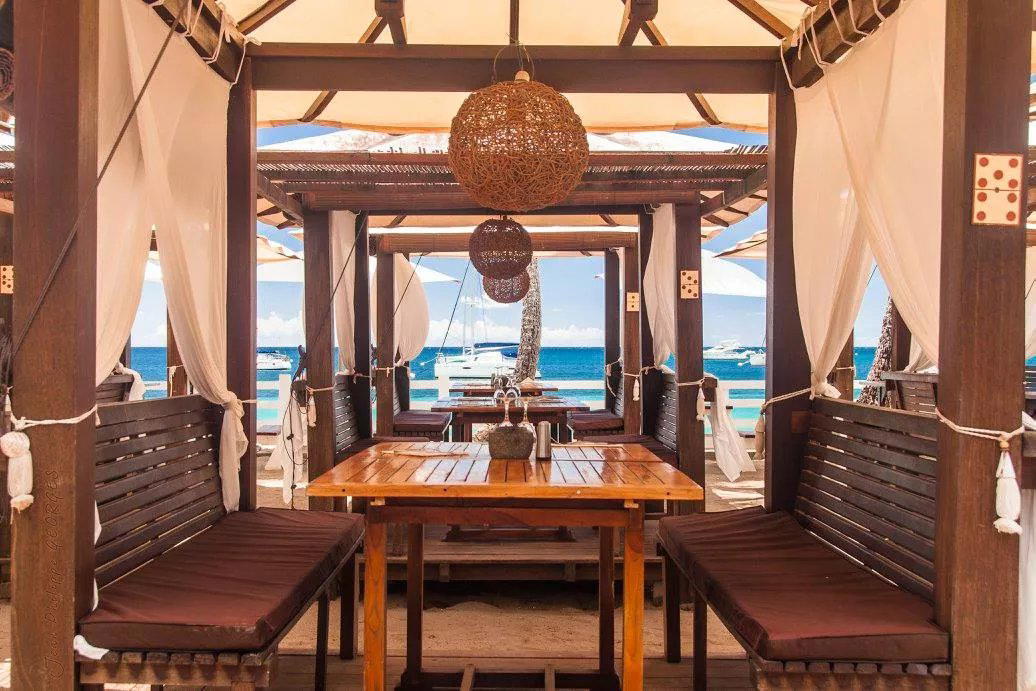
Where the Catch and the Kitchen Occupy the Same Shoreline
Les Anses d'Arlet operates on a different rhythm from Martinique's northern tourist corridor. The village sits on the southwestern coast, its church rising almost from the sand, its bay still worked by small-boat fishermen whose pirogues arrive each morning with whatever the Caribbean gave up overnight. Ti Sable, at 35 Allée des Raisiniers, sits within that scene rather than apart from it. The address is less a restaurant discovery than a function of the village itself: here, the distance between water and plate is measured in metres and hours, not supply chains.
That proximity shapes everything about how eating works in this part of Martinique. The French Caribbean tradition has always leaned on what is immediately available, blending West African technique, Arawak ingredient knowledge, and French culinary structure into what locals call Creole cuisine. Martinique sits within that tradition but has its own specificity: the island's madras-cloth culture, its rum agricole terroir, and its particular coastal geography push the cooking in directions you don't find in Guadeloupe or Saint-Martin. A shorefront address in a working fishing village like Les Anses d'Arlet is, in that context, not a backdrop but an argument about sourcing.
Ingredient Logic on the Southwestern Coast
The French Caribbean coast operates on a market-and-sea model that the metropolitan restaurant world has spent decades trying to simulate. In Les Anses d'Arlet, it is simply the default condition. Lambi (conch), langouste, red snapper, and various reef fish move from boats to local kitchens with a speed that most European coastal restaurants cannot match. The Creole preparation vocabulary built around these ingredients, colombo spicing, court-bouillon technique, acras fritters as a starting note, reflects centuries of practical knowledge about what these specific fish and shellfish require.
Ti Sable operates inside that ingredient logic. The village's scale matters here: Les Anses d'Arlet is small enough that sourcing relationships are direct rather than mediated, which is the structural advantage that small-village waterfront restaurants hold over their urban counterparts. Compare that with the supply complexity facing a three-Michelin-starred kitchen in Paris, such as Alléno Paris au Pavillon Ledoyen, or even a coast-adjacent operation like La Vague d'Or in Saint-Tropez, and the difference in sourcing intimacy becomes clear. In Les Anses d'Arlet, the catch is the menu.
This is also true of the agricultural side. Martinique grows an unusual range of produce for a small island: christophines, breadfruit, plantain, yams, piment végétarien, local tomatoes, and the herbs that define Creole seasoning, particularly bois d'Inde and thyme. The island's AOC-designated rum agricole, distilled from fresh-pressed sugarcane juice rather than molasses, provides a secondary framework for understanding how seriously Martiniquais take terroir. That sensibility extends to kitchens that engage honestly with the island's pantry.
The Setting as Argument
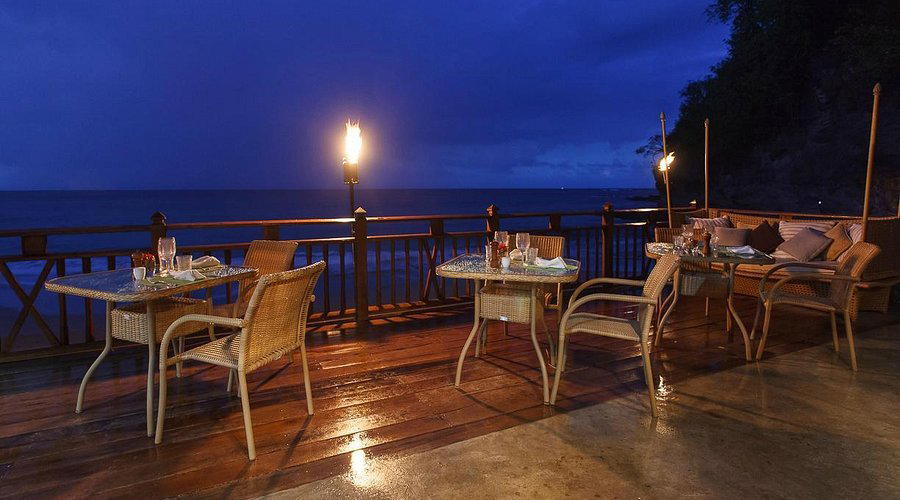
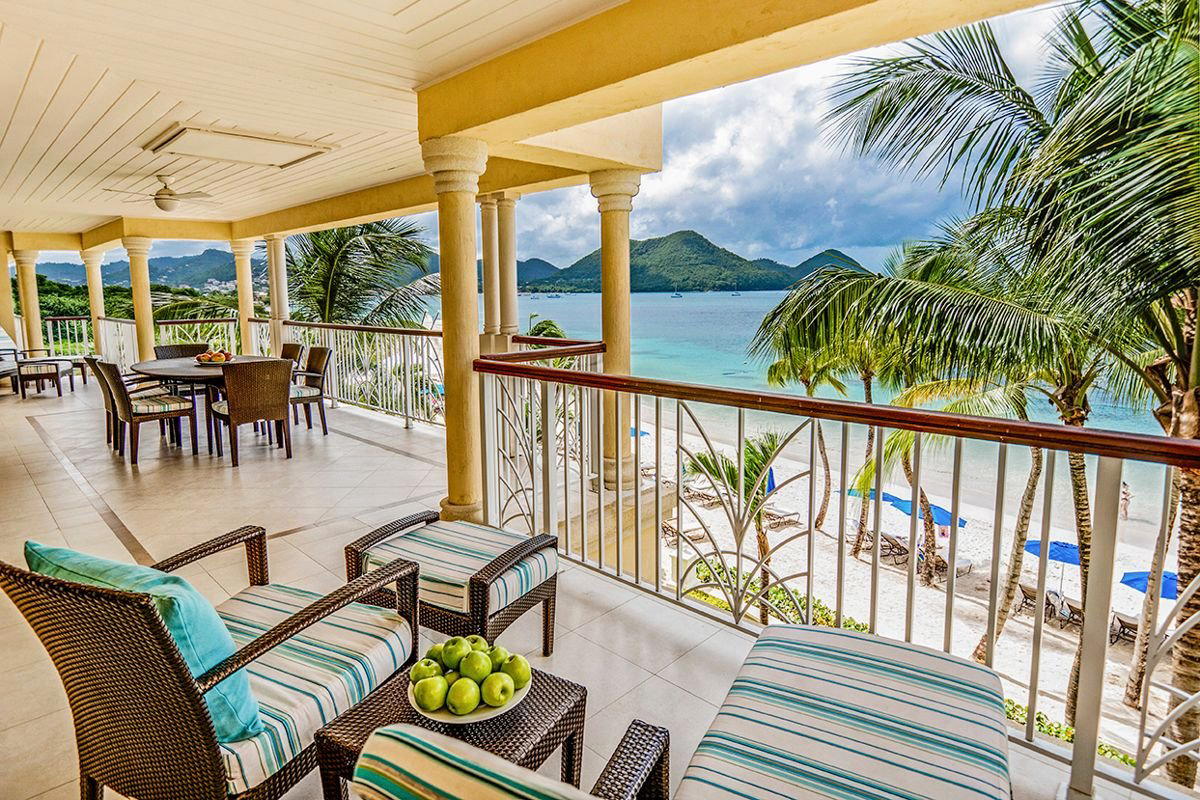
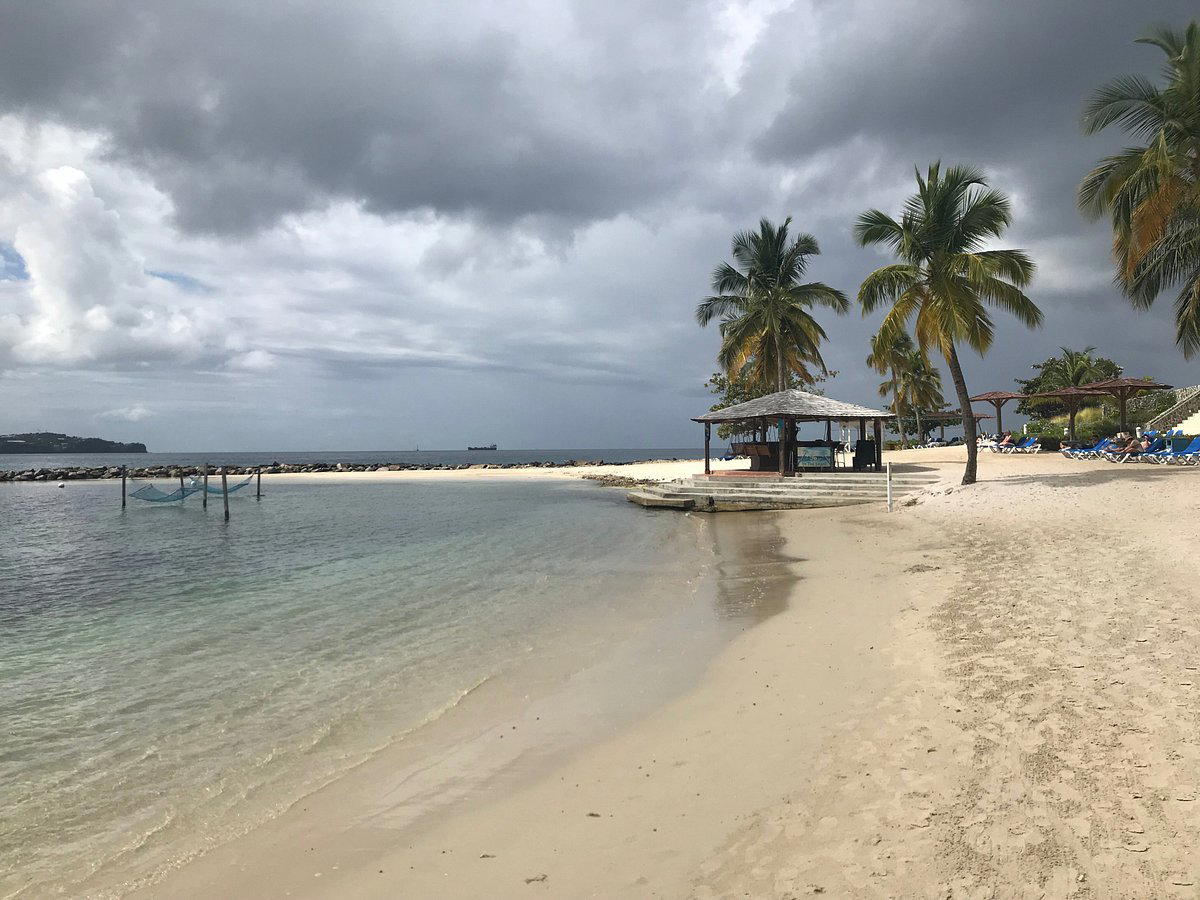
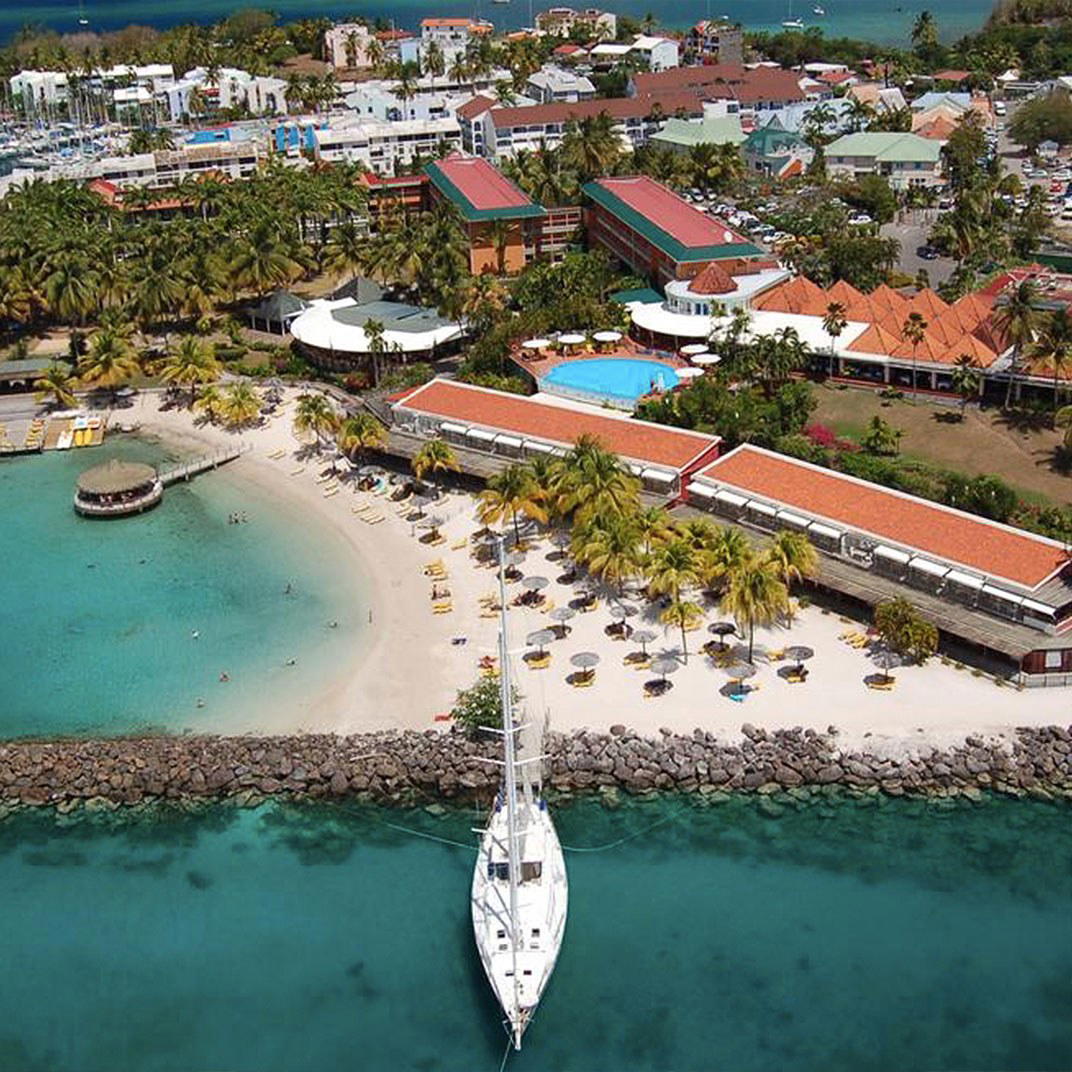
Approaching Ti Sable, the physical orientation of the village makes the experience legible before you sit down. Les Anses d'Arlet's main beach curves gently, with tables at waterfront spots essentially positioned on the sand or directly above it. The bay is calm on most days, clear enough to see the reef structure below, and the church of Saint-Henri behind functions as an accidental landmark. This is a village where the dining scene is woven into daily life rather than separated into a tourist district, which affects the quality of the interaction you are likely to have.
Martinique's southwestern coast sees fewer cruise passengers than Le François or the northern rainforest routes, which gives Les Anses d'Arlet a lower-key register than many Caribbean dining destinations. The village rewards those who arrive by rental car from Fort-de-France, roughly 30 kilometres to the northeast, and spend time rather than tick a box. For context on what the broader French dining world looks like at the structured, destination end, EP Club covers addresses from Mirazur in Menton to Bras in Laguiole to Flocons de Sel in Megève. Ti Sable occupies a completely different register: no tasting menus, no formal service architecture, no chef reputation driving the booking. The draw is locational and ingredient-driven.
Planning a Visit
Les Anses d'Arlet is leading approached outside peak season, which runs from mid-December through April when the village absorbs a significant share of Martinique's winter tourism. The dry season offers the clearest water and most reliable beach conditions, but the shoulder months of May and November carry fewer crowds and still deliver the fishing activity that makes the village's ingredient picture credible. Arriving at lunchtime aligns naturally with the rhythm of a fishing village, where the morning catch translates into midday plates. There is no booking infrastructure or published contact information available for Ti Sable at the time of writing, which suggests showing up in person is the operative method, consistent with how small-scale Caribbean waterfront spots typically function. Parking in Les Anses d'Arlet is limited, and the village's pedestrian centre means a short walk from any available spot. See our full Les Anses d'Arlet restaurants guide for broader context on eating and drinking across the village.
For those building a longer French Caribbean itinerary, Martinique's restaurant scene spans from spots like Ti Sable at the casual, ingredient-honest end to more structured dining in Fort-de-France. The island sits within a French culinary inheritance that, at its most formal expressions, includes addresses like Auberge de l'Ill in Illhaeusern, Maison Lameloise in Chagny, and Les Prés d'Eugénie in Eugénie-les-Bains, but Ti Sable's interest comes from the opposite end of that spectrum: stripped-back, place-specific, and honest about what the sea and the island's soil actually provide. Across the Atlantic, the casual-but-ingredient-serious format finds a different expression at places like Lazy Bear in San Francisco, where sourcing narrative drives the experience. In Les Anses d'Arlet, the narrative needs no telling because the boats are visible from the table.
Continue exploring
More in Les Anses D Arlet
Restaurants in Les Anses D Arlet
Browse all →
Bars in Les Anses D Arlet
Browse all →

At a Glance
- Scenic
- Rustic
- Cozy
- Casual Hangout
- Family
- Celebration
- Waterfront
- Live Music
- Terrace
- Local Sourcing
- Waterfront
Current opening hours
- Monday
- 9 AM–6 PM
- Tuesday
- 9 AM–6 PM
- Wednesday
- 9 AM–6 PM
- Thursday
- 9 AM–6 PM
- Friday
- 9 AM–6 PM
- Saturday
- 9 AM–12 AM
- Sunday
- 9 AM–12 AM
Hours can change for holidays and private events. Last verified .
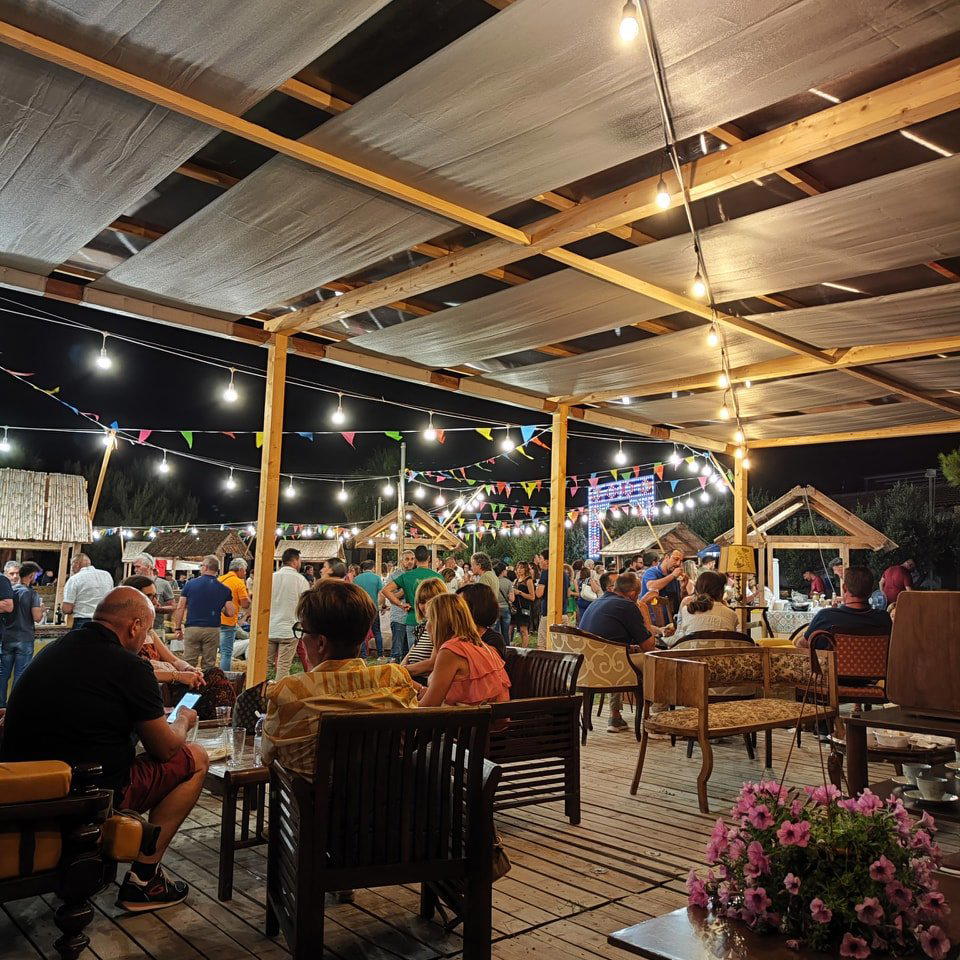
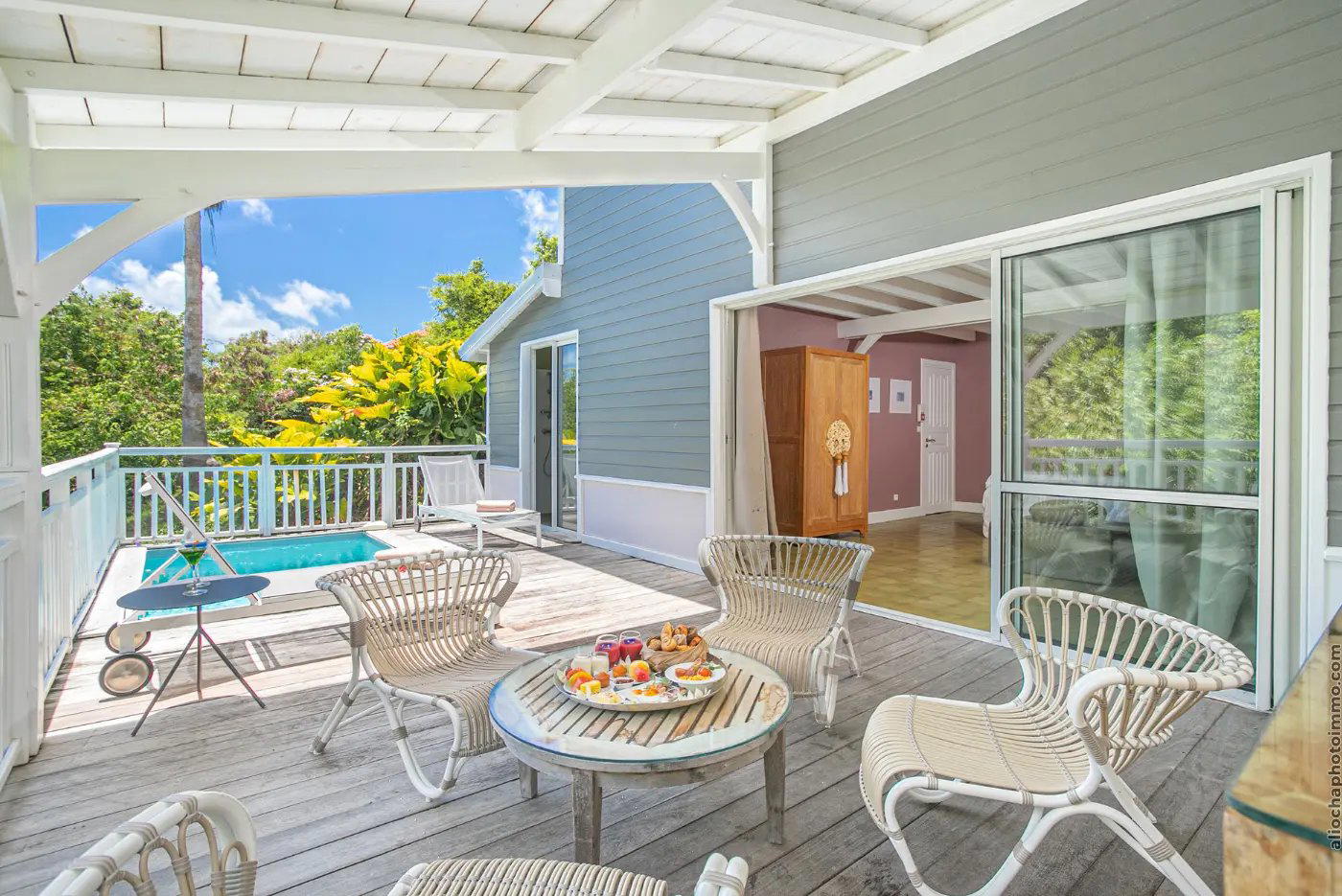
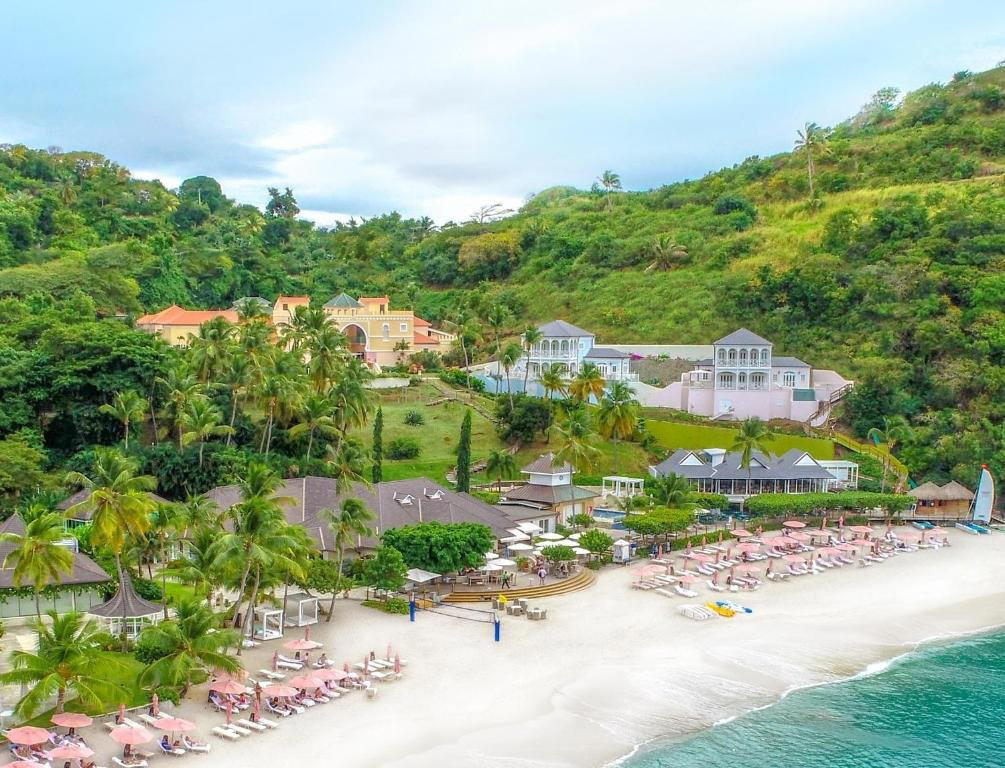
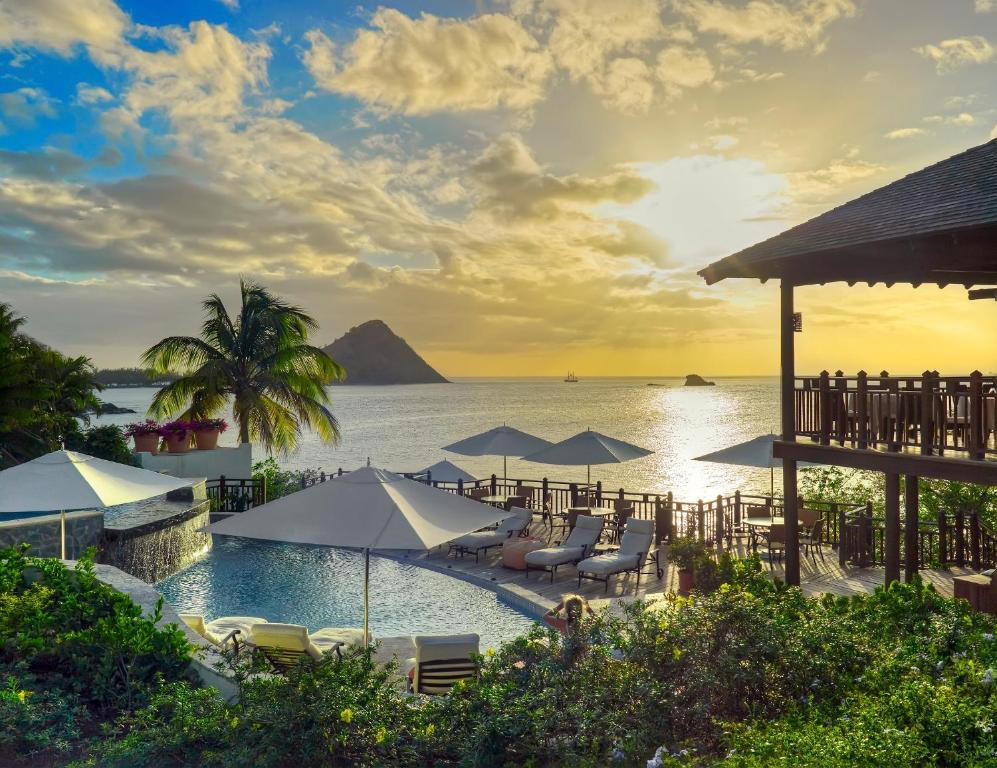
Relaxed beachside atmosphere with deckchairs, breezy terrace, and festive live music on Sundays.
Know Before You Go
- Getting there
- 35 All. des Raisiniers, Les Anses-d'Arlet 97217, Martinique