Bigoudi enters Paris through the bar lens rather than the restaurant lens: a name with limited published practical data, which makes it better approached as part of the city’s wider cocktail circuit than as a fully decoded destination. In a capital where hotel bars, neo-speakeasies and neighbourhood counters compete for attention, it suits travelers who enjoy building an evening around exploration, verification and nearby alternatives.

Pearl is the En Primeur Club membership app, where members save venues, book tables and use the concierge.
Paris cocktail culture, viewed from the doorway
Paris bar-going begins before the first drink is ordered: a pavement decision, a glance at the room, a read of whether the night calls for a polished hotel bar, a small counter with regulars, or a cocktail address that asks for a little patience. Bigoudi sits inside that decision rather than above it.
That does not make the bar irrelevant. It makes it a different kind of Paris entry: one to treat as part of an evening’s fieldwork, not the only plan of the night. The Paris cocktail scene rewards that approach. Its stronger addresses are rarely interchangeable. Some lean on French spirits and aperitif culture, others on hotel-room polish, others on small-format experimentation or late-night atmosphere. The useful question is not whether a single bar can carry a trip, but how it fits into a wider route across the city’s drinking culture.
The cocktail programme is therefore the frame here, even where specifics are not published. Without a database-confirmed signature drink, menu format or bar-team credential, the responsible reading is comparative: Bigoudi belongs to the side of Paris drinking where a traveler should confirm details before committing, then use the surrounding bar ecosystem as context. That is a practical editorial stance, not a dismissal. In cocktail cities, opacity can be charming, but it also shifts risk onto the guest.
The drink question in Paris is now about format
Paris no longer has a single cocktail identity. The city has moved beyond the old split between grand hotel bars and casual wine counters. Contemporary drinking here includes agave-focused rooms, clarified serves, aperitif-led menus, natural-wine hybrids, clubby lounges and neighborhood bars that borrow technique from restaurants without adopting restaurant formality. A venue with limited public information has to be read against that fragmented market.
For a traveler, the first filter is format. A bar attached to a palace hotel competes on service choreography, glassware, room design and a sense of ceremony. A small cocktail counter competes on pacing, bartender access and drink construction. A late-night lounge competes on energy, music and the ability to hold a room after dinner. Treat it as a Paris cocktail stop to verify, then compare the experience against better-documented peers.
That comparison is easy to make in Paris because the city has a dense reference set. Candelaria helped define the capital’s hidden-door cocktail era, using a taqueria-fronted format that trained visitors to look beyond the obvious entrance. Danico represents another Paris mode: design-conscious, internationally fluent and closer to the polished centre of the city’s contemporary cocktail conversation. Bar Nouveau points toward a newer appetite for tight, authored drinks programmes rather than sprawling lists. These comparisons matter because they show how Paris drinkers now judge bars: not by novelty alone, but by clarity of concept and execution.
Why limited data changes the recommendation
Luxury travel advice often becomes too generous when a venue has a memorable name and a Paris postcode. That is a mistake. In a mature cocktail city, details are part of the product. A confirmed booking method reduces friction. A published menu gives a sense of ambition. Awards and rankings help place a bar in its peer group, though they never replace judgment. Published hours prevent wasted travel time.
The practical implication is simple: do not design a whole evening around this stop unless current details have been confirmed through a reliable live source. If a traveler is already nearby, the risk is lower. If the plan involves crossing Paris, meeting guests, or building a pre-dinner schedule around one drink, the absence of a confirmed address, website and phone number becomes a real planning issue. Paris can absorb that uncertainty because there are strong alternatives across several neighbourhoods, but the traveler needs a backup.
That backup can follow the mood rather than the arrondissement. For theatrical scale and a long-running Paris name, Buddha Bar belongs to the city’s grander late-night tradition, where atmosphere often matters as much as drink detail. For a more cocktail-led comparison, Candelaria and Danico give clearer reference points. For a broader food-and-drink itinerary, Our full Paris restaurants guide helps connect an aperitif plan to dinner rather than treating the bar as an isolated stop.
How Bigoudi fits the Paris bar circuit
What can be said with confidence is that Paris has become a city where smaller, less heavily documented bars can sit beside high-recognition venues in the same night. The strength of the city is not only its trophy addresses. It is the ability to move between polished rooms, compact counters and independent places without leaving the orbit of serious drinking.
That is why Bigoudi is more useful as a node in a route than as a standalone claim. A traveler interested in cocktail technique should compare what is found on the night with the city’s clearer benchmarks: the precision and international confidence associated with Danico, the format-led identity of Candelaria, or the design-conscious intimacy suggested by Bar Nouveau. If the bar offers a concise list, the meaningful question will be how tightly the drinks are edited. If it works more as a casual room, the question becomes whether pacing, glassware and balance justify choosing it over the better-documented addresses nearby. If it functions as a late stop, then atmosphere and crowd control become the real test.
Paris also rewards attention to time. Early evening often favours conversation and bartender access, while later hours can shift the value of a bar toward music, social density and room energy. Because confirmed hours are not available here, timing cannot be prescribed. The safer editorial advice is to check same-day information before arrival and avoid making it the first immovable booking of the night.
The French cocktail map beyond Paris
Paris dominates international attention, but France’s cocktail culture is no longer confined to the capital. That broader map matters because it changes expectations. Travelers who drink well across France now compare Paris bars not only with London, New York or Barcelona, but also with ambitious regional addresses that work at a smaller scale and often with sharper local identity.
In the south, Papa Doble in Montpellier gives a useful contrast: a regional bar can build loyalty through personality and cocktail focus without needing palace-hotel infrastructure. Champagne country has its own drinking logic, and La Vertu in Reims belongs to a city where wine culture inevitably shapes the way guests read a drinks programme. In Bordeaux, Bar Casa Bordeaux in Bordeaux sits in a region where cocktail bars compete with a deeply entrenched wine identity. Broc'Bar in Lyon brings another comparison, because Lyon’s food culture makes casual drinking feel different from Parisian bar-hopping. In the Loire, Le Cercle Rouge in Angers reflects a smaller-city rhythm, while Le Cercle des Arômes in Colmar belongs to an Alsatian context where aromatics, wine and aperitif habits shape expectations.
Even international comparisons are useful. Café La Trova in Miami operates in a Cuban-American cocktail tradition where live music, classic serves and room culture are inseparable. That is a different model from Paris, but it highlights a shared truth: the drink alone rarely explains a bar’s appeal. Format, timing, crowd and cultural reference do as much work as the recipe.
Planning a night around it
The smartest way to plan Bigoudi is with a conditional structure. If current contact details, opening hours and address can be verified before the evening, it can be placed as an exploratory stop in a Paris cocktail route. This is especially relevant for travelers with limited nights in the city, because Paris has enough documented cocktail rooms to make avoidable uncertainty unnecessary.
Price is another open variable. Serious cocktail bars in the city often price above casual café drinks and below formal dinner tasting-menu territory, but exact numbers should be checked directly when available. Awards are also absent from the record, which means the bar should not be framed as an award-led destination. Its value, if it earns a place in the evening, will come from the live experience and how it compares with the city’s clearer cocktail references.
For travelers, the strongest fit is someone comfortable with discovery but not careless with logistics: a guest who enjoys comparing rooms, reading menus, and adjusting the night as information changes. It is a weaker fit for travelers who want every booking locked before arrival, or who are celebrating an occasion that demands certainty around address, hours and service format. In Paris, spontaneity works when it has a safety net.
At-a-Glance Comparison
Comparable venues nearby, for context on price, style, and recognition.
| Venue | Price | Notes |
|---|---|---|
| BigoudiThis venue (the venue you are viewing) | $50–100 | Not listed |
| Le Perchoir | $20–30 | Ménilmontant, rooftop_bar |
| Le Galliera | $30–50 | 16th Arr. - Passy, Bar |
| CRAVAN Paris 16e | Not listed | 16e, cocktail_bar |
| Herbarium | Not listed | Haut-Marais, cocktail_bar |
| Grouvie | $20–30 | Saint-Germain-des-Prés, cocktail_bar |
Continue exploring
More in Paris
Bars in Paris
All bars in Paris →
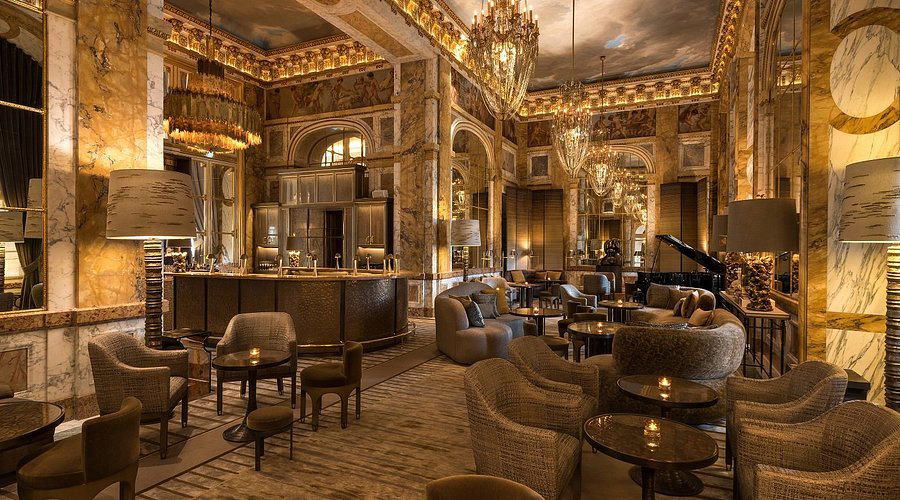

Restaurants in Paris
All restaurants in Paris →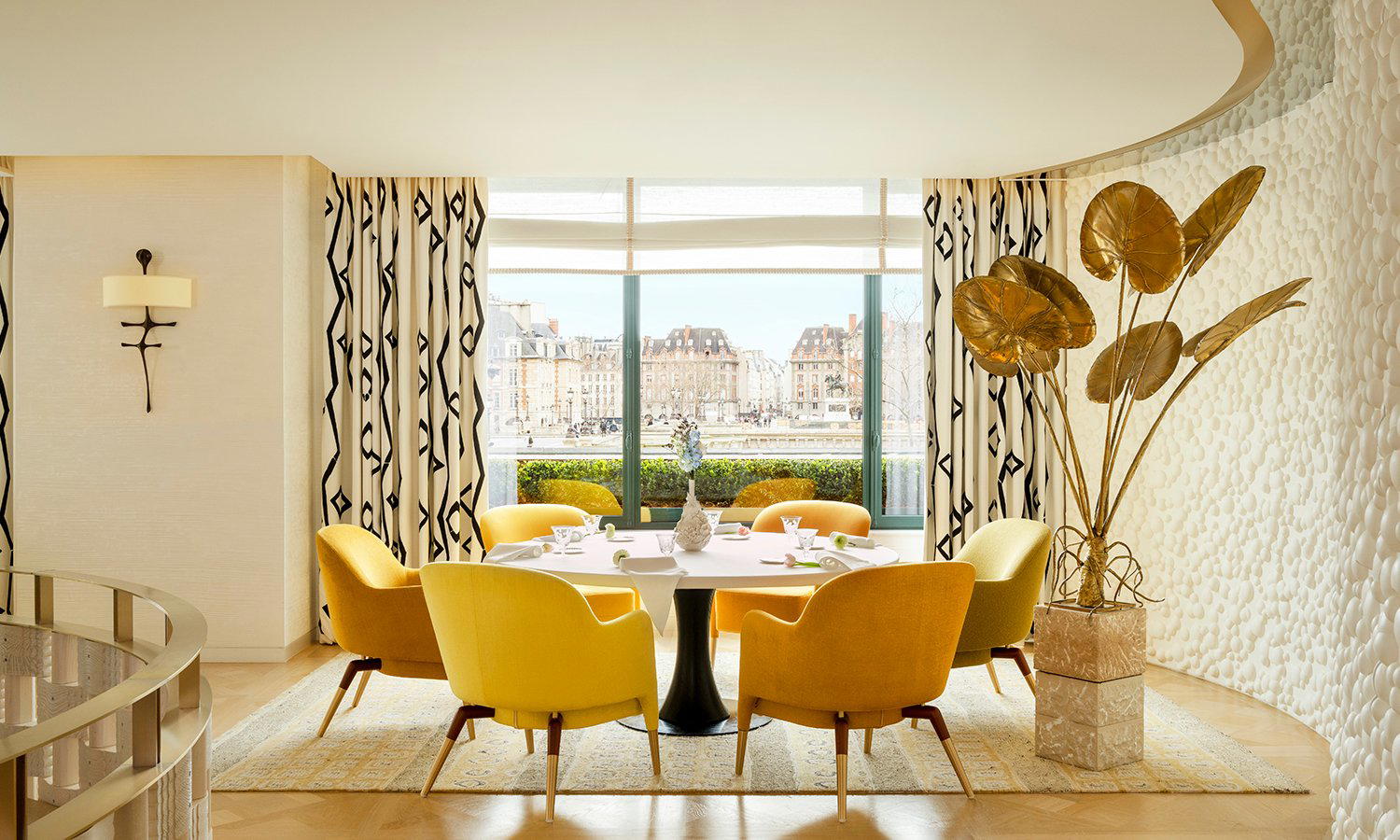
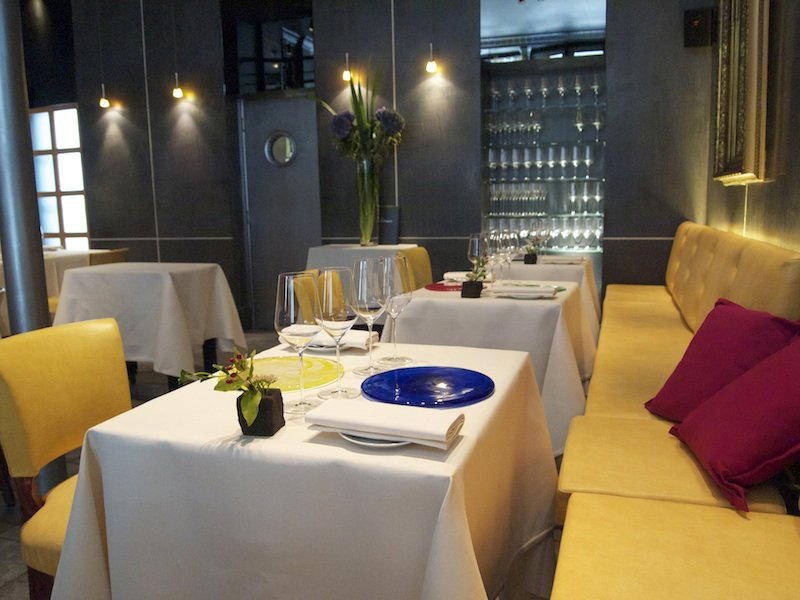
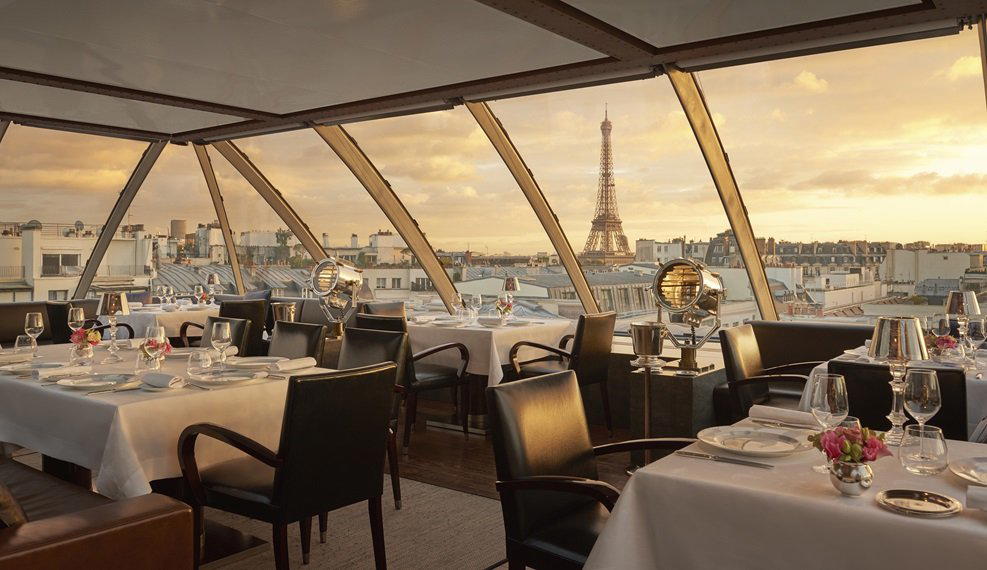




Bigoudi
The drinks
- Craft cocktails
- Classic cocktails
- Zero-proof drinks
Signature drinks: Costa Brava Smash, Capri (alcohol-free), assorted creative Spritzes.
Details
- Trendy
- Scenic
- Elegant
- Romantic
- Sophisticated
- Energetic
- Date Night
- After Work
- Group Outing
- Celebration
- Casual Hangout
- Rooftop
- Panoramic View
- Terrace
- Design Destination
- Standalone
- Outdoor Terrace
- Lounge Seating
- Seated Bar
- Communal Tables
- Craft Cocktails
- Classic Cocktails
- Conventional Wine
- Zero Proof
- Skyline
- Street Scene
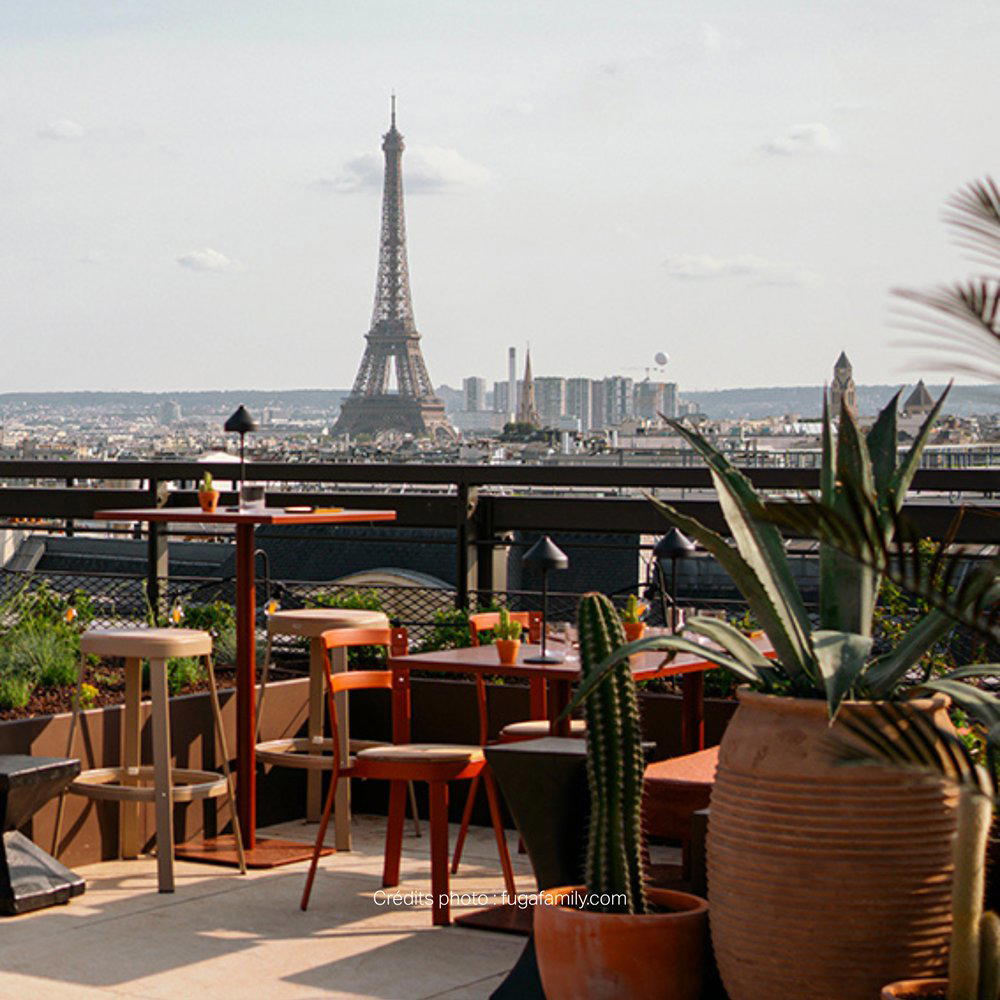
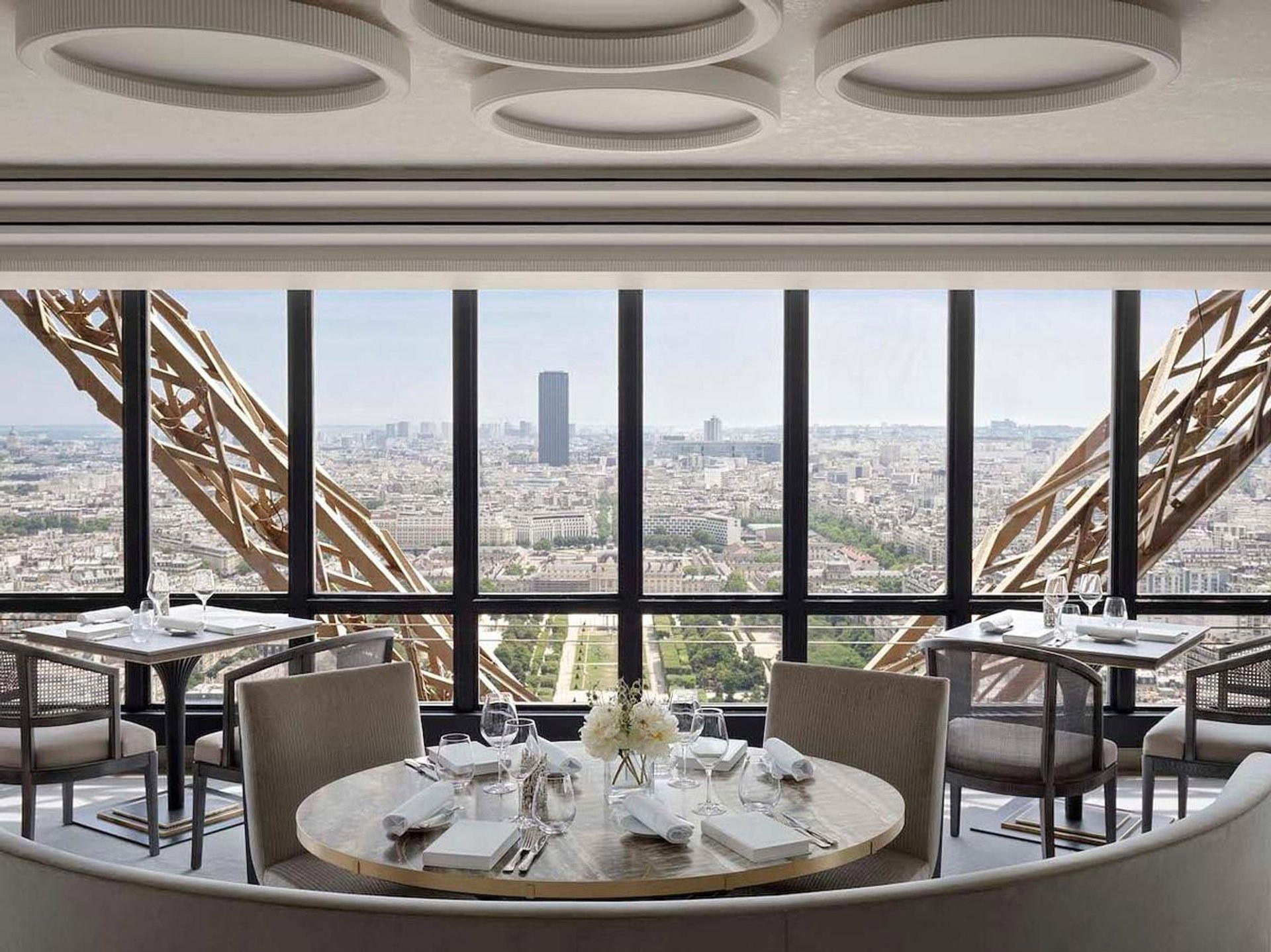
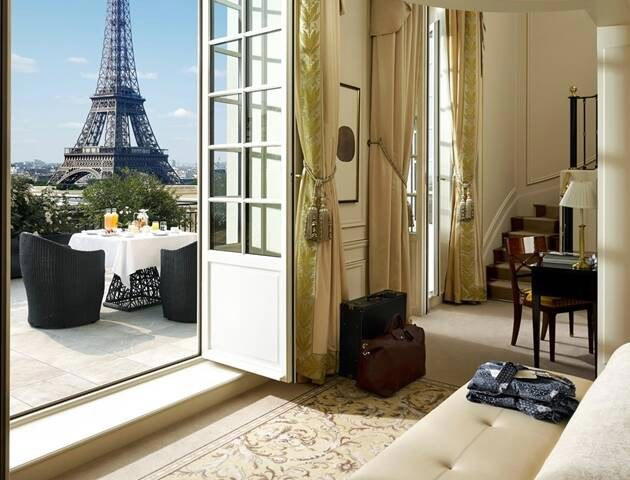
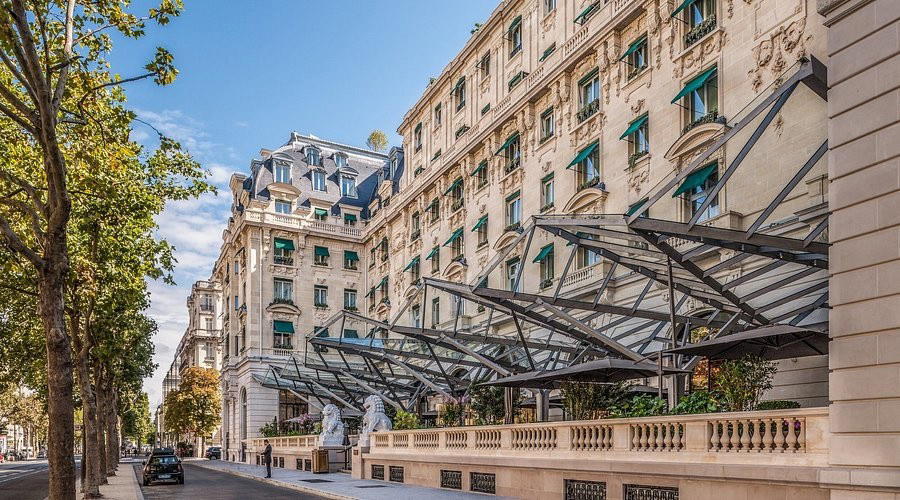
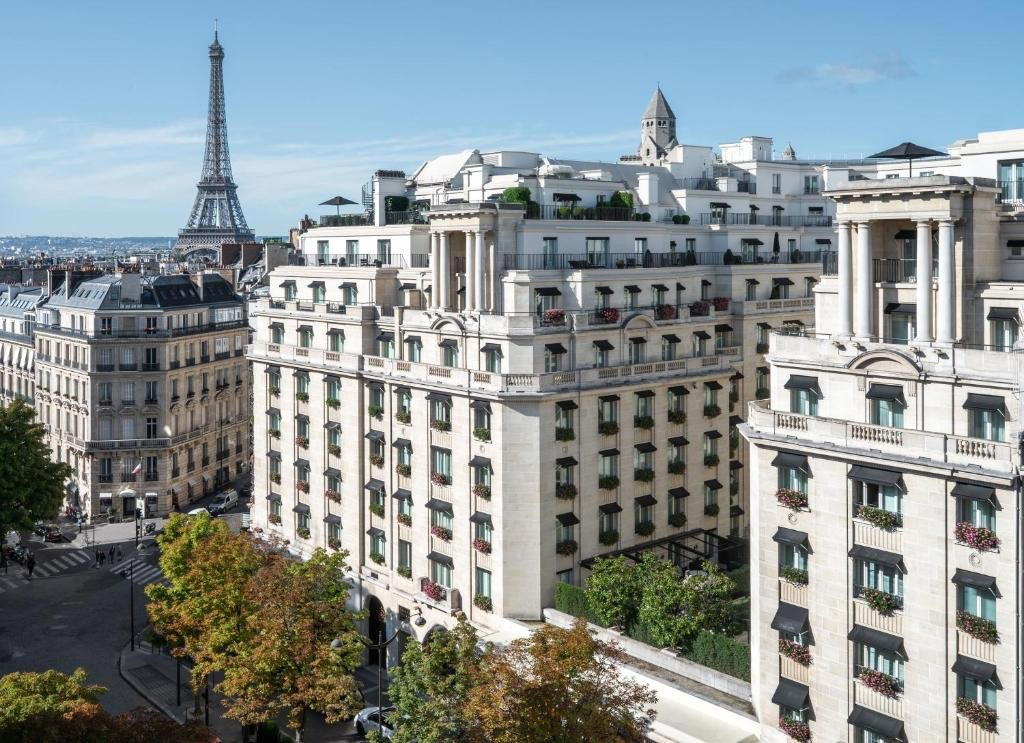
A chic but relaxed Riviera-inspired rooftop atmosphere high above Trocadéro, with open-air terrace seating, panoramic city views, and a social aperitif vibe suited to sunset drinks and summer evenings.