Rue Felix Eboue
Rue Felix Eboue runs through Bellefontaine, a fishing village on Martinique's northwest coast where the Atlantic and Caribbean currents converge and shape what ends up on the plate. The street sits at the edge of a community defined by its relationship to the sea, and understanding it means understanding how ingredient proximity drives cooking in the French Caribbean at its most direct.
Pearl is the En Primeur Club membership app — saves, bookings, and concierge access live there. Same editors, same standards.
- Address
- Bellefontaine 97222, Martinique
- Directions
- Get directions
 Saves & bookings on Pearl
Where the Northwest Coast Defines What Gets Cooked
Martinique's northwest coast operates on a different tempo from Fort-de-France. Bellefontaine is a fishing village, not a tourist hub, and Rue Felix Eboue runs through it as one of those streets that exists first for the people who live there. The Atlantic-facing shoreline here produces rougher, colder conditions than the sheltered Caribbean bays further south, which affects what fishermen pull in and what cooks have access to on any given morning. In fishing communities like this one, the distance between catch and kitchen is measured in minutes rather than supply chains. That proximity is the foundational logic of the cooking tradition this part of Martinique represents. For context on the broader dining options across the village and its neighbours, see our full Bellefontaine restaurants guide.
The Ingredient Logic of the French Caribbean
Martinique sits in an unusual culinary position. It is administratively French, which means its food culture draws on classical technique and a certain structural seriousness about ingredients, but its pantry is entirely Caribbean. The result, across the island's leading cooking, is a discipline around sourcing that would be recognisable to chefs at places like Le Petibonum in Le Carbet, where the argument for local, sea-forward ingredients is made with equal conviction. In Bellefontaine specifically, the village's identity as a working fishing community means the ingredient story is less about curation and more about geography. What swims near the coast here, what grows on the hills behind the town, what the season permits — these factors determine the menu before any chef makes a decision.
This is a markedly different framing from the controlled sourcing programs you find at starred restaurants elsewhere. At Atelier Moessmer Norbert Niederkofler in Brunico, ingredient sourcing is an explicit ideological commitment, documented and communicated. In a northwest Martinique fishing village, it is simply how things work. The terroir is the default, not the differentiator.
Bellefontaine and the Fishing Village Tradition
Fishing communities across the Caribbean have long produced a style of cooking that prioritises texture and intensity over refinement. The Creole tradition in Martinique, built on colombo spice blends, blaff (a court-bouillon preparation for fresh fish), and accras de morue, reflects centuries of layering French culinary structure onto African and indigenous Caribbean foodways. What distinguishes Bellefontaine within that tradition is scale: this is a small community where the commercial fishing activity remains central to daily life, and where food prepared locally tends to reflect catch availability directly rather than being buffered by market intermediaries.
Compare that situational directness with the more mediated sourcing models at coastal fine-dining addresses elsewhere in the world — Uliassi in Senigallia or Quattro Passi in Marina del Cantone both make the sea their central argument, but do so through tasting-menu architecture and accumulated awards recognition. The northwest Martinique model is rawer and less mediated, which is not a criticism. It describes a different relationship between place and plate.
The Street as Context
Rue Felix Eboue itself is named after Félix Éboué, the Guiana-born colonial administrator who was among the first French officials to rally to de Gaulle and the Free French in 1940, a figure whose name marks streets and public spaces across the former French territories in the Americas and Africa. Streets bearing his name appear in communities where the colonial and post-colonial history of the French Caribbean remains part of the urban fabric. Walking Rue Felix Eboue in Bellefontaine means moving through a village where that history is present not as heritage tourism but as geography.
The physical setting matters for understanding what kind of eating experience this area supports. The northwest coast road runs close to the water, with hills rising quickly behind the village. There is no deep hinterland here, and no large agricultural flatlands. What the coast produces dominates. Breadfruit from the hills, fish from the bay, and the spice and produce that Martinique's interior markets supply on market days, these define the local larder in ways that more urbanised parts of the island do not replicate.
Positioning Within Martinique's Dining Register
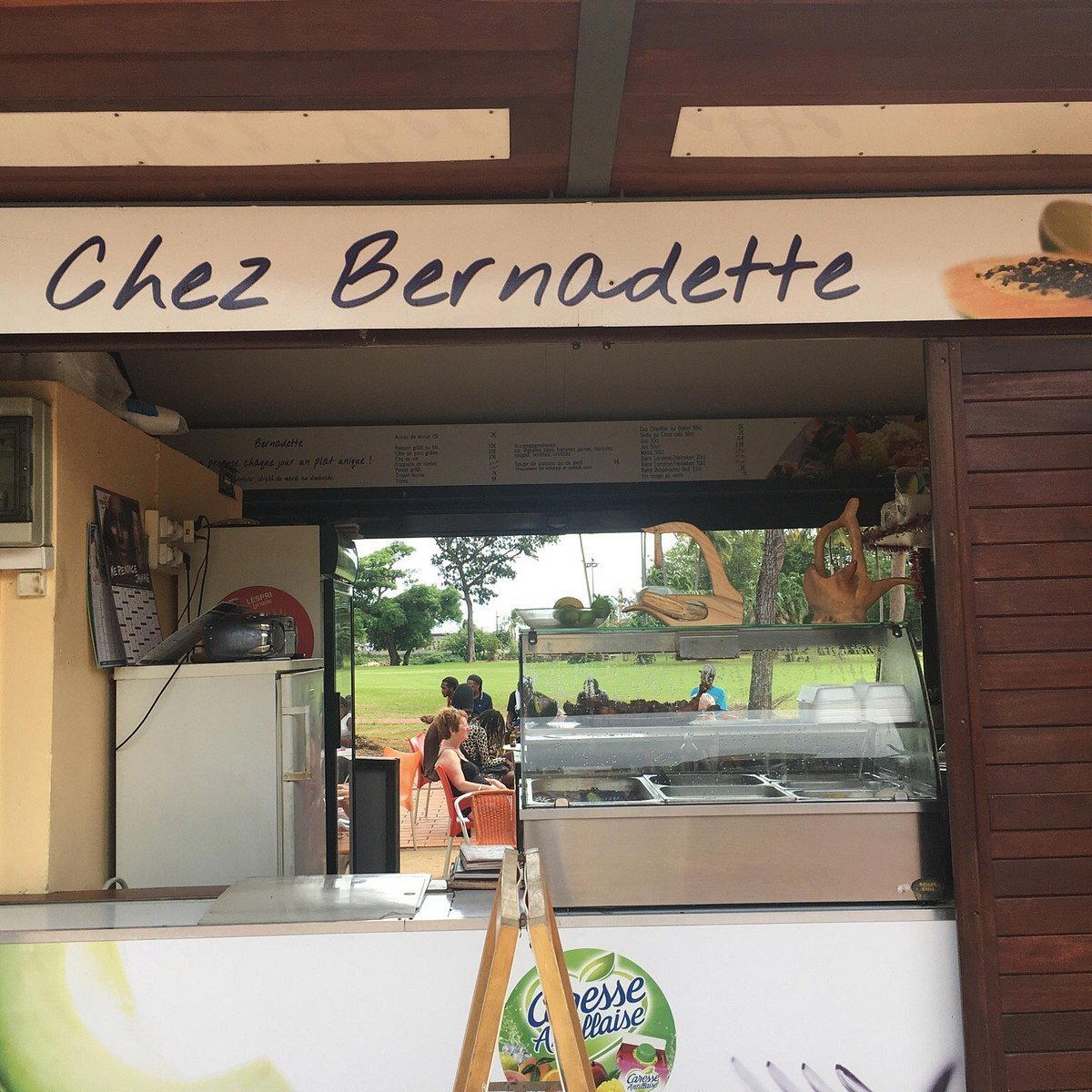
Martinique's restaurant scene, viewed from the outside, tends to get discussed through its Fort-de-France addresses or its beach-side spots in Sainte-Anne and Le Marin. The northwest coast receives less coverage, which means places in and around Bellefontaine operate largely outside the critical infrastructure that produces awards recognition and international press. That is not the same as operating at a lower standard. It reflects a different audience and a different economy. Chez Bernadette in Fort-de-France represents the more urbanised, visible end of Martinican dining, where the city audience and its expectations shape the offer. Bellefontaine's eating culture is shaped instead by the village itself.
The contrast is instructive when thinking about what ingredient-led cooking looks like at different scales. Highly decorated addresses like Le Bernardin in New York City or HAJIME in Osaka make sourcing a stated and verified commitment, with supplier relationships that can be audited and communicated. In Bellefontaine, the verification is geographical: the sea is there, the boats go out, the fish comes back. The supply chain is short enough to be self-evident.
Planning a Visit to Bellefontaine
Bellefontaine sits on the D10 coastal road on Martinique's northwest shore, roughly 25 kilometres from Fort-de-France by car. The drive follows the coast and is direct by Martinican road standards, though the northwest roads are narrower and less travelled than the main routes south. Visitors arriving from the capital should allow 40 to 50 minutes depending on traffic leaving Fort-de-France. There is no direct public transport link that makes a day trip easy without a hire car. The village has no luxury hotel infrastructure; accommodation options nearby are limited to small guesthouses and self-catering apartments, which means Bellefontaine functions better as a stop within a broader island itinerary than as a standalone destination. The northwest coast in general rewards visits between December and April, when the dry season reduces the humidity that characterises the island from July through October, and when fishing conditions tend to be more consistent.
Fast Comparison
| Venue | Cuisine |
|---|---|
| Rue Felix EboueThis venue — the venue you are viewing | This venue |
Continue exploring
More in Bellefontaine
Restaurants in Bellefontaine
Browse all →
Bars in Bellefontaine
Browse all →
At a Glance
- Casual Hangout
- Historic Building
- Local Sourcing
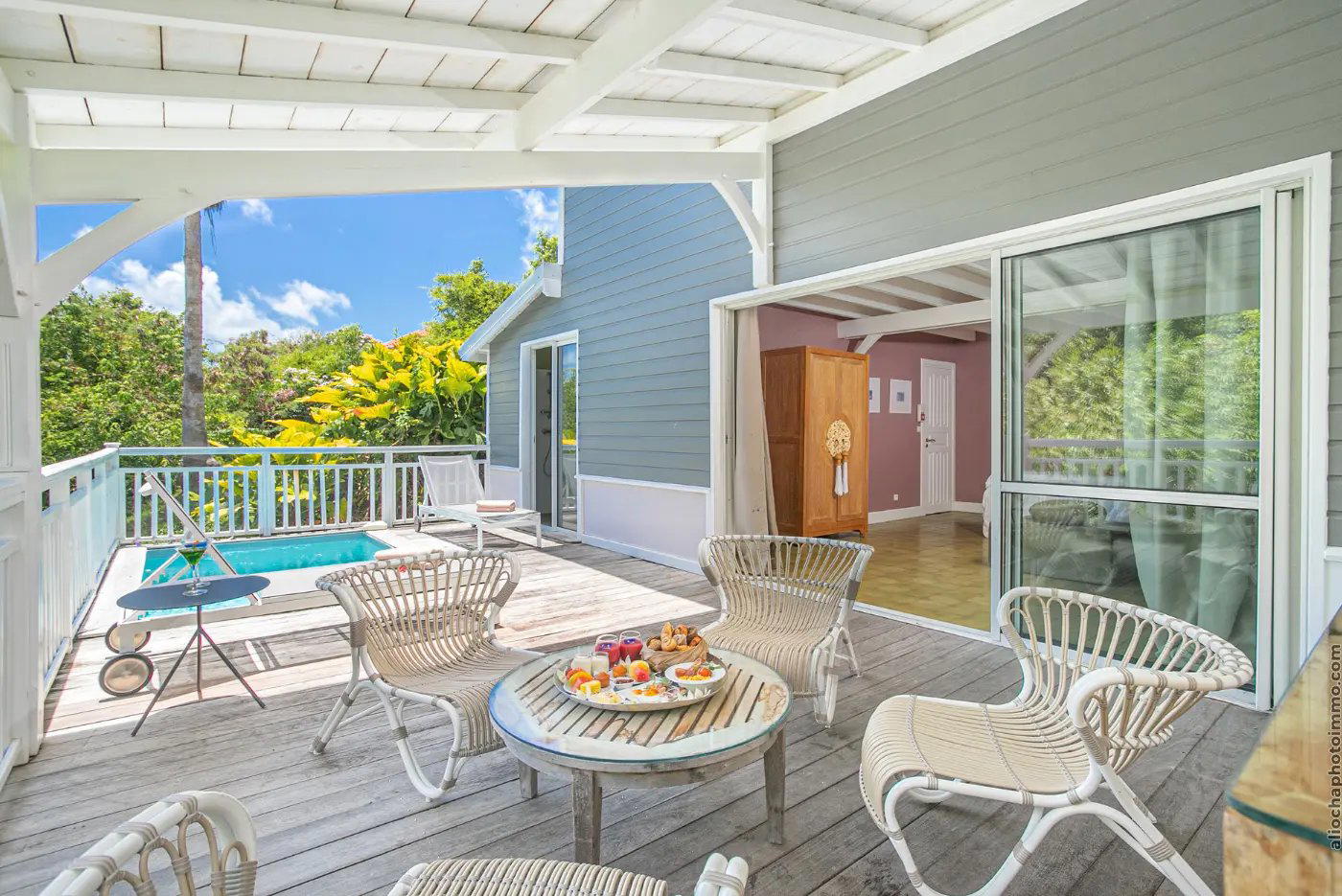
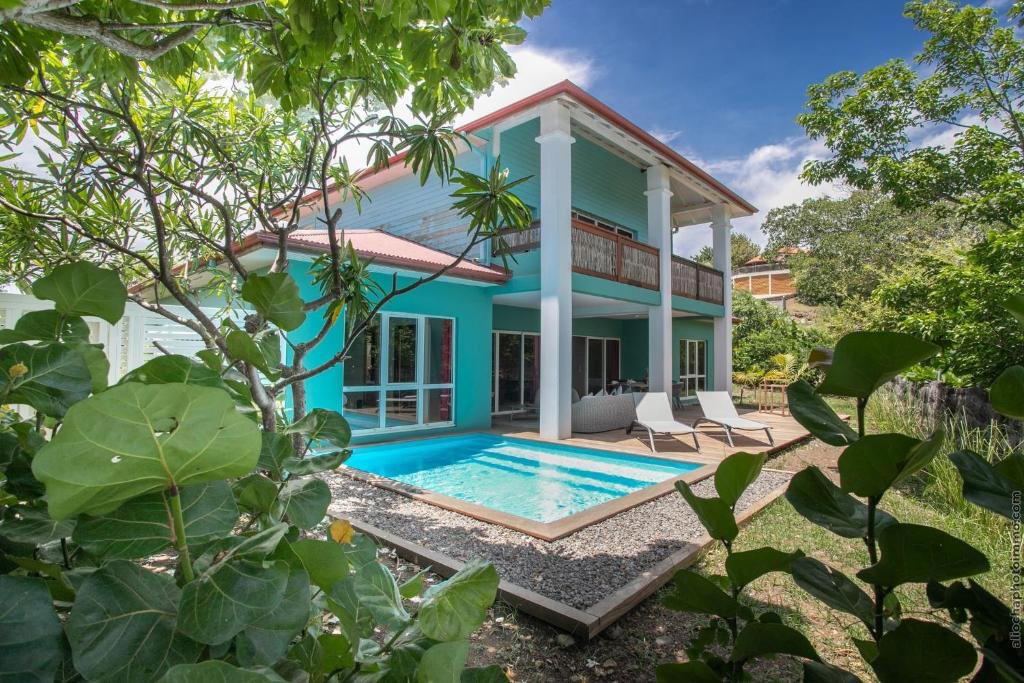
Warm and friendly with sincere hospitality in a distinctive boat-house setting.
Know Before You Go
- Getting there
- Bellefontaine 97222, Martinique