Fàbrica Moritz Barcelona occupies a converted brewery on Ronda de Sant Antoni, at the edge of the Eixample where the neighbourhood tilts toward Sant Antoni market and its weekend crowds. The space pairs the industrial bones of the original Moritz factory with a bar and kitchen program that draws from Barcelona's beer heritage. It sits in a different register from the cocktail-led bars of the Gothic Quarter, making it a useful reference point for understanding how Barcelona drinks across formats.
Pearl is the En Primeur Club membership app — saves, bookings, and concierge access live there. Same editors, same standards.
- Address
- Rda. de Sant Antoni, 41, Eixample, 08011 Barcelona, Spain
- Phone
- +34 934 26 00 50
- Website
- fabricamoritzbarcelona.com
- Directions
- Get directions
 Saves & bookings on Pearl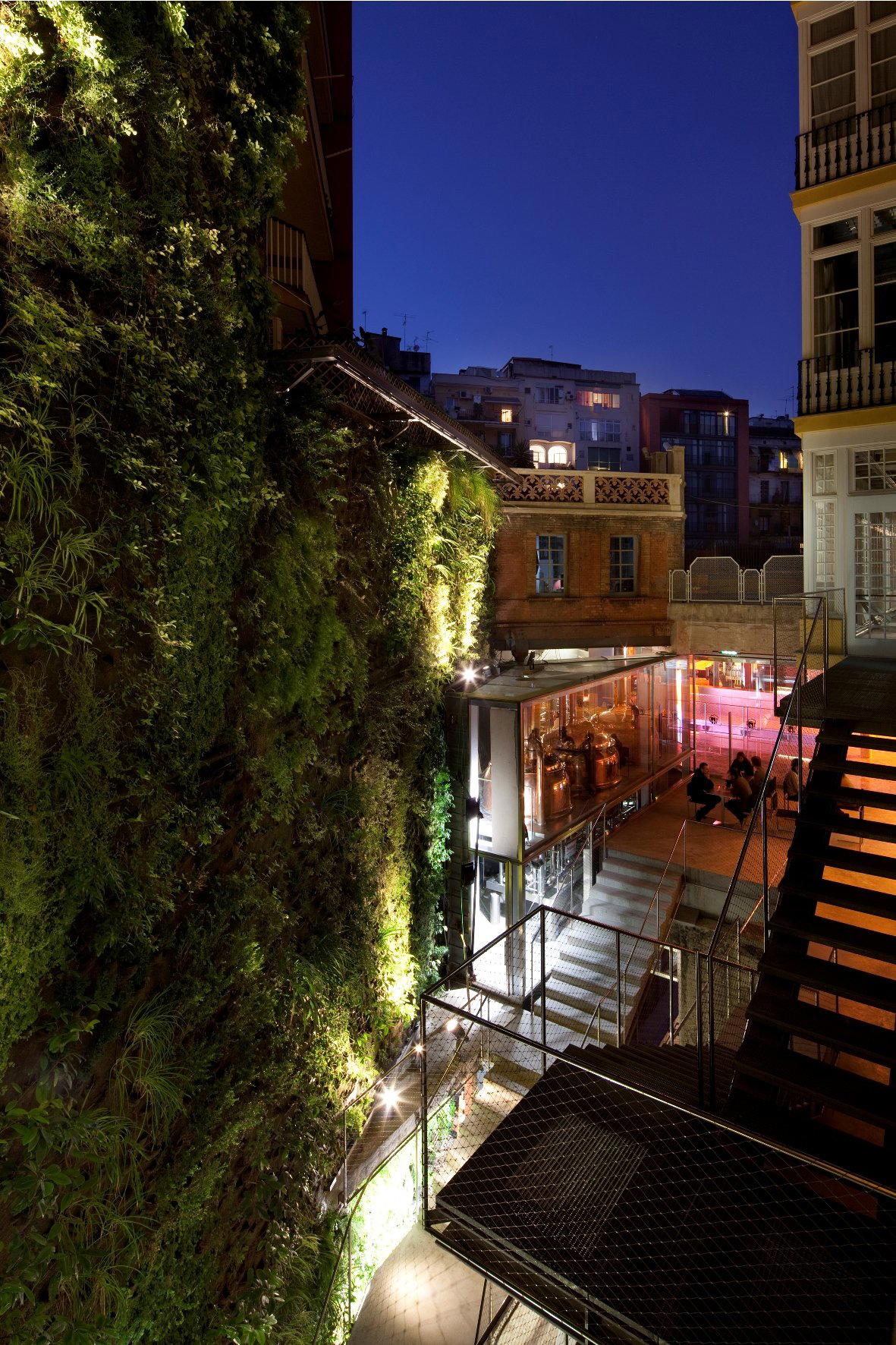
A Brewery Reborn at the Edge of Eixample
The stretch of Ronda de Sant Antoni that runs between the Eixample grid and the older fabric of El Raval has changed character more than once in the past two decades. The Sant Antoni market renovation, completed in 2015 after years of work, repositioned the whole zone: what had been a peripheral neighbourhood edge became one of Barcelona's more active social corridors, with the market square drawing a mix of residents and weekend visitors who circulate between the market, its terrace bars, and the surrounding blocks. Fàbrica Moritz Barcelona sits directly inside that shift, occupying a building with a history that predates the neighbourhood's current iteration by well over a century.
The Moritz brewery, founded by Louis Moritz Trautmann in the 1850s, was among the earliest industrial beer operations in the city. The Ronda de Sant Antoni site connects directly to that history: the space now housing the bar and restaurant was redeveloped to make that industrial past legible, with architectural choices that preserve the scale and material logic of the original factory rather than erasing it in favour of a neutral hospitality interior. High ceilings, exposed structural elements, and the general spatial generosity of a converted production building place Fàbrica Moritz in the same broad category as other European brewery conversions, where the building itself carries as much editorial weight as what's being served inside.
Beer and Place: What the Location Means for the Experience
Barcelona's bar scene divides fairly cleanly between the cocktail-programme venues concentrated in the Gothic Quarter and El Born, and a broader, less internationally profiled set of spaces where beer, vermut, and local aperitivo culture still set the tone. The Sant Antoni zone belongs to the second tradition. The market terrace bars that fill on Saturday mornings operate on a different social logic from the destination cocktail counters at Dr. Stravinsky or Dry Martini: the currency here is neighbourhood routine rather than international recognition.
Fàbrica Moritz slots into that context while occupying a slightly more composed register. The brewery tie gives it a specific anchor that most bar-restaurants lack: the beer on tap connects to a production story, not just a procurement list. For a city where craft and heritage beer has carved out space alongside the vermut revival, that lineage matters. The Moritz brand had largely exited local brewing during the mid-twentieth century before relaunching production in Catalonia in the 2000s, and the Fàbrica space on Ronda de Sant Antoni functions partly as the physical expression of that relaunch: a place where the brand's Barcelona roots are made architectural.
Compared with Barcelona's more internationally visible drinking addresses, including the classic cocktail institution Boadas near Las Ramblas or the technically ambitious Foco, Fàbrica Moritz operates at a different frequency. It is not a cocktail destination, and the experience it offers is more directly tied to the physical space and its neighbourhood position than to a singular drinks programme. The size of the venue allows for multiple formats to coexist, from quick beer stops to longer kitchen-led meals, in a way that a smaller counter bar cannot.
The Wider Spanish Context
Brewery conversions as hospitality anchors are not exclusive to Barcelona. Across Spain, the intersection of beer heritage and food culture has produced a specific category of venue: large, historically grounded, and socially permissive in terms of who comes and why. Angelita in Madrid operates in a different register, oriented toward natural wine rather than beer, but it represents the same broader pattern of historically aware spaces that resist the more narrowly programmatic format of pure cocktail or pure restaurant. Along the Spanish coast and islands, bars like Garito Cafe in Palma de Mallorca and La Margarete in Ciutadella similarly anchor themselves in place and setting rather than programme alone.
Further afield, southern Spanish bar culture, well represented by venues like Bar Sal Gorda in Seville and Bar Gallardo in Granada, shares the same emphasis on space and social rhythm over technical ambition. The Fàbrica Moritz approach, grounded in place and history, maps onto that broader Spanish hospitality mode even as it operates from one of Europe's larger and more internationally visible cities. Even an outlier like Bar Leather Apron in Honolulu demonstrates how brewery-adjacent and historically grounded bar concepts carry across very different cultural contexts, usually succeeding where the physical space does meaningful work. And for those planning a broader Balearic loop, Garden Bar in Calvia shows how outdoor-anchored venue formats in the western Mediterranean continue to prioritise setting over programme in ways that parallel the Fàbrica model.
Planning Your Visit
Fàbrica Moritz Barcelona sits at Ronda de Sant Antoni 41, in the Eixample, within a short walk of the Sant Antoni market and the metro at Universitat or Sant Antoni. The venue's scale means it absorbs busy periods more comfortably than a small bar would, which makes weekend visits around market hours more viable than they might be at tighter addresses in the same zone. The kitchen presence means there is food to order, making it a reasonable choice for a longer stop rather than a quick drink. For those planning a broader Barcelona drinking itinerary, our full Barcelona restaurants guide maps the city's bar and dining options across neighbourhoods and formats.
Continue exploring
More in Barcelona
Bars in Barcelona
Browse all →
Restaurants in Barcelona
Browse all →
Hotels in Barcelona
Browse all →
At a Glance
- Trendy
- Lively
- Industrial
- Modern
- Well Known
- Group Outing
- Casual Hangout
- Late Night
- Historic Building
- Communal Tables
- Lounge Seating
- Craft Beer
Current opening hours
- Monday
- 12 PM–1 AM
- Tuesday
- 12 PM–1 AM
- Wednesday
- 12 PM–1 AM
- Thursday
- 12 PM–1 AM
- Friday
- 12 PM–1 AM
- Saturday
- 12 PM–1 AM
- Sunday
- 12 PM–1 AM
Hours can change for holidays and private events. Last verified .
Trendy and edgy atmosphere blending industrial heritage with bright colors, stark materials, and a cool, lively energy.
Know Before You Go
- Getting there
- Rda. de Sant Antoni, 41, Eixample, 08011 Barcelona, Spain