Google: 4.7 · 960 reviews
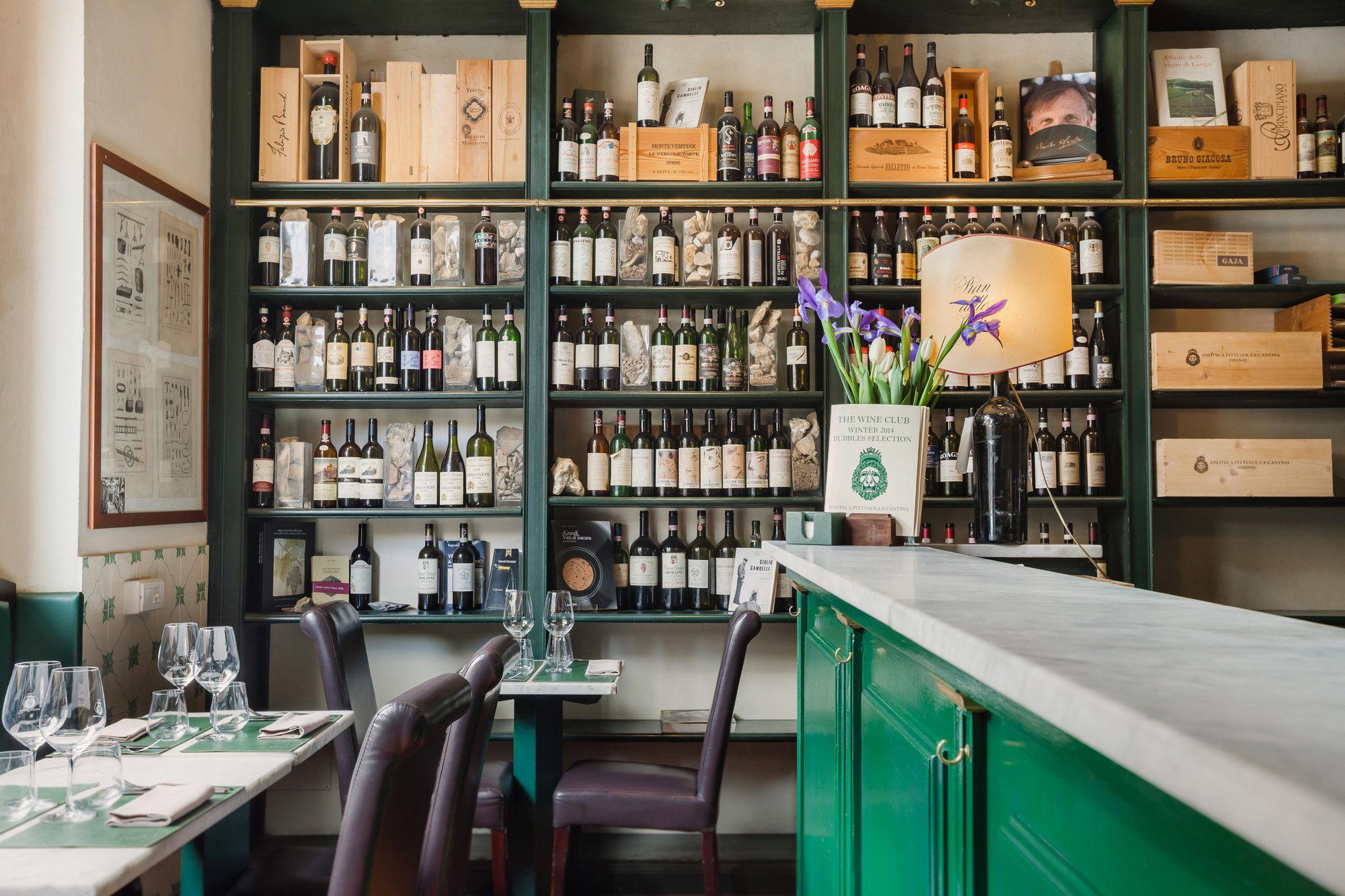
On Piazza de' Pitti, steps from the Palazzo Pitti's southern facade, this enoteca operates as Florence's answer to the neighborhood wine bar done with Oltrarno seriousness. The ritual here is unhurried: a glass selected from a considered list of Italian producers, paired with food that supports the wine rather than competing with it. It belongs to a tradition of standing-bar culture that the Oltrarno has preserved better than any other district in the city.
 Discover on Pearl
Pearl is the En Primeur Club membership app — saves, bookings, and concierge access live there. Same editors, same standards.
Wine Before Walls: The Oltrarno Enoteca Tradition
There is a particular kind of Florentine afternoon that cannot be replicated in the centro storico north of the Arno. It happens on the south bank, in the Oltrarno, where the streets narrow and the tourist pressure drops by half, and where a certain category of wine bar has survived because the neighbourhood's residents actually use them. Enoteca Pitti Gola e Cantina sits at the edge of Piazza de' Pitti, the broad square that fans out in front of the Palazzo Pitti, and it captures that dynamic with unusual precision. The piazza itself is a transitional space: large enough to feel open, old enough to feel weighted, but not so trafficked that it loses the character of a working Oltrarno address. You approach from the square's southern edge and step into something that operates at a fundamentally different pace from the wine bars serving visitors with an hour between museum stops.
How the Ritual Runs
The enoteca format, as practised in Florence's older wine houses, is built on a specific sequence of decisions. You choose wine first. Food, if it appears, is selected to complement what is already in the glass. This inversion of the conventional restaurant sequence is not affectation — it reflects the actual hierarchy of the institution. The enoteca evolved as a place to assess and sell wine, with food arriving as accompaniment rather than headline. Establishments that have maintained this sequencing, where the list is the menu and everything else orbits it, occupy a distinct tier from wine bars that simply sell bottles alongside kitchen output.
Pitti Gola e Cantina operates within that older framework. The selection draws from Italian producers, with particular depth in Tuscan appellations, which is exactly what this address demands. Sitting directly opposite one of the great Renaissance palace complexes in Europe, a wine list that leans hard into Chianti Classico, Brunello, Morellino, and Vernaccia is not a marketing decision — it is a geographic inevitability done well. The pacing is unhurried by design. A table at this kind of establishment is not turned on a schedule. You are expected to stay, to order another glass, to take the conversation somewhere leisurely. That is the social contract of the Florentine enoteca, and it is one the city's older wine bars have maintained against considerable commercial pressure to speed the cycle.
The Piazza Position
Location functions differently for an enoteca than it does for a restaurant. A restaurant on a famous piazza is a tourist trap waiting to happen. An enoteca on the same piazza, if it has resisted the drift toward simplified menus and mediocre bottles, occupies a position of genuine advantage: foot traffic from visitors who are already predisposed to slow down and sit, combined with proximity to a residential neighbourhood that supplies the regular customers who keep the wine list honest. The Palazzo Pitti draws significant visitor numbers to this corner of Oltrarno, but the neighbourhood extending south and west , San Frediano, the streets around Santo Spirito , is among the most intact residential quarters in central Florence. That dual constituency, visitors and locals, is a useful pressure-test for any wine bar. A list that satisfies the Oltrarno regulars is a list worth trusting.
For planning purposes: the piazza is accessible on foot from the Ponte Vecchio in under ten minutes, and from the Santa Maria Novella train station in roughly twenty. The Oltrarno's wine bar concentration is dense enough that an evening could reasonably move between several addresses, though the enoteca pace makes rushing between stops feel counterproductive. Those exploring Florence's broader bar culture will find useful comparisons at BABAE, which works a different register entirely, and at Locale Firenze, which sits in a more cocktail-forward bracket. For aperitivo with design ambitions, the Gucci Giardino operates from a different logic altogether. The Atrium Bar rounds out the city's upper tier for hotel-adjacent drinking. See our full Florence restaurants guide for a broader map of the city's drinking and dining options.
Where Pitti Gola e Cantina Sits in the Italian Enoteca Spectrum
Italy's enoteca tradition varies significantly by city. Venice has Al Covino, which operates a tight, serious list in the Castello neighbourhood with a similar commitment to wine-first sequencing. Bologna's version of the same institution can be traced through places like Enoteca Historical Faccioli, where natural wine is the editorial framework. In Rome, the bar conversation has moved substantially toward the cocktail bar format , see Drink Kong , and the old-school enoteca has less of a foothold. Milan's 1930 operates in an entirely different category, a cocktail bar using the secrecy format that characterised a particular moment in Italian bar culture. Naples keeps its own traditions, with L'Antiquario occupying a cocktail heritage position that is distinctly southern. Florence, more than almost any other Italian city, has maintained the enoteca as a living institution rather than a nostalgic performance, and the Oltrarno is where that maintenance has been most consistent.
For reference internationally, the format has equivalents in cities with deep wine retail traditions , Nicosia's Lost and Found shares the low-intervention, considered-list sensibility in a Mediterranean context, and Bar Leather Apron in Honolulu demonstrates how serious wine and spirits programming can anchor a format that is otherwise culturally unrelated to the Italian tradition. But the enoteca at its most specific is a Florentine institution, and the Oltrarno address on Piazza de' Pitti is about as Florentine as the category gets.
What the Visit Produces
The case for this kind of enoteca over a restaurant, for the visitor with limited time in Florence, is essentially about information. A meal at a full-service restaurant tells you about a kitchen. An afternoon or evening at a serious enoteca tells you about a wine region, about what producers are earning attention, about how Tuscan wine is moving. That is a different kind of intelligence, and for anyone planning further travel through Chianti Classico or the Maremma, an hour here is genuinely preparatory. The food, whatever form it takes, is supporting context. The wine is the argument.
Cuisine and Awards Snapshot
A small comparison set for context, based on the venues we track.
| Venue | Awards |
|---|---|
| Enoteca Pitti Gola e CantinaThis venue — the venue you are viewing | |
| Locale Firenze | World's 50 Best |
| Atrium Bar | |
| Bitter Bar | |
| Caffè Gilli | |
| Manifattura Tabacchi |
Continue exploring
More in Florence
Bars in Florence
Browse all →
Restaurants in Florence
Browse all →
Hotels in Florence
Browse all →
At a Glance
- Cozy
- Intimate
- Elegant
- Sophisticated
- Date Night
- Special Occasion
- Historic Building
- Seated Bar
- Outdoor Terrace
- Conventional Wine
- Street Scene
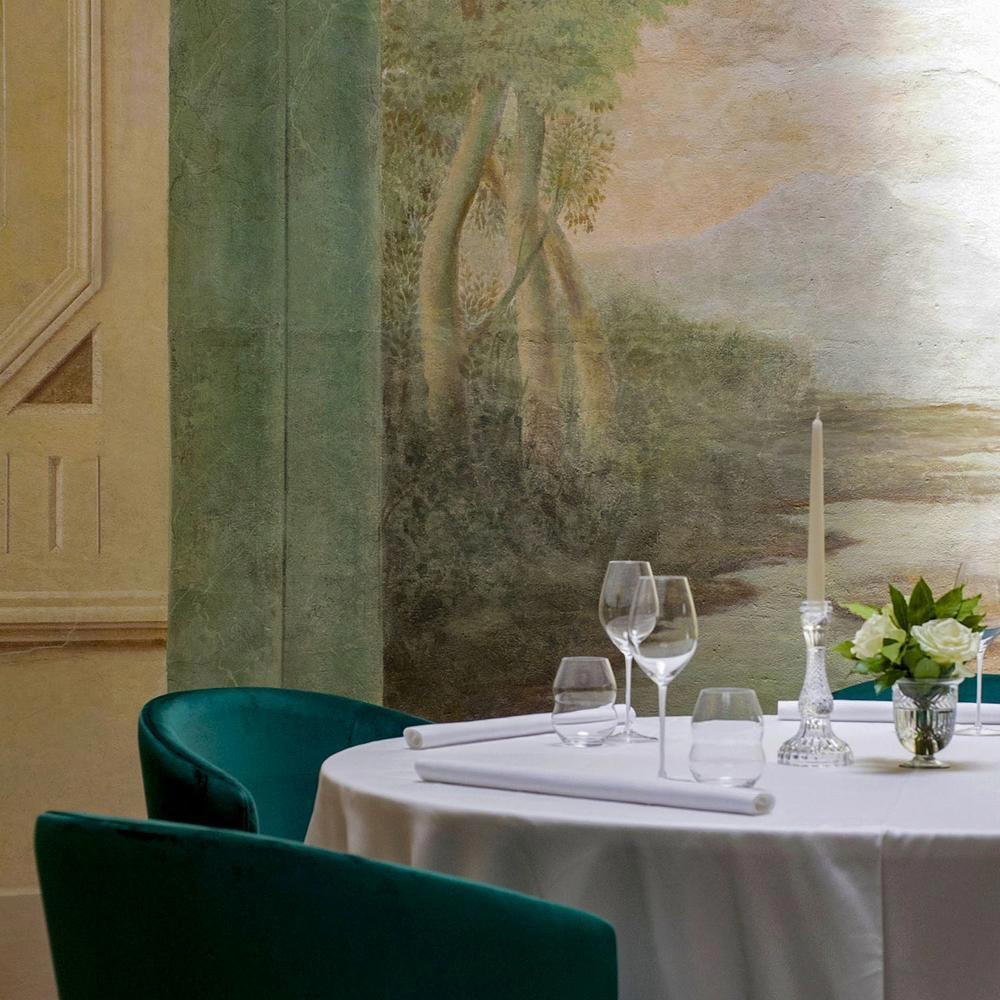
Cozy and intimate with understated dark green décor and shelves of wine bottles creating a welcoming home-like atmosphere.