Employees Only NYC



World's 50 Best #45 · Top 500 Bars Best Bars #74
Employees Only NYC remains a defining West Village cocktail room because it treats classic drinking as theatre without letting the room swallow the drinks. Its long run on the World's 50 Best Bars list, including #95 globally and #18 in North America for 2025, places it in a rare category: a 2004-era New York bar that continues to compete with younger technical programs.

Pearl is the En Primeur Club membership app — saves, bookings, and concierge access live there. Same editors, same standards.
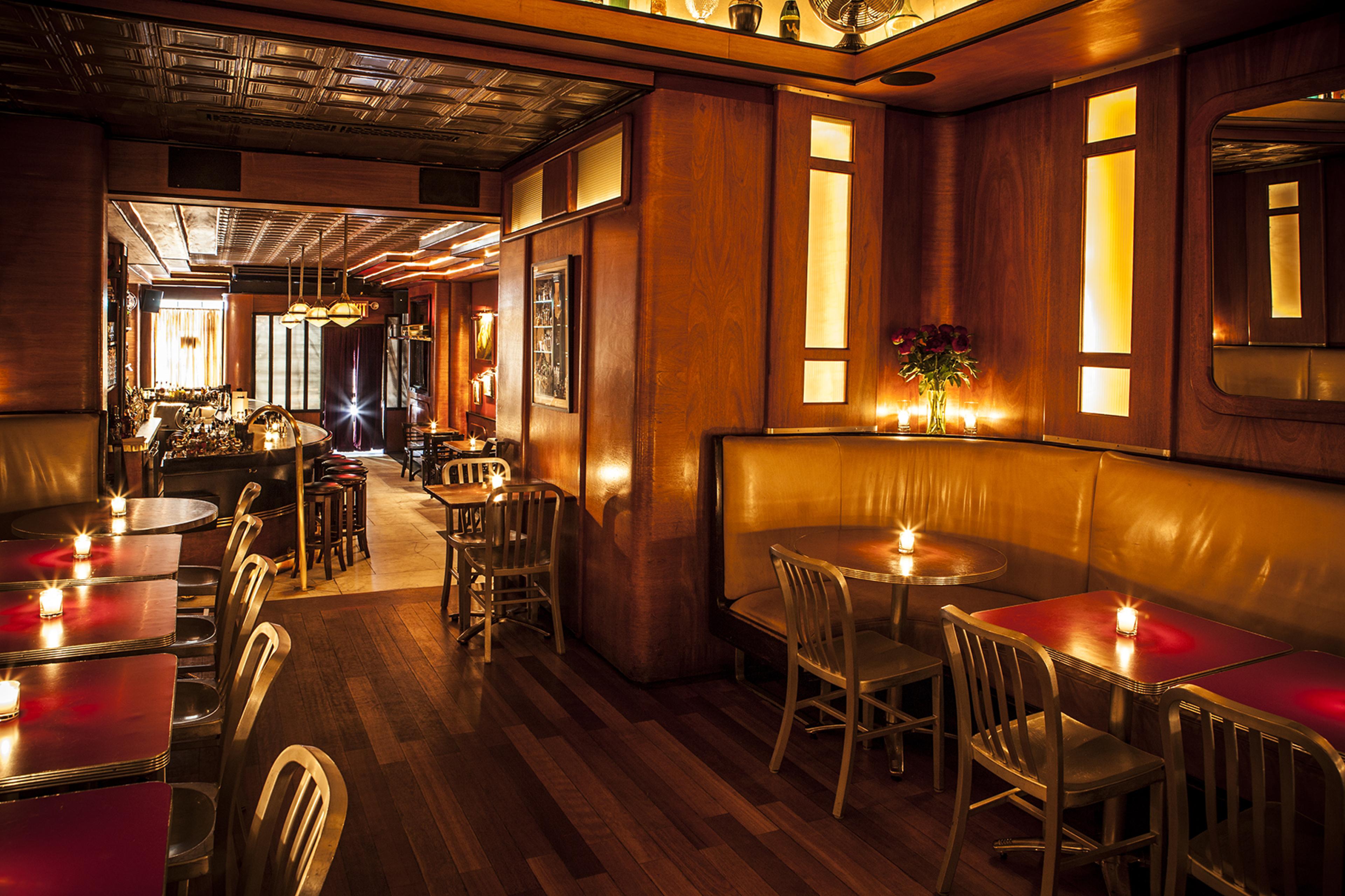
Behind the Curtain of the West Village Cocktail Room
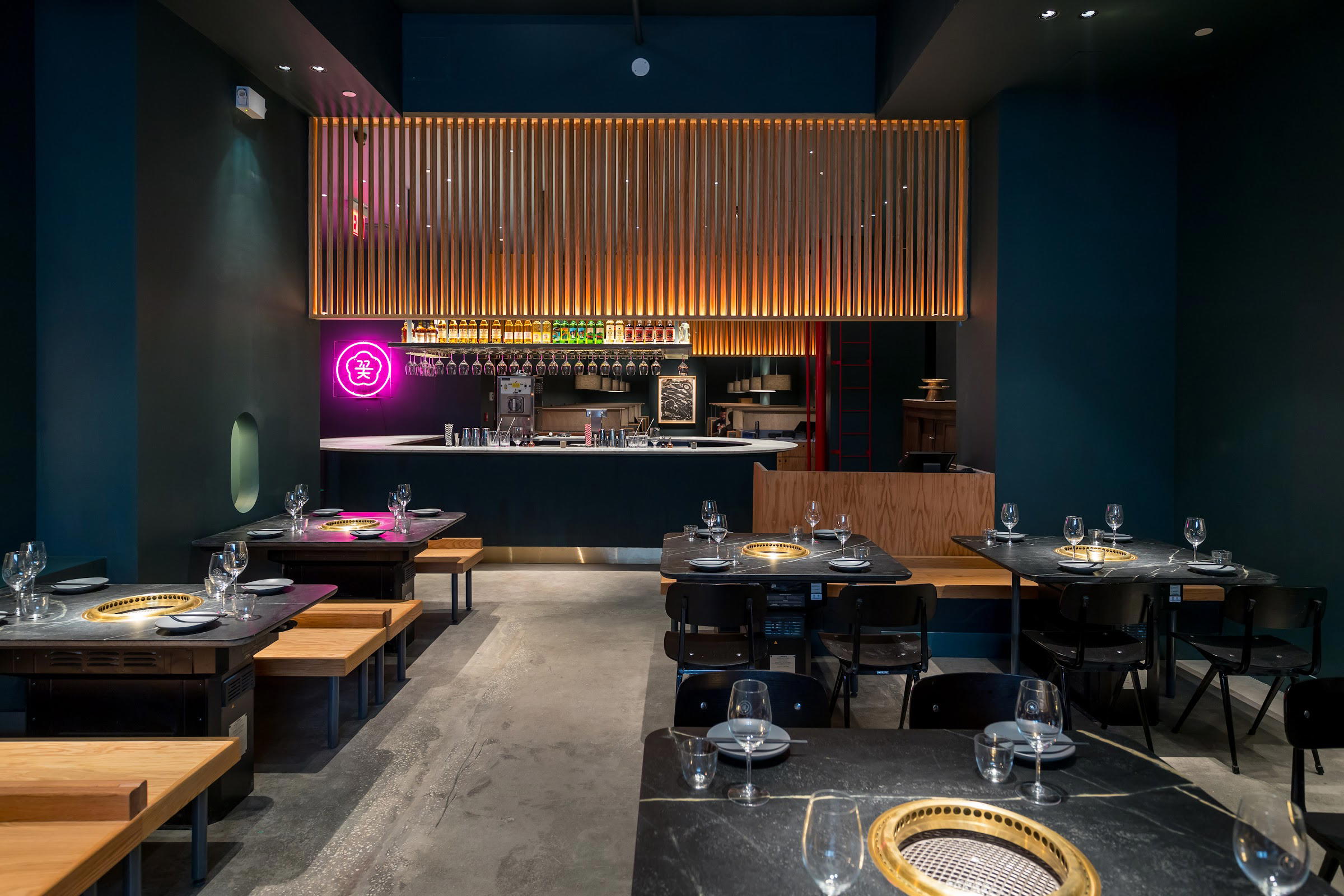
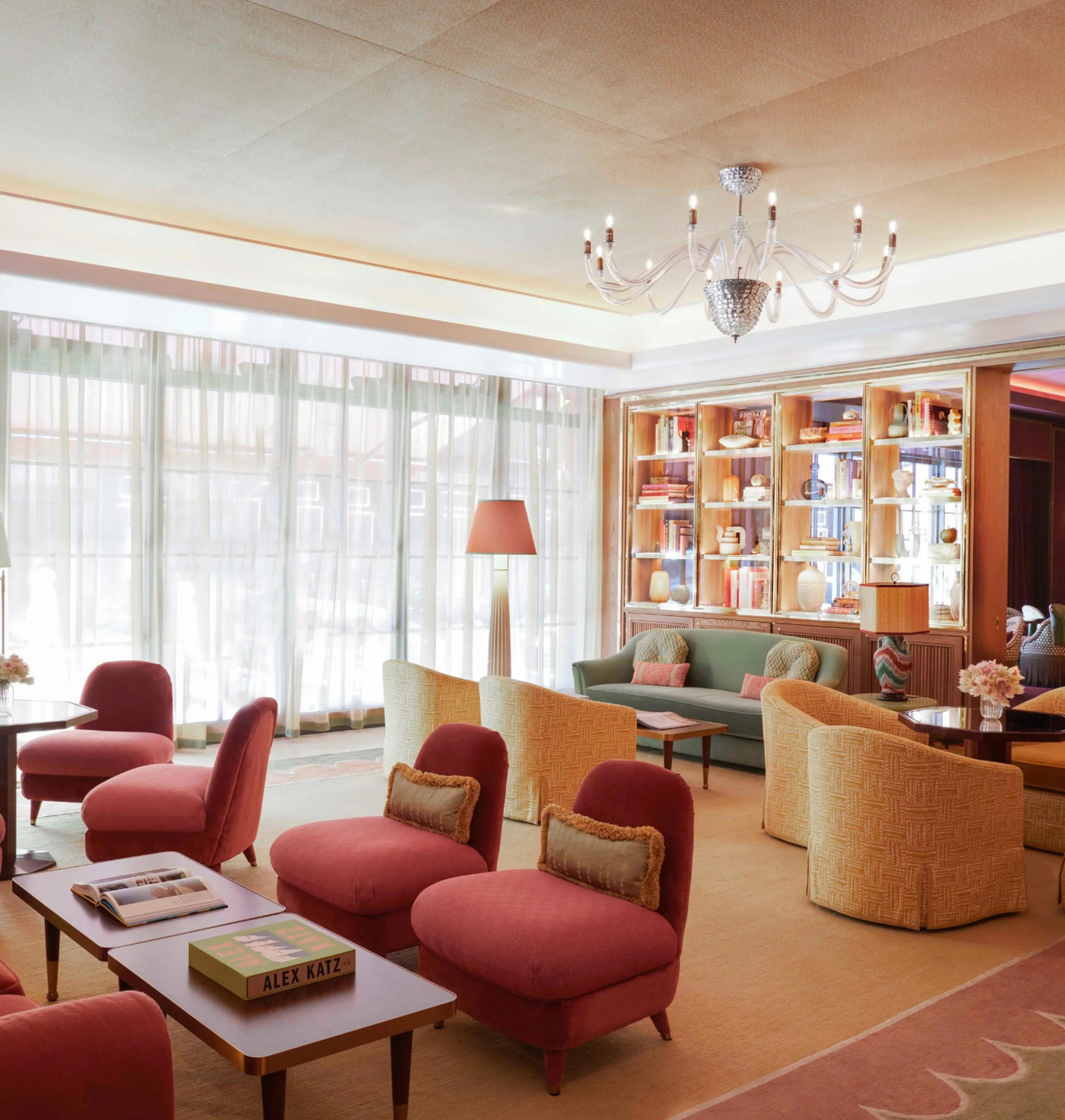
The approach to 510 Hudson Street belongs to an older New York drinking grammar: low-lit West Village blocks, a room with Art Deco cues, and a bar that makes its intentions clear before the first glass arrives. The sound is part of the point. Shakers, stirred-down classics, orders called across the counter, and white-jacketed bartenders working at height create a kind of visible mechanics that many later cocktail bars borrowed, softened, or tried to intellectualize. Employees Only NYC opened in 2004, and that date matters. It arrived before the city’s modern cocktail culture had settled into its current split between laboratory precision, Japanese-influenced quiet, agave-led energy, and restaurant-adjacent bar dining.
Two decades on, New York’s serious cocktail map has become crowded with narrower concepts. Bar Contra pushes the bar-as-restaurant-adjacent model into a sharper contemporary register, Martiny’s works through a polished Japanese cocktail lens, Sip & Guzzle divides personality across distinct drinking formats, and Superbueno has helped define a more energetic downtown conversation around Latin American ingredients and New York bar culture. Against that field, Employees Only NYC reads less like a relic than a benchmark for the pre-speakeasy-to-post-speakeasy transition: discreet enough to feel theatrical, busy enough to feel democratic, and technically grounded enough to keep ranking against younger rooms.
The Cocktail Programme: Classic Structure, High-Volume Discipline
The bar’s core argument is not novelty. It is repetition at scale. Golden Age cocktails form the centre of gravity, with martinis and Manhattans treated as daily workhorses rather than archival objects. That matters in a city where cocktail ambition often announces itself through rare modifiers, clarified textures, or tasting-menu sequencing. Here, the measure of seriousness is whether a high-volume room can send out hundreds of canonical drinks with consistency and pace.
The signature martini and Manhattan culture gives the room its durable identity, but the expanded menu prevents the programme from becoming a museum piece. EO’s West Side, listed with Meyer lemon-infused vodka, fresh lemon juice, mint, and Perrier, points to a different register: bright, tall, and less brown-spirit coded. The contrast is useful. It shows how a bar associated with old-school cocktail discipline can broaden its reach without abandoning structure. The serious whiskey drinker is also addressed through a rare whiskey list, though the broader editorial point is that Employees Only NYC keeps several bar eras in the same room: pre-Prohibition revival, early-2000s speakeasy confidence, and a later expectation that a destination cocktail bar must serve drinkers who do not all want the same ritual.
That hybrid position explains the awards record better than any single drink can. Employees Only NYC appears repeatedly in the World's 50 Best Bars rankings, including #26 in 2009, #8 in 2010, #15 in 2011, #11 in 2012, #12 in 2013, #5 in 2014, #4 in 2015, #7 in 2016, #37 in 2017, #26 in 2018, #26 in 2019, #38 in 2020, #99 in 2023, #97 in 2024, and #95 in 2025. North America rankings add another layer: #30 in 2022, #14 in 2023, #15 in 2024, and #18 in 2025. That sequence is not a one-season spike. It is a long-running signal that the room has stayed relevant across several generations of drinkers, critics, and competing formats.
Why the Room Still Matters in New York's Bar Culture
New York cocktail history in the last 25 years has often been told through hidden doors and reverent classics, then through precision, minimalism, and ingredient research. Employees Only NYC belongs to the first major wave, but its continuing recognition places it beyond nostalgia. This is not a tiny critical darling protected by scarcity alone. It operates in the messier space where destination drinkers, neighbourhood regulars, late-night groups, and cocktail pilgrims all collide.
The West Village setting sharpens that role. This part of Manhattan has always supported a high-low rhythm: polished dining rooms near cramped bars, late-night rooms near expensive residential blocks, old addresses repurposed for newer hospitality cycles. For the traveller, that means Employees Only NYC is rarely a stand-alone evening in practical terms. It sits naturally before or after dinner in the neighbourhood, or as part of a broader downtown bar route. Readers comparing it with newer rooms should treat it as a reference point rather than a direct substitute. Superbueno offers a different kind of contemporary charge; Martiny’s offers a more composed, detail-driven mood; Bar Contra leans into the overlap between bar technique and restaurant ambition. Employees Only NYC is where the earlier New York cocktail revival remains loud, confident, and commercially alive.
That distinction also separates it from certain national peers. Bar Leather Apron in Honolulu channels serious cocktail culture through a small-format, island-specific lens. Julep in Houston builds from Southern drinking history and regional hospitality. Equal Measure in Boston reflects another city’s compact, neighbourhood-driven bar language. Employees Only NYC is more recognisably Manhattan: theatrical, crowded, fast-moving, and built around the pleasure of watching a professional bar crew absorb pressure without losing rhythm.
Food, Late-Night Appetite, and the Old Cocktail-Bar Bargain
The food programme matters because New York cocktail bars have moved through several expectations. At one end, the bar is a drinks-only room with snacks as an afterthought. At the other, it becomes a restaurant in all but name, with reservations, tasting-menu logic, and a kitchen that competes for attention. Employees Only NYC sits in an older but durable middle ground: the food is substantial enough to anchor a late night, but the bar remains the central theatre.
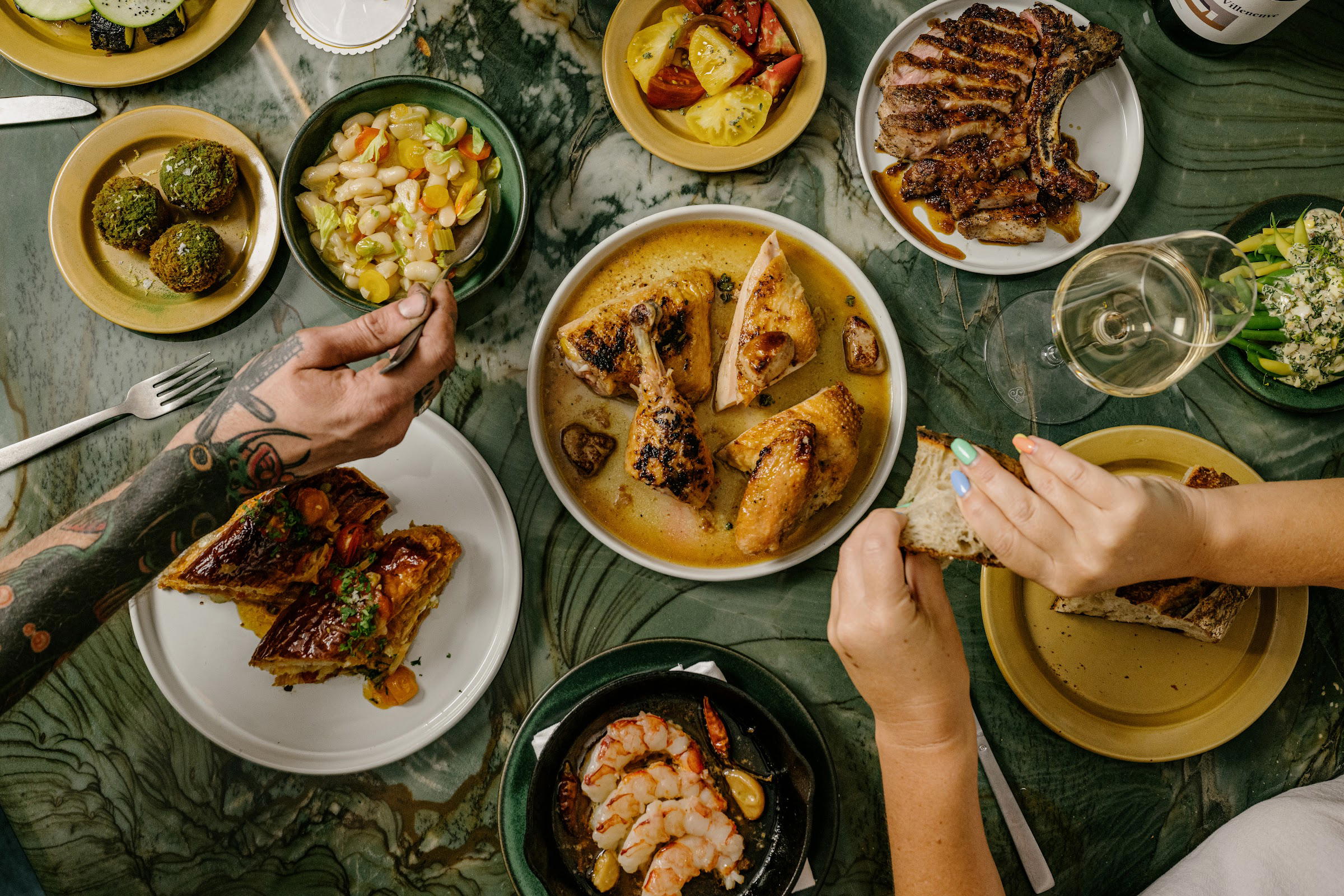
The menu points to classic dishes rather than conceptual small plates: hand-cut steak tartare, spicy sausage cavatelli with parmesan, burrata with roasted pears and balsamic, and ribeye. Those choices are not incidental. They match the drinks: martinis with steak tartare, whiskey with beef, cavatelli for drinkers who arrived early and stayed later than planned. The off-menu Sober Up Soup, served gratis to customers who make it to closing time, belongs to the lore of late-night hospitality. It also reveals the bar’s older New York instinct: the room is not only selling technique, it is managing the arc of a night.
This is where the experience differs from newer bars that make every detail feel pre-composed. Employees Only NYC has discipline, but not austerity. The room’s appeal is partly the friction between polish and volume. A cocktail programme can be serious without asking the guest to whisper. A Manhattan can be made with ceremony and still arrive in a room that feels social rather than hushed. That balance is harder than it looks, and it is one reason the address has inspired imitators since the mid-2000s.
A bar that appears once on a global list may have caught the right moment. A bar that appears across more than a decade is being measured against shifting criteria and surviving changes in fashion. Employees Only NYC’s World's 50 Best Bars record stretches from 2009 through 2025, with a high point at #4 in 2015 and recent placements at #99 in 2023, #97 in 2024, and #95 in 2025. The North America list has also kept it in circulation, with #14 in 2023, #15 in 2024, and #18 in 2025.
The pattern suggests a room that no longer needs to be framed as new or radical. Its relevance is comparative. Many bars from the early cocktail-revival era now feel frozen in amber, either too theatrical for contemporary drinkers or too dependent on the romance of being hard to find. Employees Only NYC has avoided that trap by keeping the visible craft of bartending at the centre. The white jackets, free-poured classics, and busy counter are not props when the drinks remain the test. For travellers using Our full New York City bars guide, it works as a historical anchor within a modern itinerary rather than a token old guard stop.
Planning a Night Around Employees Only NYC
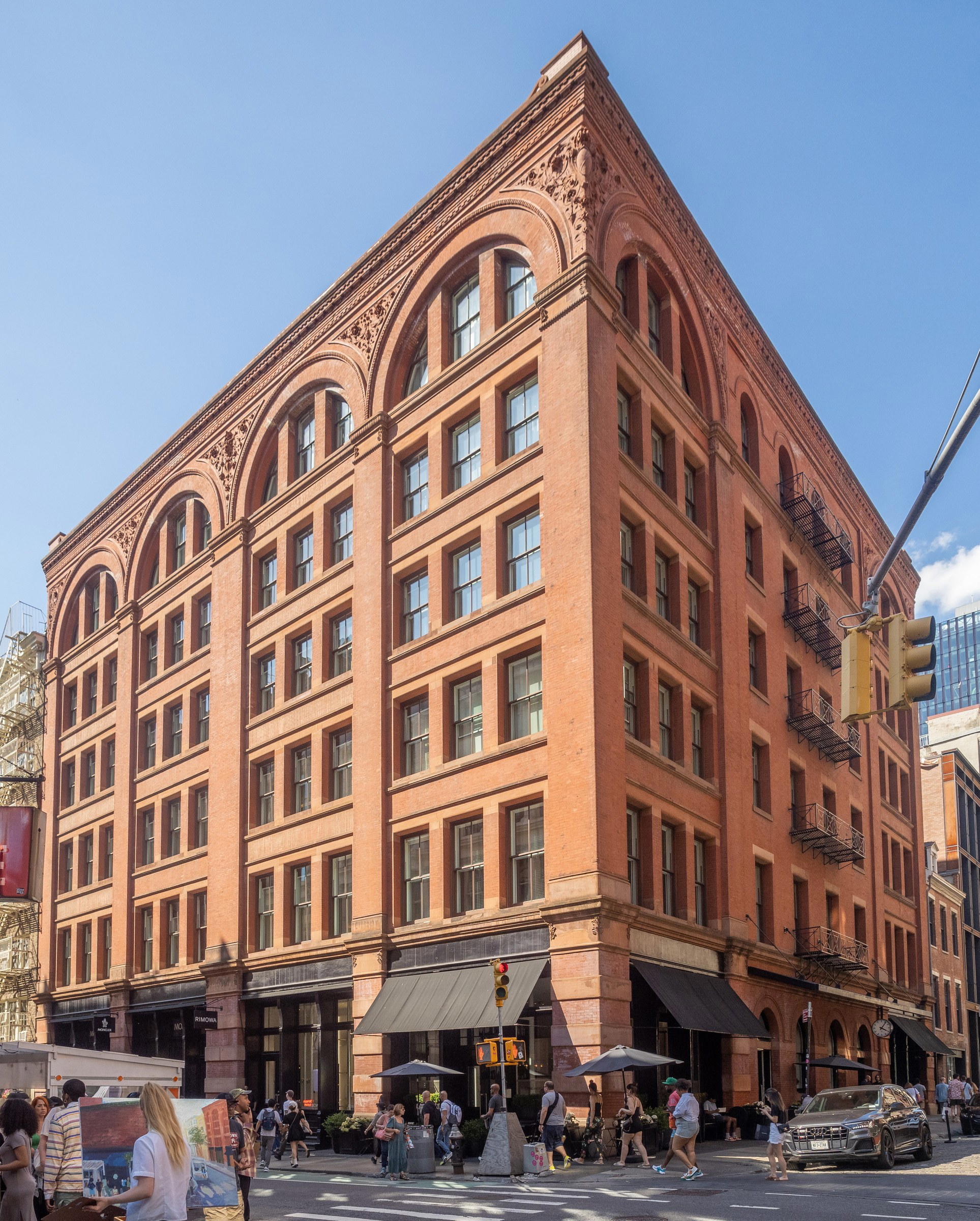
The practical plan is simple: the address is 510 Hudson St, New York, NY 10014, in the West Village. Reservations are recommended, and the dress code is smart casual. In New York terms, the safer strategy is to treat it as a high-demand cocktail address with a long awards history and a large public review base. Earlier evening usually suits drinkers who want to focus on the bar team and classic cocktails; later hours suit guests looking for the louder, more social version of the room.
For a broader trip, the address pairs naturally with downtown dining and hotel planning. Our full New York City restaurants guide is useful for building a dinner-before-drinks route, while Our full New York City hotels guide helps place the West Village in relation to stays farther uptown, in SoHo, or across downtown Manhattan. Travellers building a wider city itinerary can also use Our full New York City experiences guide for non-restaurant planning and Our full New York City wineries guide where wine-focused stops are part of the same trip architecture.
The main editorial advice is to start with the bar’s classic identity, especially if the point is to understand why the address became so imitated. After that, the West Side offers a lighter counterpoint, and the food menu makes a longer stay plausible. This is not the quietest way to study New York cocktail history, but quiet was never the promise. The promise is a professional bar working in public, at speed, with enough institutional memory to make the performance feel earned.
Cost and Credentials
A short peer table to compare basics side-by-side.
| Venue | Cuisine | Price | Awards |
|---|---|---|---|
| Employees Only NYCThis venue (the venue you are viewing) | Bistro | $30–50 | World's 50 Best #45 · Top 500 Bars Best Bars #74 |
| The Long Island Bar | Not listed | $30–50 | World's 50 Best #64 · Top 500 Bars Best Bars #367 |
| Dirty French | Not listed | Not listed | World's Best Steaks 50 Best #32 · Star Wine List |
| Superbueno | Not listed | $30–50 | World's 50 Best #9 · Top 500 Bars Best Bars #35 |
| Amor y Amargo | Not listed | $20–30 | World's 50 Best #23 |
| Angel's Share | Wine Bar | $20–30 | World's 50 Best #31 · Top 500 Bars Best Bars #200 |
Recognition history
Dated appearances from independent guides and award organizations, with the underlying list record or original source where available.
World's 50 Best North America's Best Bars #45
World's 50 Best
Opinionated About Dining Casual in North America Recommended
Opinionated About Dining
Top 500 Bars Best Bars #74
Top 500 Bars
Full recognition history (22 entries)
World's 50 Best Bars #95
World's 50 Best
World's 50 Best North America's Best Bars #18
World's 50 Best
World's 50 Best Bars #97
World's 50 Best
World's 50 Best North America's Best Bars #15
World's 50 Best
World's 50 Best Bars #99
World's 50 Best
World's 50 Best North America's Best Bars #14
World's 50 Best
World's 50 Best North America's Best Bars #30
World's 50 Best
World's 50 Best Bars #38
World's 50 Best
World's 50 Best Bars #26
World's 50 Best
World's 50 Best Bars #26
World's 50 Best
World's 50 Best Bars #37
World's 50 Best
World's 50 Best Bars #7
World's 50 Best
World's 50 Best Bars #4
World's 50 Best
World's 50 Best Bars #5
World's 50 Best
World's 50 Best Bars #12
World's 50 Best
World's 50 Best Bars #11
World's 50 Best
World's 50 Best Bars #15
World's 50 Best
World's 50 Best Bars #8
World's 50 Best
World's 50 Best Bars #26
World's 50 Best
Continue exploring
More in New York City
Bars in New York City
All bars in New York City →
Restaurants in New York City
All restaurants in New York City →






Employees Only NYC
The drinks
- Craft cocktails
- Classic cocktails
- Tequila
Signature drinks: Mata Hari, After Midnight, Manhattan, Espresso Martini.
Details
- Classic
- Well Known
- Elegant
- Lively
- Sophisticated
- Trendy
- After Work
- Late Night
- Date Night
- Celebration
- Group Outing
- Speakeasy
- Historic Building
- Design Destination
- Standalone
- Standing Room
- Seated Bar
- Booth Seating
- Craft Cocktails
- Classic Cocktails
- Rum
- Gin
- Tequila