Google: 4.3 · 7,067 reviews
El Charro Café Downtown
Founded in 1922 and still family-run, this Tucson icon is frequently featured by The New York Times and Food Network. Order the sun-dried carne seca or a chimichanga on the historic patio.
 Discover on Pearl
Pearl is the En Primeur Club membership app — saves, bookings, and concierge access live there. Same editors, same standards.
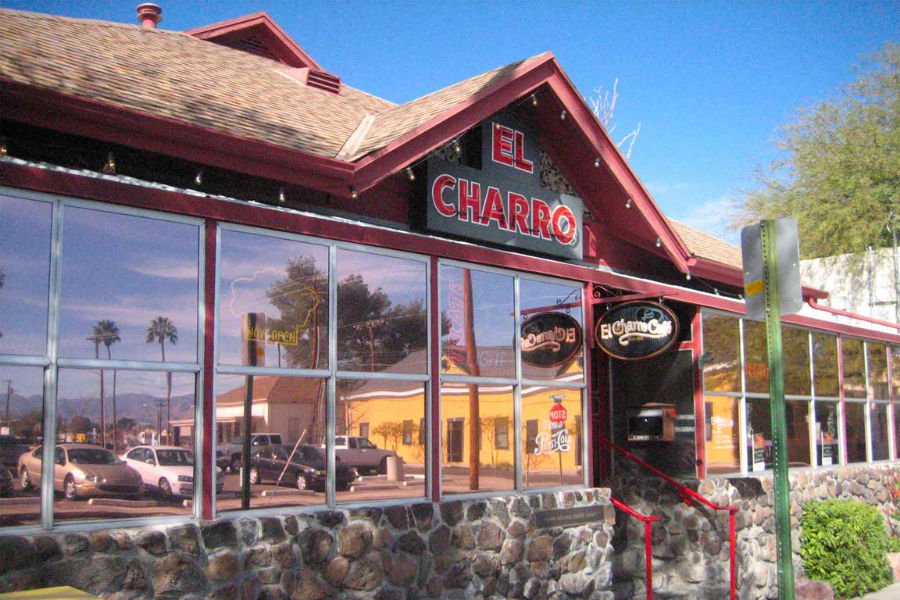
A Corner of Tucson That Predates the City Around It
On North Court Avenue in downtown Tucson, the building housing El Charro Café arrives before the sign does. The adobe facade belongs to a construction era when Sonoran architecture wasn't an aesthetic choice but simply how things were built in this part of the Sonoran Desert. Approaching from the street, the scale is domestic rather than commercial, which is part of the point: this is a place where the physical structure carries as much cultural weight as anything on the plate.
El Charro Café occupies a specific position in the American dining record. It has operated continuously as a family-run Mexican restaurant since 1922, a span that places it among the oldest in the United States in its category. That longevity is not incidental to the experience; it is the experience. The building on Court Avenue is not a reconstruction or a revival. It is the continuation of something that has been running since before Arizona's highway system existed.
The Sonoran Tradition on the Plate
Tucson's designation as a UNESCO Creative City of Gastronomy, awarded in 2015, rests in part on the depth of its Sonoran Mexican food culture, and El Charro is one of the institutions that made that designation arguable. Sonoran cuisine differs from what most Americans understand as Mexican food: flour tortillas rather than corn dominate the bread work, beef features prominently (this is cattle country), and the preparations trend toward restraint rather than heat or complexity for its own sake.
The dish most associated with El Charro is carne seca, a preparation of dried beef that is a Sonoran regional specialty. Beef is trimmed, seasoned, and dried, traditionally in the open air in desert conditions, before being shredded and used in various formats. The technique predates refrigeration and reflects the preservation logic of the broader region. At El Charro, this is not a novelty item or a heritage footnote placed on the menu for atmosphere. It is a working dish with a documented lineage in this specific kitchen spanning decades.
For drinks, the margarita program is worth considering in the context of the restaurant's age. El Charro has operated continuously through the full evolution of the American margarita, from its pre-mass-market origins to the current era of high-volume frozen variants. What to drink here points toward the tequila-forward, citrus-simple end of that tradition rather than anything sweetened or elaborate. Mexican beer alongside Sonoran food is equally coherent and arguably the more historically accurate pairing at a restaurant of this provenance.
Downtown Tucson as a Setting
The downtown Tucson dining and drinking scene in 2024 covers a wider range than it did a decade ago. Bar Crisol/Exo brings a technically oriented cocktail program to the area. Barrio Brewing Co anchors a different register entirely, with production brewing and a more casual format. Barrio Viejo represents the neighborhood character just south of downtown. El Charro sits at the older, more institutionally significant end of that range, which changes how to frame it against the newer options: it is not competing with them on any contemporary hospitality metric. It is doing something they cannot replicate, which is operating continuously from a specific historical moment in American food culture.
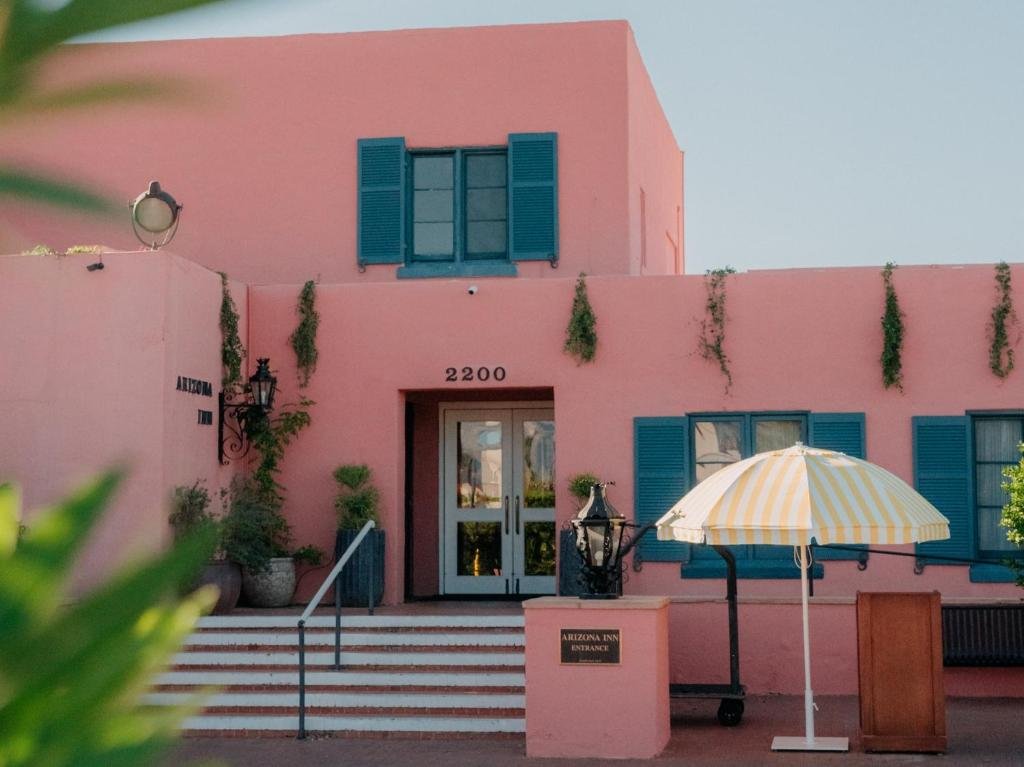
The Arizona Inn, another Tucson institution with decades behind it, occupies a similar register of durable, locally rooted hospitality. The two properties represent different aspects of Tucson's longer-term character: one residential and resort-oriented, the other embedded in the street-level food culture of a Sonoran border city.
The Sensory Register
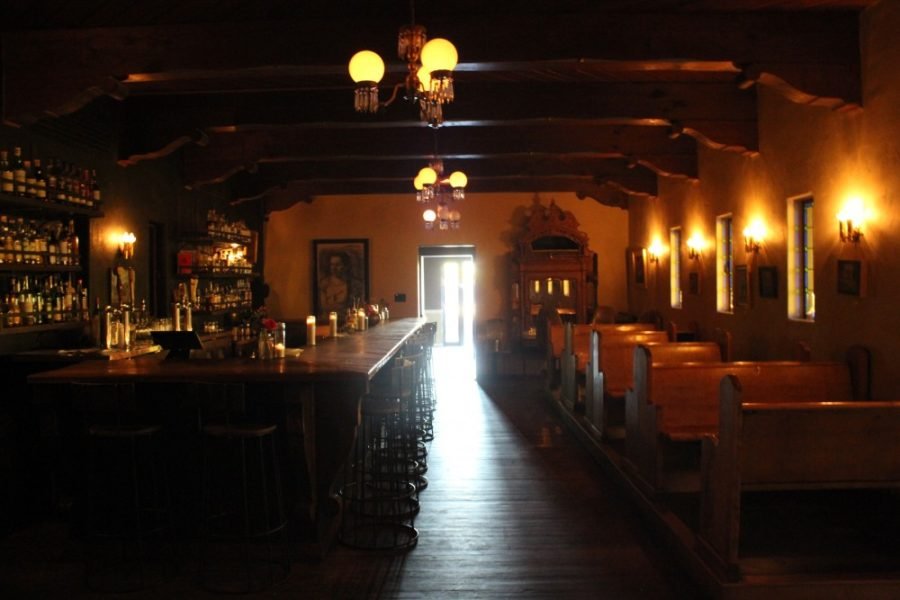
Entering El Charro Downtown, the sensory cues are specific to old adobe construction and long-running restaurant use: thick walls that absorb sound and moderate temperature, surfaces worn by decades of service, a cooking smell that has accumulated over a century of operation rather than being designed for effect. The lighting runs toward the warm and functional. There is no soundtrack strategy. Noise levels reflect occupancy rather than intention, which means the room reads differently at lunch than it does on a weekend evening when locals and visitors overlap.
This sensory profile separates El Charro from Tucson's newer openings in ways that cannot be reverse-engineered. A restaurant open since 1922 has a physical and olfactory depth that new construction, however well-designed, does not have. Whether that registers as appealing or merely old depends entirely on what the visitor is looking for. For readers interested in how American food traditions actually formed and survived, this is primary source material.
How El Charro Compares Nationally
It is useful to locate El Charro within the broader national picture of what serious regional Mexican-American restaurants look like. Compared to technically oriented programs, it does not operate in that idiom at all. Compared to programs built around personal culinary philosophy, it is not that either. It is closest to the institutional pillar model: a restaurant whose authority derives from continuity, community embeddedness, and documented regional specificity rather than innovation or critical acclaim in the contemporary sense.
Bars and restaurants elsewhere in the country that have achieved longevity-based standing include Jewel of the South in New Orleans, Kumiko in Chicago, and Julep in Houston, each of which operates from a tradition-conscious foundation. Internationally, The Parlour in Frankfurt on the Main and Bar Leather Apron in Honolulu show the same pattern: places that earn their standing through depth and consistency over time rather than novelty. El Charro fits that global category at the restaurant level, with the added dimension of operating since before many of those comparators were conceived.
For a broader orientation to what Tucson's food scene covers across price tiers and formats, see our full Tucson restaurants guide. For cocktail-forward options in the American Southwest and beyond, ABV in San Francisco and Superbueno in New York City represent the technically driven end of what the current American bar scene is doing.
Planning Your Visit
El Charro Café Downtown is located at 311 N Court Avenue in downtown Tucson, within walking distance of the Tucson Convention Center and the core of the downtown grid. Given its institutional standing and the volume of visitors drawn specifically for this restaurant's history, weekend evenings run busy. Lunch on weekdays gives a calmer version of the room and tends to attract a higher proportion of local regulars, which changes the atmosphere in measurable ways. For first-time visitors whose interest is specifically in Sonoran food culture and regional history, that weekday lunch slot is the more instructive visit. The restaurant's position at the corner of a walkable downtown block makes it easy to combine with the surrounding area on foot.
Nearby-ish Comparables
A quick peer snapshot; use it as orientation, not a full ranking.
| Venue | Cuisine | Price | Notes |
|---|---|---|---|
| El Charro Café Downtown | This venue | ||
| Bar Crisol/Exo | |||
| Gentle Ben's | |||
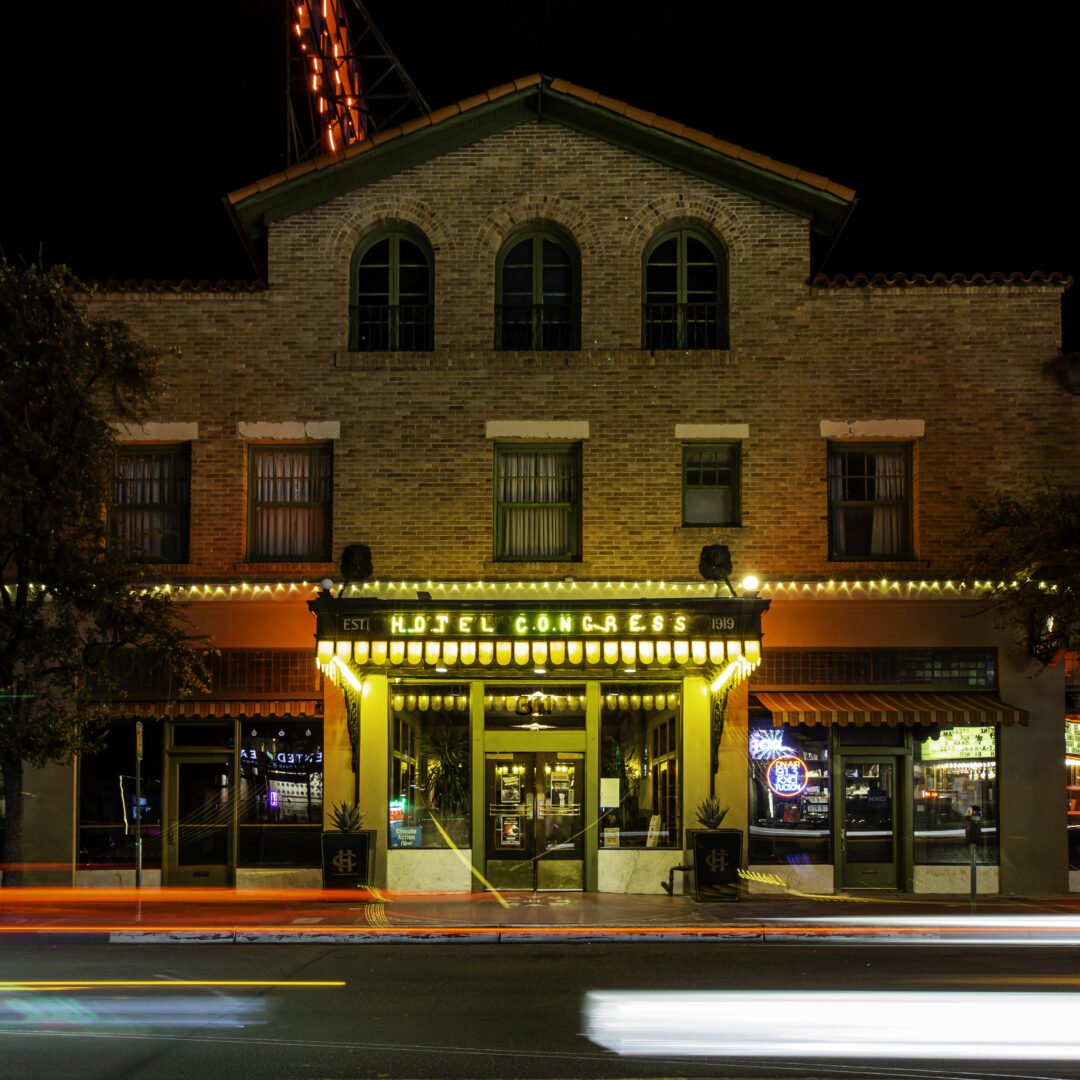
| Hotel Congress | |||
| Forbes Meat Company | |||
| Barrio Brewing Co |
At a Glance
- Iconic
- Rustic
- Cozy
- Historic
- Casual Hangout
- Group Outing
- Late Night
- Historic Building
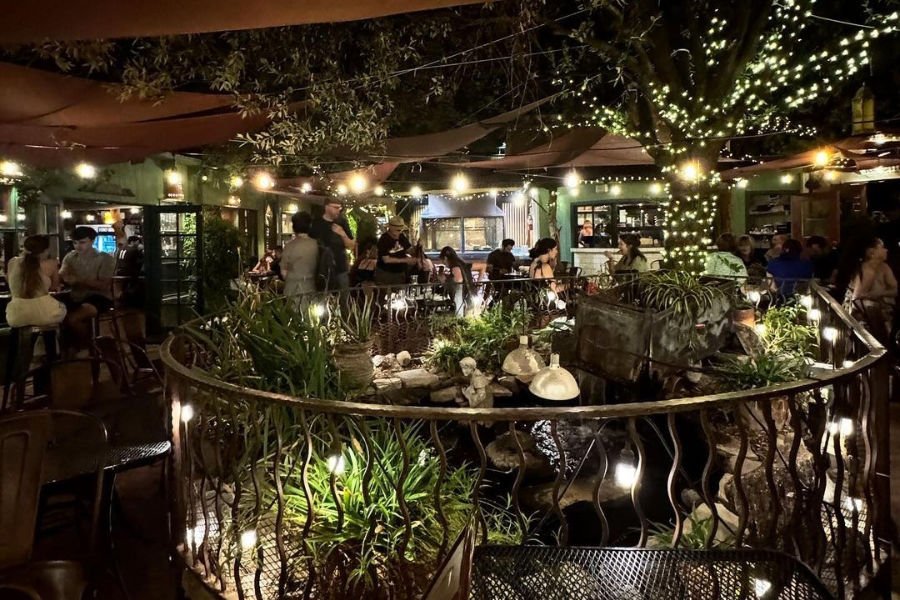
- Outdoor Terrace
- Booth Seating
Bright turquoise ceilings, Latin music, historic home atmosphere feeling like coming home.