Vrbice 345
A rural address in the heart of Moravian wine country, Vrbice 345 sits in one of the Czech Republic's most storied wine-producing villages. The venue draws visitors making the trip from Brno or across the South Moravian border specifically for the local wine tradition. For the region, that kind of destination pull says more than any award.
Pearl is the En Primeur Club membership app — saves, bookings, and concierge access live there. Same editors, same standards.
- Address
- Vrbice 345, 691 09 Vrbice, Czechia
- Directions
- Get directions
 Saves & bookings on Pearl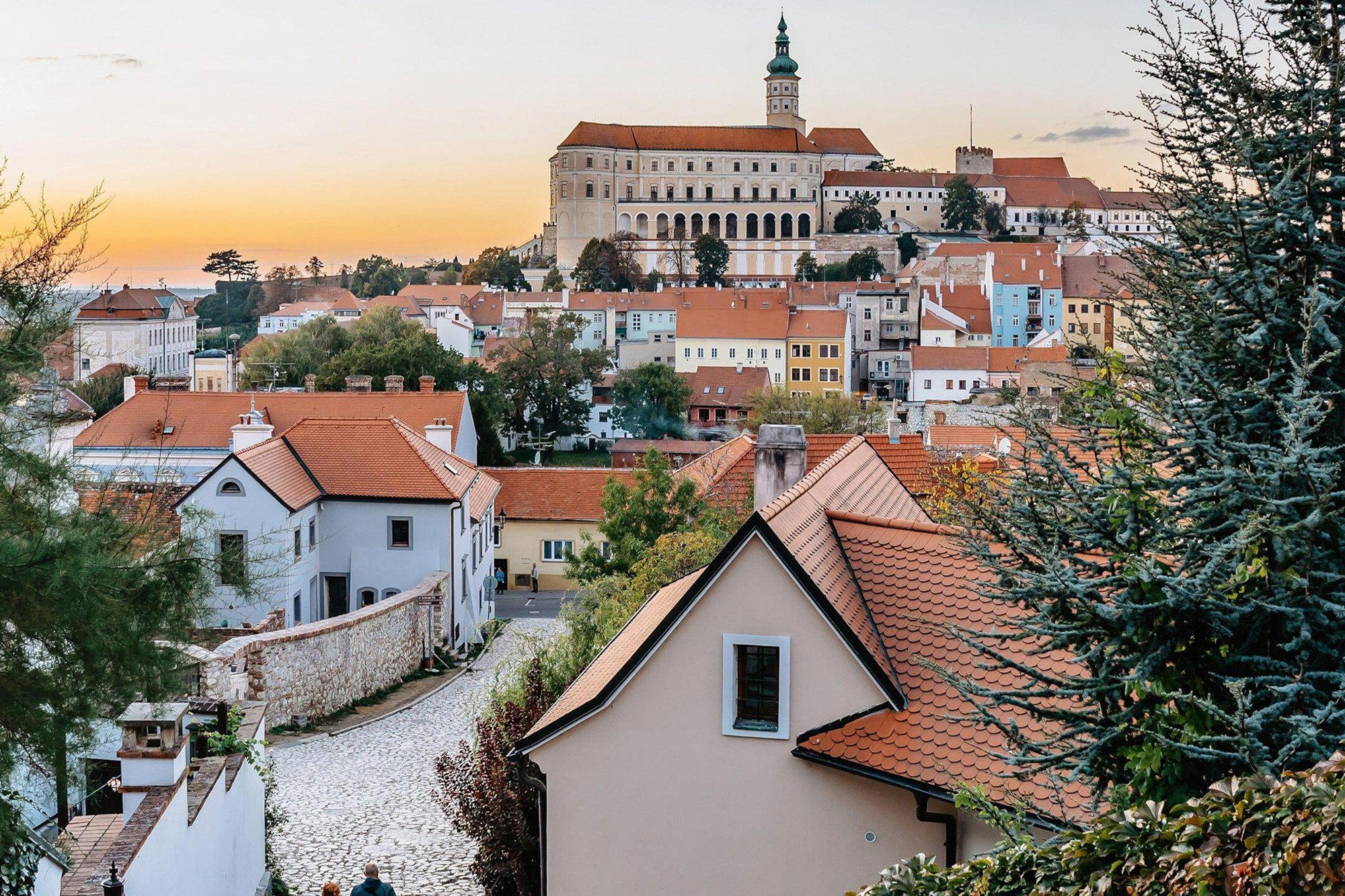
Where Moravian Wine Culture Meets Village Quiet
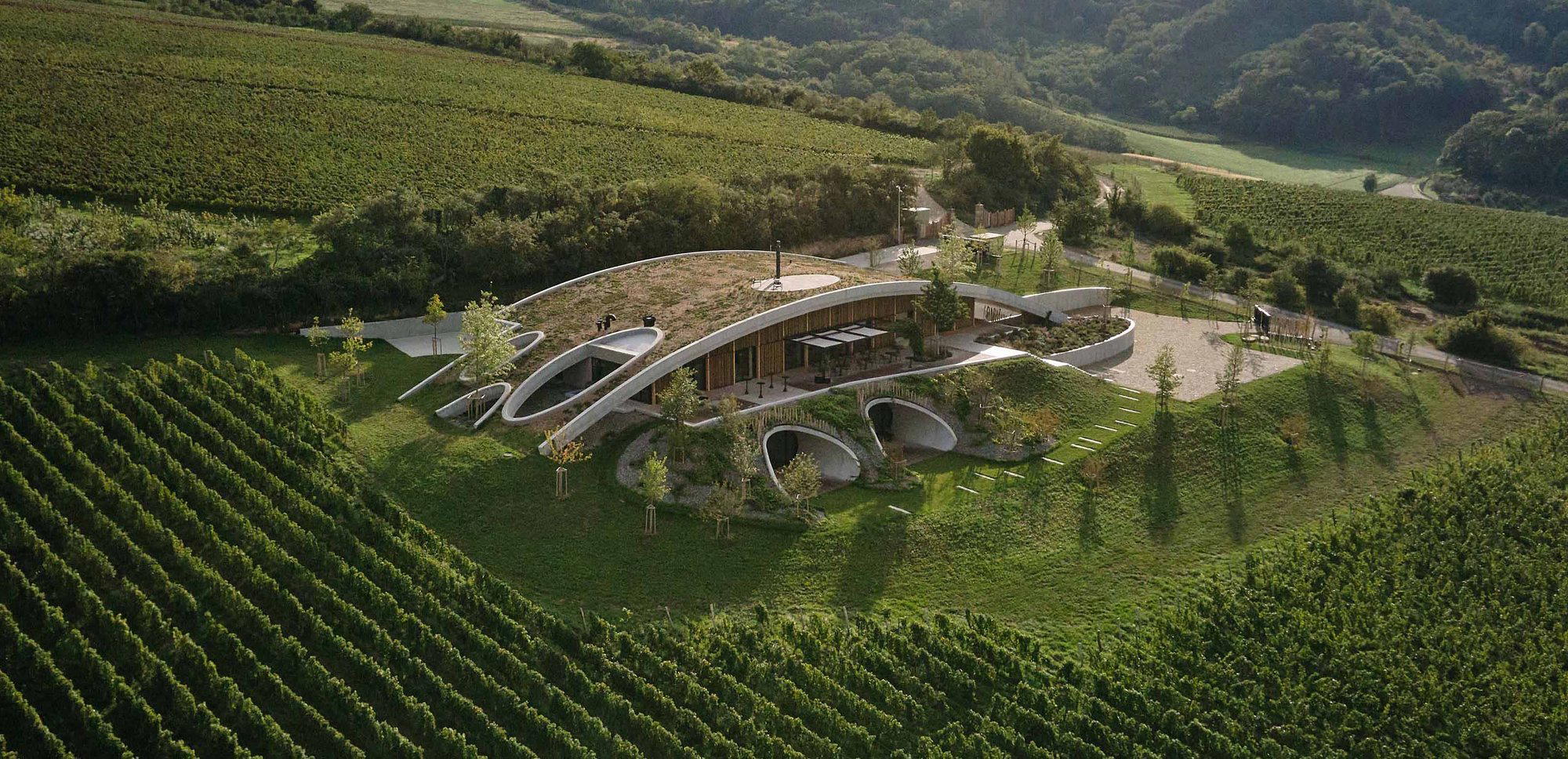
The village of Vrbice sits in South Moravia's wine belt, roughly between Hodonín and the Slovak border, in a stretch of agricultural land where viticulture has defined the local economy and social calendar for centuries. This is not a wine region that announces itself with grand château gates or carefully manicured tourism infrastructure. The cellars here are mostly built into hillsides, the roads are narrow, and the restaurants and bars that serve the wine do so with the practical confidence of places that have never needed to court passing trade. Vrbice 345 belongs to that tradition: an address in a working wine village, not a polished destination engineered for visitors.
South Moravia produces the overwhelming majority of Czech wine, with varieties like Welschriesling, Müller-Thurgau, and Blaufränkisch holding particular local significance. The wines coming out of villages like Vrbice tend toward mineral-driven whites and lighter-bodied reds that reflect the loess and clay soils of the Slovácká wine sub-region. In the broader Czech wine context, Vrbice sits in a producing zone that competes not with Bohemia's limited output but with the imported Austrian and Slovak bottles that cross the nearby borders. That geographic proximity matters: the wine culture here has as much in common with Burgenland or the Small Carpathians as it does with Prague's bar scene.
The Setting: Reading a Moravian Village Address
Arriving at a numbered village address in Moravia involves a particular kind of recalibration. There are no signposted districts or neighbourhood landmarks in the way a city visitor might expect. The address, Vrbice 345, places the venue in the village itself, meaning the surrounding environment is agricultural and quiet, the kind of place where the sounds of harvest machinery in autumn and birdsong in the growing season are the ambient backdrop rather than any street-level hospitality noise. The physical approach through Vrbice gives a clear read of what kind of experience to expect: local, unhurried, grounded in the rhythms of the land around it.
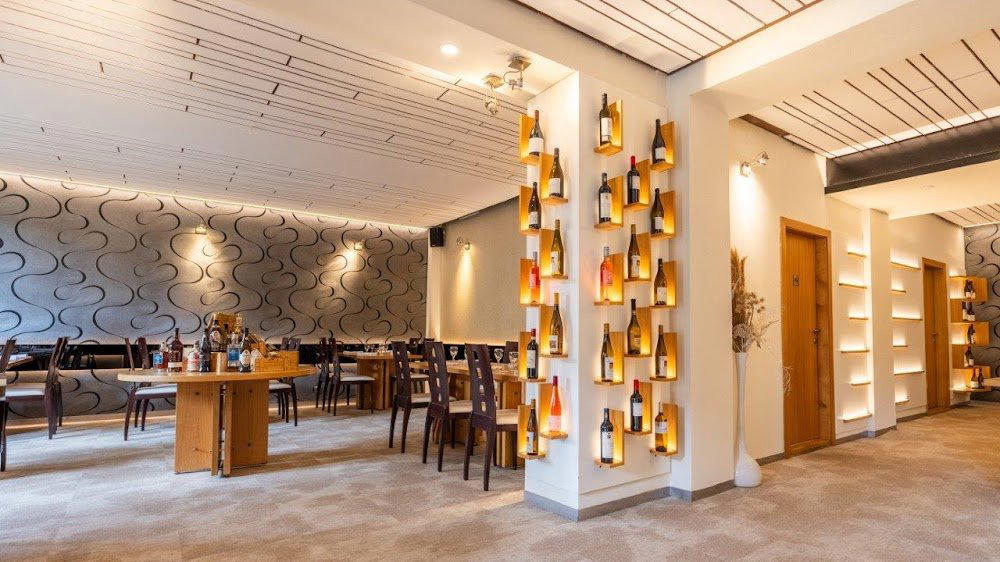
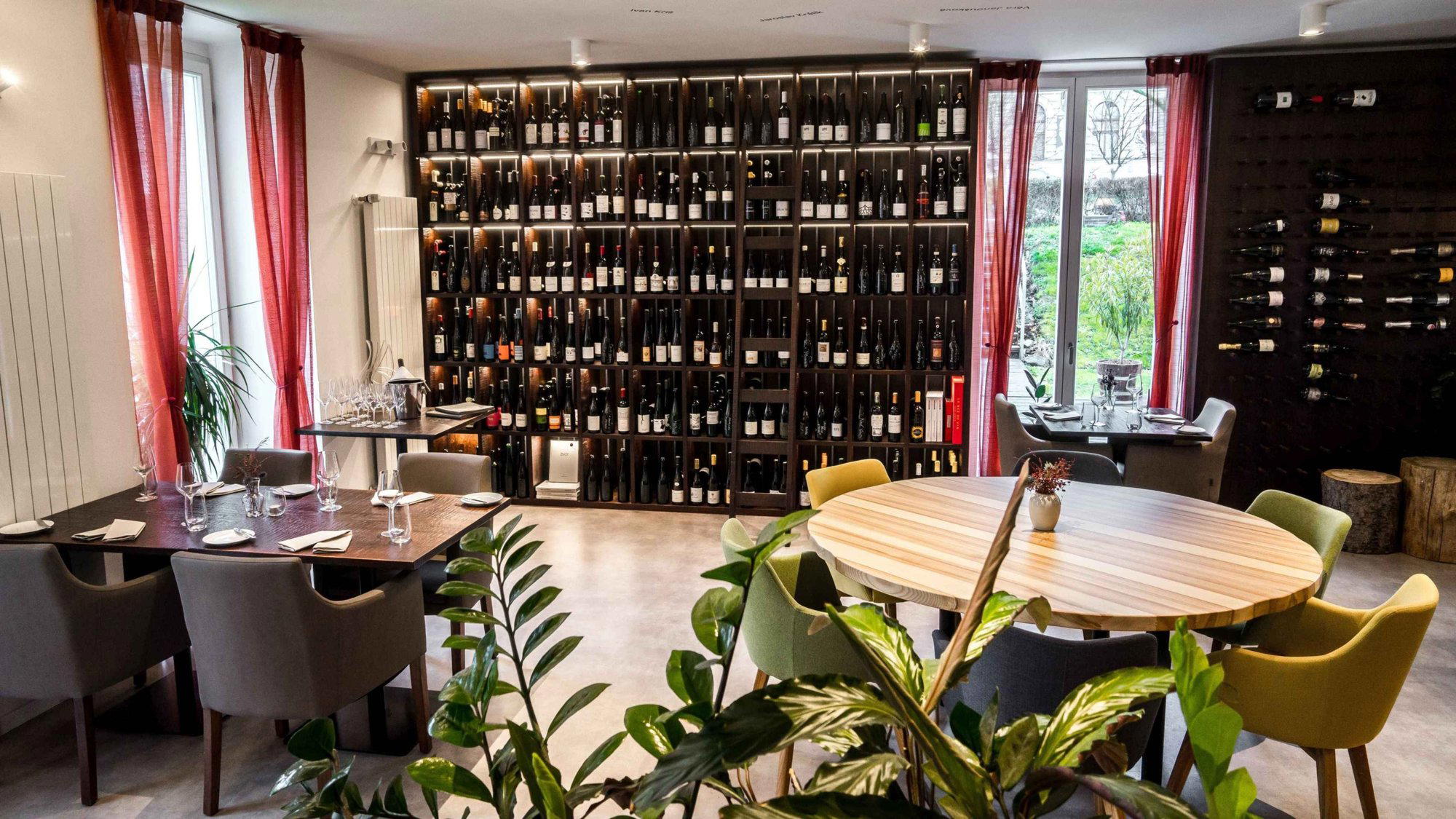
That atmosphere shapes how drinks are experienced here. Across South Moravia, the wine bar and wine cellar format tends to prioritise the producer relationship over the cocktail programme. The region's equivalent of the bartender's craft is the winemaker's cellar work, and the pouring format in village venues typically reflects direct relationships with nearby producers rather than a curated international spirits list. In that sense, Vrbice 345 operates in a category closer to the Moravian vinárna tradition than to the contemporary cocktail bars that have redefined drinking culture in Prague, Brno, or internationally recognised programmes like 69 Colebrooke Row in London or Kumiko in Chicago.
Drinks in Context: Village Wine Bars vs. Urban Cocktail Culture
The gap between village wine culture and urban cocktail programming is worth understanding before visiting Vrbice. In cities like Prague, a venue like Hemingway Bar or the long-running U Fleků operates within a hospitality ecosystem that includes international bar awards, detailed spirits inventories, and cocktail menus designed to compete on a global stage. Programmes further afield, from Bar Leather Apron in Honolulu to Jewel of the South in New Orleans, represent a tier of technical cocktail work that requires significant infrastructure: house-made ingredients, clarification rigs, extended ferments, and rotating seasonal menus driven by a creative director's vision.
Vrbice's drinking tradition works from different foundations. The emphasis in venues like these is provenance and directness: a glass of Moravian Riesling poured from a producer two kilometres away carries a different argument than a riff on a Negroni using imported amaro. That is not a lesser argument, but it is a distinct one. Visitors who make the trip from Brno or approach from across the Slovak border expecting the technical cocktail precision of Superbueno in New York City, 1806 in Melbourne, or 1930 in Milan will find a different register entirely, and should adjust expectations accordingly. Visitors who come for local wine served with regional context will be on the right track.
The comparison set for Vrbice 345 is not the internationally recognised bar programmes in Prague or abroad. It is the network of Moravian wine cellars and village vinárny that collectively form one of Central Europe's most coherent regional wine-drinking cultures. Within that network, location in a historically significant wine-producing village is itself a credential. For an orientation to what that culture looks like across its range, the broader context sits in the village wine-cellar tradition.
Who Makes the Trip and Why
South Moravian wine tourism has developed a particular visitor profile over the past decade. The wine trail infrastructure connecting villages like Vrbice, Velké Pavlovice, and Čejkovice draws a mix of Czech cyclists doing the dedicated wine route, Slovak day-trippers crossing the nearby border, and a smaller number of international visitors who have built a Moravian wine stop into a wider Central European itinerary. The common thread is an interest in wine at the production source rather than at a retail or restaurant remove.
For that visitor, the appeal of an address like Vrbice 345 is contextual: drinking local wine in the village where the grapes were grown has an argument that no urban wine bar, however well-stocked, can replicate. The timing of a visit matters. South Moravia's harvest season, running roughly from late August through October depending on the variety, is when village wine culture is at its most active, with the traditional Burčák (young fermenting wine) available in the weeks immediately following the harvest crush. Outside that window, the region is quieter and visits require more deliberate planning.
Planning a Visit
Vrbice sits approximately 60 kilometres southeast of Brno, accessible by regional train to nearby Hodonín followed by local transport, or more practically by car along the D2 motorway and regional roads. The village is on the signed Moravian Wine Trail cycling route, which makes it reachable without a vehicle for visitors based in the broader region. Given the rural setting, contacting the venue directly before travelling is the practical approach. Visits pair naturally with neighbouring wine-producing villages, making a half-day or full-day circuit through the South Moravian wine belt one efficient way to experience the region. For those building a wider drinks itinerary that extends beyond Moravia, the contrast with internationally positioned programmes like The Parlour in Frankfurt or 28 HongKong Street in Singapore or Julep in Houston underlines how distinct the Moravian village wine experience is as a format.
Comparable Spots, Quickly
Comparable venues nearby, for context on price, style, and recognition.
| Venue | Cuisine | Price | Notes |
|---|---|---|---|
| Vrbice 345This venue — the venue you are viewing | Bar | $ | Not listed |
| Hemingway Bar | cocktail_bar | $$$ | Nove Mesto |
| DOX Centre for Contemporary Art | Bar | $$ | Holesovice |
| onesip coffee | Bar | $$ | Josefov |
| Wine List | wine_bar | $$ | Karlin |
| AnonymouS Bar | cocktail_bar | $$$ | Stare Mesto |
Continue exploring