Google: 4.5 · 1,284 reviews
Craft New York
Craft New York occupies a considered position in the Flatiron District's dining scene, where ingredient-led American cooking and a serious beverage program intersect with one of Manhattan's more deliberate reservation cultures. Planning ahead is the operative strategy here, as the restaurant draws a consistent crowd that reflects its standing among the neighbourhood's long-established, produce-forward dining addresses.
 Discover on Pearl
Pearl is the En Primeur Club membership app — saves, bookings, and concierge access live there. Same editors, same standards.
- Address
- 43 E 19th St, New York, NY 10003
- Phone
- +1 212 780 0880
- Website
- craftrestaurant.com
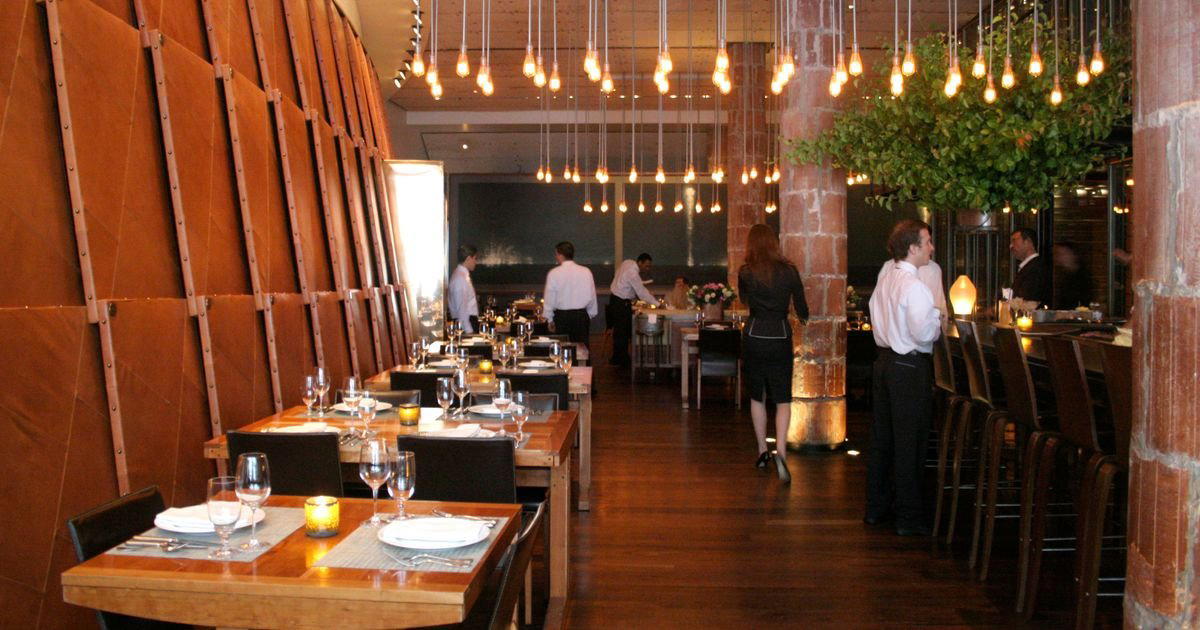
Flatiron's Deliberate Dining Culture and Where Craft Fits
The stretch of East 19th Street running through the Flatiron District has, over the past two decades, become one of Manhattan's more reliable corridors for serious American cooking. The neighbourhood sits at a crossroads between the busier dining theatrics of the Meatpacking District to the west and the more informal energy of Gramercy to the east, producing a dining character that tends toward the considered rather than the showy. Restaurants along this axis compete less on spectacle and more on depth of sourcing, kitchen consistency, and room tone. Craft New York, at 43 E 19th Street, occupies that positioning deliberately: it belongs to a cohort of American restaurants that built their reputations on what lands on the plate rather than on surrounding narrative.
That cohort is worth understanding before you book. In New York, ingredient-driven American restaurants that predate the farm-to-table marketing wave occupy a different category from the venues that followed. They tend to have longer institutional memories, more settled wine programs, and a booking culture that reflects a sustained rather than trend-dependent audience. Planning your visit to Craft means engaging with that culture, not just securing a table.
The Booking Window: What the Neighbourhood Tells You
In the Flatiron District, the restaurants that require the most advance planning are rarely the newest. The venues with the deepest reservation queues in this part of Manhattan are typically those that have compounded credibility over years: a combination of critical attention, word-of-mouth among professionals who work nearby, and a room that has become a default setting for a certain kind of business or celebration dinner. Craft sits in that category.
The practical implication is that weekend reservations, particularly for prime Friday and Saturday dinner slots, warrant booking as far in advance as the reservation system allows. Midweek tables carry more availability and often produce a quieter room, which changes the character of the meal in useful ways: service timing is more elastic, the dining room noise level drops considerably, and the interaction with the floor staff tends to be more detailed. For a restaurant where the sourcing and preparation of ingredients is central to what is being offered, that additional bandwidth matters. If your priority is learning something about what you are eating, a Tuesday or Wednesday sitting will serve you better than a Saturday.
Lunch, where available, represents a different entry point entirely. Flatiron lunch service at this tier often draws a professional crowd rather than a celebratory one, and the pacing reflects that: more direct, faster-moving, oriented around a two-hour window. For first-time visitors assessing whether Craft belongs on their regular rotation, a lunch visit can provide a useful read without the refined stakes of a dinner reservation.
American Produce Cooking and the Peer Set
The style of cooking associated with Craft belongs to a tradition in American fine dining that prioritises restraint in technique as a way of surfacing ingredient quality. This is a different proposition from French-influenced tasting menus or the current wave of hyper-regionalised American cooking that draws heavily on a single geography. What it asks of the kitchen is discipline: the ability to source well enough that the food does not need to do excessive work to justify itself. In New York, the restaurants that sustain this approach over time tend to build a loyal audience that is less reactive to trend cycles and more concerned with consistency across seasons.
Seasonality is structural to this kind of cooking. What is available in autumn, when root vegetables, game, and late-harvest produce define the larder, produces a different menu character from the spring and early summer window, when lighter preparations and younger ingredients become the organising logic. Visiting Craft in late October through December places you in the richer, more textured half of the calendar, where the kitchen has the most to work with in terms of depth of flavour. Spring visits, from April through June, offer a contrasting register. Neither is wrong, but they are distinct experiences.
The Beverage Program in Context
American restaurants at this tier in Manhattan typically maintain wine lists that reflect the kitchen's sourcing philosophy: lists that lean toward producers with identifiable farming practices, with particular depth in American and French regions. The by-the-glass selection at restaurants in this category often changes with some regularity to reflect both seasonal menu movement and the arrival of small-production allocations. For cocktail drinkers, the Flatiron and surrounding neighbourhoods offer strong alternatives nearby: Amor y Amargo a few blocks away operates one of the city's most focused bitter-spirits programs, while Attaboy NYC on the Lower East Side and Angel's Share in the East Village represent different registers of New York's technically grounded cocktail culture. Superbueno offers a more energetic counterpoint if the evening calls for it.
Beyond New York, comparable approaches to produce-driven dining and serious beverage programming appear in venues across the country: Kumiko in Chicago applies similar discipline to its Japanese-inflected beverage program, while ABV in San Francisco and Allegory in Washington, D.C. operate in adjacent territory. Further afield, Bar Leather Apron in Honolulu, Jewel of the South in New Orleans, Julep in Houston, and The Parlour in Frankfurt on the Main each demonstrate how the broader commitment to craft beverage intersects with food-forward dining across different city contexts.
For a full read of where Craft New York fits within the wider Manhattan dining picture, the EP Club New York City restaurants guide maps the city's dining tiers with the same editorial rigour applied here.
Planning Your Visit
Reservations: Advance booking is strongly recommended, particularly for weekend evenings; midweek tables carry more availability and a noticeably quieter room. Address: 43 E 19th Street, Flatiron District, Manhattan. Getting there: The 14th Street-Union Square station (4, 5, 6, L, N, Q, R, W lines) places you within a short walk; 23rd Street on the N/R/W is the alternative approach from the north. Timing: Late autumn through early winter represents the deepest end of the seasonal larder for this style of cooking; spring visits offer a contrasting, lighter register.
Continue exploring
More in New York City
Bars in New York City
Browse all →
Restaurants in New York City
Browse all →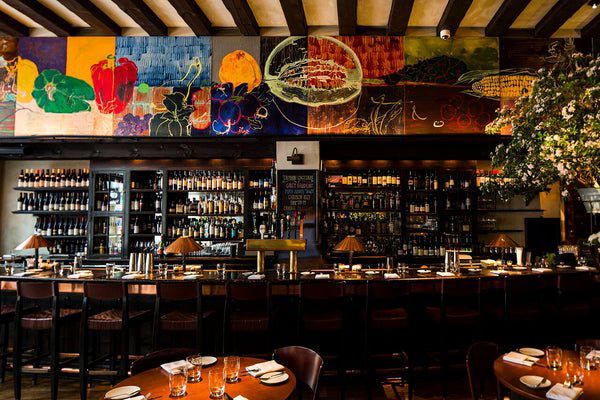
Hotels in New York City
Browse all →


At a Glance
- Elegant
- Sophisticated
- Date Night
- Special Occasion
- Business Dinner
- Design Destination
- Lounge Seating
- Booth Seating
- Craft Cocktails
Warm, modern, and inviting with thoughtful lighting, tasteful background music, lively but not overly loud.