Cooter Brown's Tavern
Cooter Brown's Tavern at 509 S Carrollton Ave has anchored the Riverbend neighborhood of New Orleans for decades, functioning less as a destination bar and more as a fixture of how this stretch of the city actually drinks. Its beer selection runs deep, the atmosphere is determinedly unpretentious, and the surrounding neighborhood gives it a context that separates it clearly from the French Quarter bar circuit.

Pearl is the En Primeur Club membership app — saves, bookings, and concierge access live there. Same editors, same standards.
- Address
- 509 S Carrollton Ave, New Orleans, LA 70118
- Phone
- (504) 866-9104
- Hours
- Daily 11 AM–1 AM
- Website
- cooterbrowns.com
- Directions
- Get directions
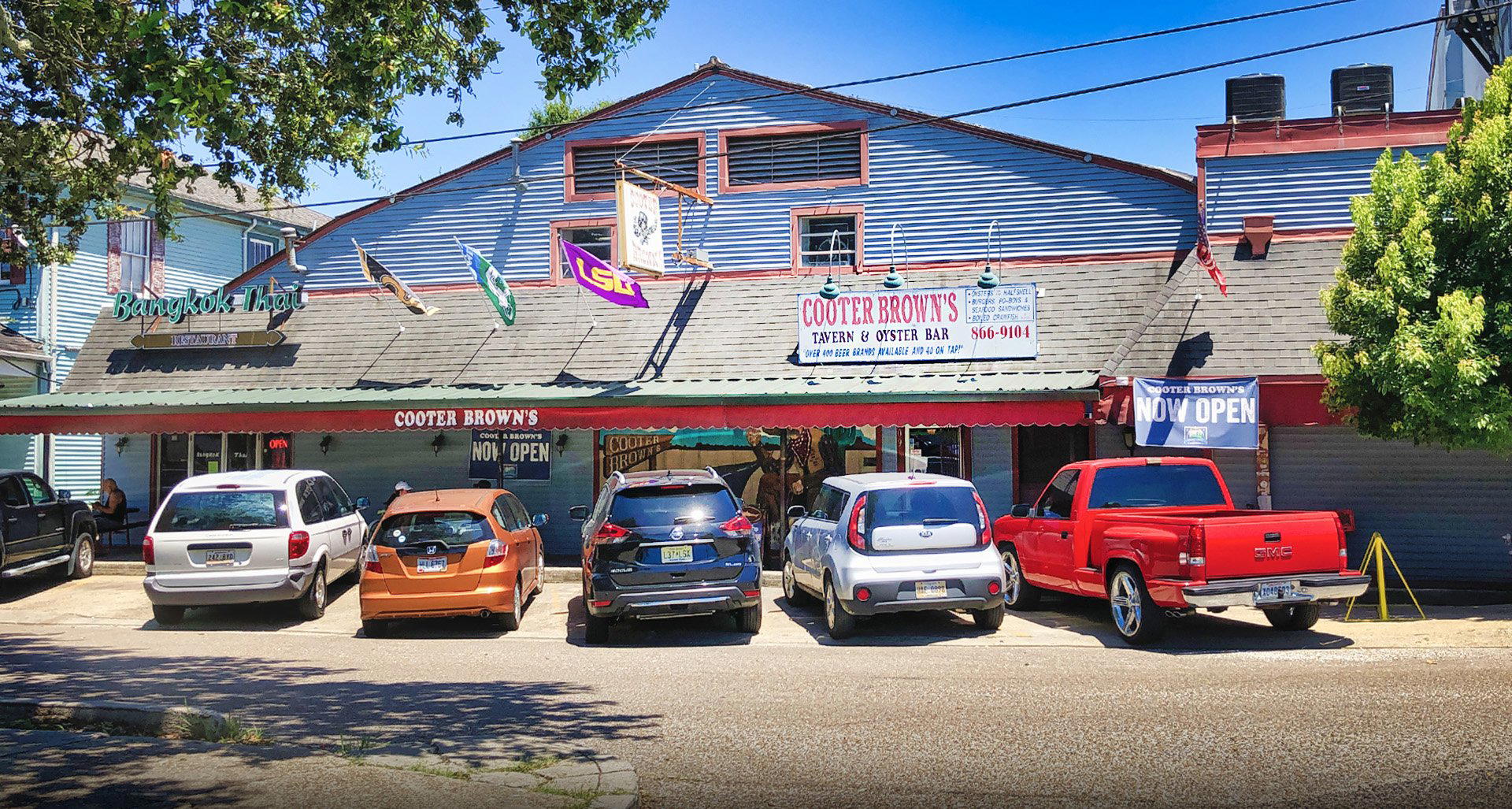
Riverbend's Anchor: What Carrollton Avenue Tells You About New Orleans Drinking
The corner of South Carrollton and Oak Street operates on a different register than the French Quarter. No Bourbon Street foot traffic, no daiquiri shops spilling neon onto the pavement. This is the Riverbend neighborhood: a residential stretch where Tulane and Loyola students overlap with long-tenured locals, where the St. Charles streetcar line terminates, and where bars tend to earn their reputation through consistency rather than novelty. Cooter Brown's Tavern, at 509 S Carrollton Ave, sits squarely inside that tradition.
New Orleans has two distinct bar cultures operating simultaneously. The first is performative and tourist-facing, centered on the Quarter and Frenchmen Street. The second is quieter, neighborhood-specific, and largely invisible to first-time visitors who don't venture past Canal Street. Cooter Brown's belongs to the second category. Its longevity on this block is itself a form of credential in a city where leases, floods, and shifting foot traffic patterns have closed far more ambitious establishments.
The Carrollton Corridor in Context
To understand why Cooter Brown's occupies the position it does, it helps to understand the Carrollton corridor as a drinking environment. The neighborhood sits uptown and lakeside, removed from the concentrated hospitality infrastructure of the CBD and the Quarter. Bars here serve people who live within walking distance, who arrive by streetcar, or who make a deliberate trip rather than stumbling in off a tourist circuit. That self-selection shapes the room: the energy is less performative, the turnover slower, the conversation louder.
This stands in contrast to the more studied cocktail programs that define New Orleans' current critical reputation. Venues like Jewel of the South and Cure represent the craft-forward tier of New Orleans drinking, where technique and sourcing drive the menu. Beachbum Berry's Latitude 29 occupies an adjacent position through tiki scholarship. Cooter Brown's doesn't compete in that space and doesn't try to. Its reference points are different: draft handles, bottled beer selection, and the kind of bar architecture that prioritizes viewing angles for sports over curated lighting.
That distinction matters editorially. The New Orleans bar scene is sometimes flattened into a single narrative about cocktail heritage and Sazerac provenance, but the city's actual drinking culture is broader and less polished than that story suggests. Neighborhood taverns with serious beer programs represent a significant strand of how the city drinks, and Cooter Brown's is one of the more recognized addresses in that category.
Beer as the Program
Where venues like Kumiko in Chicago or ABV in San Francisco organize their identity around spirits and technique, Cooter Brown's organizes around beer volume and range. The tavern's reputation in New Orleans rests substantially on the breadth of its bottled and draft beer selection, which has historically made it a reference point for beer-focused drinkers in a city more commonly associated with rum, rye, and gin. In a market where most bar programs treat beer as secondary to the cocktail list, that focus reads as a genuine positioning choice rather than an oversight.
This is not the craft-beer-as-theater model that defines taprooms in cities with younger drinking cultures. The approach at Cooter Brown's is less curatorial and more accumulative: a wide selection presented straightforwardly, without the tasting-note language or small-producer provenance stories that characterize the premium beer movement elsewhere. Compared to the layered programs at venues like Allegory in Washington, D.C. or Bar Leather Apron in Honolulu, the register here is deliberately lower-key.
Atmosphere and the Physical Space
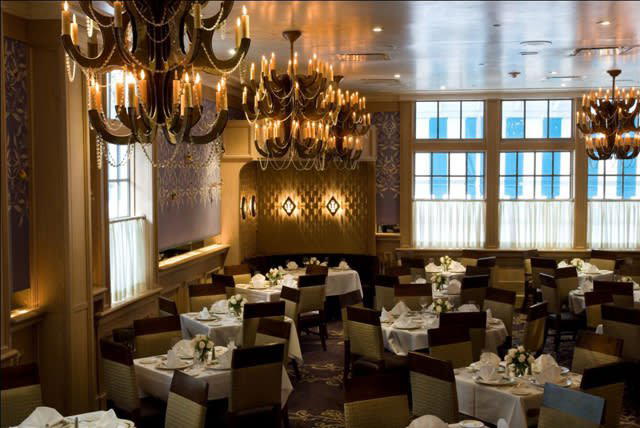
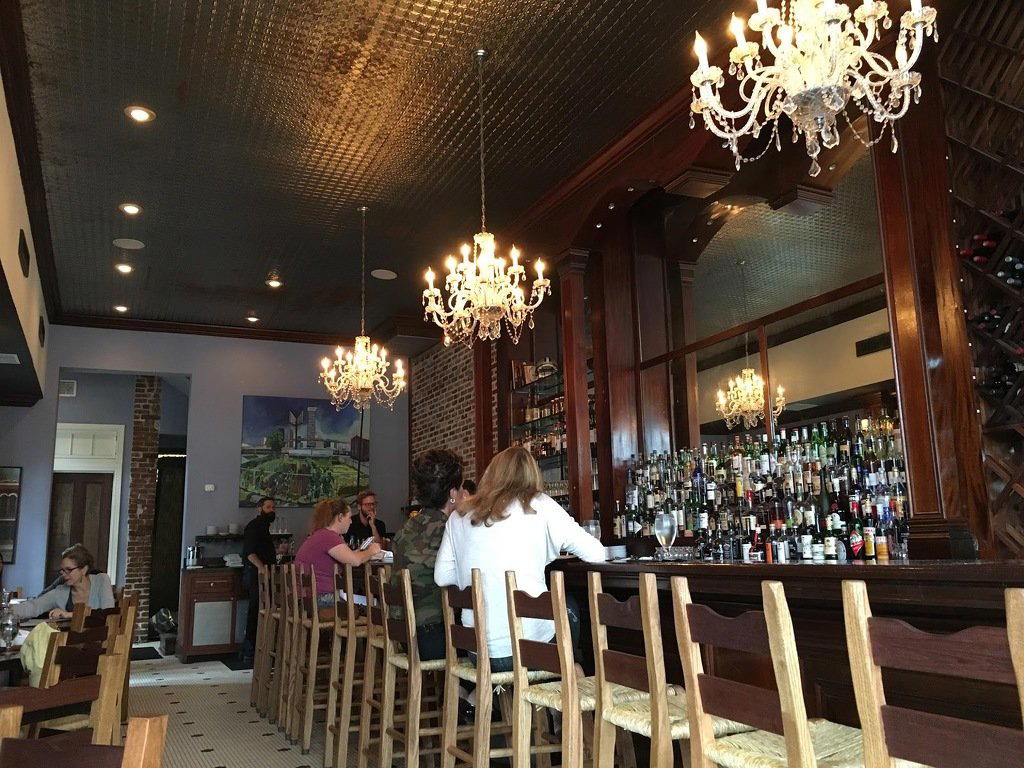
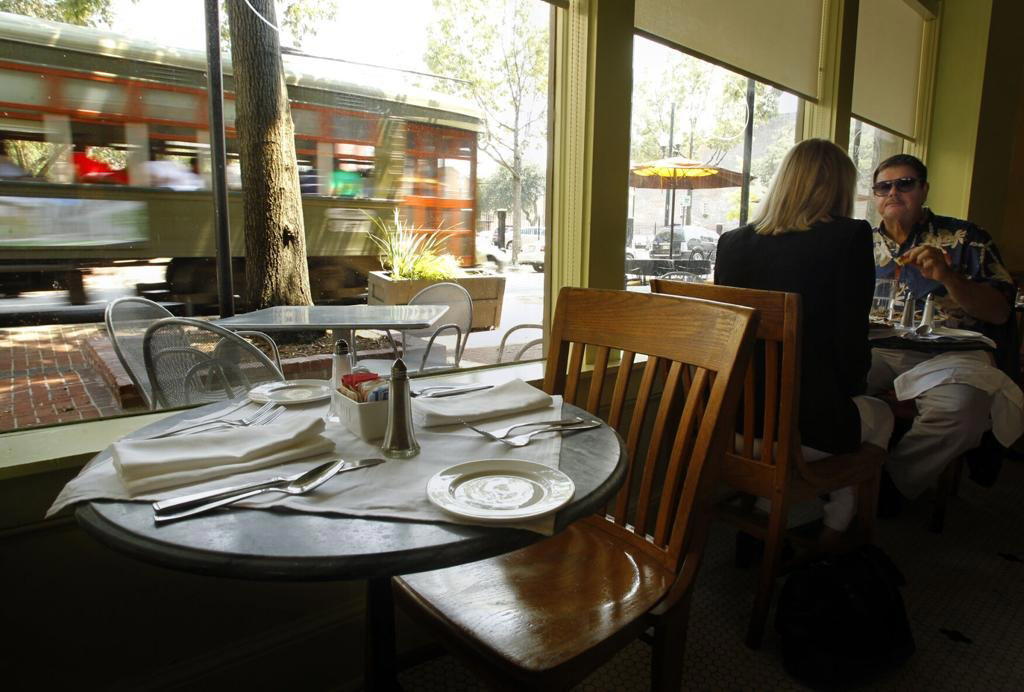
The tavern format at Cooter Brown's follows a familiar Gulf South template: a front-weighted room with bar seating that commands the space, supplemented by tables that fill when sports draw a crowd. The building's position on South Carrollton places it at a corner that receives foot traffic from the streetcar stop, giving it a natural rhythm tied to transit rather than to a hospitality district's manufactured energy.
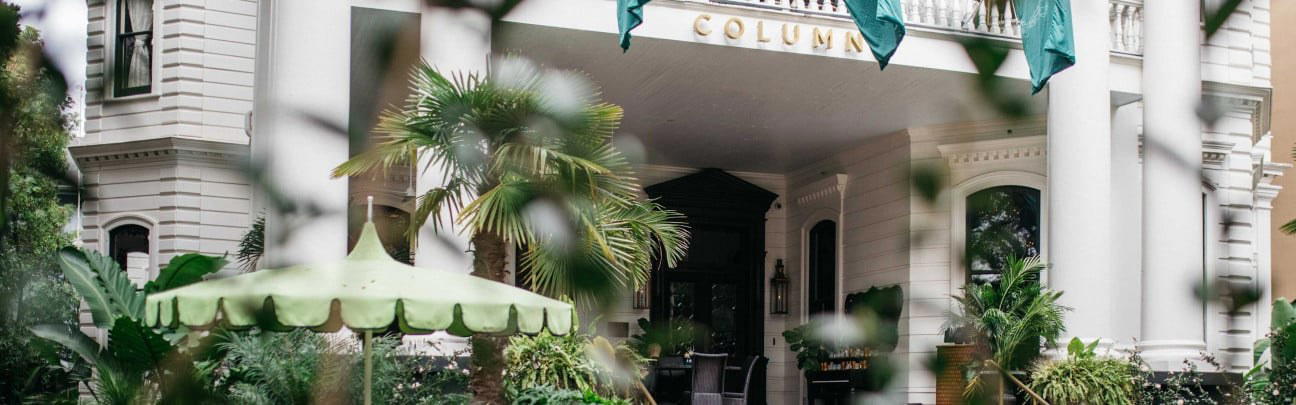
Approaching from the streetcar stop, the tavern reads as exactly what it is: a working bar without architectural pretension. That legibility is part of its function. In a city where some venues expend considerable effort signaling their category through design, the absence of that signaling is itself communicative. This is a place where the room defers to the people in it rather than the reverse.
The atmosphere shifts by hour and by season. Afternoon visits during the week pull a quieter crowd; evenings and weekends, particularly during football season, fill the room with the kind of sustained noise that marks a sports bar operating at capacity. The Tulane proximity shapes the demographic mix without defining it entirely. Older regulars who have been drinking here since before the current student population was born coexist with the transient academic crowd.
Placing Cooter Brown's in the Broader EP Club Map
For readers building an itinerary around New Orleans' bar culture, Cooter Brown's occupies a specific and non-replicable slot. It is not the right address for the serious cocktail session that Jewel of the South or Cure offer, nor does it deliver the focused tiki scholarship of Latitude 29. What it offers is a texture of New Orleans neighborhood drinking that the Quarter and the CBD don't produce. Pair it with 2 Phat Vegans for a fuller picture of how the uptown and mid-city corridors actually function as eating and drinking environments.
Against the broader EP Club map of American bars, the comparison class includes venues that prioritize volume and regularity over technical program depth. Julep in Houston and Superbueno in New York City both operate in neighborhood-adjacent modes, though with more refined menus. The Parlour in Frankfurt represents a different national tradition entirely but shares the tavern-as-institution quality that defines long-running neighborhood bars in cities with serious drinking cultures.
For the full context of where Cooter Brown's fits within New Orleans' wider dining and drinking ecosystem, see our full New Orleans restaurants guide.
Planning Your Visit
Cooter Brown's Tavern sits at 509 S Carrollton Ave, reachable via the St. Charles streetcar line at the Carrollton terminus, which makes it unusually accessible without a car by New Orleans standards. Given the venue's neighborhood orientation and the lack of a reservation system typical of taverns in this format, timing matters: arrive during the week for a quieter session, or expect a fuller room on weekend evenings and during football season. Dress is entirely casual; this is a jeans-and-sneakers room without qualification. Specific hours should be confirmed before visiting, as operating schedules for independently run taverns in New Orleans can shift seasonally or around local events.
Price and Positioning
Comparable venues nearby, for context on price, style, and recognition.
| Venue | Cuisine | Price | Notes |
|---|---|---|---|
| Cooter Brown's TavernThis venue — the venue you are viewing | Not listed | $20–30 | Not listed |
| Frenchmen St | Marigny, pub | $20–30 | Not listed |
| Mandina's Restaurant | Mid-City, lounge | Not listed | Not listed |
| The Delachaise Wine Bar | Not listed | $30–50 | Touro, wine_bar |
| House of Blues New Orleans | French Quarter, lounge | $30–50 | Not listed |
Continue exploring
More in New Orleans
Bars in New Orleans
Browse all →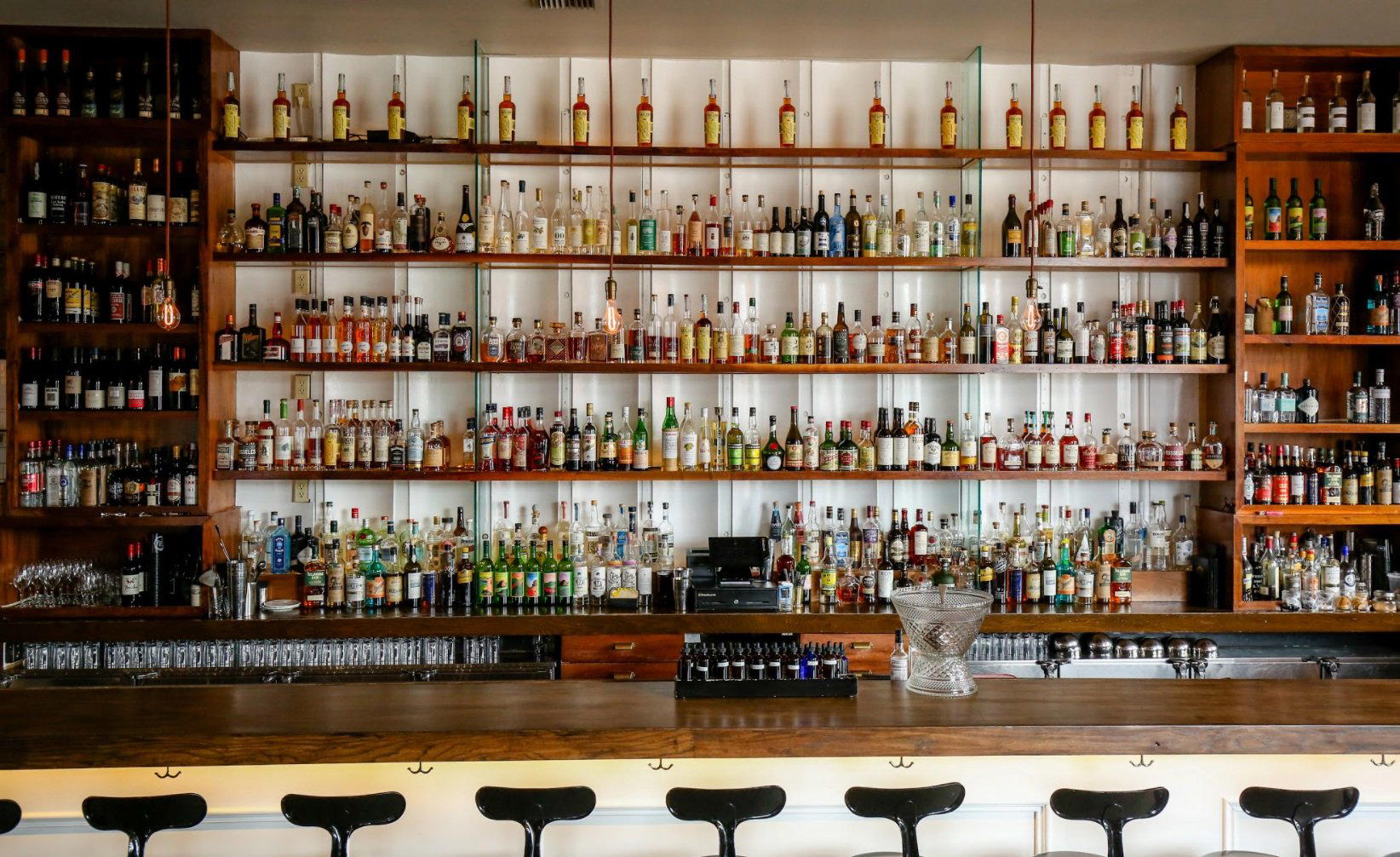
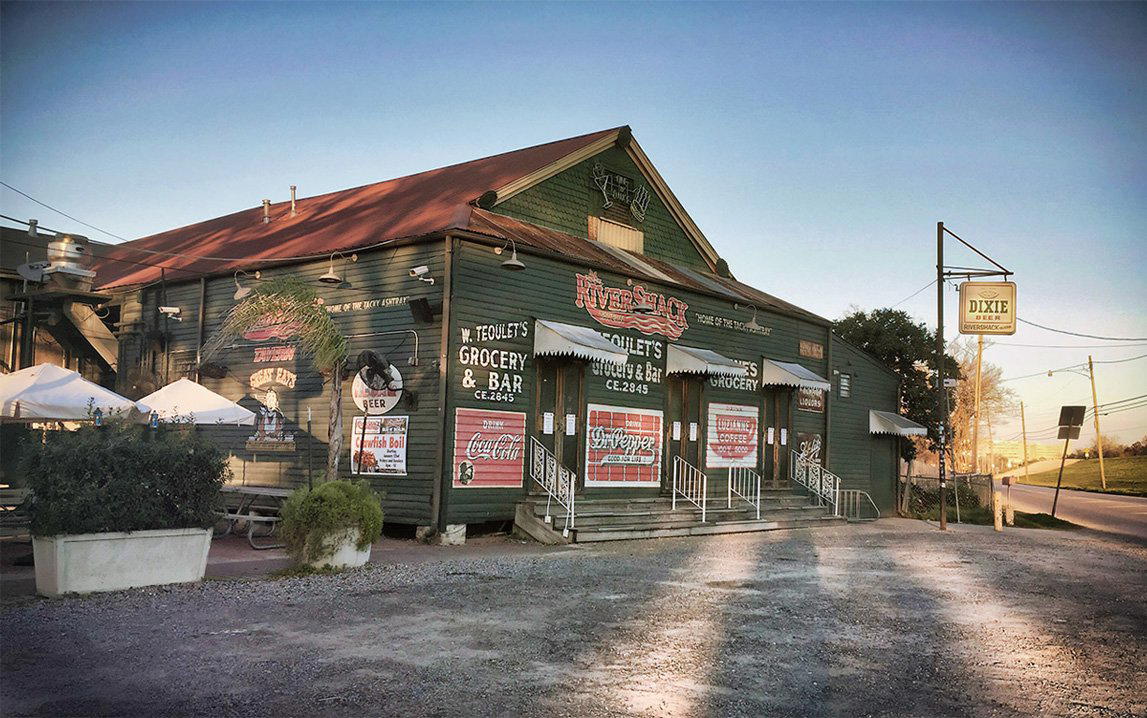
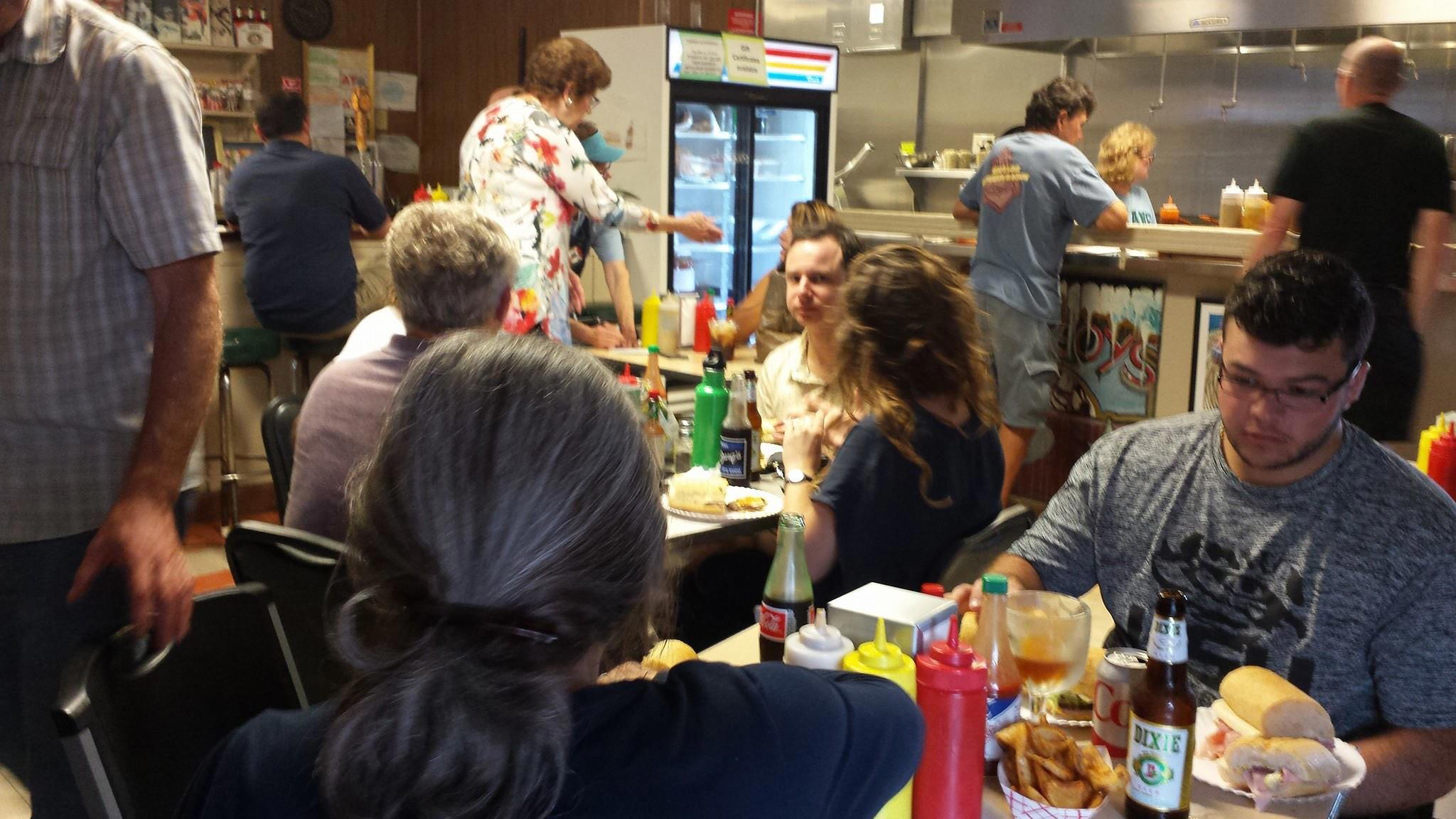
Restaurants in New Orleans
Browse all →
Details
- Lively
- Classic
- Rustic
- Group Outing
- Casual Hangout
- Late Night
- Historic Building
- Booth Seating
- Outdoor Terrace
- Craft Beer
Current opening hours
- Monday
- 11 AM–1 AM
- Tuesday
- 11 AM–1 AM
- Wednesday
- 11 AM–1 AM
- Thursday
- 11 AM–1 AM
- Friday
- 11 AM–1 AM
- Saturday
- 11 AM–1 AM
- Sunday
- 11 AM–1 AM
Hours can change for holidays and private events. Last verified .
Lively bar atmosphere with flat-screen TVs for sports, celebrity statues, pool tables, good music, and a welcoming local vibe.