Mandina's Restaurant
Mandina's Restaurant at 3800 Canal Street is one of New Orleans' most enduring neighborhood institutions, serving the kind of Italian-Creole cooking that defined mid-century dining along the city's broad mid-city corridor. The Canal Street address places it squarely in the everyday fabric of the city rather than the tourist circuit of the French Quarter, which is precisely the point.
 Discover on Pearl
Pearl is the En Primeur Club membership app — saves, bookings, and concierge access live there. Same editors, same standards.
- Address
- 3800 Canal St, New Orleans, LA 70119
- Phone
- +1 504 482 9179
- Website
- mandinasrestaurant.com
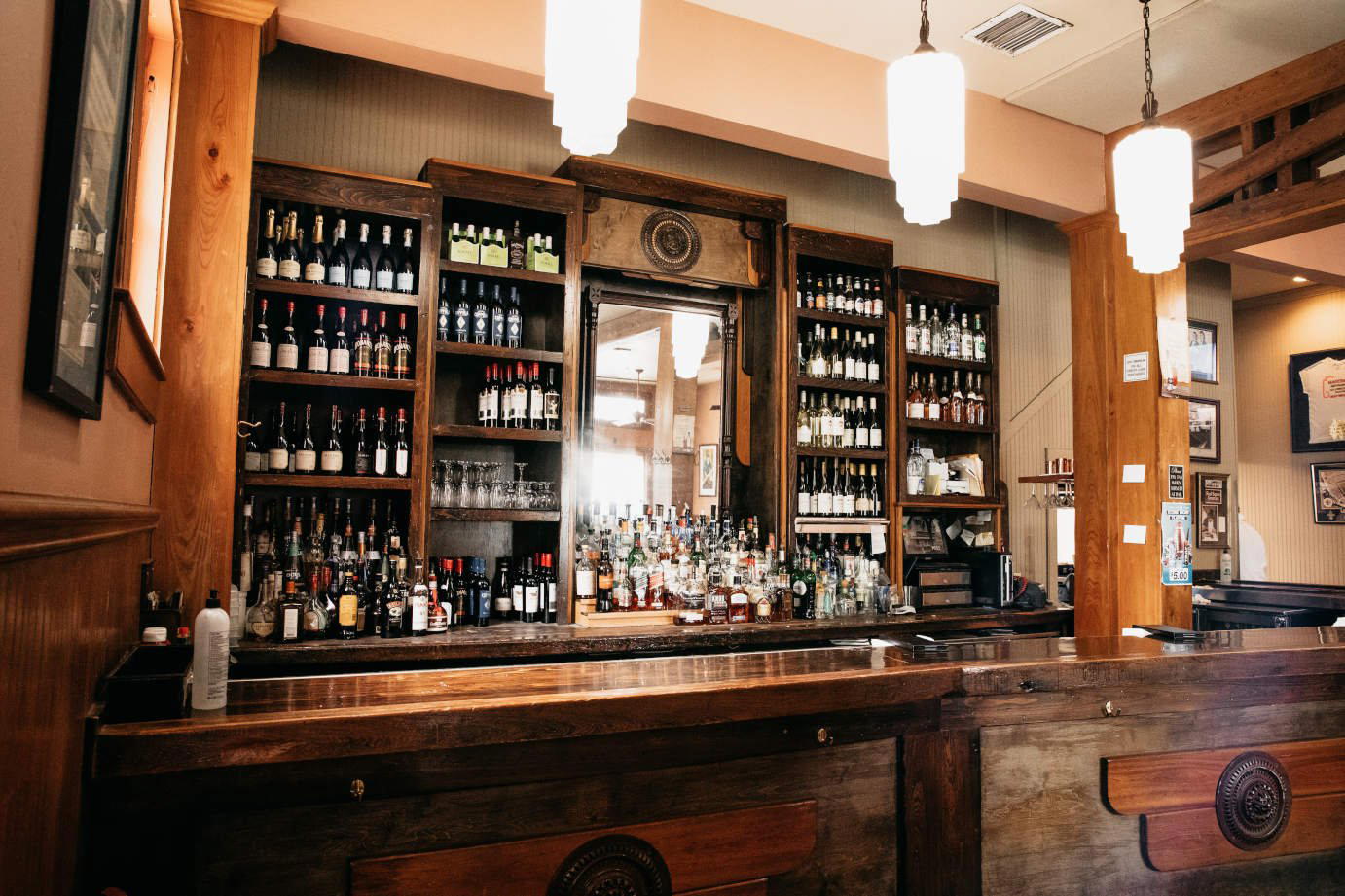
Canal Street, Long Tables, and the Staying Power of Italian-Creole
New Orleans has always eaten at the intersection of cultures, and nowhere is that more legible than in the Italian-Creole tradition that took root in the city's mid-city neighborhoods during the late nineteenth and early twentieth centuries. Sicilian immigrants arrived in large numbers, found the local pantry of roux, shellfish, and long-cooked greens not entirely foreign, and began folding their own techniques into the existing Creole framework. The result was a category of restaurant that belongs neither to French-inflected fine dining nor to the po'boy counter: a roomy, family-run dining room where red gravy and turtle soup sit on the same menu without anyone considering that unusual. Mandina's Restaurant, at 3800 Canal Street, is one of the clearest surviving expressions of that tradition.
Canal Street itself matters here. The broad boulevard that separates the French Quarter from mid-city has historically been a thoroughfare for residents rather than visitors, and the stretch where Mandina's sits reflects that. The room draws the kind of crowd that knows its order before it sits down, that argues good-naturedly about whether the turtle soup has changed since some remembered decade, and that considers this a Tuesday rather than an occasion. That social texture is not incidental to the experience; it is the experience. Dining rooms that have held that kind of neighborhood loyalty across generations are increasingly rare in American cities, where rents and turnover have flattened the category considerably.
The Italian-Creole Kitchen and What It Means in 2025
The Italian-Creole kitchen operates on principles that overlap significantly with what contemporary food culture has rebranded as sustainable or low-waste cooking: whole animals, long-braised cheaper cuts, bread that gets repurposed, and stocks built from scraps rather than purchased concentrate. Turtle soup, a dish that requires using the whole animal and slow extraction of flavor over hours, is a case study in that approach. The dish fell out of fashion in much of the country partly because it resists the shortcuts that industrial kitchen production demands. Its persistence on menus like Mandina's speaks to a kitchen culture that has not retooled around convenience supply chains.
The same logic applies to the red gravy tradition. A properly made Italian-Creole tomato sauce is a slow, low-intervention process that relies on time rather than additives for depth. It is a fundamentally seasonal preparation in its original form, built around tomatoes at their most concentrated and supplemented with whatever protein the day's market offered. That approach aligns, at least in principle, with the kind of root-to-stem and whole-animal cooking that has become the editorial focus of contemporary food culture. The difference is that at places like Mandina's, it was never a program or a positioning statement; it was simply how the kitchen worked.
New Orleans as a dining city has leaned into this heritage with increasing intention. The cocktail bars on Magazine Street and Frenchmen Street, from Jewel of the South to Cure, have built programs around local spirits and seasonal produce in ways that parallel what the Italian-Creole kitchen has done with food for a century. Beachbum Berry's Latitude 29 approaches its tiki canon with a similar archival seriousness. The broader pattern across American dining cities reflects this shift: bars and restaurants from Kumiko in Chicago to ABV in San Francisco and Allegory in Washington, D.C. are building identities around provenance and reduction of waste, a conversation that older neighborhood institutions have been having, quietly, for decades.
What the Canal Street Address Tells You
Location in New Orleans is always a signal. The French Quarter addresses carry tourist premiums; the Magazine Street corridor has gentrified toward a younger dining demographic; the Warehouse District has absorbed the fine dining tier. Mid-city's Canal Street sits outside most of those gravitational pulls, which is part of why a restaurant like Mandina's has been able to maintain its pricing and its format without the pressure to rebrand or reinvent. It serves a neighborhood, and the neighborhood keeps coming back.
That insularity from trend cycles has a practical consequence for the visitor: the room will not perform for you. There is no curated playlist, no Instagram-optimized plating architecture, no front-of-house narration about the provenance of individual ingredients. What you get is a working dining room that has been doing this long enough that the edges are worn smooth, and that quality of ease is harder to manufacture than any designed atmosphere. Visitors who approach it on those terms tend to find it one of the more grounding meals available in a city that can feel relentlessly curated in its tourist-facing mode.
For context on the city's dining range, our full New Orleans restaurants guide maps the spectrum from the Italian-Creole neighborhood tier to the city's more technically ambitious rooms. Plant-forward dining also has a growing foothold; 2 Phat Vegans represents a different but equally serious engagement with local ingredients. The wider American bar and restaurant scene, from Julep in Houston and Superbueno in New York City to Bar Leather Apron in Honolulu and The Parlour in Frankfurt, shows how local character and long institutional memory increasingly operate as points of distinction rather than limitations.
Planning a Visit
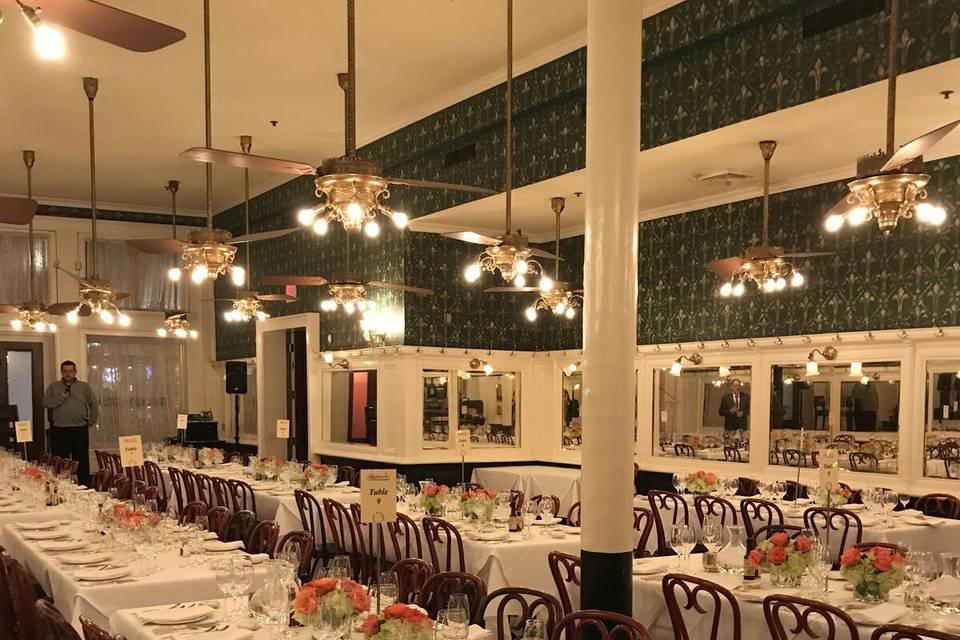
Mandina's sits at 3800 Canal Street, accessible by streetcar along the Canal line, which makes it one of the more direct mid-city addresses to reach without a car. The streetcar deposits visitors within a short walk and provides the kind of slow-moving view of the corridor that reframes how the city's non-tourist geography feels. As with most neighborhood institutions of this type, the dining room tends to fill earlier in the evening with local regulars, and arriving before peak service is the practical way to get a table without a long wait. The room itself is the kind of space where the light and noise levels have been calibrated by decades of use rather than by a designer, which means it suits groups and conversation rather than quiet reflection.
No booking platform or dedicated website is listed in current records, which suggests the operation runs on walk-in volume and word of mouth, a model that has sustained this category of New Orleans dining room for generations.
Price and Positioning
| Venue | Awards |
|---|---|
| Mandina's RestaurantThis venue — the venue you are viewing | |
| Jewel of the South | World's 50 Best |
| Beachbum Berry's Latitude 29 | World's 50 Best |
| Cure | World's 50 Best |
| Cane & Table | |
| The Carousel Bar |
Continue exploring
More in New Orleans
Bars in New Orleans
Browse all →
Restaurants in New Orleans
Browse all →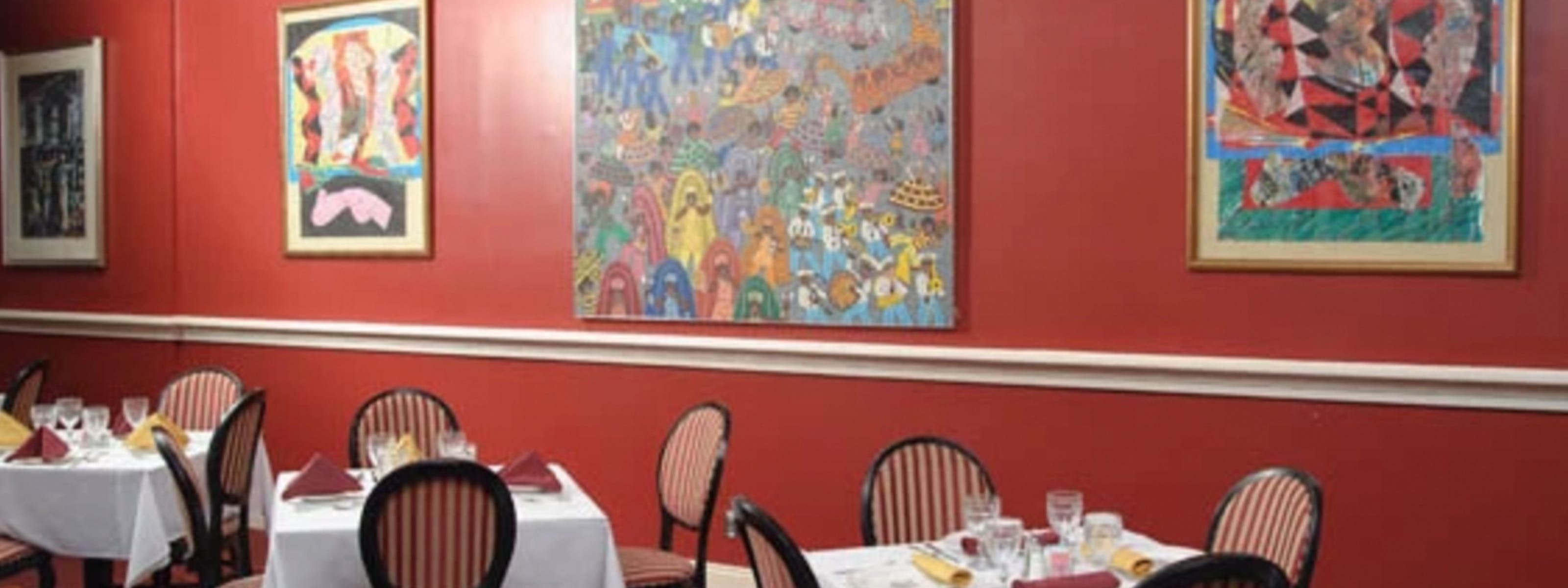
At a Glance
- Classic
- Cozy
- Iconic
- Casual Hangout
- Group Outing
- Historic Building
- Booth Seating
- Classic Cocktails
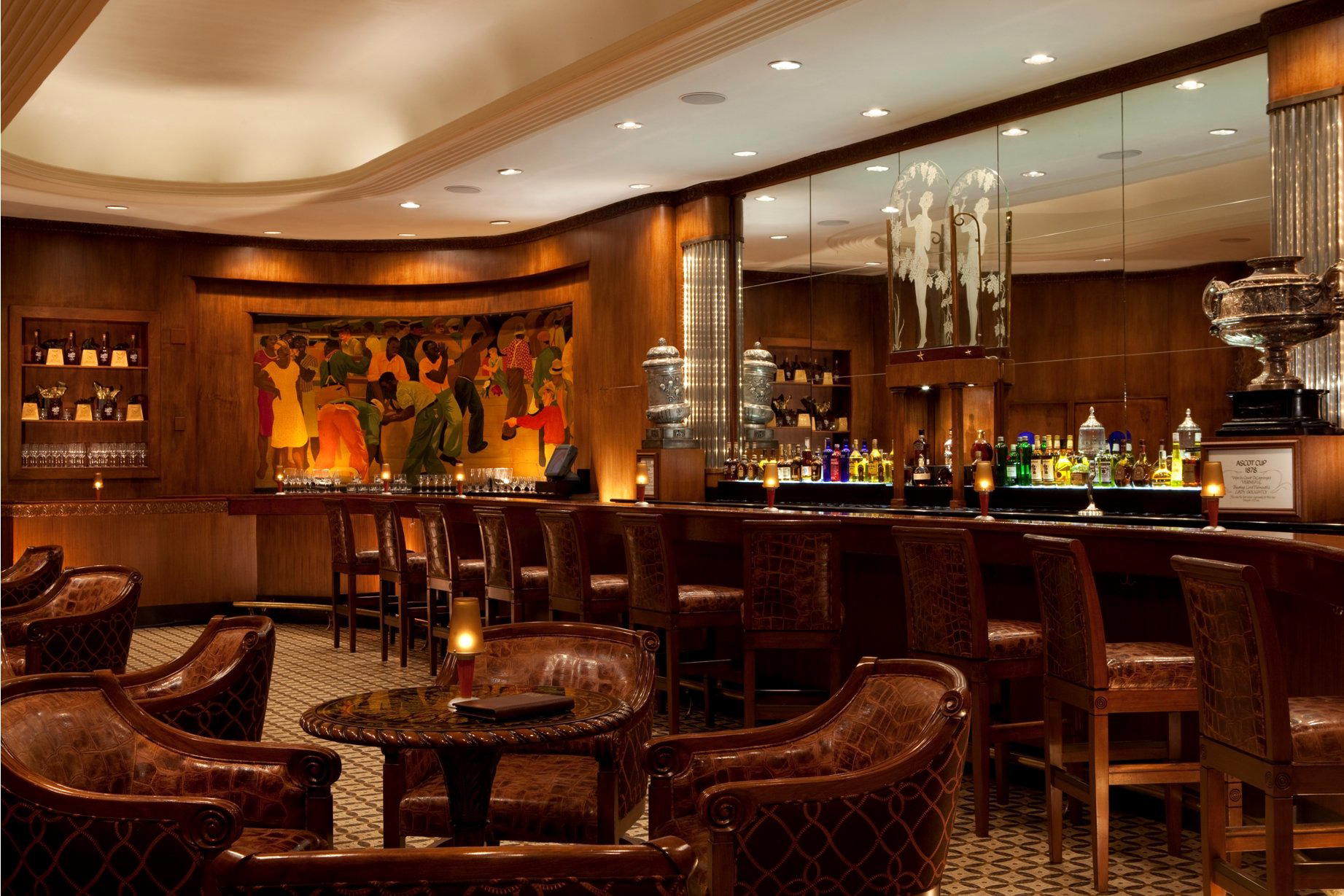
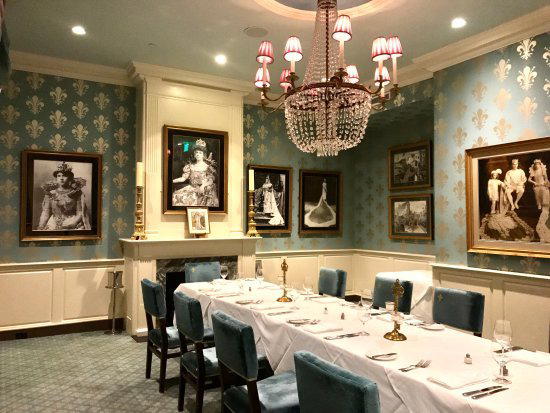
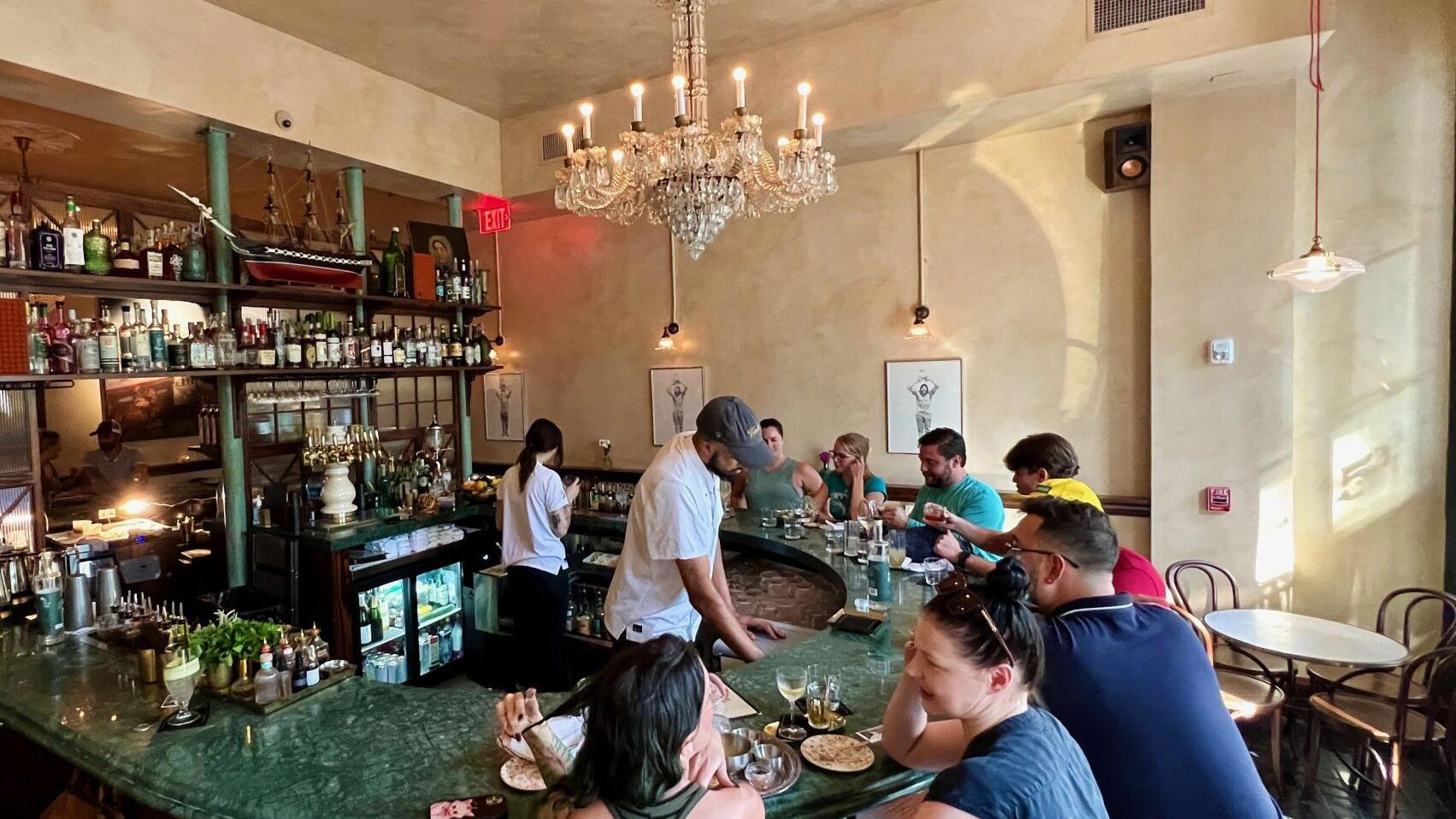
Cozy and unpretentious old-school charm with low lighting creating a welcoming neighborhood atmosphere.