CLOSED Rebel Cheese Bistro Austin
The bistro built its identity around plant-based cheese, a format that remained a niche within the city's broader dairy-forward food culture. The location is now closed.

Mueller's Food Strip and the Neighbourhood That Shaped It
The Mueller development, built on the footprint of Austin's former Robert Mueller Municipal Airport, took the better part of a decade to establish itself as a genuine dining destination rather than a planned-community afterthought. The address placed it among a cohort of Mueller tenants whose identity depended on regulars rather than tourist traffic, which shaped everything from service pace to the assumptions operators could make about how informed their customers already were. In a neighbourhood where the farmer's market on Sunday mornings filters a particular kind of customer through the street grid, a plant-based cheese concept had a more natural audience than it might have found in other parts of the city.
Plant-Based Cheese as a Format, Not a Dietary Accommodation
Austin's food scene has generally treated plant-based dining as a dietary accommodation category, something restaurants add to an existing menu rather than build around. The city's barbecue identity and its Tex-Mex tradition both run on animal protein and dairy, which means operators who centre a concept on plant-based ingredients are positioning against the grain of the dominant local food culture. That positioning carries risk but also creates a clearly defined audience: customers who are actively seeking the format rather than stumbling into it.
Plant-based cheesemaking as a serious craft, rather than as a supermarket substitute product, has developed its own production vocabulary over the past decade. Cashew-based aged wheels, cultured nut milks, and fermented formats that mimic the rind and texture behaviour of traditional cheese have moved the category away from the rubbery sliced alternatives that defined its early commercial phase. A bistro format built around that craft sits closer to the cheese shop and wine bar tradition than it does to the dedicated vegan restaurant category, which matters for how the experience reads to a non-vegan customer. The comparison set is less about ideology and more about quality of the central ingredient.
Where Rebel Cheese Fit in Austin's Drinking and Dining Map
Mueller's relative distance from the Rainey Street and East Sixth corridors meant that Rebel Cheese operated in a different competitive register than the bars and restaurants that define Austin's reputation for out-of-towners. The neighbourhood draws a local residential crowd and deliberate visitors rather than a bar-hopping circuit, which suits a bistro format that rewards sitting and ordering rather than moving quickly. For context on the wider Austin scene, our full Austin restaurants guide maps the neighbourhoods and the kind of experience each one tends to produce.
Within the city's cocktail and wine bar segment, the wine-focused accompaniment to a cheese-led menu places a concept like this in the company of operators such as Nickel City, which built its identity around a specific format and a defined neighbourhood role, even if the formats themselves are entirely different. The principle of building around a clear identity rather than a broad offering connects them. Similarly, 2500 E 6th St and Aba Austin each occupy distinct positions in the city's food and drink map by committing to a particular format and audience rather than trying to cover everything.
Across the broader American scene, the bistro-and-bottle-shop hybrid format has found footing in several cities. Kumiko in Chicago and Jewel of the South in New Orleans both demonstrate how a format built around craft and a specific ingredient or technique vocabulary can sustain a serious reputation without scaling into a large operation. Julep in Houston and ABV in San Francisco offer further regional examples of how small-format operators with a defined identity hold their position in competitive markets. Internationally, Bar Leather Apron in Honolulu, Superbueno in New York City, and The Parlour in Frankfurt on the Main show how format discipline translates across different markets and price tiers. Antone's Nightclub sits at a different end of Austin's experience spectrum entirely, but it illustrates how the city rewards operators with a committed identity rather than a generic offer. The Mueller address is no longer operating under this concept. The closure follows a broader pattern visible in Austin's food scene over recent years, where rising occupancy costs and shifting post-pandemic foot traffic patterns put pressure on independent operators running narrow-margin concepts, particularly those dependent on a specific customer base rather than broad walk-in volume. Format-specific operators in planned mixed-use developments face particular exposure when the residential and retail mix around them shifts or when the customer habits that supported the original concept change.
The plant-based cheese bistro format itself has not disappeared from the American food scene. Austin's own plant-based dining category continues to evolve, and the production craft that underpins serious nut-milk and cultured-cashew cheesemaking has continued to develop in both retail and restaurant contexts.
Planning a Visit to the Area
For those visiting Mueller or the surrounding East Austin corridor, the neighbourhood retains a concentration of independent food and drink operators worth the detour from the central downtown strip. The Sunday farmer's market at Mueller Lake Park remains one of the more consistent anchors for food-focused visitors to the area. Confirmed operating hours and current tenant status for any specific address in the development should be checked directly before visiting, as the independent operator landscape in this part of Austin has continued to shift.
Cuisine-First Comparison
A quick peer list to put this venue’s basics in context.
| Venue | Cuisine | Price | Awards |
|---|---|---|---|
| CLOSED Rebel Cheese Bistro AustinThis venue (the venue you are viewing) | Not listed | Not listed | Not listed |
| The Roosevelt Room | Not listed | $50–100 | Top 500 Bars Best Bars #271 · Pinnacle Guide 1 Pin |
| Nickel City | Not listed | $20–30 | World's 50 Best #96 · Top 500 Bars Best Bars #433 |
| Flourish Plant Shop & Wine Bar | Wine bar/light bites | $20–30 | Star Wine List |
Continue exploring
More in Austin
Bars in Austin
All bars in Austin →
Restaurants in Austin
All restaurants in Austin →
Details
- Casual
- Casual Hangout
- Standalone
- Counter Only
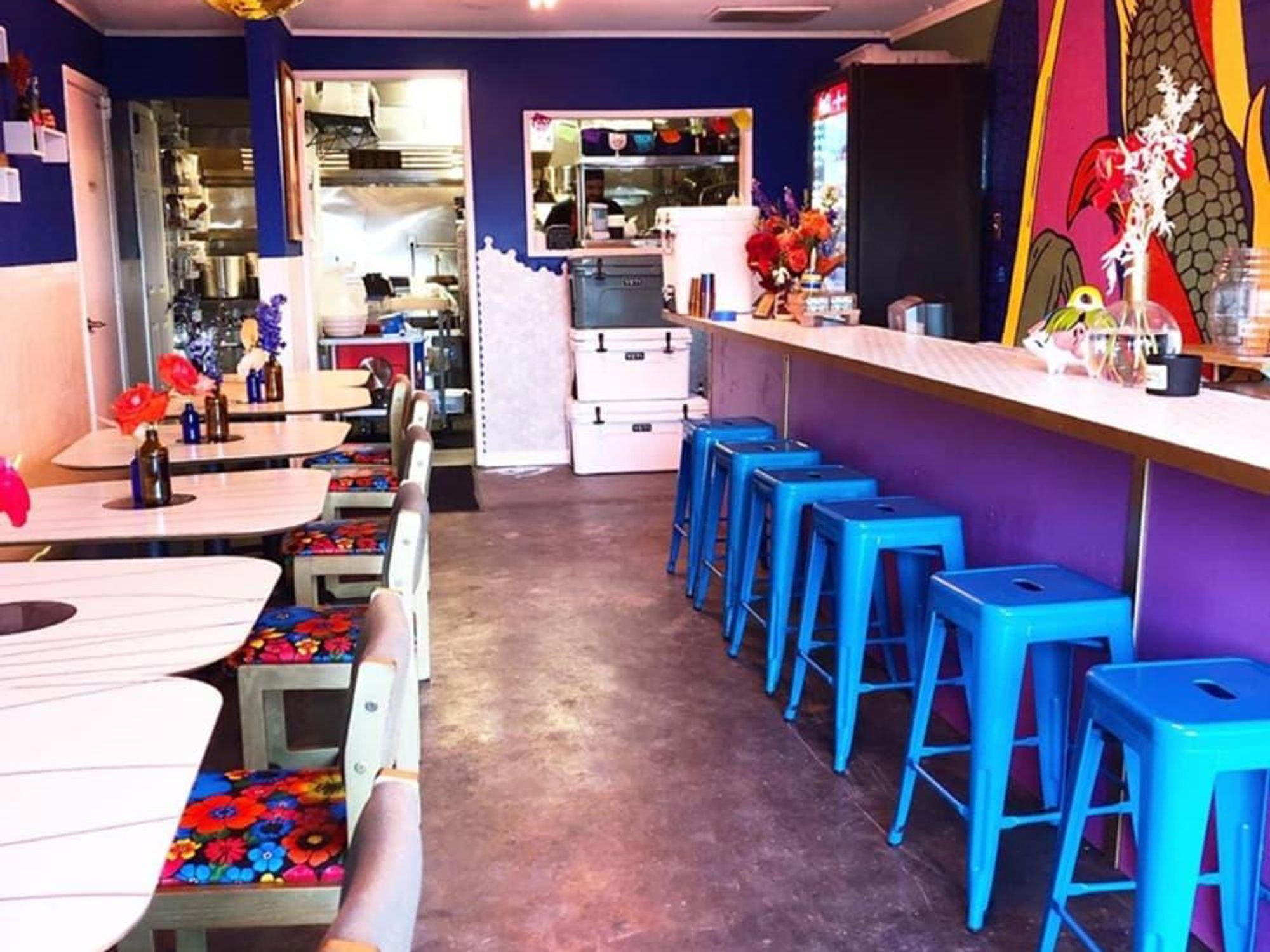
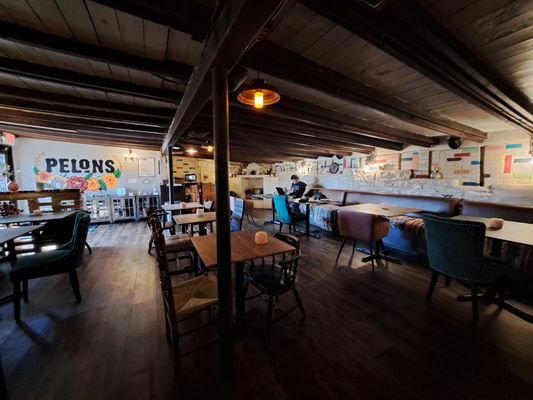
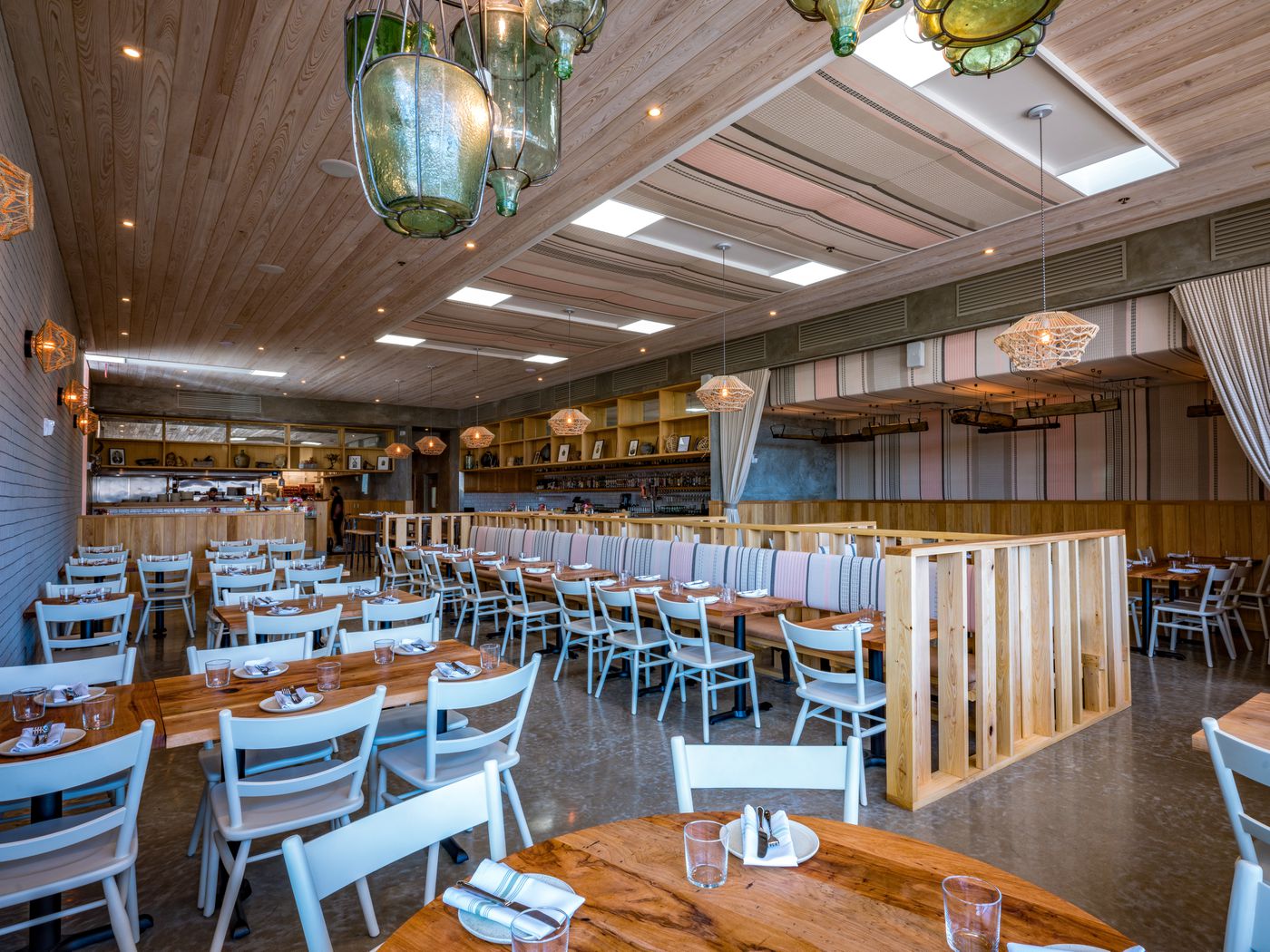
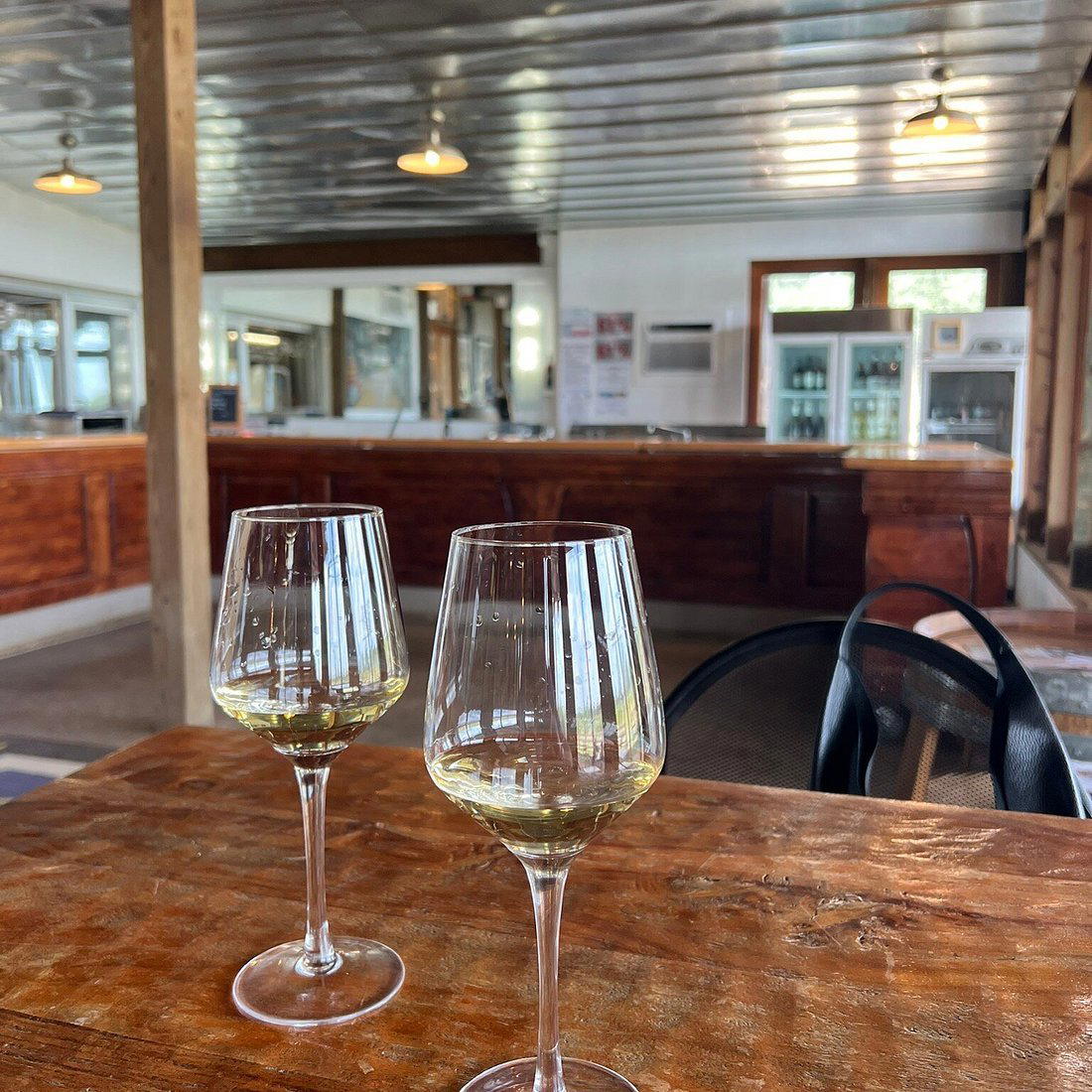
Classy yet casual atmosphere like a savory ice cream shop with funky fermented cheese wheels on display.