Chicago Pizza and Oven Grinder Company
A Lincoln Park institution on North Clark Street, Chicago Pizza and Oven Grinder Company has served its inverted, deep-dish pizza pot pies to devoted regulars for decades. The format is the ritual: you wait, you order the same thing everyone orders, and you eat it slowly. It belongs to a category of Chicago dining where the tradition itself is the point.

Pearl is the En Primeur Club membership app — saves, bookings, and concierge access live there. Same editors, same standards.
- Address
- 2121 N Clark St, Chicago, IL 60614
- Phone
- (773) 248-2570
- Hours
- Mon–Thu 4–10 PMFri 4–11 PMSat 11 AM–11 PMSun 11 AM–10 PM
- Directions
- Get directions
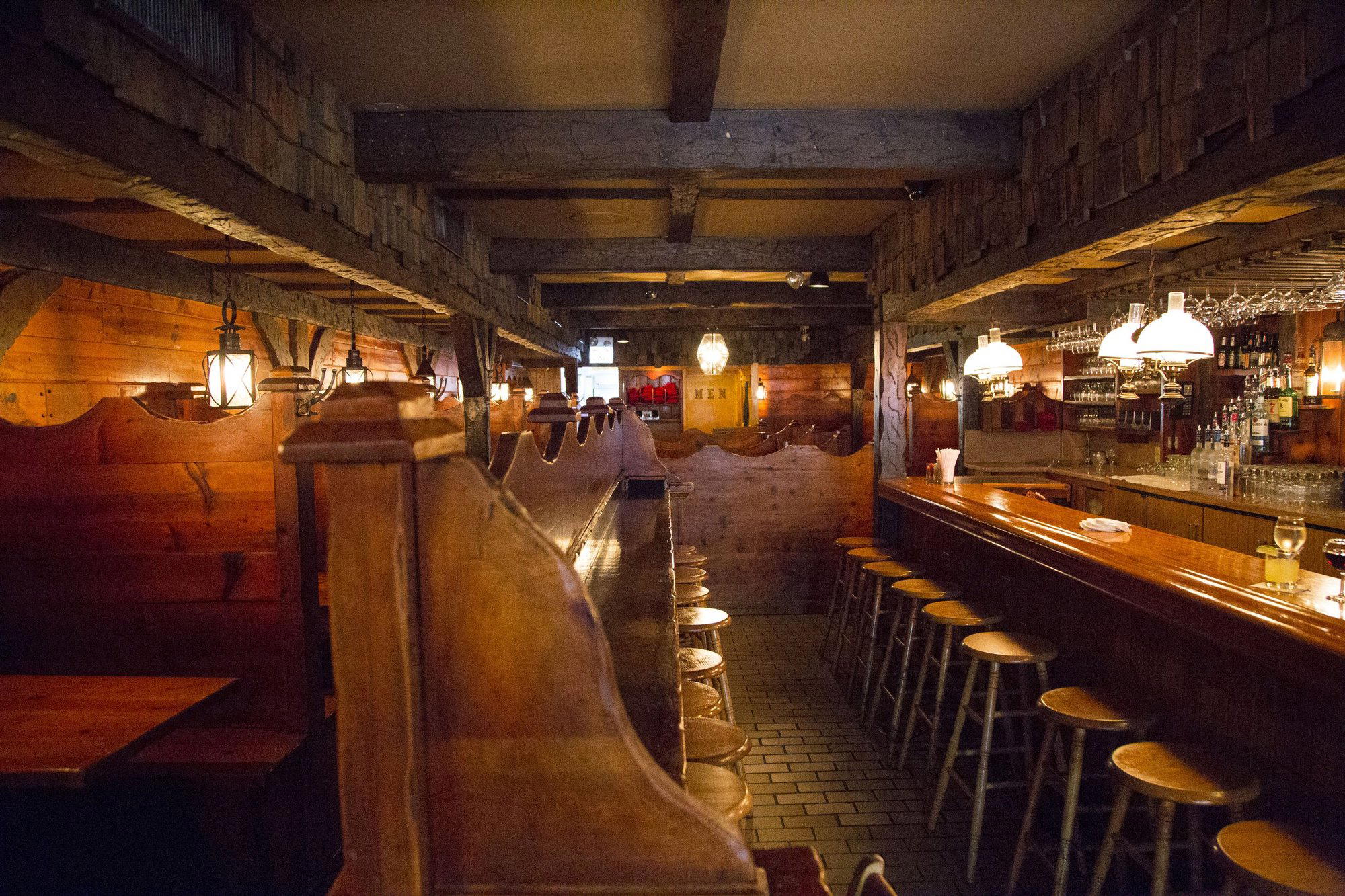
The Line Before the Meal
On a Friday evening, the queue outside 2121 N Clark St forms before the doors open. Lincoln Park regulars know this. First-time visitors, who arrived expecting a quick table, adjust their plans. The wait is not incidental to dining at Chicago Pizza and Oven Grinder Company — it is the opening act of a meal that operates on its own schedule. In a city where reservation platforms and timed seatings have normalized frictionless entry, this place holds its ground: no reservations, cash preferred, and a line that tells you something about how much the people in it want to be there.
Chicago's deep-dish tradition is frequently misunderstood by those outside Illinois, who tend to picture a single format. In practice, the city's pizza culture spans multiple distinct styles — tavern-cut thin crust, deep-dish, and a smaller, less-documented category of pizza pot pies that inverts the logic of the whole thing. Chicago Pizza and Oven Grinder Company operates in that third category. The pizza arrives not in a flat pan but in a rounded bowl, with the cheese pressed to the bottom and the tomato sauce poured over the leading at the table. The inversion is both structural and theatrical, and it resets the expectations of anyone who came in treating this like a standard pizzeria visit.
A Format Built Around Patience
The editorial angle on this restaurant is not what arrives at the table but how the meal unfolds. The dining ritual here is deliberately unhurried. Tables turn slowly because the product cannot be rushed, the oven grinders and pizza pot pies are made to order with a preparation window that discourages speed. In an era when hospitality consultants speak about throughput and cover counts, this format pushes in the opposite direction. The pacing is closer to a Sunday-afternoon tradition than a weeknight efficiency exercise.
Chicago has a distinct lineage of neighborhood restaurants that operate this way: places where the menu is short, the format is fixed, and the regulars are the real infrastructure. The institution-building that happens in these rooms over decades is less visible than Michelin recognition or 50 Best placements, but it is durable in ways those accolades are not. Lincoln Park's dining scene has absorbed significant turnover since the 1970s, and the restaurants that have held are the ones that built rituals rather than menus.
For context on the broader Chicago dining picture, including restaurants across the city's neighborhoods with more conventional booking formats, our full Chicago restaurants guide covers the range from deep-dish institutions to the city's serious cocktail bar circuit.
The Menu as Constraint
A short menu is a commitment. When the options are limited to a handful of pizza pot pie sizes, oven grinder sandwiches, and a few accompaniments, the kitchen is making a structural argument: these are the things we do, and we do them repeatedly and well. That argument tends to appeal to a particular kind of regular, the person who orders the same thing on every visit because the consistency is precisely the point. The format also removes the anxiety of choice, which has its own hospitality logic.
This is a different mode of eating than the one practiced at, say, Kumiko, where the bartending program and Japanese whisky list reward extended exploration, or at the cocktail-forward rooms that define Chicago's current premium bar moment. Those venues place the reader in a discovery mode. Chicago Pizza and Oven Grinder Company places the reader in a repetition mode, you return, you order the same thing, and the pleasure is confirmation rather than surprise.
Lincoln Park and the North Clark Corridor
North Clark Street in Lincoln Park is not a dining destination in the sense that the West Loop or River North are, it does not cluster awards-chasing restaurants or attract the chef-driven format that draws food press. What it does well is sustain the kind of neighborhood dining that requires a decade of goodwill and regulars who live within walking distance. The corridor supports a different kind of institution than the ones reviewed in the trade press.
The address at 2121 N Clark sits in a stretch of the street that mixes long-running restaurants with bars that have outlasted multiple waves of Chicago nightlife. For visitors staying in Lincoln Park or nearby Lakeview, the walk along Clark is itself part of the experience, the neighborhood reads as residential and settled in ways that the downtown dining corridors do not.
Cocktails and the Wider Chicago Bar Circuit
Chicago's cocktail program at Chicago Pizza and Oven Grinder Company is not the focus of the venue's identity, and the bar's strengths are better understood through comparison with what the city's serious cocktail rooms offer nearby. Leading Intentions, Bisous, and Lemon represent Chicago's current investment in technically ambitious bar programs. Those rooms are built around the drink as the primary product. At Chicago Pizza and Oven Grinder Company, the drink, if you have one while waiting, is functional, it extends the pre-meal ritual rather than competing with the food for attention.
For travelers moving between cities and comparing bar programs, the shift from Chicago's neighborhood institution model to the craft-cocktail rooms in other American cities is instructive. ABV in San Francisco, Allegory in Washington, D.C., Jewel of the South in New Orleans, Julep in Houston, Superbueno in New York City, Bar Leather Apron in Honolulu, and The Parlour in Frankfurt on the Main all represent a different model of hospitality, one where the bar program itself carries the editorial weight. None of those rooms operate in the tradition-maintenance mode that defines Chicago Pizza and Oven Grinder Company.
Planning a Visit
The practical calculus here is simpler than at most Chicago dining destinations. There are no reservations to book and no dress code to consider. The operative variable is timing: arriving early on weeknights reduces the wait, while Friday and Saturday evenings should be assumed to involve a queue of meaningful length. The address at 2121 N Clark St is accessible by the Brown and Red CTA lines at Fullerton. If you are traveling with a group that finds the wait format unappealing, this is relevant information to share before arriving, because the queue is not negotiable. For those who treat the wait as part of the meal, who buy into the full ritual, the experience starts on the sidewalk, not at the table.
Cost Snapshot
| Venue | Cuisine | Price | Awards |
|---|---|---|---|
| Chicago Pizza and Oven Grinder CompanyThis venue — the venue you are viewing | Not listed | $20–30 | Not listed |
| Bisous | Not listed | $20–30 | World's 50 Best #30 · James Beard Award Semi Finalist |
| The Aviary | Cocktail Lounge | $150–200 | World's 50 Best #41 · James Beard Award Outstanding Bar Program |
| Three Dots & a Dash | Not listed | $50–100 | World's 50 Best #27 |
| Best Intentions | Not listed | $20–30 | World's 50 Best #16 · James Beard Award Semi Finalist |
Continue exploring
More in Chicago
Restaurants in Chicago
Browse all →
Details
- Cozy
- Intimate
- Historic
- Casual Hangout
- Historic Building
- Booth Seating
- Classic Cocktails
Current opening hours
- Monday
- 4–10 PM
- Tuesday
- 4–10 PM
- Wednesday
- 4–10 PM
- Thursday
- 4–10 PM
- Friday
- 4–11 PM
- Saturday
- 11 AM–11 PM
- Sunday
- 11 AM–10 PM
Hours can change for holidays and private events. Last verified .
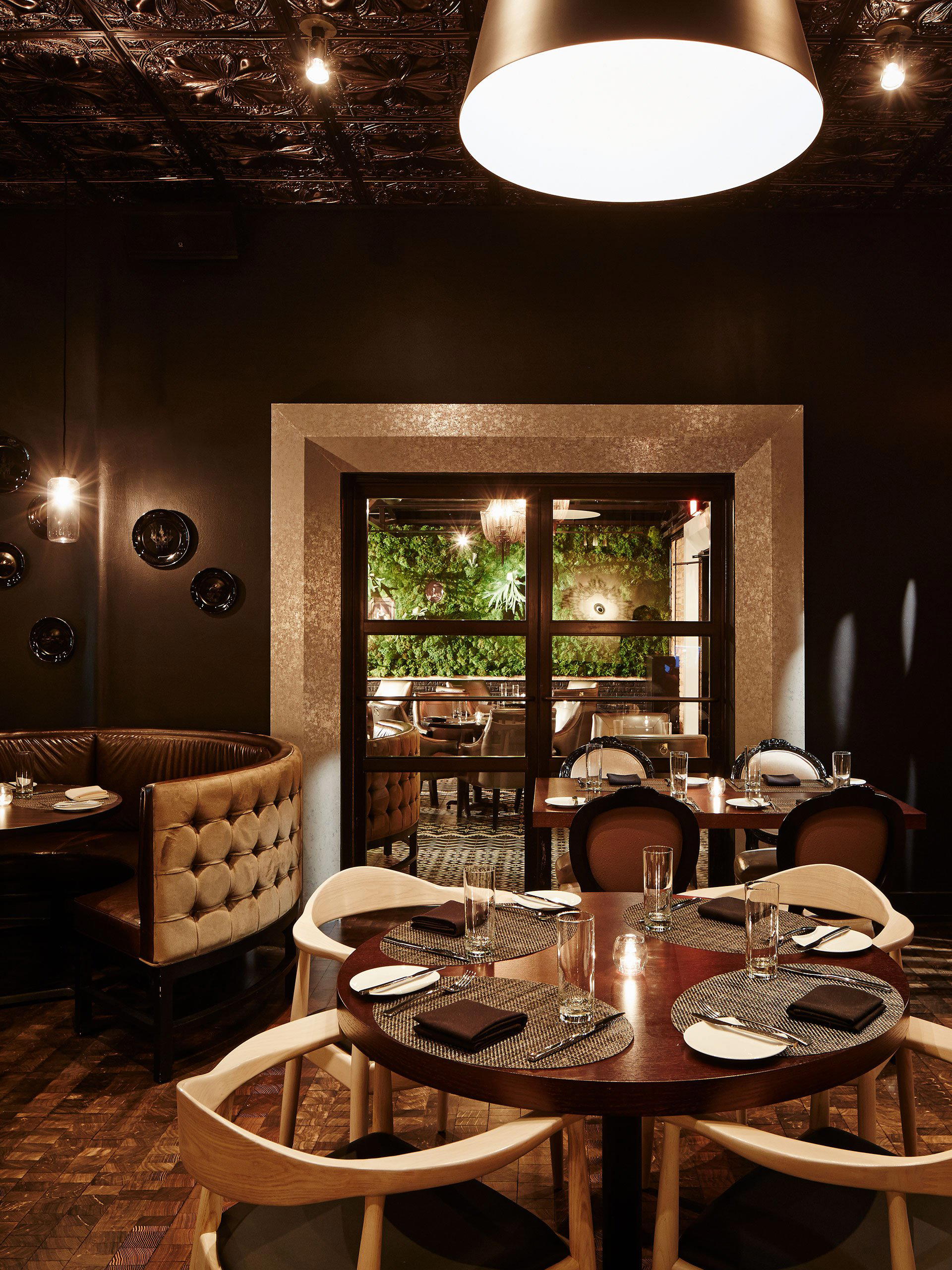
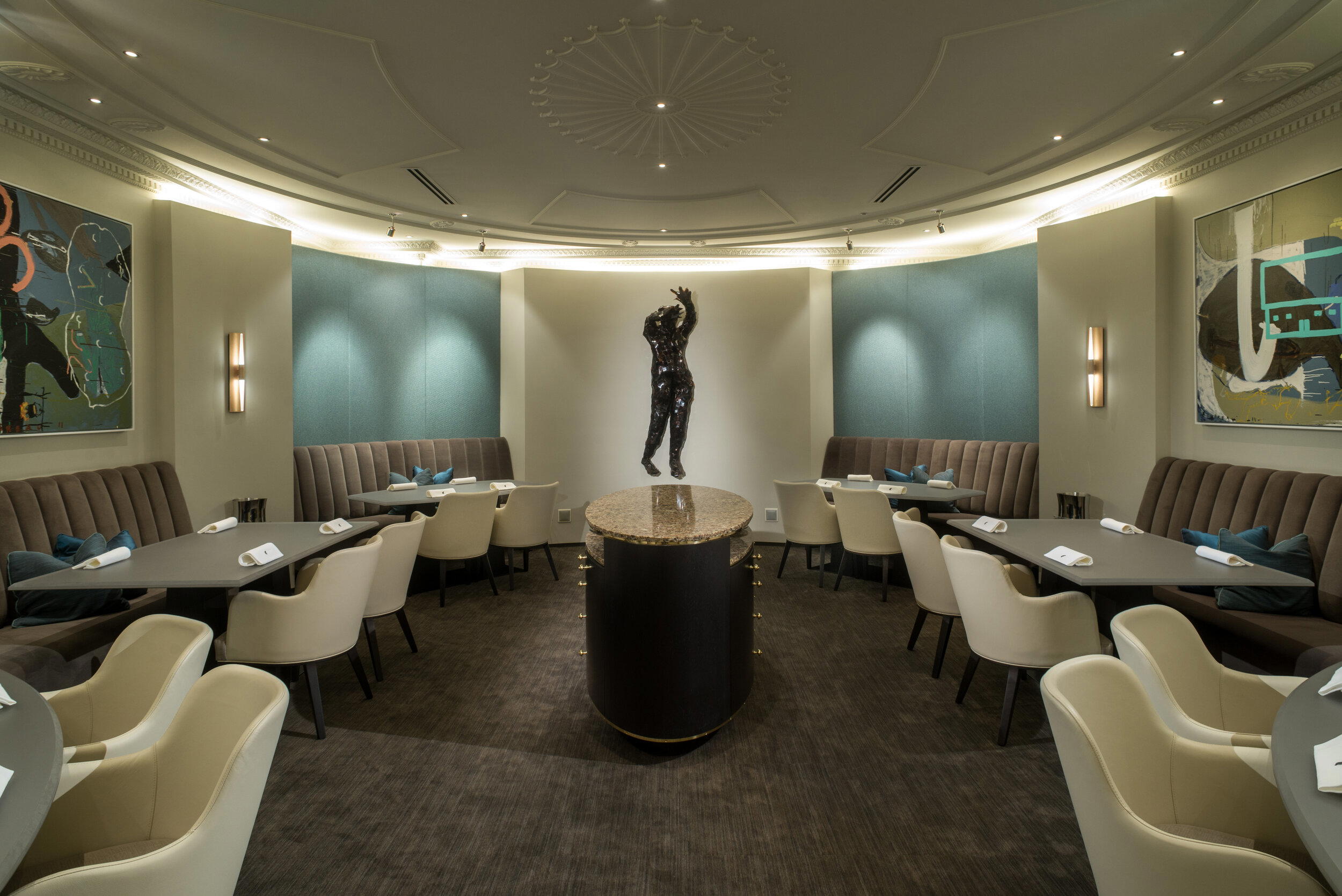
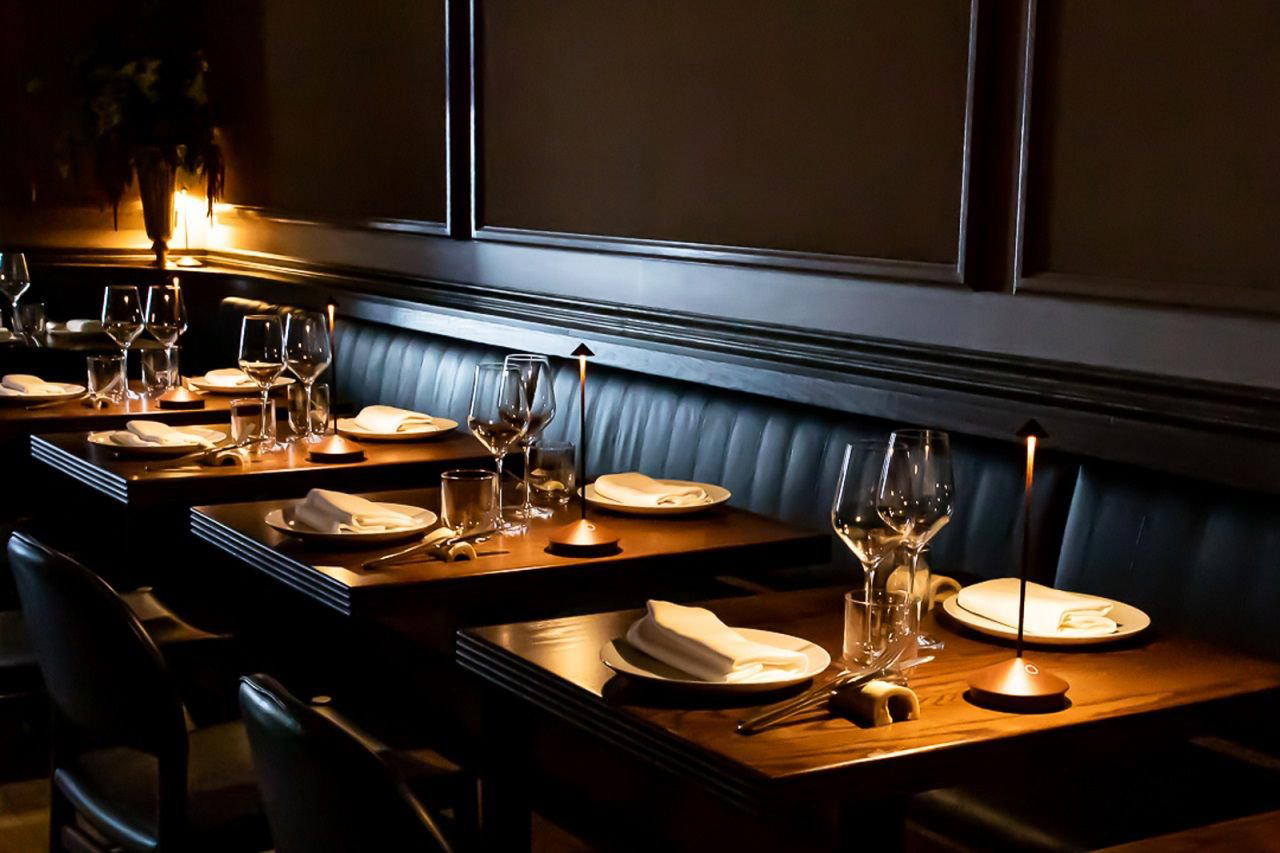
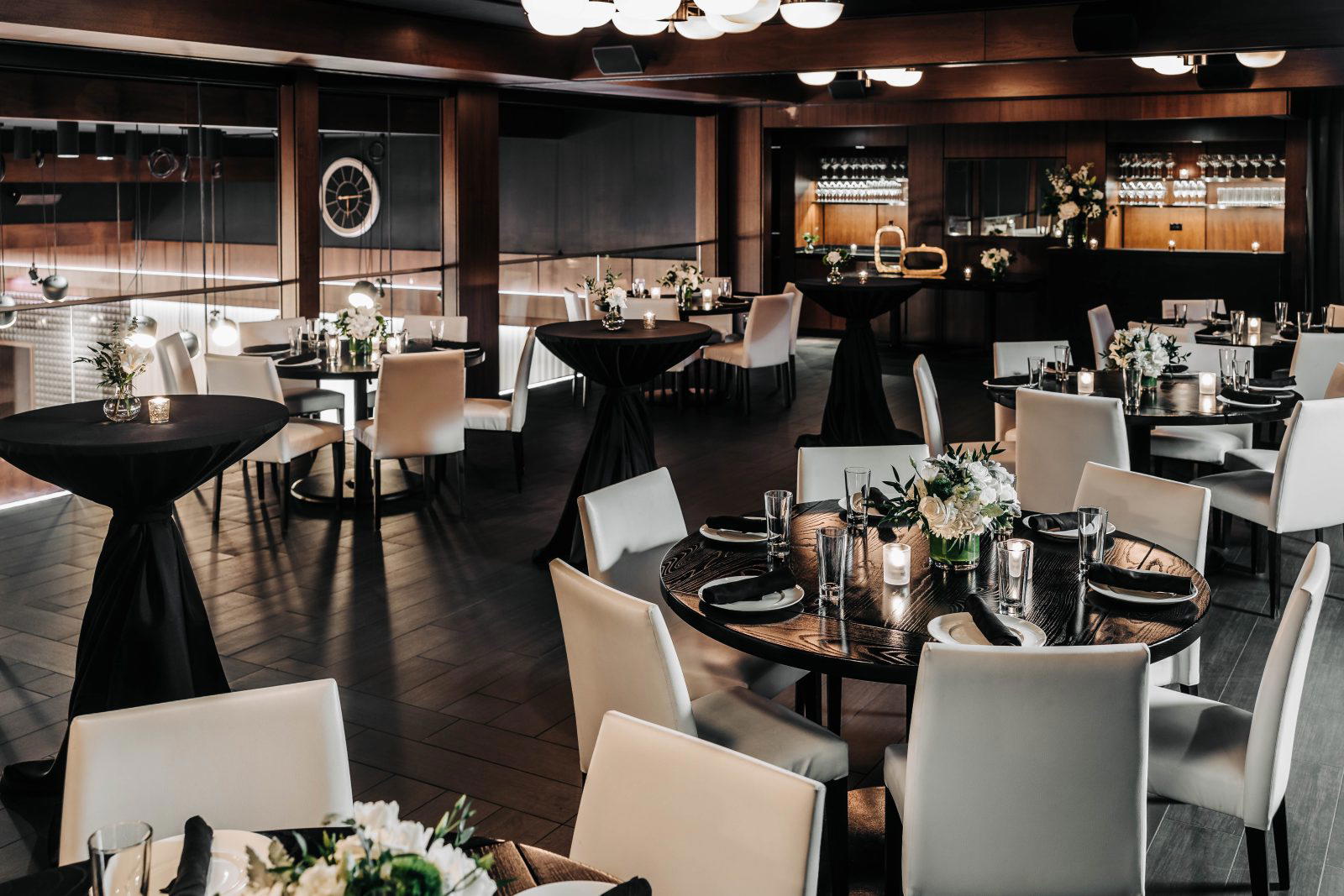
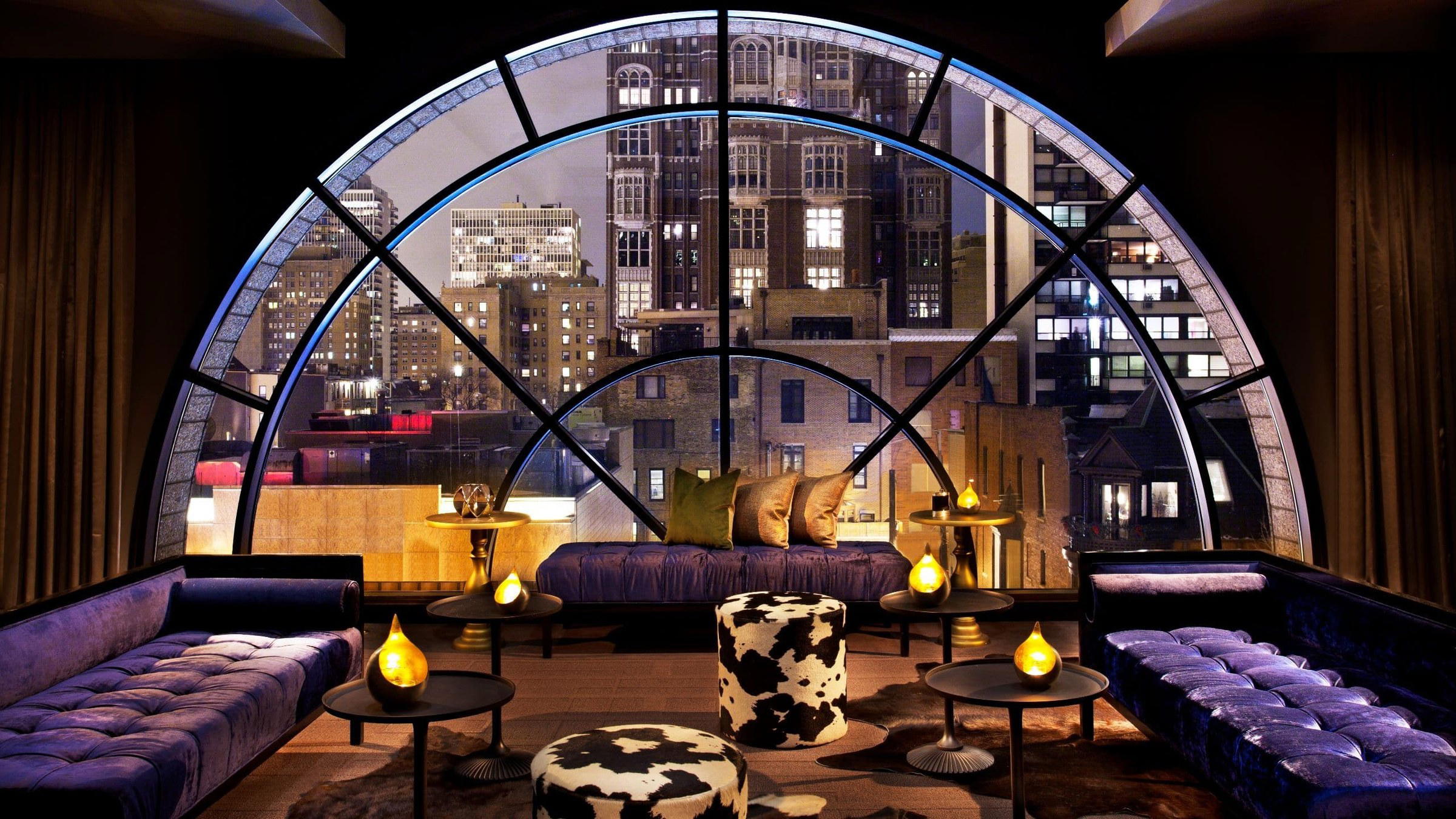
Warm, inviting space with old-world charm, rich wood paneling, high-backed booths for privacy, and soft low lighting evoking a Prohibition-era speakeasy.