Casa da Tia Helena occupies a quiet corner of Lisbon's historic Alfama district, where the address alone, steps from the old castle quarter, signals proximity to the city's oldest culinary traditions. Details on pricing, booking, and format remain sparse, but the name itself points toward the domestic, tia-style cooking that defines Portugal's most enduring restaurant category.

Pearl is the En Primeur Club membership app, where members save venues, book tables and use the concierge.
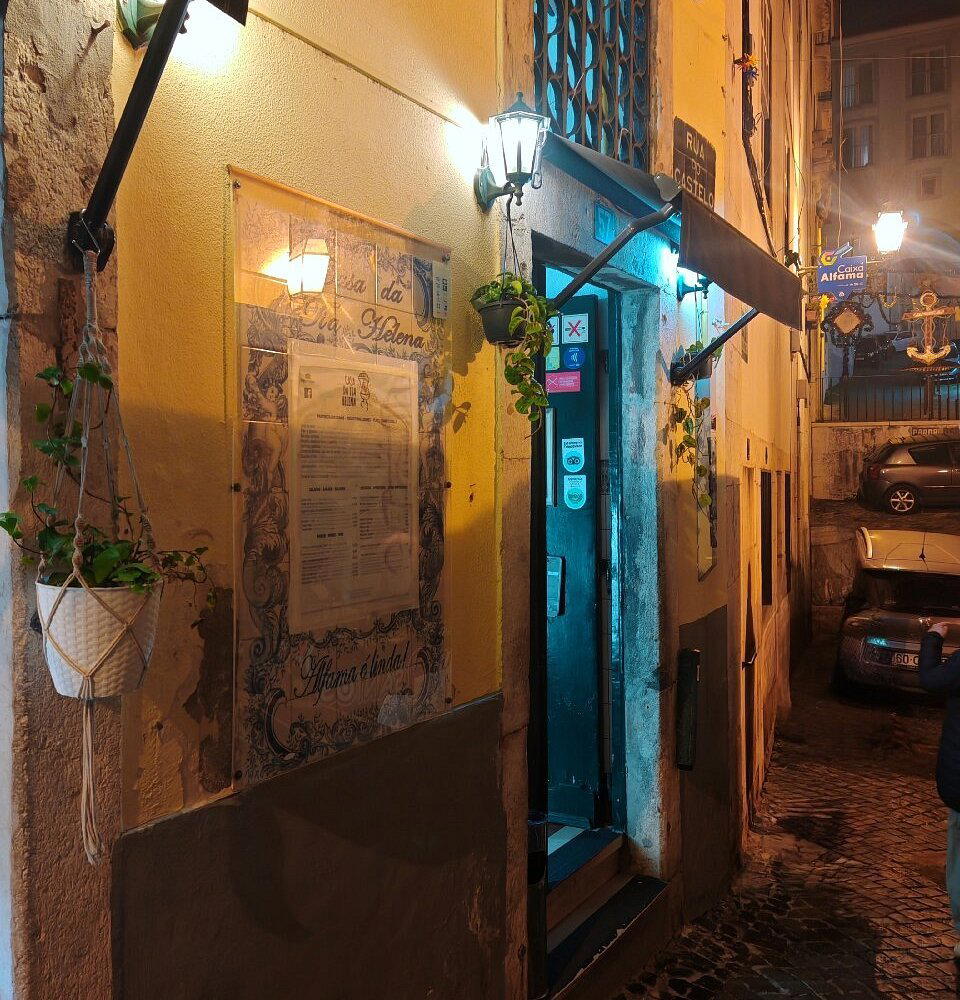
Where Alfama's Back Streets Hold Their Bottles Close
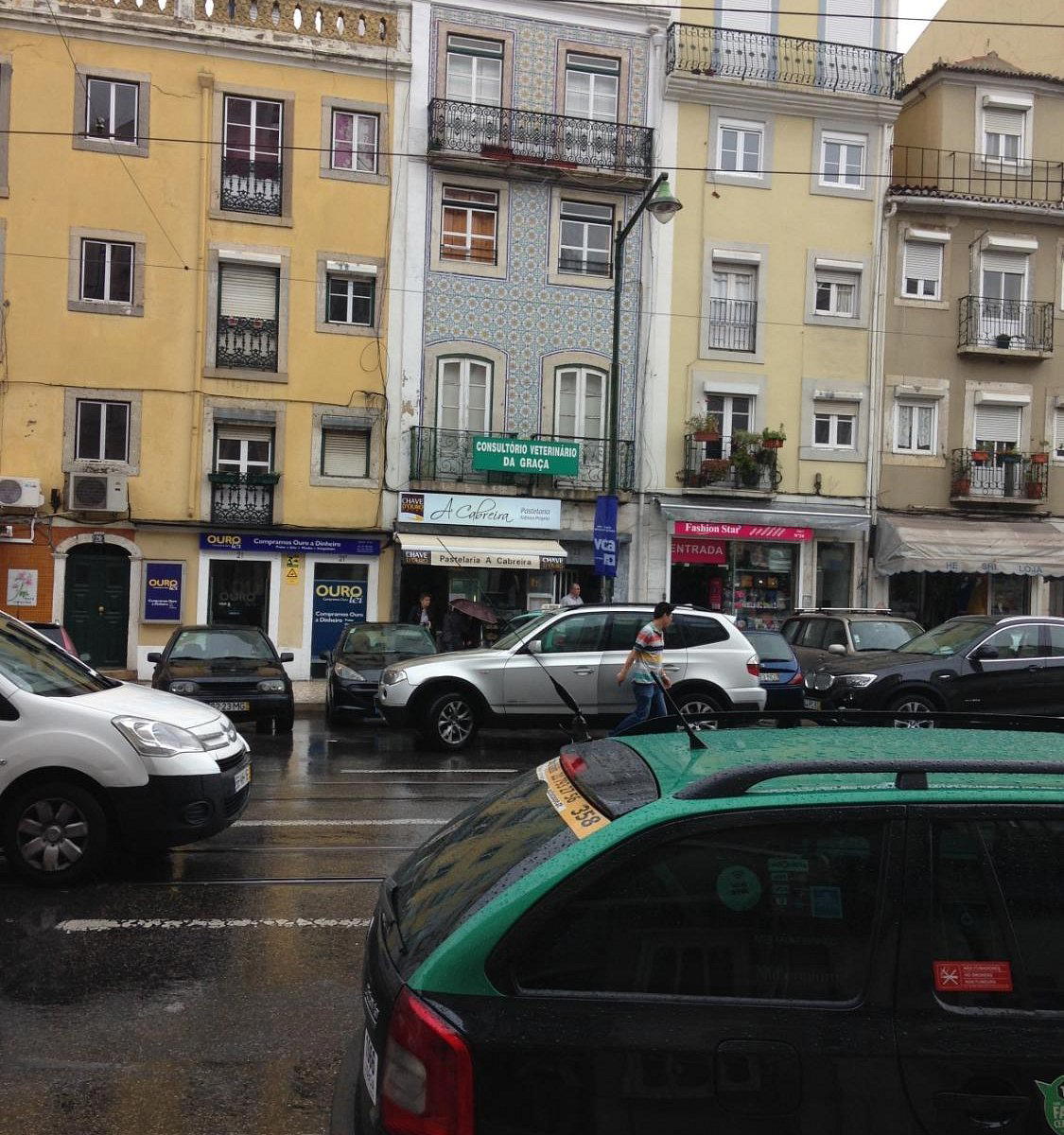
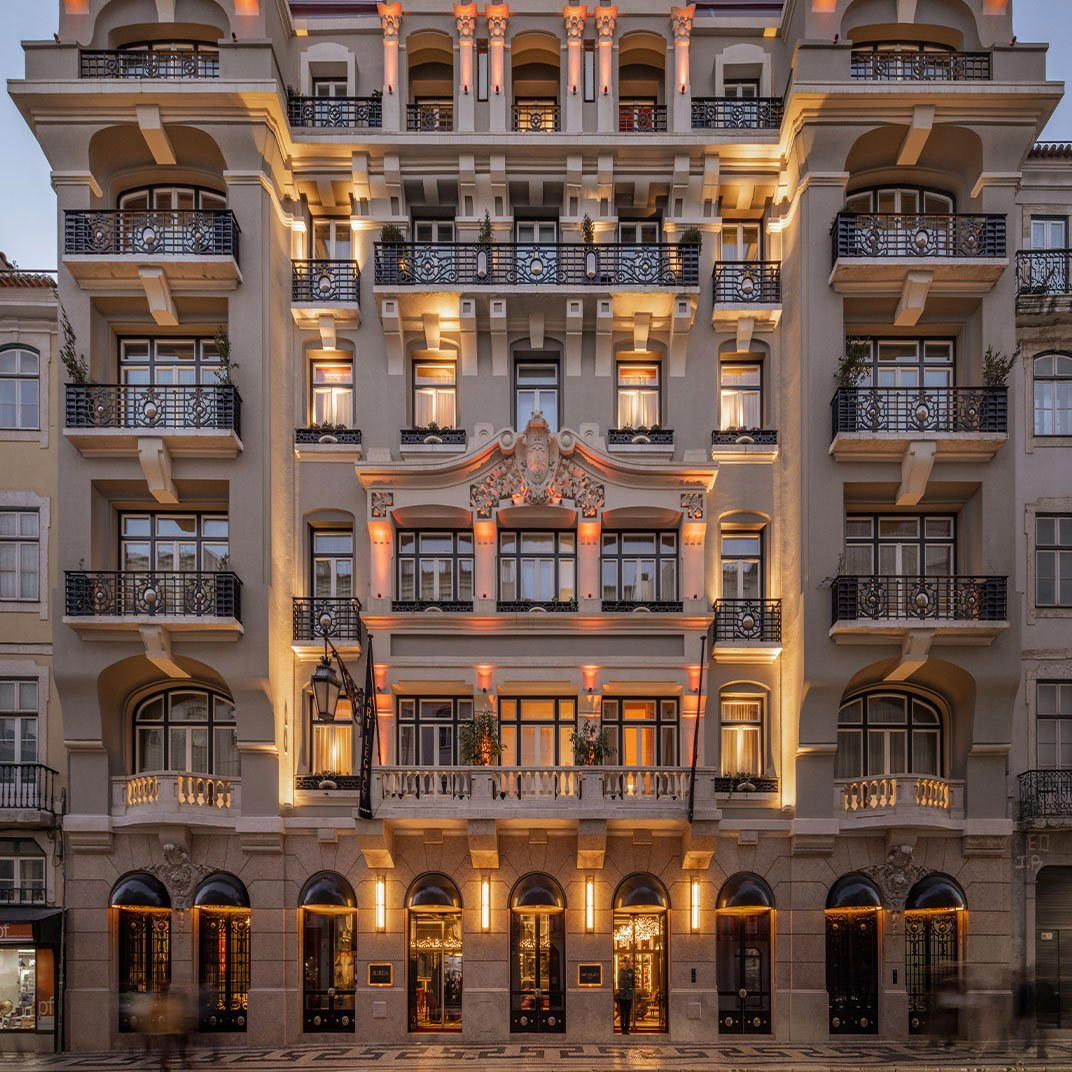
The streets that climb toward the castle district in Lisbon's Alfama have a particular quality in the early evening: the light flattens, the tourists thin out along the main drag, and the neighbourhood reasserts itself through sound and smell before it does through sight. R. do Castelo Picão sits in that transitional zone, close enough to the castle walls to feel the gravitational pull of centuries of occupation, far enough from the main miradouro routes that the people walking past are mostly going somewhere specific. Casa da Tia Helena occupies numbers 55 and 57 on that street, and its address alone situates it within a part of the city where the drinking culture tends toward the particular rather than the generic.
The Spirits Question in Lisbon Right Now
Lisbon's bar scene has matured considerably over the past decade, moving from a city where you drank wine, ginjinha, or whatever the house had, to one that now supports genuinely specialist programmes. The split that has emerged separates high-concept cocktail venues from places that anchor their identity in product depth, specifically in spirits curation and the accumulated knowledge of what bottles to keep and how long to keep them. Casa da Tia Helena sits closer to the latter tradition, a format that prizes the back bar as the main event rather than as backdrop.
This approach places it in a different conversation from, say, Red Frog, which has built its reputation on inventive cocktail architecture, or from A Cabreira, which leans into the neighbourhood tavern register. The distinction matters because it shapes what a visit actually involves: not a menu to be steered through by a creative bartender, but a conversation about what exists on the shelves and what you want from it.
Understanding the Collection Register
In cities where spirits collecting has become a serious pursuit, the most considered venues tend to share certain characteristics: a selection that goes deep rather than wide on specific categories, a preference for producers whose distribution is limited enough that their bottles require genuine sourcing effort, and staff whose knowledge extends into the history of the liquid rather than just its flavour profile. Portugal presents an interesting case study here because the country produces its own category of aged spirits, particularly aguardentes and certain regional brandies, that rarely receive the international attention given to Cognac or Scotch whisky.
The tradition of gathering rare bottles in a domestic or semi-domestic setting, which the name Casa da Tia Helena directly evokes, has a long history in Portugal. The aunt's house, the family cellar, the room where someone's relative kept the good bottles out of sight and brought them out for occasions: this is a familiar cultural reference in a country where hospitality and collection have long overlapped. Framing a bar through that lens is a deliberate editorial choice about what kind of place it wants to be.
For Portuguese spirits context across the country, Venda Velha in Funchal takes a similarly heritage-rooted approach in Madeira, while Base Porto in Porto represents the northern city's own take on the curated back bar. The Atlantic coast venues, including Bar do Guincho in Alcabideche and Bar e Duna da Cresmina in Cascais, operate in a different register entirely, shaped by their coastal geography rather than urban collector culture.
The Ginjinha Tradition and What Comes After It
Any honest account of drinking in this part of Lisbon has to acknowledge A Ginjinha, the decades-old institution on Largo de São Domingos that serves as both a tourist reference point and a genuine piece of the city's drinking history. Ginjinha, the sour cherry liqueur served in a small glass with or without the fruit, represents the most compressed version of the Portuguese relationship with aged, sweet spirits: immediate, sociable, rooted in a single product with a specific provenance.
Casa da Tia Helena operates several registers above that entry point, not in terms of prestige but in terms of complexity of offering. Where A Ginjinha does one thing with complete conviction, a venue built around collection depth makes a different argument: that the pleasure of spirits lies partly in variety, rarity, and the knowledge required to select across categories. These are complementary rather than competing positions, and the city has room for both.
Sitting Within the Alfama Drinking Circuit
The area around the castle and the streets that drop toward the river supports a drinking circuit that mixes fado houses, neighbourhood tascas, and a small number of more deliberate operations. A Marisqueira do Lis represents the food-forward end of that circuit, where the drink accompanies a seafood-led meal rather than standing as the main event. A venue with a serious spirits collection occupies a different position in an evening's logic: it tends to work as a destination in itself, or as a late stop after dinner rather than an aperitivo.
For international comparison, Bar Leather Apron in Honolulu has built a model around spirits depth and technical bartending that shows what this category can achieve at a high level of execution, while Estoril and Epicur Wine Boutique in Faro illustrate how Portugal's wider drinking culture approaches the overlap between wine knowledge and spirits literacy.
Planning a Visit
Casa da Tia Helena is on R. do Castelo Picão in the 1100-126 postal district, which places it in the older fabric of the Alfama and Mouraria border zone. The address is walkable from Martim Moniz and from the lower reaches of the castle hill, though the streets in this area are steep and irregular. For anyone building a broader Lisbon itinerary around drinking and eating, our full Lisbon restaurants and bars guide covers the city's current scene with neighbourhood-level specificity.
A Quick Peer Check
| Venue | Cuisine | Price | Awards |
|---|---|---|---|
| Casa da Tia HelenaThis venue (the venue you are viewing) | This venue | $20–30 | Not listed |
| Red Frog | World's 50 Best | $10–20 | World's 50 Best #94 · Falstaff Bar - 95 Falstaff Points |
| Black Sheep | Not listed | $10–20 | Star Wine List |
| Boca D'uva | Not listed | $30–50 | Star Wine List |
| Cinco Lounge | Not listed | $20–30 | Top 500 Bars Best Bars #458 · Falstaff Bar - 94 Falstaff Points |
| Club des Châteaux | Not listed | $30–50 | Star Wine List |
Continue exploring
More in Lisbon
Bars in Lisbon
All bars in Lisbon →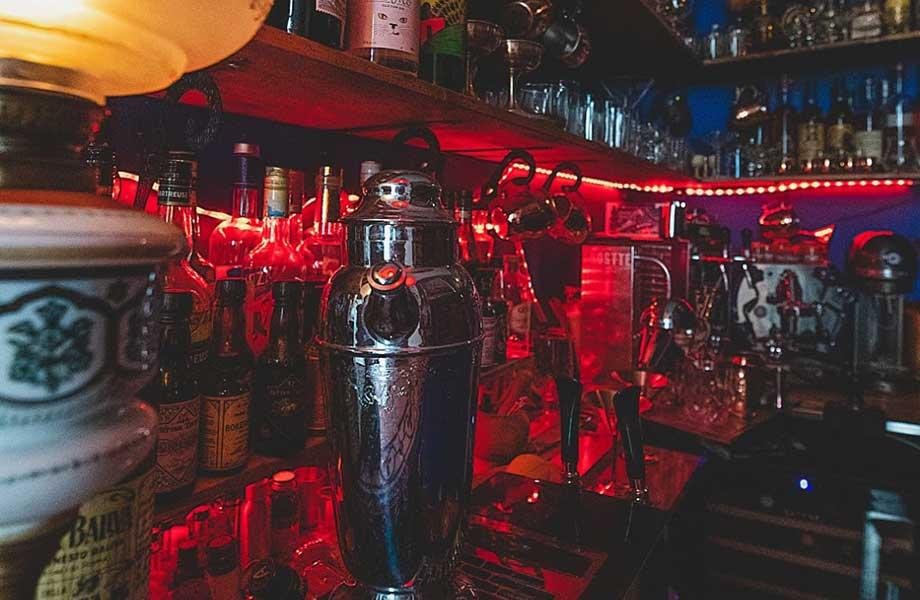
Restaurants in Lisbon
All restaurants in Lisbon →
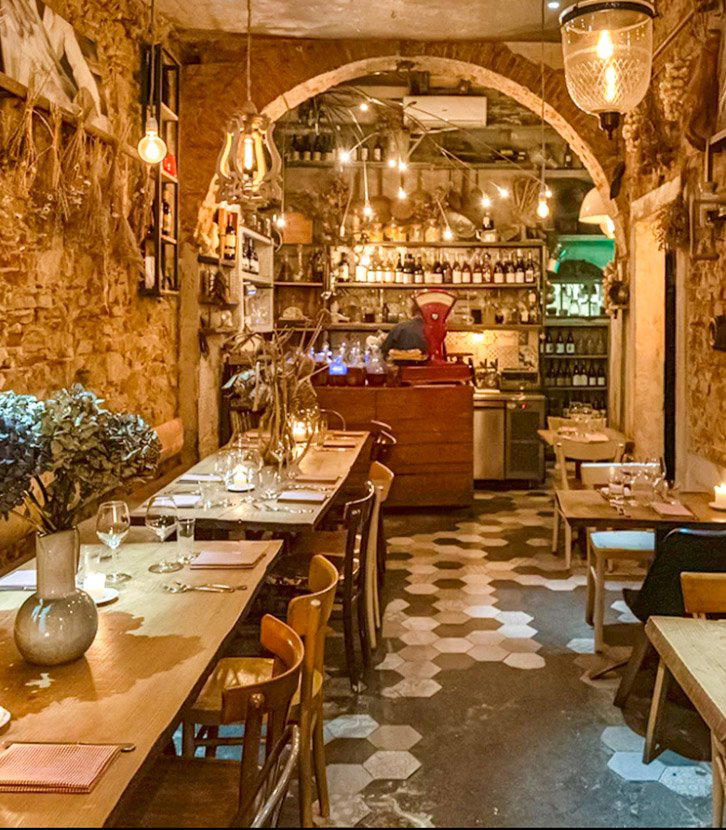
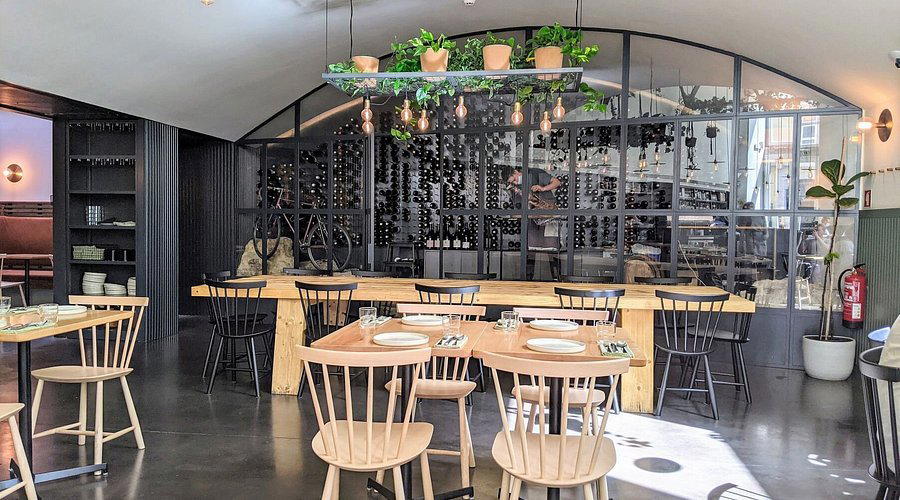
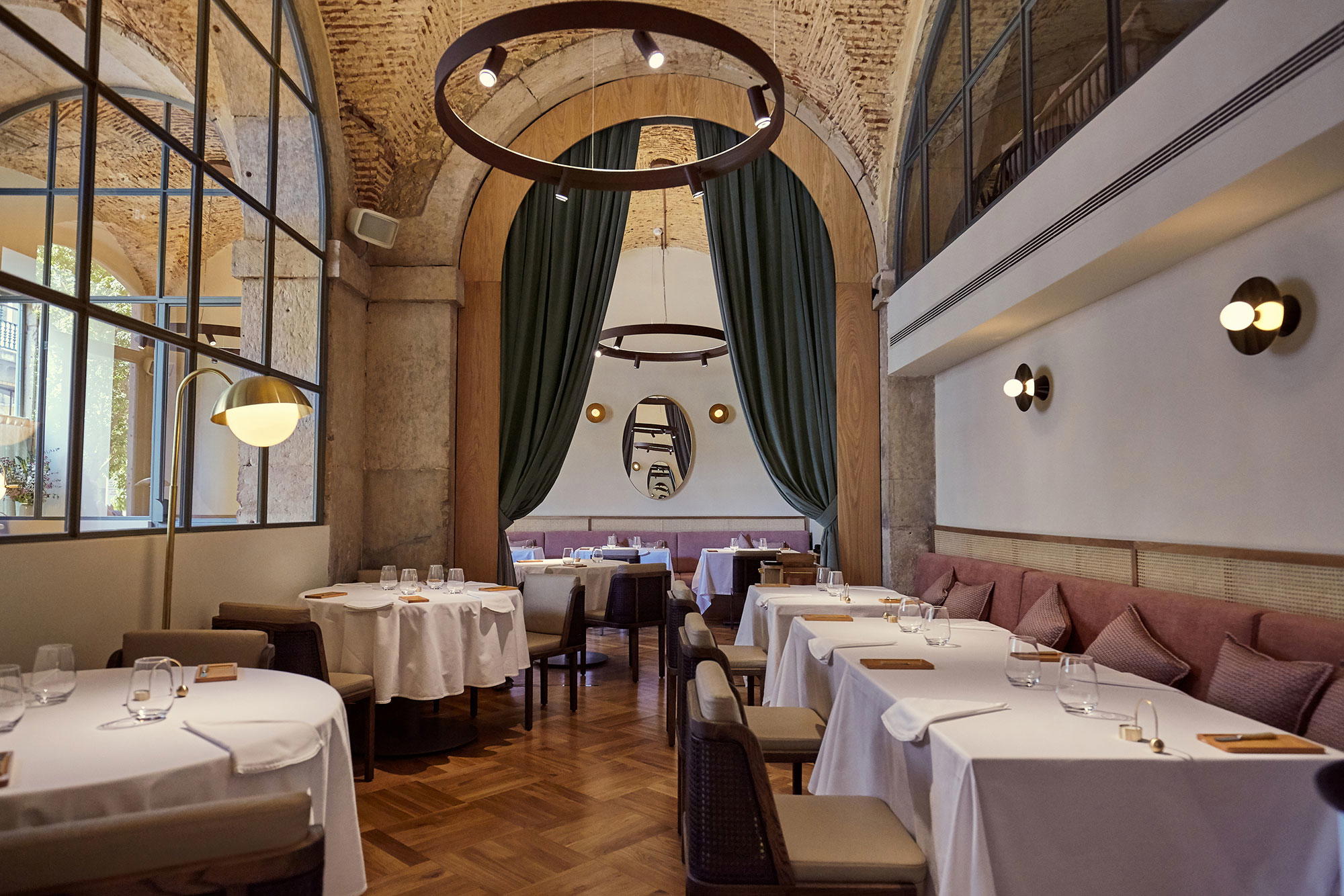
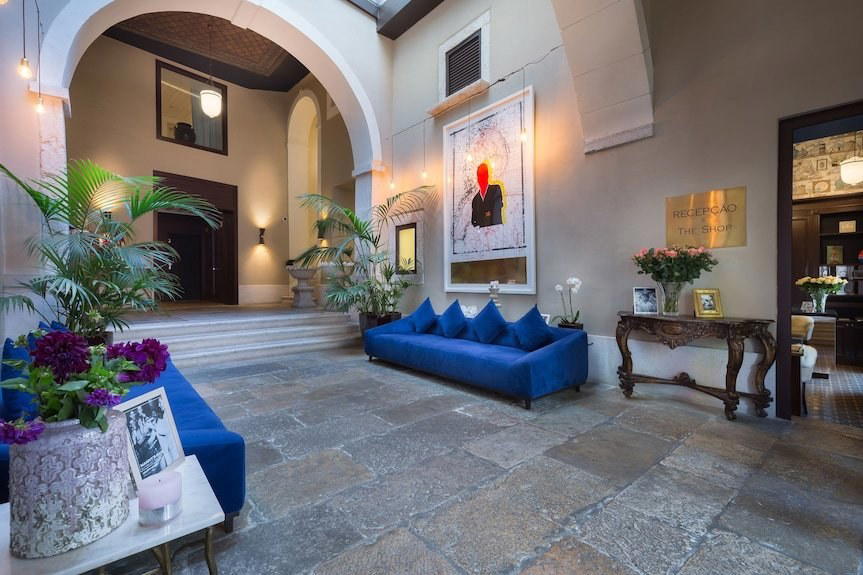

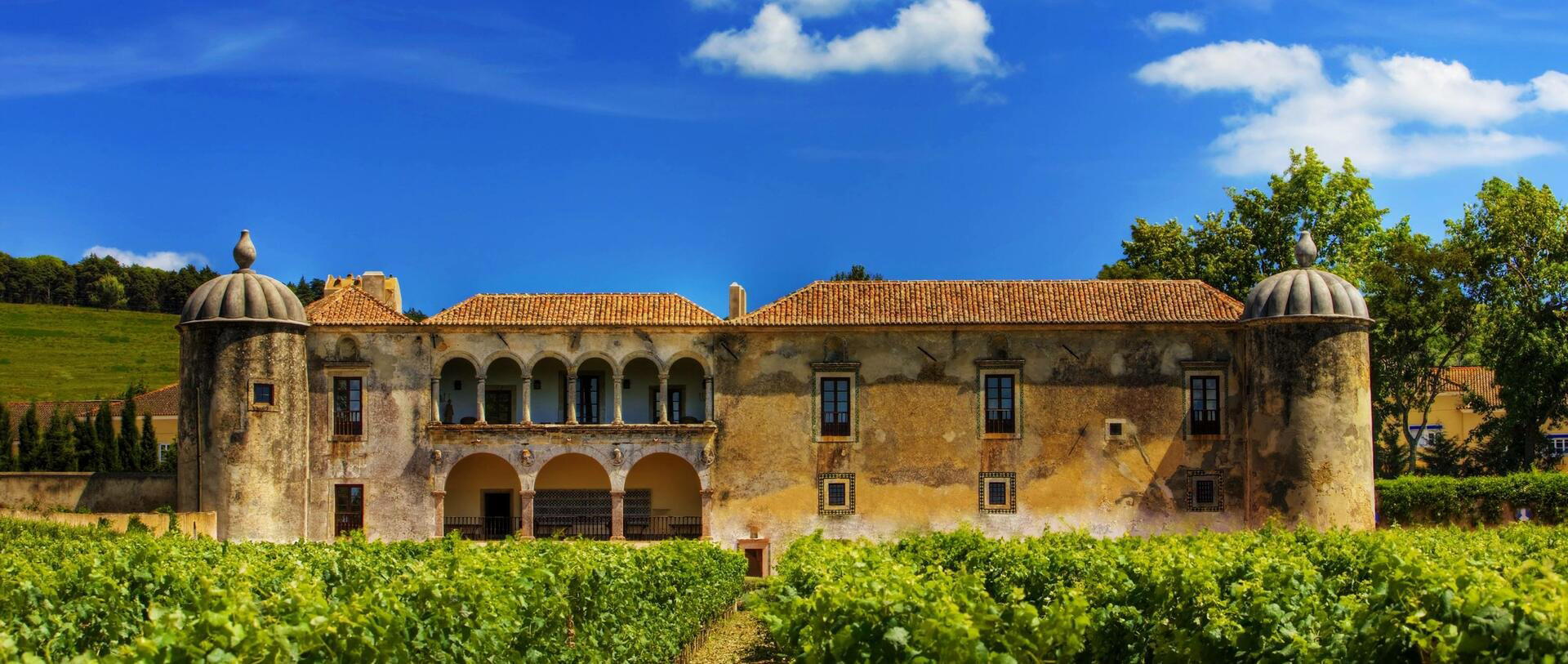
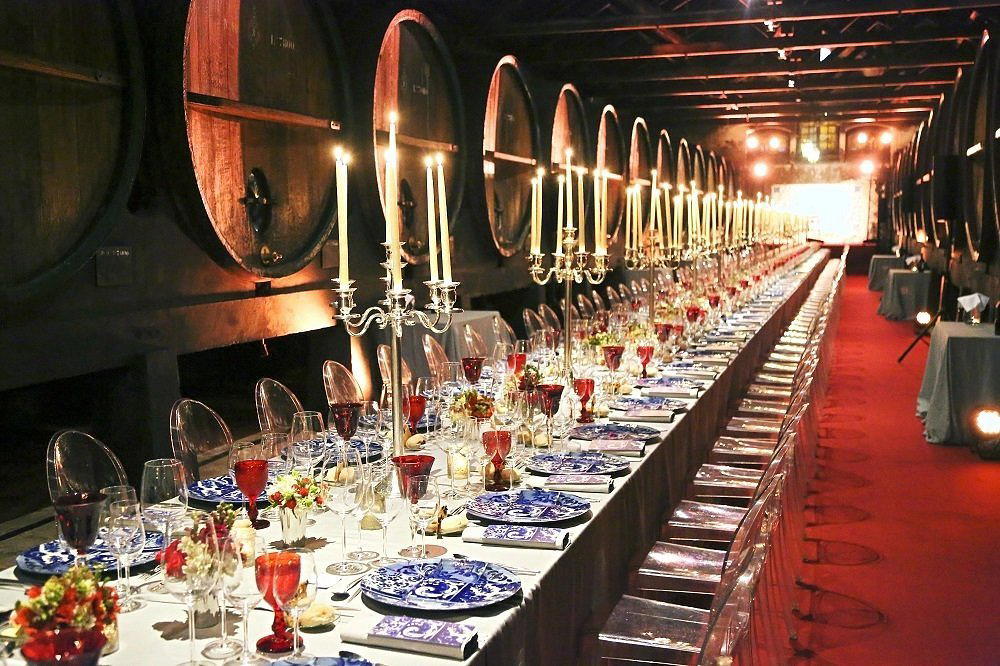
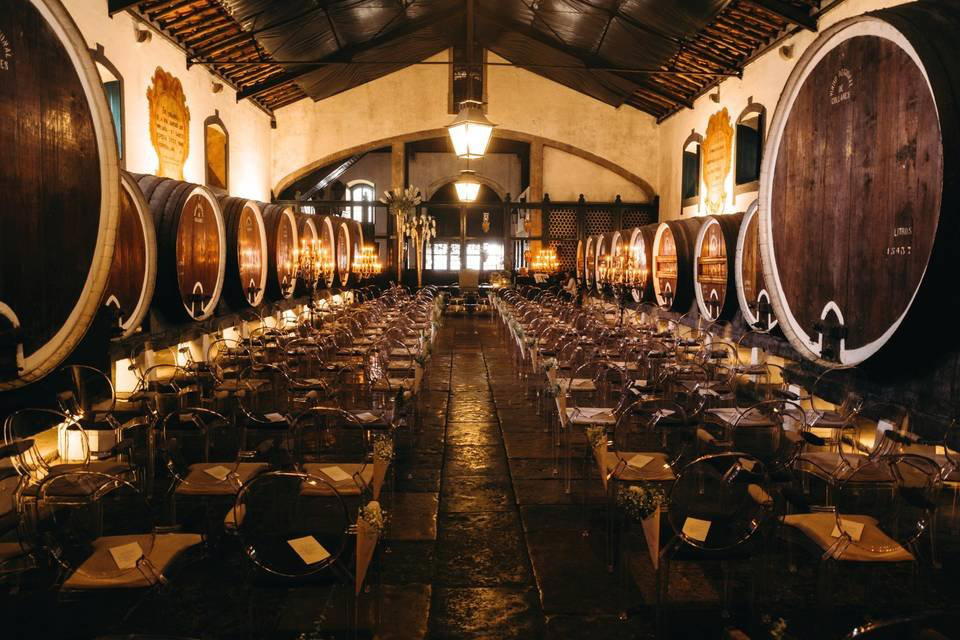
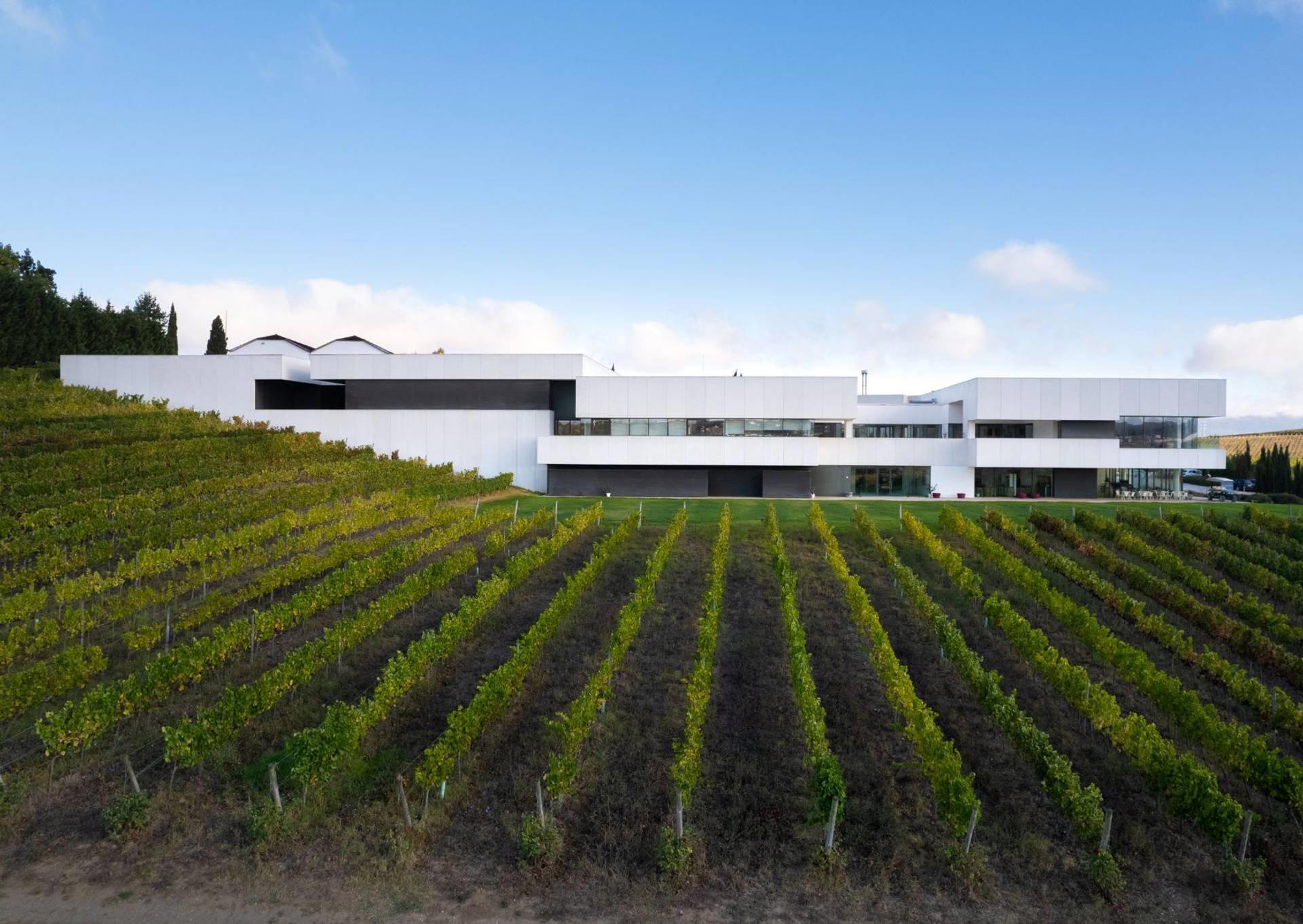
Details
- Cozy
- Rustic
- Classic
- Casual Hangout
- Historic Building
- Seated Bar
- Street Scene
Current opening hours
- Monday
- 12–9 PM
- Tuesday
- 12–9 PM
- Wednesday
- 12–9 PM
- Thursday
- 12–9 PM
- Friday
- 12–9 PM
- Saturday
- 12–9 PM
- Sunday
- 12–9 PM
Hours can change for holidays and private events. Hours as of .
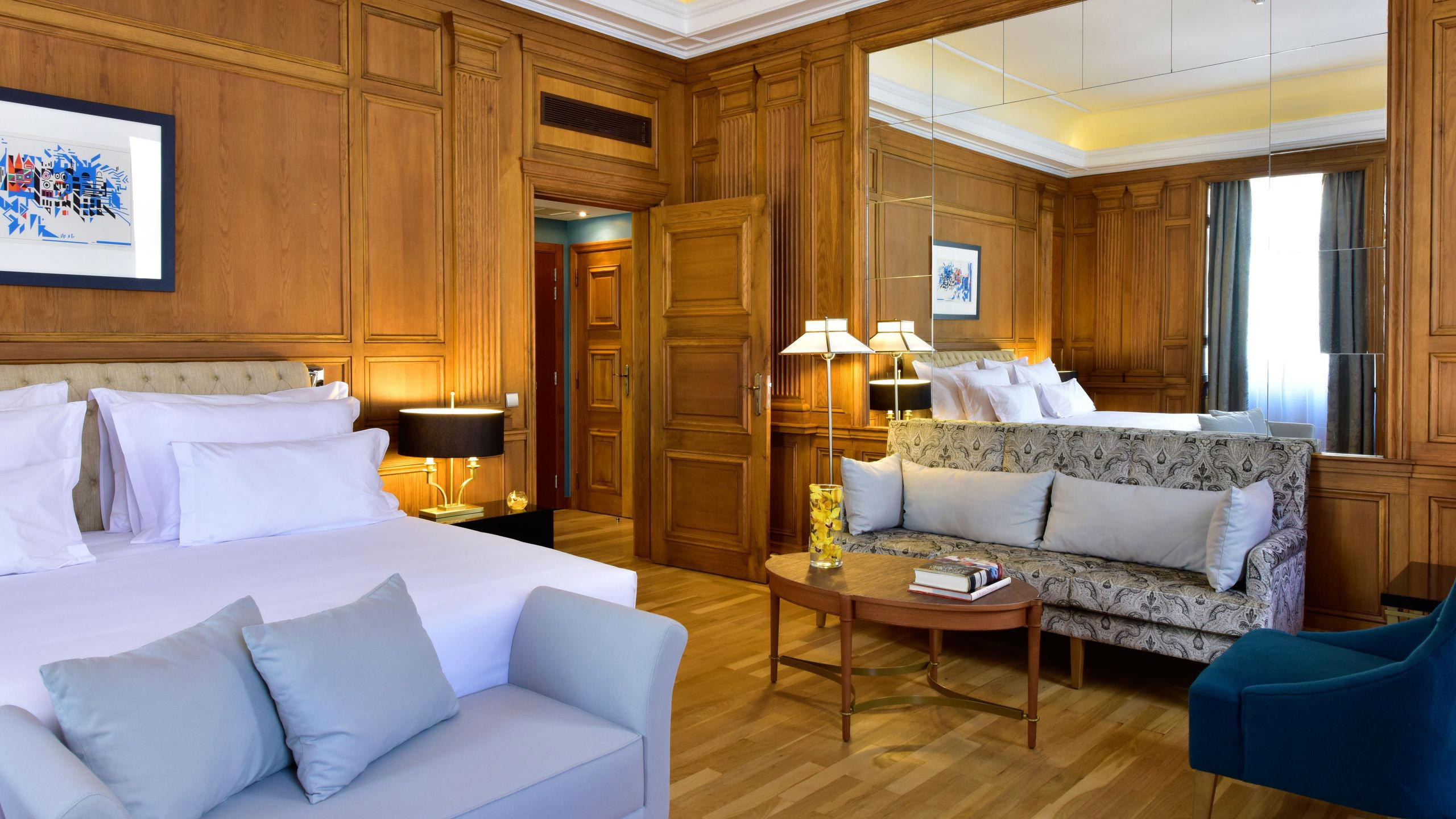
Warm, traditional, and cozy with a homey family atmosphere.