El Palenquito
El Palenquito occupies Avenida Álvaro Obregón in Roma Norte, one of Mexico City's most concentrated stretches of bar culture. The address places it squarely in a neighbourhood where craft bartending and mezcal-forward programming have reshaped how the city drinks. For visitors moving through Roma's bar circuit, it is a natural point of reference alongside the area's better-documented venues.
Pearl is the En Primeur Club membership app — saves, bookings, and concierge access live there. Same editors, same standards.
- Address
- Av. Álvaro Obregón 39, Roma Nte., Cuauhtémoc, 06700 Ciudad de México, CDMX, Mexico
- Phone
- +52 55 5207 8617
- Website
- milagrito.com
- Directions
- Get directions
 Saves & bookings on Pearl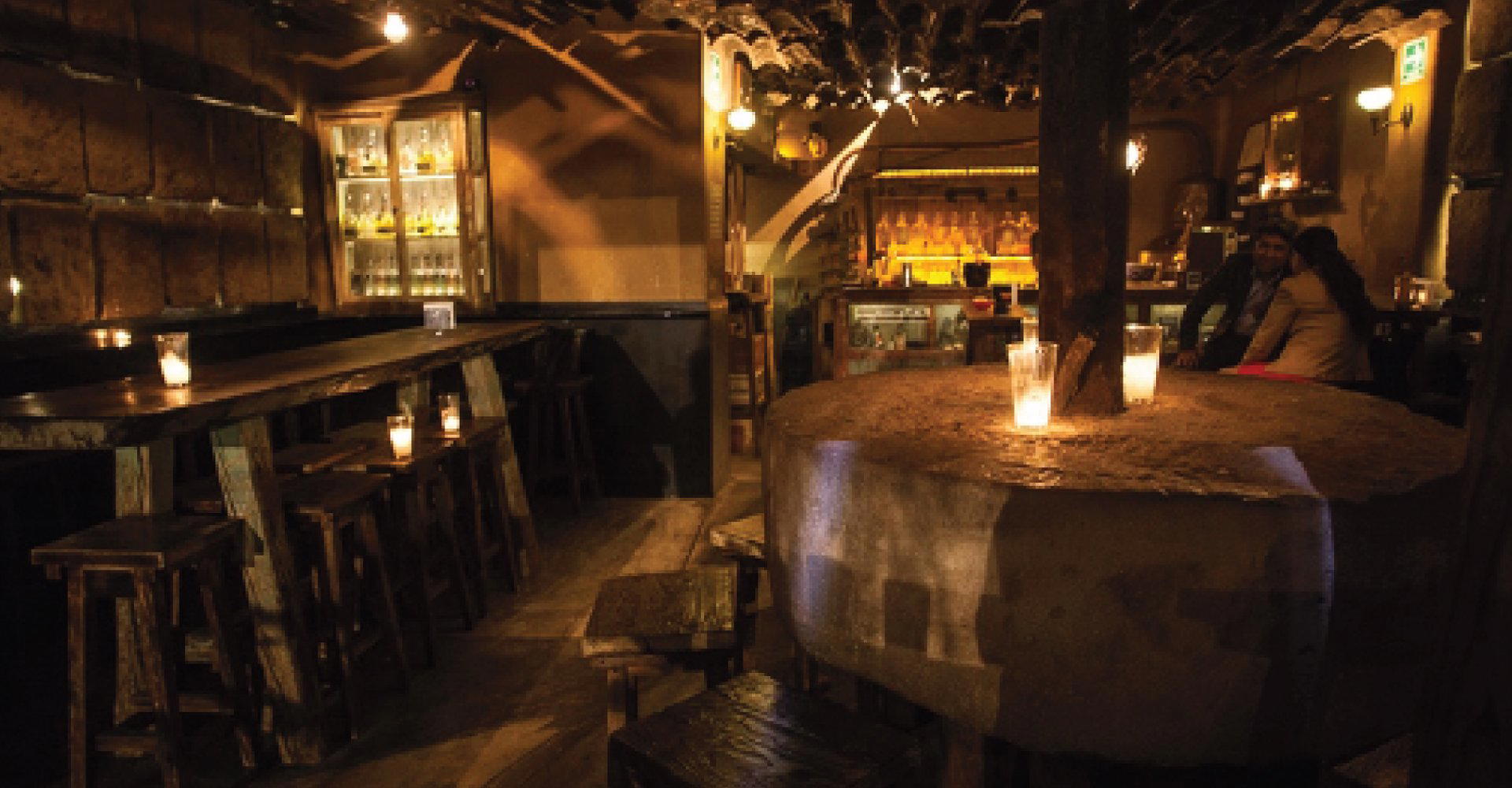
Roma Norte and the Street That Shaped Mexico City's Bar Scene
Avenida Álvaro Obregón runs through Roma Norte like a thread connecting the neighbourhood's competing ideas about how a bar should work. On any given evening, the avenue moves between pulquería regulars, agave specialists, and cocktail bars with programmes serious enough to attract the city's professional drinkers. El Palenquito sits at number 39, which places it deep inside this corridor and in direct conversation with the bars that have made Roma Norte one of Latin America's most closely watched drinking destinations.
That context matters. Roma Norte's bar scene did not arrive fully formed. It built itself over roughly a decade, beginning when a generation of bartenders trained abroad or under Mexico City's first wave of serious cocktail programmes returned to open smaller, more personal rooms. The neighbourhood rewarded that investment.
What the Address Signals
In Mexico City's bar geography, the Roma Norte address carries specific weight. The neighbourhood sits inside the Cuauhtémoc borough, and its drinking culture skews toward formats where the person behind the bar is the primary asset rather than the room's design or the size of its back bar. That distinction shapes the experience at most addresses along Obregón. You are not walking into a spectacle; you are walking into someone's considered point of view about what a drink should do and where its ingredients should come from.
Mexico's agave spirits provide the most obvious thread connecting Roma Norte's bar culture to its broader national context. Mezcal, in particular, has moved from novelty to infrastructure across this neighbourhood over the past several years. Bars that built their programmes around single-producer, village-level mezcals in the early part of the decade are now surrounded by venues that treat agave literacy as a baseline expectation rather than a differentiator. The leading bars in Roma Norte now compete on the depth and transparency of their sourcing, and on how fluently their bartenders can guide a guest through that sourcing without making the conversation feel like a lecture.
For a broader map of where El Palenquito sits relative to the wider Roma Norte programme, the full Mexico City guide covers the neighbourhood's bar and restaurant ecosystem in detail.
The Craft Behind the Counter
The editorial angle that makes Roma Norte legible as a bar destination is the craft of the person behind the bar, and that frame applies consistently across the avenue's better addresses. Mexican bartending has undergone a structural shift in the last decade: where international hotel bars once set the technical standard, independent neighbourhood programmes have largely taken over that role. The bartenders operating in Roma Norte today are, as a cohort, significantly more likely to have trained under Mexican mentors than under the European or American templates that defined the previous generation.
That shift shows in what gets prioritised. Fermentation, regional fruit, heirloom corn spirits, and the logic of pairing Mexican ingredients with Mexican spirits are conversations that happen fluently here in a way that would have been exceptional ten years ago. A bar at this address is expected to have a position on these questions, and the bartenders expected to articulate it.
Among Roma Norte's more established reference points, Baltra Bar has built a reputation for technical precision in its cocktail programme, while Bar Mauro operates in a more wine-led register. Bijou Drinkery Room has carved a niche at the more theatrical end of the neighbourhood's spectrum, and Brujas brings a distinct point of view rooted in Mexican heritage ingredients. El Palenquito's Obregón address places it in active dialogue with all of these venues, and visitors to the neighbourhood will typically move between two or three bars across an evening rather than committing to a single room.
Placing El Palenquito in Mexico's Wider Bar Circuit
Mexico City does not exist in isolation from the country's other serious drinking destinations. The bar culture that developed in Roma Norte has direct relationships with programmes in Guadalajara, Oaxaca, and Tulum, and bartenders move between these cities with enough regularity that a technique or an ingredient source that surfaces in one place will often appear in another within a season or two.
El Gallo Altanero in Guadalajara sits at a similar intersection of agave heritage and technical ambition. Arca in Tulum operates in a beach-access format but with a programme that references many of the same ingredient conversations. La Capilla in Tequila represents the older, producer-town end of the spectrum, where the drink is inseparable from the place that made the spirit. Further afield, Bekeb in San Miguel de Allende has developed its own craft credentials in a city better known for its art scene than its bartending.
For travellers building a broader itinerary, Aruba Day Drink in Tijuana and Coco Bongo in Cancun represent very different ends of the Mexican bar spectrum — the former a more intimate craft format, the latter a high-volume entertainment venue. International context comes from bars like Bar Leather Apron in Honolulu, which operates in a similarly research-led, counter-service register to Roma Norte's more serious addresses.
Planning Your Visit
Avenida Álvaro Obregón is most active from Thursday through Saturday, when foot traffic along the avenue is dense enough that popular addresses fill without reservations. For visitors without a specific booking, arriving before 9 p.m. on a weekend gives a better chance of securing a seat. Roma Norte is well-served by both ride-share apps and the city's metro system, with the Álvaro Obregón station on Line 1 providing direct access to the neighbourhood.
Cuisine-First Comparison
A small set of peers for context, based on recorded venue fields.
| Venue | Awards |
|---|---|
| El PalenquitoThis venue — the venue you are viewing | Not listed |
| Fifty Mils | World's 50 Best |
| Hanky Panky | World's 50 Best |
| Baltra Bar | World's 50 Best |
| Bar Mauro | World's 50 Best |
| Bijou Drinkery Room | World's 50 Best |
Continue exploring
More in Mexico City
Bars in Mexico City
Browse all →
Restaurants in Mexico City
Browse all →
At a Glance
- Cozy
- Intimate
- Rustic
- Casual Hangout
- Late Night
- Standalone
- Seated Bar
- Mezcal
Current opening hours
- Monday
- 6 PM–12 AM
- Tuesday
- 6 PM–12 AM
- Wednesday
- 6 PM–12 AM
- Thursday
- 6 PM–2 AM
- Friday
- 6 PM–2 AM
- Saturday
- 6 PM–2 AM
- Sunday
- 6 PM–12 AM
Hours can change for holidays and private events. Last verified .
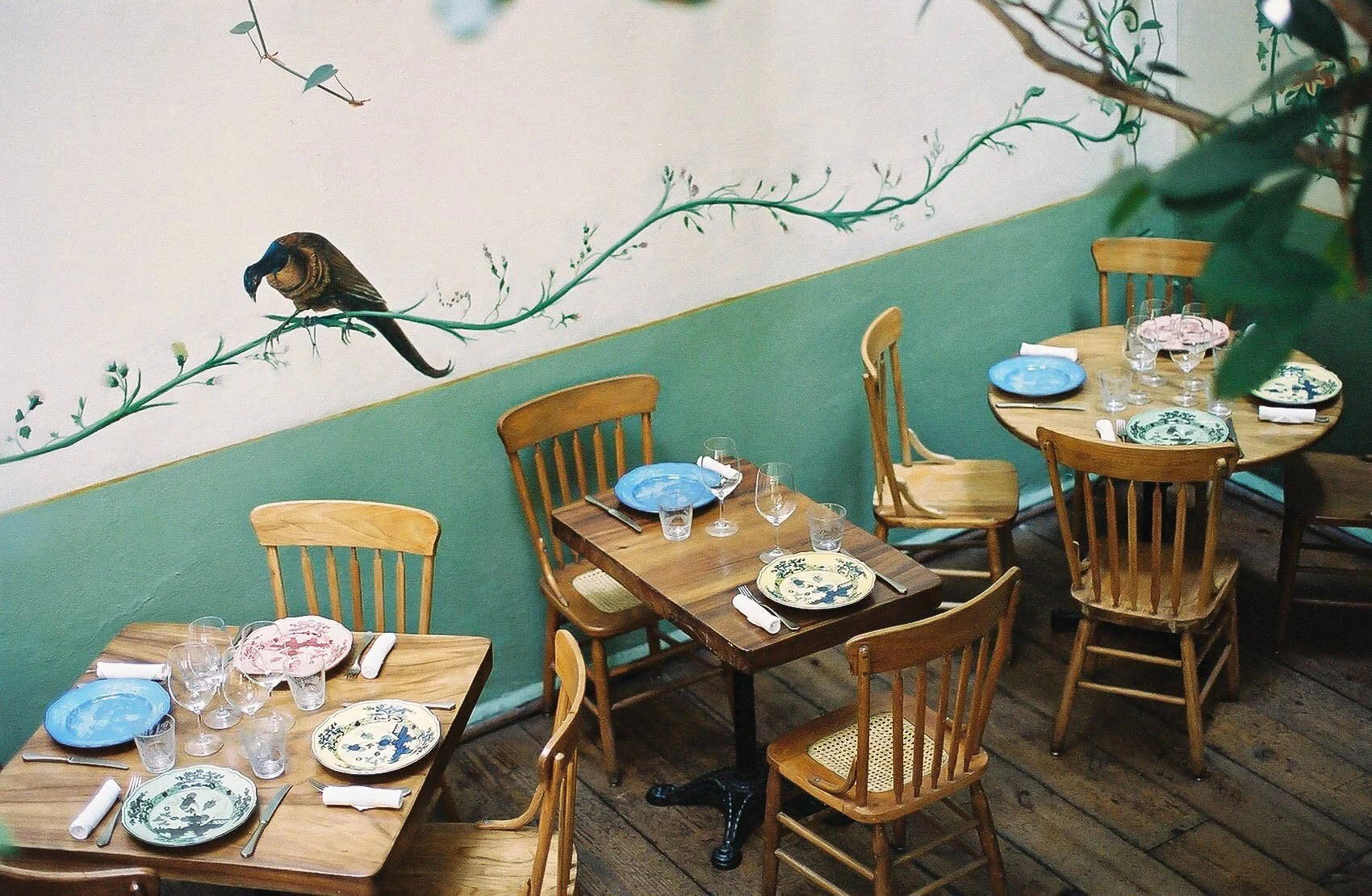
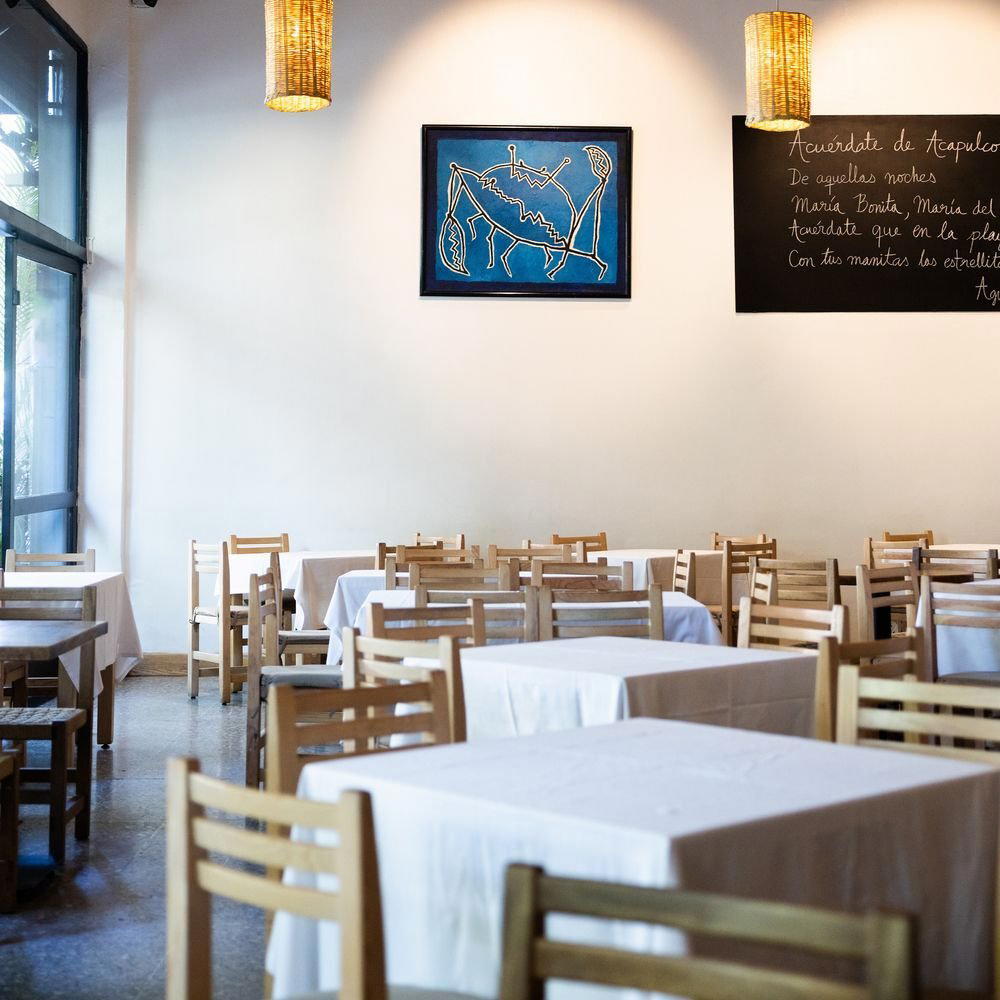
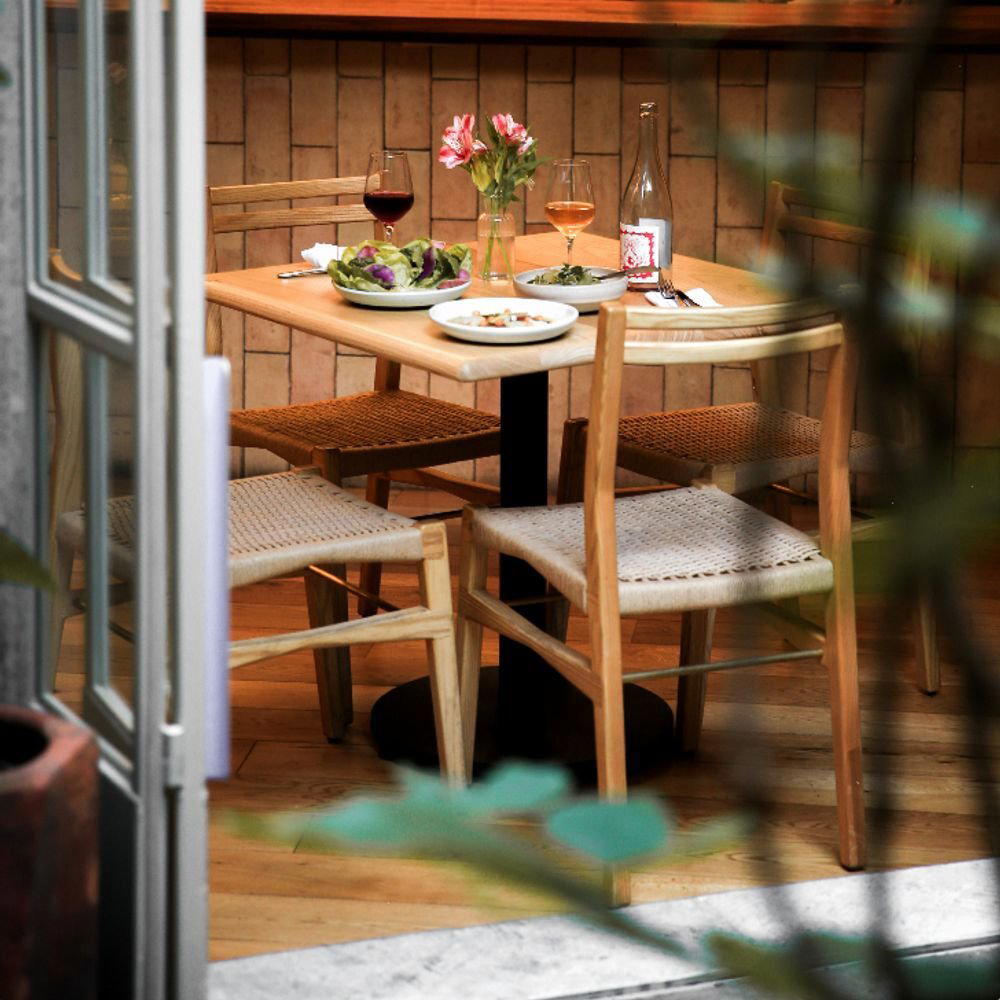
Soft ambient lighting from back-lit hanging stones, with hand-blown bottles and antique glasses creating a cozy, traditional Oaxacan distillery atmosphere.
Know Before You Go
- Getting there
- Av. Álvaro Obregón 39, Roma Nte., Cuauhtémoc, 06700 Ciudad de México, CDMX, Mexico