Mezcalero Coyoacan
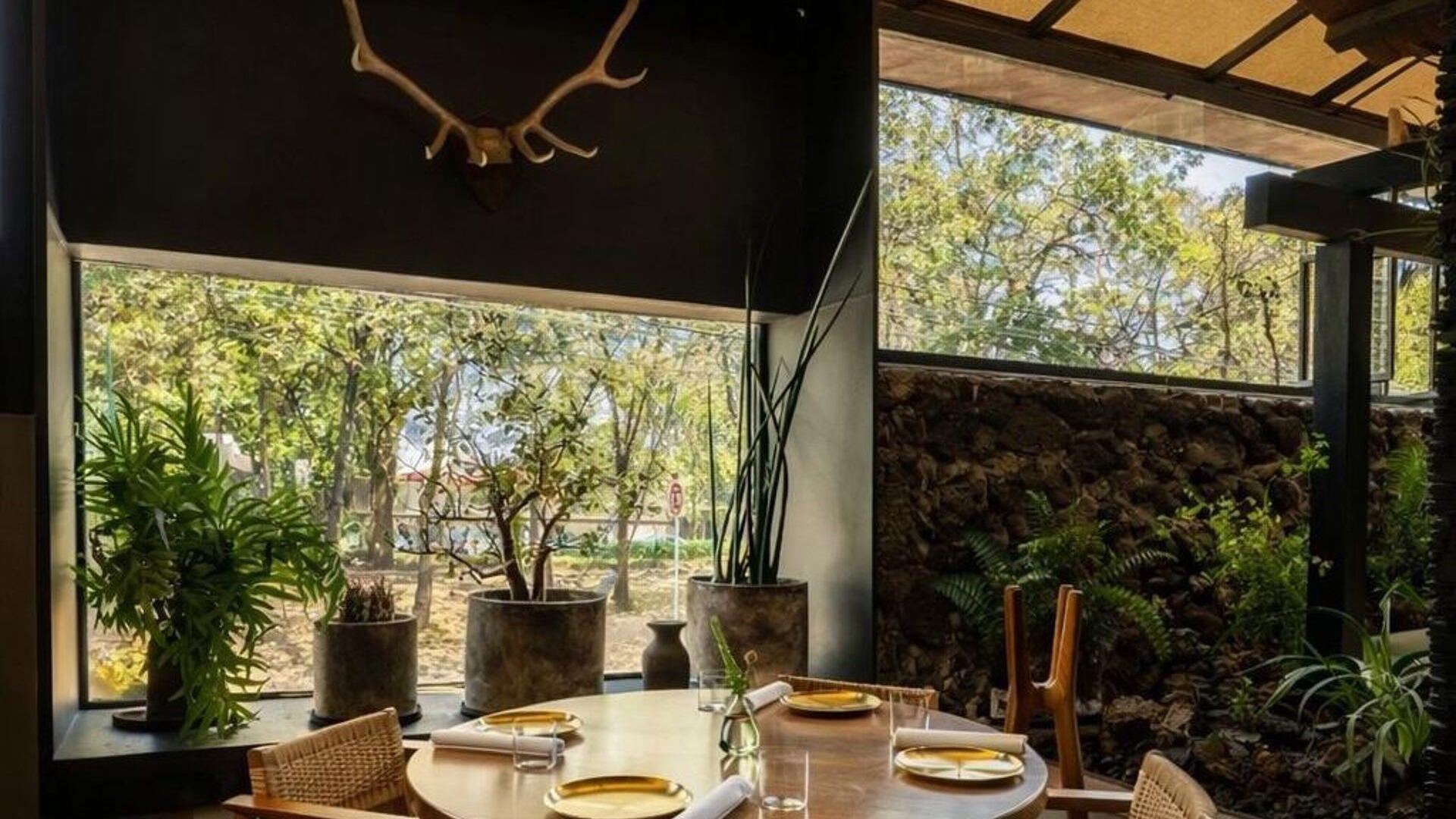
Mezcalero Coyoacan occupies a quiet street in one of Mexico City's most historically layered neighbourhoods, positioning itself within Coyoacán's growing mezcal-forward bar scene. The address at Caballocalco 14 places it away from the tourist-heavy centro, drawing a crowd that arrives with intention rather than convenience. For visitors tracing Mexico City's agave culture beyond the obvious stops, this is a logical point on that map.
Pearl is the En Primeur Club membership app — saves, bookings, and concierge access live there. Same editors, same standards.
- Address
- C. Caballocalco 14, Coyoacán, 04100 Ciudad de México, CDMX, Mexico
- Phone
- +52 55 5554 7027
- Directions
- Get directions
 Saves & bookings on Pearl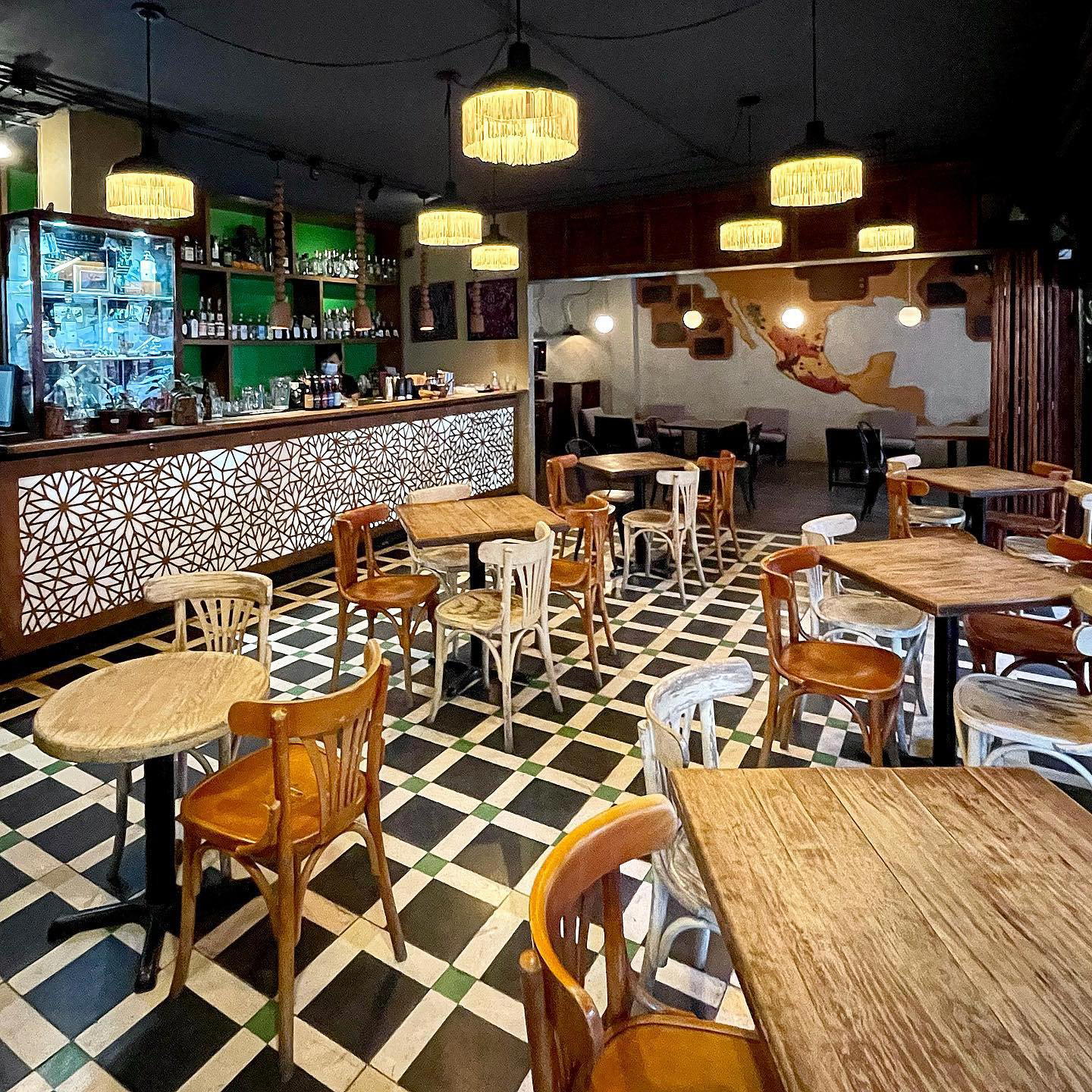
Coyoacán After Dark: Where Agave Culture Finds Its Quieter Register
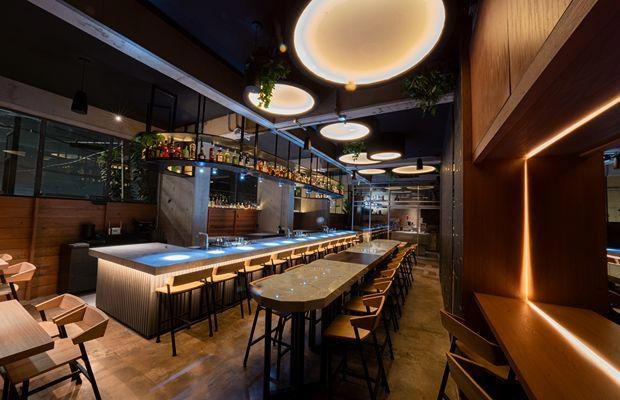
The streets around Coyoacán's historic core change tone after sunset. The daytime foot traffic of market browsers and weekend families thins out, and what remains is a neighbourhood that has always had more intellectual weight than tourist spectacle — the kind of place where Frida Kahlo lived and Leon Trotsky spent his final years, where the bookshops stay open late and the conversation at the bar tends to run long. Mezcalero Coyoacan sits inside that register, at Caballocalco 14, a short distance from the central plaza but removed enough from it that the clientele skews local rather than transient.
Mexico City's mezcal bar scene has developed into something genuinely stratified over the past decade. At one end sit the high-production venues in Condesa and Roma Norte, where international spirits programmes sit alongside mezcal selections that function more as category check-boxes than editorial statements. At the other end, operators in neighbourhoods like Coyoacán have built programmes rooted in producer relationships, regional agave varieties, and the kind of slow-service format that assumes the guest wants to learn something over the course of an evening. Mezcalero Coyoacan positions itself in the latter tier.
The Team Dynamic That Shapes the Experience
In Mexico's more considered agave bars, the distinction between front-of-house and spirits knowledge has largely collapsed. The person who brings your mezcal to the table is expected to be able to discuss the agave variety, the state of origin, whether the distillation was in clay or copper, and what that means for the spirit's character. This model, which has become something of a standard in the specialist bars that have earned recognition in the 50 Best Bars ecosystem and in publications covering Latin American drinking culture, requires a team trained in depth rather than breadth.
That integrated approach is the operating logic at bars like Mezcalero Coyoacan. The experience depends on the front-of-house team functioning as guides through a category that remains genuinely complex for many visitors. Mezcal is not a monolithic spirit — the differences between an espadín from Oaxaca, a tobalá from Puebla, and a tepeztate from the Sierra Juárez are significant enough to shift a drinker's preferences entirely. A bar where the staff can hold that conversation without reaching for a laminated card is providing a service that goes well beyond pouring. In Coyoacán's quieter hospitality context, that depth of service is part of what separates the serious operators from the ones simply trading on the neighbourhood's atmosphere.
For comparison, bars like Baltra Bar and Bar Mauro in other parts of Mexico City have built their reputations partly on the coherence between their programmes and their service teams. Bijou Drinkery Room and Brujas operate with similar ambitions at different points on the city's drinking map. The consistency across these venues reflects a broader shift in what Mexico City's serious bar operators consider non-negotiable.
Reading Coyoacán as a Bar Destination
Coyoacán is not where Mexico City's most internationally recognised cocktail venues cluster. That geography belongs to Roma Norte and Condesa, where the density of recognised bars and the proximity to international hotel zones creates a different commercial logic. What Coyoacán offers instead is lower ambient volume, a neighbourhood that feels inhabited rather than curated for consumption, and a visitor profile that tends toward the intentional. For agave-focused venues in particular, that environment carries value, mezcal is a spirit that rewards patience and attention, and a neighbourhood that moves at a slower pace creates better conditions for both.
The Coyoacán bar scene has expanded meaningfully in recent years, tracking both the broader growth of mezcal's international profile and the neighbourhood's appeal to Mexico City residents who want to drink well without the Roma Norte pricing premium or crowd density. Mezcalero Coyoacan operates in that expanded field, drawing from a catchment that includes both residents and visitors who have specifically sought out a Coyoacán evening.
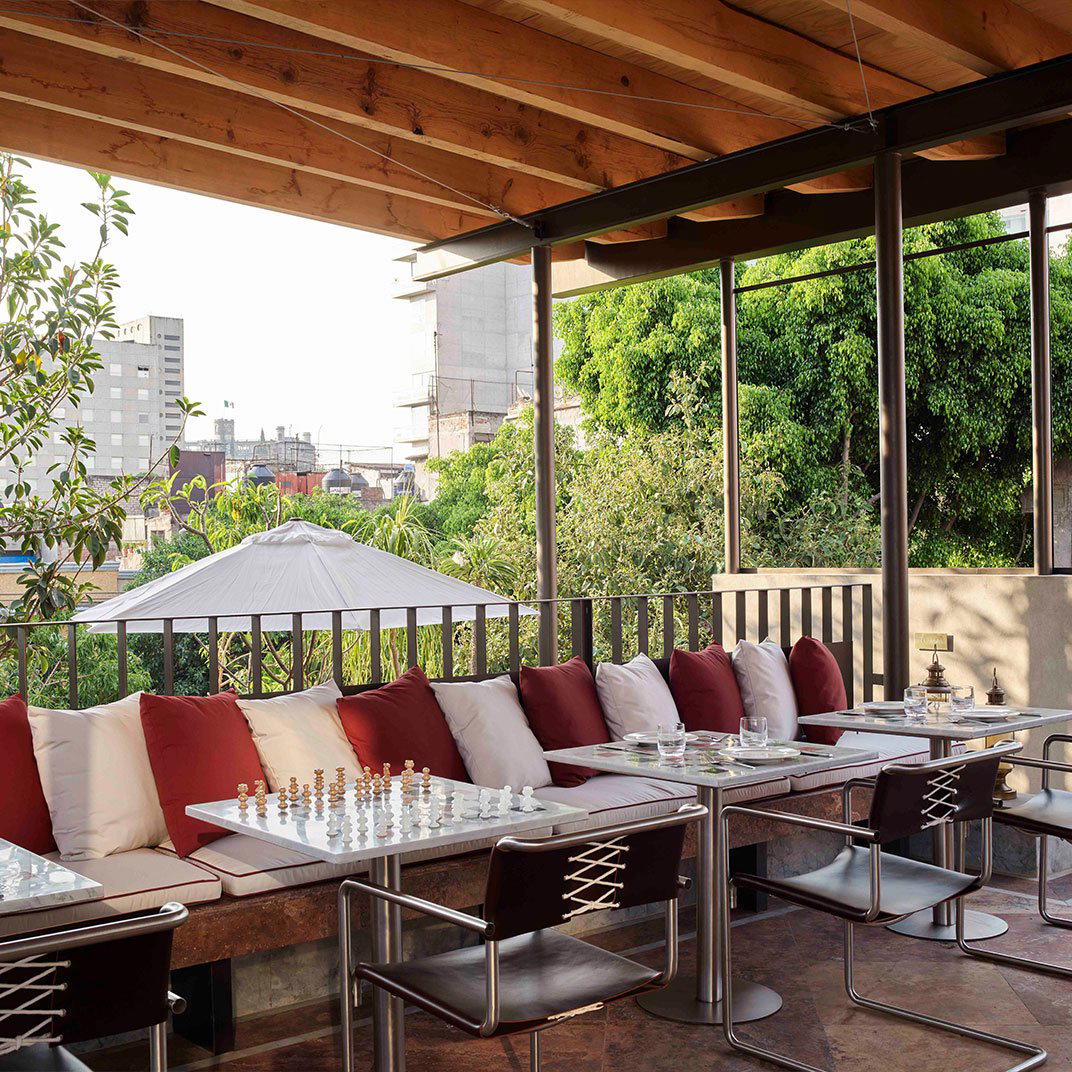
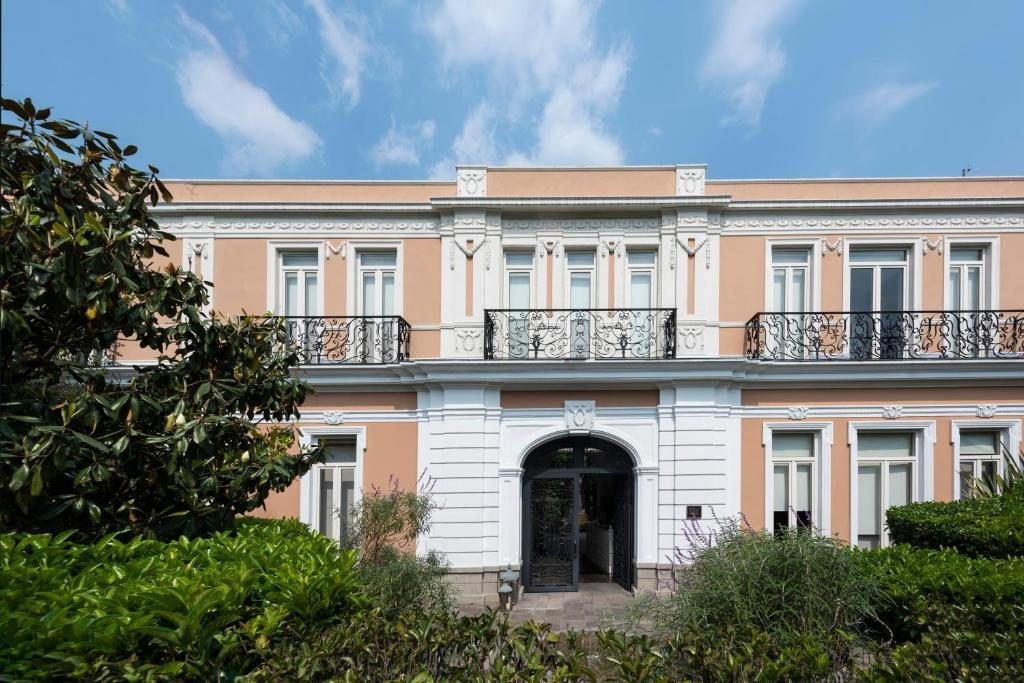
Seasonally, the neighbourhood's outdoor and semi-outdoor venues benefit from Mexico City's dry season, which runs broadly from November through April. The capital sits at roughly 2,240 metres above sea level, which keeps temperatures moderate by regional standards but makes evenings noticeably cooler than the afternoon, worth factoring in when choosing between a covered interior seat and an open-air position. During the rainy season from May through October, afternoon downpours are common, though evenings typically clear. Venues in Coyoacán tend to adapt rather than retreat; the neighbourhood's colonial-era architecture means many bars operate in spaces with covered courtyards or thick-walled interiors that make seasonal shifts less disruptive than in purpose-built modern venues.
Planning an Evening in Coyoacán
Coyoacán sits to the south of the city centre, accessible from Roma and Condesa via a taxi or rideshare of roughly twenty to thirty minutes depending on traffic, or by Metro on Line 3 to the Viveros or Coyoacán stations. The neighbourhood's street grid is relatively compact, which means that the central plaza, the market, and the bar strip around Caballocalco are all walkable from one another once you arrive. An evening that starts with a walk through the mercado and ends at a mezcal bar has a logical shape here in a way that the more diffuse Roma Norte doesn't quite replicate.
Bars in this tier of the neighbourhood's drinking scene generally operate on a walk-in basis, but Friday and Saturday evenings can test capacity at the smaller specialist venues. Midweek visits typically allow more space and longer conversations with the team.
For those building a wider Mexico itinerary around agave culture, the trail extends well beyond the capital. Arca in Tulum anchors the southern end of that map, while El Gallo Altanero in Guadalajara and La Capilla in Tequila give the journey a logical northern arc. Closer to the border, Aruba Day Drink in Tijuana and Bekeb in San Miguel de Allende fill out the middle ground. The broader Mexico City picture, including full venue listings across neighbourhoods, is covered in our full Mexico City restaurants guide. For contrast with agave-forward programmes in other markets, Bar Leather Apron in Honolulu offers an instructive parallel in how a geographically specific spirits focus translates into a full bar programme. And for those whose Mexico City itinerary extends to more theatrical nightlife formats, Coco Bongo in Cancun occupies the opposite end of the spectrum entirely.
Continue exploring
More in Mexico City
Bars in Mexico City
Browse all →
Restaurants in Mexico City
Browse all →
At a Glance
- Trendy
- Lively
- Modern
- Late Night
- Casual Hangout
- Mezcal
- Craft Cocktails
Current opening hours
- Monday
- 1 PM–1 AM
- Tuesday
- 1 PM–1 AM
- Wednesday
- 1 PM–1 AM
- Thursday
- 1 PM–2 AM
- Friday
- 1 PM–2 AM
- Saturday
- 1 PM–2 AM
- Sunday
- 1 PM–1 AM
Hours can change for holidays and private events. Last verified .
Lively and lively with fine funk and disco tunes spun by DJs on weekends.
Know Before You Go
- Getting there
- C. Caballocalco 14, Coyoacán, 04100 Ciudad de México, CDMX, Mexico