Cama ATK sits in Hai Bà Trưng, one of Hanoi's most lived-in residential districts, operating as the kind of neighbourhood bar that locals return to on weekday evenings rather than weekends reserved for tourists. The address on Phố Mai Hắc Đế places it within easy reach of the city's older French-quarter grid, away from the Old Quarter's more performative bar circuit.
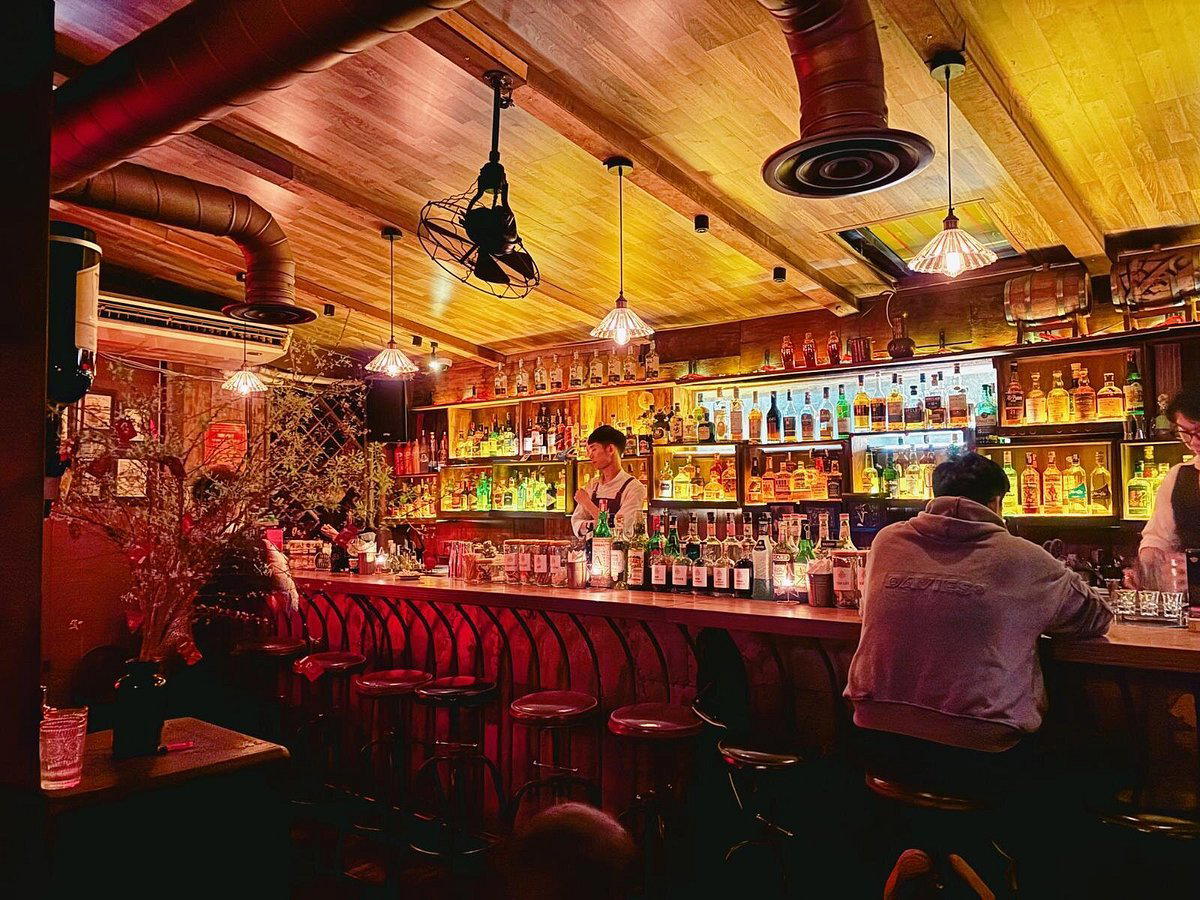
A Hai Bà Trưng Address That Tells You Something
Hanoi's bar scene has never been a single thing. The Old Quarter produces volume and spectacle, bia hơi corners, rooftop tourist bars, and a handful of cocktail rooms that play to visiting crowds. Further south and east, in districts like Hai Bà Trưng, a different bar culture runs at lower volume and higher regularity. These are the places where the same faces appear on Tuesday nights, where a round gets ordered without consulting the menu, and where the room's energy comes from familiarity rather than novelty. Cama ATK occupies a corner of that circuit, on Phố Mai Hắc Đế in the Nguyễn Du ward, a street that sits inside the French-era grid without functioning as a tourist corridor.
That address is the first thing the bar communicates. Hai Bà Trưng is not the neighbourhood visitors navigate first, which means the crowd that finds Cama ATK is predominantly made up of people who chose it deliberately: locals who live or work nearby, expats embedded enough in the city to have a neighbourhood bar rather than a destination bar, and the occasional visitor who read something or followed someone. The bar operates as a gathering place in the older sense of the term, not a concept, not a brand, but a room where people spend time.
Where Cama ATK Sits in Hanoi's Bar Tiers
Hanoi's cocktail bars have split across distinct operating tiers over the past decade. At one end, venues like The Haflington and The Hudson Rooms represent the city's more polished, concept-driven programs, bars that compete on technique, presentation, and editorial recognition. At the other end, the bia hơi model remains an institution: street-side, cheap, and entirely unpretentious. Between these poles sits a functioning middle tier of neighbourhood-anchored bars where quality and comfort coexist without the formality of the premium circuit. Cama ATK occupies that middle tier.
This positioning matters for how you read the room. Bars in this category don't need to convince you of anything. There are no tasting notes on placards, no elaborate theatrics around service. What they offer instead is consistency and an ambient sense that the room has a life independent of any given night. Workshop14 and 12 P. Phúc Tân each carve out similar niches in the city's bar map, approachable rooms that anchor a local crowd rather than chase a rotating visitor base.
Across Vietnam more broadly, this tier of bar is well-established. Hoi An Brewing Company in Hội An serves a comparable function in a smaller city, a gathering room that draws both locals and visitors without positioning itself primarily as either. Drinking and Healing in Ho Chi Minh City approaches the neighbourhood-gathering model from a more conceptual direction. The pattern repeats across Vietnamese cities: a bar that a neighbourhood claims as its own tends to outlast the venues that arrive with more fanfare.
The Hai Bà Trưng Context
Understanding Cama ATK requires some understanding of Hai Bà Trưng as a district. It is one of Hanoi's central districts but functions with a more residential character than Hoàn Kiếm to the north. The French-era planning produced wide tree-lined streets, apartment blocks, and a network of smaller lanes that local life fills rather than tourist infrastructure. Hồ Thiền Quang, the smaller lake within the district, draws evening walkers and café-sitters who are overwhelmingly Hanoian. The food and drink scene here operates at the pace and scale of that local life: smaller rooms, regulars who know the staff, prices that reflect a local rather than an export economy.
For a visitor arriving from the Old Quarter, the tonal shift is noticeable. The density of guesthouses, souvenir shops, and English-language menus drops sharply. What replaces it is the texture of a working city neighbourhood, motorbikes parked outside family restaurants, cafés full of students on laptops, and bars like Cama ATK that exist because people in the area want somewhere to go rather than because a hospitality group identified a market gap.
The Regional Comparison
Neighbourhood bars in Vietnamese cities have a specific social function that distinguishes them from their equivalents in, say, Seoul or Bangkok. The Vietnamese street-level drinking culture, rooted in bia hơi and cà phê, produces an expectation of accessibility that premium cocktail bars in the same cities sometimes struggle to reconcile with their pricing and positioning. The bars that succeed in the middle tier, like Cama ATK, tend to hold their social function while upgrading the drink quality modestly, rather than attempting a wholesale repositioning of what a bar visit means in that context.
Further afield, the contrast sharpens. Bar Leather Apron in Honolulu or Le Pont Club in Hai Phong each operate with a different set of expectations around format, service, and occasion. The neighbourhood bar as a category doesn't require any of those refined signals to function, it requires regulars, a consistent atmosphere, and a location that people return to by habit rather than occasion. Genji Bar in Cẩm Phả and United Bar in Thanh Khê each hold this function in smaller Vietnamese cities, suggesting how distributed this model is across the country's urban fabric.
Planning a Visit
Cama ATK is located at the address registered under the Plus Code 2V72+QC4 on Phố Mai Hắc Đế in the Nguyễn Du ward of Hai Bà Trưng. From the Old Quarter, the most practical approach is by xe ôm or GrabBike, a ten-to-fifteen minute ride depending on traffic. The bar sits in a primarily residential stretch, so parking a motorbike on the street is standard practice for locals. Given the neighbourhood character of the venue, weekday evenings tend to reflect the bar at its most characteristic, a local crowd, no waiting, and a room operating at a pace that suits a longer evening rather than a quick drink. Weekend nights may draw a wider mix. For a broader picture of where Cama ATK fits within the city's drinking and dining options, see our full Hanoi restaurants guide. Those looking for comparison bars with a more explicitly upscale positioning nearby should consider Le Rendez Vous in Đà Nẵng as a point of contrast in tone and format.
A Credentials Check
A small set of peers for context, based on recorded venue fields.
| Venue | Price | Awards |
|---|---|---|
| Cama ATKThis venue (the venue you are viewing) | Not listed | Not listed |
| Workshop14 | $10–20 | World's 50 Best #34 · Top 500 Bars Best Bars #355 |
| The Haflington | $10–20 | World's 50 Best #87 · Top 500 Bars Best Bars #274 |
| The Hudson Rooms | Not listed | World's 50 Best #46 · Top 500 Bars Best Bars #266 |
| Tannin Wine Bar Hang Vai | $20–30 | Star Wine List |
| Longer Than a Summer | $20–30 | Not listed |
Continue exploring
More in Hanoi
Bars in Hanoi
All bars in Hanoi →
Restaurants in Hanoi
All restaurants in Hanoi →
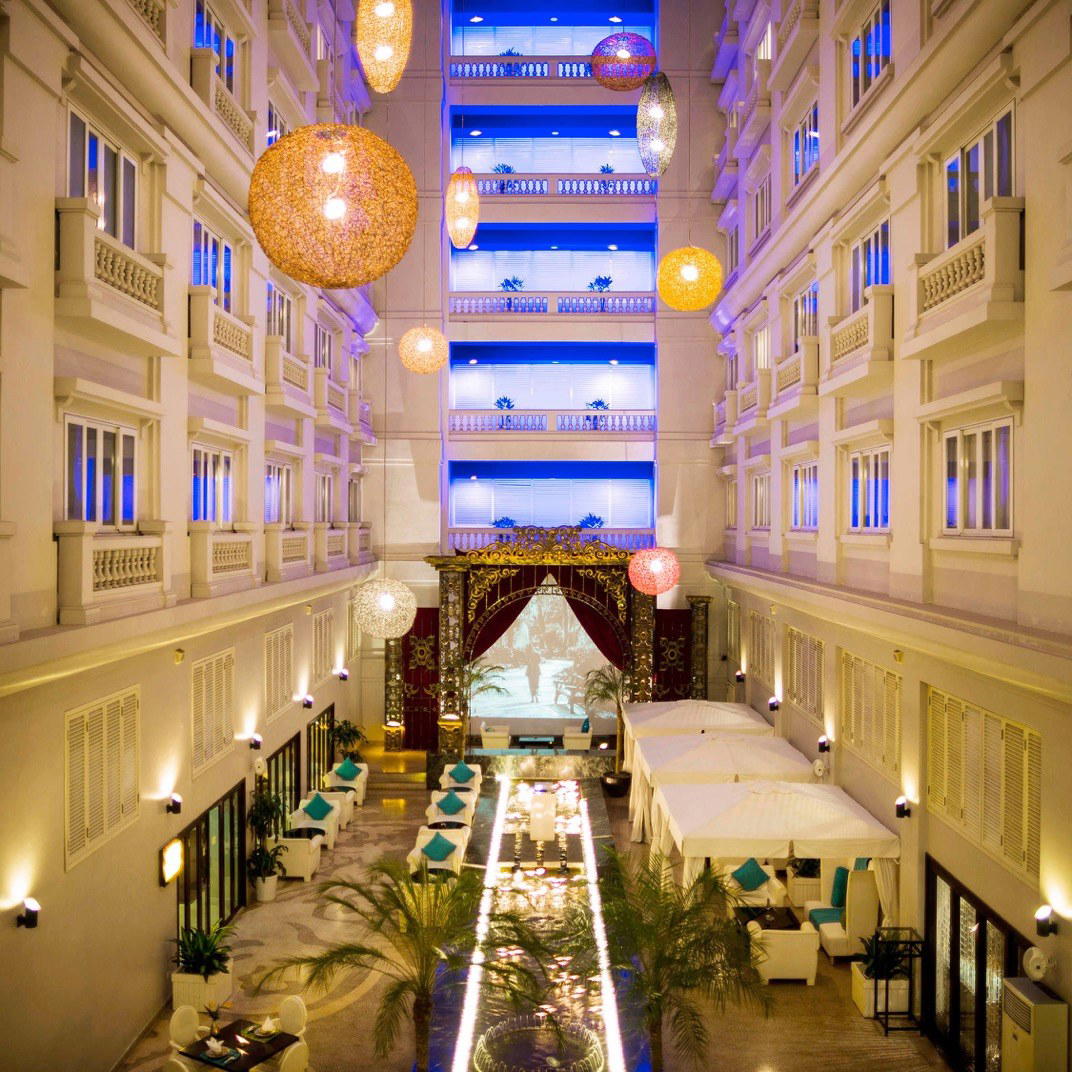
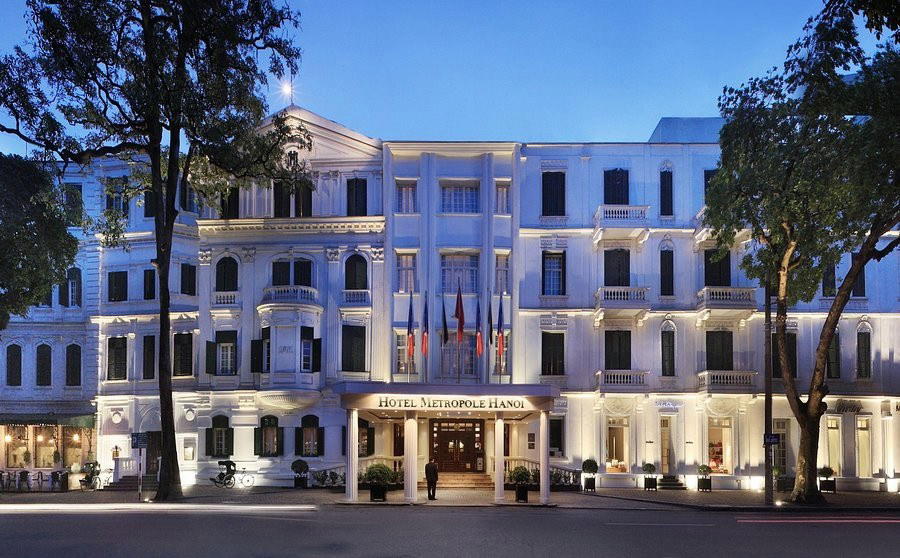
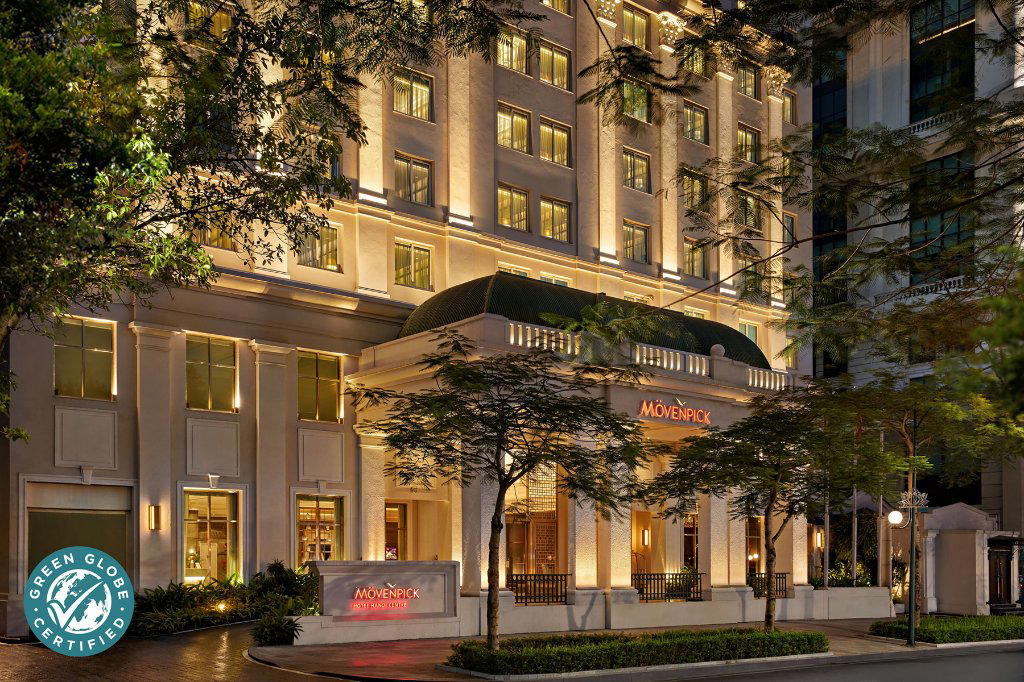
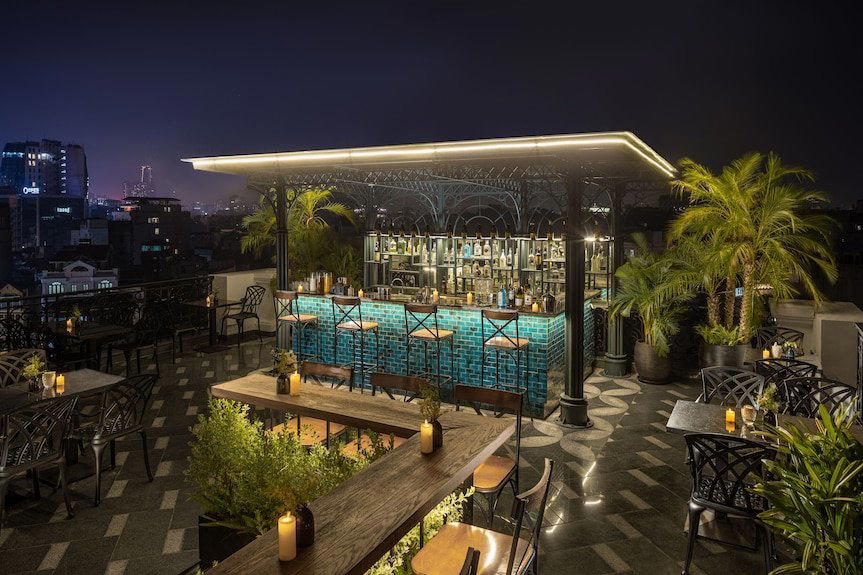
Cama ATK
The drinks
- Craft cocktails
- Classic cocktails
Signature drinks: Molecular Night 2.0.
Details
- Intimate
- Bohemian
- Energetic
- After Work
- Group Outing
- Casual Hangout
- Special Occasion
- Live Music
- Standalone
- Speakeasy
- Seated Bar
- Lounge Seating
- Craft Cocktails
- Classic Cocktails
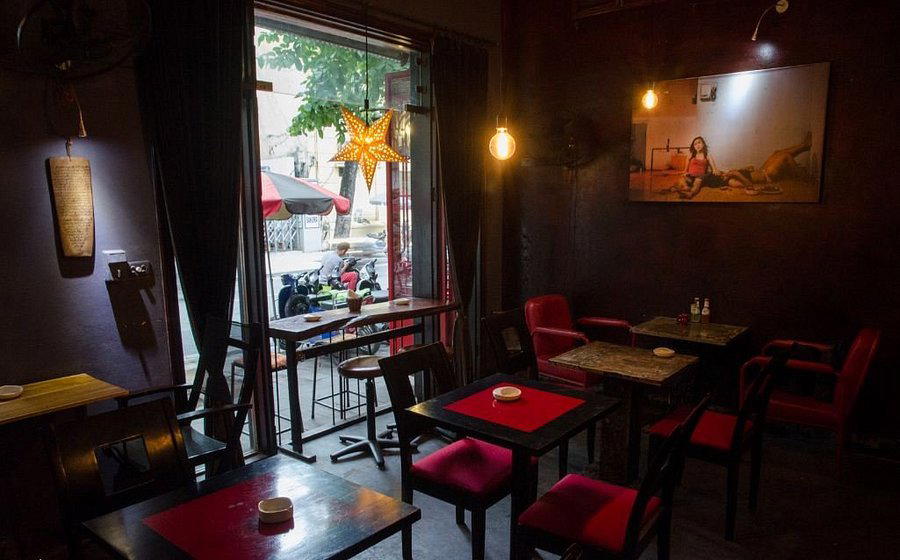
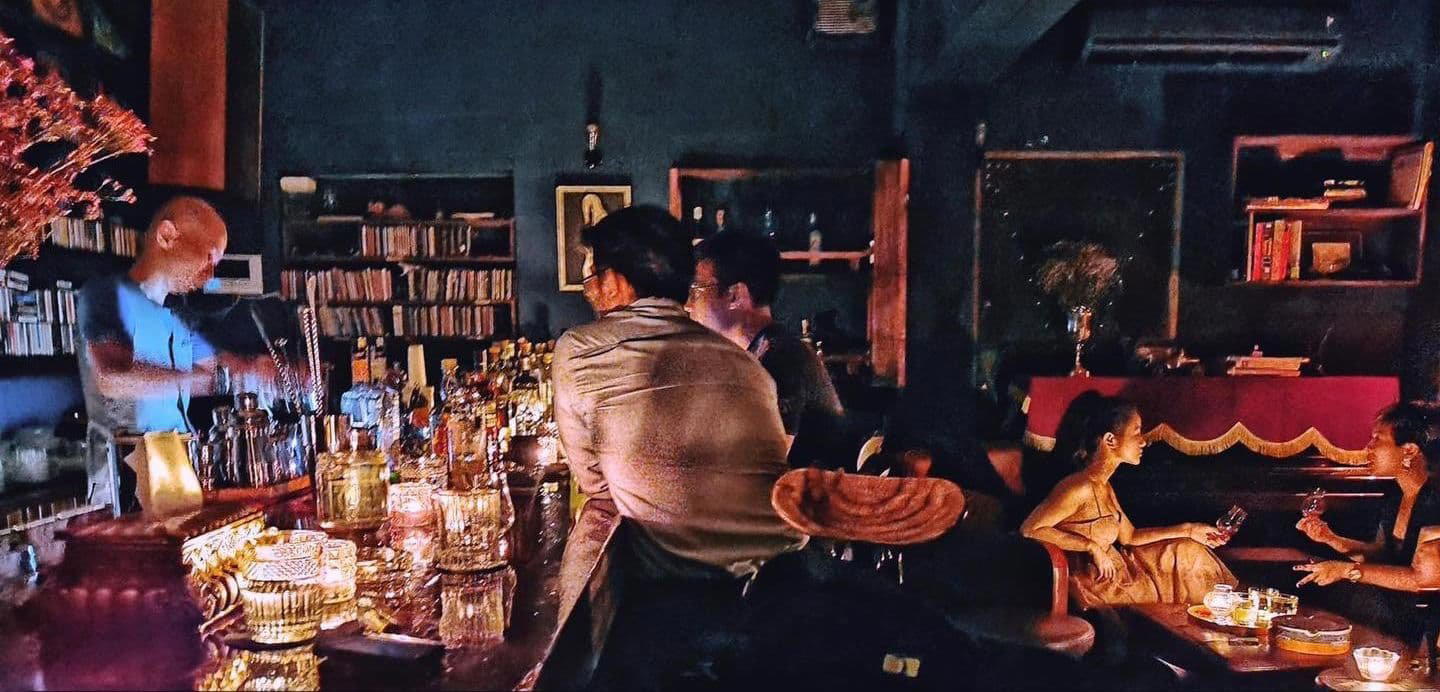
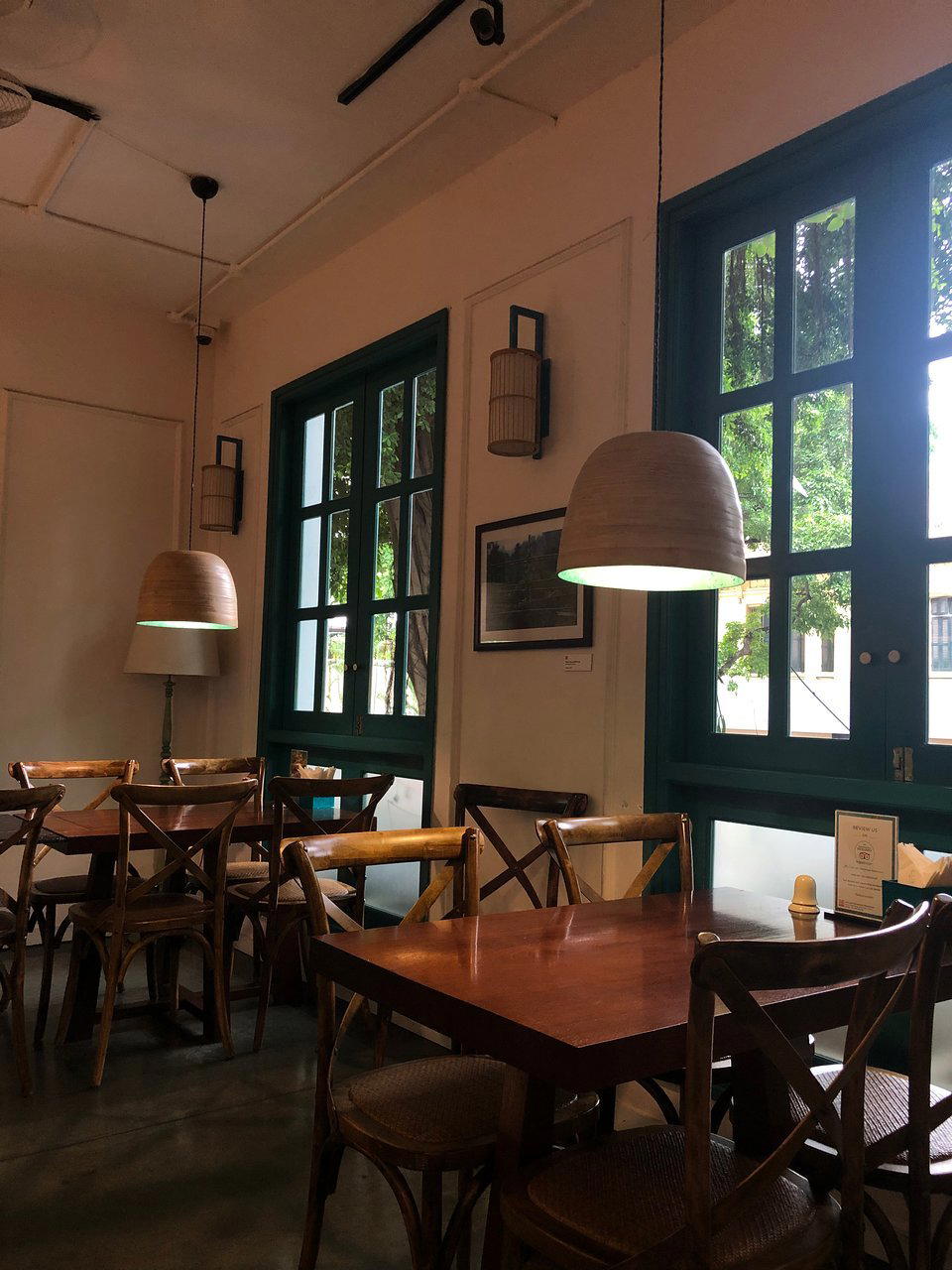
Intimate hideaway with a cross between 1920s speakeasy and grungy 90s den aesthetic, featuring eclectic decor and a down-to-earth vibe.