Brick
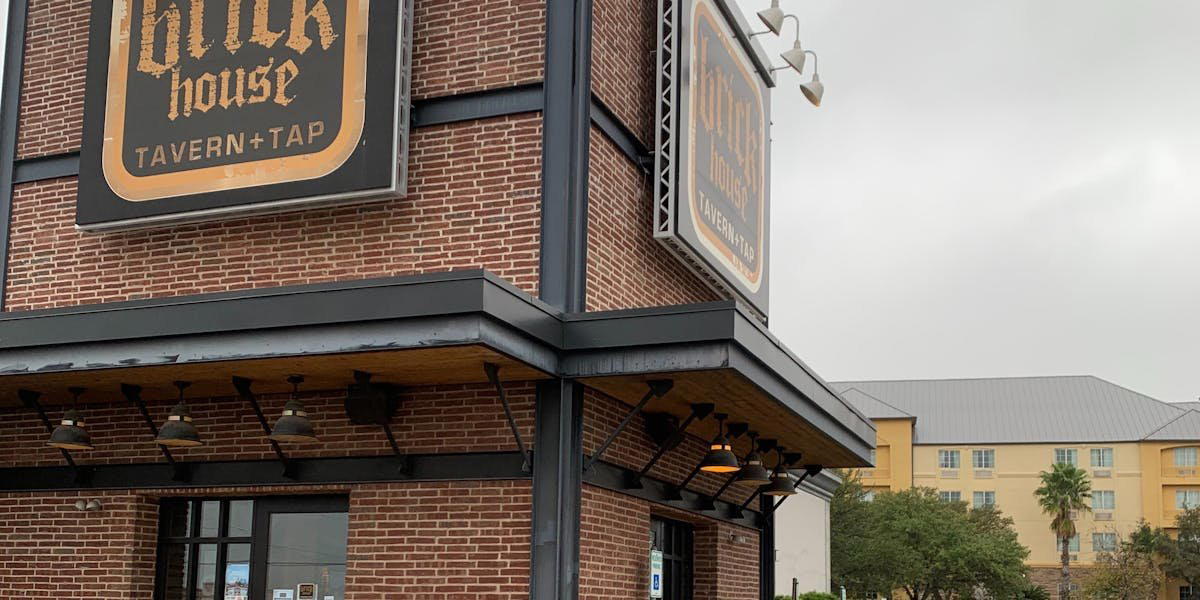
Brick occupies a converted warehouse space in San Antonio's Blue Star Arts Complex, a neighborhood that anchors the city's most concentrated stretch of independent bars and creative venues. Sitting within a scene that rewards exploration over reservations, it draws a crowd that moves between art, music, and drinks without treating any one stop as a destination in itself.
- Address
- 108 Blue Star, San Antonio, TX 78204
- Phone
- (210) 265-6072
- Website
- brickatbluestar.com
- Directions
- Get directions
Blue Star's Shifting Drink Scene
The Blue Star Arts Complex on the near-south side of San Antonio has operated as a gathering point for independent creative businesses since the 1990s, when the former warehouses along the San Antonio River were converted into studios, galleries, and food-and-drink spaces. That model, where a single industrial block hosts enough activity to sustain an evening without a fixed itinerary, has become a reference point for how mid-sized American cities develop arts-adjacent nightlife. Brick, at 108 Blue Star, sits inside that tradition: a bar whose address carries neighborhood context as much as it carries its own name.
The complex has evolved considerably over the past decade. Early tenants leaned toward gallery programming and weekend foot traffic; later waves brought full-service restaurants and bars with more deliberate drink programs. The shift mirrors what happened in comparable districts elsewhere in Texas, where Julep in Houston helped define what a thoughtfully programmed Southern bar could look like inside a creative neighborhood. At Blue Star, the bar tier has tightened around a similar expectation: that a space serving drinks in proximity to art and music should do both with some degree of seriousness.
What the Address Signals
Brick's location within the Blue Star footprint places it in a specific competitive context. The complex draws a mix of locals who treat it as a regular circuit stop and visitors approaching San Antonio's arts district for the first time. That dual audience shapes how bars in the area program themselves: accessible enough for the newcomer, consistent enough to hold the regular. San Antonio's bar culture has generally developed along neighborhood lines rather than consolidating in a single entertainment corridor, which means venues like Brick compete less with the downtown hotel bar circuit and more with the independent operators across the near-south and Southtown areas.
For context on how the broader San Antonio bar scene has developed, our full San Antonio restaurants guide maps the main drinking and dining corridors and how they relate to one another. The near-south cluster, anchored by Blue Star, runs parallel to but distinct from the Pearl Brewery development to the north, where Bar 1919 has built a more formal cocktail reputation, and from the downtown corridors where 1Watson operates inside a hotel context with a correspondingly different register.
Evolution Over Profile
The editorial angle that makes Brick legible is not a founding story or a chef biography but the way the Blue Star district itself has changed around it. Venues that opened in creative complexes during the early 2000s faced a different set of expectations than those opening now. The audience has become more traveled, more aware of what well-made drinks look like in comparable cities, and less willing to accept neighborhood convenience as a substitute for quality. That pressure has pushed Blue Star's food and drink operators through successive rounds of recalibration.
The same dynamic has played out in arts districts across American cities with active independent bar scenes. In Chicago, Kumiko demonstrates how a technically serious program can anchor a neighborhood identity. In New York, Superbueno shows how Latin American drink traditions can be treated with the same rigor applied to European-derived cocktail canon. In San Francisco, ABV has built its reputation around precise, ingredient-focused work that would read as demanding in any context. These are not peer comparisons for Brick directly, but they define the bar that arts-district venues everywhere are now measured against, at least implicitly, by a traveling audience that has seen what ambitious bar programming can produce.
Locally, Alamo Beer Company and Aleteo, the Yucatán-inspired rooftop bar and restaurant, represent the range of formats operating within San Antonio's independent scene: brewery-led casual on one end, regionally specific and architecturally considered on the other. Brick occupies a position somewhere between those poles, inside a complex that has historically supported creative experimentation over category purity.
The Near-South Drinking Circuit
Understanding Brick as a stop rather than a destination is probably the most accurate frame. Blue Star functions as a walkable cluster, which means the decision to visit Brick is rarely made in isolation. An evening in the complex tends to move across multiple spaces, shaped by what is open, what has a crowd, and what the programming calendar looks like. That fluidity is a feature of arts-district drinking culture, not a limitation of any individual venue.
For those building an itinerary around the near-south arts corridor, the practical consideration is timing. The complex tends to activate on weekend evenings and during events tied to First Friday, the monthly gallery walk that draws a larger crowd than the neighborhood sustains on a typical Tuesday. Arriving during those windows means more activity across the block but also more competition for seating. Arriving mid-week tends to produce a quieter, more local crowd. Neither is inherently preferable; they are different experiences of the same address.
Internationally, the model of a creative complex sustaining a mixed food-and-drink offer across multiple tenants appears in various forms: The Parlour in Frankfurt on the Main operates in a broadly comparable creative-district context, and Bar Leather Apron in Honolulu demonstrates how a focused, technically serious program can develop a loyal following even when embedded in a city not typically associated with cocktail culture. The connective tissue across these cases is that neighborhood context and program quality reinforce each other over time; neither carries the room alone.
In New Orleans, Jewel of the South offers a point of comparison for how historically rooted drink traditions can be treated with precision without losing the accessibility that makes a neighborhood bar function as a social space. That balance is the ongoing challenge for Blue Star operators as the area matures and the audience's baseline expectations continue to rise.
Planning Your Visit
Brick sits at 108 Blue Star in the 78204 zip code, reachable by car from downtown San Antonio in under ten minutes or by a longer but walkable route along the river from the Museum Reach. The Blue Star complex has on-site parking, which reduces the friction of visiting on foot from further afield. Given the absence of published booking infrastructure, Brick reads as a walk-in format, which aligns with the drop-in culture of the complex more broadly. First Friday evenings bring larger crowds to the district; arriving early in those windows is the practical workaround if you want a seat rather than a standing position.
The Short List
| Venue | Price |
|---|---|
| BrickThis venue — the venue you are viewing | Not listed |
| Little Death | $20–30 |
| Volare Restaurant | $30–50 |
Continue exploring
More in San Antonio
Bars in San Antonio
Browse all →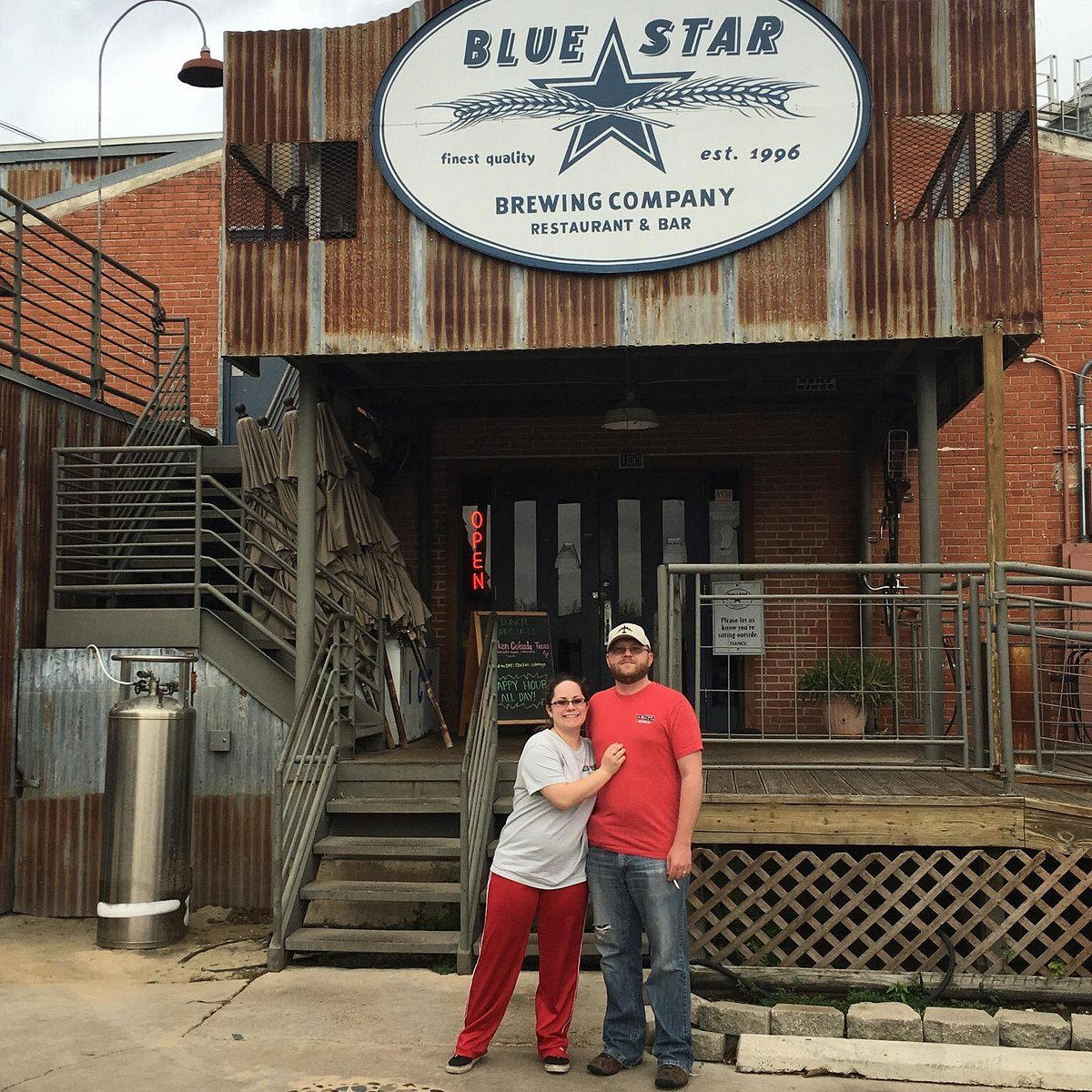
Restaurants in San Antonio
Browse all →
Hotels in San Antonio
Browse all →
Wineries in San Antonio
Browse all →
Details
- Industrial
- Whimsical
- Group Outing
- Special Occasion
- Live Music
- Standing Room
- Lounge Seating
- Conventional Wine
- Street Scene
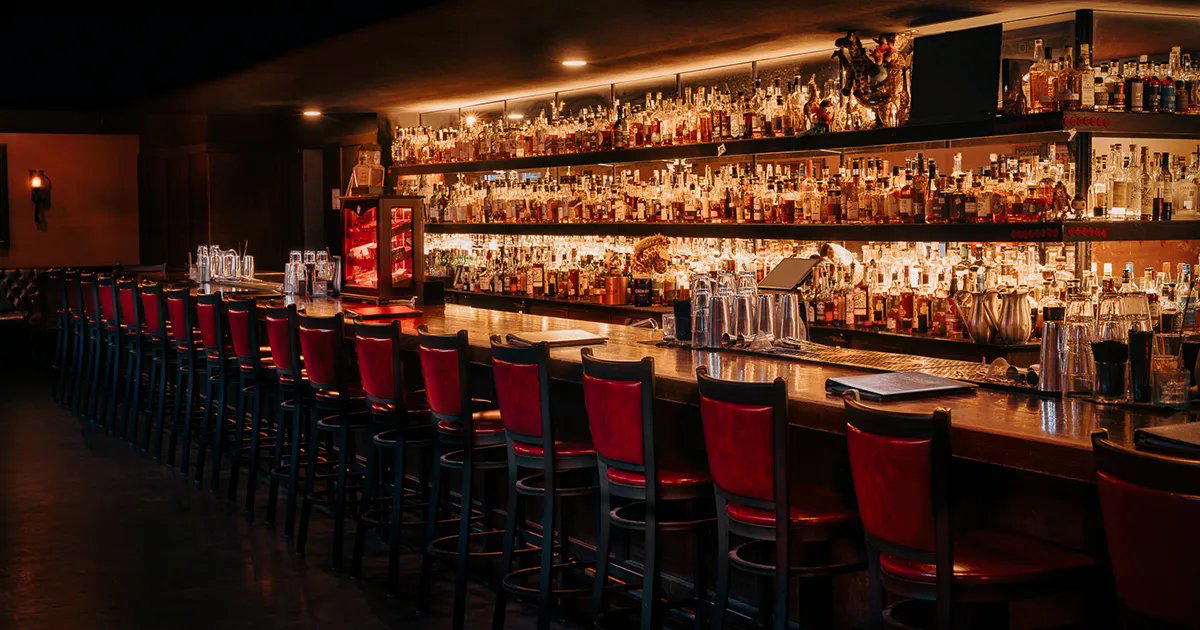
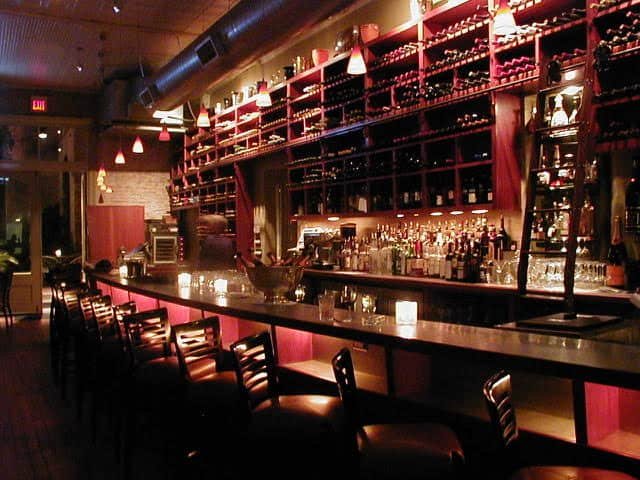
Industrial warehouse setting with baroque elements and dramatic chandelier lighting.