Yellow Ranger
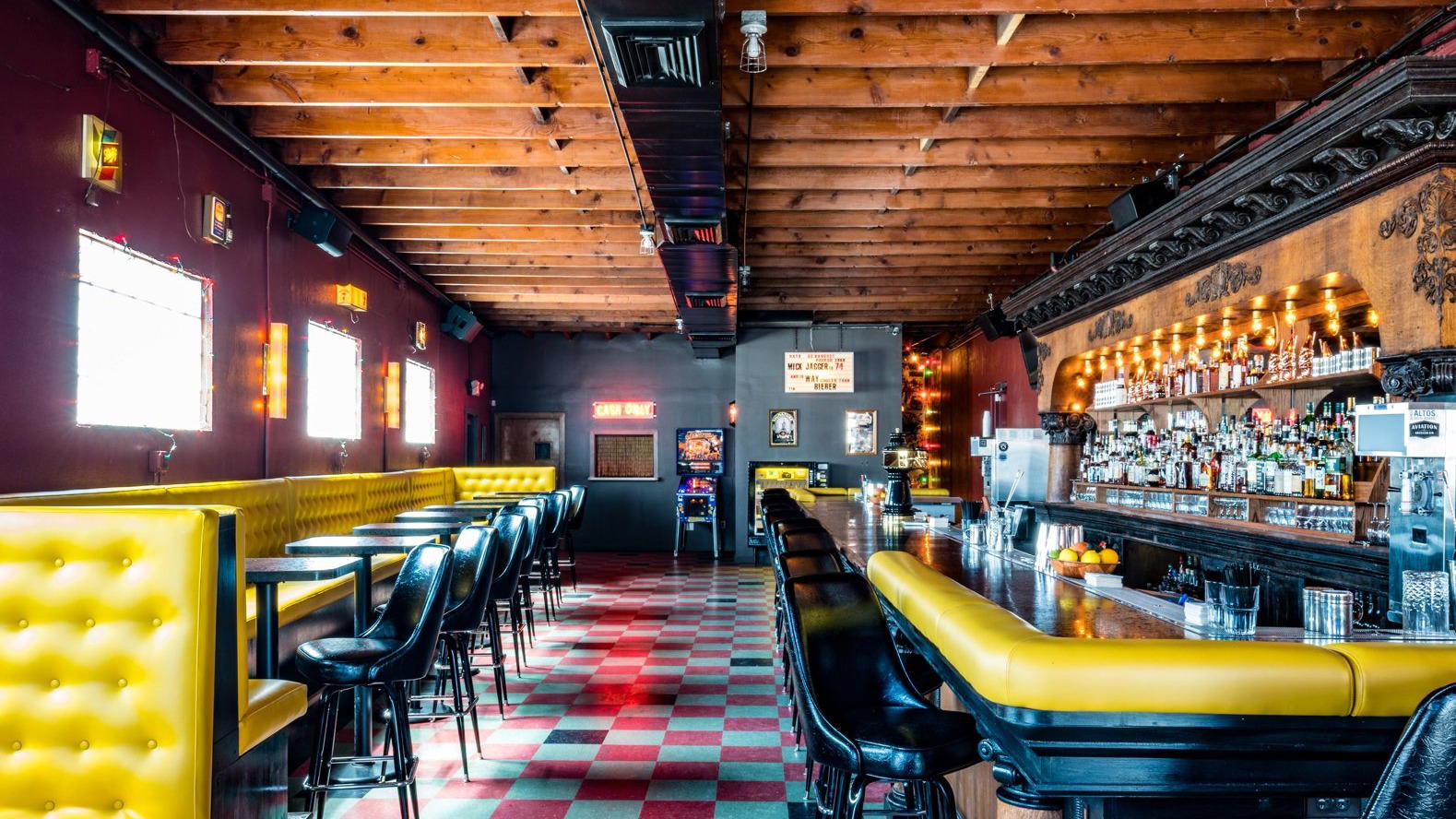
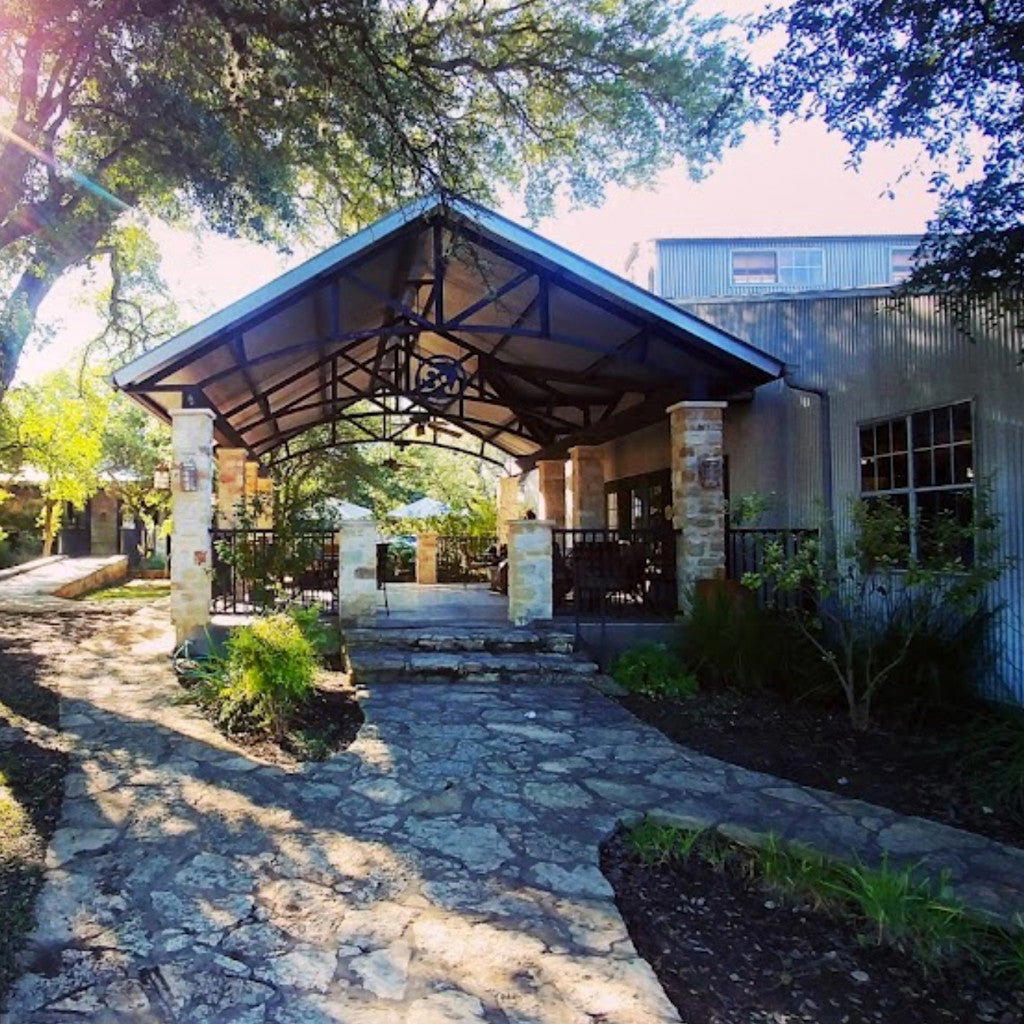
Yellow Ranger sits on Airport Boulevard, a stretch that has quietly absorbed some of Austin's more considered drinking spots as the city's bar scene migrates north and east of downtown. The address alone signals intent: this is not a venue chasing the Sixth Street crowd. Sparse public data keeps the specifics close, but the location places it in an emerging corridor worth tracking.
Pearl is the En Primeur Club membership app — saves, bookings, and concierge access live there. Same editors, same standards.
- Address
- 5420 Airport Blvd, Austin, TX 78751
- Phone
- +1 512 992 0108
- Website
- yellowrangeratx.com
- Directions
- Get directions
 Saves & bookings on Pearl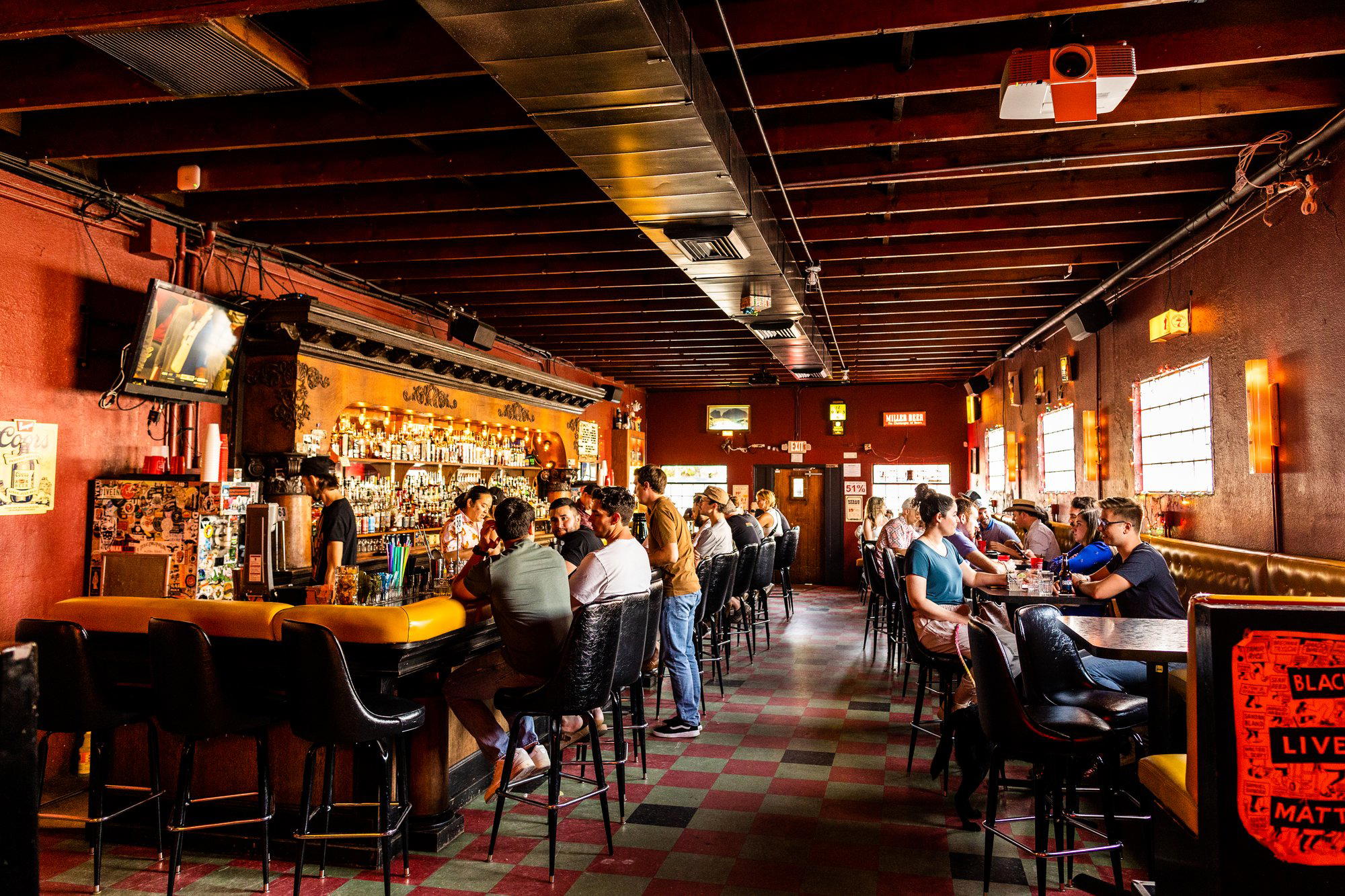
Airport Boulevard and the Northward Drift of Austin's Bar Scene
Austin's serious drinking culture has been moving for years. The compression of downtown real estate, rising rents along Rainey Street, and a certain fatigue with the 6th Street spectacle have pushed operators toward corridors that offer more physical and creative room. Airport Boulevard, running northeast from Hyde Park toward the Domain, has absorbed a portion of that drift. The addresses along this stretch tend to attract venues with a longer-term orientation: lower foot-traffic dependency, a more neighbourhood-rooted clientele, and room to build something deliberate rather than reactive. Yellow Ranger, at 5420 Airport Blvd, sits inside that pattern.
That context matters when reading any sparse-data venue on this corridor. Austin's bar scene has matured enough that a thoughtful room on a secondary boulevard is no longer a consolation prize. In many cases, it's a strategic choice, and the city's most attentive drinkers have learned to follow the address rather than the neighbourhood brand name.
What the Address Signals
The 78751 zip code places Yellow Ranger between Hyde Park to the west and Mueller to the east, two of Austin's denser residential zones and both with strong demand for local bars that function as genuine neighbourhood anchors rather than destination venues. This is the kind of location that produces regulars rather than tourists, and regulars tend to develop opinions. The surrounding area runs toward the kind of casual-but-considered format that Austin does well when it's not performing for visitors: drinks programs built on technique, rooms that feel lived-in, and menus or service rhythms shaped by who actually shows up on a Tuesday.
Comparative context from Austin's bar tier helps frame expectations. The Roosevelt Room operates as the city's most technically ambitious cocktail programme, with a formal curriculum behind the bar and a downtown address that draws an intentional crowd. Nickel City occupies the opposite end of the register: a dive-bar format executed with enough care that it has earned serious recognition without sacrificing its unpretentious posture. 2500 E 6th St and Aba Austin each demonstrate how Austin's east side has absorbed polished food-and-drink formats. Yellow Ranger's Airport Boulevard position suggests a different alignment: not downtown theatre, not east-side scenery, but a north-corridor seriousness that plays to a residential audience.
Team Dynamic and the Architecture of a Good Room
The editorial angle that leading applies to venues like Yellow Ranger is collaboration rather than individual authorship. Austin's strongest bars over the past decade have been built on the interplay between a disciplined bar team, a front-of-house that understands pacing, and a supporting drinks programme with enough structure to reward exploration. When all three are calibrated, the room develops a character that no single job title could produce alone.
Across Austin's more considered venues, the front-of-house role has grown in importance as menus have grown in complexity. Bars like Antone's Nightclub have shown that Austin audiences respond to rooms with a defined identity, where the staff's fluency with the programme shapes the experience as much as the liquid in the glass. The strongest comparable operations nationally demonstrate the same principle: at Kumiko in Chicago, the interplay between the cocktail and Japanese spirits programme requires front-of-house literacy to translate. At Jewel of the South in New Orleans, historical cocktail knowledge is embedded in how orders are taken, not just how drinks are made. Bar Leather Apron in Honolulu operates on a similar principle: the service architecture and the drinks architecture are developed together, which is why the room feels coherent rather than assembled from parts.
The same logic applies when assessing what Yellow Ranger is building on Airport Boulevard. A bar that locates itself away from the main tourist corridors and invests in a neighbourhood audience is implicitly making a bet on return visits rather than first impressions. That bet only pays off when the team dynamic holds: when the bar lead, the floor staff, and whoever manages the supporting programme are pulling in the same direction across a full week of service, not just on a busy Saturday.
Austin in a Wider Drinks Context
Placing Yellow Ranger in a national frame clarifies what Austin is and isn't. The city has produced credible cocktail operations but has not yet established the deep bench of technically elite bars that New York, Chicago, or San Francisco maintain. Superbueno in New York City and ABV in San Francisco operate inside much denser competitive fields, which pushes their programmes harder. Julep in Houston offers a useful Texas comparison: a programme built on Southern spirits traditions with enough rigour to hold up against national peers. Austin's advantage is space, both physical and conceptual, to try formats that would be crushed by rent pressure in denser cities. Airport Boulevard benefits from that advantage directly.
Internationally, the team-dynamic model shows up in bars like The Parlour in Frankfurt on the Main, where a close-knit service team working a small room produces a consistency that larger venues struggle to match. Scale and coordination are inversely related in most bar contexts, which is why compact operations with stable teams tend to outperform their footprint.
Planning Your Visit
Public data for Yellow Ranger is limited at the time of writing, which makes direct advance contact the most reliable approach before visiting. The Airport Boulevard location is accessible by car and sits within reasonable distance of the Mueller and Hyde Park neighbourhoods for those arriving on foot or by rideshare. Budget: Price range is not publicly listed; expect north-Austin neighbourhood bar pricing, which in Austin's current market typically runs below downtown comparables. Dress: No dress code information is available; the neighbourhood context suggests casual is appropriate. For a broader view of where Yellow Ranger sits in the city's drinking ecosystem, the full Austin restaurants guide maps the current scene across price points and neighbourhoods.
How Yellow Ranger Austin compares with similar nearby venues.
| Venue | Cuisine |
|---|---|
| Flourish Plant Shop & Wine Bar | Wine bar/light bites |
Continue exploring
More in Austin
Bars in Austin
Browse all →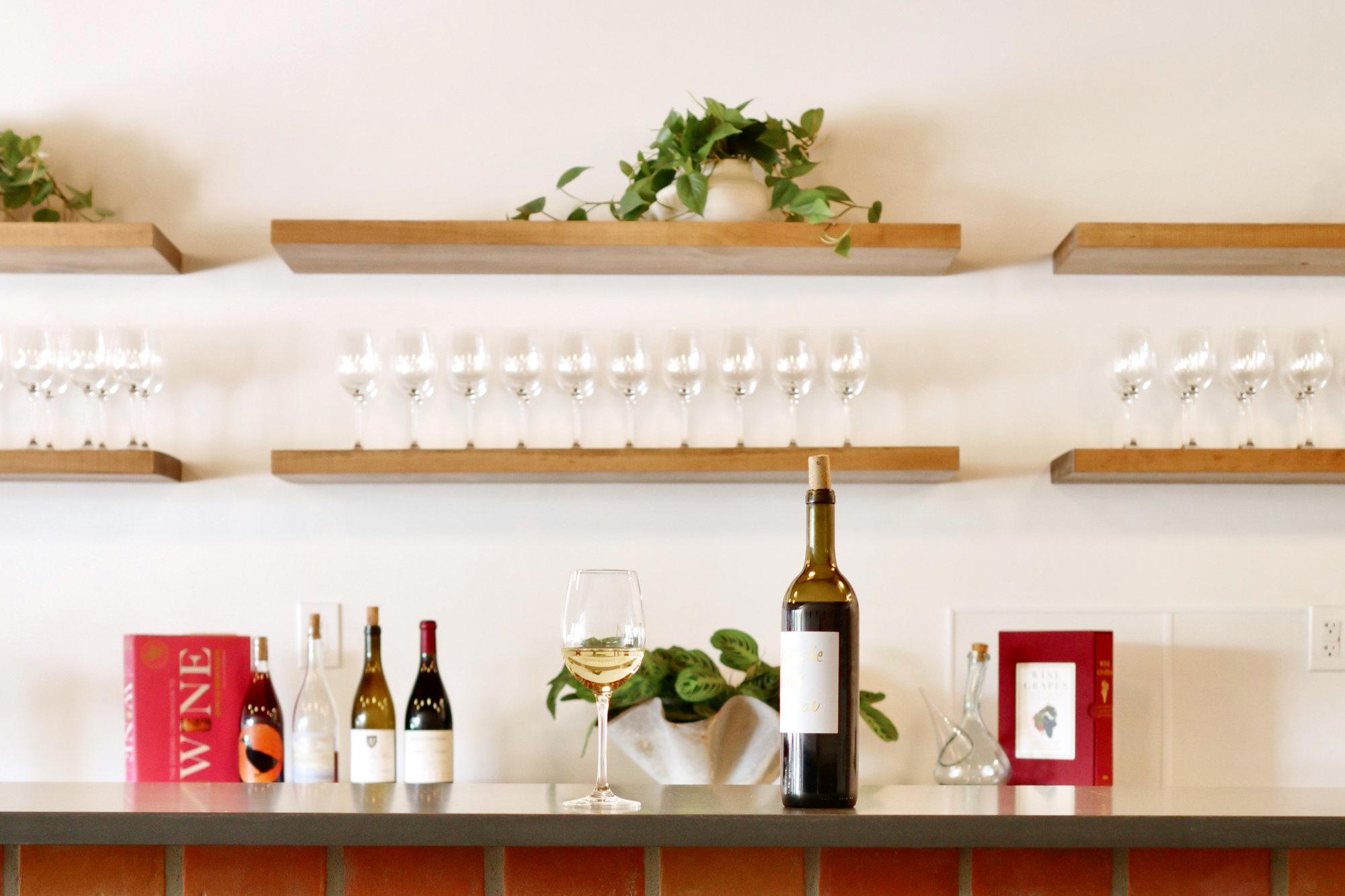
Restaurants in Austin
Browse all →
Hotels in Austin
Browse all →
At a Glance
- Lively
- Trendy
- Cozy
- Late Night
- Casual Hangout
- Group Outing
- Standalone
- Seated Bar
- Lounge Seating
- Craft Cocktails
- Zero Proof
Current opening hours
- Monday
- 12 PM–1 AM
- Tuesday
- 12 PM–1 AM
- Wednesday
- 12 PM–1 AM
- Thursday
- 12 PM–1 AM
- Friday
- 12 PM–1 AM
- Saturday
- 12 PM–1 AM
- Sunday
- 12 PM–1 AM
Hours can change for holidays and private events. Last verified .
Comfortable, unpretentious, and welcoming dive bar vibe for casual hangouts.
Know Before You Go
- Getting there
- 5420 Airport Blvd, Austin, TX 78751