Barshu Restaurant
On Frith Street in the heart of Soho, Barshu has been one of London's most committed addresses for authentic Sichuan cooking since the mid-2000s. The kitchen draws on the numbing heat of huajiao peppercorns and the layered spice of doubanjiang paste rather than any softened interpretation of the cuisine. For those willing to engage with Sichuan food on its own terms, this remains a serious reference point in a city where the category has grown considerably.
 Discover on Pearl
Pearl is the En Primeur Club membership app — saves, bookings, and concierge access live there. Same editors, same standards.
- Address
- 28 Frith St, London W1D 5LF, United Kingdom
- Phone
- +44 20 7287 6688
- Website
- barshurestaurant.co.uk
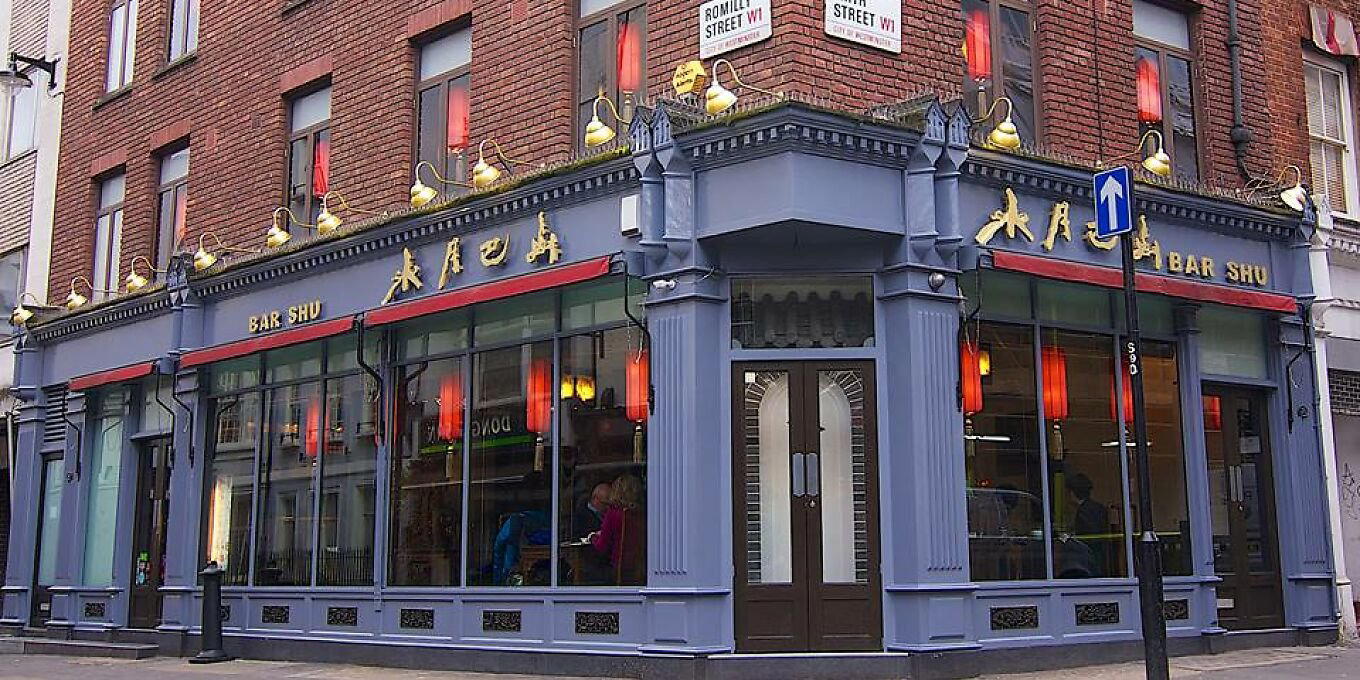
Frith Street and the Sichuan Question
Soho has always absorbed specialist restaurants with an ease that other London neighbourhoods cannot match. The density of foot traffic, the tolerance for strong flavours, and the proximity to a media and creative crowd who travel and eat widely have made streets like Frith Street reliable territory for restaurants that refuse to compromise their source cuisines. Barshu, at number 28, sits inside that tradition. It arrived at a moment when Sichuan cooking in London was largely misrepresented, translated into something milder and more familiar for audiences who had little frame of reference for the real thing. It chose not to do that.
Sichuan cuisine is built on a distinct flavour logic. The defining characteristic is not simply heat but a compound sensation produced by the combination of dried chillis and huajiao, the indigenous Sichuan peppercorn, which creates a numbing effect on the lips and tongue before the chilli warmth arrives. This mala quality, the interplay of numbing and spice, is what separates the cuisine from Cantonese, Shanghainese, or Hunanese cooking, and it is what many London Sichuan restaurants historically softened or omitted. Barshu built its reputation on not softening it.
The Lunch and Dinner Divide
The difference between a lunch sitting and an evening visit at a Soho restaurant of this type is more pronounced than it might first appear. At lunch, Barshu draws a working crowd from the surrounding media offices, production companies, and the Chinese community based in nearby Chinatown. The pace is faster, the room brighter, and the choice of dishes tends toward the more immediately approachable end of the menu: dan dan noodles, mapo tofu, stir-fries that deliver on flavour without requiring the kind of tableside assembly that longer evening meals invite.
Dinner shifts the register. The room, which is designed around carved dark wood screens and lantern lighting that reference Sichuanese decorative traditions more directly than the usual generic pan-Asian aesthetic, becomes more interior-feeling as the evening deepens. Larger groups arrive and the more complex banquet-style dishes come into their own. This is when the restaurant's proximity to Chinatown works in its favour logistically: the demographic mix at dinner skews toward those for whom this food is not exotic, and their ordering patterns tend to pull the kitchen into more confident territory. The gap in experience between a cautious two-cover lunch order and a well-ordered eight-person dinner table is substantial.
Value shifts across the two services as well. Lunch at this tier of Sichuan cooking in central London represents a reasonable entry point for a cuisine that, eaten properly at dinner with a full table spread, accumulates cost. If the primary interest is assessing the kitchen rather than the full experience, a weekday lunch is the more efficient approach.
Sichuan in London: Where Barshu Sits
The Sichuan category in London has grown and fragmented over the past fifteen years. A new wave of restaurants concentrated in zones further east and north, particularly around the Chinatown extension into Shaftesbury Avenue and along Queensway, has brought more recent mainland Chinese investment and often more aggressive spice levels and a lower price floor. Barshu predates most of this and occupies a slightly different position: a central Soho address, higher price point, more polished service, and an interior that signals a particular kind of deliberate presentation rather than the stripped-back utilitarian approach common in the newer arrival venues.
This places it in a comparable set that includes other mid-to-upper tier specialist Chinese restaurants in Zone 1, where the offer is built partly on atmosphere and service as well as food, and where the clientele includes a significant proportion of non-Chinese diners who have sought it out specifically. Neither tier is inherently superior. They serve different contexts and different kinds of visits.
For broader comparison across the EP Club London coverage, the approach to specialist and serious drinking and dining in the capital is documented in our full London restaurants guide. The commitment to category authenticity that Barshu represents in Chinese cooking has parallels in the cocktail world at venues like 69 Colebrooke Row and A Bar with Shapes For a Name, both of which built reputations on refusing to dilute their category for mainstream appeal. The same logic applies at Academy and Amaro in London, where specialist focus defines the offer.
The pattern holds across the UK. Bramble in Edinburgh, Merchant Hotel in Belfast, Schofield's in Manchester, Mojo Leeds, and Horseshoe Bar Glasgow each occupy a version of this position in their respective cities: known quantities in specific categories, building repeat custom through consistency rather than novelty. Further afield, L'Atelier Du Vin in Brighton and Hove and Bar Leather Apron in Honolulu demonstrate that the same specialist-conviction approach appears at reference addresses well outside major capitals.
Planning a Visit
Barshu is at 28 Frith Street, W1D 5LF, a three-minute walk from Tottenham Court Road station and approximately the same from Leicester Square. The Soho location means the immediate surroundings are dense with foot traffic on weekday evenings and weekend nights, so arriving with a reservation rather than on spec is the sensible approach for dinner. Frith Street itself is compact and mixed, with Ronnie Scott's jazz club a few doors down adding to the particular Soho character of the block.
Frith Street parking is not a realistic option on a Friday or Saturday evening. Public transport or a cab drop on Shaftesbury Avenue covers the approach without difficulty. If the visit is a larger group dinner, the restaurant's layout on multiple floors means party size is worth mentioning when booking, since table configuration matters more here than at a single-floor room.
Cuisine-First Comparison
Comparable venues nearby, for context on price, style, and recognition.
| Venue | Cuisine | Price | Awards | Notes |
|---|---|---|---|---|
| Barshu RestaurantThis venue — the venue you are viewing | lounge | $$$ | , | |
| Monkey Shoulder listening bar | lounge | $$$ | , | Soho |
| Nanahoshi Sushi bar | sake_bar | $$$ | , | Soho |
| Selfridges | cocktail_bar | $$$ | , | Marylebone |
| Locanda Ottoemezzo | wine_bar | $$$ | , | South Kensington |
| 68 and Boston | cocktail_bar | $$$ | , | Soho |
Continue exploring
More in London
Bars in London
Browse all →
Restaurants in London
Browse all →
Hotels in London
Browse all →
At a Glance
- Lively
- Modern
- Iconic
- Group Outing
- Casual Hangout
- After Work
- Historic Building
- Standalone
- Seated Bar
- Booth Seating
- Conventional Wine
- Craft Beer
Bright and bold contemporary interior with modern murals and decluttered design, energetic atmosphere with heat and noise from the kitchen.