BAR DONCELES
Bar Donceles occupies a storied address in Mexico City's Centro Histórico, where colonial architecture and a serious approach to Mexican spirits converge in one of the capital's most atmospherically charged drinking rooms. The bar sits inside the historic fabric of Donceles street, a corridor that has housed booksellers, print shops, and cultural institutions for generations. For anyone tracking the city's cocktail evolution, it belongs on the itinerary alongside Baltra Bar and Bar Mauro.

Pearl is the En Primeur Club membership app — saves, bookings, and concierge access live there. Same editors, same standards.
- Address
- Donceles 58, Centro Histórico de la Cdad. de México, Centro, Cuauhtémoc, 06010 Ejido del Centro, CDMX, Mexico
- Phone
- +52 55 1304 3376
- Hours
- Mon–Wed ClosedThu–Sat 3 PM–2 AMSun Closed
- Website
- m.facebook.com
- Directions
- Get directions
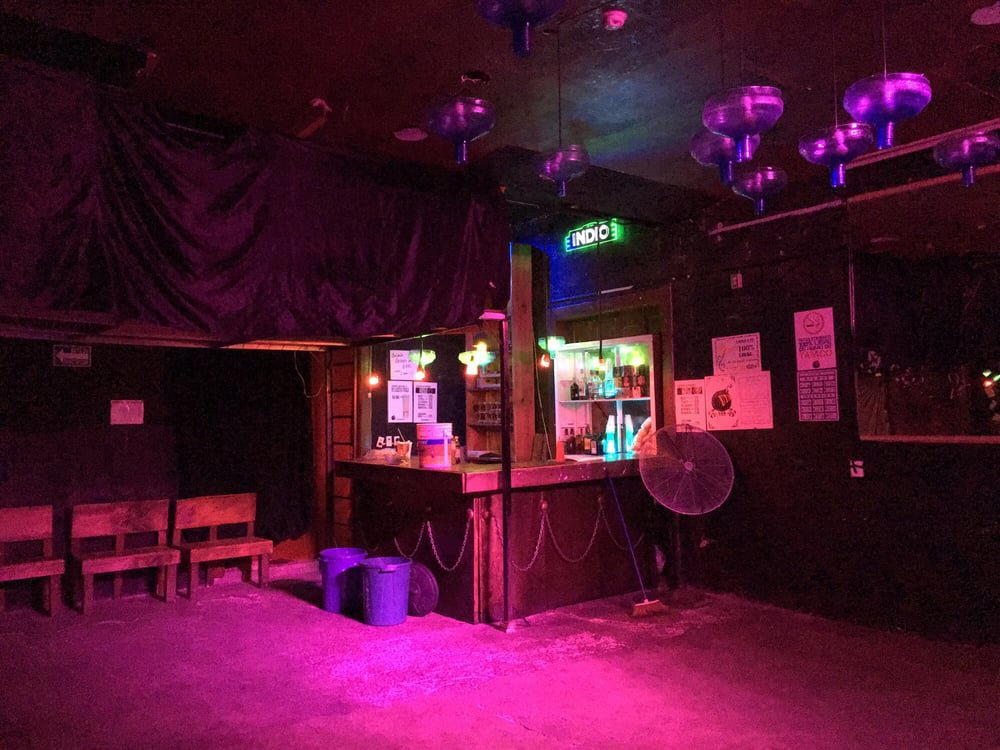
Where the Centro Histórico Drinks
Donceles street runs east to west through the Centro Histórico like a compressed archive of the city's intellectual and commercial history. Antiquarian bookshops occupy ground-floor spaces that have changed hands but not character since the colonial period. The facades along this stretch carry the particular texture of a neighbourhood that has never fully decided whether it is decaying or reviving, and that ambiguity is precisely what gives it weight. Bar Donceles, at number 58, inhabits this atmosphere rather than decorating around it. The building's bones, the street noise filtering in from Donceles itself, the specific quality of light in a Centro room after dark — these are not design choices so much as inherited conditions that any serious bar on this block has to reckon with honestly.
This is how Mexico City's leading drinking rooms have always operated in the historic centre: the architecture does a significant portion of the work, and the program either rises to meet it or gets swallowed by it. Bar Donceles takes the former approach, and that puts it in a distinct category from the polished cocktail laboratories that have opened in Roma and Condesa over the past decade. Those neighbourhoods reward invention and visibility. The Centro rewards a different kind of credibility.
The Atmosphere as Argument
Arriving on Donceles at night, the shift in register from the surrounding streets is immediate. The Centro Histórico after business hours has a particular sonic character: fewer cars, the echoing quality of wide sidewalks fronting stone and plaster facades, the occasional chime from one of the nearby churches. Stepping into a bar along this corridor means stepping into that acoustic world, not escaping it. A room that understands this uses the quiet and the weight of the surroundings as an asset rather than fighting them with sound systems and overhead brightness.
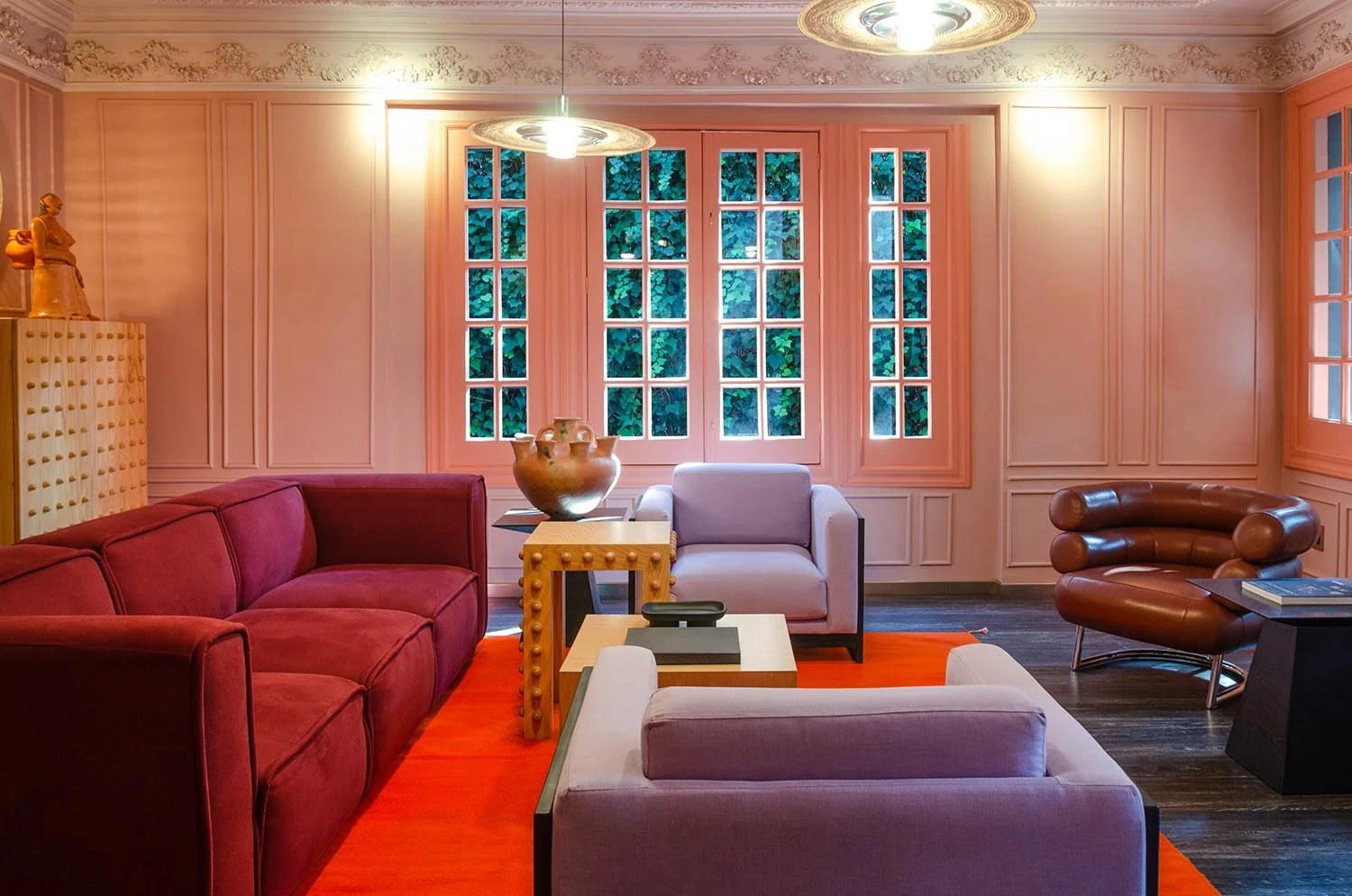
The interior language of serious Centro bars tends toward materials that acknowledge age: tilework, dark wood, painted walls in tones that read differently under incandescent light than they do in photographs. These are rooms designed for a second visit more than a first impression, which says something about the kind of clientele they expect to accumulate over time. Bijou Drinkery Room operates in a similar register of considered interiority, though its context and price positioning differ. What the Centro format adds is neighbourhood narrative, the sense that the bar exists inside a specific urban story rather than floating in a general idea of sophistication.
Mexican Spirits as the Organizing Principle
The broader context for any bar operating in Mexico City right now is the acceleration of serious spirits programming around agave. Mezcal's global profile has reshaped what Mexican bars feel obligated to offer and how they frame it. Tequila, which spent decades being understood primarily as a commodity export, is being reasserted in premium single-estate and additive-free forms that demand the same kind of attentive presentation a bar might give a rare Scotch or vintage Armagnac. Centro bars, with their proximity to the city's cultural and political institutions, have often been early adopters of this reframing — serving agave spirits to legislators, journalists, academics, and foreign visitors who want something that reflects where they actually are.
At a bar on Donceles, the expectation is drinks that communicate place. That means mezcal in forms that reflect the diversity of agave species and production regions across Oaxaca, Guerrero, San Luis Potosí, and beyond. It means tequila served with the same seriousness that European wine bars bring to appellation distinctions. La Capilla in Tequila has built a decades-long reputation on exactly this kind of unaffected, place-rooted spirits service, and it remains a useful reference point for what authenticity looks like when it has not been styled for an international audience. Bar Donceles operates in a more urban, culturally layered key, but the underlying principle, spirits as geography, applies.
For visitors comparing programs across the city, Baltra Bar in Roma Norte represents the technical, internationally recognised end of Mexico City's cocktail spectrum, with a focus on precisely constructed drinks that have earned significant critical attention. Brujas and Bar Mauro occupy different positions in the same conversation, each with a distinct approach to what a Mexico City bar should prioritize. Bar Donceles answers that question through location and atmosphere as much as through what is poured.
Centro Histórico in the Broader Mexican Bar Picture
Mexico City's bar culture does not exist in isolation from the rest of the country's drinking scene. The agave-forward orientation that defines serious bars here has counterparts across Mexico, from El Gallo Altanero in Guadalajara, which operates in tequila's home region, to Bekeb in San Miguel de Allende, where a smaller but intensely considered program serves an internationally mobile clientele. Resort-market bars like Arca in Tulum and volume-led entertainment venues like Coco Bongo in Cancun represent entirely different ends of the spectrum, neither of which is the correct comparison for a Centro Histórico room oriented toward spirits depth and neighbourhood character.
Internationally, the model of a bar that derives its authority from historic urban fabric rather than from a celebrity program or a design moment has strong parallels in other cities. Aruba Day Drink in Tijuana makes its own argument about border-region identity and spirits culture. Bar Leather Apron in Honolulu is a useful cross-Pacific reference for how a technically serious program can operate inside a city whose drinking culture is dominated by much louder, more casual formats. The comparison illuminates what it takes for a focused, atmosphere-led bar to hold its position in a market that doesn't automatically reward it.
Planning Your Visit
Donceles 58 sits in the Centro Histórico, walkable from the Zócalo and within easy reach of the Bellas Artes area. The Centro is most alive in the early evening when office workers and market vendors are still moving through, and bars in this part of the city tend to benefit from arriving before the neighbourhood empties out entirely after nine or ten at night on weekdays. Weekend evenings draw a different crowd with more leisure time and a higher tolerance for staying late. For broader planning across the capital, the full Mexico City guide maps the major drinking and dining neighbourhoods against each other with enough specificity to structure an itinerary. The Centro Histórico deserves at least one dedicated evening rather than a quick stop, and a bar with the address and orientation of Bar Donceles is a reasonable anchor for that night.
Peers Worth Knowing
A quick peer reference to anchor this venue in its category.
| Venue | Price | Awards |
|---|---|---|
| BAR DONCELESThis venue — the venue you are viewing | $20–30 | Not listed |
| Fifty Mils | $50–100 | World's 50 Best #45 · Top 500 Bars Best Bars #114 |
| Hanky Panky | Not listed | World's 50 Best #35 · Pinnacle Guide 1 Pin |
| Baltra Bar | $20–30 | World's 50 Best #48 · Top 500 Bars Best Bars #150 |
| Bar Mauro | Not listed | World's 50 Best #2 · Top 500 Bars Best Bars #412 |
| Bijou Drinkery Room | $20–30 | World's 50 Best #34 · Top 500 Bars Best Bars #380 |
Continue exploring
More in Mexico City
Bars in Mexico City
Browse all →
Restaurants in Mexico City
Browse all →
Details
- Lively
- Trendy
- Energetic
- Late Night
- Group Outing
- Casual Hangout
- Live Music
- Historic Building
- Lounge Seating
- Booth Seating
- Craft Cocktails
- Mezcal
- Tequila
Current opening hours
- Monday
- Closed
- Tuesday
- Closed
- Wednesday
- Closed
- Thursday
- 3 PM–2 AM
- Friday
- 3 PM–2 AM
- Saturday
- 3 PM–2 AM
- Sunday
- Closed
Hours can change for holidays and private events. Last verified .
Lively and eclectic atmosphere with live performances, diverse music themes across rooms, and a cultural hub vibe in a historic setting.