BirchTree Bread Company
BirchTree Bread Company on Green Street sits inside Worcester's working-class neighbourhood fabric as a serious artisan bakery with a craft beverage program. The sourcing philosophy here follows the grain-forward logic of the regional bread revival, where flour provenance and fermentation time define the product more than décor or occasion. For a mid-sized Massachusetts city, the format punches above its weight class.
Pearl is the En Primeur Club membership app — saves, bookings, and concierge access live there. Same editors, same standards.
- Address
- 138 Green St #5, Worcester, MA 01604
- Phone
- +1 774 243 6944
- Website
- birchtreebreadcompany.com
- Directions
- Get directions
 Saves & bookings on Pearl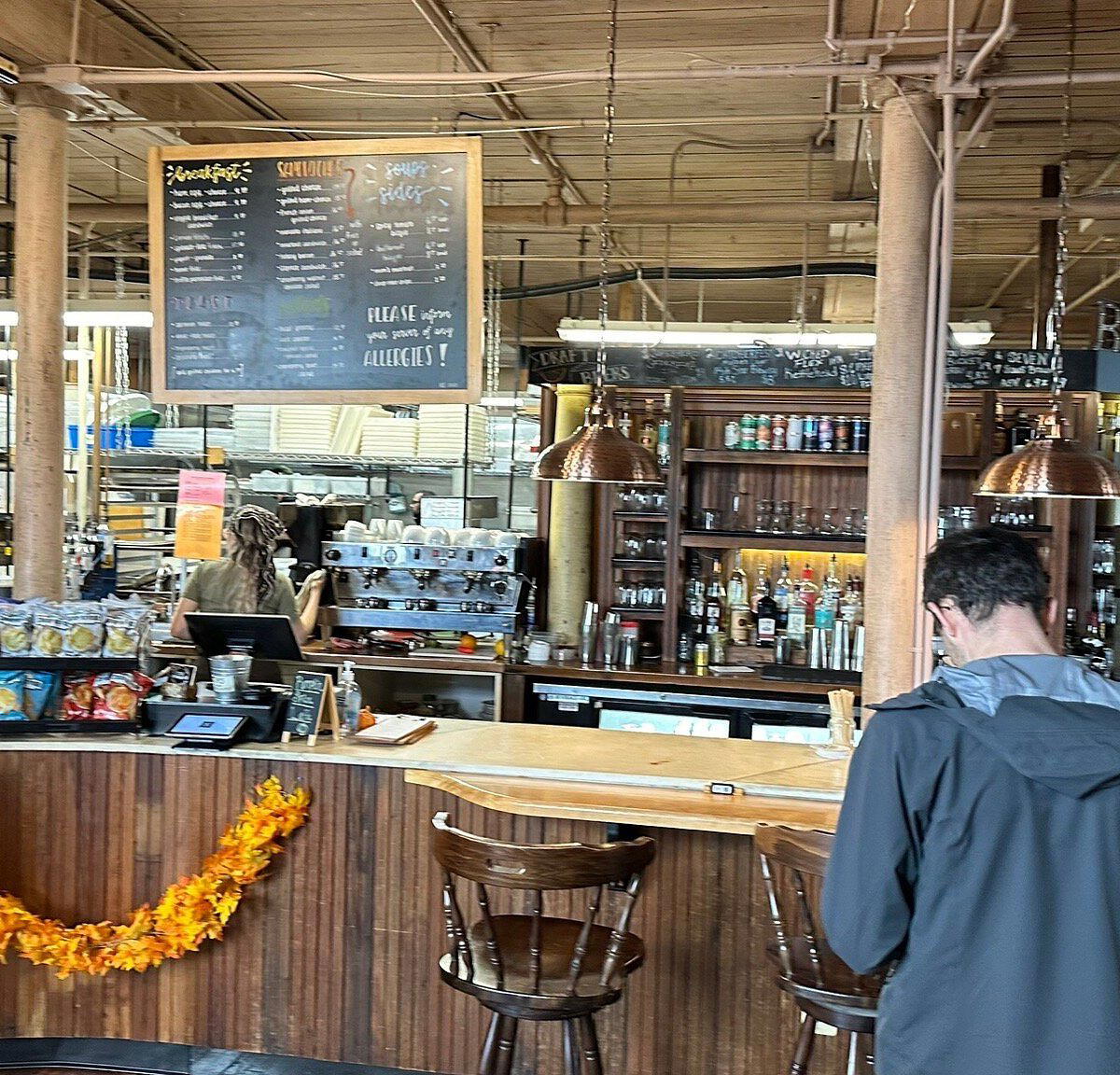
Worcester's Bread Counter and What It Tells You About the City
Green Street in Worcester has never been a restaurant row in the conventional sense. It runs through a part of the city that resists easy gentrification narratives, where industrial leftovers sit alongside immigrant-run grocers and the occasional creative enterprise that chooses neighbourhood authenticity over foot-traffic arithmetic. BirchTree Bread Company occupies a suite inside that fabric, at 138 Green St, and the address alone signals something about what kind of operation this is: not positioned to catch the lunch crowd off the highway, but drawing people who have made a deliberate choice to come here.
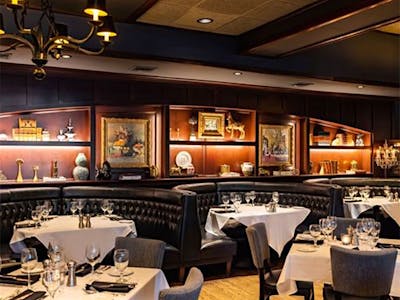
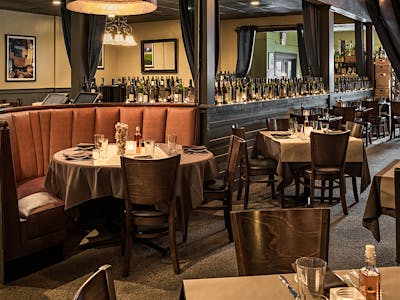
The physical approach matters. Artisan bakeries in mid-sized American cities tend to cluster in one of two formats: the antiseptic, Instagram-optimised white-wall operation, or the deliberately rough-hewn space that signals craft through exposed brick and secondhand furniture. BirchTree lands closer to the latter, where the environment communicates process rather than performance. The smell of fermentation and baked grain arrives before the counter does, which is the correct order of operations for a place serious about bread.
Grain Sourcing and the Regional Bread Argument
The more interesting editorial story around BirchTree is what it represents inside a broader New England grain revival. Over the past decade, a network of heritage grain growers, small mills, and farmer-baker collaborations has emerged across Massachusetts and Vermont, partly in response to what large-scale commercial flour does to dough structure, flavour complexity, and fermentation behaviour. Bakeries anchored in this sourcing tradition are making a fundamentally different argument than their supermarket-aisle counterparts: that flour provenance is as determinative of final flavour as technique.
Worcester sits within practical range of several of the key players in this network. Farms and mills in central and western Massachusetts have been rehabilitating older wheat varieties and rye strains that fell out of commercial favour precisely because they perform poorly under industrial processing but exceptionally well under slow fermentation. A bakery operating inside this supply chain is not simply buying a local narrative for marketing purposes. The grain actually behaves differently, absorbing water at different rates, fermenting on longer timelines, and producing loaves with more complex crust caramelisation and crumb structure than commodity flour allows.
Its sourcing emphasis aligns with the regional grain-forward movement in ways that matter for how a visitor should frame expectations. This is not a bakery where the bread is a backdrop for the coffee program. The bread is the argument.
Where BirchTree Sits in Worcester's Food Picture
Worcester's dining scene has been in a quiet but real expansion phase, with enough variety now across price tiers and cuisines that a visitor can construct a genuinely interesting two-day eating itinerary without repetition. The city does not have the critical mass of Boston's South End or Cambridge, but it has shed the provincial stagnation that defined it through the 1990s. Bakeries, specifically, are a good diagnostic: they require a customer base willing to pay for quality at breakfast hours, which is a stronger signal of neighbourhood food culture than dinner restaurants, which can survive on occasion dining.
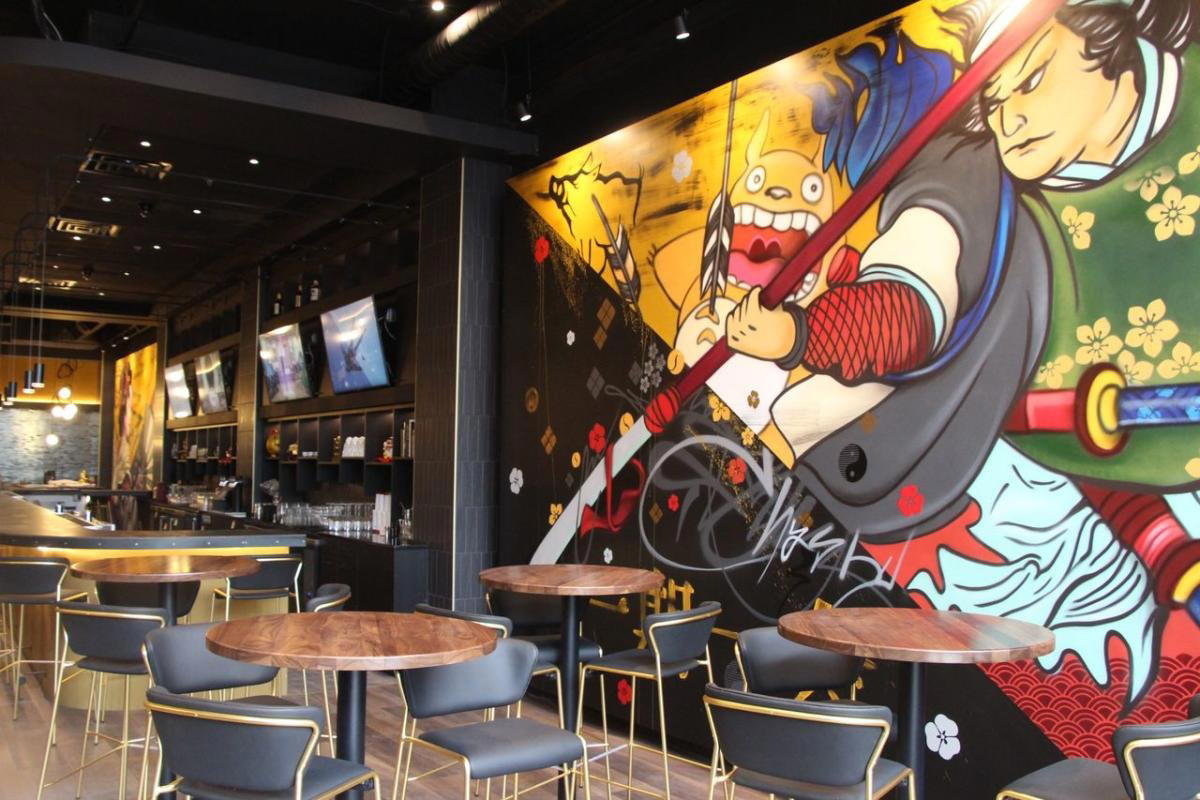
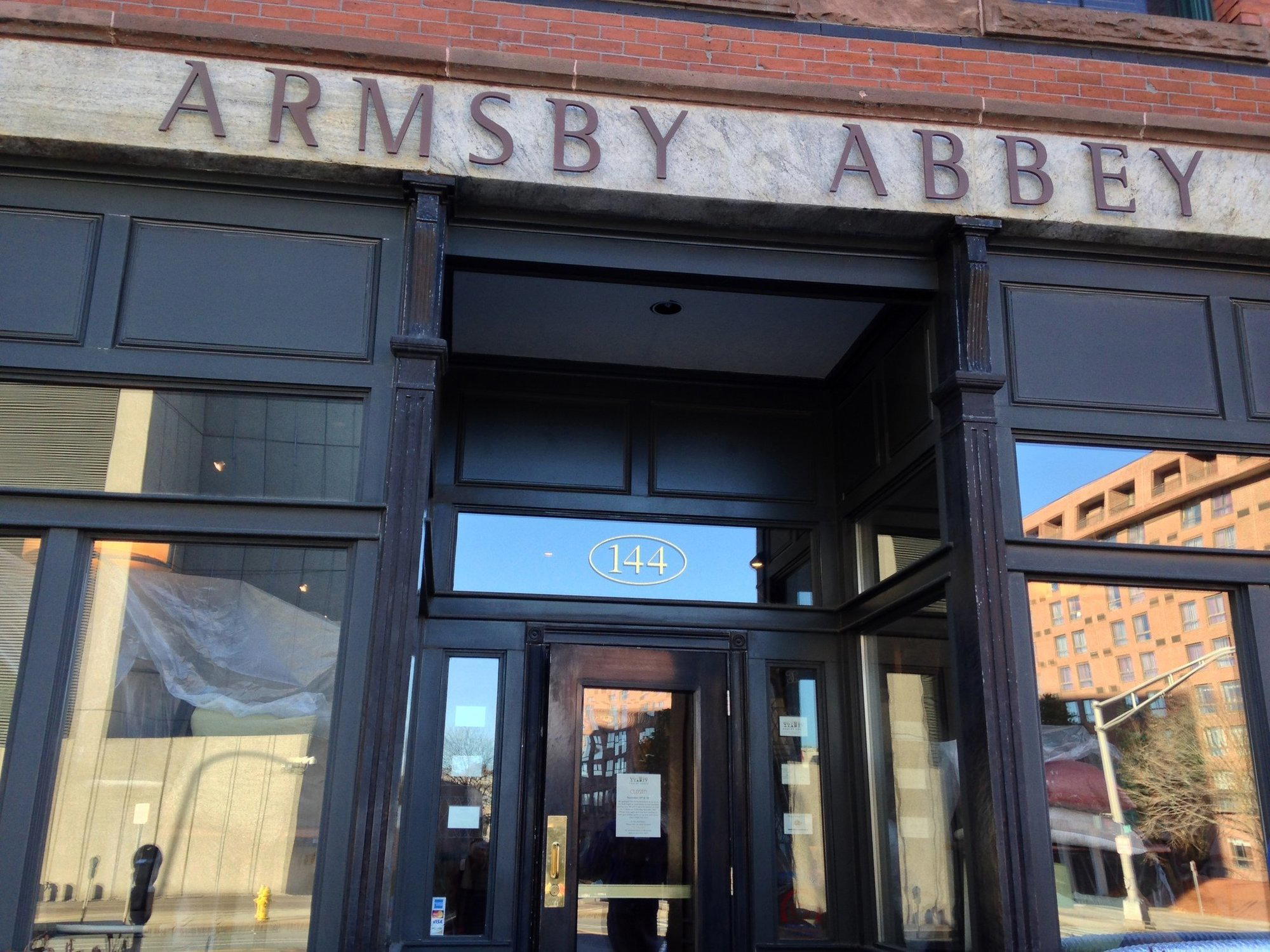
Armsby Abbey has been the anchor of Worcester's craft drinking culture for years, operating with a beer list and kitchen program that would hold its own in any comparably sized American city. Bay State Brewery and Tap Room extends that craft beverage tradition into production brewing. Baba Sushi and 2 Chefs Italian Restaurant and Bar fill the mid-range dinner tier. BirchTree occupies a different time slot and a different register entirely, functioning as the morning and midday anchor for the kind of eater who cares about where their bread comes from.
For readers building a travel itinerary around bread, BirchTree is best compared with other regional artisan bakeries in comparable mid-tier American cities. Craft beverage programs with genuine depth, like those at Kumiko in Chicago or ABV in San Francisco, set a bar for what a focused, sourcing-led operation can achieve when the concept has real discipline behind it. BirchTree's ambitions sit in that direction, even if the scale and category are different.
Planning Your Visit
BirchTree Bread Company is at 138 Green St, Suite 5, Worcester, MA 01604. Green Street is accessible by car with street parking available in the surrounding blocks, and Worcester's Union Station is within a reasonable walk for visitors arriving by commuter rail from Boston. The bakery format means timing your visit for morning or midday rather than evening is the appropriate approach: bread programs peak at those hours, and the product selection is fullest early in the day. Specific hours are Mon: 8 AM to 3 PM; Tue: 8 AM to 3 PM; Wed: 8 AM to 3 PM; Thu: 8 AM to 9 PM; Fri: 8 AM to 9 PM; Sat: 9 AM to 5 PM; Sun: 9 AM to 3 PM.
The independent craft bakery tier in American cities is chronically under-covered by the award structures that track fine dining. That absence of formal recognition is not a signal of quality in either direction; it is a structural feature of how food journalism and award programs allocate attention.
Comparable Spots, Quickly
Comparable venues nearby, for context on price, style, and recognition.
| Venue | Cuisine | Price | Notes |
|---|---|---|---|
| BirchTree Bread CompanyThis venue — the venue you are viewing | pub | $ | Not listed |
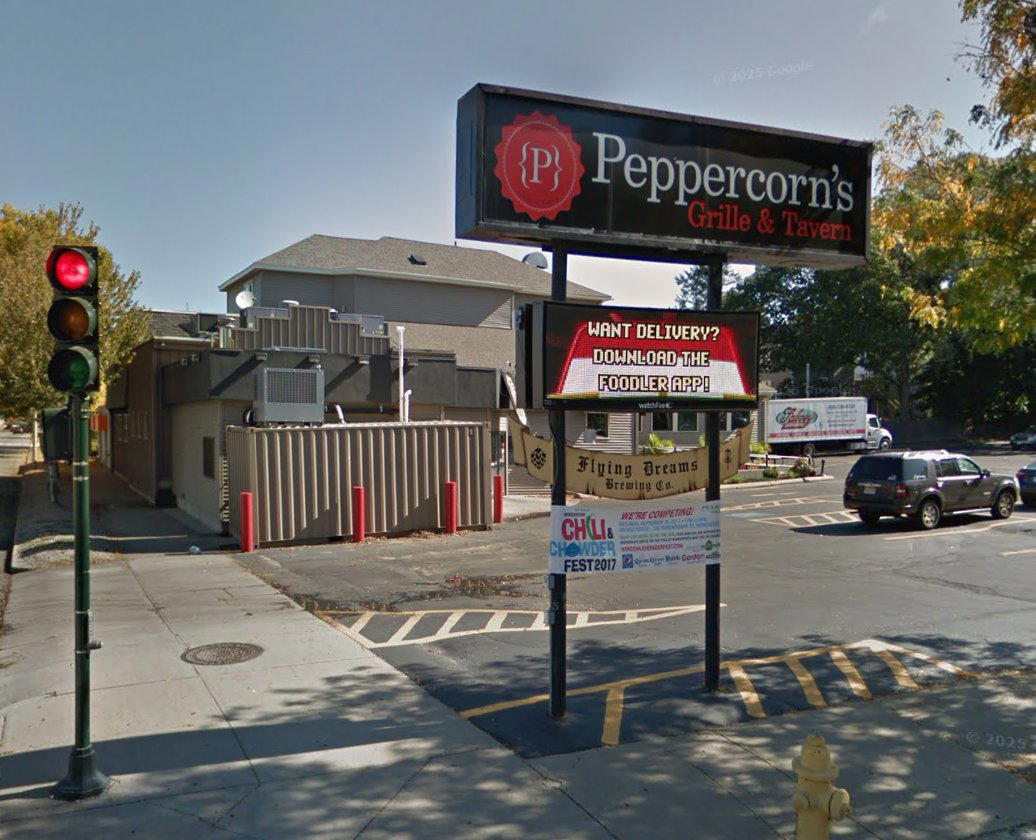
| Peppercorn's Grille & Tavern | pub | $$ | Park Avenue near Clark University and Downtown Worcester |
| Ralph's Diner | dive_bar | $ | Indian Lake East |
| Volturno Pizza Napoletana | cocktail_bar | $$ | Shrewsbury Street |
| Wan Wang Restaurant | Bar | $$ | Pittsfiel |
| Via Italian Table | lounge | $$ | Shrewsbury Street |
Continue exploring
More in Worcester
Bars in Worcester
Browse all →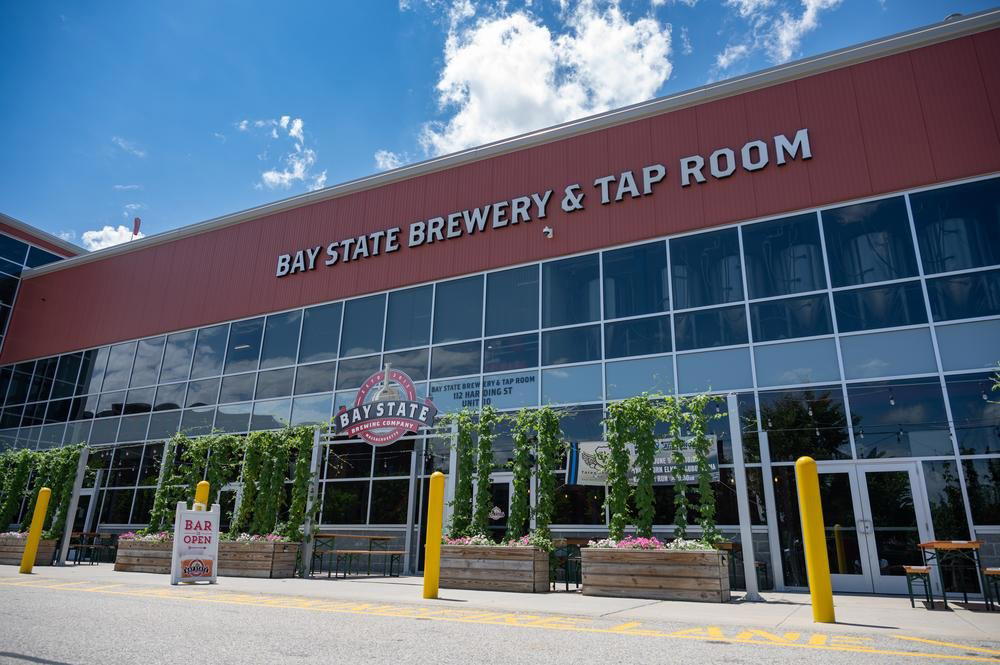
Restaurants in Worcester
Browse all →
At a Glance
- Cozy
- Rustic
- Casual Hangout
- After Work
- Live Music
- Seated Bar
- Communal Tables
- Craft Beer
Current opening hours
- Monday
- 8 AM–3 PM
- Tuesday
- 8 AM–3 PM
- Wednesday
- 8 AM–3 PM
- Thursday
- 8 AM–9 PM
- Friday
- 8 AM–9 PM
- Saturday
- 9 AM–5 PM
- Sunday
- 9 AM–3 PM
Hours can change for holidays and private events. Last verified .
Community-focused café with warm, inviting atmosphere enhanced by live music and casual gatherings.