Azul Historico
Azul Historico occupies one of Centro Histórico's most storied addresses on Isabel La Católica, where colonial architecture frames a dining room that moves through Mexican regional cooking with deliberate, course-by-course structure. The setting, courtyard, archways, and all, positions it squarely within the neighbourhood's broader shift toward serious Mexican cuisine served in heritage spaces. A reference point for the Centro dining scene.
 Discover on Pearl
Pearl is the En Primeur Club membership app — saves, bookings, and concierge access live there. Same editors, same standards.
- Address
- Isabel La Católica 30, Centro Histórico de la Cdad. de México, Centro, Cuauhtémoc, 06000 Ciudad de México, CDMX, Mexico
- Phone
- +52 55 5510 1316
- Website
- azul.rest
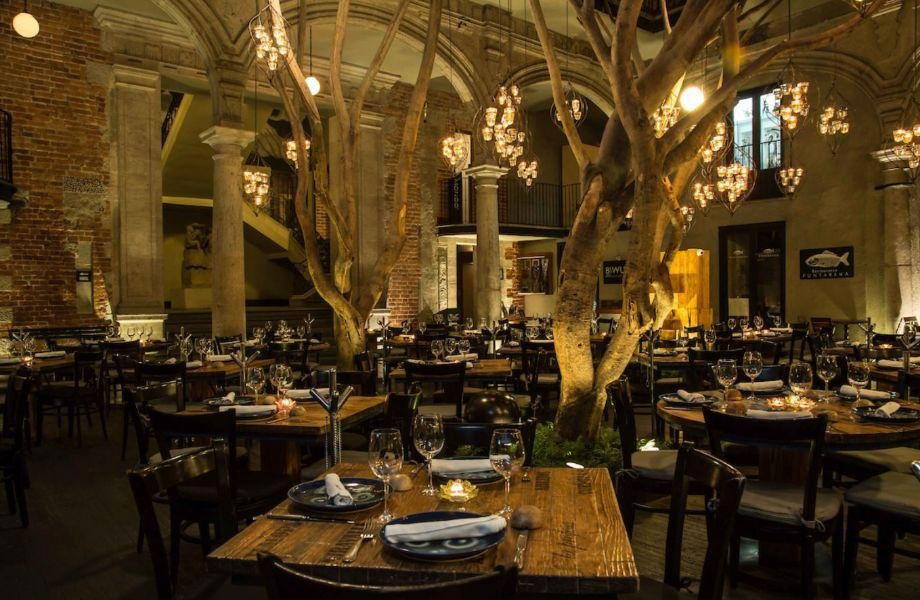
Eating in the Centro: Architecture as Prologue
Mexico City's Centro Histórico has spent the past decade renegotiating its identity at the table. The neighbourhood that once served as a fast-lunch district for government workers and tourists moving between the Zócalo and the Palacio de Bellas Artes now hosts a different kind of dining proposition: one where the building itself sets the terms of the meal before anything arrives from the kitchen. Azul Historico, at Isabel La Católica 30, sits inside that shift. The address alone signals something: a colonial-era building a short walk from the Zócalo, in a part of the city where the density of pre-Hispanic and Spanish architectural layering is greater than almost anywhere else in Mexico.
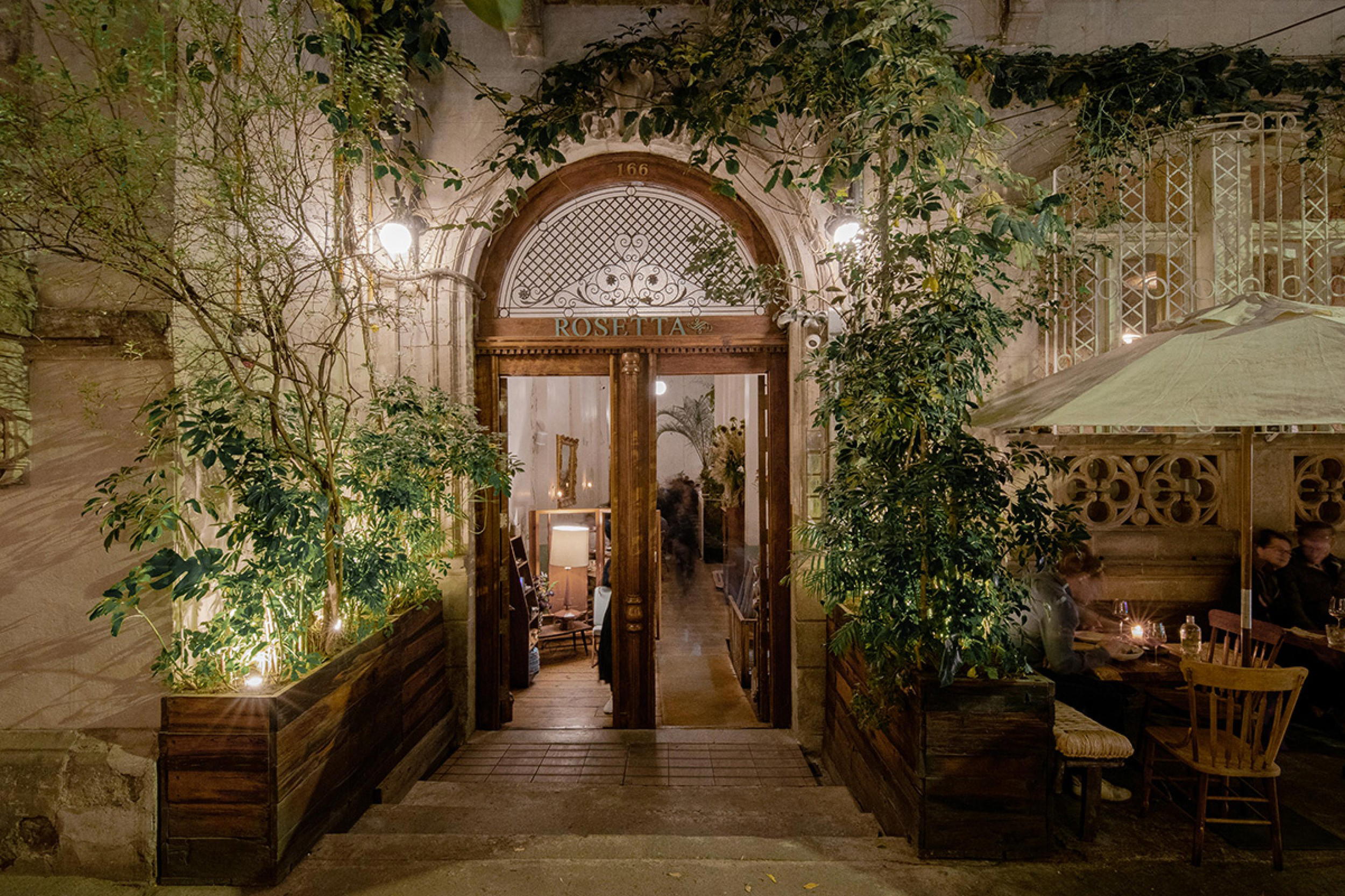
Approaching from the street, the transition from the ambient noise of Centro, the organ grinders, the street-food smoke, the constant pedestrian current, into the interior courtyard reads less like entering a restaurant and more like stepping into a different acoustic register. Open-air courtyards of this kind are a feature of the district's recycled palace buildings, and kitchens that understand how to use that space tend to earn a different kind of loyalty from their guests. The meal at Azul Historico begins here, before the menu appears.
The Structure of a Mexican Regional Table
Mexican regional cooking has a logic to it that rewards sequential eating. The country's cuisine is not monolithic: it splinters by state, by coast, by altitude, by indigenous tradition. A kitchen that takes that seriously tends to build a menu with a particular kind of arc, from lighter, acidic preparations that open the palate toward richer, slower-cooked central preparations, and often toward a dessert register that leans on pre-Hispanic ingredients like chocolate, vanilla, and piloncillo in ways that feel genuinely grounded rather than theatrical.
Azul Historico's approach to this arc places it in a cohort of Mexico City restaurants that treat Mexican cuisine as a subject of ongoing editorial curation rather than a fixed regional checklist. That cohort has grown considerably over the past decade, as the city's dining scene moved from a position where French technique dominated prestige tables toward one where Mexican-led kitchens occupy the top tier across every price bracket. The Centro has been a particular beneficiary of this: real estate that was difficult to animate in the 1990s now houses some of the most considered Mexican cooking in the capital.
Within that context, the multi-course format, whether formally structured as a tasting menu or delivered as a sequence of shareable plates, becomes a way of teaching rather than simply feeding. Each course in this tradition functions as a regional argument: here is what Oaxacan mole does when given enough time; here is what a Veracruz-influenced seafood preparation looks like when the kitchen sources well. The progression carries narrative weight.
Centro Histórico and the Question of Setting
Few dining rooms in Mexico City come with the kind of built-in context that a Centro Histórico colonial courtyard provides. The neighbourhood sits on the drained bed of Lake Texcoco, the former site of Tenochtitlan, and the ground beneath the Centro literally subsides, buildings tilt, streets shift, and the whole area carries a geological reminder of what was built over. Eating here, inside a building that has survived earthquakes and centuries of use, is a different proposition than eating in Polanco's glass-fronted contemporary blocks or the converted warehouses of Colonia Roma.
That distinction matters to a certain kind of traveller: one who wants the physical environment to do some of the interpretive work. Azul Historico's courtyard format means that lunch and dinner unfold under natural light or lamplight depending on the hour, with the proportions of colonial architecture, high walls, open sky, the geometry of arched corridors, doing what no interior designer could manufacture. It places the meal in historical time in a way that restaurants in newer districts simply cannot replicate.
For visitors building a day in the Centro, the address at Isabel La Católica positions the restaurant within walking distance of the Templo Mayor archaeological site and the Museo Nacional de Arte, making it a natural anchor point for a longer afternoon. The Centro rewards slow movement, and a meal that has structural depth, courses that arrive with deliberate pacing, suits that rhythm well.
Where Azul Historico Sits in the City's Wider Dining Picture
Mexico City's current bar and restaurant scene operates across distinct clusters, each with its own character. The cocktail-led tables of Colonia Roma and Condesa, among them Baltra Bar, Bar Mauro, Bijou Drinkery Room, and Brujas, occupy a different register from the Centro's heritage-building dining. Both matter to a full picture of the city, but they draw on different logics. The Roma-Condesa axis runs on contemporary cocktail culture and neighbourhood energy; the Centro runs on architecture, history, and Mexican cuisine as a serious subject.
Azul Historico belongs to the latter camp. It is defined by the intersection of a specific kind of Mexican cooking and a specific kind of built environment.
For context on how Mexico's regional drinking and dining traditions operate outside the capital, the range is considerable: La Capilla in Tequila represents one end of the agave-focused spectrum, while El Gallo Altanero in Guadalajara sits in the western-Mexico cantina tradition. Further afield, Arca in Tulum, Bekeb in San Miguel de Allende, Aruba Day Drink in Tijuana, and Coco Bongo in Cancun illustrate the breadth of Mexico's hospitality formats across geography. Outside Mexico entirely, Bar Leather Apron in Honolulu represents how technically serious bar programs operate in Pacific contexts. None of these are the same conversation as Azul Historico, which is precisely the point: the Centro's dining identity is specific enough that comparisons to other Mexican cities or international programs don't quite land.
Our full Mexico City restaurants guide maps the city's broader dining geography across all major neighbourhoods.
Planning the Visit
The restaurant sits at Isabel La Católica 30 in the Centro Histórico, easily reached by metro (Isabel la Católica station on Line 1) or by car with street parking options limited, as they are throughout the Centro on weekdays. The courtyard setting means weather is a variable: the Centro's afternoon rains between June and September can reshape an outdoor lunch quickly, and the evening light in the dry season, October through March, is a genuine argument for timing a dinner reservation accordingly. Booking ahead is advisable, especially for dinner.
Standing Among Peers
Comparable venues nearby, for context on price, style, and recognition.
| Venue | Cuisine | Price | Awards | Notes |
|---|---|---|---|---|
| Azul HistoricoThis venue — the venue you are viewing | hotel_bar | $$$ | , | |
| Amaya | wine_bar | $$$ | , | Juarez |
| Le Tachinomi Desu | sake_bar | $$$ | , | Cuauhtemoc |
| Ladina Bar | cocktail_bar | $$$ | , | Roma Norte |
| Yu Yu | lounge | $$$ | , | Juarez |
| Parker & Lenox | speakeasy | $$$ | , | Juarez |
Continue exploring
More in Mexico City
Bars in Mexico City
Browse all →
Restaurants in Mexico City
Browse all →

At a Glance
- Romantic
- Elegant
- Historic
- Cozy
- Date Night
- Special Occasion
- Historic Building
- Courtyard
- Outdoor Terrace
- Lounge Seating
- Craft Cocktails
- Mezcal
- Tequila
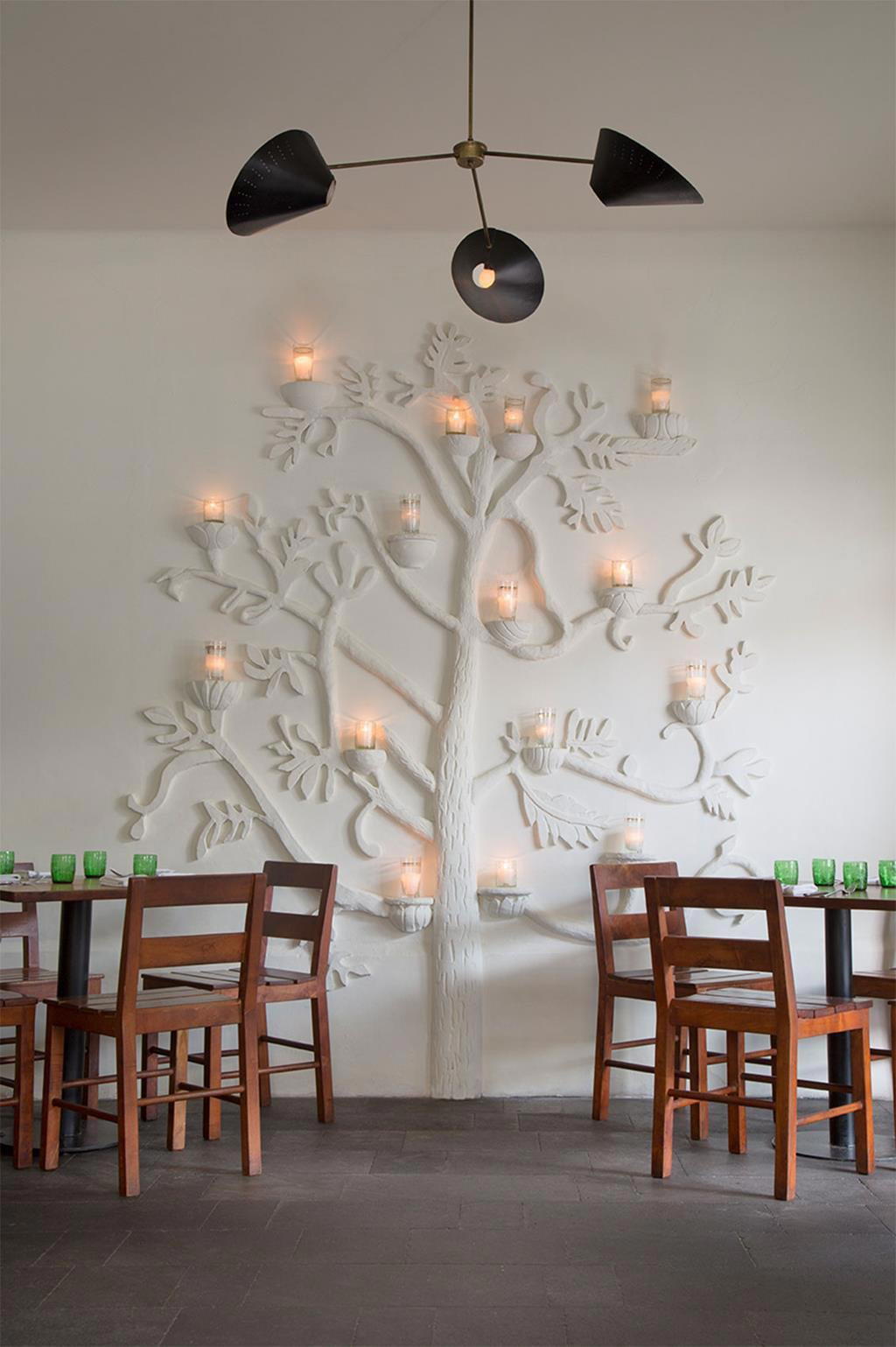
Romantic courtyard with candlelit trees, canopy overhead, and retractable roof creating a calm, elegant oasis.