Vicia
Vicia occupies a converted industrial space on Forest Park Avenue in St. Louis, drawing a following for its vegetable-forward cooking and precise, ingredient-led approach. The room earns its reputation through restraint rather than spectacle, placing it in a peer set more common to Chicago or the coasts than the Missouri dining circuit. Book ahead and expect a considered, produce-driven experience.
 Discover on Pearl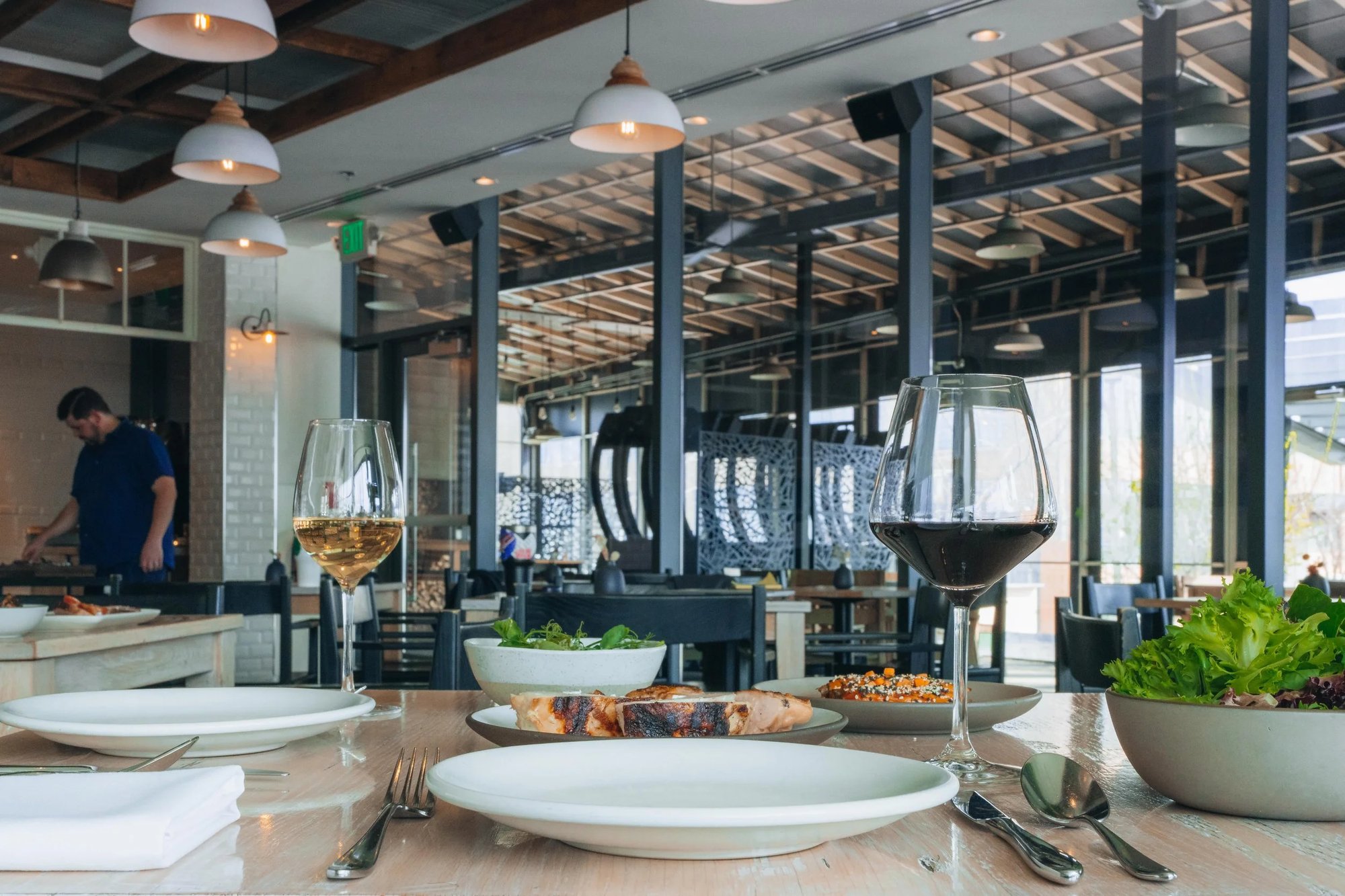
A Room That Earns Its Atmosphere
Forest Park Avenue runs along the southern edge of the Central West End, a stretch where St. Louis's medical corridor meets its more ambitious restaurant cluster. At the corner of Boyle and Duncan, the building that houses Vicia signals its intentions before you step inside. The architecture leans into the industrial inheritance of the space rather than papering over it, the kind of approach that has become a reliable shorthand for a certain tier of American independent restaurant: exposed materials, considered lighting, a room that reads as designed without announcing itself as decorated.
That physical restraint mirrors how the kitchen operates. St. Louis has historically supported a comfortable middle register of Italian-American red-sauce institutions, burger spots, and direct steakhouses, places like Cunetto House of Pasta that anchor the Hill neighbourhood's culinary identity for decades. Vicia represents a different impulse, one that has been gaining ground in Midwestern cities that once looked to the coasts for permission to take vegetables seriously at a dinner table. The room and the menu are built around the same principle: remove what is unnecessary, sharpen what remains.
The shortlist, unlocked.
Hard-to-book tables, cellar releases, and concierge-planned trips.
Get Exclusive Access →The Vegetable-Forward Turn in Midwestern Dining
American restaurants have been negotiating the status of vegetables on tasting menus for the better part of fifteen years. In cities like Chicago, that negotiation produced places such as Kumiko, where precision and restraint define the format. New York has moved through several iterations of the same idea, from early farm-to-table earnestness to technically rigorous produce cooking at places like Superbueno. The interesting development of the past decade is how that sensibility has migrated into cities with no obvious precedent for it.
St. Louis sits in that migration pattern. The city's dining scene has expanded its range considerably, and Vicia occupies a position near the leading of that newer, more ingredient-focused tier. The format favours produce from regional growers, and the menu changes with enough frequency that seasonal logic drives the offering rather than brand consistency. That is a meaningful commitment in a region where the supply chain for serious restaurant cooking requires active relationships with farms rather than reliance on broad distribution.
For comparison, consider how cities with similarly sized populations have handled the same shift. Houston's Julep built a reputation on specificity of ingredient and regional identity. New Orleans's Jewel of the South applies the same logic to its bar program. Vicia applies it to the plate, betting that St. Louis diners will follow a kitchen that prioritises the growing calendar over a fixed signature.
The Space as Editorial Statement
The design of a restaurant communicates what the kitchen believes about the guest before a single plate arrives. Vicia's room favours natural light during early-evening service, with the transition to artificial lighting handled carefully enough that the shift in atmosphere feels intentional rather than accidental. Seating configurations allow for conversation without the acoustical compression that plagues many open-plan dining rooms at volume. The bar area functions as a genuine gathering point rather than a waiting pen, which matters for a restaurant where the drinks program is worth arriving early to explore.
That bar program places Vicia in a broader conversation about how serious independent restaurants in secondary American markets have developed their beverage identity. Honolulu's Bar Leather Apron and San Francisco's ABV both demonstrate that a cocktail list can carry as much editorial weight as the food menu. Frankfurt's The Parlour extends that argument internationally. At Vicia, the expectation is that the drinks list reflects the same seasonal and regional thinking as the kitchen, which is increasingly the standard at this tier of American independent restaurant rather than the exception.
Where Vicia Sits in the St. Louis Drinking and Dining Circuit
St. Louis has built a credible craft beer infrastructure, anchored by operations like 2nd Shift Brewing and 4 Hands Brewing Company, which serve a different segment of the dining-out public. The city also has a more conventional luxury tier visible in venues like the 360 Rooftop Bar and the Angad Arts Hotel. Vicia occupies neither of those positions. It competes instead with the small cohort of American independent restaurants that have chosen to anchor their identity in produce and technique rather than atmosphere-for-its-own-sake or an easily legible cuisine type.
That positioning carries a specific set of trade-offs. The format requires trust from the diner, a willingness to eat what the season permits rather than what a fixed menu promises. In return, the kitchen can respond to what is genuinely good rather than what is contractually necessary. For diners who have eaten at comparable operations in larger markets, the logic is familiar. For those coming to this style of cooking for the first time in St. Louis, Vicia functions as a useful introduction to how that model works at its more coherent end.
The restaurant sits on Forest Park Avenue, accessible from the Central West End and within reasonable distance of Forest Park itself, which means it draws from both the neighbourhood's resident population and visitors using the park as an anchor for a day in the city. Reservation availability varies, and given the format's dependence on a changing menu, advance planning is advisable if you have specific seasonal priorities. For a fuller orientation to what St. Louis has to offer across price points and cuisine types, the full St. Louis restaurants guide maps the broader picture.
The shortlist, unlocked.
Hard-to-book tables, cellar releases, and concierge-planned trips.
Get Exclusive Access →Frequently Asked Questions
What It’s Closest To
A quick snapshot of similar venues for side-by-side context.
| Venue | Cuisine | Awards | Notes |
|---|---|---|---|
| Vicia | This venue | ||
| Cunetto House of Pasta | |||
| 2nd Shift Brewing | |||
| 360 Rooftop Bar | |||
| Angad Arts Hotel St. Louis, Tapestry Collection by Hilton | |||
| Baileys' Range |
Need a Table?
Our members enjoy priority alerts and concierge-led booking support for the world's most difficult bars and lounges.
Get Exclusive AccessThe shortlist, unlocked.
Hard-to-book tables, cellar releases, and concierge-planned trips.
Get Exclusive Access →