Umami Omakase
Umami Omakase on Massachusetts Avenue brings a counter-format dining experience to Cambridge's North Cambridge corridor, where the omakase tradition has found an unlikely foothold among a community better known for its ramen shops and late-night pizza. The address places it within reach of Porter Square regulars and Somerville border crossers who have made it part of their neighborhood rotation.
Pearl is the En Primeur Club membership app — saves, bookings, and concierge access live there. Same editors, same standards.
- Address
- 2372 Massachusetts Ave, Cambridge, MA 02140
- Phone
- +1 617 868 2121
- Website
- umamiomakase.com
- Directions
- Get directions
 Saves & bookings on Pearl
Counter Culture on Massachusetts Avenue
Cambridge's dining identity has long been pulled in two directions: the institution-heavy stretch around Harvard Square, where restaurants survive on tourist traffic and alumni nostalgia, and the quieter northern corridor along Massachusetts Avenue, where the regulars actually live. It is in this second zone, between Porter Square and the Alewife basin, that a different kind of eating culture has taken hold. Ramen counters, Ethiopian family restaurants, and neighborhood wine bars have built loyal communities here not through spectacle but through consistency and proximity. Bosso Ramen Tavern and Asmara are part of this fabric, drawing repeat visitors who walk rather than commute. Umami Omakase at 2372 Massachusetts Ave sits in the same corridor and, by location alone, is already oriented toward a neighborhood audience rather than a destination-seeking one.
The omakase format occupies a specific place in the American dining hierarchy. At its upper end, it functions as a controlled luxury experience, chef-led and predetermined, where the point is total surrender to the kitchen's sequencing. At its more accessible tier, it functions differently: as a kind of standing appointment, a ritual that regulars book with the same casual intention they might reserve a table at a neighborhood bistro. The North Cambridge version of omakase, if Umami has established one, belongs closer to the latter. The address is residential, the surrounding businesses are everyday, and the community that eats here is one that crosses paths at the same coffee shops and cycling routes. That context shapes what counter dining means in this particular zip code.
What the Format Offers on This Block
The omakase counter as a format gained its American footing in dense urban cores: Manhattan's lower east side, San Francisco's Richmond district, Chicago's West Loop. Venues like Kumiko in Chicago demonstrated that precision-format dining could anchor a neighborhood identity rather than simply attract one-time visitors. Cambridge, with its high concentration of research professionals, graduate students, and food-literate residents, is a city where that same logic applies. A counter with a fixed sequence and a limited number of seats does not need to generate walk-in volume to sustain itself. It needs a core of regulars who rebook.
What the omakase model provides, at its most functional, is predictability on both sides of the counter. The kitchen controls cost, waste, and pace; the guest arrives knowing roughly what the experience will require of them in time and attention. In a neighborhood context, this predictability becomes social glue. The same faces appear at the same seats across multiple visits, the greeting shortens, the conversation deepens. This is the watering hole dynamic translated into a fine dining register, and Massachusetts Avenue's northern stretch is precisely the kind of place where it can take hold. See our full Cambridge restaurants guide for broader context on how the city's dining districts have evolved.
Placing Umami in Cambridge's Counter Scene
Cambridge does not have a deep bench of omakase options. The city's Japanese dining has historically skewed toward ramen and izakaya formats, with the more formal sushi counter experience concentrated in Boston proper, particularly in the Back Bay and South End. An omakase address on Massachusetts Avenue therefore occupies a position with limited direct local competition, which cuts two ways: it draws visitors from across the Cambridge-Somerville-Boston triangle who want the format without commuting to the Seaport, and it serves as a first-of-its-kind option for regulars who have never engaged with counter dining in a neighborhood setting before.
For comparison, the omakase format in other American cities has found its most durable expressions where it combines technical credibility with a sense of community ownership. Bar Leather Apron in Honolulu and Jewel of the South in New Orleans both demonstrate how specialist formats, when embedded in a neighborhood rather than a hotel or commercial district, accumulate a different kind of loyalty than destination venues. The distinction matters for what a venue asks of its guests: show up regularly, bring friends, treat it as yours.
Across the river in Boston, the premium omakase tier has moved toward the $200-plus-per-head range that mirrors New York and Los Angeles benchmarks. Cambridge has not yet developed that same pricing pressure, which means an omakase address here is likely positioned at a more accessible point on the spectrum, serving a mixed audience of date-night visitors and repeat neighborhood guests rather than a purely occasion-driven clientele. Venues like Alden and Harlow and Area Four have demonstrated that Cambridge supports restaurants with strong local followings and a degree of technical ambition, provided the experience does not feel imported from another city's dining culture.
How the Neighborhood Uses It
The regulars who anchor a neighborhood omakase counter tend to arrive with lower formality expectations than guests at a downtown flagship. They are less likely to be marking a singular occasion and more likely to be treating the experience as a recurring pleasure, something they plan two or three times a year with a loose rotation of dining partners. In Cambridge's North Massachusetts Avenue corridor, that audience is plentiful: academics with disposable income and adventurous palates, tech workers from the Kendall Square spillover, and longtime residents who remember when this stretch had no restaurant worth traveling for at all.
The omakase format rewards this audience well. A fixed menu removes the paralysis of choice; a counter seat removes the social distance between kitchen and table; a defined time structure respects the fact that regulars have early meetings. These are not small courtesies. They are the structural features that make a neighborhood counter function as a genuine community asset rather than a destination that happens to be geographically local. Formats like this have found traction in cities from New York to San Francisco to Houston, each time adapted to what the immediate neighborhood actually needs rather than what the format signals to outsiders. The Parlour in Frankfurt offers a useful European parallel: a specialist format with genuine neighborhood embeddedness, where the guest list skews local even as the format demands a degree of attention and commitment.
Planning Your Visit
Umami Omakase is located at 2372 Massachusetts Ave, Cambridge, MA 02140, reachable from Porter Square via a short walk north along Massachusetts Avenue. The venue sits in a part of Cambridge where street parking is possible in the evening but the Red Line is the more reliable option: Porter Square station puts you within a few minutes on foot. Given the counter format, advance reservation is the expected approach rather than the exception, and the seat count at most omakase counters means availability can tighten weeks out on weekend evenings.
Continue exploring
More in Cambridge
Bars in Cambridge
Browse all →
Restaurants in Cambridge
Browse all →
Hotels in Cambridge
Browse all →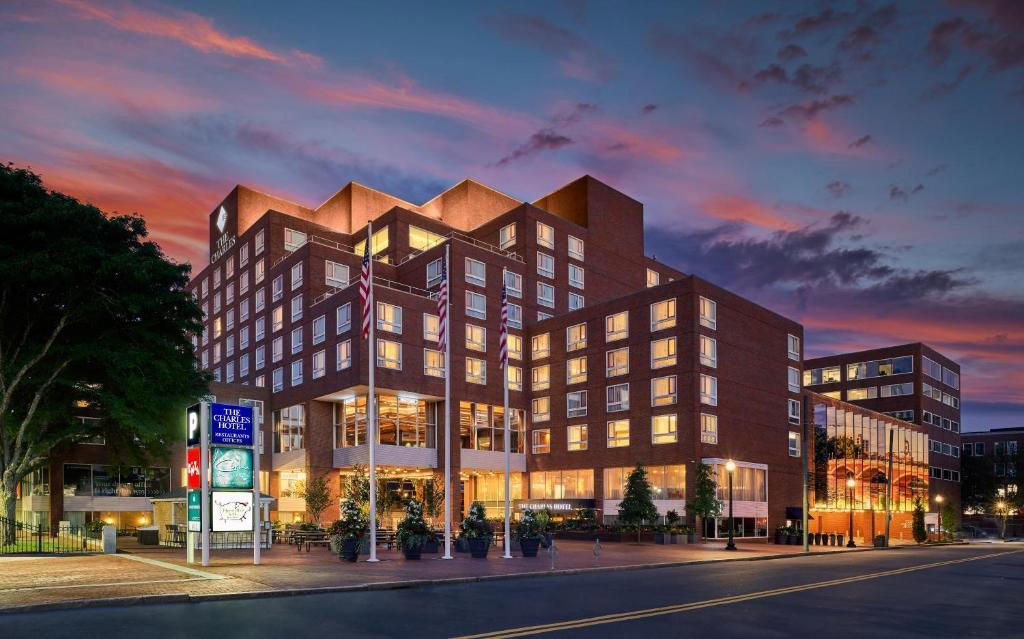
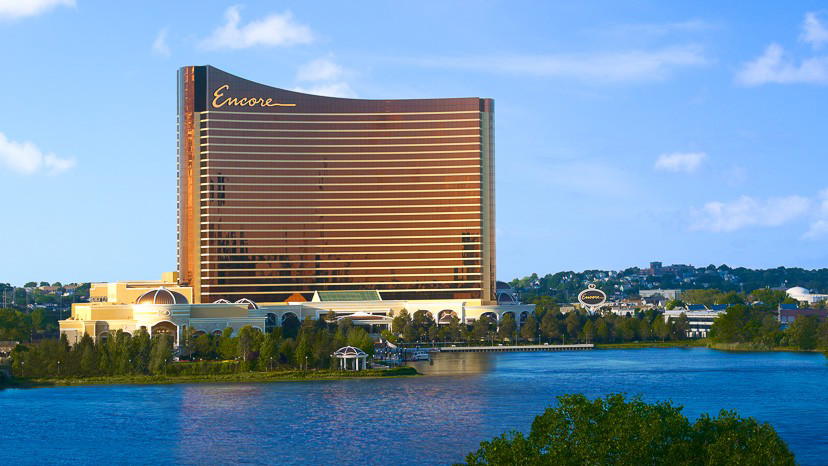
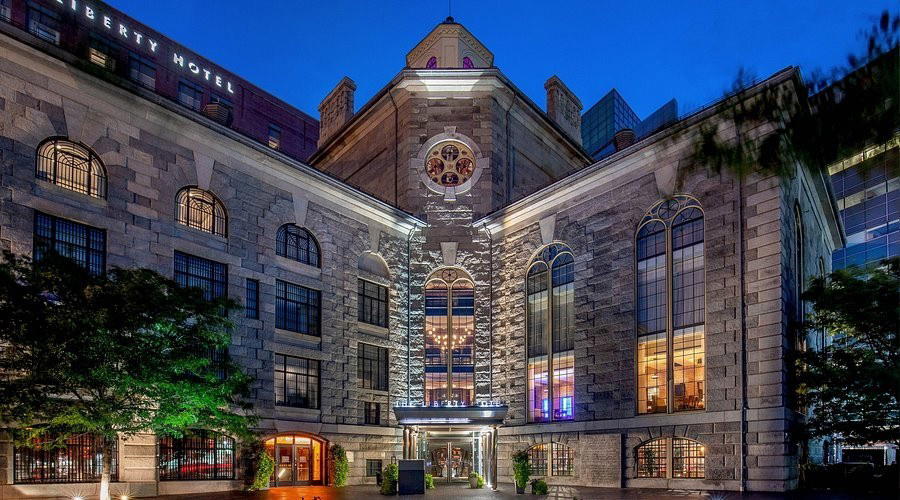
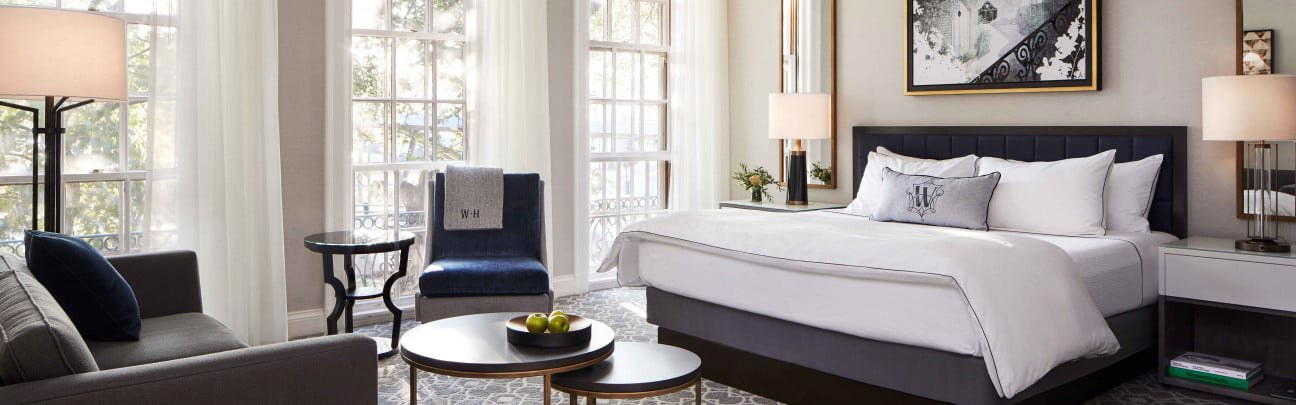
Wineries in Cambridge
Browse all →
At a Glance
- Intimate
- Elegant
- Sophisticated
- Special Occasion
- Date Night
- Standalone
- Counter Only
- Sake
Current opening hours
- Monday
- Closed
- Tuesday
- 5:30–10:30 PM
- Wednesday
- 5:30–10:30 PM
- Thursday
- 5:30–10:30 PM
- Friday
- 5:30–10:30 PM
- Saturday
- 5:30–10:30 PM
- Sunday
- 5:30–10:30 PM
Hours can change for holidays and private events. Last verified .
Intimate sushi bar setting with moderate noise and lively atmosphere.
Know Before You Go
- Getting there
- 2372 Massachusetts Ave, Cambridge, MA 02140