Club Passim
Club Passim at 47 Palmer St in Cambridge's Harvard Square is one of the country's most storied folk and roots music venues, operating as a nonprofit since the 1990s. The basement room has hosted generations of American singer-songwriters, and its programming spans emerging local acts to established touring artists. Arrive early: capacity is limited and the room fills.
Pearl is the En Primeur Club membership app — saves, bookings, and concierge access live there. Same editors, same standards.
- Address
- 47 Palmer St, Cambridge, MA 02138
- Phone
- +1 617 492 7679
- Website
- passim.org
- Directions
- Get directions
 Saves & bookings on Pearl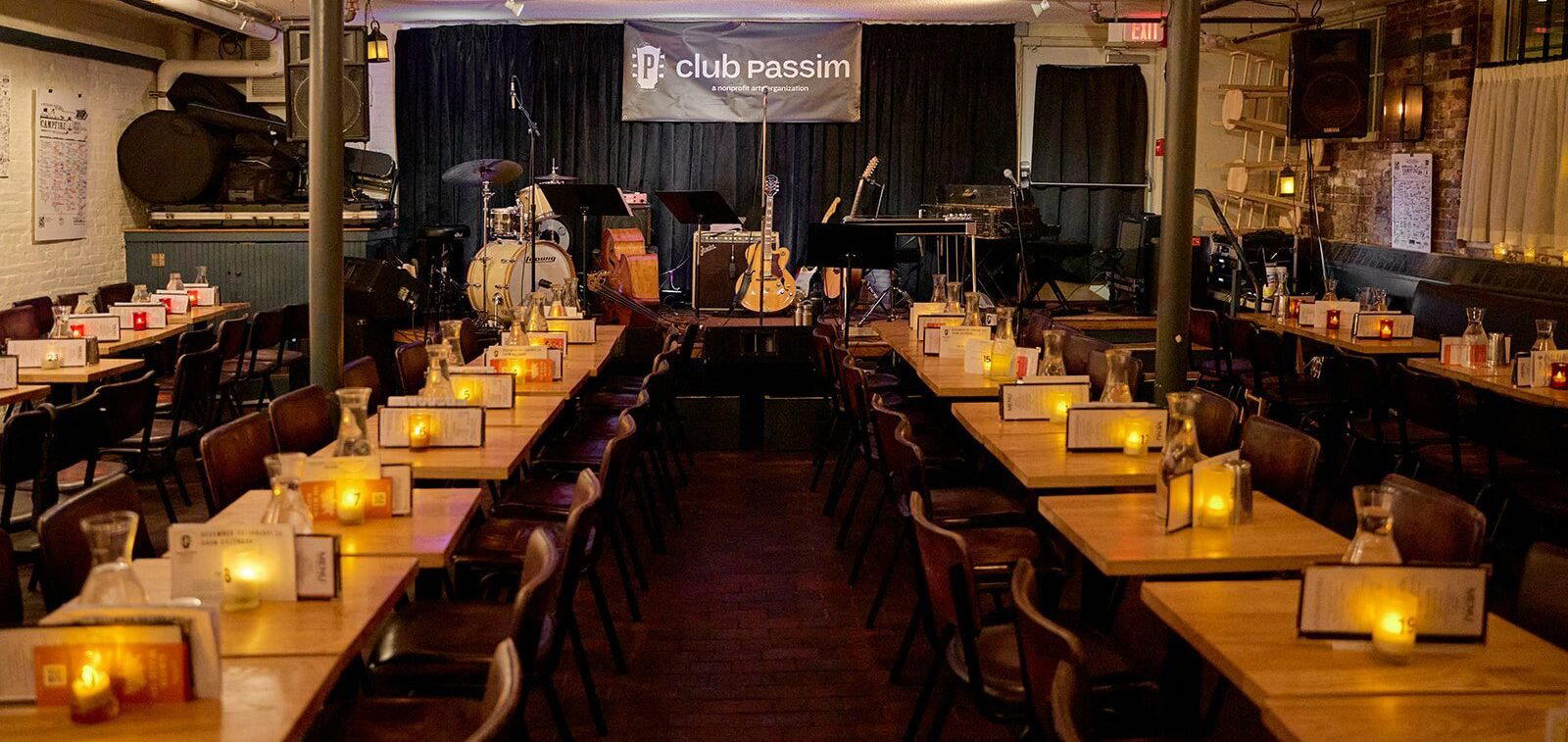
Harvard Square's Folk Underground
Beneath the brick and bookstore energy of Harvard Square, a certain kind of American music has been finding its audience for decades. Club Passim at 47 Palmer Street occupies a basement room that has functioned as one of the eastern seaboard's most consequential folk and roots listening rooms, the kind of space where the format itself enforces attention. Seated audiences, controlled capacity, and a stage close enough to the front row that you can watch a guitarist's left hand: these are not design flourishes but structural commitments to the music over the room. The atmosphere on entry is deliberately low-key. The focus shifts immediately to the performance.
Harvard Square has always supported a certain density of cultural venues per city block, and Passim sits within that tradition rather than apart from it. Cambridge's academic population, its history of protest folk, and its proximity to the broader Boston music economy have made the neighbourhood a natural habitat for this format. The venue operates as a nonprofit, which separates its programming logic from the commercial pressures that shape most live music rooms. Booking decisions reflect curatorial intent rather than ticket-revenue optimization, and that distinction shows in the range and depth of the calendar across a given season.
The Room and What It Signals
Small listening rooms of this type have a specific competitive logic. They do not scale. The value proposition is proximity and curation, not spectacle. Venues in this tier, whether Jewel of the South in New Orleans cultivating its cocktail-and-jazz intimacy or specialist folk clubs in university towns across the country, succeed or stall on the consistency of their programming. Club Passim has maintained its position within the genre for long enough that it functions as a reference point for the American folk revival and its successive waves: the 1960s Cambridge scene, the singer-songwriter decade that followed, and the Americana and roots resurgence of the past twenty years.
That continuity carries institutional weight. Artists who played early sets here before wider recognition have returned at larger career stages, which creates a visible lineage inside the room's history. For a visitor rather than a local regular, that context adds a layer of meaning to even a midweek show from an emerging act. You are sitting inside an ongoing tradition, not just attending an event.
Drinks Program and the Back-Bar Question
The editorial angle that typically frames a premium bar or cocktail room through its spirits collection and curation depth applies here in modified form. Club Passim is not a cocktail destination in the way that, say, Kumiko in Chicago or Bar Leather Apron in Honolulu operate, venues where the back bar and the liquid program are themselves the primary editorial subject. The drinks offering at Passim functions in support of the performance rather than as an independent draw.
What this does share with the better cocktail rooms, including ABV in San Francisco or Superbueno in New York City, is the principle that the drink should not compete with the experience for attention. At a properly run listening room, the bar exists to settle the audience, not to generate its own noise. Passim's food and drink program has historically included direct café-style offerings, with the kitchen keeping hours that align with the performance schedule. Specific current offerings should be confirmed directly with the venue before visiting, as program details shift seasonally.
For visitors whose evening will span dinner and a show, Cambridge's surrounding blocks offer real options. Alden & Harlow on Brattle Street runs a serious cocktail program that fits a pre-show hour, and the neighbourhood's density means a meal and a drink before the Palmer Street door opens is workable without a car. Bosso Ramen Tavern covers the casual end if you want something warming before a winter show. Asmara offers East African cooking that represents the neighbourhood's genuine culinary range, and Area Four handles wood-fired pizza and craft beer with enough credibility to anchor a pre-show dinner.
Booking, Timing, and How the Room Works
The practical logic of Club Passim is built around its calendar. Shows are announced on a rolling basis through the venue's website, and for popular bookings, advance purchase matters. The room's limited capacity means that walk-up availability for headline shows is unreliable. Weekend performances, particularly those featuring artists with established followings in the folk and Americana world, tend to sell through. Midweek shows and early-evening sets often carry more flexibility, and they sometimes represent the better discovery opportunity: newer artists at closer range with a smaller, more focused audience.
The venue runs educational and community programs alongside its concert schedule, which is a function of its nonprofit structure. The Passim School of Music has operated alongside the concert room for years, which means the space carries more daytime activity than a conventional club. This layering of uses gives the address a different character from a pure nightlife venue. It is worth arriving with some lead time on concert nights, both to secure seating placement in a general-admission format and to get a sense of how the room fills and orients itself around the stage.
For visitors comparing it to cocktail-forward listening rooms elsewhere, the reference points are venues like Julep in Houston or The Parlour in Frankfurt on the Main, where the drinks program and the performance or social format intersect in deliberate ways. Passim's version of that intersection weights the music more heavily, which is a coherent editorial position. More of our Cambridge coverage is in our full Cambridge restaurants guide.
Budget and Context
| Venue | Price |
|---|---|
| Club PassimThis venue — the venue you are viewing | This venue |
Continue exploring
More in Cambridge
Bars in Cambridge
Browse all →
Restaurants in Cambridge
Browse all →
Hotels in Cambridge
Browse all →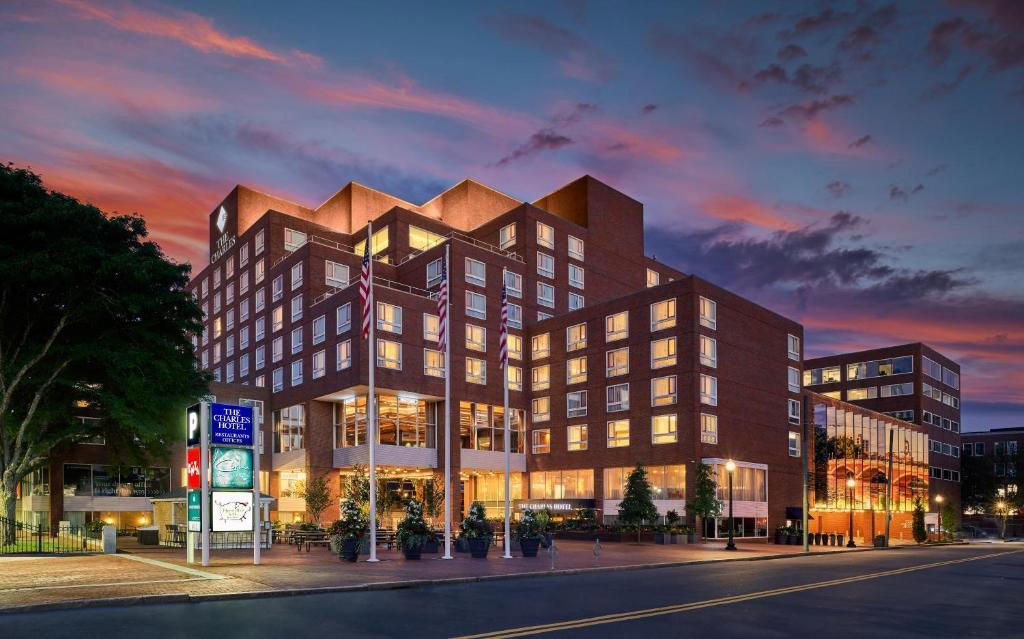
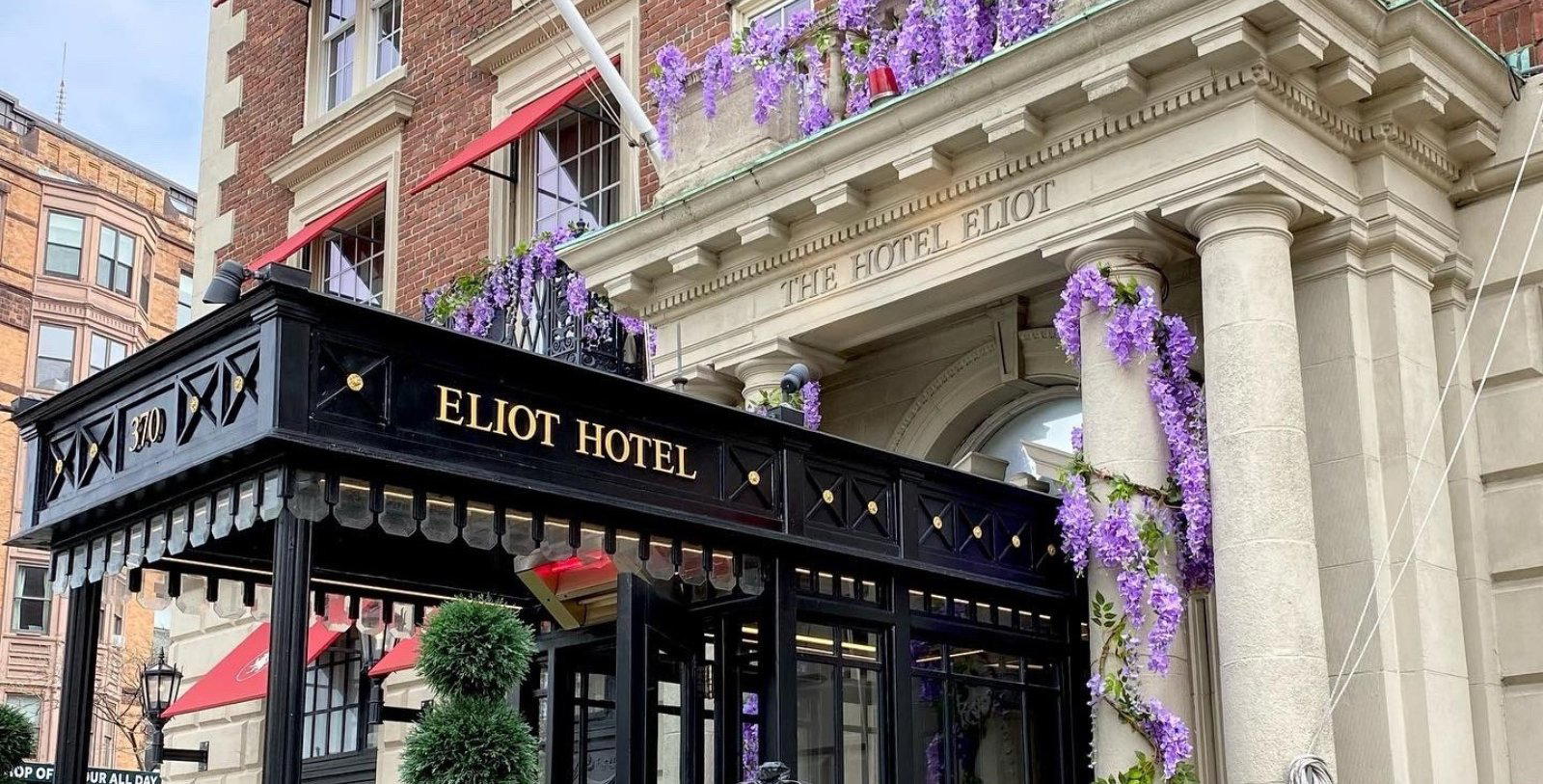
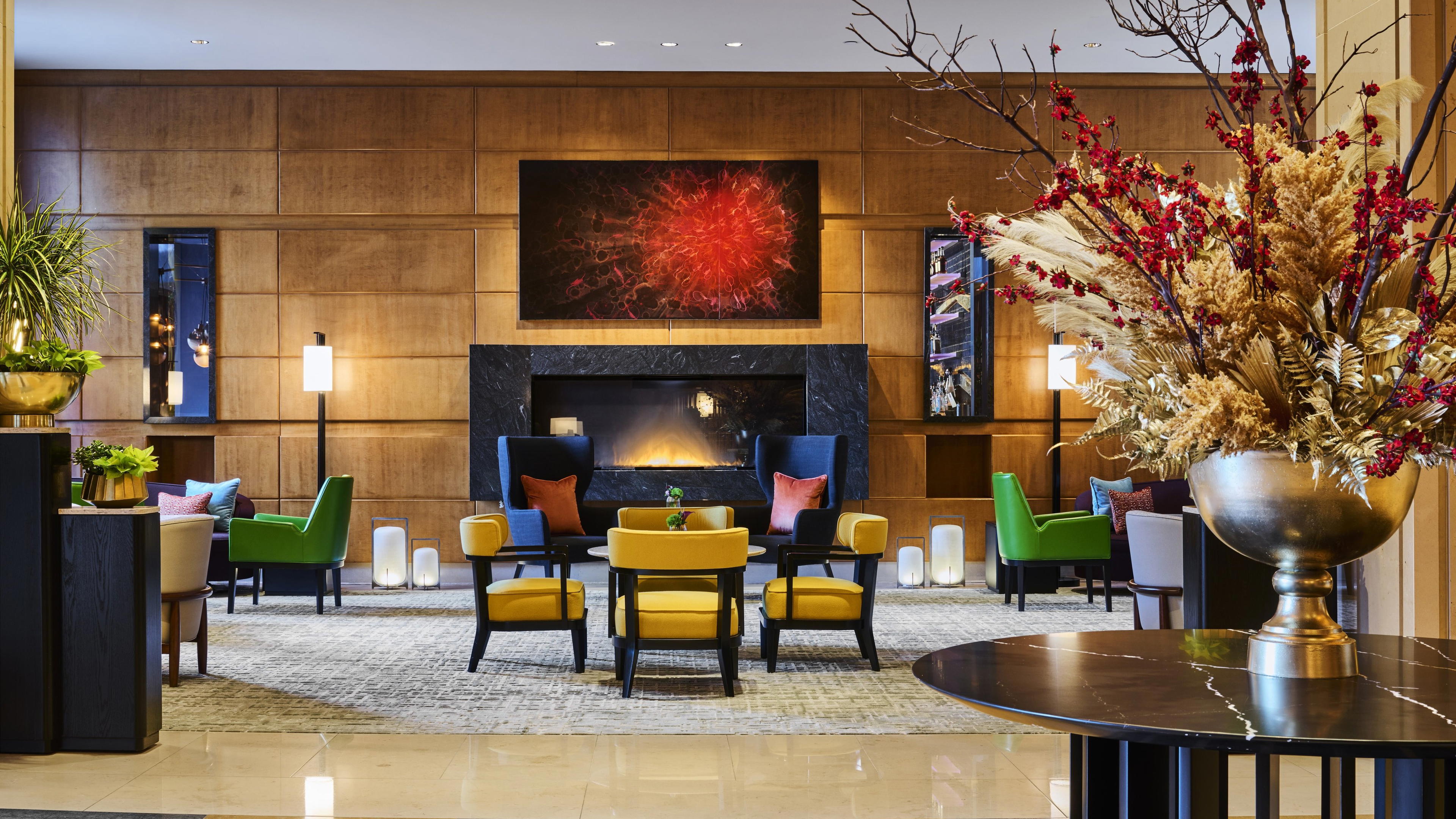
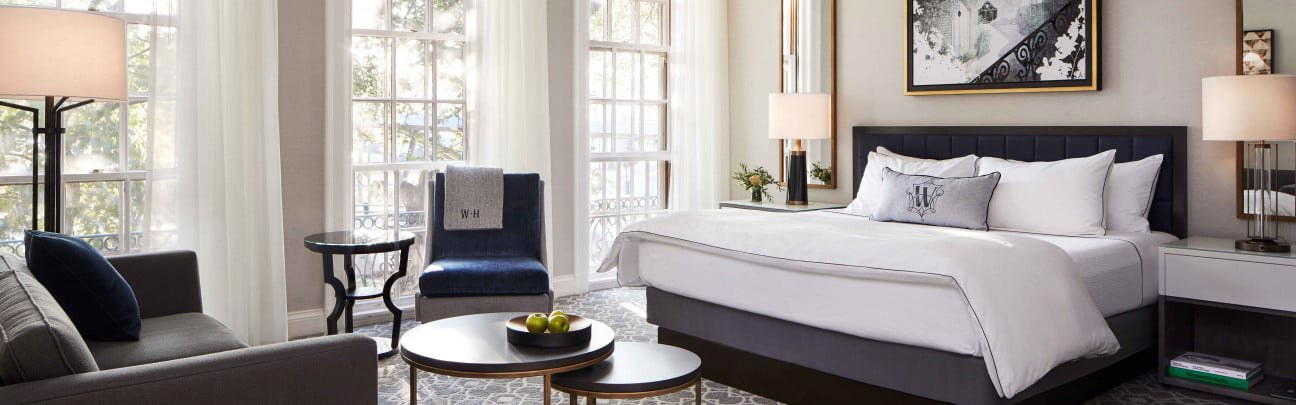
Wineries in Cambridge
Browse all →
At a Glance
- Intimate
- Cozy
- Classic
- Well Known
- Bohemian
- Group Outing
- Casual Hangout
- Special Occasion
- Live Music
- Historic Building
- Standalone
- Seated Bar
- Lounge Seating
- Zero Proof
Current opening hours
- Monday
- 9 AM–10 PM
- Tuesday
- 9 AM–10 PM
- Wednesday
- 9 AM–10 PM
- Thursday
- 9 AM–10 PM
- Friday
- 9 AM–10 PM
- Saturday
- 5–10 PM
- Sunday
- 9 AM–10 PM
Hours can change for holidays and private events. Last verified .
Underground, intimate basement-like setting reminiscent of 1970s folk venues with a cozy, communal atmosphere designed for close interaction between performers and audiences.
Know Before You Go
- Getting there
- 47 Palmer St, Cambridge, MA 02138