
World's 50 Best #15
Situated in Taipei's Xinyi District, Alchemy operates at the intersection where imported culinary technique meets Taiwan's exceptional indigenous pantry. The address places it within reach of the city's most competitive fine-dining corridor, where restaurants like Taïrroir and logy have redefined what modern Taiwanese cooking can mean on a global stage.

Pearl is the En Primeur Club membership app — saves, bookings, and concierge access live there. Same editors, same standards.
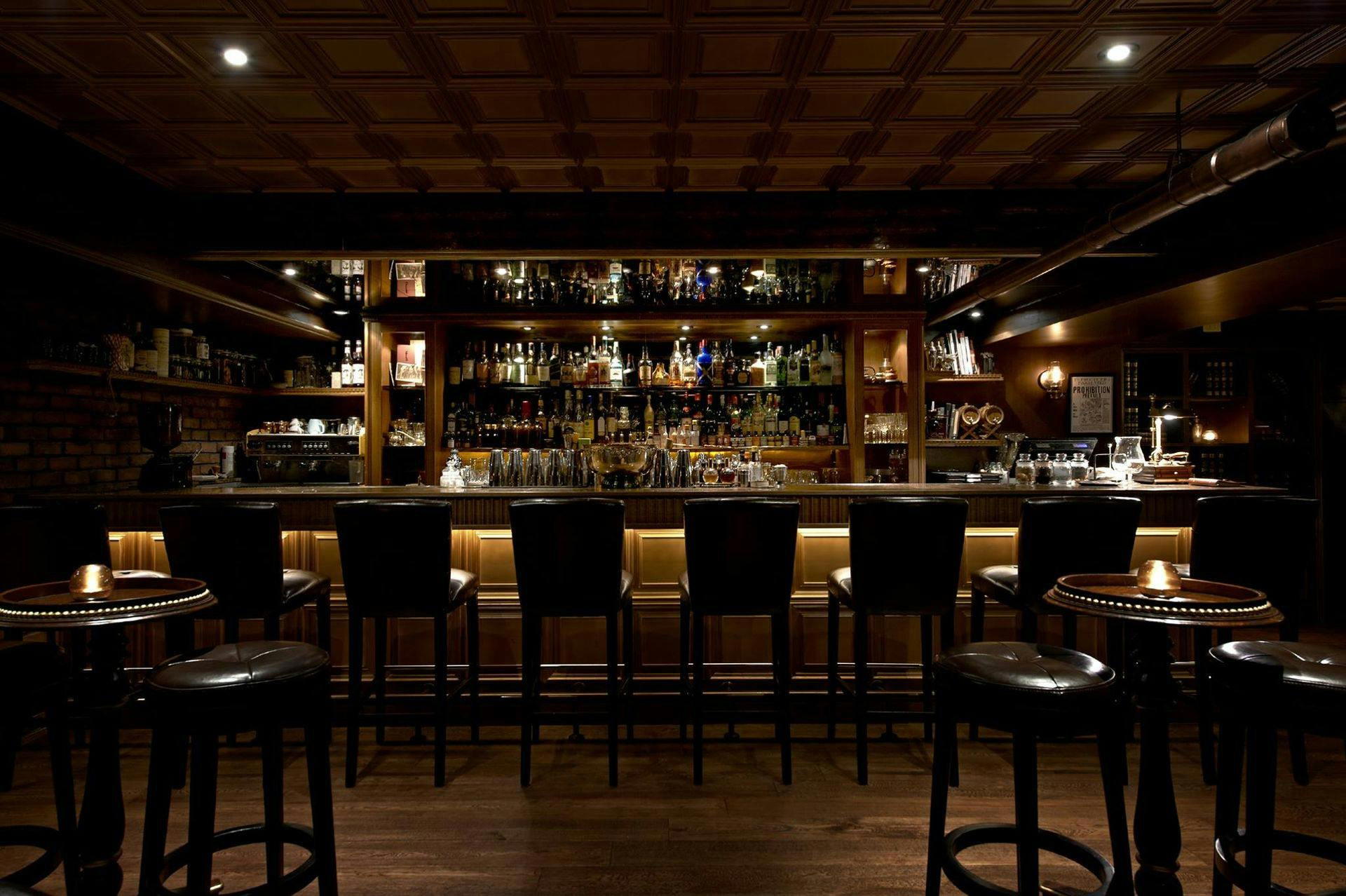
Where Xinyi's Fine-Dining Corridor Meets the Indigenous Pantry
Xinyi District has become Taipei's most concentrated stretch of ambitious cooking. In the span of a few city blocks, diners move between Michelin-decorated counters, French-lineage tasting menus, and kitchens pushing Taiwan's indigenous ingredients into international technical frameworks. Alchemy, addressed on Section 5 of Xinyi Road, sits inside that corridor — a neighbourhood that rewards walking slowly and eating often. The surrounding blocks mix glass-tower commerce with older lane architecture, and the shift from street level to dining room tends to be the most deliberate moment of any evening here.
The Broader Scene: Global Method, Taiwanese Raw Material
Across Taiwan's fine-dining tier, a consistent argument is being made: that the island's agricultural and coastal output — mountain vegetables, heritage-breed pork, indigenous herbs, subtropical fruit, cold-water seafood from the Pacific side, is sophisticated enough to carry cooking at the highest technical level without borrowing foreign identity. This position has been tested and largely proven in Taipei over the past decade. Taïrroir, which holds Michelin recognition and takes a Taiwanese-French approach, and logy, which applies modern European methodology to Asian-contemporary sourcing, have made that case loudly. Molino de Urdániz brings Spanish contemporary technique into the same conversation, and L'Atelier de Joël Robuchon Taipei provides the benchmark for French classical form in the city. Alchemy enters this conversation from the Xinyi address, staking a position in the tier where local product and imported method are equally weighted.
The editorial angle that defines Taipei's leading rooms right now is not fusion in the older, dilutive sense. It is precision technique applied to ingredients that have indigenous or hyperlocal provenance. Taiwan's high-altitude farms in Alishan, the fruit-forward citrus of the south, the mountain pepper known as maqaw favoured by Aboriginal communities, the wild herbs that chefs increasingly source from Paiwan or Atayal suppliers, these are the raw materials that give Taipei kitchens something genuinely specific to say. The technique may come from European or Japanese training pipelines; the pantry comes from the island itself.
Xinyi District as a Dining Address
Section 5 of Xinyi Road is not the tourist-facing end of the district. That end concentrates around Taipei 101 and its adjacent mall infrastructure. Further along, the density thins into a different register: residential lanes, smaller commercial buildings, and dining rooms that assume a guest who already knows where they are going. This is the geography of Taipei's more serious restaurant addresses, where the surrounding streetscape is deliberately quiet and the interior becomes the entire environment. Arriving on foot from MRT Xinyi Anhe Station takes roughly ten minutes and deposits you into that quieter stretch. The neighbourhood rewards directional confidence rather than wandering discovery.
In the broader context of Taipei dining geography, Xinyi competes with Da'an and Zhongshan for the concentration of high-end tasting-menu operations. Each district has its character: Da'an leans toward long-established rooms and wine-led formats; Zhongshan mixes Japanese-influenced counters with newer French bistro operations; Xinyi runs toward the architecturally ambitious and the internationally calibrated. A restaurant at a Xinyi address signals something about its intended competitive set, it is aiming at a peer group that includes the city's most internationally visible kitchens.
What the Indigenous-Technique Intersection Produces
The restaurants in Taipei that operate most convincingly at the local-ingredient, global-technique intersection tend to share certain structural commitments. They run tasting-menu formats rather than à la carte, because the sequencing of courses is where the argument for indigenous ingredients is made most coherently. They source from named farms and specific regional suppliers, citing provenance the way a Burgundy-focused wine program cites village and climat. They treat fermentation, pickling, and drying not as nostalgic gestures toward Taiwanese grandmothers' kitchens but as active technical choices that can produce results comparable to what European fine-dining kitchens achieve with their own preservation traditions.
This approach has precedent across the island. JL Studio in Taichung has applied it through a Singapore-Taiwanese lens to considerable international attention. Akame in Wutai Township takes it furthest toward Aboriginal sourcing, with a menu almost entirely built from Paiwan-community ingredients and fire-based technique. Amei in Tainan and GEN in Kaohsiung extend the conversation cityward in the south.
Practical Considerations for a Xinyi Dinner
Xinyi District's fine-dining rooms cluster their service around two seatings on most evenings, with a lunch service on weekends that tends to carry the same menu at a compressed format. For a Xinyi address operating at the tasting-menu tier, advance reservation is standard practice: the rooms in this bracket do not carry enough covers to absorb walk-in traffic, and the sourcing commitments that underpin local-ingredient menus require confirmed guest counts. Visiting Taipei between October and February puts you in the season when the island's mountain vegetables are at their most concentrated and the subtropical fruit harvest transitions toward citrus and root vegetables, a productive time for kitchens that sequence their menus around what is actually arriving from suppliers that week.
For broader Taipei planning, the EP Club Taipei restaurants guide covers the full range of the city's dining tiers. Adjacent to Xinyi, the wider network of serious Taiwan dining extends to Chi Yuan in New Taipei, Shen Yen in Yilan, Bebu in Hsinchu County, Dongmen Rice Noodle Soup in Hsinchu City, Abura Yakiniku in Taichung City, and Volando Urai Spring Spa and Resort in Wulai District for those combining a Taipei base with excursions into the surrounding countryside.
Comparable Spots
| Venue | Cuisine | Price | Awards |
|---|---|---|---|
| AlchemyThis venue (the venue you are viewing) | This venue | $10–20 | World's 50 Best #15 |
Recognition history
Dated appearances from independent guides and award organizations, with the underlying list record or original source where available.
World's 50 Best Asia's Best Bars #15
World's 50 Best
Continue exploring
More in Taipei
Bars in Taipei
All bars in Taipei →
Restaurants in Taipei
All restaurants in Taipei →
Hotels in Taipei
All hotels in Taipei →
Wineries in Taipei
Browse all →
Details
- Intimate
- Elegant
- Sophisticated
- Date Night
- Special Occasion
- Craft Cocktails
- Craft Cocktails
- Sake Program
Current opening hours
- Monday
- 7:30 PM–2 AM
- Tuesday
- 7:30 PM–2 AM
- Wednesday
- 7:30 PM–2 AM
- Thursday
- 7:30 PM–2 AM
- Friday
- 7:30 PM–3 AM
- Saturday
- 7:30 PM–3 AM
- Sunday
- 7:30 PM–2 AM
Hours can change for holidays and private events. Last verified .
Dimly lit interior with dark wood and leather furniture, live jazz or blues music, creating an intimate and nostalgic atmosphere.