Youngberg Hill
Youngberg Hill sits on an refined property above McMinnville. The estate's hillside tasting format draws visitors looking for more than a simple pour, positioning it alongside the valley's most considered producers. Plan ahead: demand at this level of recognition rarely accommodates walk-ins.

Pearl is the En Primeur Club membership app — saves, bookings, and concierge access live there. Same editors, same standards.
- Address
- 10660 SW Youngberg Hill Rd, McMinnville, OR 97128
- Phone
- (503) 472-2727
- Website
- youngberghill.com
- Directions
- Get directions
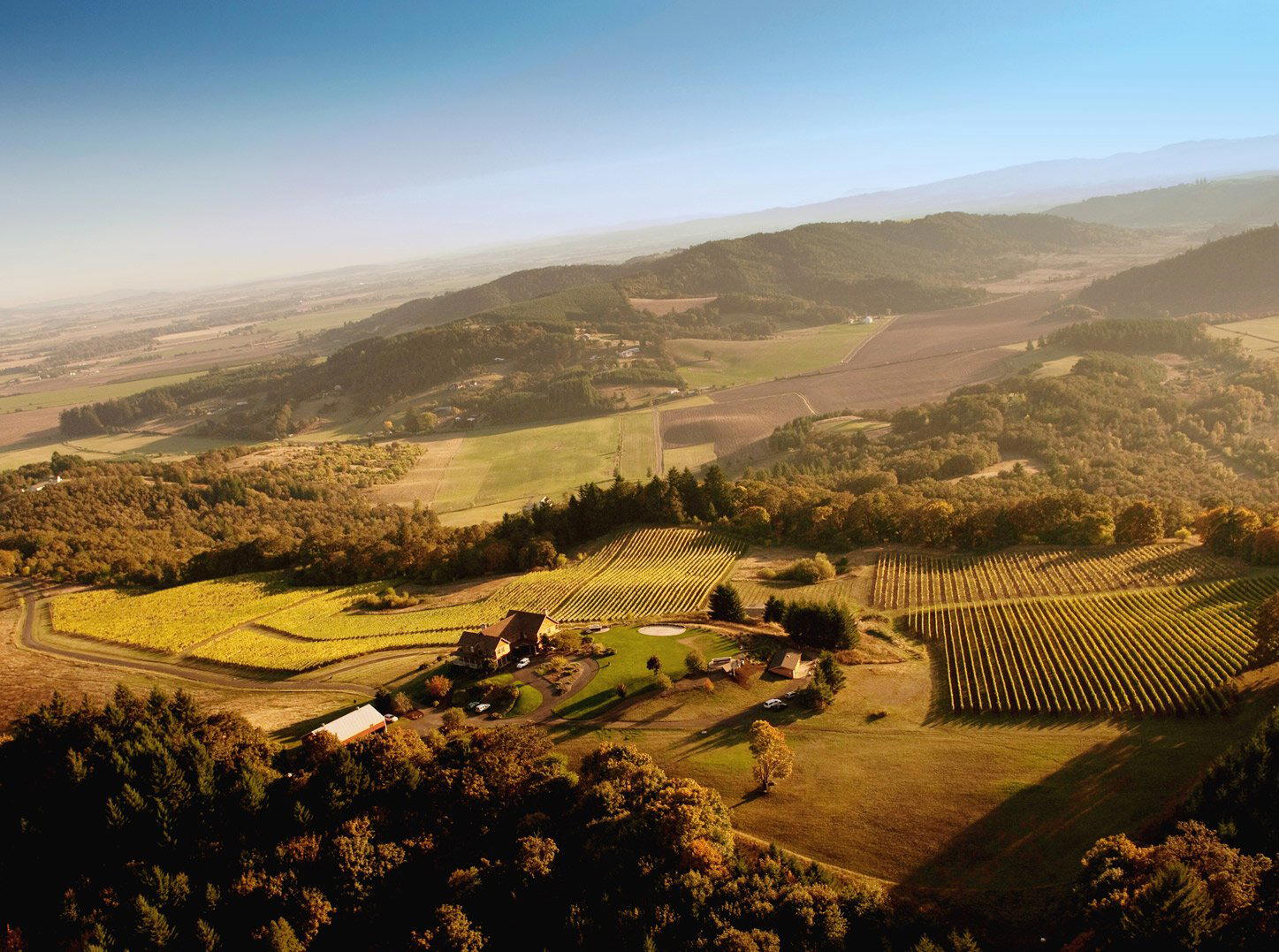
Elevation and Stillness: Arriving at Youngberg Hill
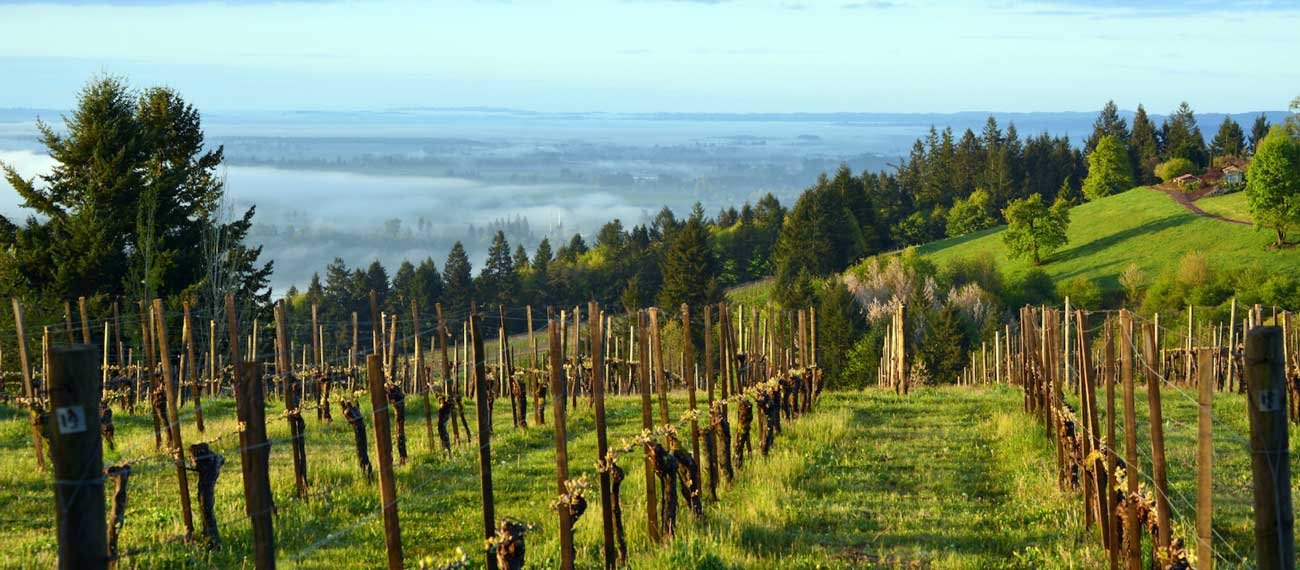
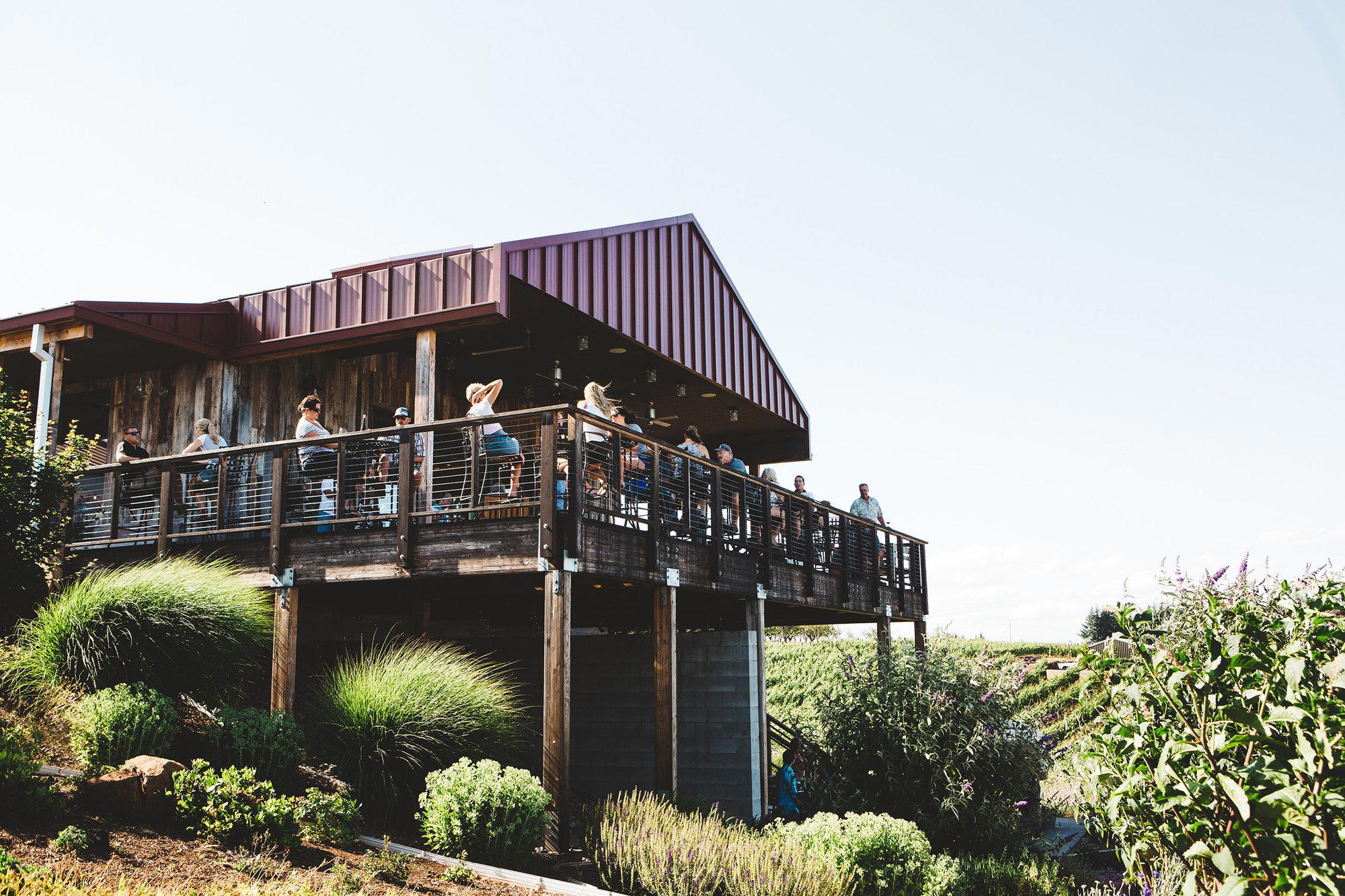
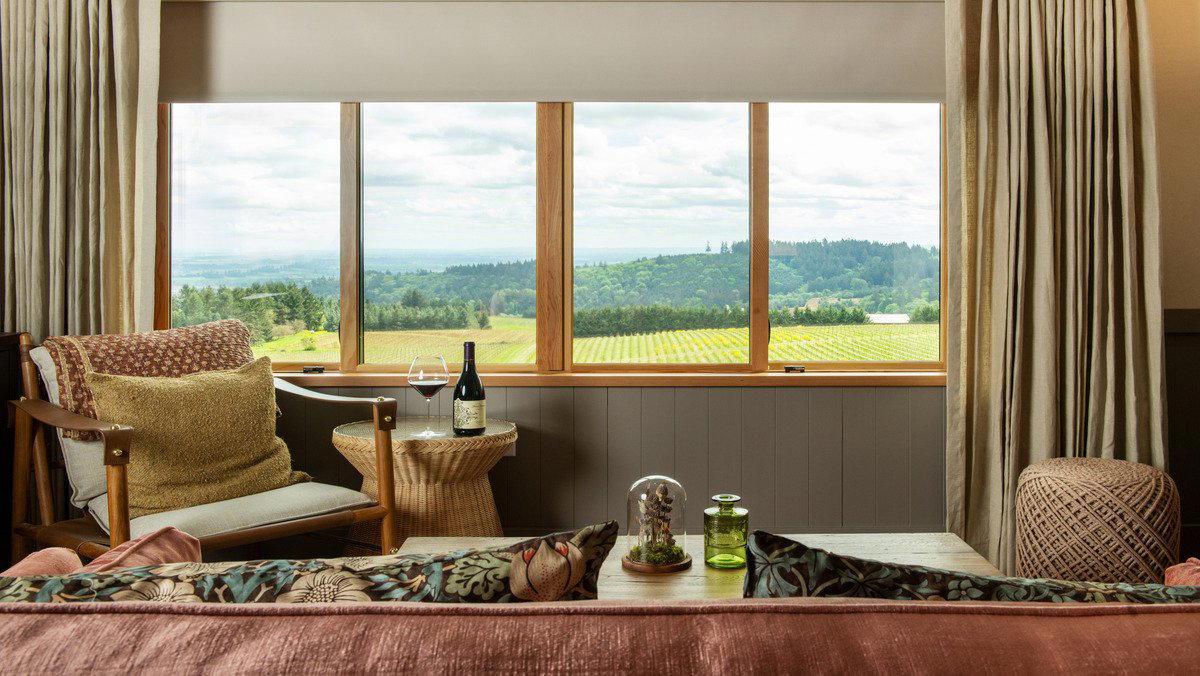
The approach to Youngberg Hill sets a particular tone before you ever reach the tasting room. The road climbs out of the McMinnville valley floor, the vine rows tightening on either side as the elevation rises. By the time you arrive, the city noise has dropped away entirely, replaced by the specific quiet of a working hillside estate. That physical transition, from valley floor to ridge, is not incidental. It is, in many ways, the first note of the tasting experience itself.
In the Willamette Valley, elevation matters both viticulturally and experientially. Hillside sites in this region tend to produce grapes with better drainage, more diurnal temperature variation, and a longer hang time than flat-floor plantings. The properties that have positioned their tasting rooms at the source, rather than in a separate facility closer to a highway, use that proximity as an argument. The view is evidence, not decoration. At Youngberg Hill, the setting functions as exactly that kind of editorial context for the wines poured inside.
Where It Sits in the McMinnville Wine Scene
McMinnville has developed a dual identity in Oregon wine. The town itself supports a walkable dining and tasting corridor that draws visitors who prefer to travel between producers on foot or by short drive. The surrounding hills, however, belong to a more deliberate category of estate: properties where the land itself is the argument, and where the tasting format reflects that seriousness. Youngberg Hill belongs to the latter group.
Across the Willamette Valley, the premium tier of estate producers has consolidated around a recognizable set of signals: hillside or refined sites, appointment-preferred or appointment-required formats, and the kind of critical recognition that places them in conversation with producers well beyond the state's borders. The Eyrie Vineyards, with its foundational role in establishing Oregon Pinot Noir's international credibility, represents one pole of that tradition. Maysara Winery, with its biodynamic farming program and family-scale operation, represents another.
That award designation carries weight in this context. It signals a level of quality and consistency that the broader Oregon wine conversation recognizes. When you factor in McMinnville's position as a destination for Pinot Noir enthusiasts arriving from across the country, a 2025 Prestige-level recognition is a meaningful data point for how to allocate a day in the region.
For context on how Oregon Pinot compares to other American fine-wine benchmarks, producers like Au Bon Climat in Santa Barbara or Adelsheim Vineyard in Newberg demonstrate how different American regions have staked out distinct identities in cool-climate varietals. The Willamette Valley's argument has always rested on the combination of volcanic and marine sediment soils, reliable cool summers, and a producer community that has maintained a restrained, Burgundy-influenced winemaking philosophy for decades. Youngberg Hill's positioning within that tradition is reinforced, not undercut, by its hillside estate format.
The Tasting Format and What It Signals
Prestige-tier estate producers in Oregon have largely moved away from open, drop-in tasting room models toward more structured formats. This shift reflects both demand management and a deliberate effort to match the experience to the quality of what is being poured. When a property has earned recognition at the level Youngberg Hill holds in 2025, the tasting format becomes part of the quality signal.
Visitors should expect an appointment-preferred or appointment-required structure, which is standard across comparable Willamette Valley estates in this price and prestige bracket. That format gives the property the ability to commit time and attention to each group, rather than managing a rotating crowd at a counter. It also means that arriving without prior contact is a risk, particularly on weekends from late spring through harvest season, roughly May through October, when the valley is at its busiest.
The practical implication: contact Youngberg Hill in advance to confirm format, availability, and any current tasting fee structures. These details shift seasonally at estate producers, and the information available at the time of any given visit may differ from what was current when any guide was written. The estate's website is the primary planning resource. Our full McMinnville restaurants and wineries guide can help you structure a broader itinerary around your visit.
Willamette Valley Pinot Noir in the Estate Context
The wines at a Willamette Valley hillside estate like Youngberg Hill exist within one of American wine's most specific quality arguments. Oregon Pinot Noir from refined, well-drained sites has spent the last three decades building a case for itself against Burgundy as the reference category, and the comparison has held up well enough that serious collectors now hold Oregon and Burgundy in the same cellar. The acid structure, the earthiness, and the restrained fruit profile that characterize wines from this part of the valley are not accidents of viticulture. They are the product of sustained, deliberate choices about farming and winemaking that the entire premium tier of Willamette producers has reinforced collectively.
Visitors with a reference point in, say, the more opulent Cabernet-driven identity of Alpha Omega in Rutherford or the Rhone-inflected program at Alban Vineyards will notice the difference in register immediately. Oregon Pinot from a site like this tends to ask more of the taster: the wines are less immediately dramatic, more dependent on what happens in the glass over time, and more rewarding once the palate adjusts to the cooler-climate idiom. That is not a limitation. It is the point.
Producers working in a comparable prestige register across other American regions, including Accendo Cellars in St. Helena, Aubert Wines in Calistoga, and Artesa Vineyards and Winery in Napa, are all making wines that reward attention and context. The difference at an estate like Youngberg Hill is the specific terroir argument: that this hill, in this valley, at this elevation, produces something that cannot be replicated at lower sites or in warmer climates.
Planning Your Visit
McMinnville sits roughly an hour southwest of Portland, making it accessible as a day trip, though the quality of the estate experience at properties in this prestige tier is better served by an overnight stay. The town has developed a hotel and inn infrastructure that supports wine-focused visitors, and arriving without a car return deadline changes the shape of a tasting significantly.
For those building a multi-producer itinerary, Youngberg Hill's hillside location places it in a natural sequence with other estate-format producers in the surrounding area. Combining it with a stop at a producer like Adelsheim Vineyard in Newberg, roughly thirty minutes north, gives a useful sense of how two different approaches to Willamette Valley Pinot express themselves at the same prestige level. Visitors interested in comparing the Willamette Valley's cool-climate model against producers working in warmer American appellations, such as Adelaida Vineyards in Paso Robles or Andrew Murray Vineyards in Los Olivos, will return from a trip like this with a clearer map of how climate shapes style at the top end of American wine. There are also further afield comparisons worth making: Alexander Valley Vineyards in Geyserville shows how a warmer California appellation handles a similarly estate-focused format, while Achaia Clauss in Patras and Aberlour represent the kind of old-world estate tradition that Oregon producers have long looked to as a reference.
Style and Standing
Comparable venues nearby, for context on price, style, and recognition.
| Venue | Cuisine | Price | Awards | Notes |
|---|---|---|---|---|
| Youngberg HillThis venue — the venue you are viewing | Pinot Noir, Pinot Gris | $20–30 | Not listed | Not listed |
| The Eyrie Vineyards | Pinot Noir, Pinot Gris | $100–150 | Not listed | Downtown McMinnville |
| Maysara Winery | Pinot Noir, Pinot Gris | Not listed | World's 50 Best #23 | McMinnville AVA |
| The Four Graces | Pinot Noir, Pinot Gris | Not listed | Not listed | Dundee Hills |
| Ken Wright Cellars | Pinot Noir, Chardonnay | $30–50 | Not listed | Carlton |
| Patricia Green Cellars | Pinot Noir | Not listed | Not listed | Newberg |
Continue exploring
More in McMinnville
Wineries in McMinnville
Browse all →
Bars in McMinnville
Browse all →
Restaurants in McMinnville
Browse all →
Details
- Romantic
- Scenic
- Rustic
- Intimate
- Elegant
- Romantic Getaway
- Special Occasion
- Wine Education
- Vineyard Tour
- Estate Grounds
- Terrace
- Panoramic View
- Organic
- Biodynamic
- Sustainable
- Vineyard
- Mountain
- Pinot Noir
- Pinot Gris
- Pinot Blanc
- Chardonnay
- Still Red
- Still White
- Still Rosé
- Sparkling
- Walk In Tasting
- Private Tasting
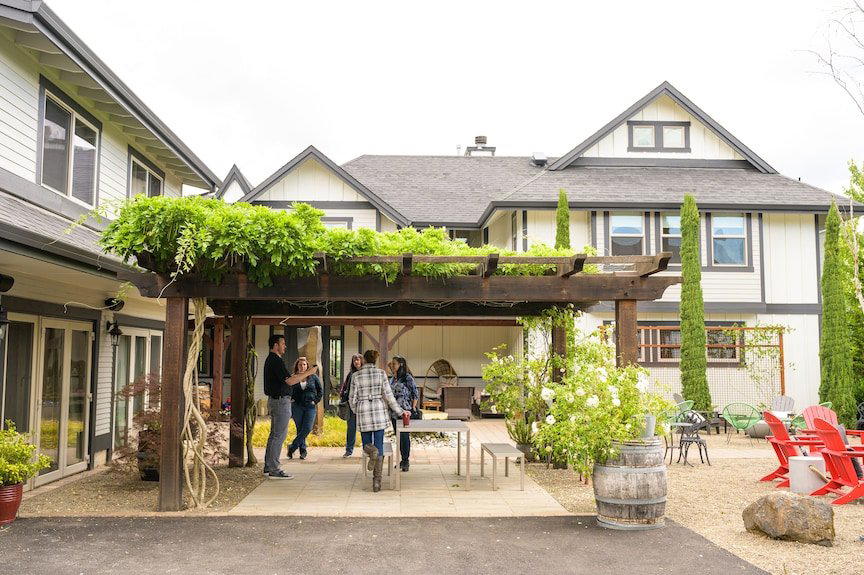
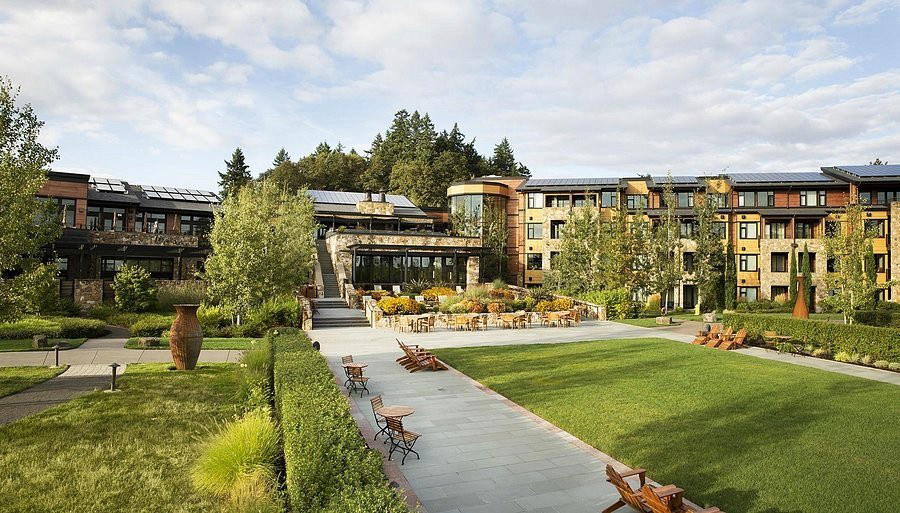
Peaceful and romantic with sweeping valley views from the deck, cozy inn rooms featuring fireplaces, and a serene hilltop atmosphere.