Xavier Vignon

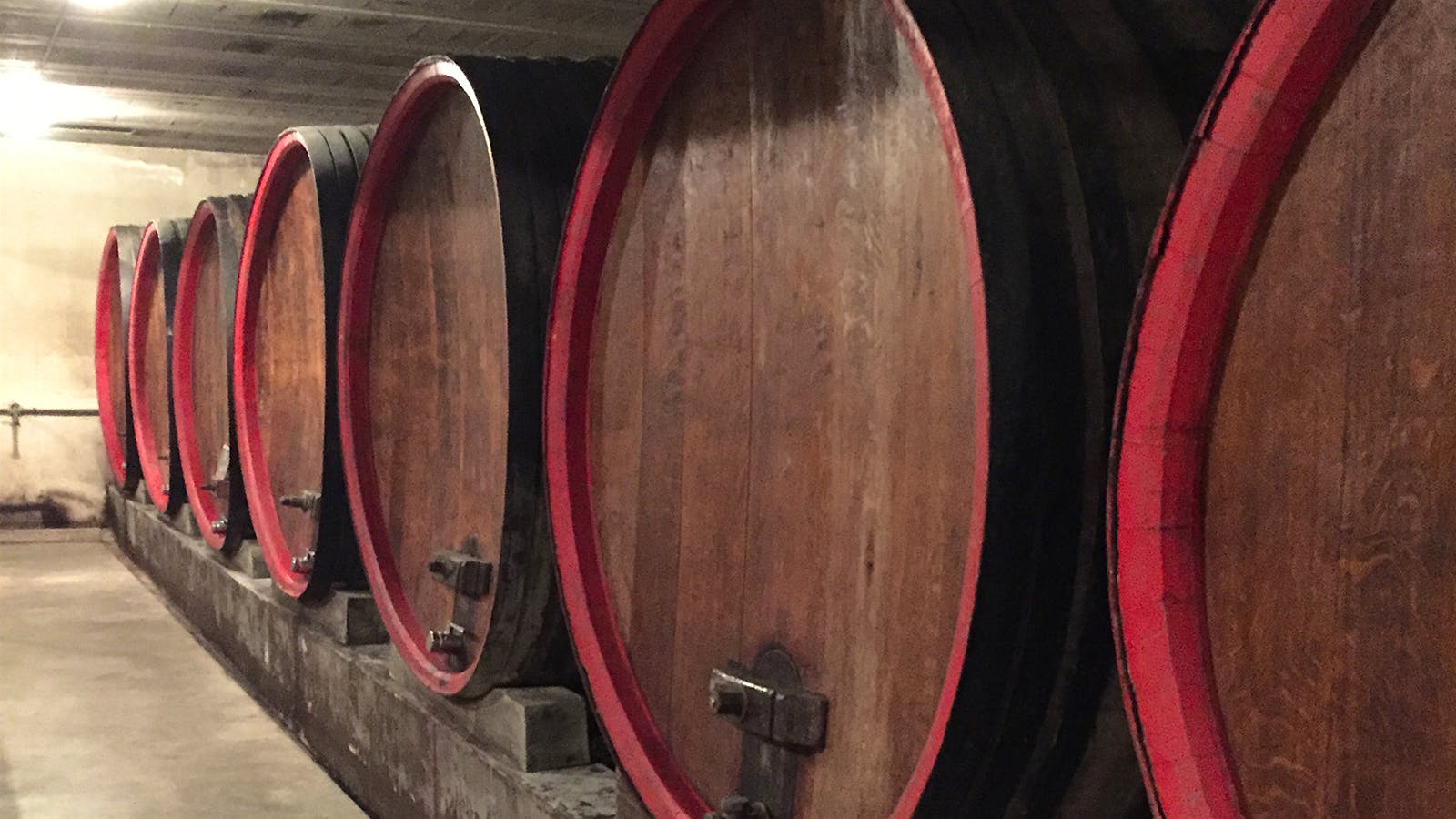
Xavier Vignon brings a modern, terroir-led reading of Châteauneuf-du-Pape, built around old vines, multiple parcels, and a cellar vocabulary that includes foudres, demi-muids, stainless steel, concrete, and amphorae. The draw is not château nostalgia, but a polished southern Rhône style shaped by Grenache, Mourvèdre, Syrah, and Clairette, with critic scores across recent vintages giving the wines clear trade credibility.
Pearl is the En Primeur Club membership app — saves, bookings, and concierge access live there. Same editors, same standards.
- Address
- Châteauneuf-du-Pape, Vaucluse, Frankreich
- Directions
- Get directions
 Saves & bookings on Pearl
Châteauneuf-du-Pape is a place where the name of the appellation carries much of the context. The village is closely associated with southern Rhône wine, with a strong identity built around terroir, old vines, and the idea that a wine can reflect more than one soil type or exposure. Xavier Vignon belongs to that modern reading of the appellation. The experience is best understood as polished and sophisticated rather than rustic or château-driven, with the focus placed on Châteauneuf-du-Pape itself and on how old-vine selections and mixed terroirs can shape a contemporary winery identity.
Because the profile for Xavier Vignon is intentionally narrow, the safest way to describe it is not through unconfirmed tasting menus, named cuvées, scores, founders, parcel counts, grape percentages, or cellar techniques. The confirmed story is simpler: this is a Châteauneuf-du-Pape winery with a modern, terroir-driven point of view. It emphasizes old-vine selections, mixed terroirs, and a tasting-room experience that feels polished rather than pastoral. That is enough to distinguish the venue without adding unsupported specifics.
Old vines and mixed terroirs define the Châteauneuf-du-Pape focus
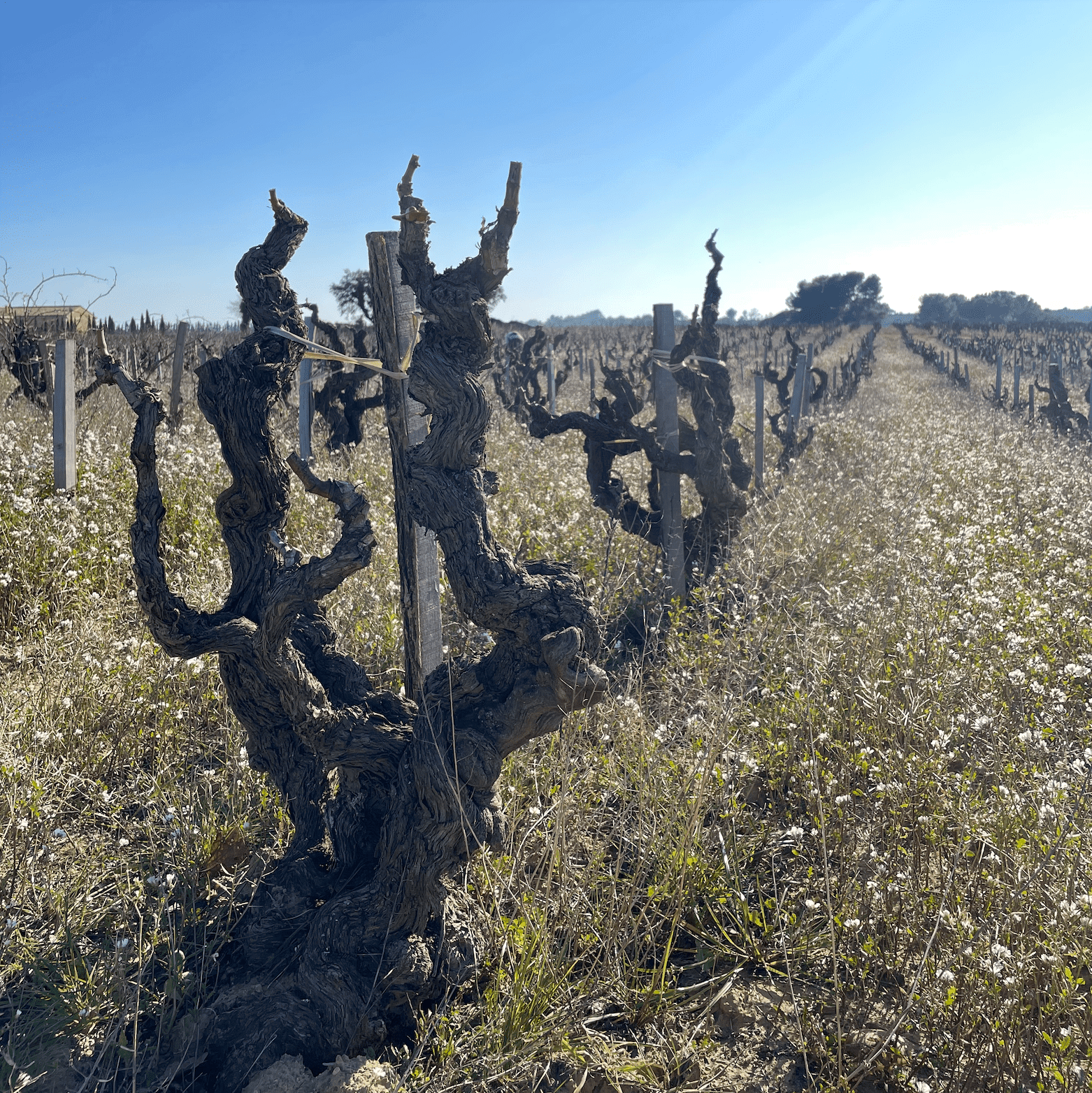
The core appeal of Xavier Vignon is its connection to Châteauneuf-du-Pape as an appellation. Rather than presenting the visit as a generic wine stop, the venue’s identity is tied to old-vine material and the way different terroirs within the area can contribute to a broader house style. For visitors, that means the point of interest is not a single scenic backdrop or a rustic estate narrative, but the way a modern winery frames the appellation through selection and interpretation.
Old vines matter because they are part of the identity of the venue. They suggest a focus on mature vineyard material and a more considered approach to sourcing, without requiring the page to claim vine ages, vineyard names, parcel totals, grape blends, or production figures. Mixed terroirs matter for a similar reason: they indicate that the winery’s Châteauneuf-du-Pape identity is not presented as one narrow site story, but as a broader appellation reading.
That distinction is useful for travelers planning a wine-focused visit. Some Châteauneuf-du-Pape experiences lean on historic buildings, family-estate atmosphere, or a rural château image. The winery’s positioning is different. It is modern, polished, and terroir-led, with sophistication coming from how the appellation is presented rather than from claims about luxury service, private formats, or rare amenities that are not confirmed here.
A technical Rhône project rather than a château inheritance
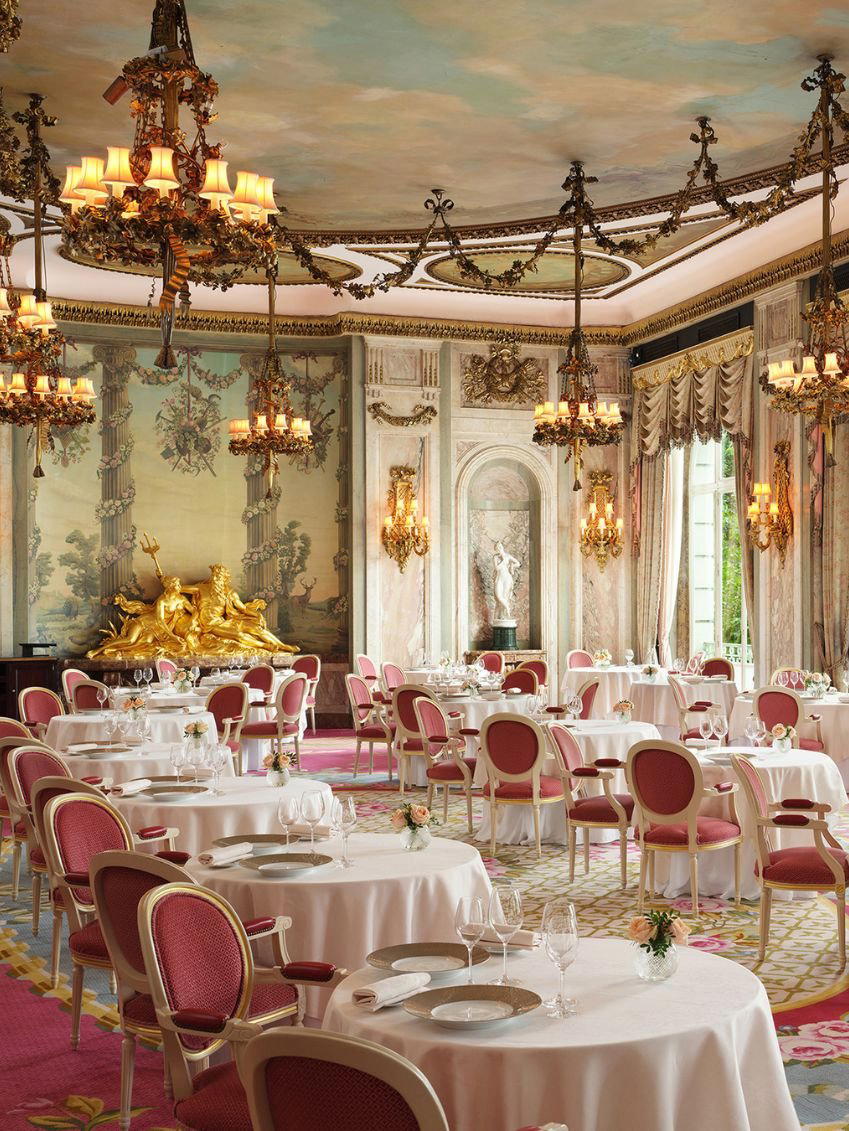
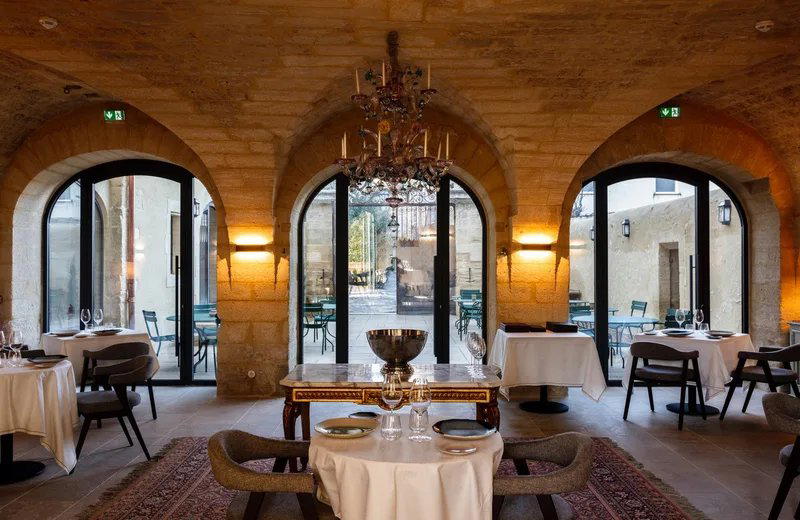
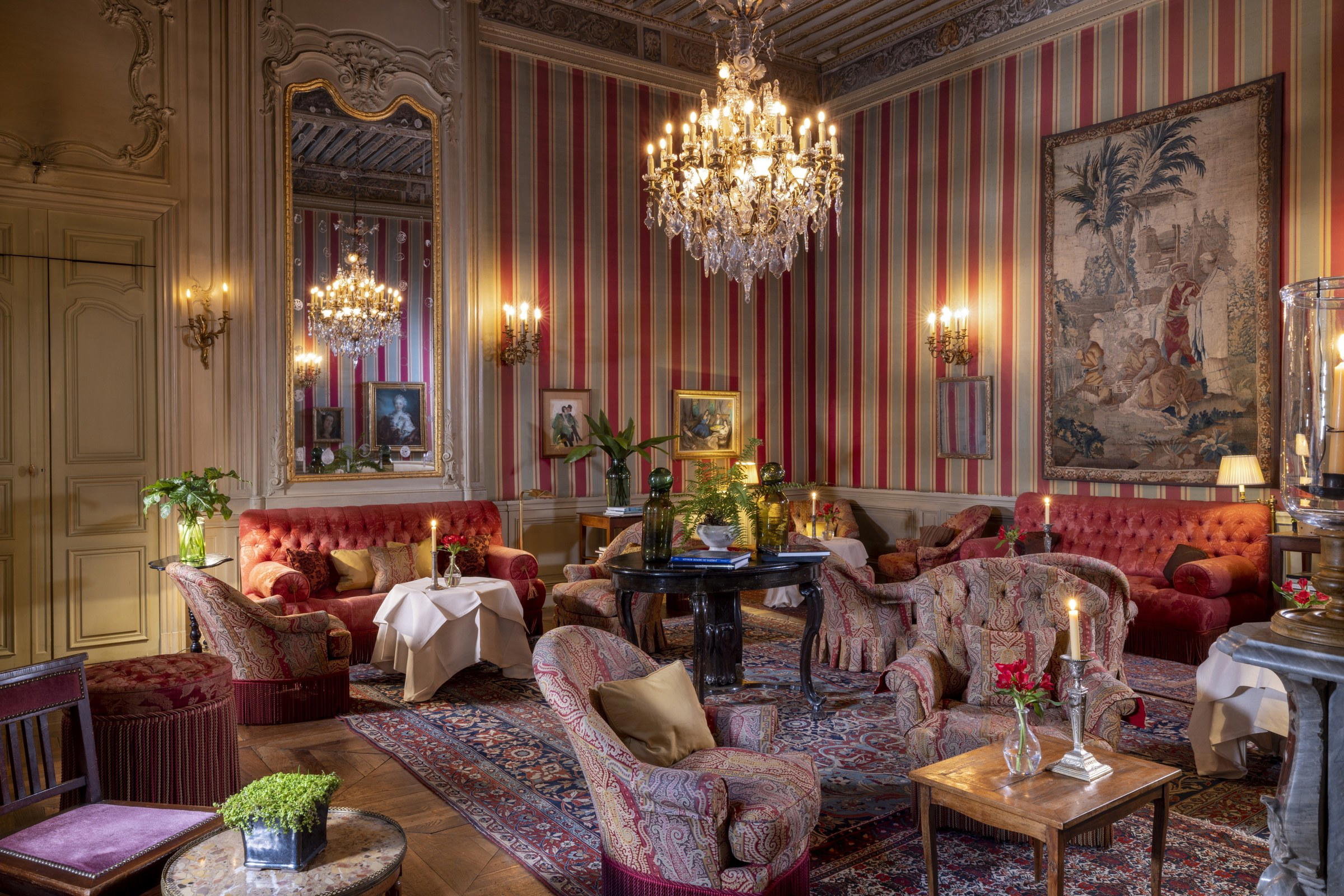
The winery is best described as a modern Châteauneuf-du-Pape winery rather than a rustic château setting. That does not make the experience less rooted in place. Instead, the emphasis is on a polished tasting-room environment and a contemporary, terroir-driven identity. The language around the venue points toward clarity, structure, and appellation focus rather than theatrical heritage.
For a premium venue guide, that difference matters. A visitor looking for farmhouse informality may not read the room correctly if the venue is presented as purely traditional. A visitor looking for a more composed and sophisticated way into Châteauneuf-du-Pape, however, will understand the appeal. The winery’s confirmed profile supports that reading: modern in presentation, centered on the appellation, and interested in old vines and mixed terroirs.
What should not be added are unsupported claims about awards, ratings, specific bottles, grape varieties, fermentation methods, aging vessels, food pairings, visit length, appointment rules, vineyard views, parking, production scale, or sustainability practices.
How to place it within a Châteauneuf-du-Pape itinerary
The winery fits an itinerary built around the appellation rather than around a single postcard image of Provence. It is a good candidate for travelers who want to understand Châteauneuf-du-Pape through a modern winery lens: old-vine selections, mixed terroirs, and a polished tasting-room experience. The price tier is listed as $$$, so it belongs in the more considered part of a wine-focused plan rather than being framed as a casual budget stop.
Strong comparison is with other Châteauneuf-du-Pape options in general terms. Some venues may emphasize heritage, architecture, or a more rustic setting; the winery’s profile points instead to a sophisticated and terroir-driven approach. If you are planning a wider day in Châteauneuf-du-Pape, use this stop as a way to explore the appellation’s modern side while leaving room for other unnamed dining, wine, or hospitality choices in the area.
For a broader Châteauneuf-du-Pape route, keep the itinerary anchored in the appellation rather than treating the village as a single-stop photo call. EP Club’s regional coverage includes planning pages for Châteauneuf-du-Pape wineries, restaurants, hotels, bars, and experiences. Nearby wine reading can be handled generically as part of a wider southern Rhône plan, but the winery should remain the named focus here.
The editorial reason to pay attention is clear: the winery gives Châteauneuf-du-Pape a polished, modern, terroir-driven reading. It is well suited to visitors who care less about rustic château romance and more about how a sophisticated tasting-room identity can frame old-vine selections and mixed terroirs within one of the Rhône’s most recognizable appellations.
Recognition history
Dated appearances from independent guides and award organizations, with the underlying list record or original source where available.
Falstaff Winery - Listed
Falstaff
Continue exploring
More in Châteauneuf-du-Pape
Wineries in Châteauneuf-du-Pape
Browse all →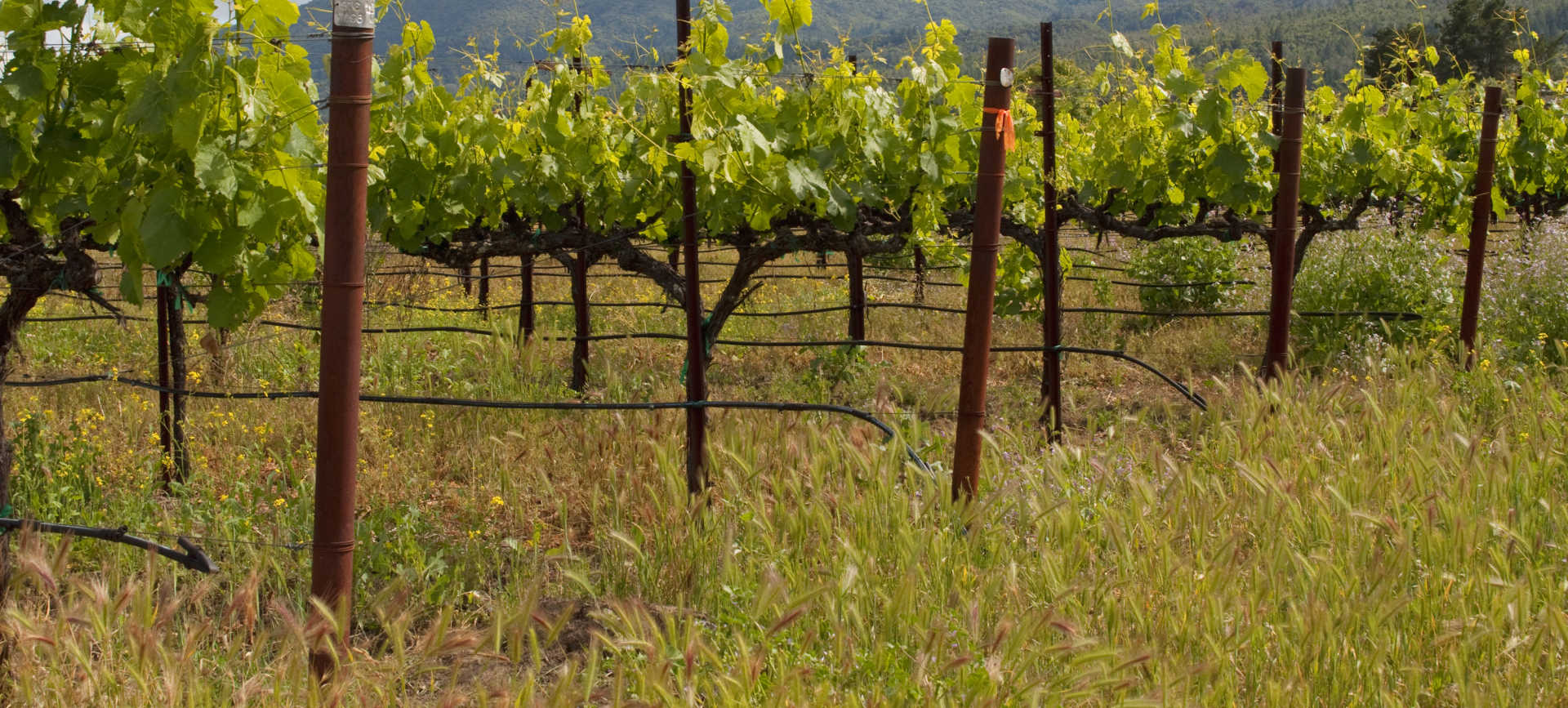
Bars in Châteauneuf-du-Pape
Browse all →
Restaurants in Châteauneuf-du-Pape
Browse all →
At a Glance
- Sophisticated
- Quiet
- Classic
- Elegant
- Special Occasion
- Wine Education
- Group Outing
- Private Tasting
- Design Destination
- Historic Building
- Sustainable
- Vineyard
- Châteauneuf Du Pape AOC
- Grenache
- Mourvèdre
- Syrah
- Clairette
- Still Red
- Still White
- Amphora
- Private Tasting
- By Reservation
A modern, terroir-driven winery identity centered on the Châteauneuf-du-Pape appellation, with an emphasis on old-vine selections, mixed terroirs, and a polished tasting-room experience rather than a rustic château setting.