Witching Stick Wines
Witching Stick Wines sits along CA-128 in Philo, California, at the heart of Anderson Valley's cool-climate wine country. For visitors tracing the valley's Pinot and Chardonnay corridor, it represents a purposeful stop.

Pearl is the En Primeur Club membership app — saves, bookings, and concierge access live there. Same editors, same standards.
- Address
- 8627 CA-128, Philo, CA 95466
- Phone
- (707) 272-8437
- Website
- witchingstickwines.com
- Directions
- Get directions
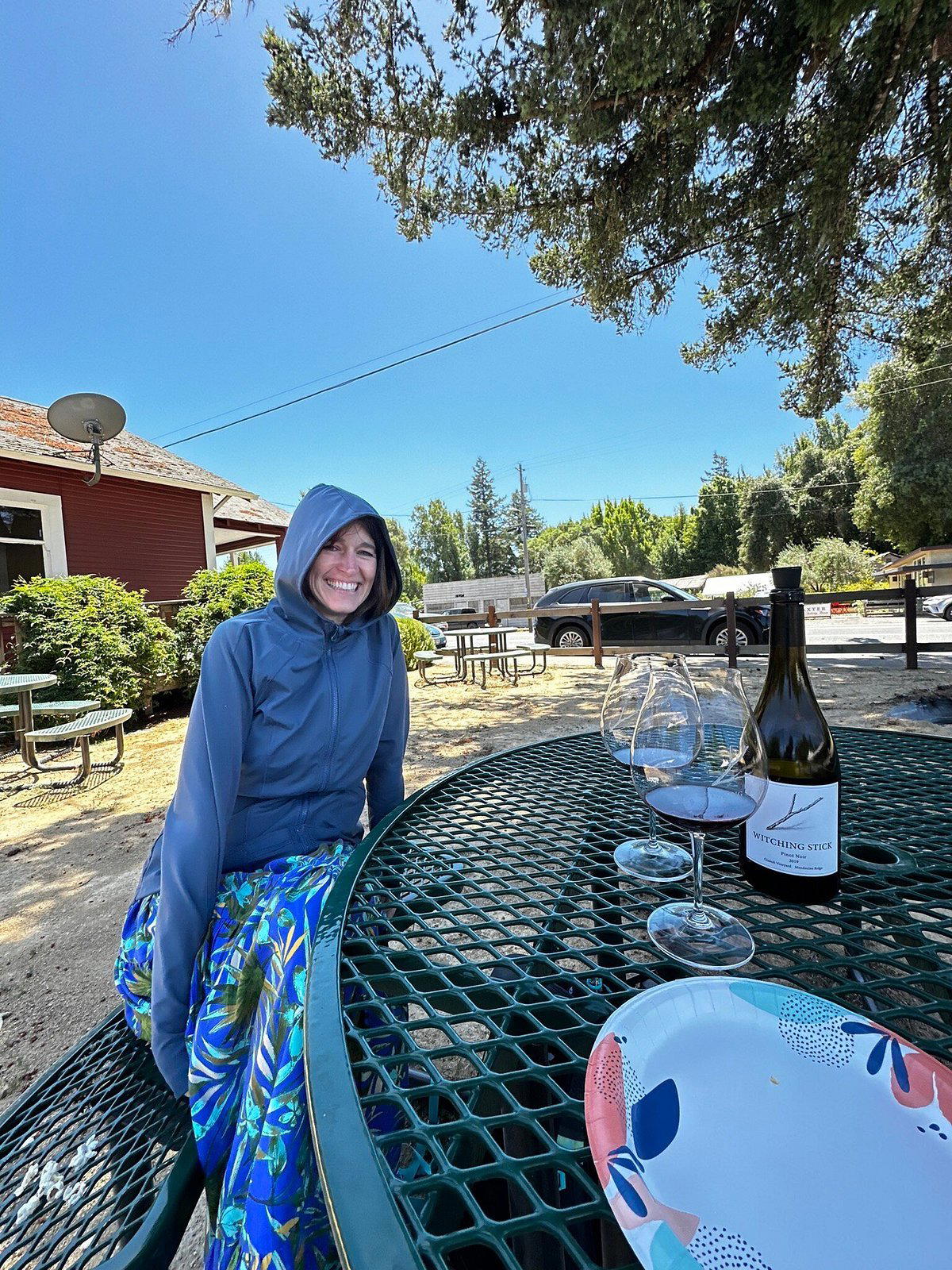
Anderson Valley and the CA-128 Corridor
The drive along CA-128 through Anderson Valley is one of California's more instructive wine routes. Redwood-framed ridgelines give way to a fog-prone valley floor where morning marine influence from the Mendocino coast pulls temperatures down enough to extend hang time for thin-skinned varieties. Pinot Noir and Chardonnay dominate the conversation here, and the producers who have built reputations in this valley tend to share a common orientation: restraint over extraction, site expression over winemaking intervention. Witching Stick Wines, at 8627 CA-128 in Philo, sits directly on this corridor, placing it within easy reach of the cluster of serious producers that has made Philo a reference point for cool-climate California wine.
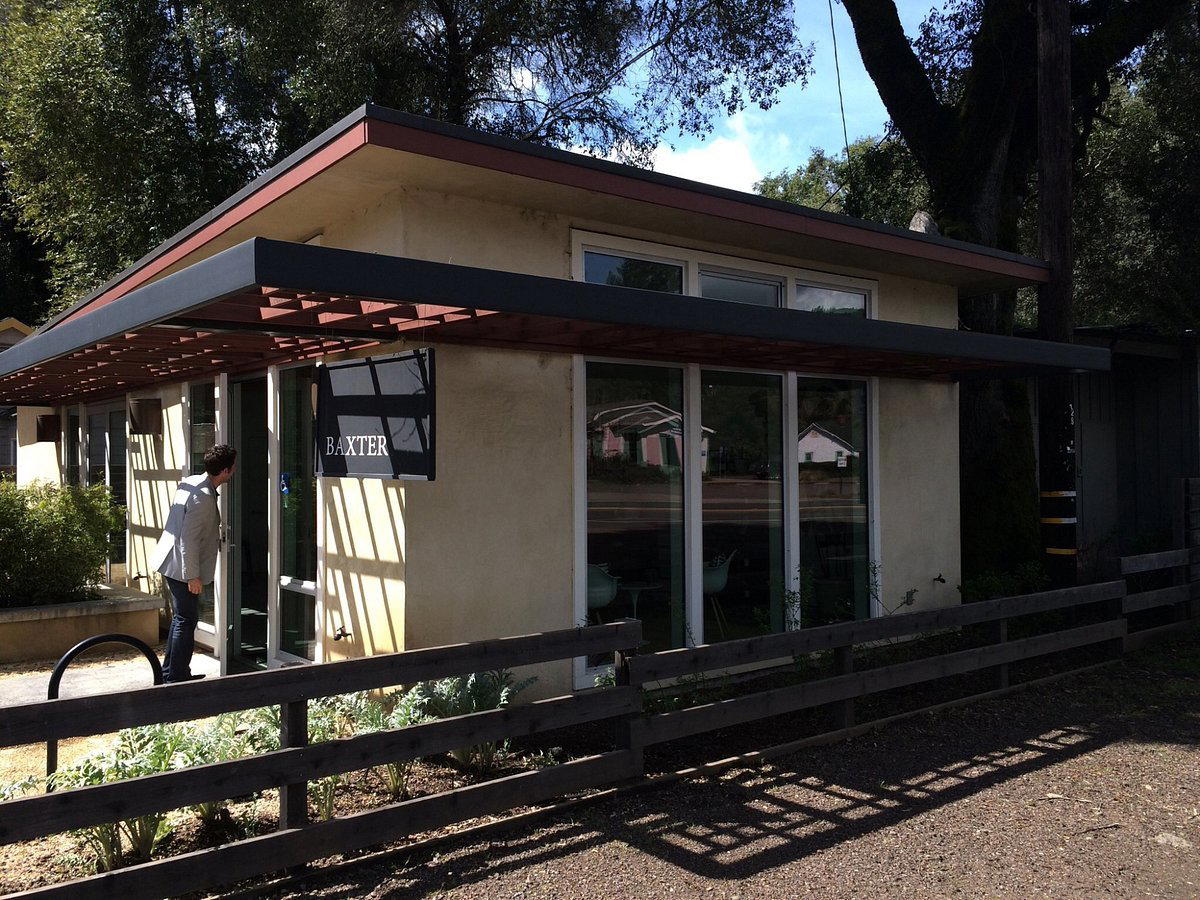
That peer group includes addresses such as Lazy Creek Vineyards, Roederer Estate, and Baxter Winery, each with its own approach to the valley's signature varieties but sharing a common seriousness about site and season.
What the Setting Registers
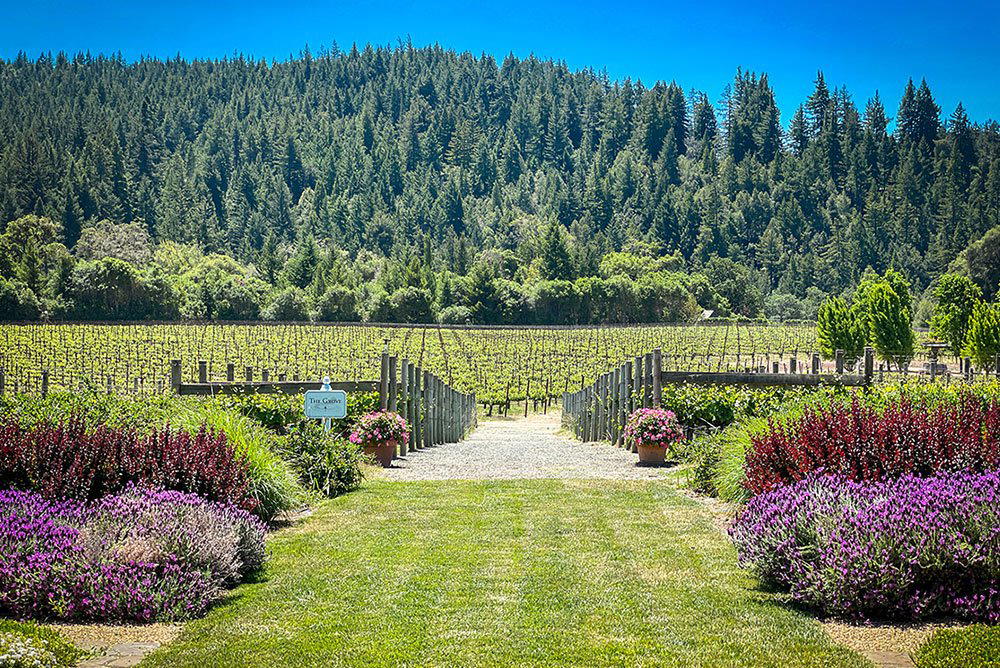
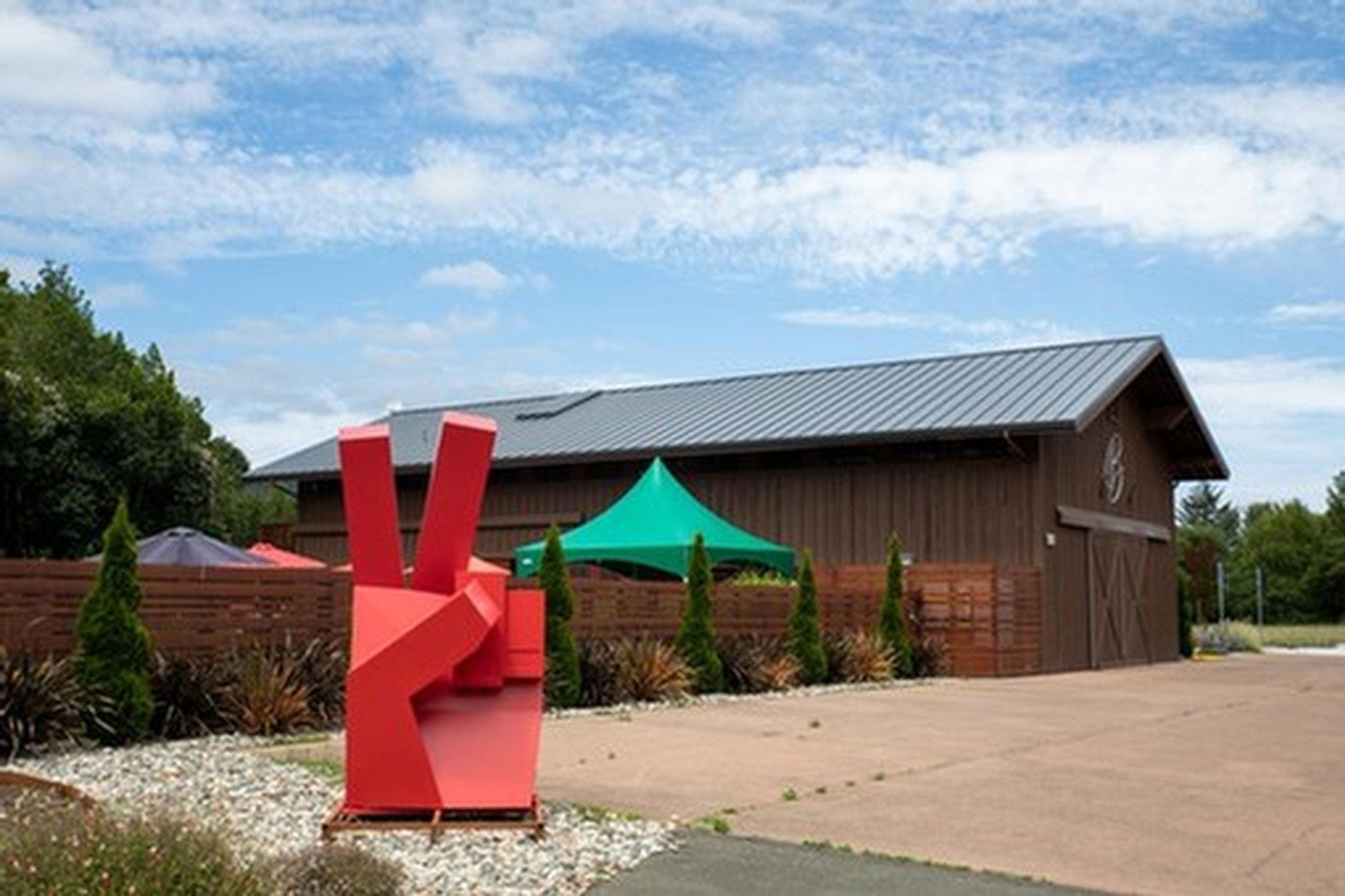
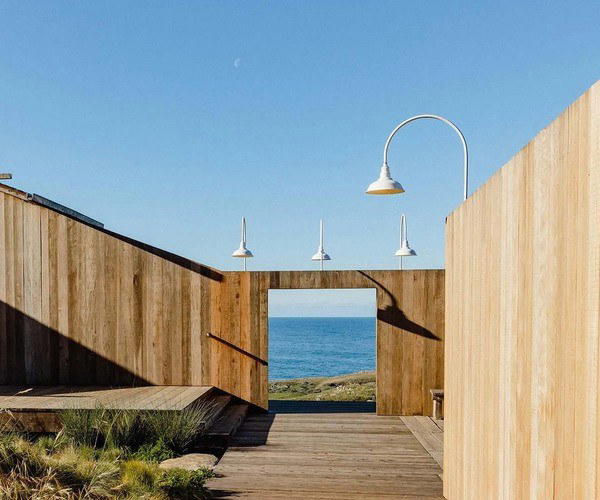
Anderson Valley producers operate in a physical environment that shapes every sensory dimension of a visit. The air arriving at a CA-128 address in the morning carries coastal moisture, and by midday the redwood-filtered light creates a quality of brightness that differs sharply from Napa or Sonoma valley floors. Tasting rooms along this stretch tend toward the agricultural rather than the architecturally theatrical, functional spaces where the wine, not the venue, is expected to carry the experience. That orientation is common across the valley's more serious producers, and it tends to attract visitors who arrive having done some research rather than those routing in from a broader tasting circuit.
The physical address on CA-128 places Witching Stick within the concentrated section of Philo where several of the valley's most discussed producers operate within a short distance of one another. Neighboring producers like Brashley Vineyards and Edmeades Winery contribute to a density of quality that makes this stretch of the valley the logical base for any serious Anderson Valley itinerary. The cumulative effect of visiting several of these producers in sequence is something a single-stop visit cannot replicate: an understanding of how differently individual sites and producers interpret the same climatic conditions.
The Anderson Valley Cool-Climate Context
California wine criticism has spent considerable energy over the past decade debating the merits of cool-climate regions against the warmer, higher-alcohol profile that dominated the international market for much of the 1990s and 2000s. Anderson Valley arrived early in that conversation. Its Pinot Noir achieved recognition, including placement in blind tastings against Burgundy benchmarks, before the broader cool-climate California narrative became commercially fashionable. Producers operating here now work within a tradition that has accumulated credibility over several decades, which changes the context for any new entrant or any producer achieving recognition for the first time.
EP Club's prestige ratings are applied after independent assessment, and a 2 Star placement in a valley as competitive as Anderson Valley suggests quality that holds up against established references. For comparison, the same regional framework applies to producers elsewhere in California carrying comparable recognition: Accendo Cellars in St. Helena, Adelaida Vineyards in Paso Robles, and Alpha Omega Winery in Rutherford each operate in competitive regional tiers where peer-set positioning matters as much as individual scores.
How Anderson Valley Visits Work in Practice
The valley's geography determines the practical logic of a visit. Philo is roughly two and a half hours north of San Francisco via US-101 and CA-128, and the approach through Boonville and the Navarro River canyon is part of what makes the destination feel genuinely removed from the Bay Area wine-tourism circuit. Most serious visitors arrive with an itinerary rather than improvising, partly because the better producers in the valley tend to require or strongly recommend reservations, and partly because the distance from urban centers makes spontaneous detours less practical.
The standard approach for Anderson Valley tasting rooms at the prestige tier is to contact producers directly before visiting, many operate on appointment-only or limited-hour formats, particularly outside summer weekends. A visit planned around a confirmed appointment rather than a walk-in attempt will consistently produce a better experience at this tier of producer.
Those building a Philo itinerary can use our full Philo restaurants and wineries guide to map the broader visit. The CA-128 corridor rewards planning: a two-day visit with accommodation in or near Boonville allows for unhurried visits to three or four producers rather than the compressed single-day circuit that tends to flatten the distinctions between them.
Placing Witching Stick in a Broader California Frame
Anderson Valley sits within a wider California cool-climate picture that extends from the Sonoma Coast through Santa Barbara County. Producers elsewhere in that picture, including Alban Vineyards in Arroyo Grande, Andrew Murray Vineyards in Los Olivos, and Alexander Valley Vineyards in Geyserville, each work within regional identities that carry their own traditions and competitive dynamics. What separates Anderson Valley from most of those addresses is the concentration of prestige-tier producers in a geographically small area, which allows a visitor to develop a comparative picture in a single trip rather than across multiple California journeys.
The recognition earned by Witching Stick in 2025 places it in a regional conversation that extends well beyond Philo. Producers at the Pearl prestige tier, whether in California, Oregon, or internationally, operate within a framework where allocation, visit access, and reputation tend to compound over time. For visitors tracing serious wine production across regions, Anderson Valley remains one of the more coherent arguments for California's place in the cool-climate Pinot and Chardonnay conversation, and Witching Stick has now earned its position in that argument. Comparative reference points in Oregon's Willamette Valley, such as Adelsheim Vineyard in Newberg, and internationally, like Achaia Clauss in Patras and Aberlour in Aberlour, illustrate how broadly the prestige tier operates across wine cultures, context worth holding when assessing what a 2025 Pearl 2 Star in Anderson Valley actually signals.
Budget and Context
Comparable venues nearby, for context on price, style, and recognition.
| Venue | Cuisine | Price |
|---|---|---|
| Witching Stick WinesThis venue — the venue you are viewing | Philo, Pinot Noir, Zinfandel | Not listed |
| Toulouse Vineyards | Philo, Pinot Noir, Pinot Gris | $20–30 |
| Twomey (Anderson Valley) | Winery | Not listed |
| Lazy Creek Vineyards | Philo, Pinot Noir, Gewürztraminer | $1–10 |
| Edmeades Winery | Philo, Zinfandel, Pinot Noir | Not listed |
| Londer Vineyards | Winery | Not listed |

Details
- Casual
- Rustic
- Intimate
- Cozy
- Solo Exploration
- Wine Education
- Estate Grounds
- Vineyard
- Pinot Noir
- Zinfandel
- Still Red
- Walk In Tasting
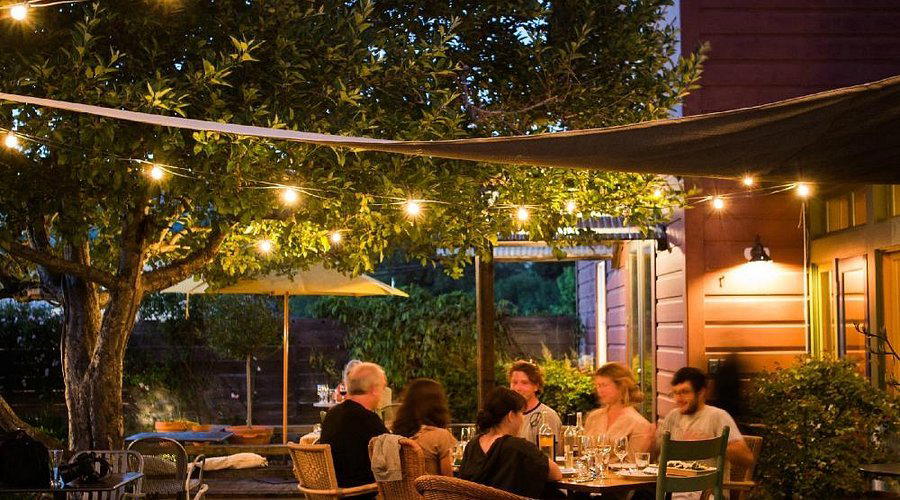
Casual and friendly with a laid-back, unassuming atmosphere.