Londer Vineyards
Londer Vineyards operates out of Philo, California, in the Anderson Valley appellation, where cool Pacific air and redwood-sheltered ridgelines have built a serious case for Burgundian varieties.
- Address
- 14051 CA-128, Boonville, CA 95415, USA
- Directions
- Get directions
Anderson Valley and the Case for Cold-Climate California
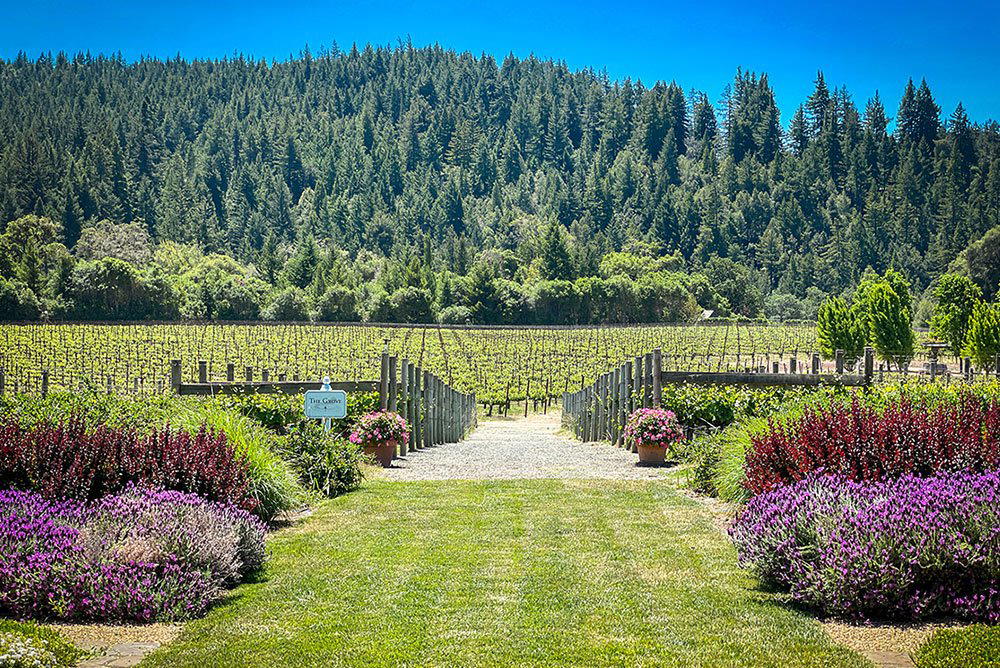
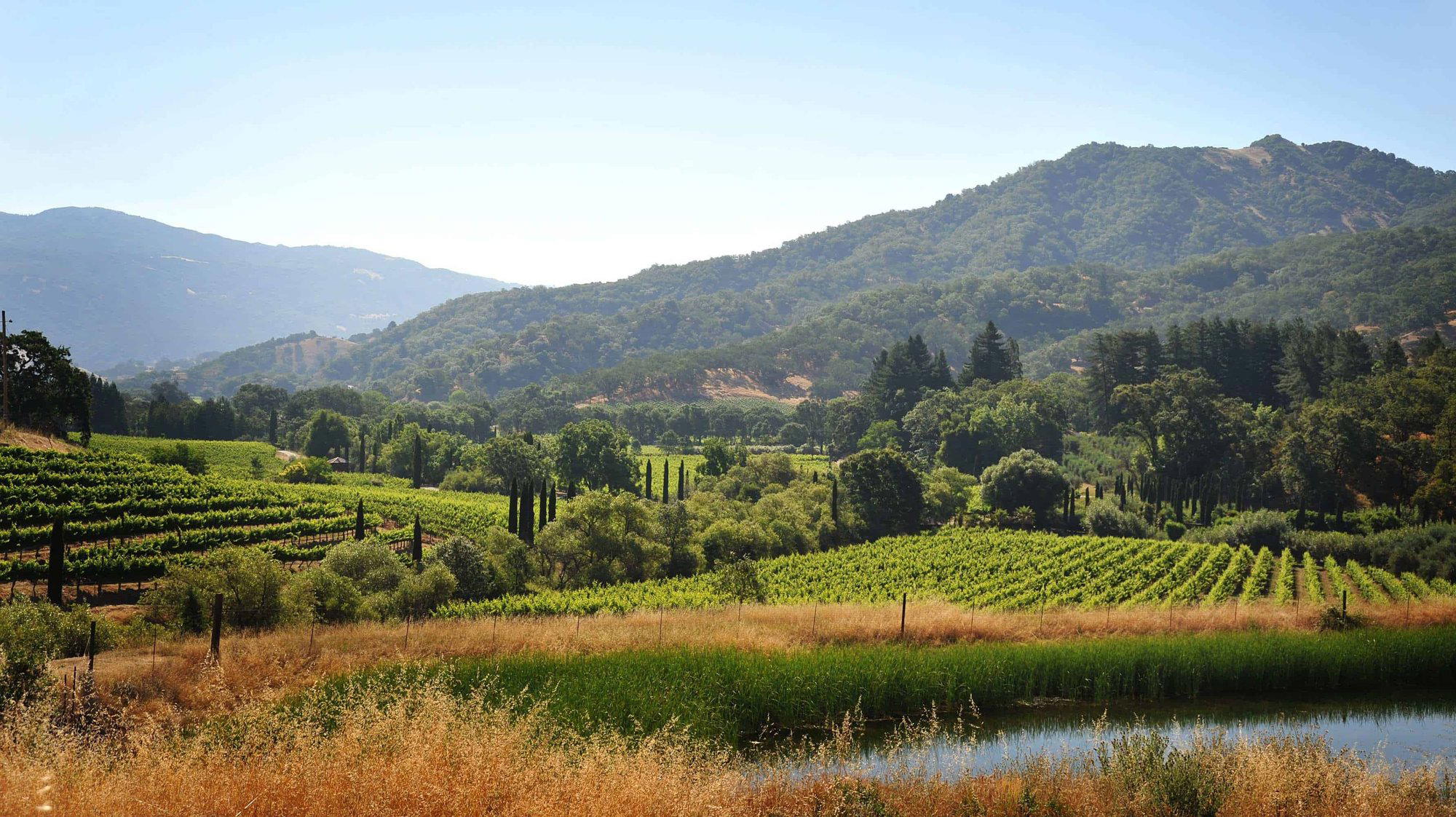
The drive along CA-128 through Mendocino County's Anderson Valley is one of California wine country's more disorienting experiences. Forty minutes from the Sonoma County border, the coastal fog that burns off Napa by mid-morning lingers here well into the afternoon. Temperatures at harvest can run fifteen degrees cooler than comparably timed picks in the Russian River Valley. The valley floor is narrow, heavily forested on the ridgelines, and largely unknown to visitors whose mental map of California wine begins and ends with Cabernet. That setting is the argument for everything that happens at Londer Vineyards.
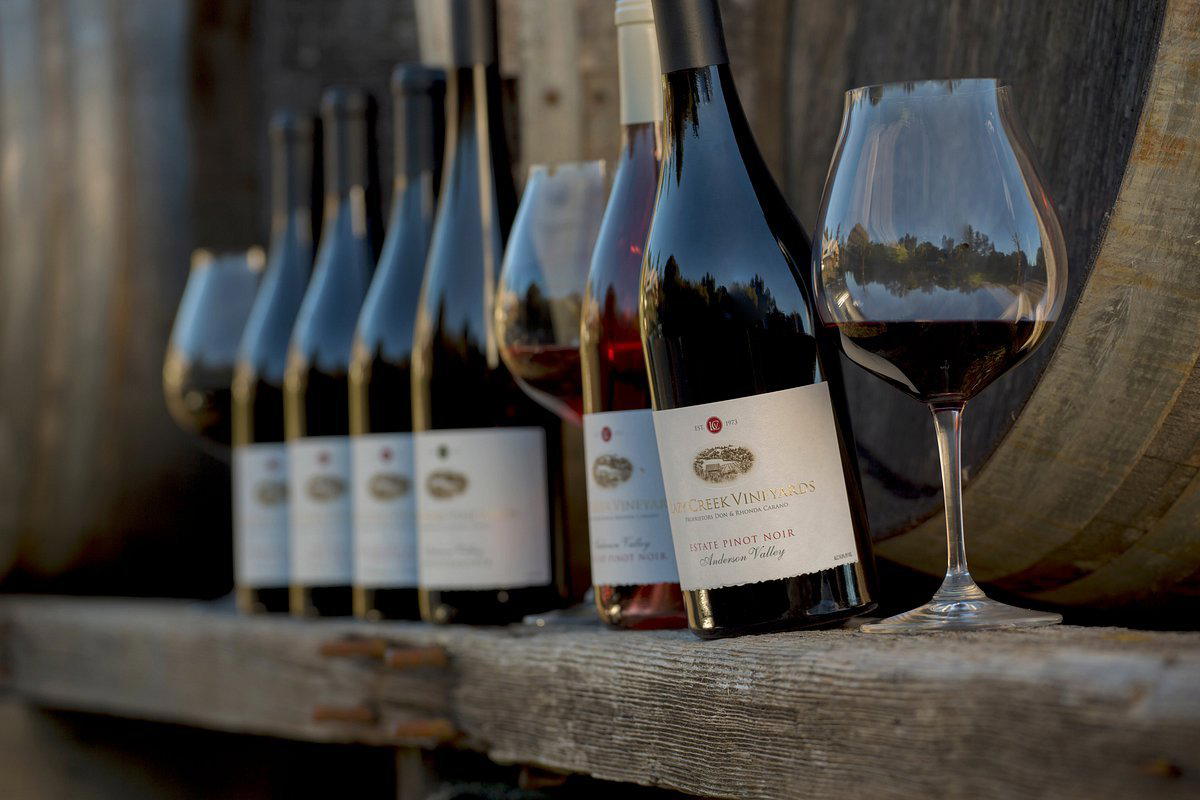
Anderson Valley built its reputation on Pinot Noir and Alsatian varieties, particularly Gewurztraminer and Pinot Gris, varieties that need diurnal temperature swings and extended hang time rather than radiant heat accumulation.
The Physical Setting Along Highway 128
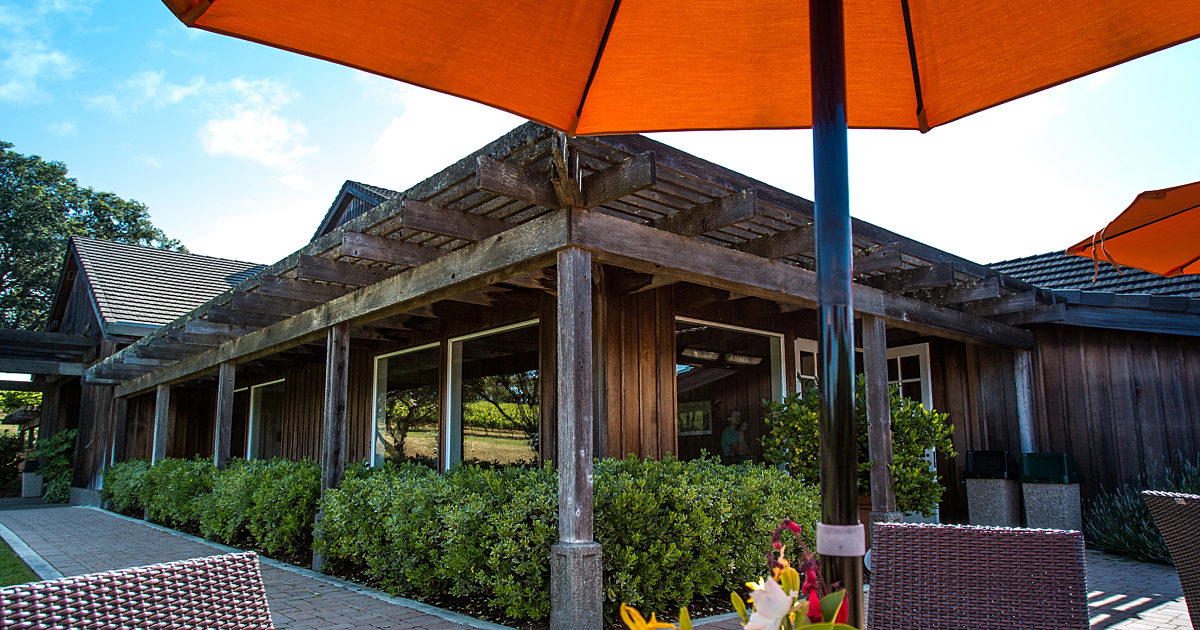
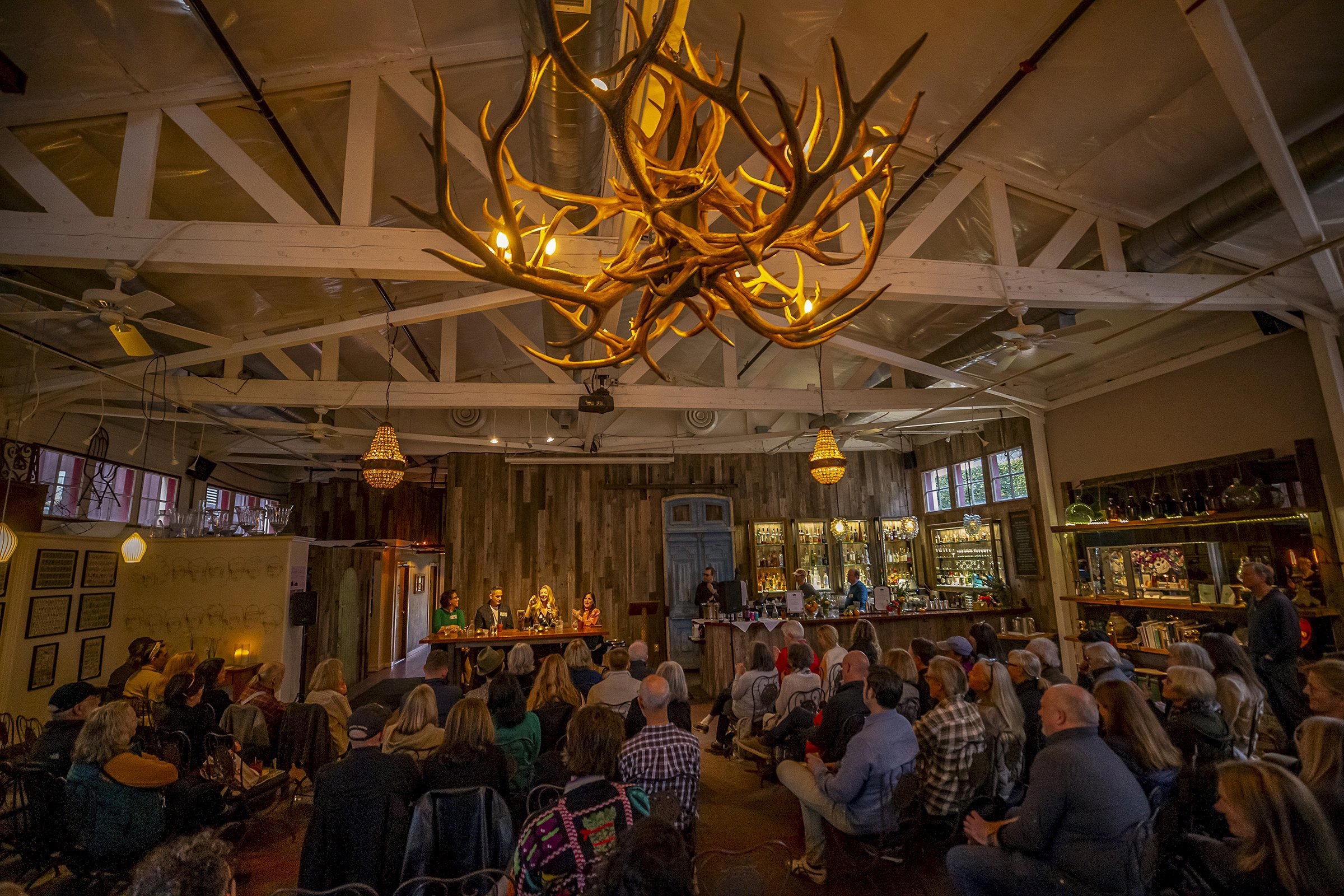
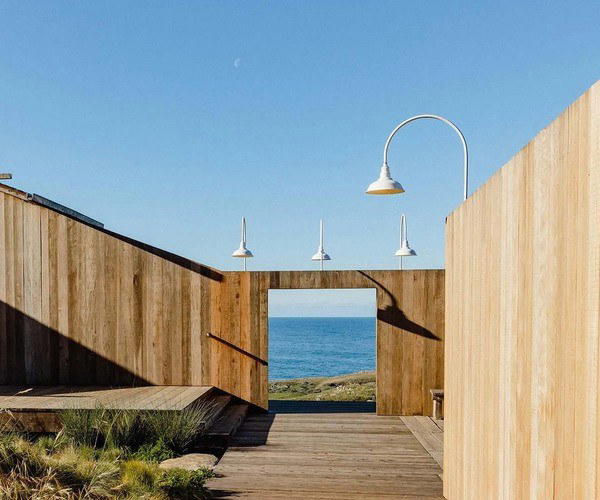
Londer Vineyards sits at 14051 CA-128 in Boonville, which places it along the spine of one of California's most scenically demanding wine routes. The Anderson Valley corridor along CA-128 is a working agricultural road first and a tasting circuit second, which shapes the character of every property along it. There are no manicured resort approaches here, no valet stands or hospitality pavilions scaled to bus groups. The design language of Anderson Valley's better producers tends toward the functional and the site-specific: structures built to suit the terrain rather than to signal arrival.
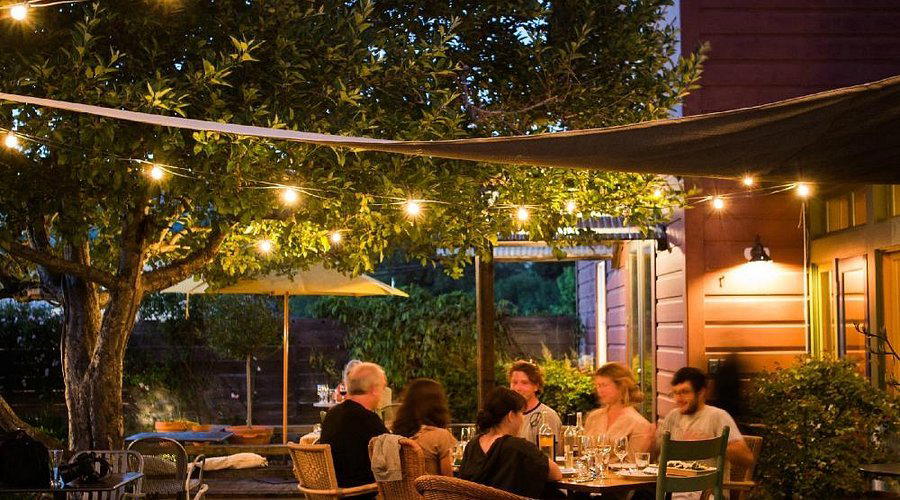
That spatial register matters. Wineries along this stretch of CA-128, including Lazy Creek Vineyards and Baxter Winery, share a common architectural sensibility rooted in working farm infrastructure rather than designed tasting rooms built for throughput. The experience of visiting is more intimate and less choreographed than in, say, Napa's Rutherford corridor or the structured appointment systems that govern houses like Accendo Cellars in St. Helena. The physical container here is the vineyard itself, the tree line, and the quality of afternoon light on the valley floor.
Anderson Valley has a handful of anchor producers whose scale and distribution give the appellation its external reputation. Roederer Estate, the Champagne house's California operation, remains the most widely distributed name from the valley and anchors the appellation's commercial identity in sparkling wine. Below that tier, the valley's Pinot-focused producers split between those with national allocation followings and smaller operations that sell primarily through the tasting room and mailing list. Londer Vineyards.
For context, neighboring producers Brashley Vineyards and Edmeades Winery operate in the same Philo cluster, where the valley is at its narrowest and coolest and where Pinot Noir expressions tend toward the leaner, more acid-driven end of what California produces. That stylistic positioning aligns Anderson Valley more closely with Oregon's Willamette Valley producers, such as Adelsheim Vineyard in Newberg, than with the richer, warmer-climate Pinot programs found further south.
California's broader coastal Pinot map offers useful comparison points. Alban Vineyards in Arroyo Grande sits at the warmer, Rhone-influenced end of California's cool-coast spectrum, while Andrew Murray Vineyards in Los Olivos makes a case for Santa Barbara County's own Rhone tradition. Anderson Valley's argument is structurally different: lower alcohol potential, higher natural acidity, and a growing season that rewards patience over extraction. Londer Vineyards operates within that argument.
The Appellation as Context
Anderson Valley received its American Viticultural Area designation in 1983, relatively early for California's appellation system, and has since attracted a small but consistent wave of Burgundian-trained producers drawn by the cold-climate conditions. The valley's floor AVA sits at roughly 200 to 1,200 feet in elevation across its length, with the Philo section where Londer is located representing the cooler, more fog-influenced western portion. Marine influence from the Pacific, which enters through the Navarro River corridor, is the defining climatic variable.
That climatic profile has made Anderson Valley a reference point in discussions about where California can credibly compete with Burgundy on varietal terms rather than stylistic imitation. Producers like Londer, recognized at prestige level, are part of that ongoing argument. Internationally, the comparison holds water: the diurnal range and maritime influence in Anderson Valley parallel conditions in parts of the Côte de Nuits more than in Sonoma's warmer subzones. For readers whose reference points extend beyond California, the valley's wines often come as a recalibration.
Other California wine regions offer their own expressions worth benchmarking: Adelaida Vineyards in Paso Robles shows what limestone-influenced, inland Paso can do with Rhone varieties, while Alexander Valley Vineyards in Geyserville and Alpha Omega Winery in Rutherford represent warmer Sonoma and Napa expressions respectively. The contrast sharpens what Anderson Valley producers, including Londer, are doing differently.
For those drawing comparisons beyond California entirely, the ambition of producers in entirely different wine cultures, from Aberlour in Scotland to Achaia Clauss in Patras, underscores how place-specific winemaking identity operates at the premium end of the market.
Planning a Visit
Londer Vineyards is located at 14051 CA-128, Boonville, CA 95415, on the Anderson Valley's primary wine route. Phone and website details are not publicly listed in, so approaching through our full Philo guide for the most current contact and booking information is advisable. Anderson Valley visits are most productive during late spring and early autumn, when the valley is accessible without the summer weekend traffic that builds on CA-128 during peak Sonoma tourism season. The Philo cluster of wineries is tightly grouped, making it practical to visit Londer alongside Lazy Creek, Baxter, and Edmeades in a single day. Given that smaller Anderson Valley producers frequently operate by appointment rather than open tasting room hours, contacting Londer in advance of travel is the practical approach regardless of season.
Side-by-Side Snapshot
A small set of peers for context, based on recorded venue fields.
| Venue | Price | Awards |
|---|---|---|
| Londer VineyardsThis venue — the venue you are viewing | Not listed | Not listed |
| Roederer Estate | $30–50 | Falstaff Winery - Listed |
| Lazy Creek Vineyards | $1–10 | Not listed |
| Baxter Winery | $10–20 | Not listed |
| Brashley Vineyards | $30–50 | Not listed |
Continue exploring