
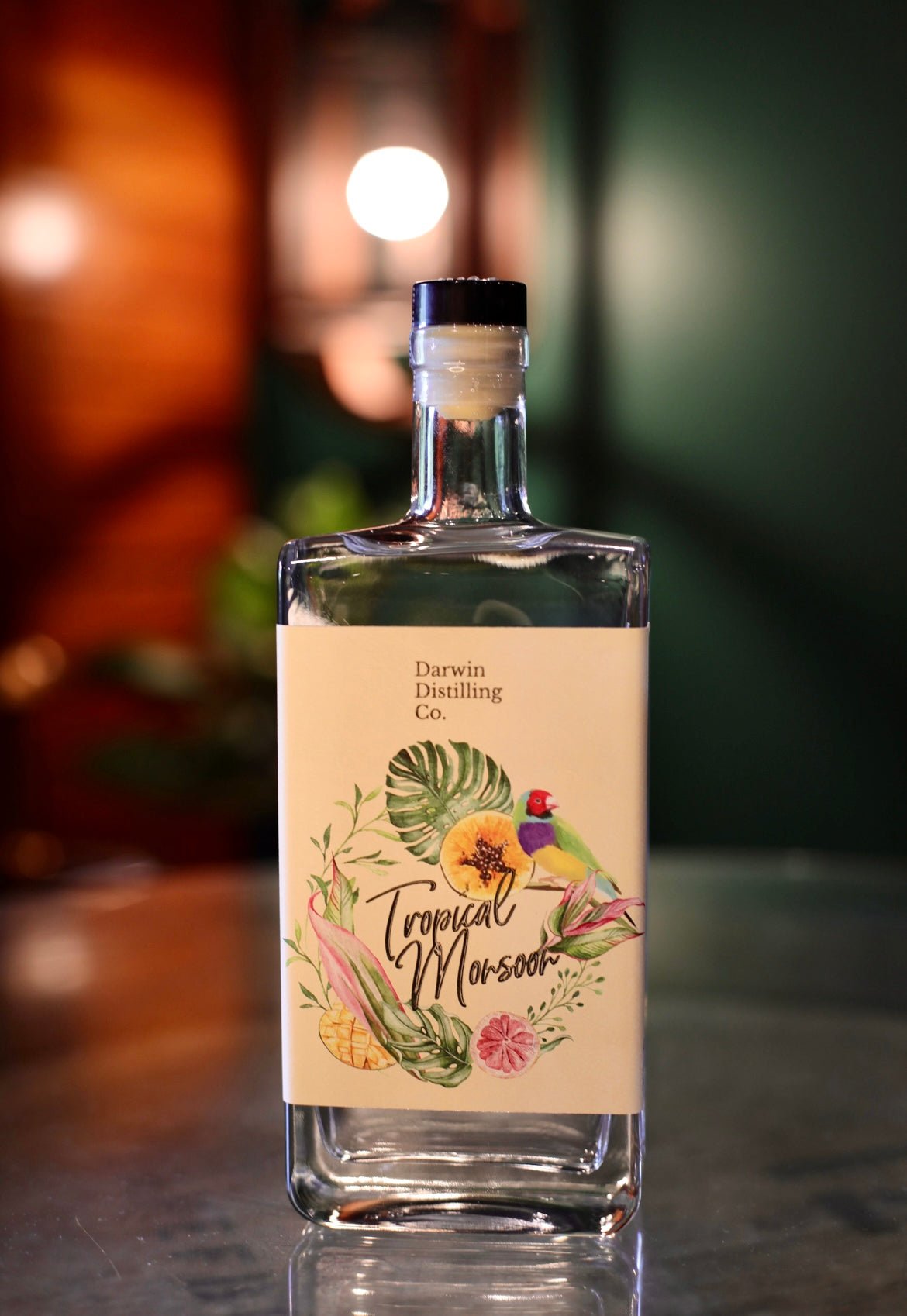
Willing Distillery operates out of Winnellie, Darwin's industrial fringe, where a 2025 Pearl 2 Star Prestige award positions it among Australia's more decorated craft spirits producers in a city developing a genuine distilling identity. Alongside Darwin Distilling Co and Speargrass Distillery, it represents a small cluster of Northern Territory producers defining what tropical-climate spirits production looks like at a serious level.
 Discover on Pearl
Pearl is the En Primeur Club membership app — saves, bookings, and concierge access live there. Same editors, same standards.
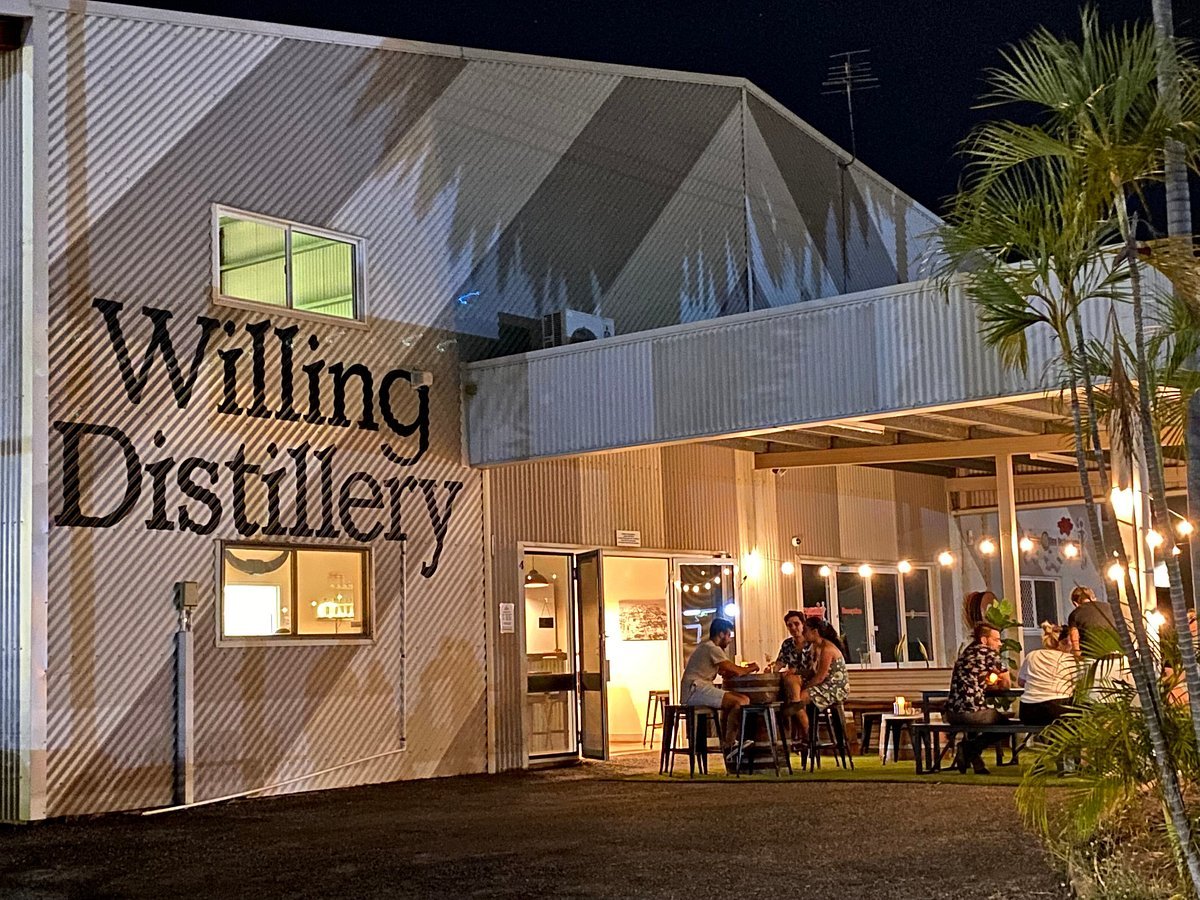
Darwin's Industrial Fringe and the Seriousness of Small-Batch Spirits
Australia's craft distilling scene has matured considerably since the early 2010s, when artisan producers were largely novelties attached to wine estates or tourist draws. By the mid-2020s, a smaller cohort of independent distilleries had separated from that initial wave — recognised not through hospitality volume or cellar-door footfall, but through independent assessment of what's actually in the bottle. Willing Distillery, operating from a light-industrial address on Benison Road in Winnellie, sits in that smaller cohort. Its 2025 Pearl 2 Star Prestige award is a credential that places it within a peer set judged on production quality rather than visitor experience.
Winnellie is not the kind of address that appears in conventional travel itineraries. Darwin's industrial corridor — warehouses, trade suppliers, logistics yards , is where the city's working infrastructure sits, and several of the Northern Territory's more serious small producers have set up in exactly these kinds of spaces. The logic is practical: floor space, utilities access, and proximity to freight corridors matter more to a working distillery than a scenic outlook. What happens here is production-focused, and that orientation tends to filter the audience toward those who arrive knowing what they're looking for.
Where Willing Distillery Sits in Darwin's Spirits Landscape
Darwin now has a genuine cluster of craft spirits producers. Darwin Distilling Co and Charlie's (Darwin Distillery) are among the city's more established names with visible retail and hospitality presences, while Speargrass Distillery represents another producer operating in the territory's broader spirits space. One Mile Brewery and Distillery occupies the combined brewing and distilling format that has become increasingly common in regional Australian markets.
Within this local field, Willing Distillery's Pearl 2 Star Prestige recognition in 2025 provides a point of differentiation that isn't self-reported. The Pearl rating system assesses spirits on quality benchmarks independent of scale or marketing profile, which means a producer in a Winnellie industrial unit competes on the same criteria as a much larger, better-resourced operation. That kind of recognition carries weight precisely because it strips away the advantages of presentation, atmosphere, and brand storytelling.
For context on how Australian craft spirits producers are assessed nationally, it's useful to look at the broader field. Archie Rose Distilling Co in Sydney has been among the most decorated independents in the country's eastern-seaboard market, operating at a different scale and with a different hospitality model. What producers like Willing Distillery demonstrate is that award-level quality is not exclusively the domain of well-capitalised city operations with design-forward venues.
The Northern Territory as a Production Environment
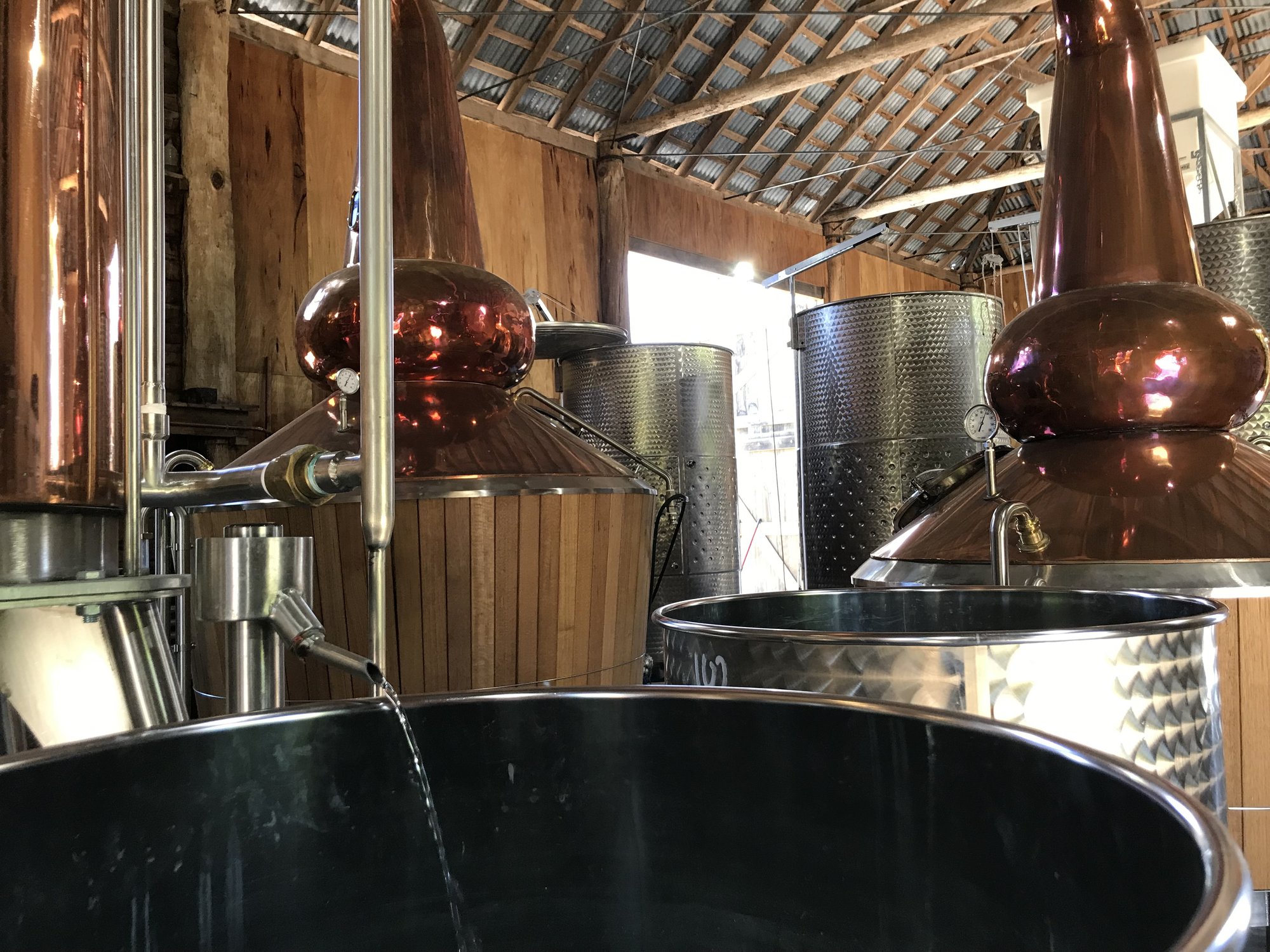
The Northern Territory's climate presents conditions that no other Australian wine or spirits region replicates. Darwin sits at roughly 12 degrees south latitude, with a wet-dry seasonal cycle that bears no resemblance to the temperate rhythms of the Barossa, Clare Valley, or even the warmer reaches of the Murray Darling. Maturation rates for barrel-aged spirits accelerate significantly in tropical heat , a factor that affects flavour development in ways that are still being documented and understood by producers working in this environment.
This is not a peripheral detail. Tropical maturation is a genuine technical variable, and distilleries operating in Darwin and the broader Northern Territory are working within conditions that their counterparts in Melbourne, Sydney, or the Adelaide Hills simply don't encounter. The question of how spirits age in sustained high temperatures, with significant humidity variation between wet and dry seasons, is one that producers here are answering through practice rather than inherited tradition. That makes the NT a genuinely distinct production zone, not just a geographic footnote.
Across the broader Australian spirits and wine categories, regional identity has become a more serious discussion over the past decade. Producers in Rutherglen, Great Western, and Adelaide Hills each work within conditions that shape what ends up in the glass. The Northern Territory is at an earlier stage of that regional identity formation , which is precisely why a credentialed producer like Willing Distillery matters for establishing what NT spirits can be at their most serious.
How Independent Awards Function in the Craft Spirits Market
The Pearl rating system operates within a broader international framework for assessing distilled spirits across categories. A 2 Star Prestige rating is not an entry-level acknowledgment , it represents a threshold of quality that puts a producer within the upper portion of assessed submissions. For a small independent distillery without the distribution networks or marketing infrastructure of larger national brands, this kind of rating functions as a credibility signal that travels further than the producer's own reach.
This matters practically. Hospitality buyers, specialist retailers, and informed consumers use independent ratings to calibrate purchasing decisions, particularly when dealing with producers whose cellar-door or tasting experience they haven't personally had. For a distillery based in Winnellie rather than on a scenic rural property, a documented quality credential compensates for the absence of the picturesque setting that many consumers still associate with premium spirits production. The product has to do the persuading that environment can't.
It's worth comparing this dynamic to how wine producers in less-visited regions have used international show results to build reputations. Bass Phillip in Gippsland built its premium reputation on critical assessment long before Gippsland became a recognised fine wine destination for visitors. Brokenwood in the Hunter Valley used show medals and critical recognition to establish export credibility. The mechanism is the same for distilleries working outside established tourism circuits.
Planning a Visit
Willing Distillery is located at 1/31 Benison Road, Winnellie, NT 0820 , accessible by car from central Darwin, in a part of the city that doesn't have a tourism infrastructure around it. Phone and website details are not currently listed, so contacting the distillery directly to confirm opening arrangements before visiting is the practical approach. Winnellie is not a walking or casual drop-in destination; it rewards those who plan ahead rather than those who arrive speculatively.
Darwin's broader drinks and dining scene is covered in our full Darwin restaurants guide, which maps the city's hospitality options across categories. For those using Darwin as a base to explore Australian spirits and wine production more widely, the range of producers receiving recognition nationally , from Angove Family Winemakers in Renmark to Blue Pyrenees Estate in the Pyrenees , illustrates how distributed serious production has become across Australia's regions. For international reference, the contrast with something like Aberlour in Scotland or Accendo Cellars in St. Helena underscores how different the production environment and heritage context can be, while the award frameworks that evaluate quality remain consistent across those distances.
A Minimal Peer Set
A fast peer set for context, pulled from similar venues in our database.
Continue exploring
More in Darwin
Wineries in Darwin
Browse all →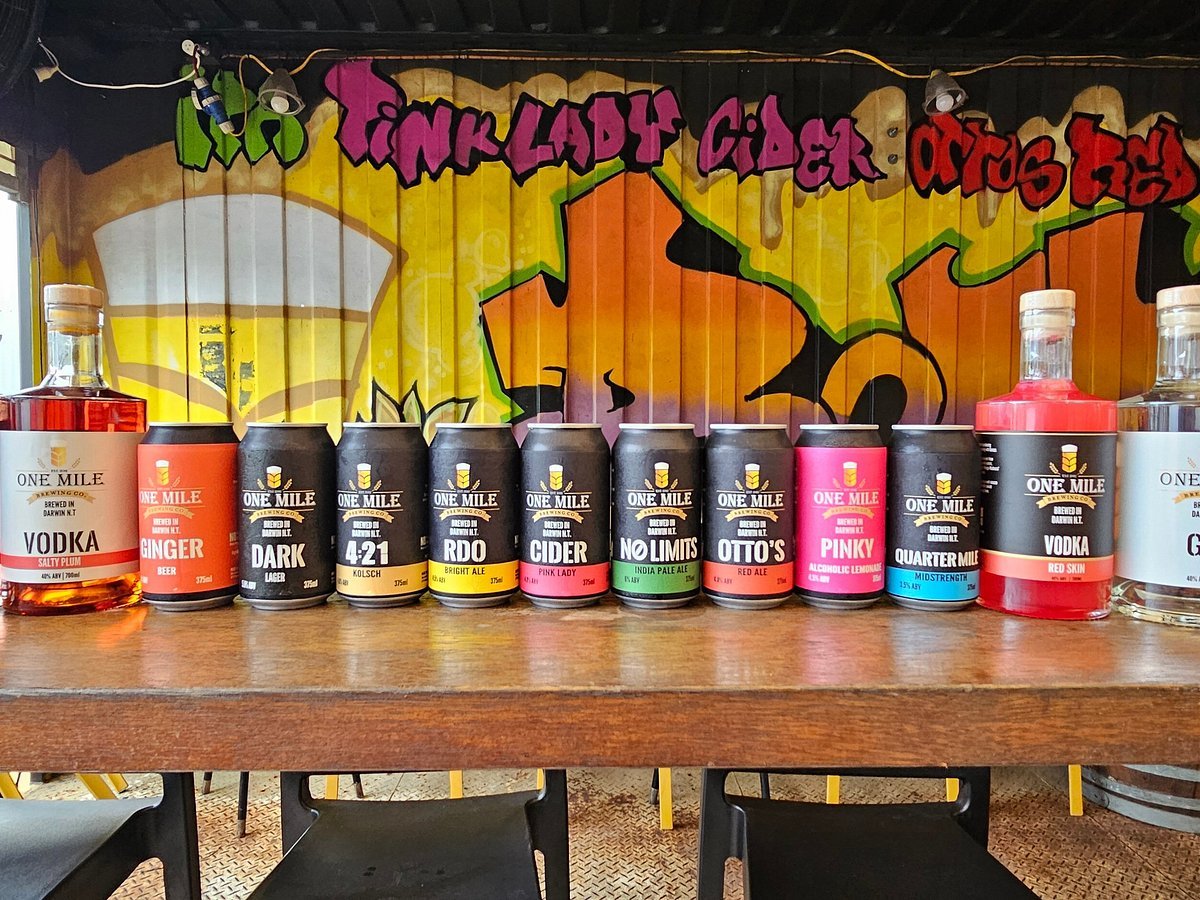
Bars in Darwin
Browse all →
Restaurants in Darwin
Browse all →
Hotels in Darwin
Browse all →
At a Glance
- Industrial
- Rustic
- Casual
- Group Outing
- Celebration
- Barrel Room
- Sustainable
Casual and relaxed industrial setting with air-conditioned cocktail bar and alfresco outdoor area.