Mitchell Street and the Tandoor Tradition in Darwin Mitchell Street sits at the commercial spine of Darwin City, a strip familiar to locals for its mix of casual bars, takeaway counters, and the occasional room that takes the food more seriously...
Pearl is the En Primeur Club membership app — saves, bookings, and concierge access live there. Same editors, same standards.
- Address
- Unit 21/69 Mitchell St, Darwin City NT 0800, Australia
- Phone
- +61889007742
- Website
- darwin-tandoor.square.site
- Directions
- Get directions
 Saves & bookings on Pearl
Mitchell Street and the Tandoor Tradition in Darwin
Mitchell Street sits at the commercial spine of Darwin City, a strip familiar to locals for its mix of casual bars, takeaway counters, and the occasional room that takes the food more seriously than its surroundings suggest. Indian cuisine has found consistent ground here, partly because Darwin's multicultural population draws from South and Southeast Asian communities at a higher proportion than most Australian capitals, and partly because the Leading End's year-round heat makes the aromatic intensity of a wood-fired tandoor feel less incongruous than it might elsewhere. Darwin Tandoor, at Unit 21 on the Mitchell Street block, occupies that context: a tandoor-focused kitchen on a street where the competition is broad but specialist depth is less common.
The tandoor itself is worth understanding as a culinary instrument before arriving. The cylindrical clay oven, which reaches temperatures between 250 and 480 degrees Celsius, does something that no flat grill or convection oven replicates: it chars the exterior of marinated protein almost instantaneously while the radiant heat from the clay walls cooks the interior. The result is a moisture seal and a smoky char that are inseparable from the tradition. For venues operating in tropical climates like Darwin's, where ingredient provenance matters more than anywhere — because supply chains are longer and quality variance is higher — the tandoor's capacity to work with what is available locally, rather than demanding precision cuts from a cold-chain operation, gives it practical advantages alongside the culinary ones.
Ingredient Provenance in the Leading End: Why It Matters Here
Darwin's geographic position makes it one of the more interesting places in Australia to think about where restaurant ingredients actually come from. The city sits 3,000 kilometres from the nearest major southern market, which means that produce arriving overland or by air has already travelled further than it has from, say, the Barossa to Adelaide or the Yarra Valley to Melbourne. The restaurants that handle this leading tend to do one of two things: they either commit to tight, seasonal menus that shift with what the Leading End's own producers can supply, or they build menus around techniques and proteins that tolerate the supply variables inherent in remote procurement.
Northern Territory beef, barramundi from local fisheries, and market-garden produce from the Darwin Rural Area all represent ingredients with shorter supply chains than anything shipped from the south. Indian cuisine's architecture suits this reality well. The cuisine is historically built around marinades, spice pastes, and cooking methods that transform rather than merely present an ingredient. A barramundi tikka, for instance, does not require the fish to arrive in prime sashimi condition; it requires fresh enough flesh to absorb a marinade and withstand the tandoor's direct heat. That structural compatibility between Indian technique and Leading End ingredient availability is one reason the cuisine has maintained a persistent presence in Darwin's dining scene across different demographic shifts and tourism cycles.
This is the broader pattern that venues like Darwin Tandoor operate within. Across Australia, the restaurants that have drawn the most critical attention for ingredient integrity, from Brae in Birregurra to Attica in Melbourne and Rockpool in Sydney, tend to be in regions where proximity to producers is an asset. Darwin's version of that story is different, more logistically complicated, but not without its own local sourcing logic.
Darwin's Indian Dining Scene in Broader Context
Indian restaurants in Australian regional and remote cities occupy a particular tier in the local dining ecosystem. They are rarely the venues attracting national food media attention in the way that Australian Modern restaurants do, from Botanic in Adelaide to Laura at Pt Leo Estate in Merricks or Pipit in Pottsville, but they function as the daily infrastructure of diverse communities and as reliable reference points for visitors wanting something other than the pub-food circuit. Darwin's Indian offering, of which Darwin Tandoor is a part, also competes against the city's broader casual dining market, which includes strong seafood options along the foreshore.
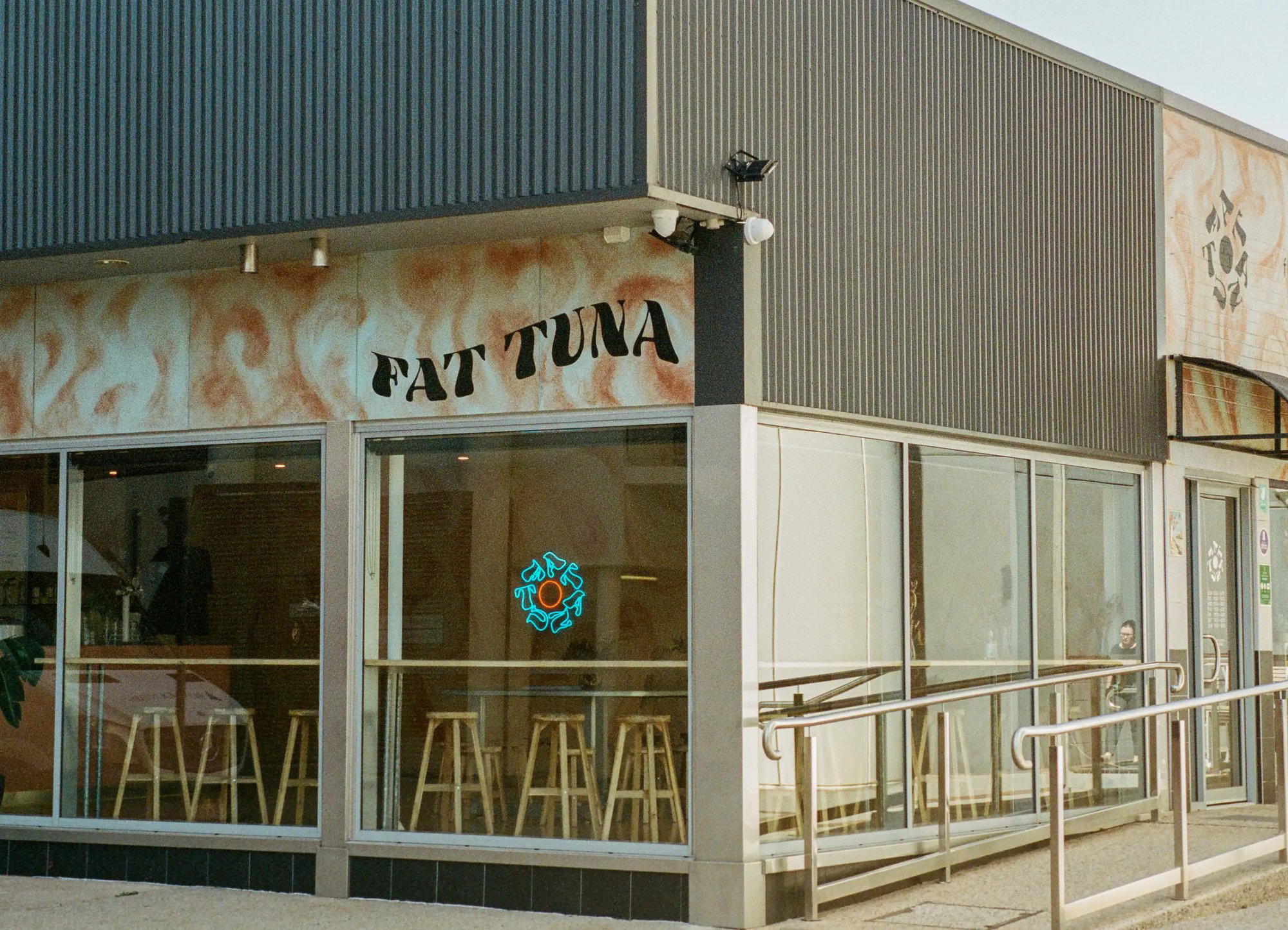
For context on what Darwin's wider restaurant scene spans, Char Restaurant at Admiralty House represents the city's premium grill end, while Fat Tuna anchors the more casual end. Darwin Tandoor positions itself as a specialist within a market that has relatively few venues focused on a single culinary tradition with depth. Our full Darwin restaurants guide covers where each part of the market sits. Elsewhere in Australia's north, Salt Water Restaurant in Cairns shows how a regional city with similar tourism dynamics can support more than one tier of dining ambition.
The tandoor format also allows a kitchen to maintain quality consistency with a smaller brigade than a multi-technique kitchen requires. That matters in Darwin, where hospitality staffing is a persistent operational challenge shared across every category of venue, from the highest-end territory to the most casual. It is one structural reason why cuisine traditions built around a central cooking method tend to hold together more reliably in remote settings than menus demanding wider technical spread.
Visiting Darwin Tandoor: What to Know Before You Go
Darwin Tandoor is located at Unit 21/69 Mitchell Street in Darwin City, within walking distance of most of the CBD's accommodation. Mitchell Street is accessible on foot from the waterfront hotel strip, which makes it a practical option after arriving in the city or during a layover day before heading further into the Territory. Given Darwin's compact central precinct, no vehicle is needed to reach it from any of the main visitor accommodation clusters.
Booking data and hours are not currently available through the EP Club database, so confirming current trading times directly with the venue before visiting is the practical approach, particularly during the Build-Up months of October and November when Darwin's tourism patterns shift and some venues adjust their schedules. The Dry Season, running roughly May through September, is when Darwin's visitor numbers peak and Mitchell Street dining strips operate at full capacity. Arriving during that window increases the chance of encountering wait times at popular local venues.
Pricing information is similarly not on record here, but Mitchell Street's Indian dining tier is broadly accessible relative to the premium end of Darwin's dining market. For comparison across Australia's fine dining register, venues like Hentley Farm in Seppeltsfield, Wills Domain in Yallingup, or Ormeggio at The Spit in Mosman occupy a separate price tier entirely. Darwin Tandoor operates in a different register, closer to the accessible mid-market that makes Indian dining functional for a broad local audience.
For those interested in what the tandoor format looks like at the furthest end of the investment scale internationally, the contrast with destination venues like Le Bernardin in New York City or even the community-driven format of Lazy Bear in San Francisco clarifies just how wide the spectrum runs. Darwin Tandoor operates where most people actually eat: at the practical, accessible end, in a city where the logistics of getting good food to the table are more complicated than they appear from the outside, and where the tandoor's ancient clay-fired reliability remains, pragmatically, one of the better tools for the job. For other remote-location venues that carry the weight of geography in their ingredient story, Lizard Island Resort and Provenance in Beechworth each handle that challenge from very different positions. Aloft in Hobart shows how another island city at the opposite end of the country manages the supply constraint differently.
Continue exploring
More in Darwin
Restaurants in Darwin
Browse all →
Bars in Darwin
Browse all →
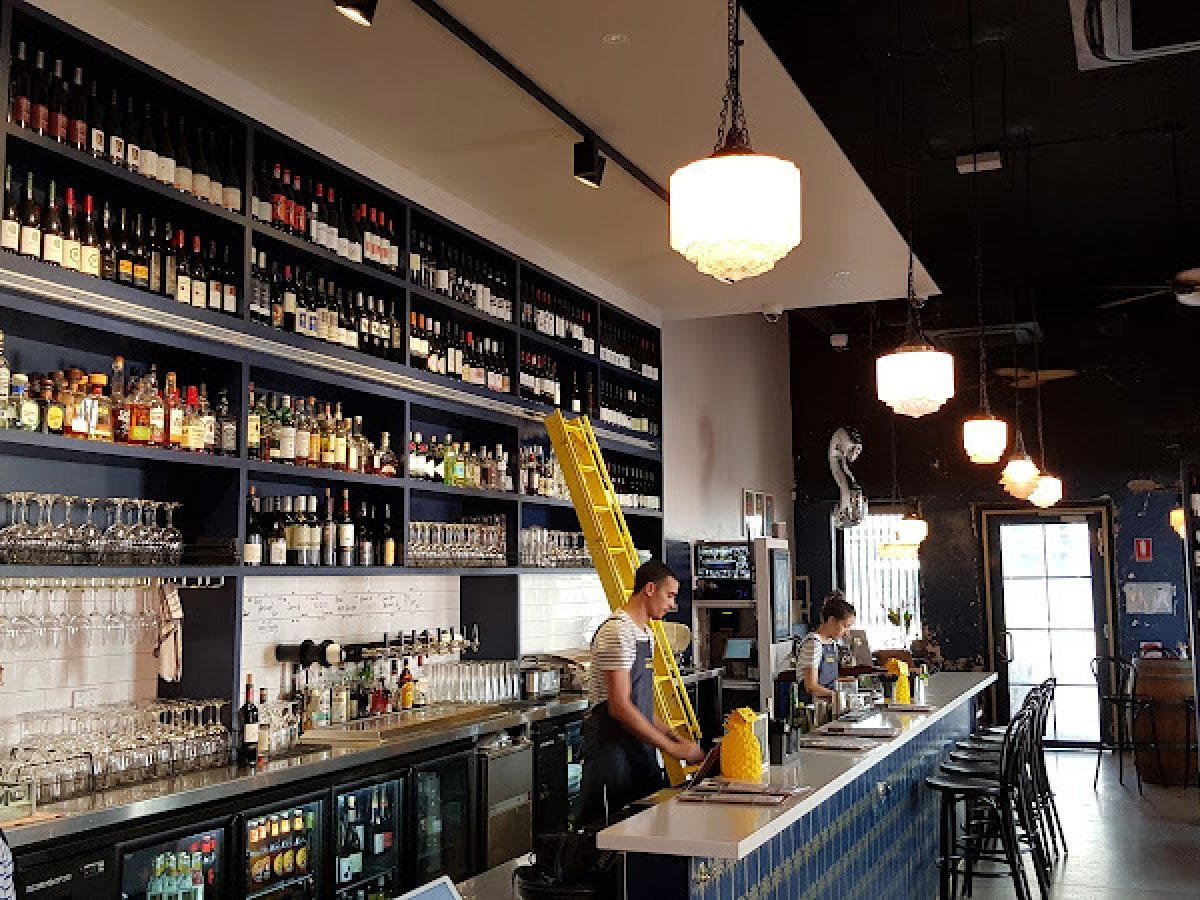
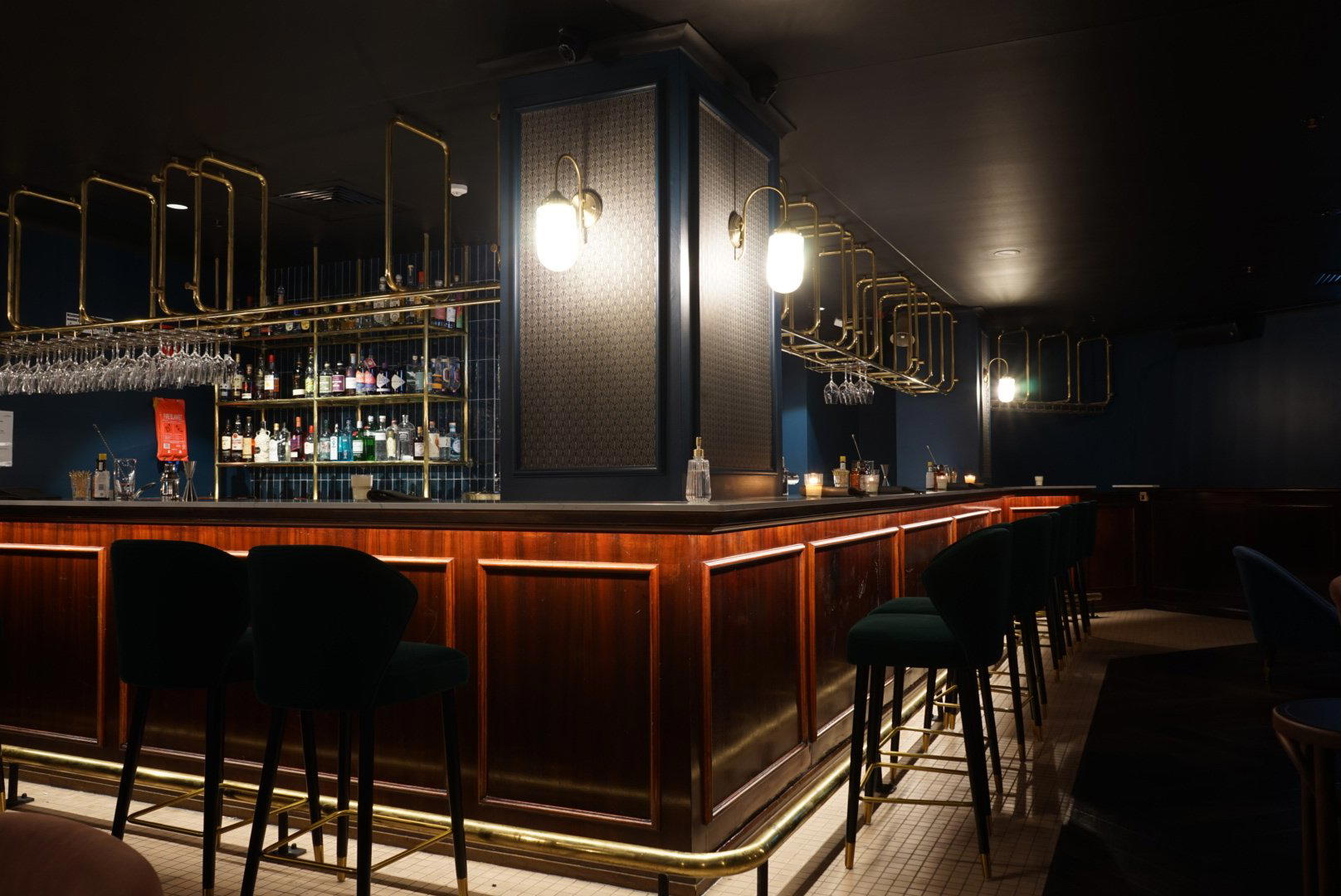

Hotels in Darwin
Browse all →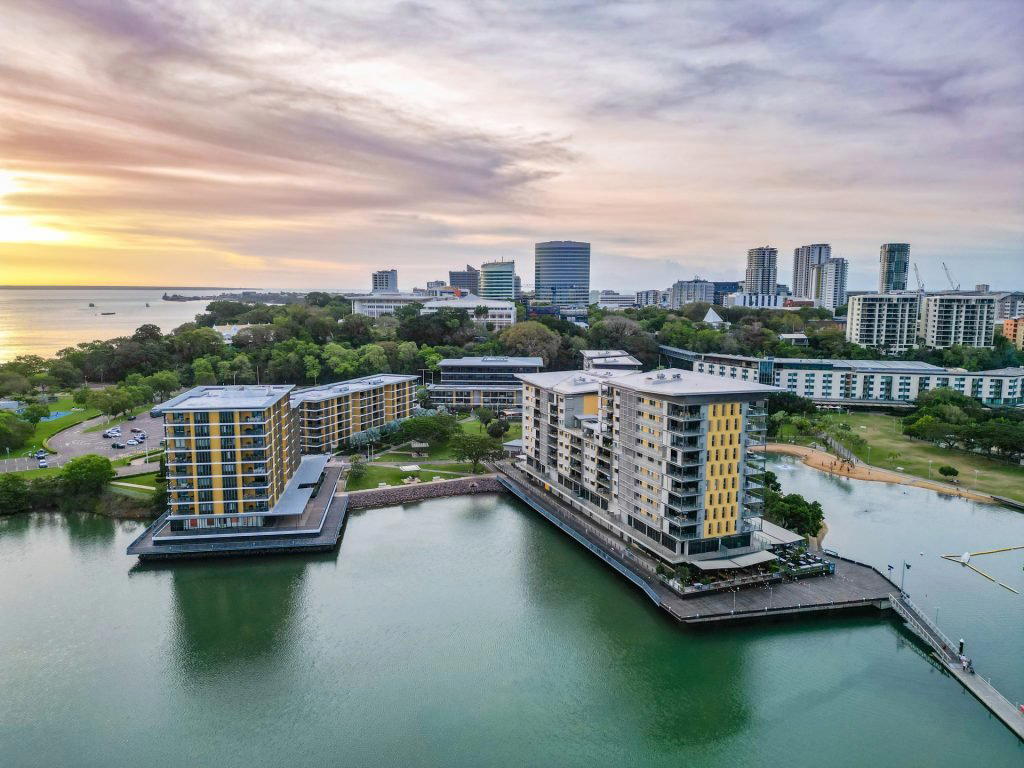
Wineries in Darwin
Browse all →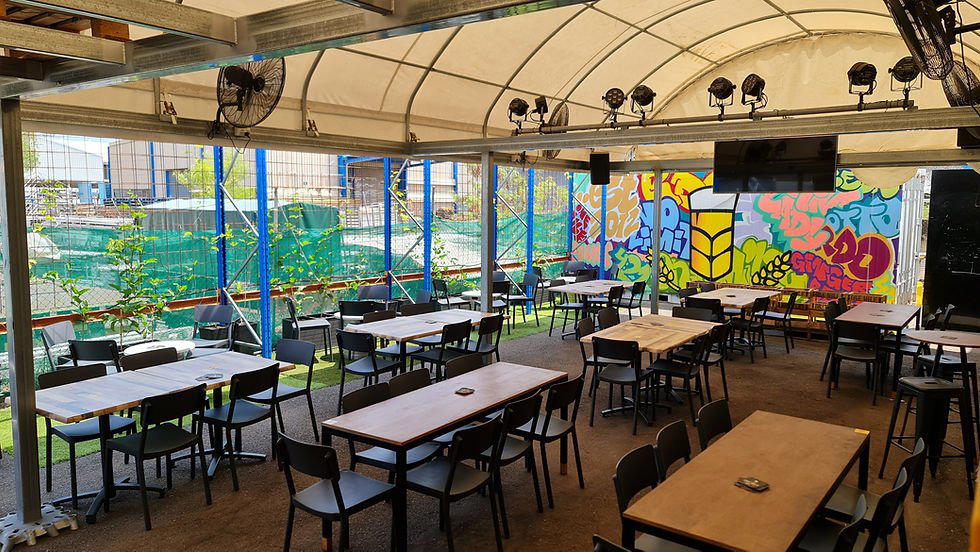
At a Glance
- Cozy
- Casual Hangout
- Open Kitchen
Current opening hours
- Monday
- 4:30–9 PM
- Tuesday
- 4:30–9 PM
- Wednesday
- 4:30–9 PM
- Thursday
- 4:30–9 PM
- Friday
- 4:30–9 PM
- Saturday
- 4:30–9 PM
- Sunday
- Closed
Hours can change for holidays and private events. Last verified .
Casual eatery with sparse but classy decor including beautiful hanging lights.
Know Before You Go
- Getting there
- Unit 21/69 Mitchell St, Darwin City NT 0800, Australia