Weinkollektiv Renfer

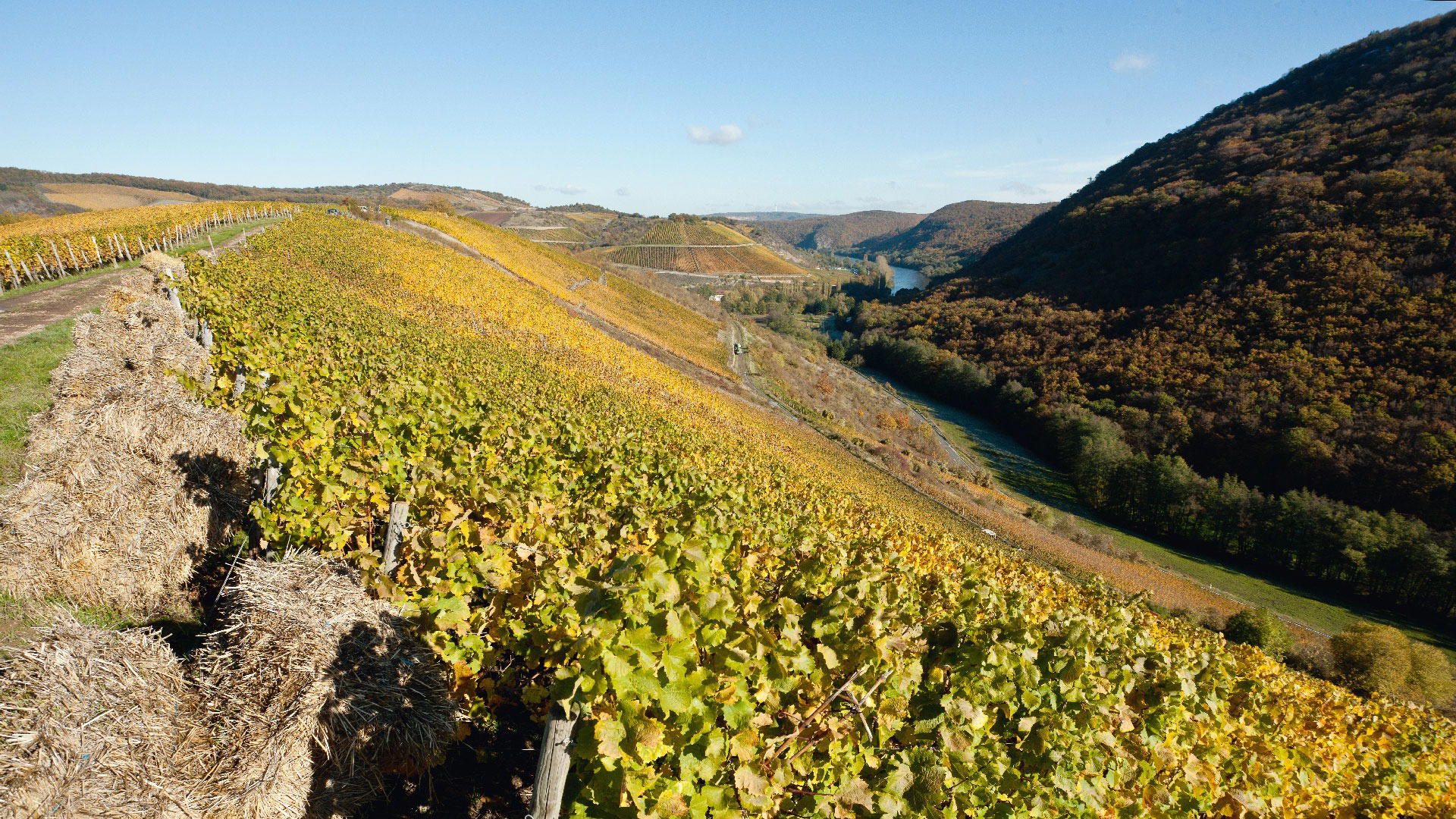
Weinkollektiv Renfer is a small Nahe winery in Feilbingert shaped around vineyard care, direct bottle sales, and a broad local portfolio of still, rosé, sparkling, and sweet wines. Its clearest terroir marker is the Kahlenberg site, where Riesling and Scheurebe anchor a producer more interested in regional clarity and personal scale than luxury signalling.
Pearl is the En Primeur Club membership app — saves, bookings, and concierge access live there. Same editors, same standards.
- Address
- Feilbingert, Nahe, Rhineland-Palatinate, Deutschland
- Directions
- Get directions
 Saves & bookings on Pearl
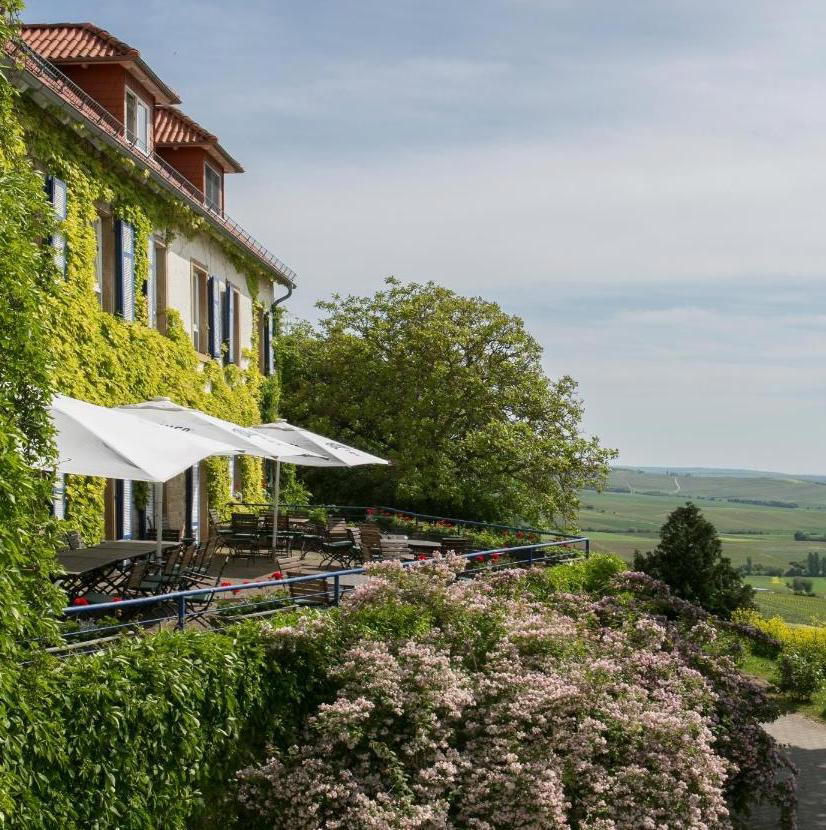
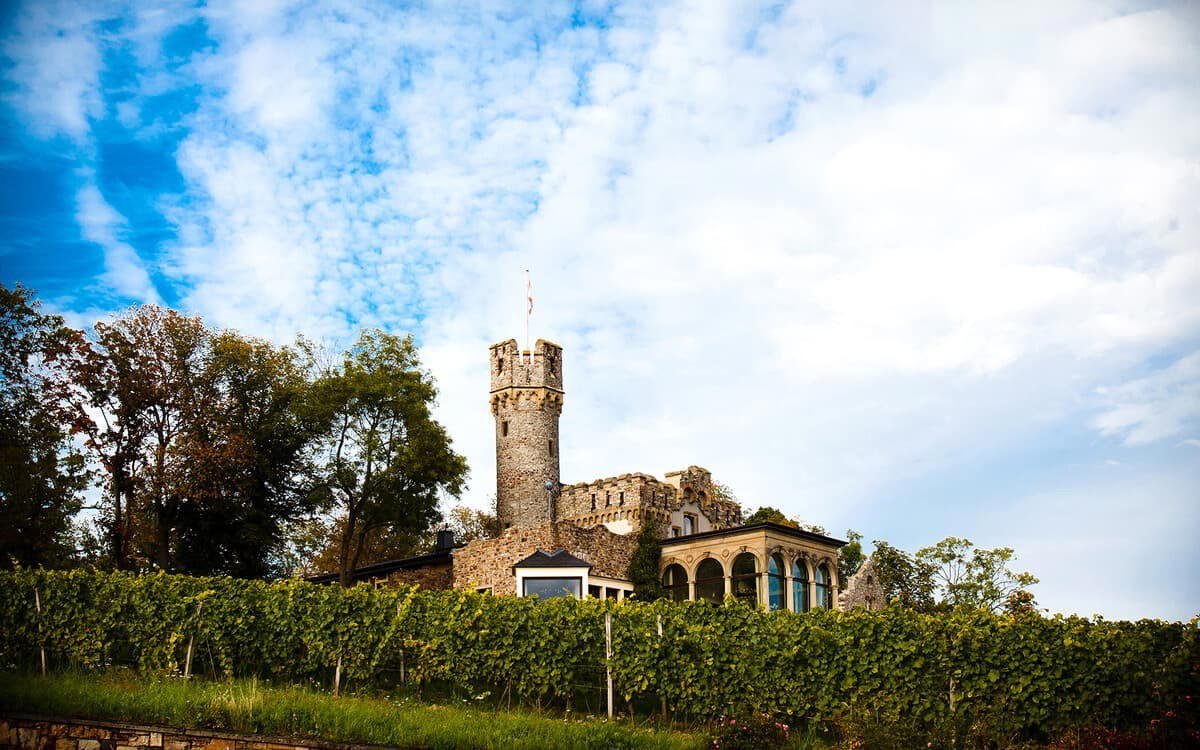
Feilbingert gives wine a quieter frame: a small place where a winery can be understood through its relationship with the surrounding vineyards, its regular customers, and the people who come looking for bottles to take home. Weinkollektiv Renfer fits that intimate register. The picture is not of a grand, highly formal estate, but of a small, hands-on Nahe winery with a warm, personal feel and an emphasis on careful vineyard work and direct-to-consumer wine sales.
That limited but useful set of facts is enough to set expectations. This is best approached as a rustic, cozy, hidden-gem stop rather than a place defined by spectacle, luxury positioning, or a heavily choreographed visitor format. The strongest confirmed signals are scale, personal atmosphere, vineyard-minded work, and a direct route between producer and drinker. For travellers, that means the value is in proximity: to the people behind the bottles, to the Feilbingert setting, and to a local Nahe wine culture that does not need to be dressed up to be appealing.
A small Nahe winery with a local, personal frame
Weinkollektiv Renfer’s identity is deliberately modest: small, hands-on, and rooted in Feilbingert. Those words matter because they steer the reader away from unsupported assumptions. There is no confirmed basis here for naming a particular grape lineup, single vineyard, founding story, award record, tasting format, seat count, chef, restaurant program, or detailed visitor schedule. What can be said confidently is simpler and more useful: this is a Nahe winery where the emphasis falls on careful vineyard work and direct sales.
That direct-to-consumer model shapes the way to think about a visit or purchase. Rather than treating the venue as a restaurant, bar, or formal tasting destination with a documented menu structure, it is safer to understand it as a producer-led wine address. The attraction is not an invented list of signature bottles or a claimed flight format; it is the chance to engage with a small local winery whose public character is warm and personal. In a region where many memorable experiences come from modest producers, that can be a real strength.
The description “rustic, cozy, ” also helps define the mood without overclaiming operational details. Rustic suggests a grounded, unpolished charm. Cozy points to a more personal scale. signals that the draw is not mass visibility but local character. None of those terms requires a fabricated award, score, or ranking to make the venue worthwhile. They are enough to position Weinkollektiv Renfer as a quieter Feilbingert option for people who value small producers and a direct connection to place.
A direct-sales model rather than a luxury-stage experience
One important confirmed service angle is direct-to-consumer wine sales. That is a meaningful detail because it explains how the winery relates to visitors and buyers without inventing extras. It does not confirm walk-in tastings, shipping, pickup, lunch, dinner, food pairings, private events, or a specific bottle list. It does, however, support a clear editorial reading: the winery is best understood as a producer where purchasing wine directly is central to the experience.
For planning purposes, that means expectations should stay practical. If you are building a Feilbingert wine stop around the winery, treat the appeal as personal scale, local vineyard work, and bottle buying from a small Nahe producer. Do not assume a restaurant-style visit, a formal tour program, or a particular tasting menu unless you have confirmed those details directly with the winery. The grounded promise is more modest and more honest: a warm, hands-on winery setting with a direct connection between production and purchase.
Price is also listed at $, which reinforces the approachable reading. That does not provide exact bottle prices, tasting fees, or package costs, and those should not be invented. It does support the idea that the venue sits on the accessible end of the price spectrum. Paired with the rustic, cozy description, the price signal makes the winery feel like a relaxed local choice rather than a status-driven stop.
How to place it within a Feilbingert wine itinerary
Within Feilbingert, the winery is best framed as a small local winery for travellers who like direct producer contact and a less formal atmosphere. The available facts do not support comparing it against named rivals, ranking it within the Nahe, or building a detailed claim about specific grapes, vineyards, or awards. A better guide should be transparent about that. The known reasons to consider it are its hands-on character, its careful vineyard emphasis, its warm personal feel, and its direct-to-consumer sales model.
That makes it a useful anchor for a simple Feilbingert plan. You might pair it with other local dining or overnight options in the area, but the winery itself should remain the focus here. If your priority is a polished visitor center or a documented tasting format, confirm details before going. If your priority is a small Nahe producer with a rustic, cozy atmosphere and an approachable price level, the profile of the winery aligns well with that expectation.
The editorial case is therefore intentionally restrained: choose the winery for Nahe wine at human scale in Feilbingert. Its confirmed appeal lies in careful vineyard work, direct bottle sales, and a personal small-winery feel. That is not a thin consolation prize; for many wine travellers, it is exactly the kind of grounded, local experience that makes a regional wine trip memorable.
Recognition history
Dated appearances from independent guides and award organizations, with the underlying list record or original source where available.
Falstaff Winery - Listed
Falstaff
Continue exploring
More in Feilbingert
Wineries in Feilbingert
Browse all →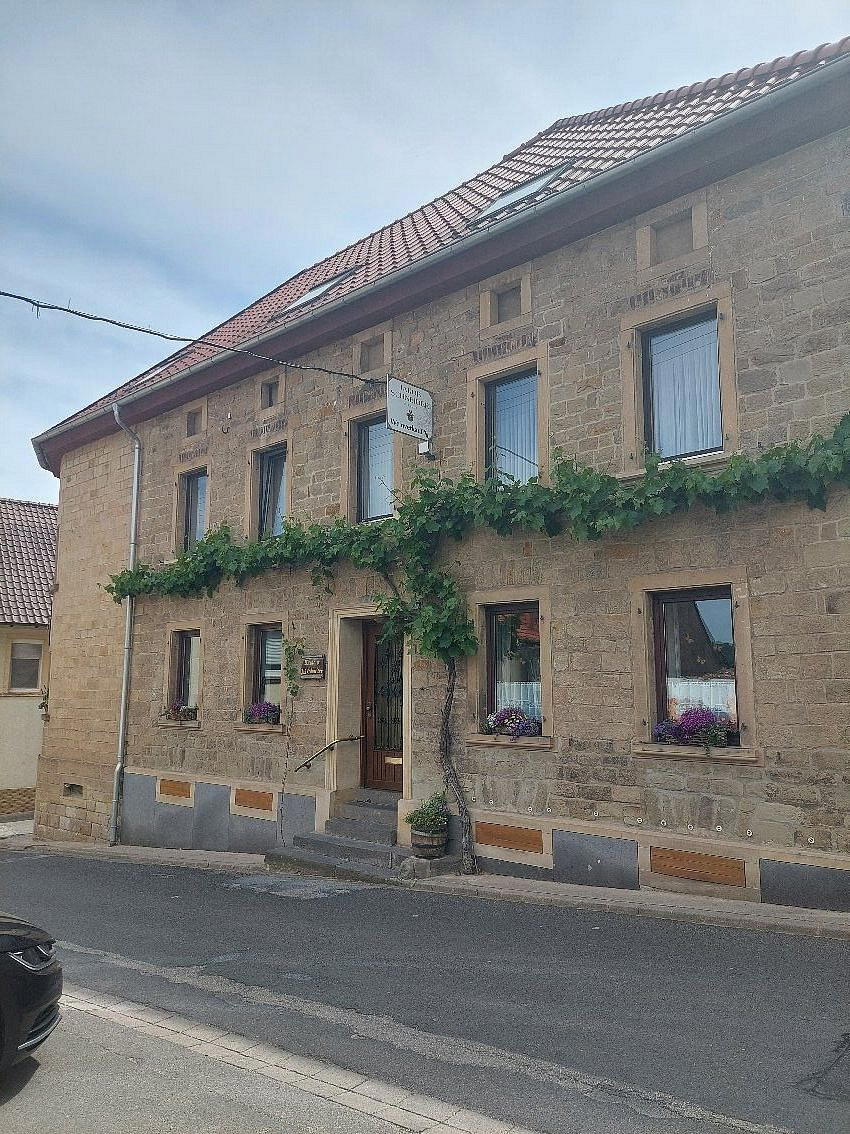
Bars in Feilbingert
Browse all →



Restaurants in Feilbingert
Browse all →
At a Glance
- Rustic
- Cozy
- Solo Exploration
- Group Outing
- Special Occasion
- Private Tasting
- Vineyard
- Nahe
- Riesling
- Scheurebe
- Bacchus
- Müller Thurgau
- Weissburgunder
- Grauburgunder
- Still White
- Still Red
- Still Rosé
- Sparkling
- Flight Tasting
- Bottle Purchase
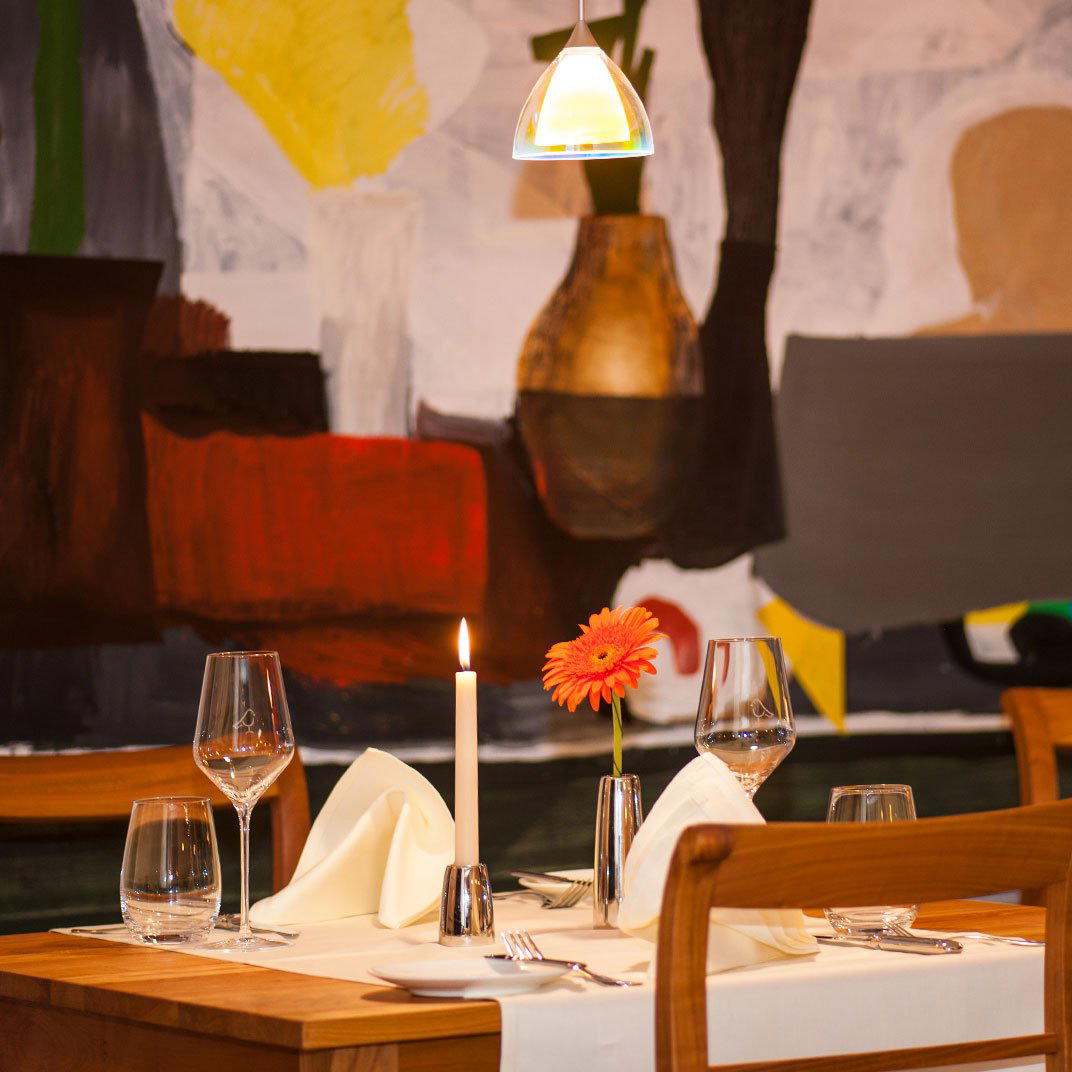
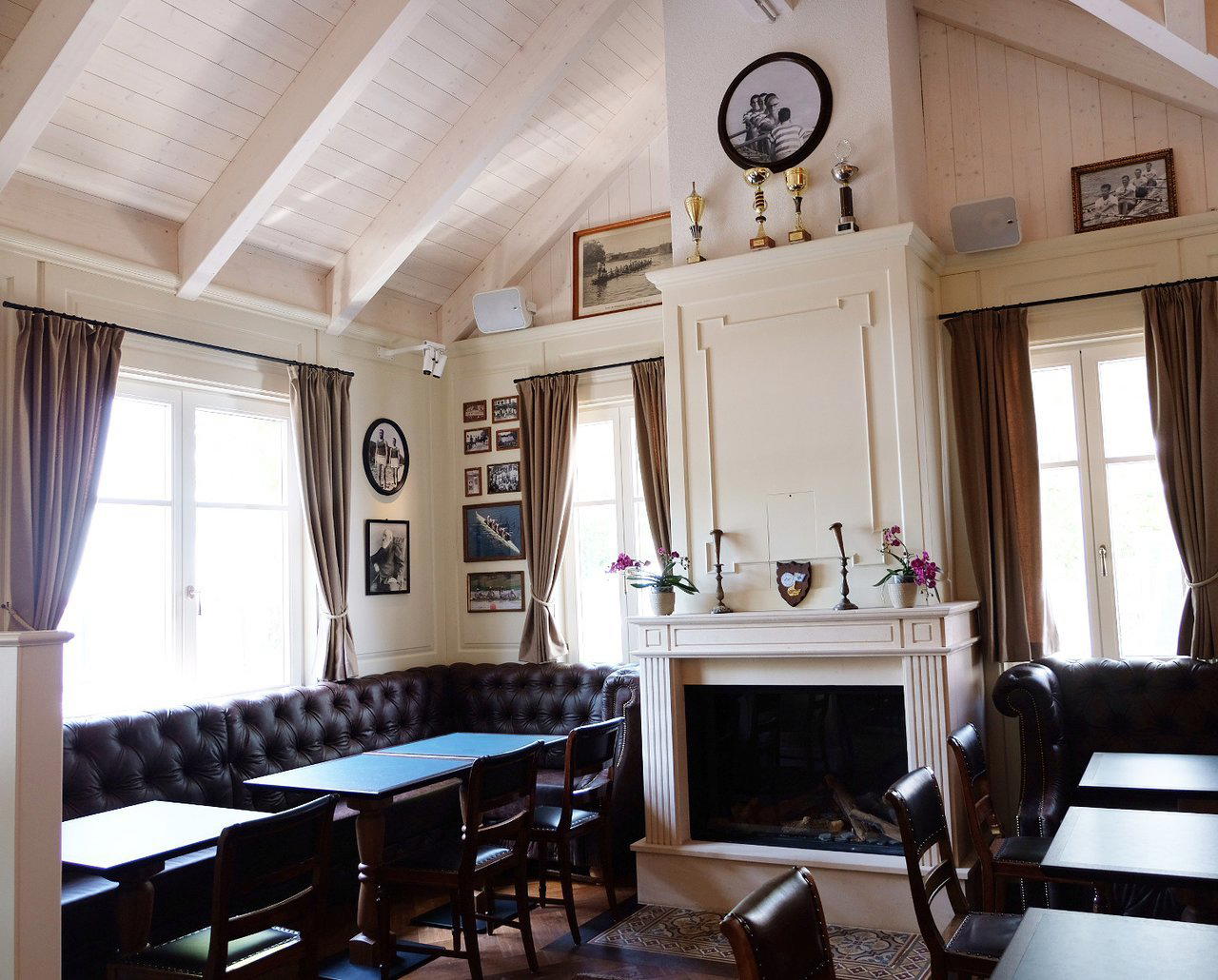
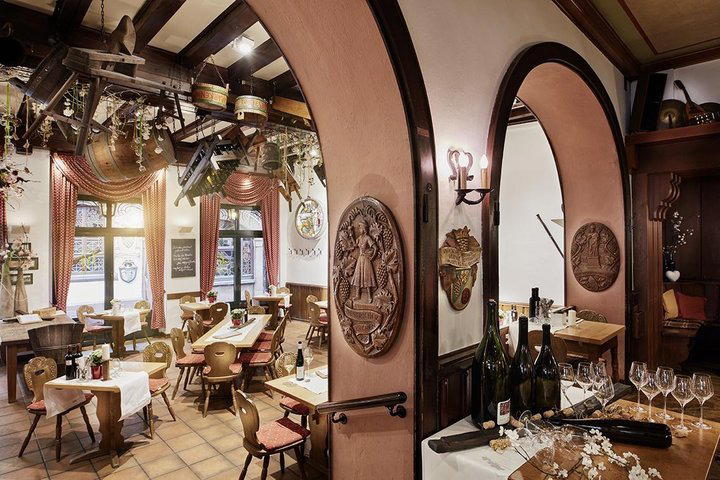
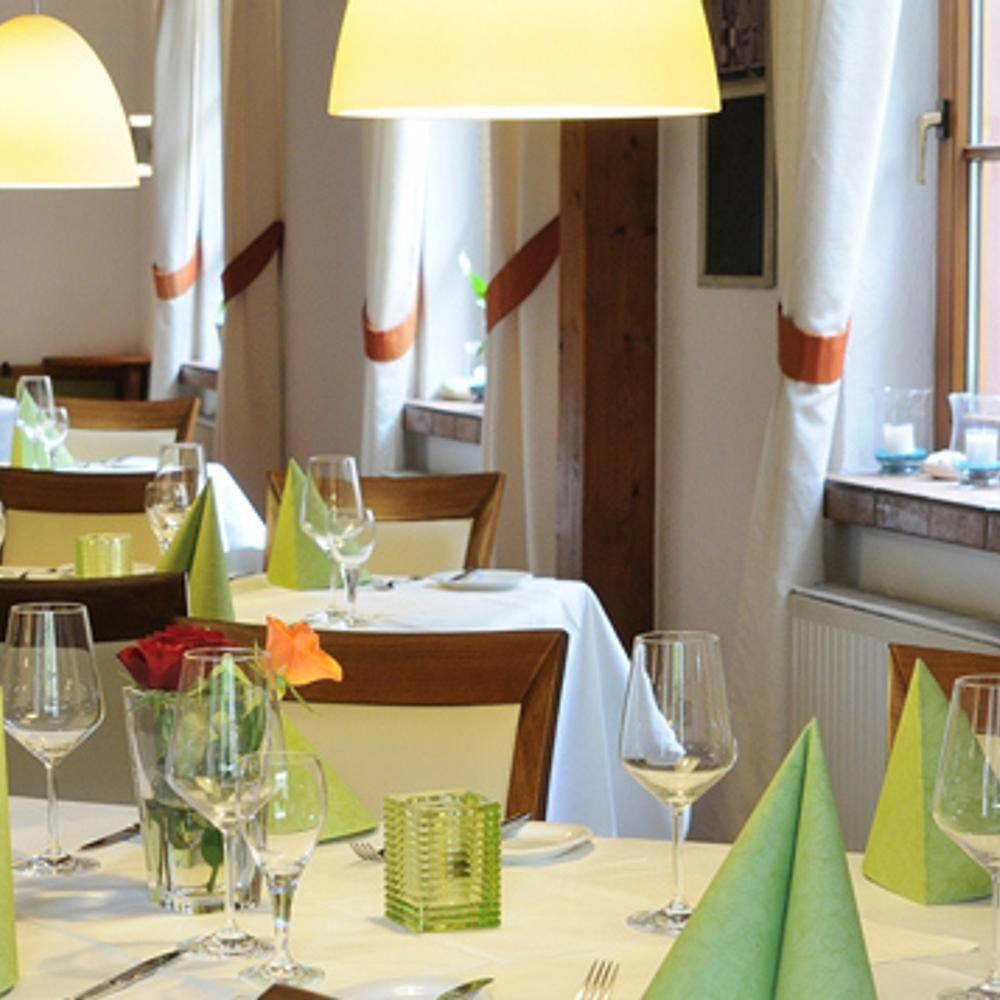
A small, hands-on Nahe winery with a warm, personal feel and an emphasis on careful vineyard work and direct-to-consumer wine sales.