Weingut Sinß

Falstaff Winery - Listed
Weingut Sinß is a family-run Nahe winery in Windesheim with roots traced to 1791 and a compact 13-hectare vineyard base. The draw is terroir-led Riesling and Burgunder, shaped by Guldenbachtal shelter, red sandstone, slate, gravel and sand-loam soils, with Johannes Sinß bringing Geisenheim training to a quietly traditional estate format.

Pearl is the En Primeur Club membership app — saves, bookings, and concierge access live there. Same editors, same standards.
- Address
- Windesheim, Nahe, Rhineland-Palatinate, Deutschland
- Phone
- +49 6707 253
- Website
- sinss.de
- Directions
- Get directions

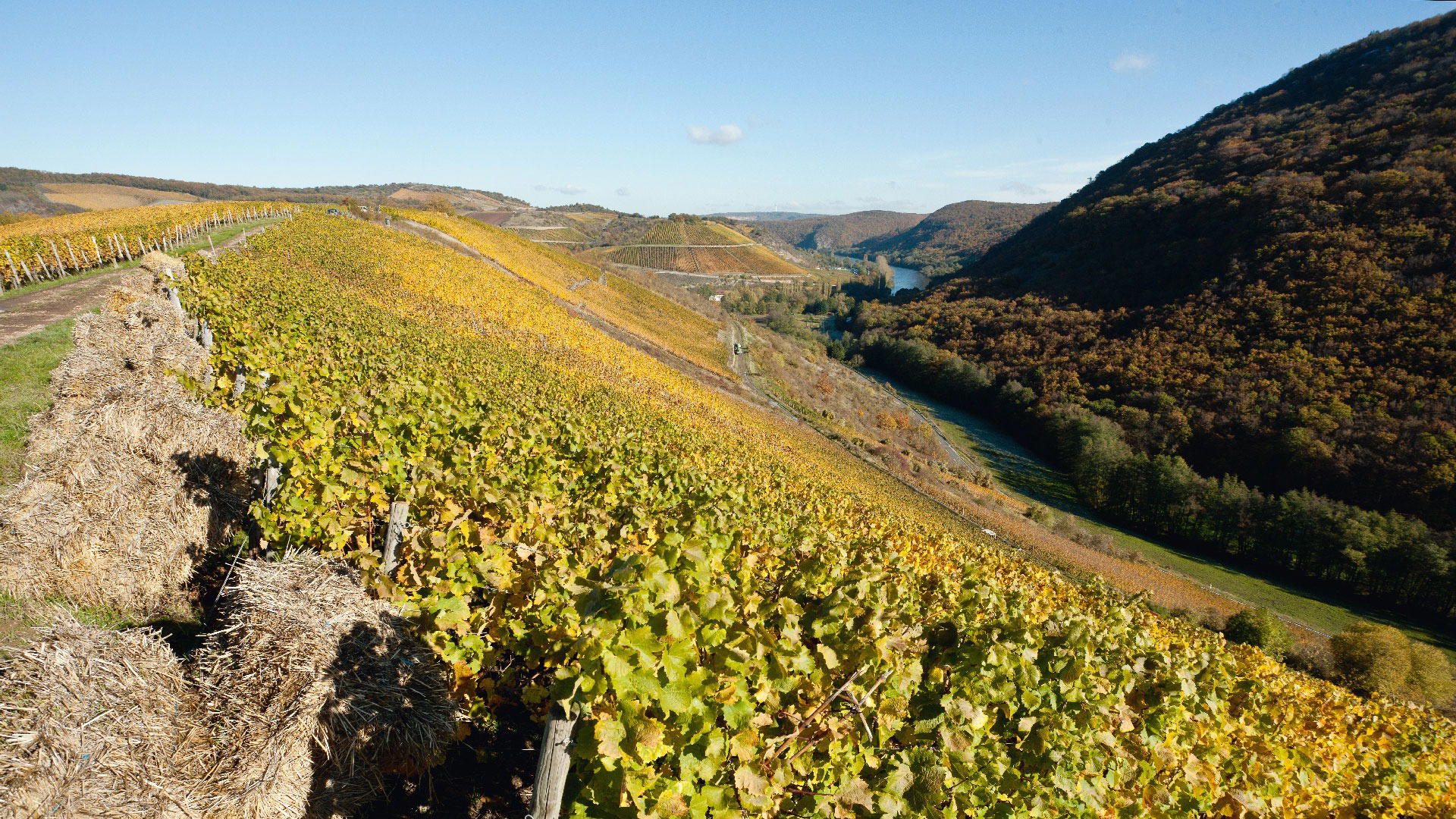
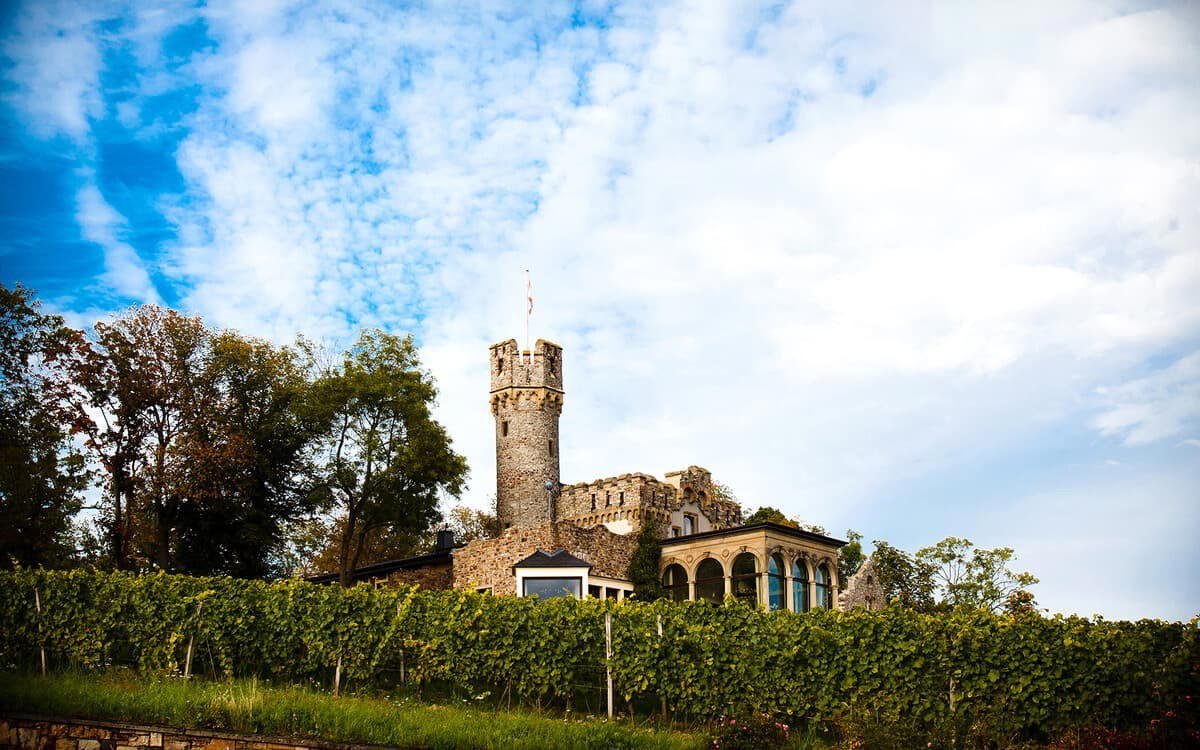
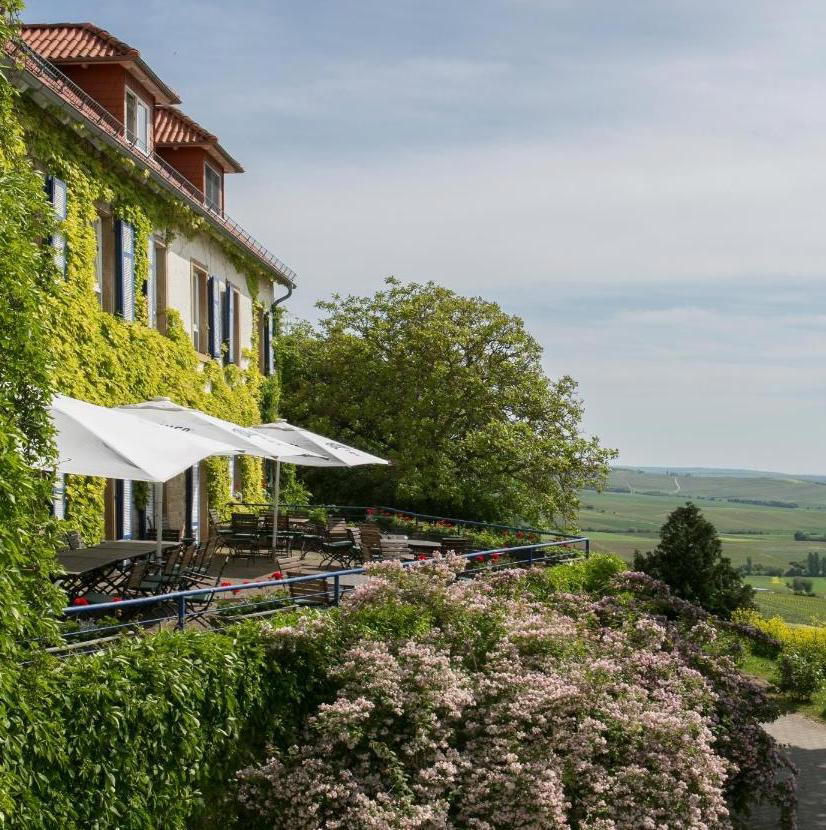
Windesheim’s wine country does not need a grand introduction to make its point. The picture of Weingut Sinß is quieter and more specific: a traditional family winery in a secluded Guldenbachtal setting on the lower Nahe, shaped by a mild climate, hillside vineyards, and a focus on expressive Burgundies and Rieslings. That is enough to set expectations without turning the estate into something it is not. This is best understood as a classic, rustic, quiet winery rather than a polished resort-style destination.
The useful frame is the landscape. Windesheim sits in a lower-Nahe wine setting where hillside vineyards and a relatively mild climate help define the character of the wines. For Weingut Sinß, the emphasis is on Burgundies and Rieslings, not on an expansive restaurant program, luxury hospitality concept, or named tasting format. If you are planning around the estate, keep the visit anchored in wine, place, and family-winery atmosphere rather than expecting a broad dining or entertainment experience.
Lower-Nahe shelter, parcel by parcel
Weingut Sinß is described through its setting first: secluded Guldenbachtal, lower Nahe, hillside vineyards, and a climate that supports expressive wines. Those details matter because they give the estate its sense of scale and mood. The appeal is not built on spectacle, awards language, or an elaborate service narrative; it comes from the quieter promise of a family winery whose identity is tied to its surrounding vineyards.
What can be said with confidence is narrower but still useful: Weingut Sinß belongs in the lower-Nahe conversation as a Windesheim winery with a focus on Burgundies and Rieslings. That makes it relevant for drinkers who prefer wines with a clear regional identity and who are drawn to understated family producers rather than highly staged hospitality addresses.
Burgunder and Riesling without the grandstanding
The strongest hook is the estate’s focus on expressive Burgundies and Rieslings. In practical terms, that tells you what kind of wine day this stop suits: one centered on classic grape families associated with the region, in a quiet setting where the surrounding vineyards are part of the experience. The description does not support specific claims about individual cuvées, vintage prices, scores, awards, cellar vessels, or production methods, so those have been left out.
Price is listed simply as $, which places Weingut Sinß on the accessible end of the guide’s price scale. That should not be converted into exact bottle prices, tasting fees, or menu costs without data. The safer planning takeaway is that the estate reads as an approachable winery stop in Windesheim: traditional, rustic, and focused on wine rather than luxury extras.
Its atmosphere is also part of the draw. The tone is quiet, classic, rustic, and somewhat hidden-gem in feel. Those words are important because they help distinguish Weingut Sinß from venues where the draw is a formal dining room, high-design architecture, or a large visitor operation. Here, the appeal is more restrained: a family winery in a secluded lower-Nahe setting, with Burgundies and Rieslings as the central reason to go.
How to place it in a Windesheim wine day
For planning, treat Weingut Sinß as a wine-focused stop in Windesheim.
What is clear is the kind of mood it suits. Weingut Sinß is a good fit for travelers who want a quieter lower-Nahe winery context: hillside vineyards, a mild climate, a family-run feel, and wines framed around Burgundies and Rieslings. It is less useful to approach it as a full-service dining destination unless the venue itself confirms current hospitality details.
For wider planning in Windesheim, compare Weingut Sinß with other local dining and wine options generically rather than relying on venue-by-venue claims. The best itinerary is likely to keep the estate as the focused winery element of the day, then build any meals, lodging, or additional stops separately using current local information. That keeps expectations honest while preserving what makes Weingut Sinß attractive: a secluded, classic, lower-Nahe family winery with an understated sense of place.
Recognition history
Dated appearances from independent guides and award organizations, with the underlying list record or original source where available.
Falstaff Winery - Listed
Falstaff
Continue exploring
More in Windesheim
Wineries in Windesheim
Browse all →
Bars in Windesheim
Browse all →


Restaurants in Windesheim
Browse all →
Details
- Quiet
- Classic
- Rustic
- Wine Education
- Special Occasion
- Group Outing
- Historic Building
- Vineyard Tour
- Private Tasting
- Sustainable
- Vineyard
- Riesling
- Pinot Noir
- Pinot Blanc
- Pinot Gris
- Still White
- Still Red
- Sparkling
- Wine Tasting
- Vineyard Tour
- Estate Tasting
A traditional family winery in a secluded Guldenbachtal setting on the lower Nahe, shaped by mild climate, hillside vineyards, and a focus on expressive Burgundies and Rieslings.