Viña Santa Alicia

Falstaff Winery - Listed
Viña Santa Alicia is a Pirque winery estate in the Santiago 21 orbit, framed by the Andes and a quiet rural setting. The draw is less trophy-cellar theatre than place: Maipo Valley context, classic red and white varietals, vineyard views, and a visit format suited to travelers who want the capital’s wine country without turning the day into a long-distance expedition.

Pearl is the En Primeur Club membership app, where members save venues, book tables and use the concierge.

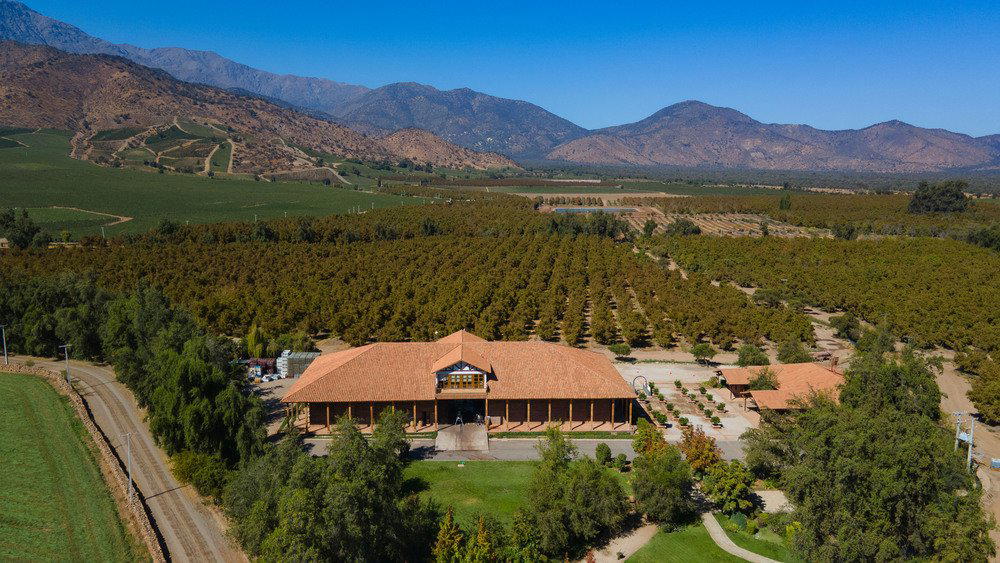
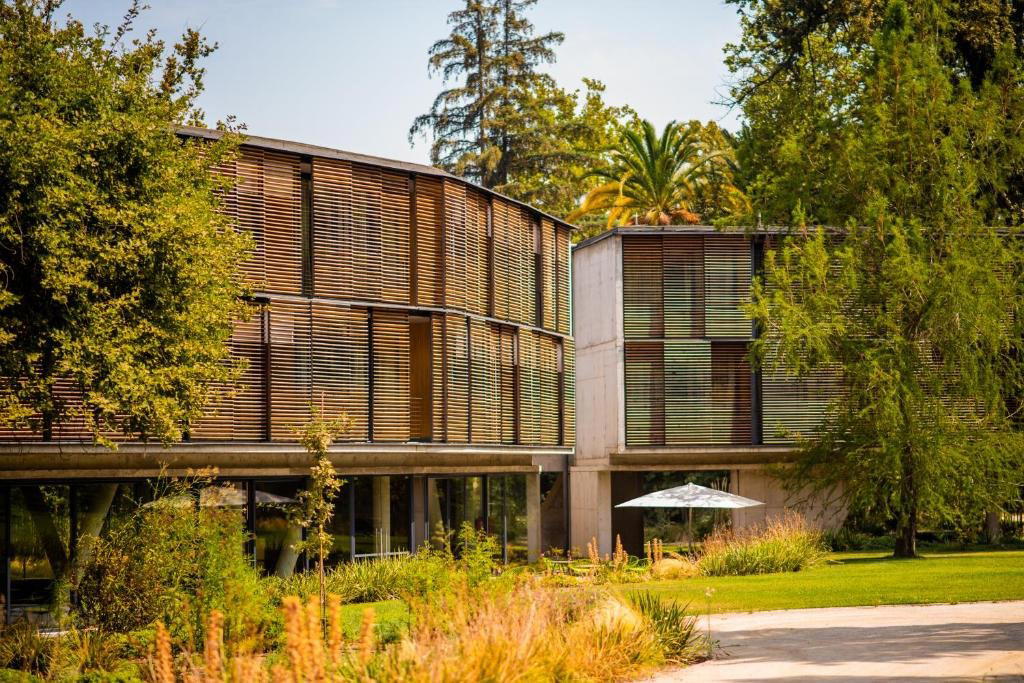
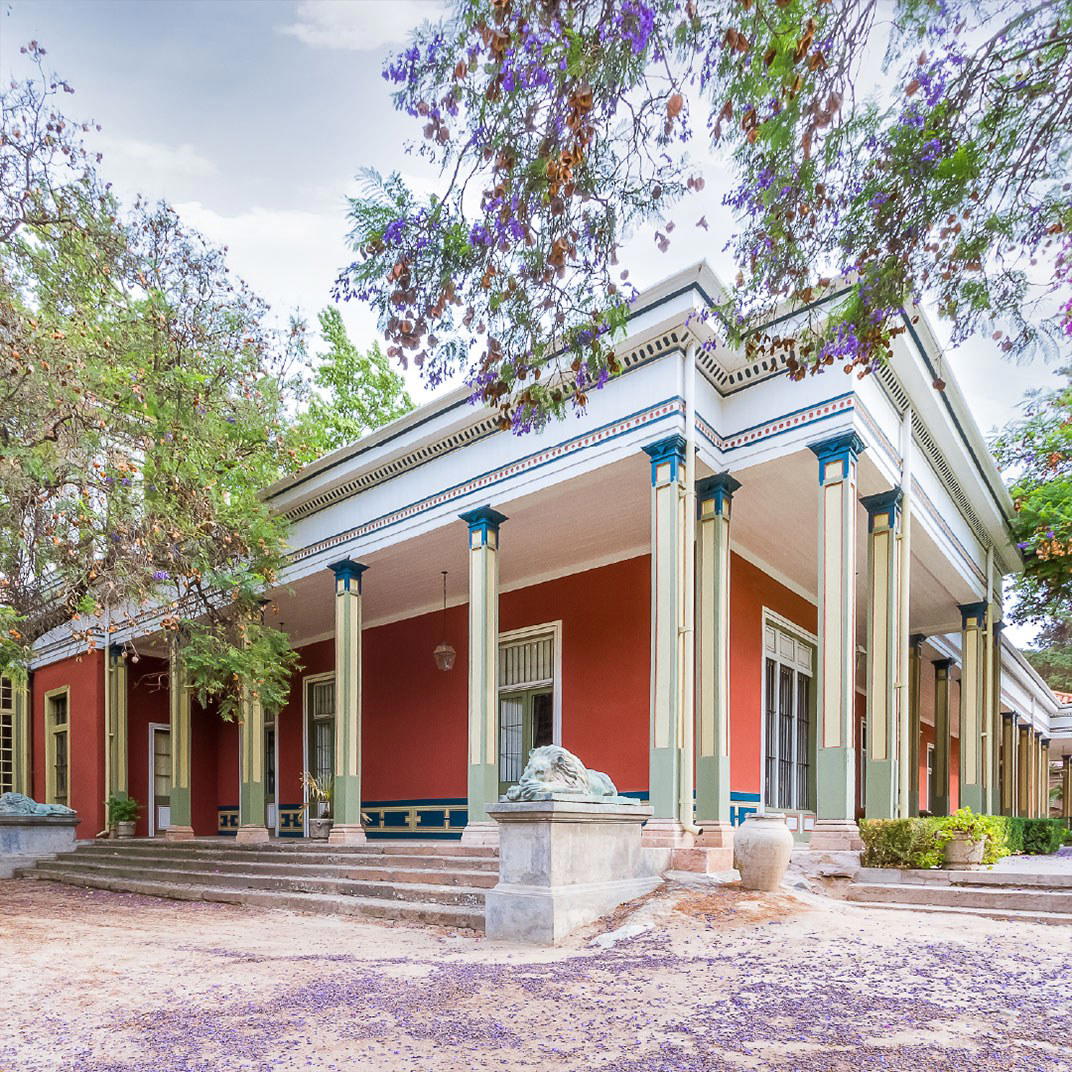
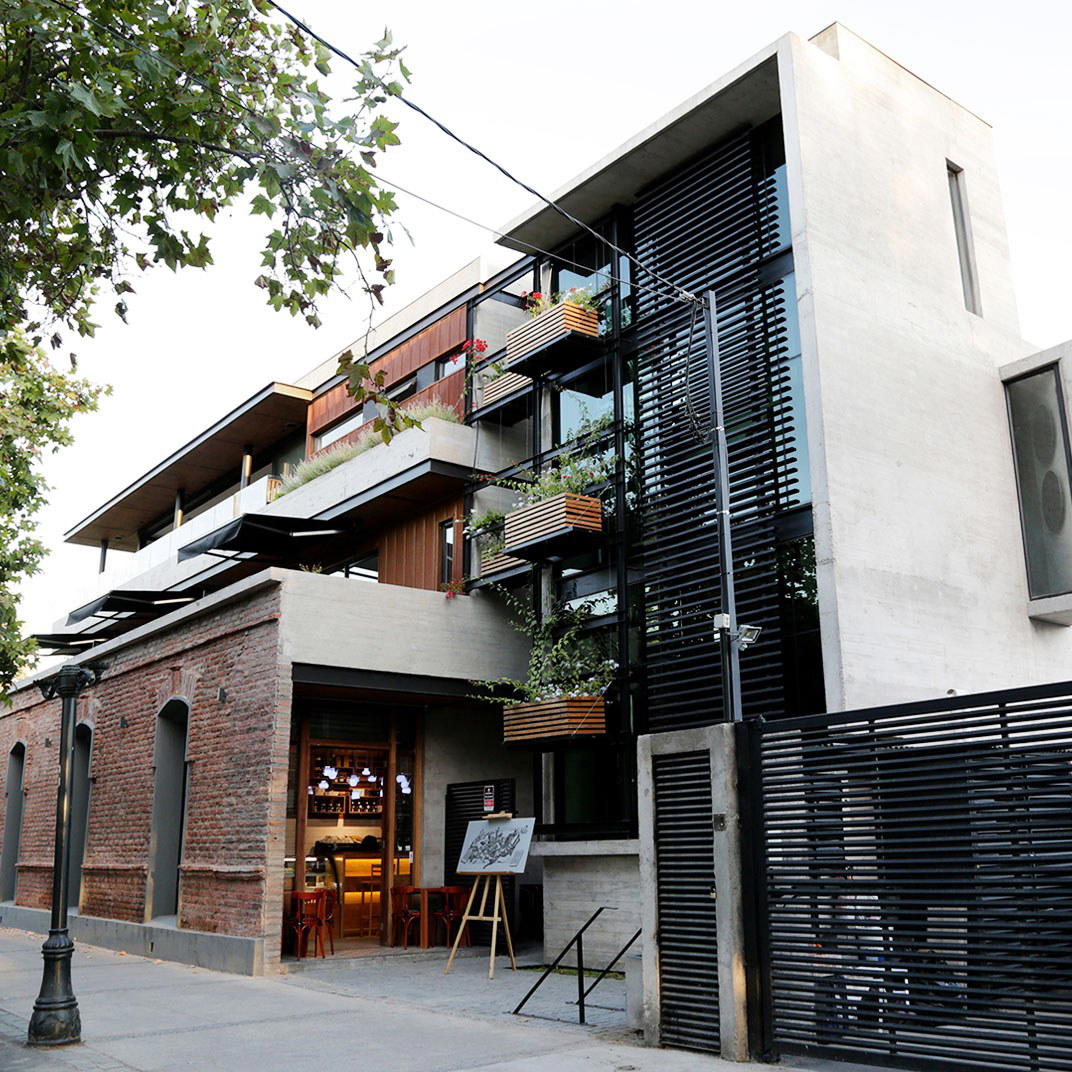
Viña Santa Alicia is a Santiago 21 venue defined, in the profile, by its setting at the foot of the Andes. The useful way to read it is through atmosphere first: a scenic, mountain-side property with a harmonious light environment, a quiet pace, and a rustic, classic character. Rather than treating the page as a source for operational details, visitors should use it as a grounded snapshot of what is confirmed: the venue’s name, its Santiago 21 location, its $$ price level, and its Andean winery atmosphere.
For travelers planning around Santiago 21, Viña Santa Alicia fits best as a place where the setting matters. The description points to a property shaped by light, mountain context, and terroir. That gives the venue a distinct sense of place without requiring claims about specific services, schedules, menus, grape varieties, tour formats, production methods, or named accolades. Those details are not part of the confirmed record here, so they should be checked directly with the venue before planning a visit around them.
Andean foothill setting and quiet winery atmosphere
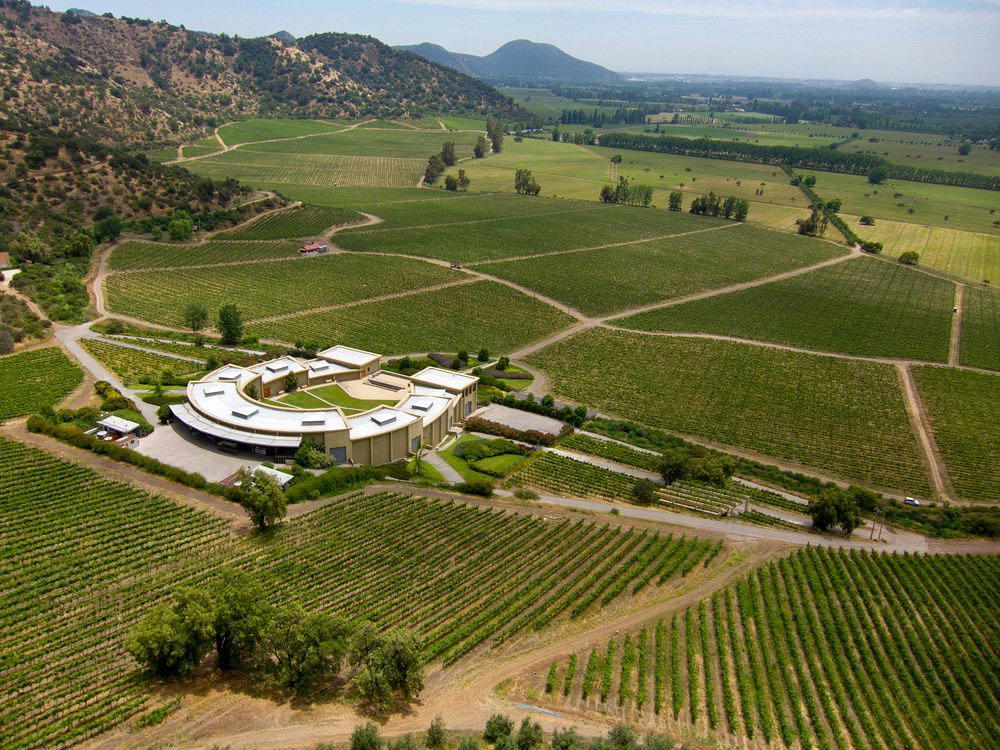
The strongest confirmed feature of Viña Santa Alicia is its location at the foot of the Andes. That phrase does important editorial work: it frames the venue as scenic and mountain-side, with a landscape-led identity rather than a purely urban one. The profile also mentions a harmonious light environment and a unique terroir, both of which support the impression of a property where the surroundings are central to the experience.
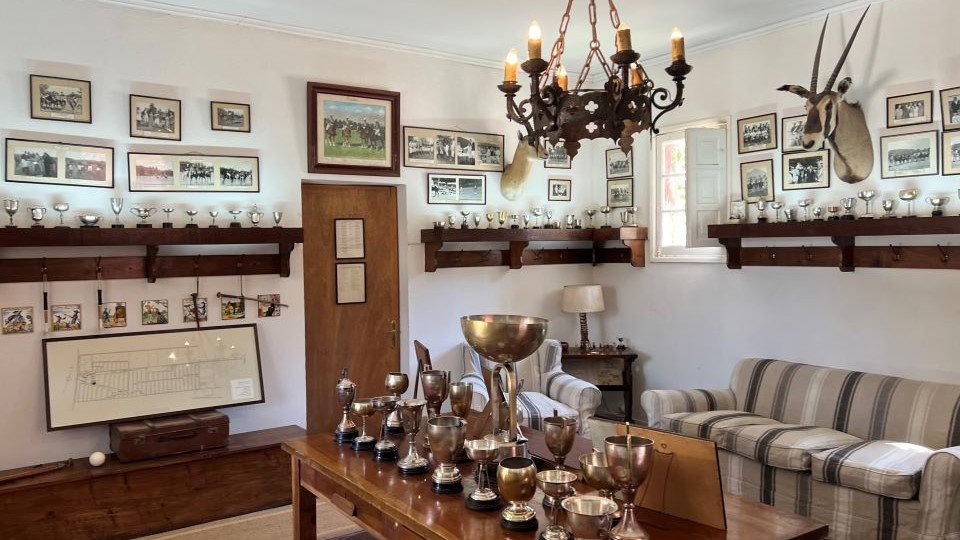
Because the available facts are deliberately limited, the description should stay focused on mood and setting. Viña Santa Alicia can be described as scenic, classic, rustic, and quiet. Those words are confirmed and useful. They suggest a calmer property with a traditional feel, not a loud or highly theatrical venue. They do not, however, verify any specific tour structure, tasting format, vineyard program, wine list, architectural detail, or service model.
The price level is listed as $$. That gives a broad planning signal, but it should not be stretched into specific costs, package prices, tasting fees, lunch pricing, or bottle pricing. If exact prices matter, visitors should confirm current details directly before going.
A rustic, classic profile rather than an urban venue pitch
Viña Santa Alicia’s profile is atmospheric rather than operational. The property is associated with a scenic, mountain-side winery mood, a quiet register, and a rustic-classic tone. That makes it more appropriate to describe the venue through its environment than through unsupported specifics.
This matters for travelers because wine-related venues are often written about with a high level of assumed detail. In this case, the responsible approach is narrower. The page can say that Viña Santa Alicia has a winery atmosphere at the foot of the Andes in Santiago 21. It can also say that the mood is scenic, classic, rustic, and quiet. It should not imply confirmed lunch service, outdoor seating, appointment-only access, specific varietals, named bottles, sustainability claims, production scale, or awards unless those facts are independently verified.
As a planning note, Viña Santa Alicia is best understood as a setting-led stop. If you are deciding whether it belongs in a Santiago 21 itinerary, the confirmed reason to consider it is the Andean foothill atmosphere and the calm, rustic property character. For meals, hotels, bars, or other activities, compare it with other Santiago 21 options generically rather than assuming the venue itself provides every part of a day’s plan.
Where it fits in a Santiago 21 itinerary
Within Santiago 21, Viña Santa Alicia offers a contrast to more urban experiences because its identity is tied to mountain scenery and a winery-like estate mood. That does not mean the page can confirm transportation time, a neighborhood, a valley designation, or a specific landmark beyond Santiago 21. It simply means the venue’s appeal, as verified, comes from its foot-of-the-Andes setting and quiet, rustic-classic character.
For visitors who value atmosphere, that may be enough to make the venue worth further inquiry. The confirmed details suggest a place suited to travelers who want a scenic, calm environment rather than a high-energy city stop. For visitors who need precise logistics, service format, dining availability, tasting details, accessibility information, or current hours, the responsible next step is direct confirmation with Viña Santa Alicia.
In short, Viña Santa Alicia should be presented as a Santiago 21 venue with $$ pricing and a scenic, quiet, rustic, classic winery atmosphere at the foot of the Andes. Anything more specific should remain outside the description unless it is separately.
Recognition history
Dated appearances from independent guides and award organizations, with the underlying list record or original source where available.
Falstaff Winery - Listed
Falstaff
Continue exploring
More in Santiago 21
Wineries in Santiago 21
All wineries in Santiago 21 →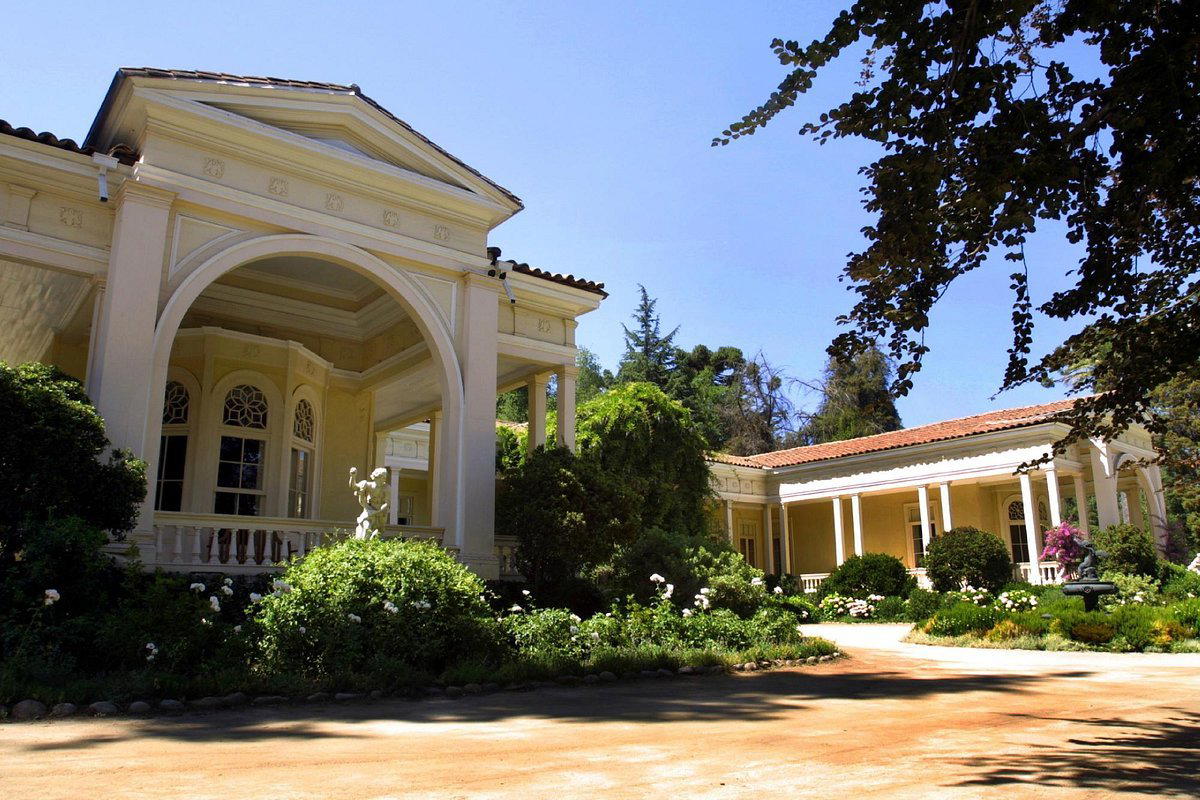
Bars in Santiago 21
Browse all →


Details
- Scenic
- Classic
- Rustic
- Quiet
- Wine Education
- Solo Exploration
- Special Occasion
- Vineyard Tour
- Estate Grounds
- Historic Building
- Mountain
- Vineyard
- Cabernet Sauvignon
- Merlot
- Carménère
- Chardonnay
- Sauvignon Blanc
- Still Red
- Still White
- Sparkling
Set at the foot of the Andes with a harmonious light environment and a distinctive terroir, giving the property a scenic, mountain-side winery atmosphere.