Vasco Sassetti

Vasco Sassetti is a traditional Montalcino winery rooted in Sangiovese, with Brunello di Montalcino DOCG and Rosso di Montalcino defining the range. The appeal is appellation clarity rather than spectacle: historic cellar atmosphere, guided tasting by reservation, and a small-production frame that suits visitors interested in how Montalcino’s hierarchy reads in the glass.
Pearl is the En Primeur Club membership app — saves, bookings, and concierge access live there. Same editors, same standards.
- Address
- Montalcino, Tuscany, Italien
- Directions
- Get directions
 Saves & bookings on Pearl
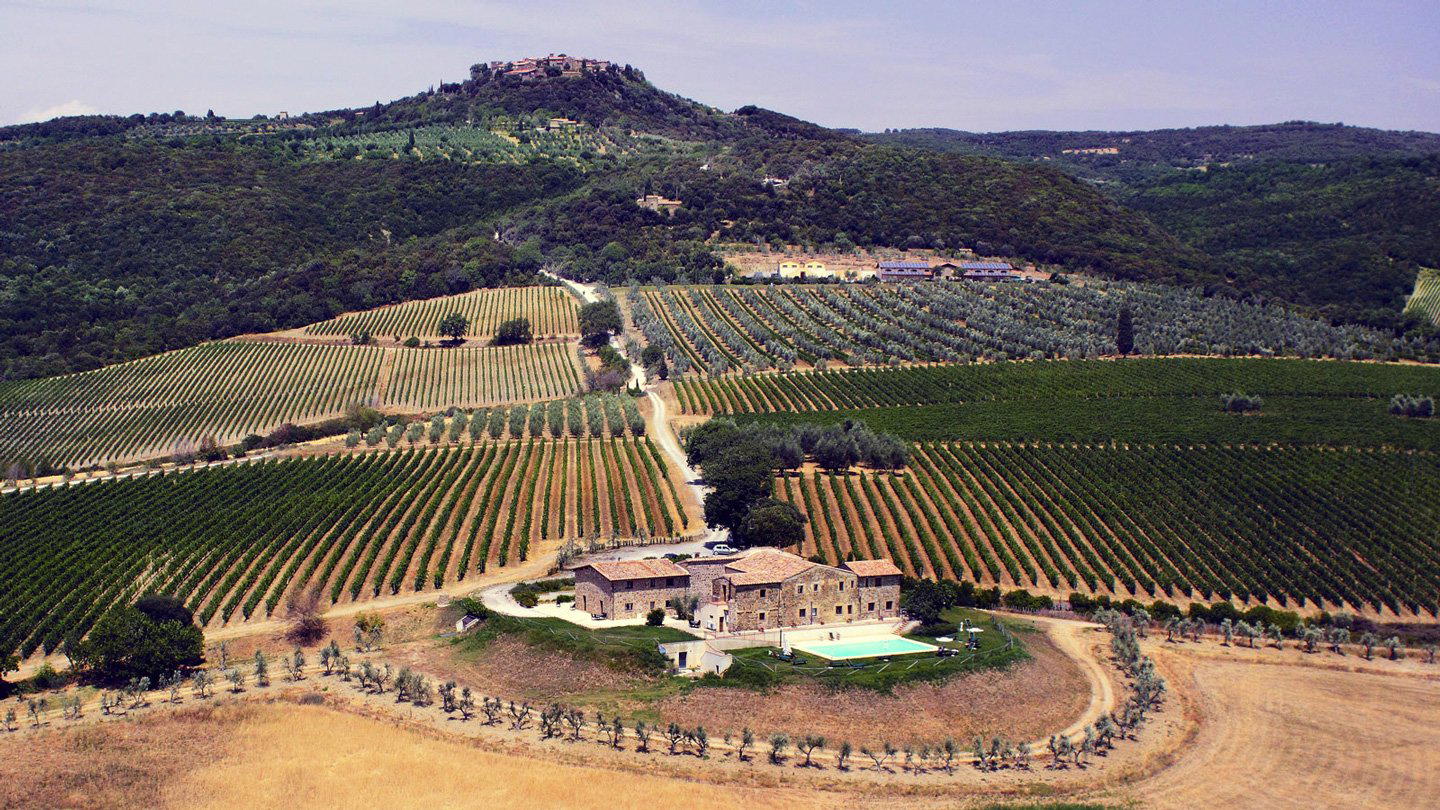
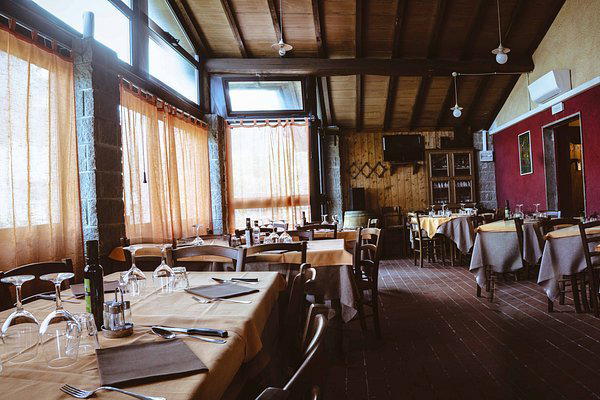
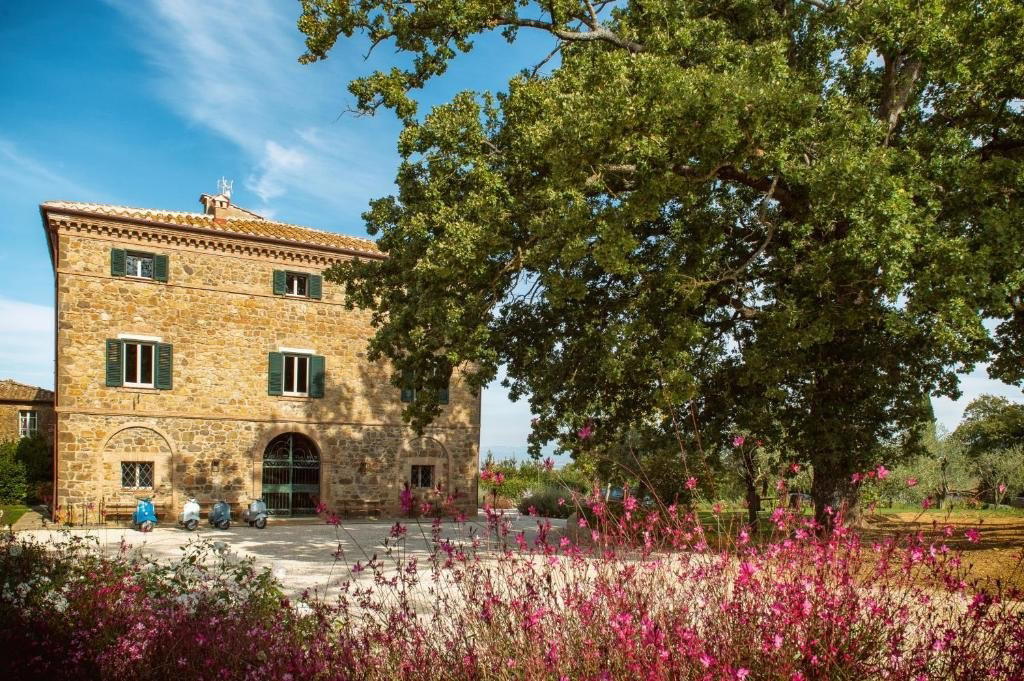
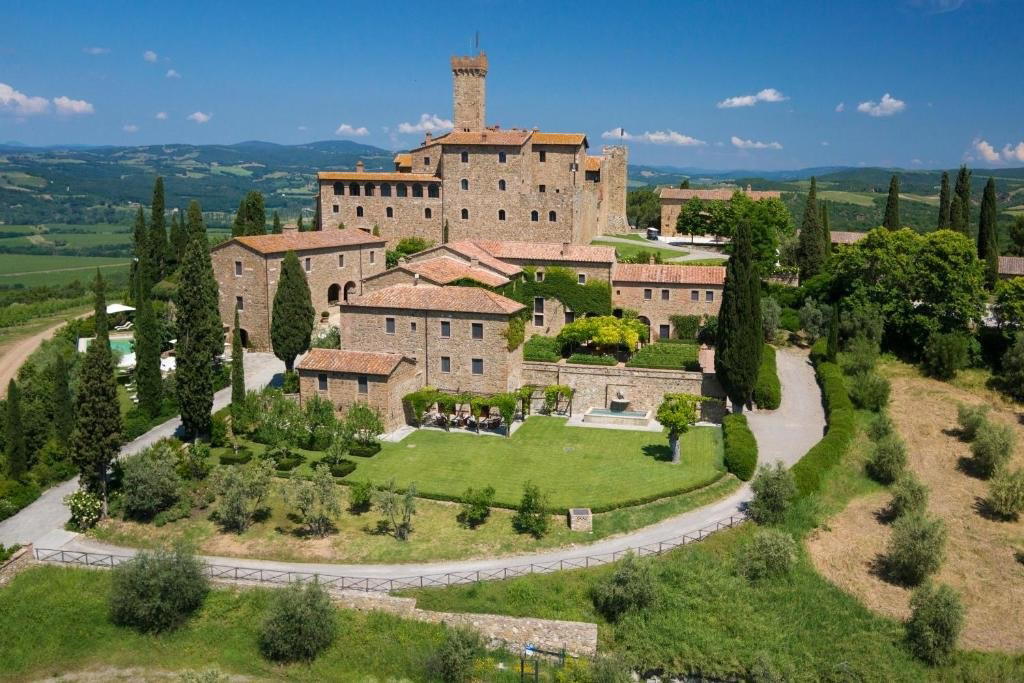
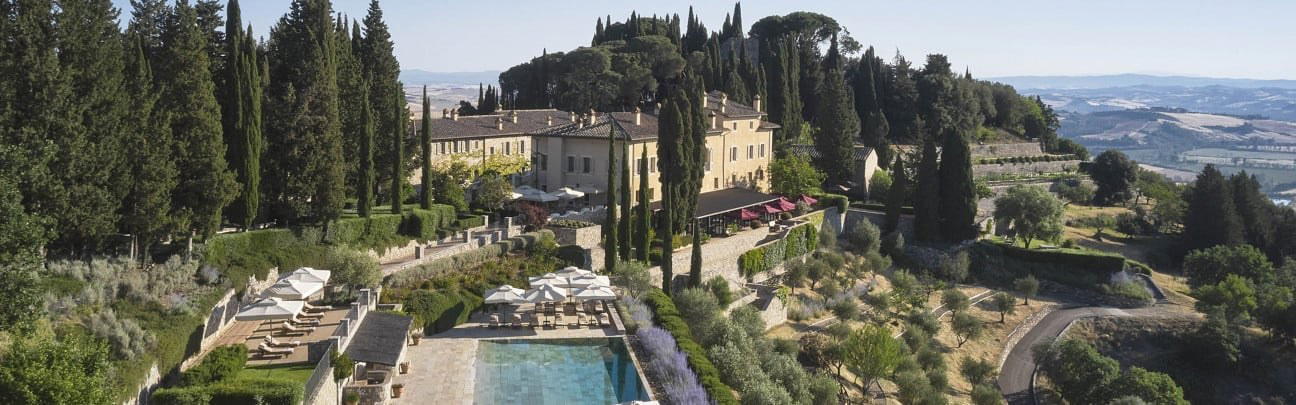
Vasco Sassetti is a Montalcino venue best understood through its traditional Tuscan winery atmosphere rather than through a long checklist of visitor amenities. The picture is deliberately simple: a historic, family-run setting, a quiet and rustic mood, and hospitality centered on the cellar and the production culture of Tuscany. For travelers planning a wine-focused stop in Montalcino, that makes it a classic, low-key choice rather than a venue defined by spectacle.
Because the confirmed information is limited, it is important not to overstate the experience. What can be said with confidence is that Vasco Sassetti belongs in the traditional Montalcino winery context: historic in feeling, family-run in character, rustic in tone and quiet enough to suit visitors who prefer a more focused atmosphere.
A traditional Montalcino winery atmosphere
The strongest grounded reason to consider Vasco Sassetti is its sense of place. Montalcino is closely associated with Tuscan wine culture, and the winery presents itself through that lens: not as a nightlife address, a restaurant-style destination or a design-led hospitality project, but as a cellar-centered winery environment. The emphasis is on traditional production and the kind of hospitality that keeps the cellar, the family setting and the local context at the center of the visit.
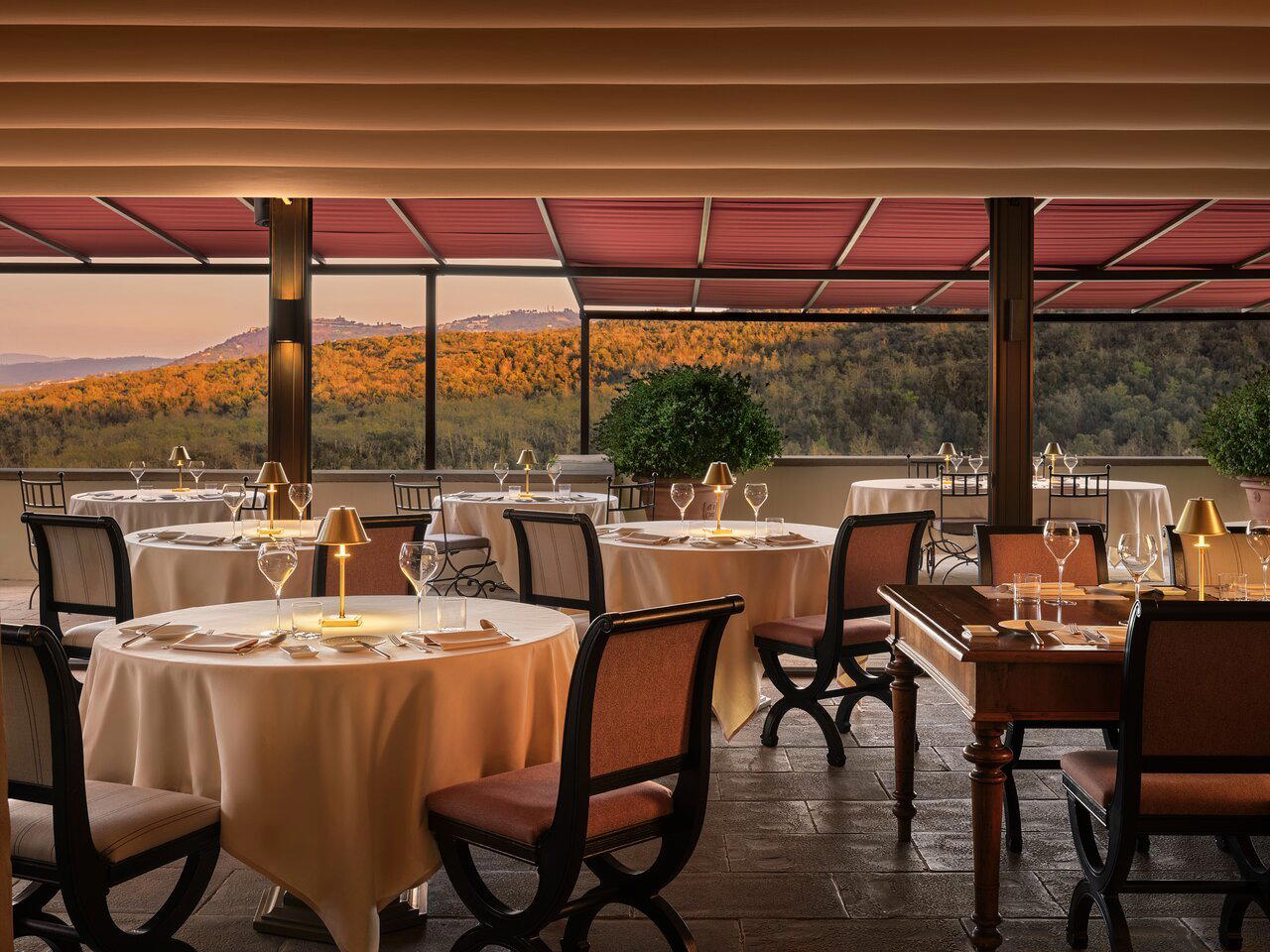
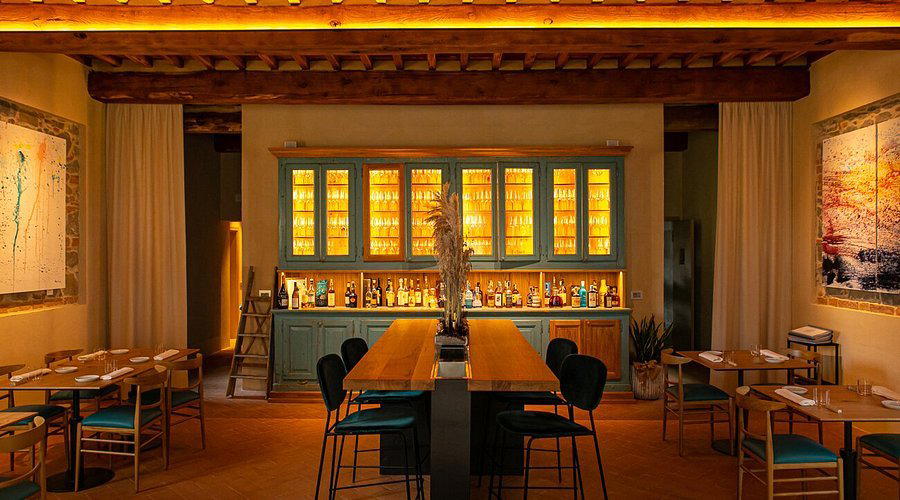
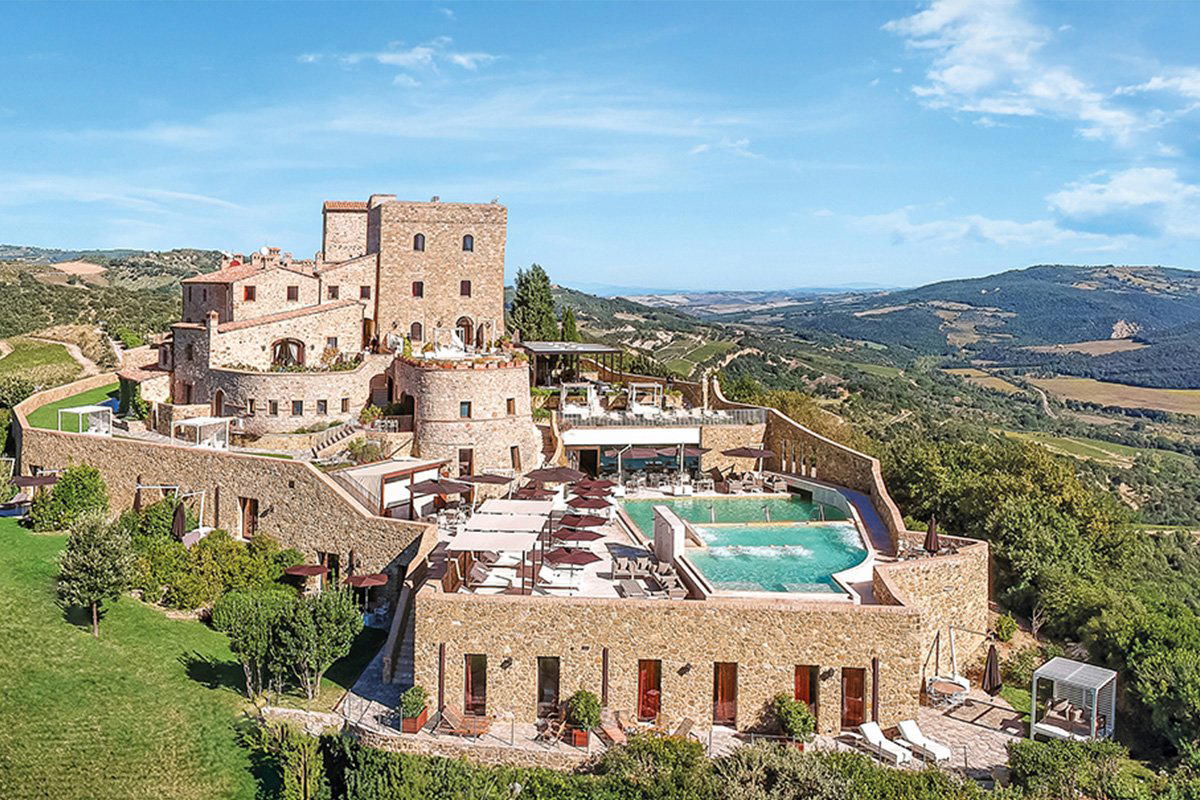
That is a useful distinction when planning time in Montalcino. Some venues are chosen for panoramic terraces, dining add-ons or a broad leisure program. The winery is better framed as a quieter, more classic stop. The descriptors point to a hidden-gem feel: rustic rather than polished, historic rather than newly staged, and calm rather than high-volume. Those qualities may appeal most to visitors who want a grounded Tuscan winery atmosphere without needing a large list of extras.
The price level is listed as $$, which gives a broad planning signal without confirming any specific tasting fee, bottle price or package. Travelers should treat that as a general price marker only. Any detailed budget, pairing cost, private-tour price or menu-style structure would need to be checked directly before visiting, because those details are not part of the record here.
For a premium venue guide, the absence of specific confirmed details matters. The winery can be described as a historic, family-run winery in Montalcino with a quiet, rustic and classic atmosphere. It can also be described as centered on traditional Tuscan production and cellar-led hospitality. Beyond that, the guide should avoid turning assumptions into facts.
That means no confirmed claim is made here about a particular grape, wine label, appellation, vintage program, food pairing, lunch service, dinner service, outdoor seating, private-room capacity, guided-tour structure, walk-in policy, exact address, phone number, founding year or award record.
This more careful framing still leaves a clear identity. The winery is not being recommended because of a named accolade or a documented dining program. It is recommended, where it fits, as a quiet Montalcino winery setting with historic family-run character. The appeal is atmospheric and contextual: a traditional Tuscan production environment that should suit travelers who want their Montalcino planning to include a cellar-led stop.
How to fold it into a Montalcino itinerary
The winery works well in an itinerary that leaves room for slower, less showy experiences. Rather than treating every venue as a full-service destination, plan it as a traditional winery stop in Montalcino and build the rest of the day around other dining, lodging or wine-related plans in the area.
The venue’s quiet, rustic and hidden-gem profile makes it a good contrast to more visibly polished Montalcino options. It may be especially useful for travelers who want a classic setting and do not need every stop to include a restaurant, event calendar or elaborate hospitality program. The grounded expectation is simple: historic family-run winery atmosphere, traditional Tuscan production context and cellar-led hospitality.
For wider planning, use other Montalcino resources generically to compare dining rooms, hotels, bars, winery visits and experiences in town. Keep the winery in the plan as the restrained, traditional reference point: a $$ Montalcino winery venue with a quiet, rustic character and a cellar-centered sense of hospitality.
Recognition history
Dated appearances from independent guides and award organizations, with the underlying list record or original source where available.
Falstaff Winery - Listed
Falstaff
Continue exploring
More in Montalcino
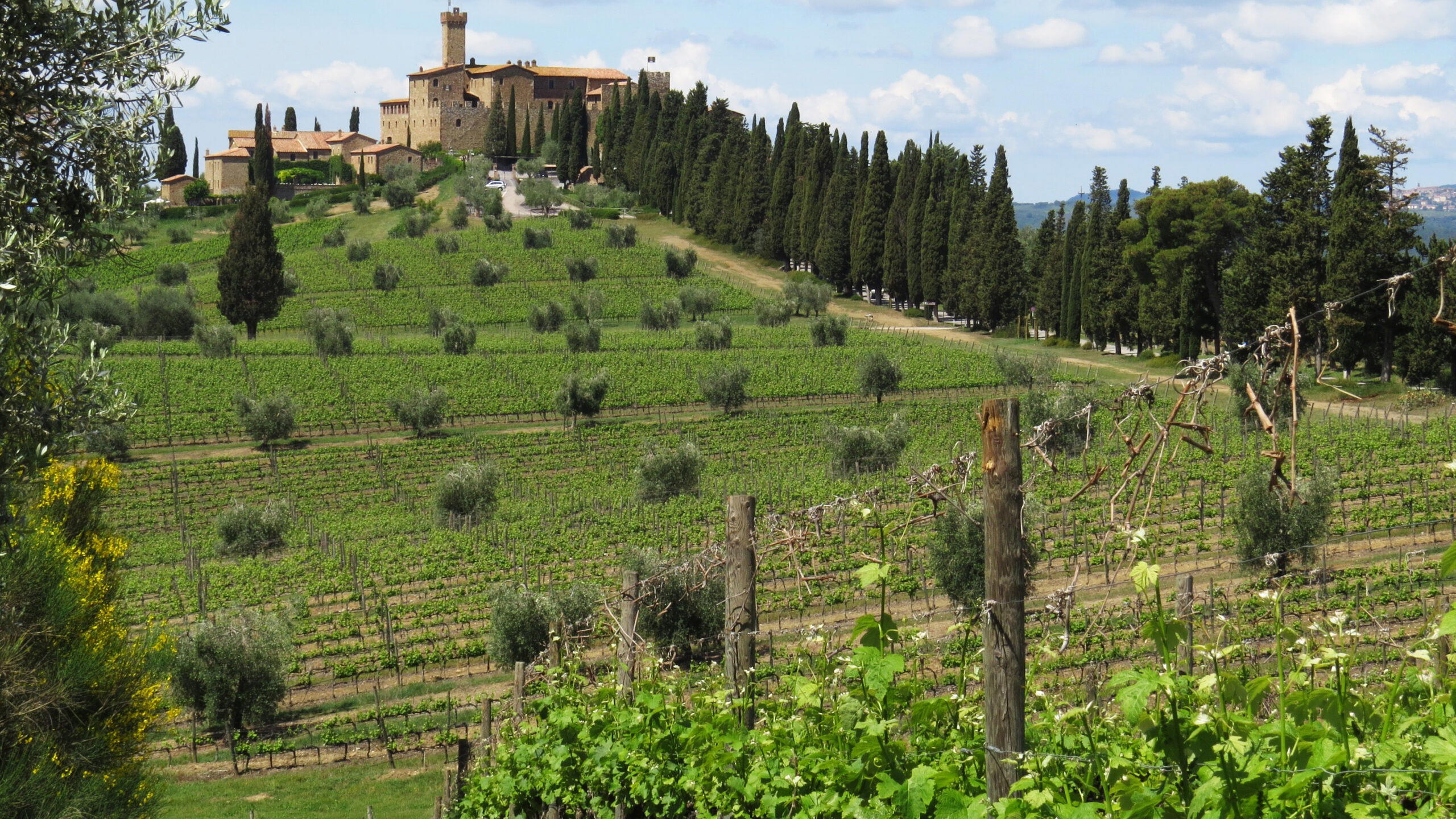
Wineries in Montalcino
Browse all →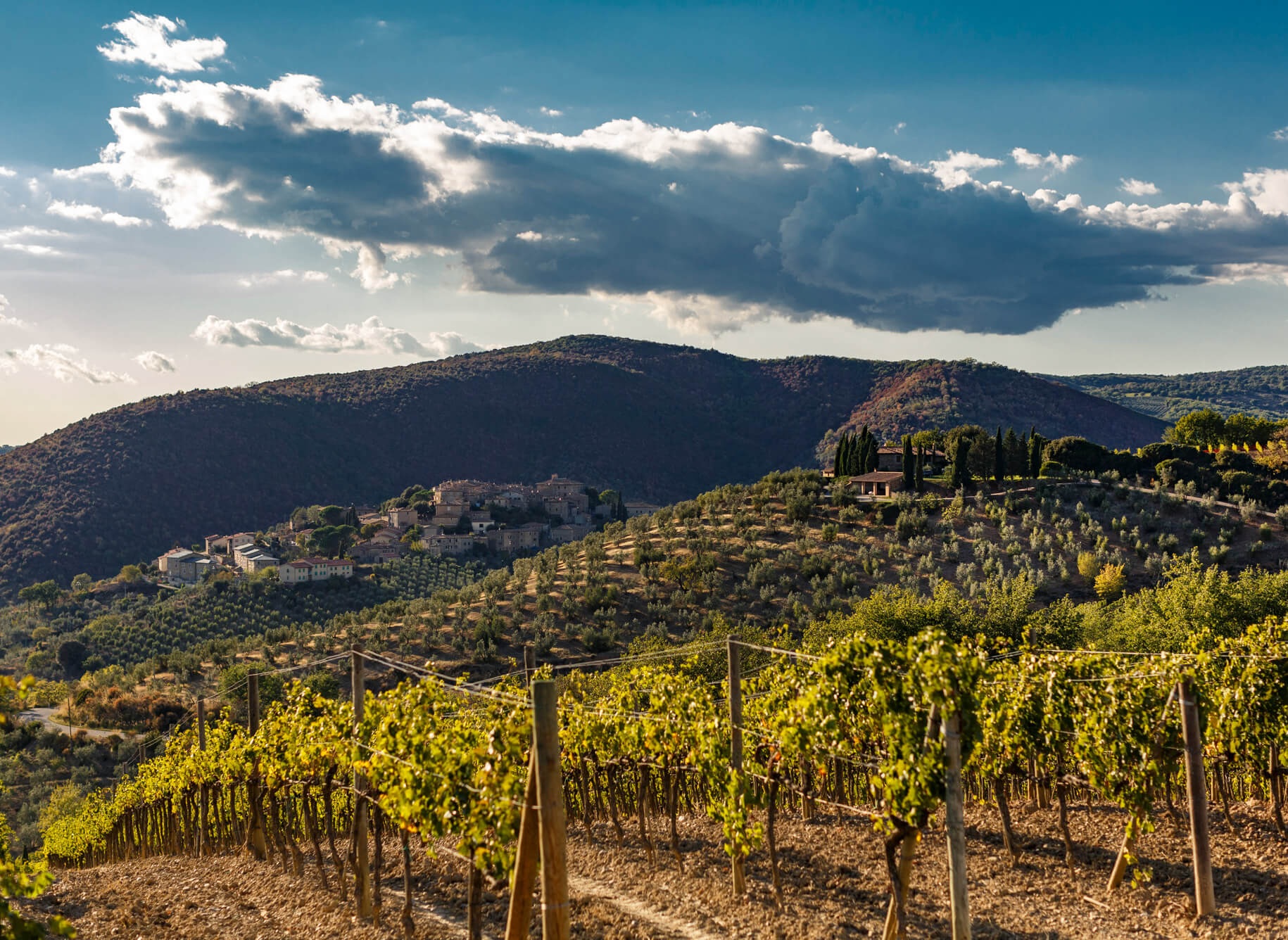
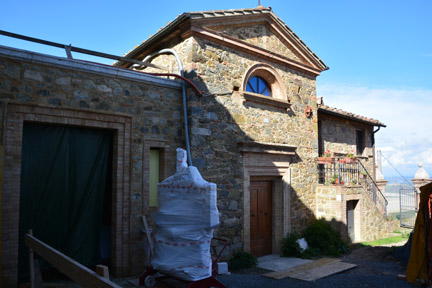
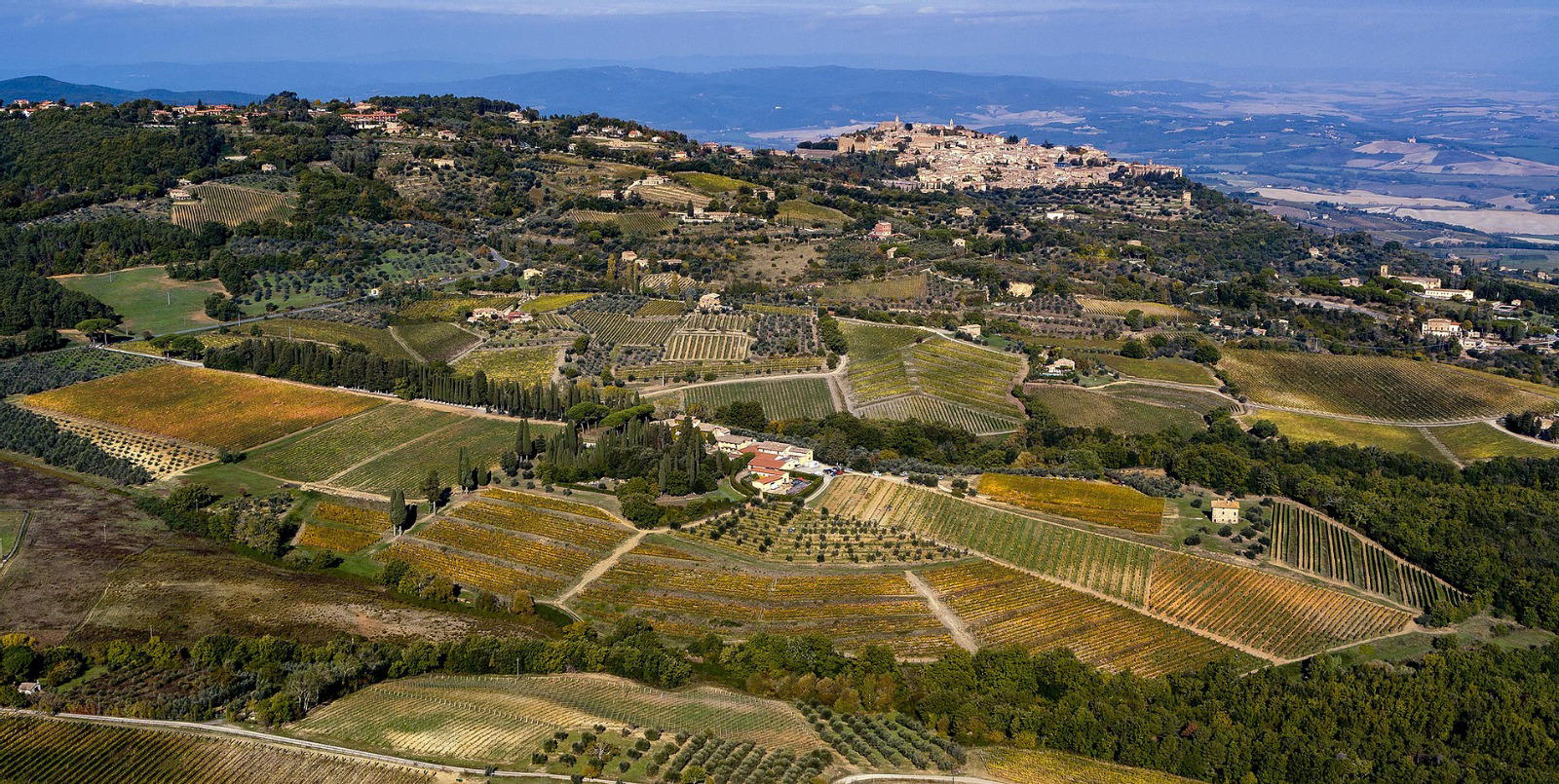
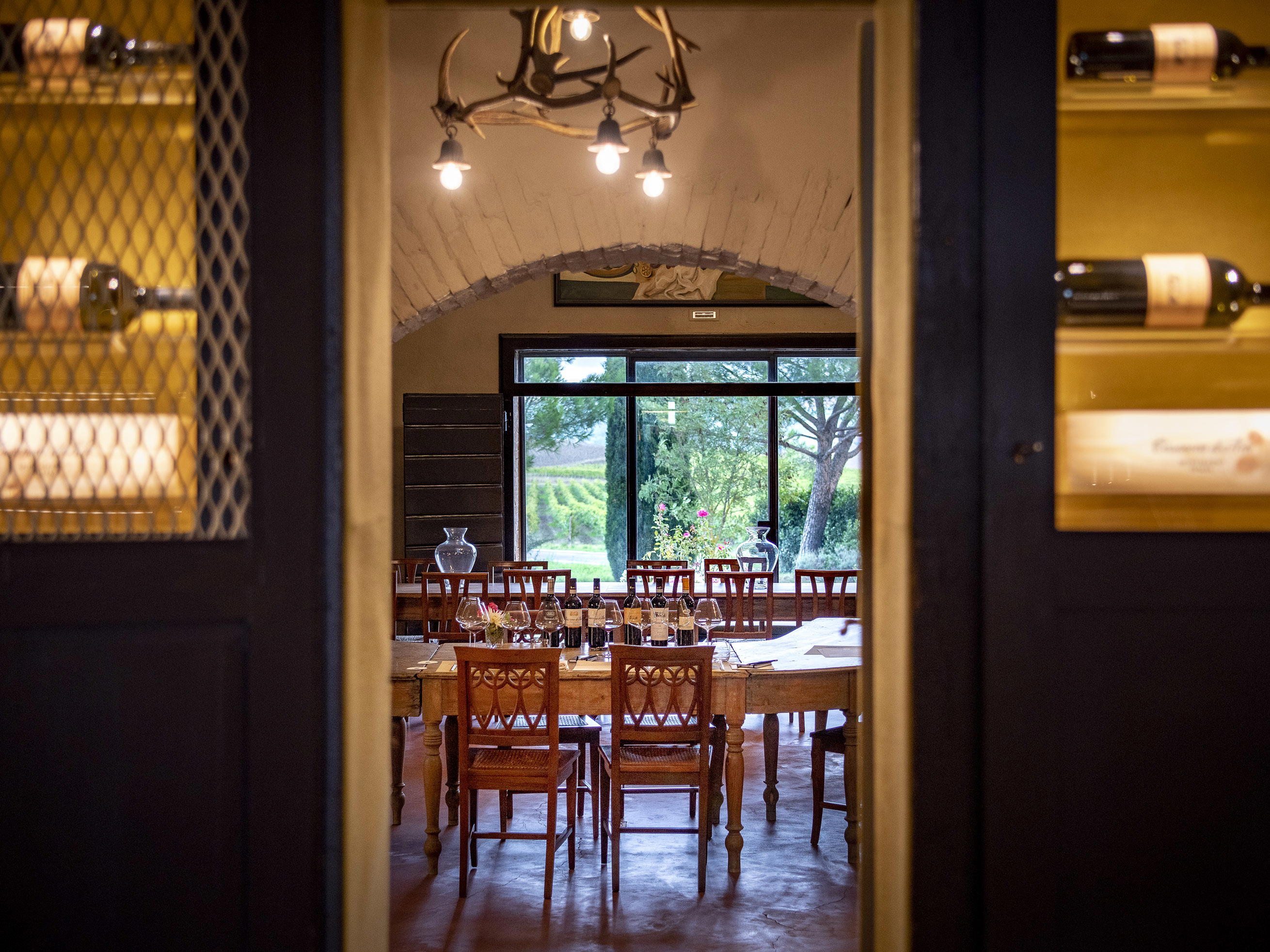
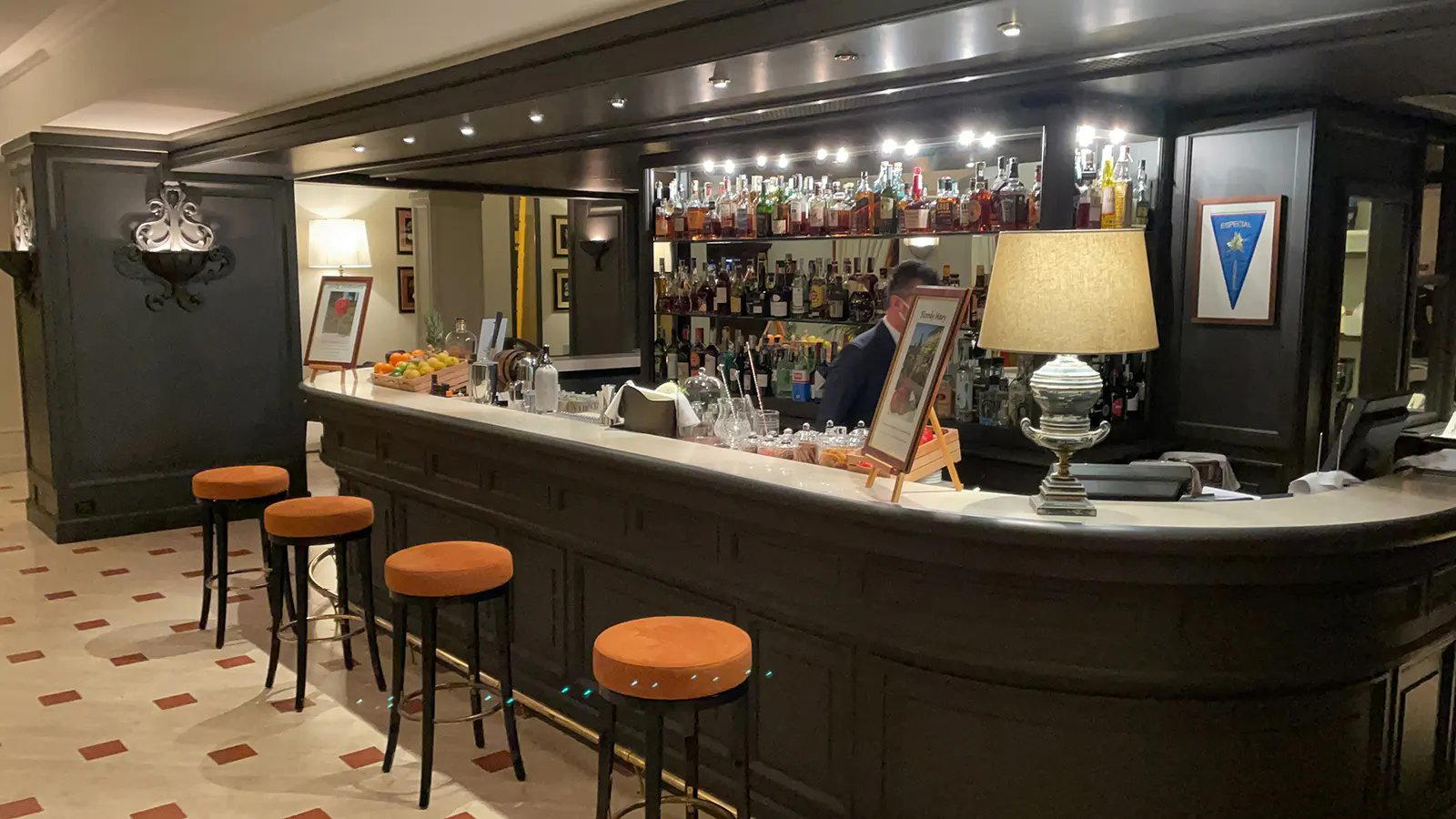
Bars in Montalcino
Browse all →
Restaurants in Montalcino
Browse all →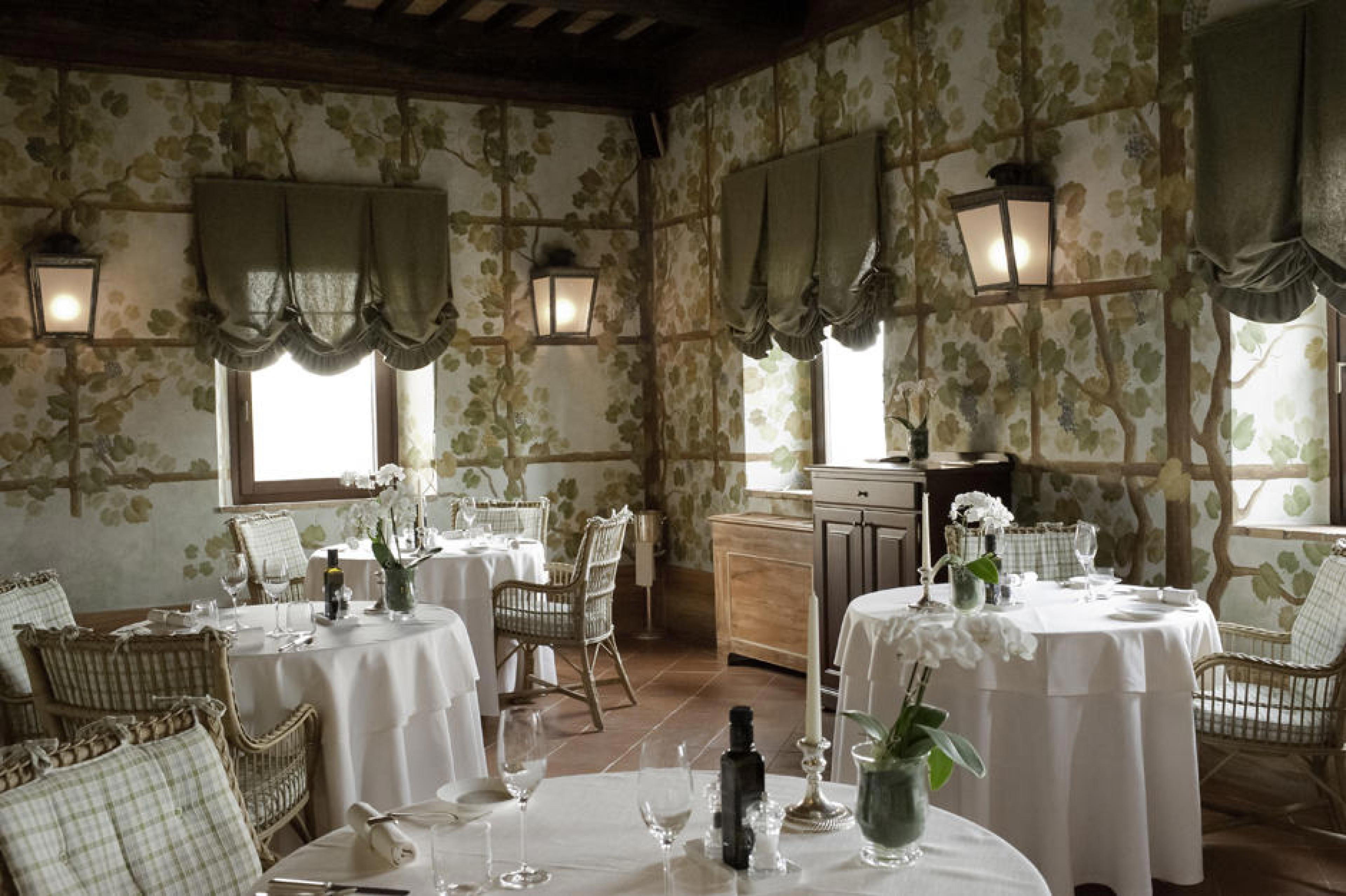

At a Glance
- Classic
- Rustic
- Quiet
- Wine Education
- Special Occasion
- Solo Exploration
- Historic Building
- Private Tasting
- Estate Grounds
- Vineyard
- Brunello Di Montalcino DOCG
- Sangiovese
- Sangiovese Grosso
- Chardonnay
- Viognier
- Still Red
- Still White
- Guided Tasting
Historic, family-run winery atmosphere centered on traditional Tuscan production and cellar-led hospitality.