Van Elkan

Falstaff Winery - Listed
Van Elkan is a tiny Ruwer winery in Mertesdorf, built around Riesling from revived old vines and a low-intervention, small-production approach. Its appeal is not scale or spectacle, but the specific register of the Ruwer: slate, freshness, herbal clarity, and a family-run format that keeps the experience intimate.

Pearl is the En Primeur Club membership app — saves, bookings, and concierge access live there. Same editors, same standards.
- Address
- Mertesdorf, Rhineland-Palatinate, Deutschland
- Directions
- Get directions

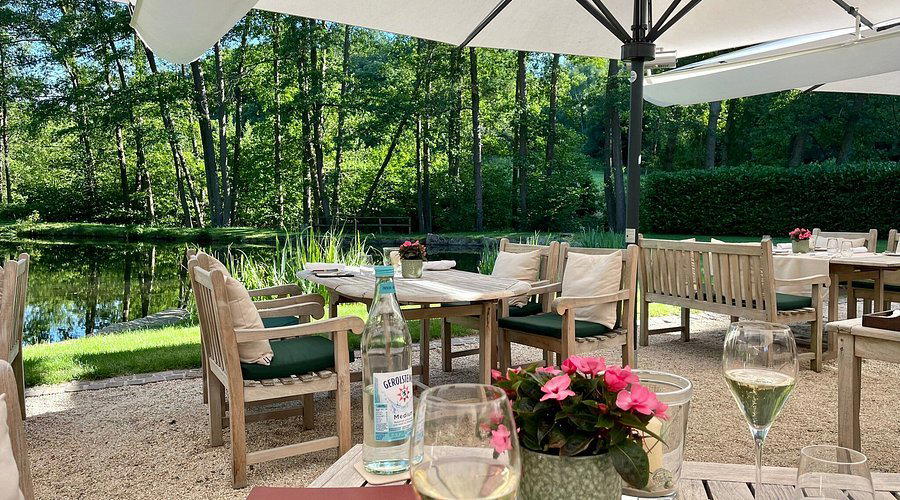
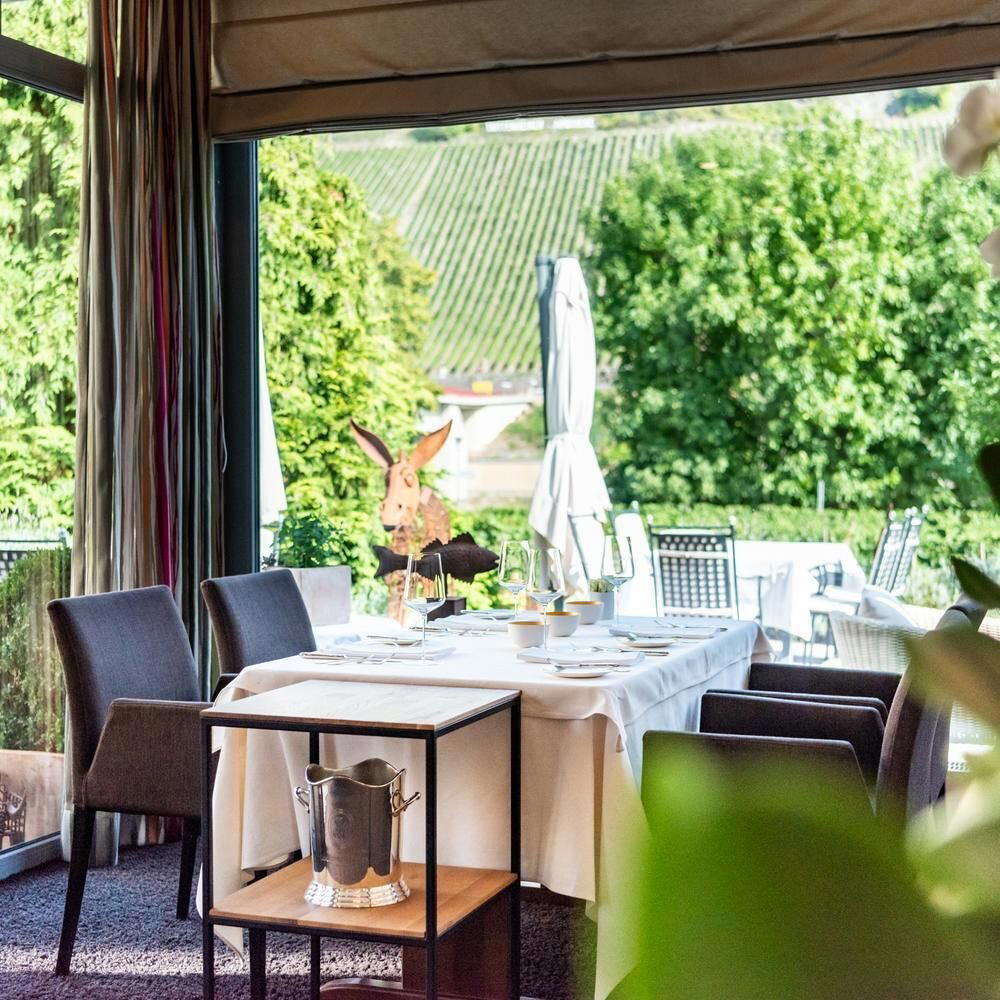
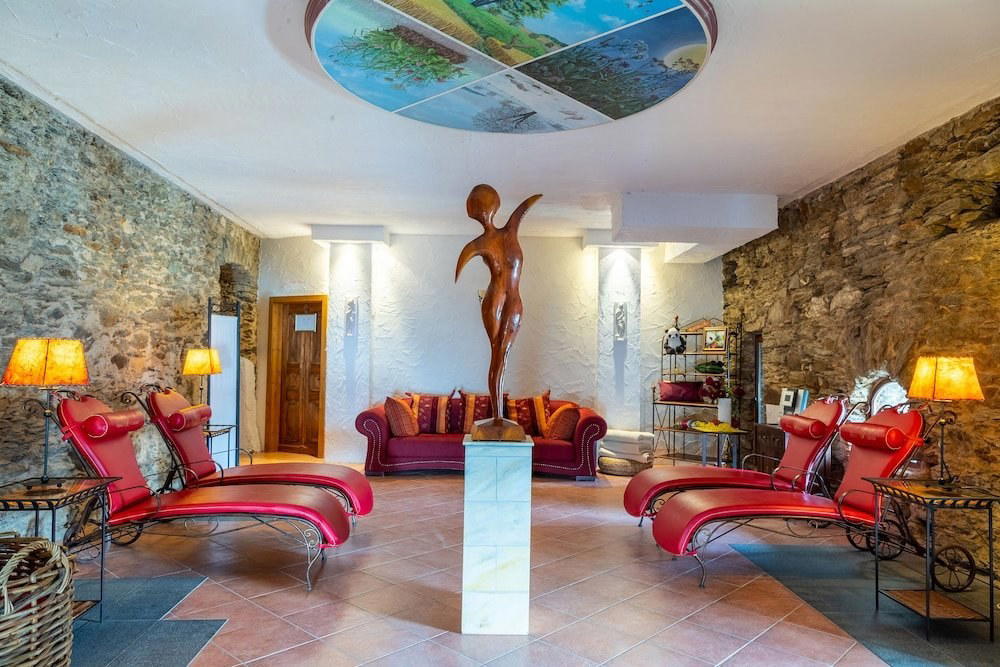
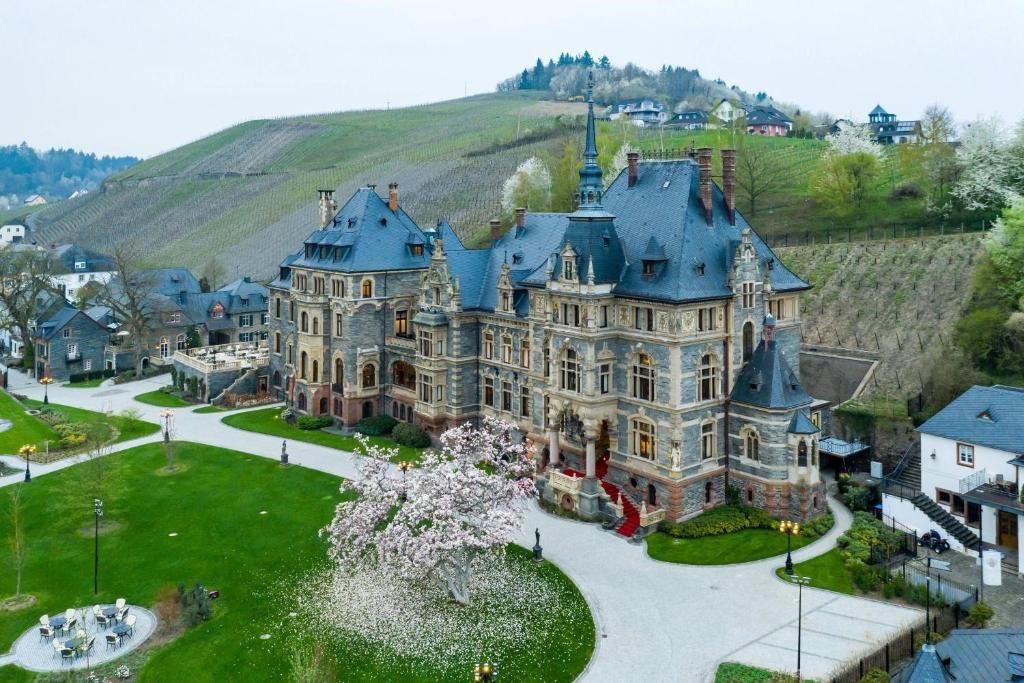
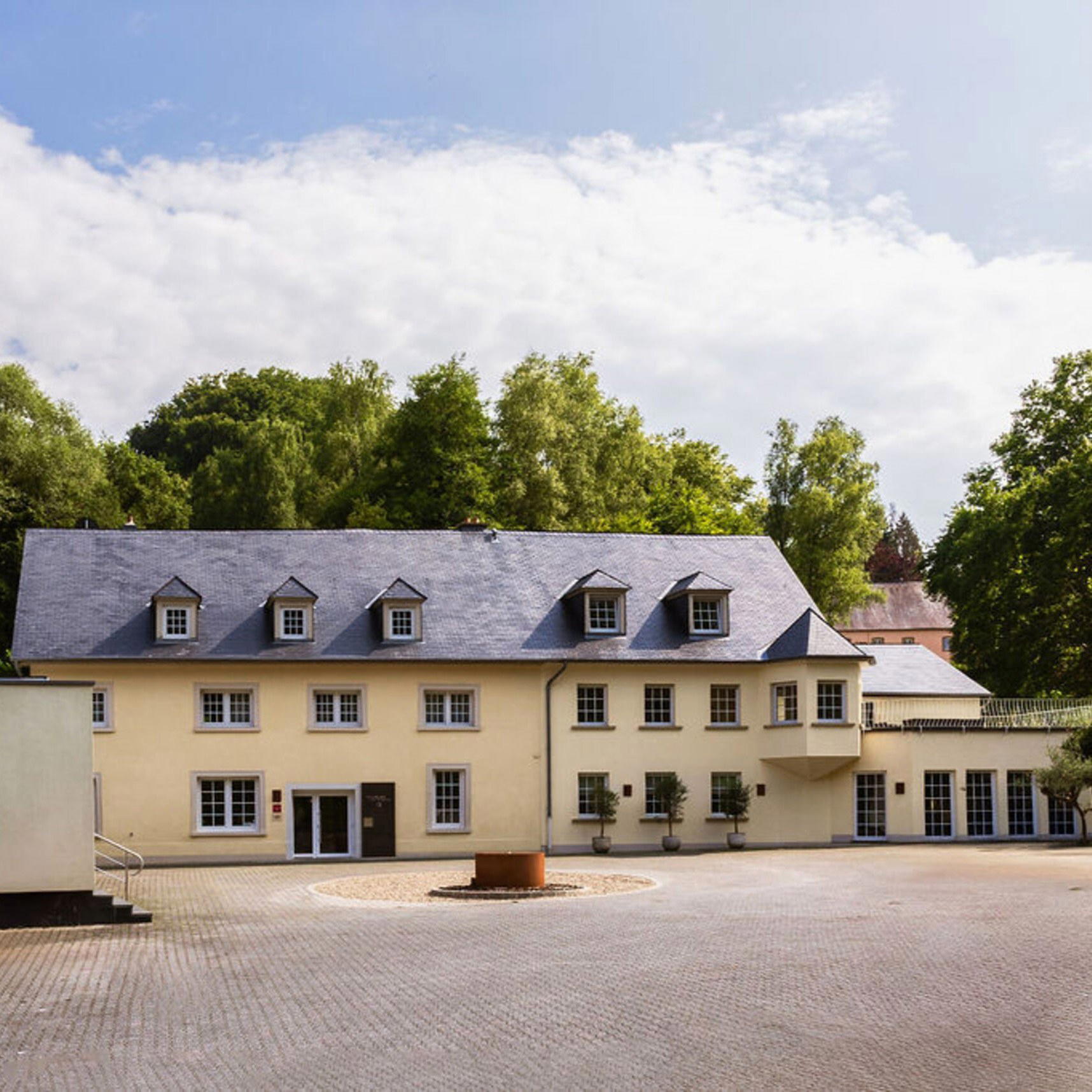
Van Elkan in Mertesdorf is best understood as a small, private Ruwer winery rather than a broad visitor complex. The picture is intentionally narrow: an intimate, rustic setting, a low-intervention and handcrafted feel, and wines described through freshness and delicacy rather than scale or spectacle. For travelers using Mertesdorf as a wine stop, that makes Van Elkan a quiet, hidden-gem address whose appeal depends less on big claims and more on atmosphere.
The important point is scale. Van Elkan is presented as private and small, with a mood that feels personal rather than commercial. That does not support a detailed public narrative about acreage, production totals, vineyard history, owners, specific grape varieties, or cellar practices beyond the low-intervention, handcrafted character already associated with the venue. The most accurate way to frame it is as a restrained Ruwer winery in Mertesdorf, suited to visitors who value calm surroundings and a fresh, delicate style.
Ruwer wine at small-estate scale
The Ruwer context matters because it gives Van Elkan its regional frame, but the venue should not be over-described beyond what. The reliable editorial case is that this is a small winery in Mertesdorf with a low-intervention feel and a handmade sensibility. That combination suggests a place where the experience is quieter and more focused than a high-volume tasting operation, without needing to invent specifics about the range, production numbers, vineyard names, or technical details.
Van Elkan’s style is fresh and delicate. Those words are useful because they describe the tone of the wines without forcing unsupported detail. They also align with the venue’s wider personality: intimate, rustic, and hidden away rather than polished into a large hospitality format. Readers should treat the winery as a focused Ruwer stop, not as a place defined by a long list of documented services, awards, scores, or public-facing amenities.
That restraint is part of the value. Some wine destinations are best explained through famous labels, rankings, tasting menus, or extensive visitor infrastructure. Van Elkan is not supported by that kind of information here. Its draw is simpler: a small private winery in Mertesdorf with a handcrafted character and a quiet setting. For the right traveler, that may be exactly the point.
The setting favors attention over performance
The atmosphere at Van Elkan is described as quiet, hidden-gem, intimate, and rustic. Those are not throwaway adjectives; they are the core of what can be said with confidence. The venue reads as a private Ruwer winery where the experience should be approached with patience and attention, rather than as a commercial stop built around volume, spectacle, or a broad public program.
There is no confirmed basis here for stating precise opening arrangements, visitor capacity, food service, tasting format, address details beyond Mertesdorf, or a complete list of wines. The safer expectation is a small, personal-feeling winery with a fresh, delicate Ruwer style.
The low-intervention and handcrafted feel is the strongest style marker. It gives Van Elkan a point of view without requiring unsupported technical claims. In practice, that means the winery will likely appeal most to people who prefer understated places, quiet conversations, and wines that are framed by delicacy rather than heaviness. The setting and style reinforce each other: private, rustic, and focused.
How to place Van Elkan in a Mertesdorf wine itinerary
In a Mertesdorf itinerary, Van Elkan works well as a small-scale Ruwer counterpoint to other dining and wine stops in the area. The useful comparison is not with a large commercial venue, but with other local options in a generic sense: places that help a traveler understand how different Mertesdorf experiences can feel, from more public-facing stops to quieter, more intimate ones. Van Elkan sits firmly on the intimate side of that spectrum.
If Van Elkan is a priority, visitors should confirm practical arrangements directly before building a day around it. What can be said confidently is that the venue belongs in Mertesdorf, carries a $ price marker, and is characterized by a small, private, low-intervention winery identity.
The editorial case for Van Elkan is therefore narrow but clear. It is a Ruwer winery in Mertesdorf with a quiet, hidden-gem atmosphere, rustic intimacy, and a handcrafted style. It is not a venue to describe through invented production figures, vineyard stories, named awards, or detailed hospitality promises. For travelers who like modest, personal places and fresh, delicate wines, that honest description is compelling enough.
Recognition history
Dated appearances from independent guides and award organizations, with the underlying list record or original source where available.
Falstaff Winery - Listed
Falstaff
Continue exploring
More in Mertesdorf
Wineries in Mertesdorf
Browse all →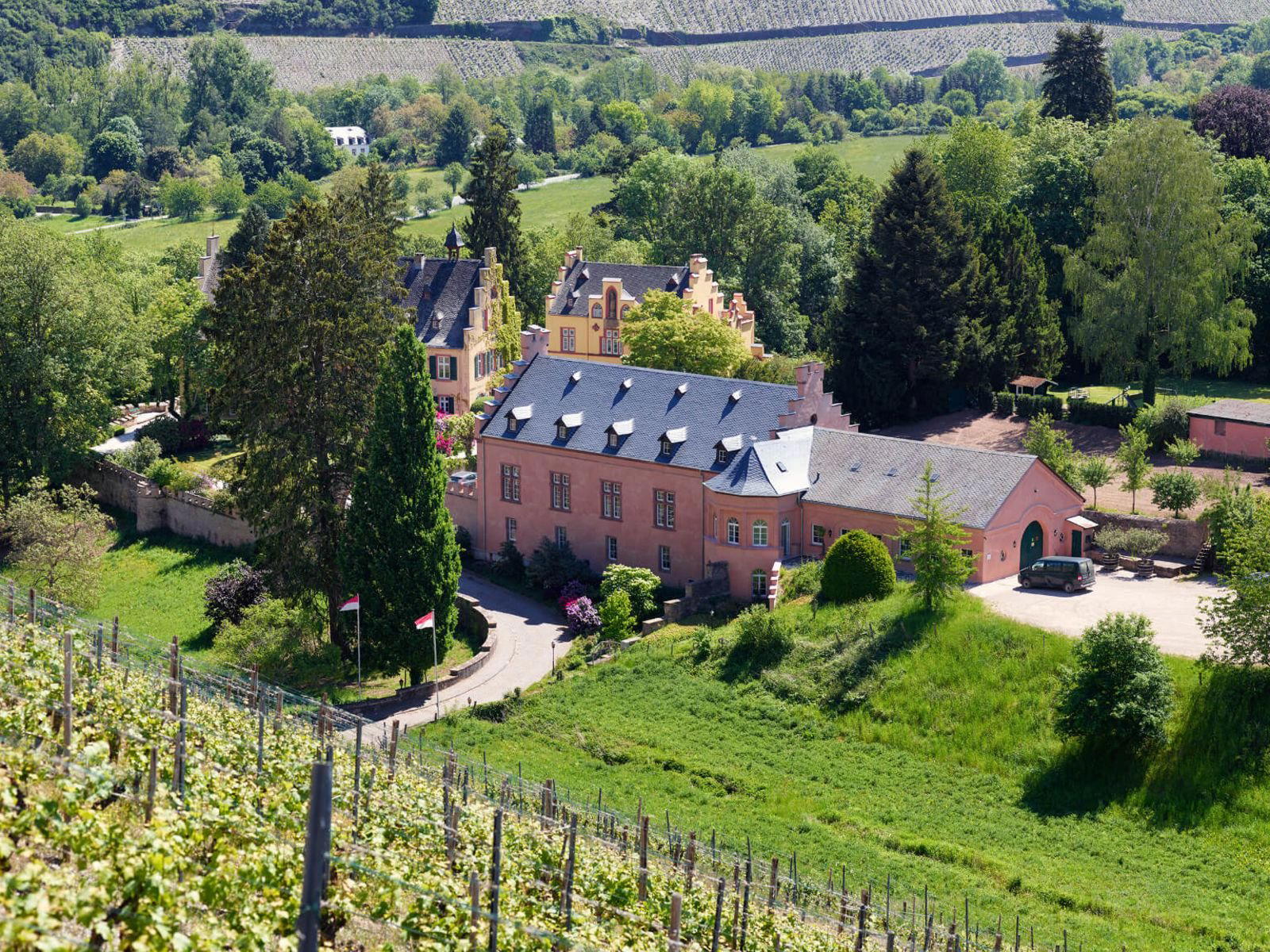
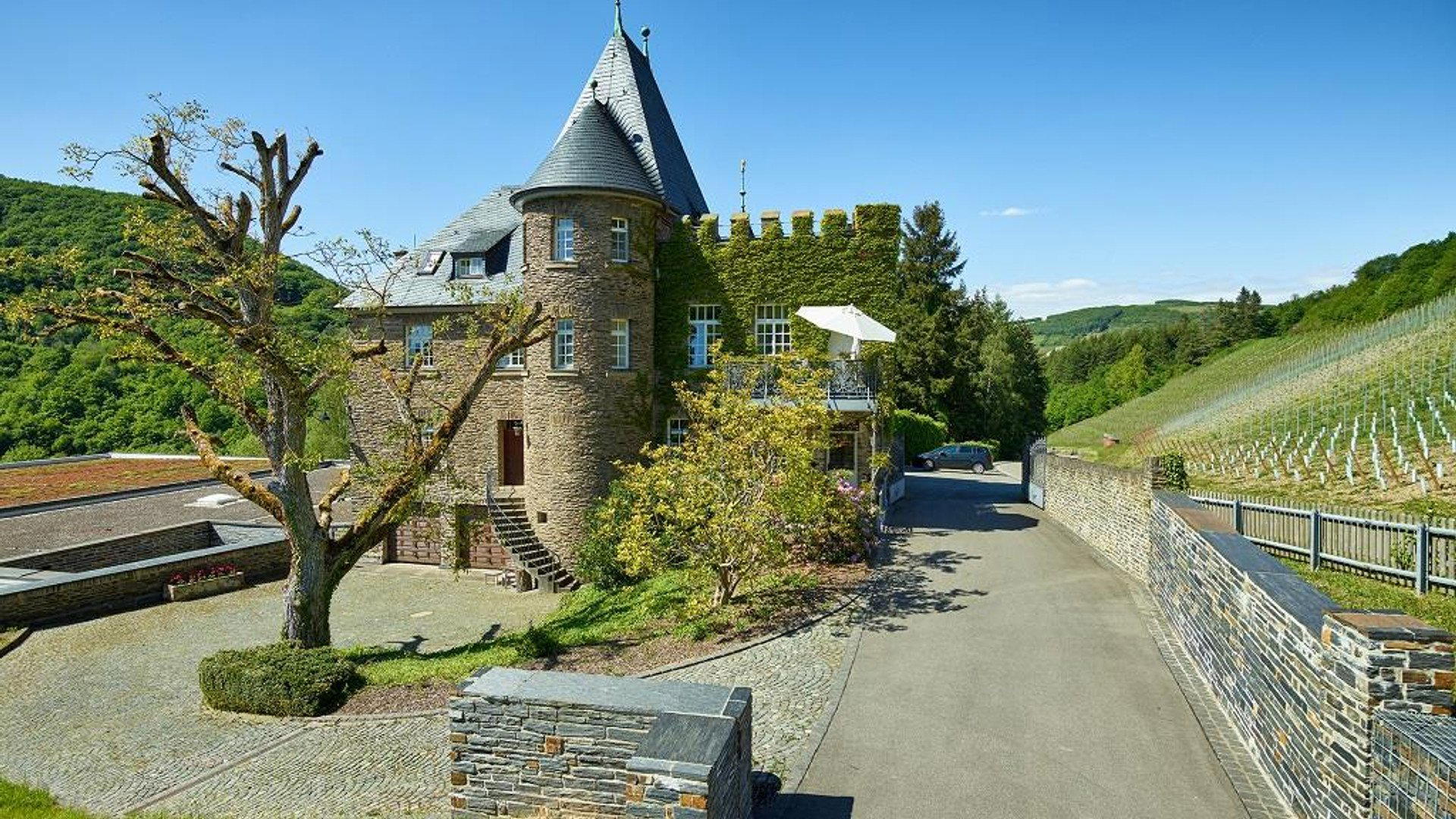
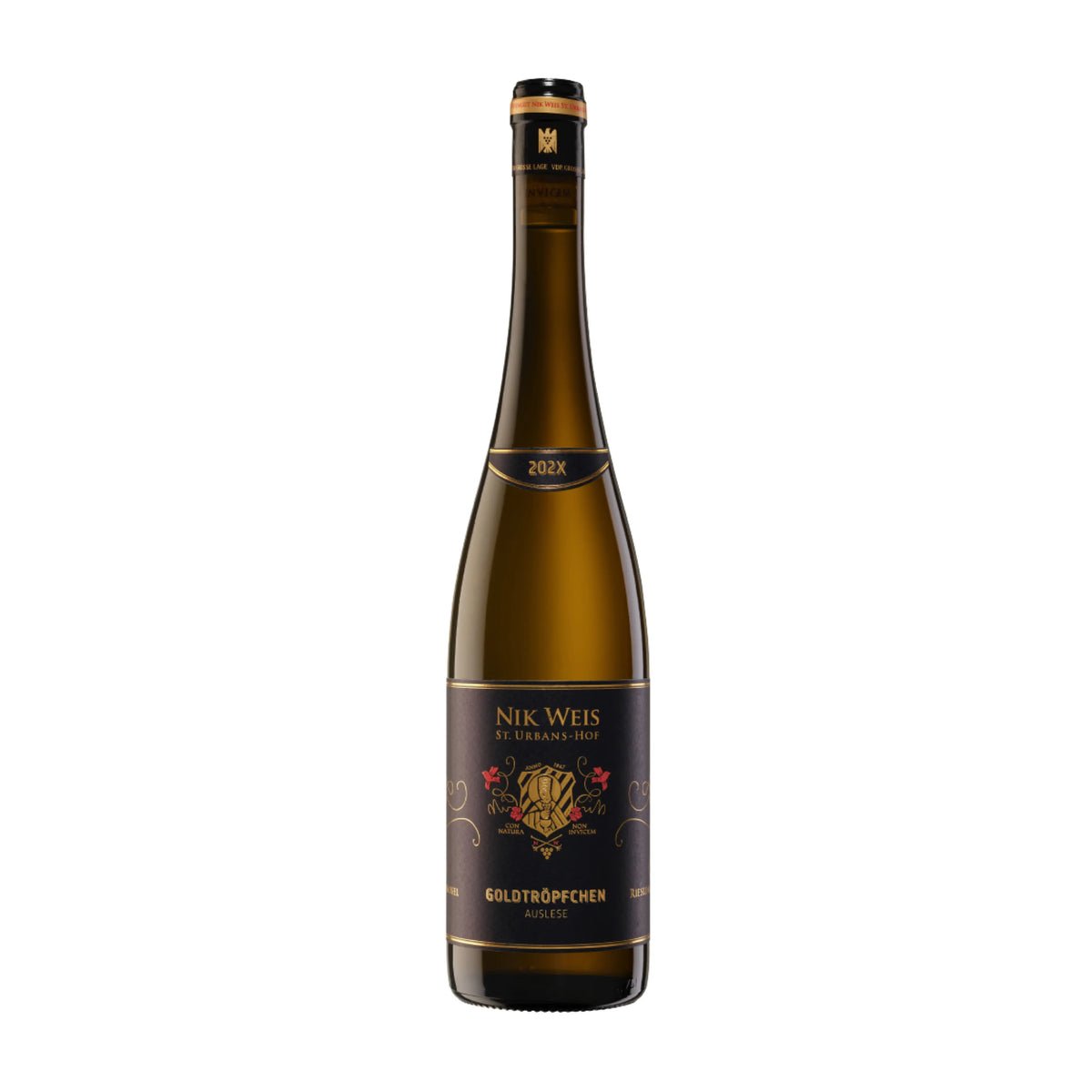
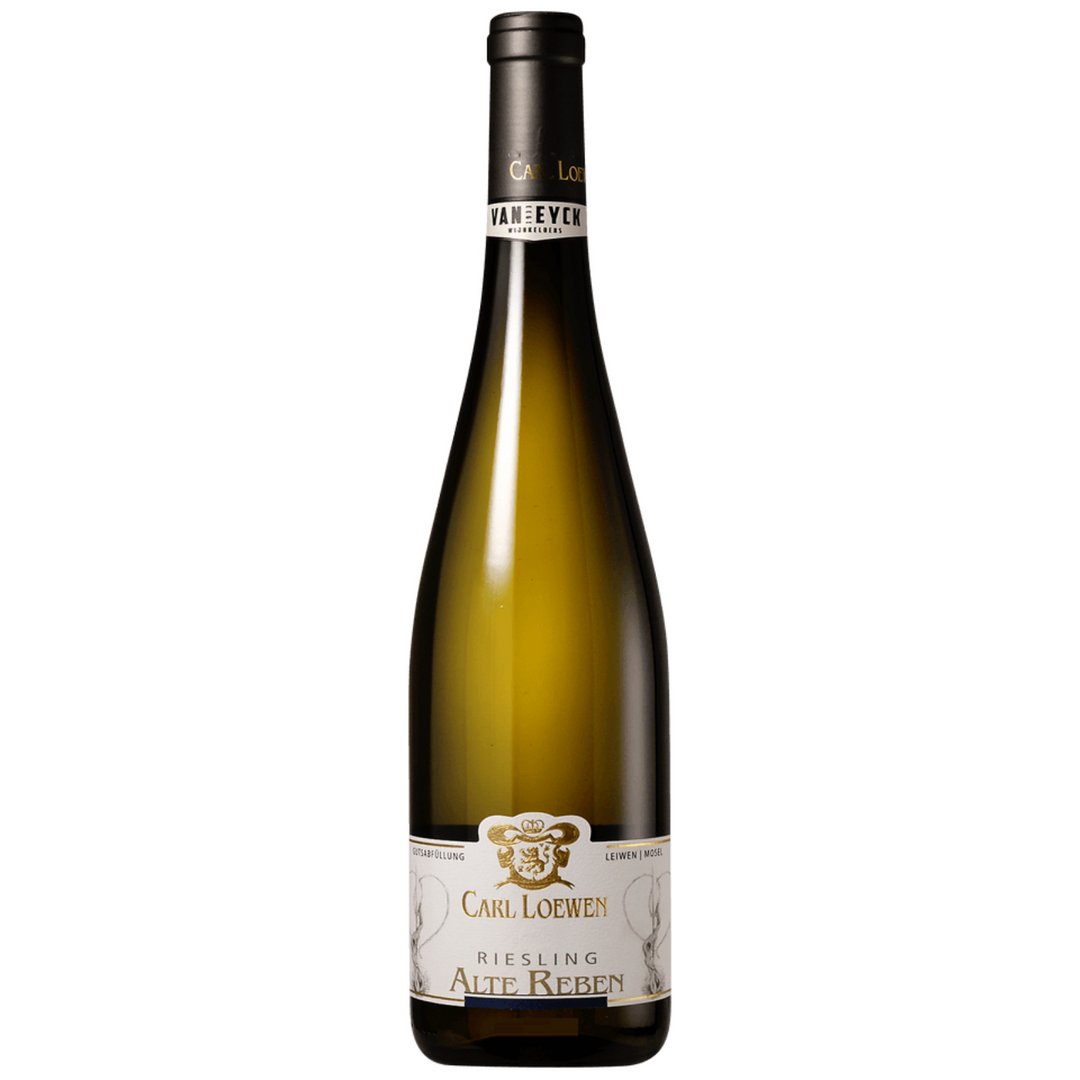
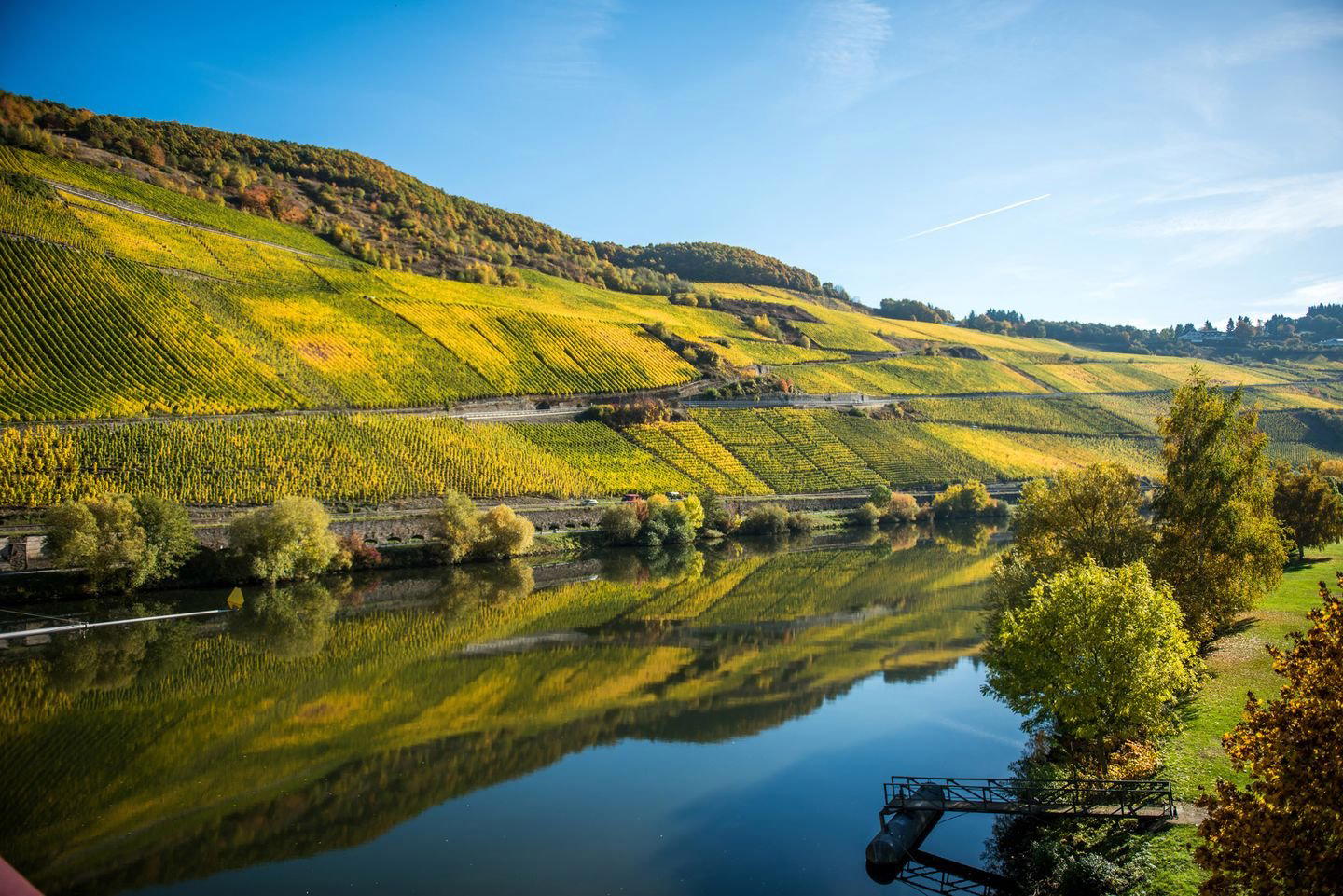
Bars in Mertesdorf
Browse all →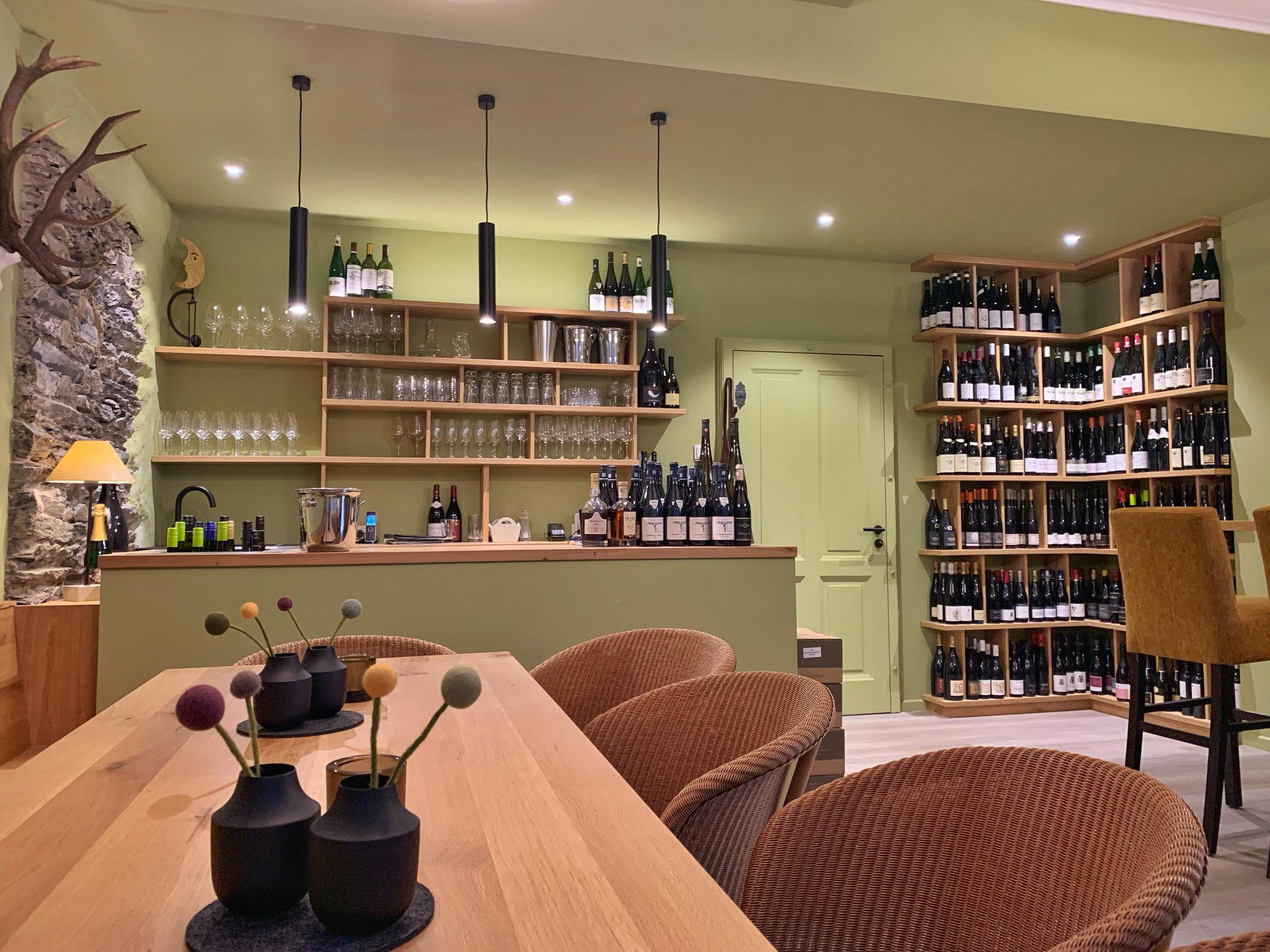
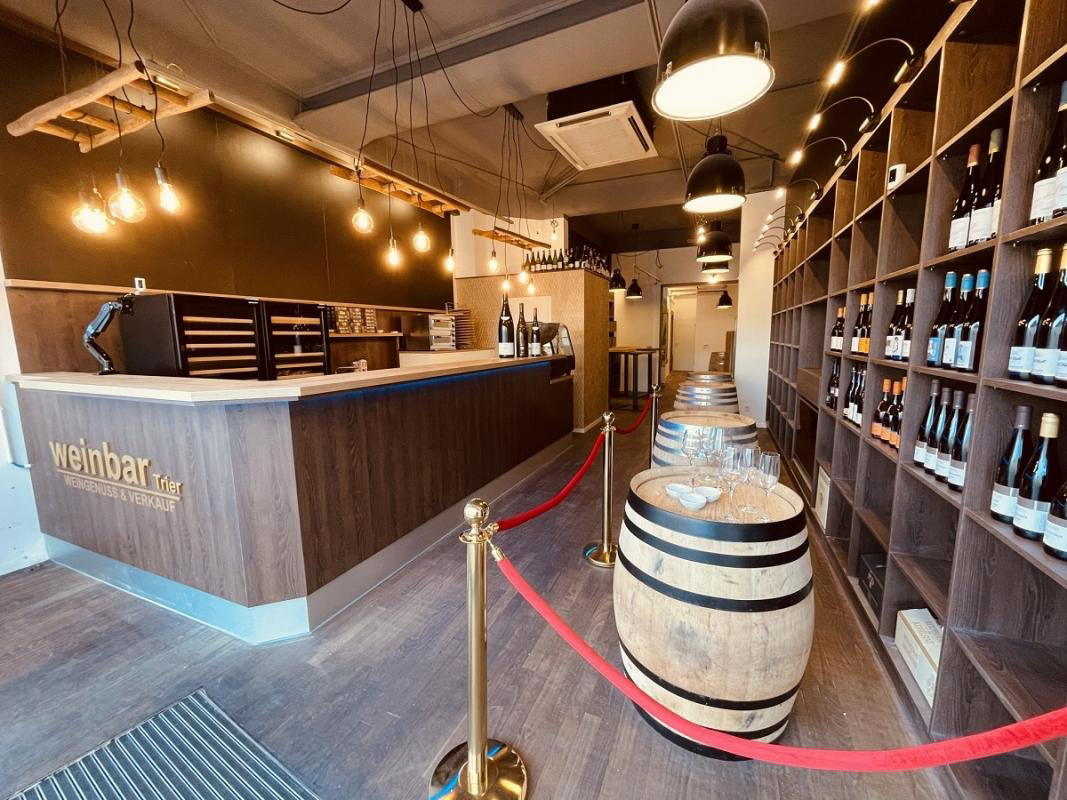
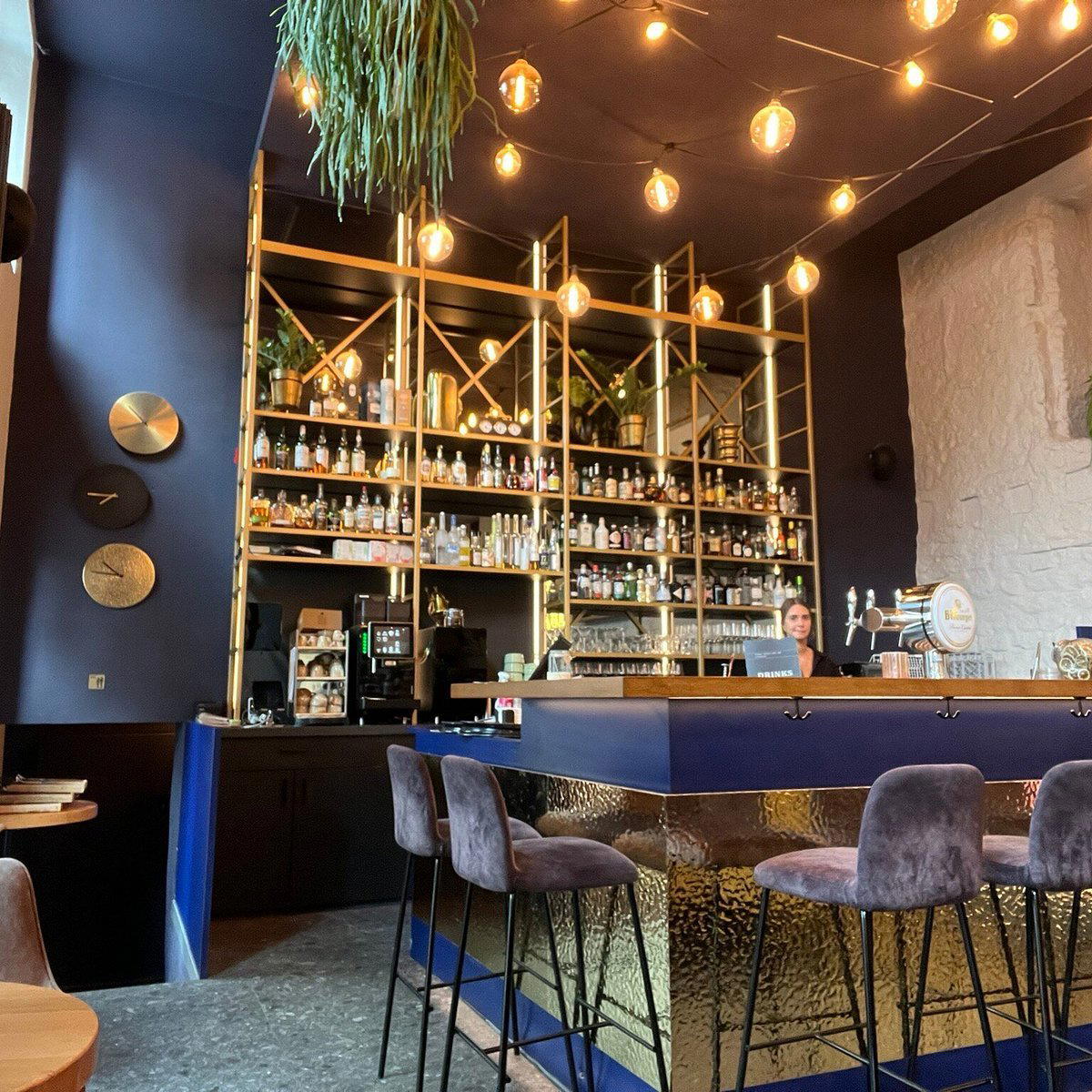
Restaurants in Mertesdorf
Browse all →
Details
- Quiet
- Intimate
- Rustic
- Solo Exploration
- Wine Education
- Vineyard
- Riesling
- Still White
- Tasting
A small, private Ruwer winery with a low-intervention, handcrafted feel and a fresh, delicate style; the setting is intimate rather than commercial.