
Troupis Winery sits in Mantinia on the high-altitude Arcadian plateau, a region whose cool growing conditions have long defined Greek Moschofilero production. For visitors seeking a tasting experience rooted in the specific character of Arcadian terroir, it represents a credible entry point into one of Greece's most climatically distinct wine zones.
Pearl is the En Primeur Club membership app — saves, bookings, and concierge access live there. Same editors, same standards.
- Address
- Μηλιά, Milia Tripoleos 221 00
- Phone
- +30 271 041 1434
- Website
- troupiswinery.gr
- Directions
- Get directions
 Saves & bookings on Pearl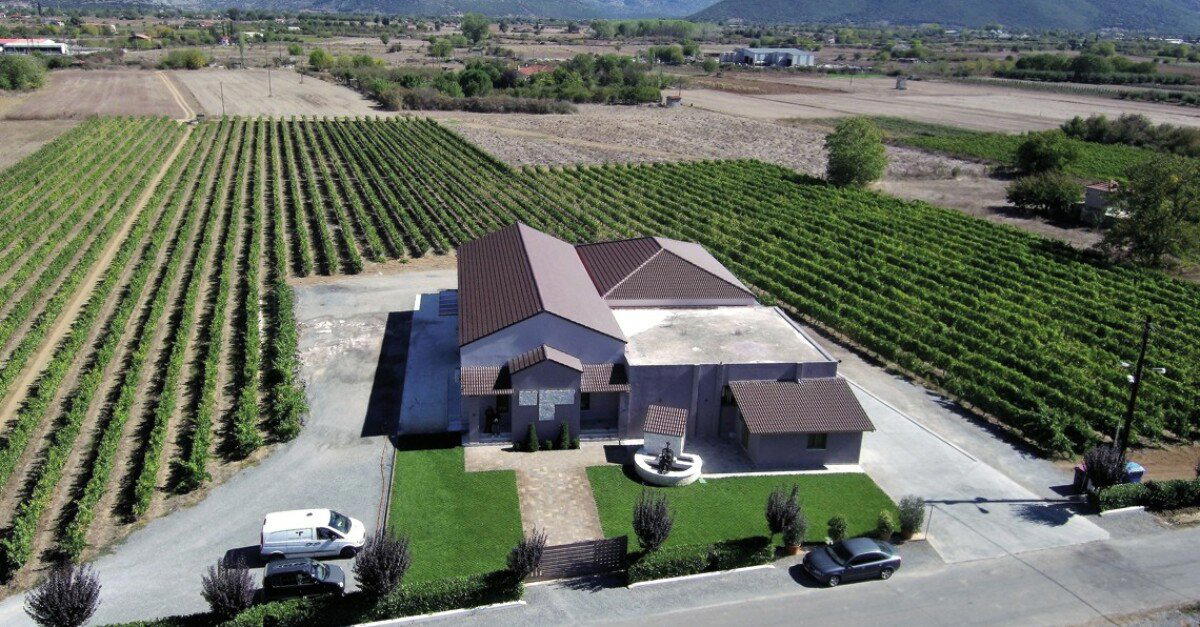
The Arcadian Plateau and What It Means for a Glass of Wine
Greece's wine geography tends to get flattened in international coverage into a shorthand of Assyrtiko and volcanic islands. The reality on the ground is considerably more varied. At roughly 650 metres above sea level, the Mantinia plateau in Arcadia sits higher than most wine regions in the Mediterranean, and that elevation changes everything: slower ripening, preserved acidity, lower alcohol, and a natural aromatic lift in the grape that defines the zone. The local PDO is built almost entirely around Moschofilero, a pink-skinned variety with a perfumed, slightly spicy profile that produces wines unlike anything grown at sea level in the same country.
Troupis Winery, located at Μηλιά, Milia Tripoleos 221 00, operates in the heart of this zone. For context, that comparable set in Mantinia is relatively compact: Boutari Winery (Mantinia) and Ktima Tselepos are the names most frequently cited alongside Troupis when critics discuss serious Moschofilero production. Being rated alongside that cohort carries weight because the benchmark for Mantinia wines is well-established and the margin between competent and distinctive is narrow.
Arriving in Mantinia: What the Setting Tells You Before You Taste
The drive to Mantinia from the Peloponnese's more tourist-trafficked areas involves shedding coastal density for open plateau. The terrain around Milia is spare and high, with the kind of sky that signals altitude before any thermometer does. Arriving at a winery here is not like arriving at a well-curated estate in Nemea or a showpiece property in Santorini. The Arcadian interior has a quieter register, less performative, more plainly agricultural. That context matters for how a tasting visit reads: you are in a working region where the vines and the geography are the primary argument.
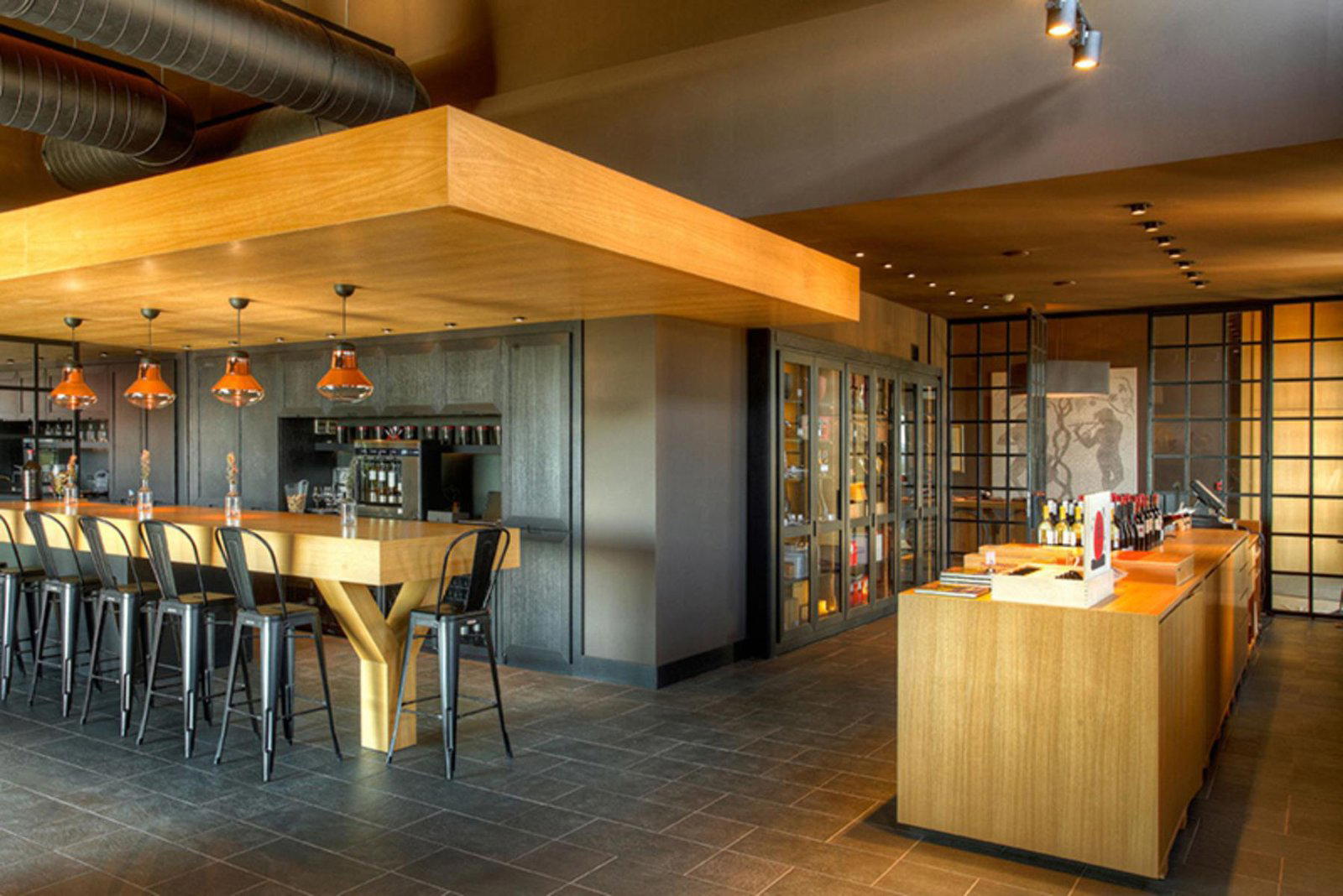
That directness tends to shape the tasting experience at plateau estates generally. There is less intermediary spectacle between the wine and the visitor than you find at larger or more tourism-oriented operations. Producers in this part of the Peloponnese have historically let Moschofilero speak on its own terms, which means the format of a visit tends to reward visitors who come with some existing curiosity about the grape and the PDO rather than those looking for a full hospitality programme.
The Tasting Format and What to Pay Attention To
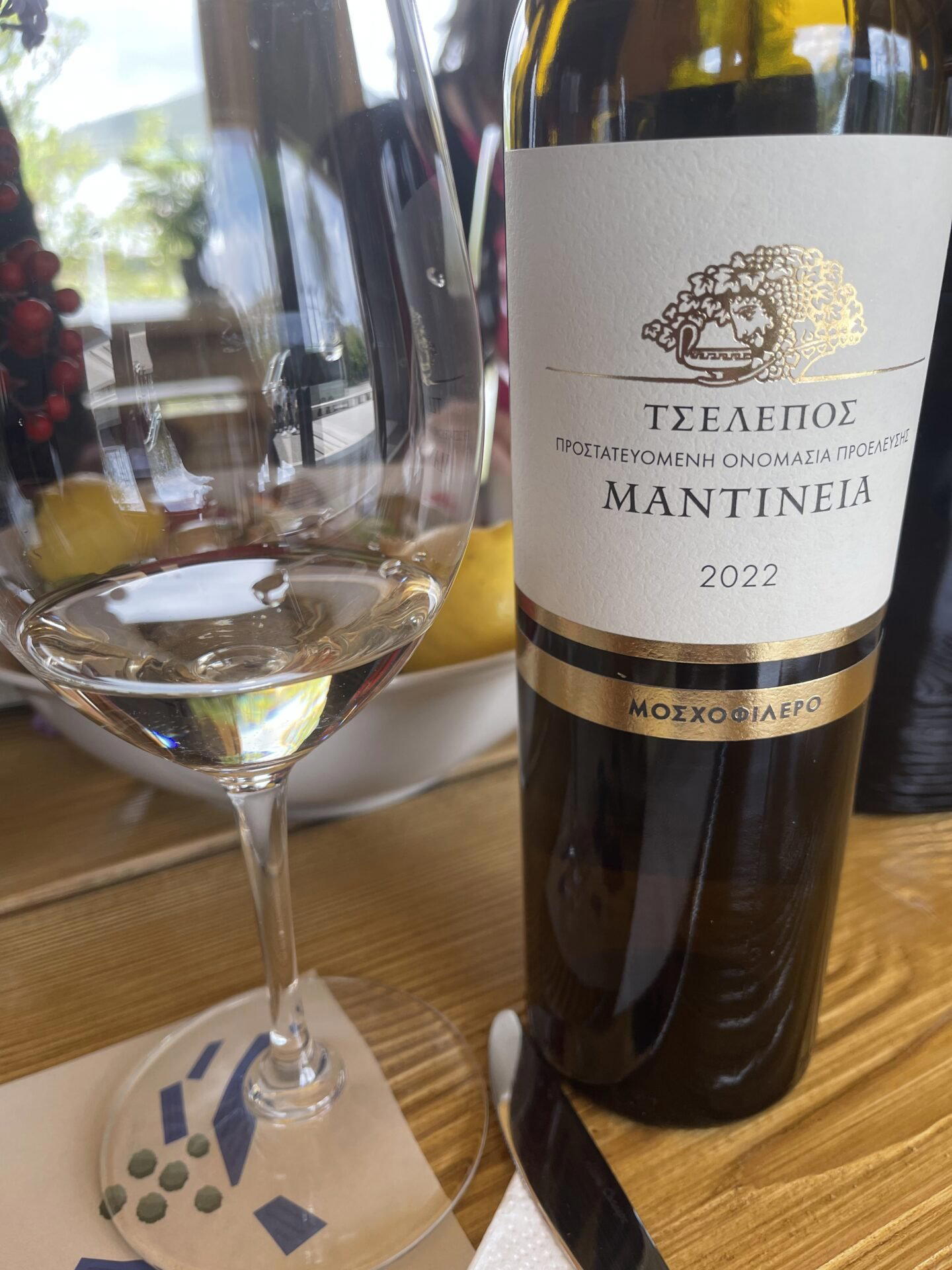
Tasting Moschofilero at its source in Mantinia involves a different kind of attention than tasting at coastal or warmer-region Greek estates. The wines are typically lower in alcohol than Nemea reds or Aegean whites from hotter vintages, with a citrus-floral leading note and a saline, mineral finish that reflects the plateau's limestone and clay soils. Visitors who have only encountered Moschofilero in blended or commercial expressions may be surprised by the structural precision a focused producer can achieve with the variety.
At recognised estates like Troupis, the tasting logic tends to move through expressions that demonstrate how winemaking choices interact with terroir rather than override it. The distinction between unoaked and barrel-aged versions of the same grape, or between early-harvest and later-harvest fruit, can be more instructive at a single-PDO producer than at a multi-region estate where variety changes with every pour.
For visitors building a Peloponnese wine itinerary, Mantinia pairs logically with a visit to Acra Winery in Nemea, around 60 kilometres to the north, where the shift from high-altitude white-wine country to the lower, warmer Agiorgitiko red-wine zone becomes immediately apparent through comparison. The contrast in altitude, soil, and grape variety makes the two-region circuit one of the more educationally coherent wine day trips in Greece. Those exploring further into the western Peloponnese can extend toward Achaia Clauss in Patras, one of the region's historically significant larger estates.
Mantinia in the Wider Greek Wine Context
Greek wine has been in the process of a sustained critical reappraisal since the late 1990s, when a generation of winery investment and university-trained winemakers began producing wines that gained traction in international markets. The Peloponnese was part of that story from early on, with Nemea's Agiorgitiko gaining export recognition before Mantinia's Moschofilero reached wider audiences. The plateau's cooler profile made it a natural target for producers interested in aromatic whites at a moment when the global market was moving toward wines with more freshness and lower alcohol.
That broader shift is visible in the range of Greek producers now drawing critical attention across different regions. Alpha Estate in Amyntaio represents the northern Greek high-altitude equivalent of what Mantinia does in the south: cool climate, structured whites, and a premium positioning built on terroir specificity. Artemis Karamolegos Winery in Santorini demonstrates how a single Greek island variety, Assyrtiko, can sustain an entire prestige tier when producers commit to quality benchmarks. Mantinia's Moschofilero occupies a different niche: less internationally marketed than Assyrtiko, but increasingly recognised by wine professionals as a variety with genuine site-specific expression.
Elsewhere in the country, producers like Anatolikos Vineyards in Xanthi and Abraam's Vineyards in Komninades reflect how widely distributed serious Greek wine production has become across geography and variety. Aoton Winery in Peania and Aiolos Winery in Palaio Faliro show that the Attica region adjacent to Athens has its own distinct production identity. Akrathos Newlands Winery in Panagia extends the picture further north. For international comparison, the shift from high-altitude European whites to the Napa approach visible at Accendo Cellars in St. Helena illustrates how different the underlying winemaking philosophy at a Mantinia estate actually is, even within premium categories. Scotch whisky and distilled spirits from Aberlour or Apostolakis Distillery in Volos represent entirely different production traditions, but visiting both types of production site in the same region provides a fuller picture of Greek craft production overall.
Planning a Visit
Troupis Winery is located near Milia, on the road toward Tripoli in the Arcadian interior. The Mantinia plateau is most accessible by car from Tripoli, which sits roughly in the centre of the Peloponnese and is reachable by KTEL bus from Athens or by road from Corinth. A visit combines well with the broader Peloponnese wine circuit covered in our full Mantinia restaurants and venues guide. Visitors are advised to contact the winery directly before travelling.
Cuisine Lens
Comparable venues nearby, for context on price, style, and recognition.
| Venue | Cuisine | Price | Notes |
|---|---|---|---|
| Troupis WineryThis venue — the venue you are viewing | Moschofilero, Agiorgitiko | $$ | Not listed |
| Boutari Winery (Mantinia) | Moschofilero, Gewürztraminer | $$ | Mantinia |
| Ktima Tselepos | Moschofilero, Agiorgitiko | $$ | Mantinia |
| Magna Distillery | Winery | Not listed | Drama |
| Lost Lake Distillery | Winery | Not listed | Egira |
| Ouzo Mitsa Distillery | Winery | Not listed | Arta |
Recognition history
Dated appearances from independent guides and award organizations, with the underlying list record or original source where available.
Falstaff Winery - Listed
Falstaff
Continue exploring
More in Mantinia
Wineries in Mantinia
Browse all →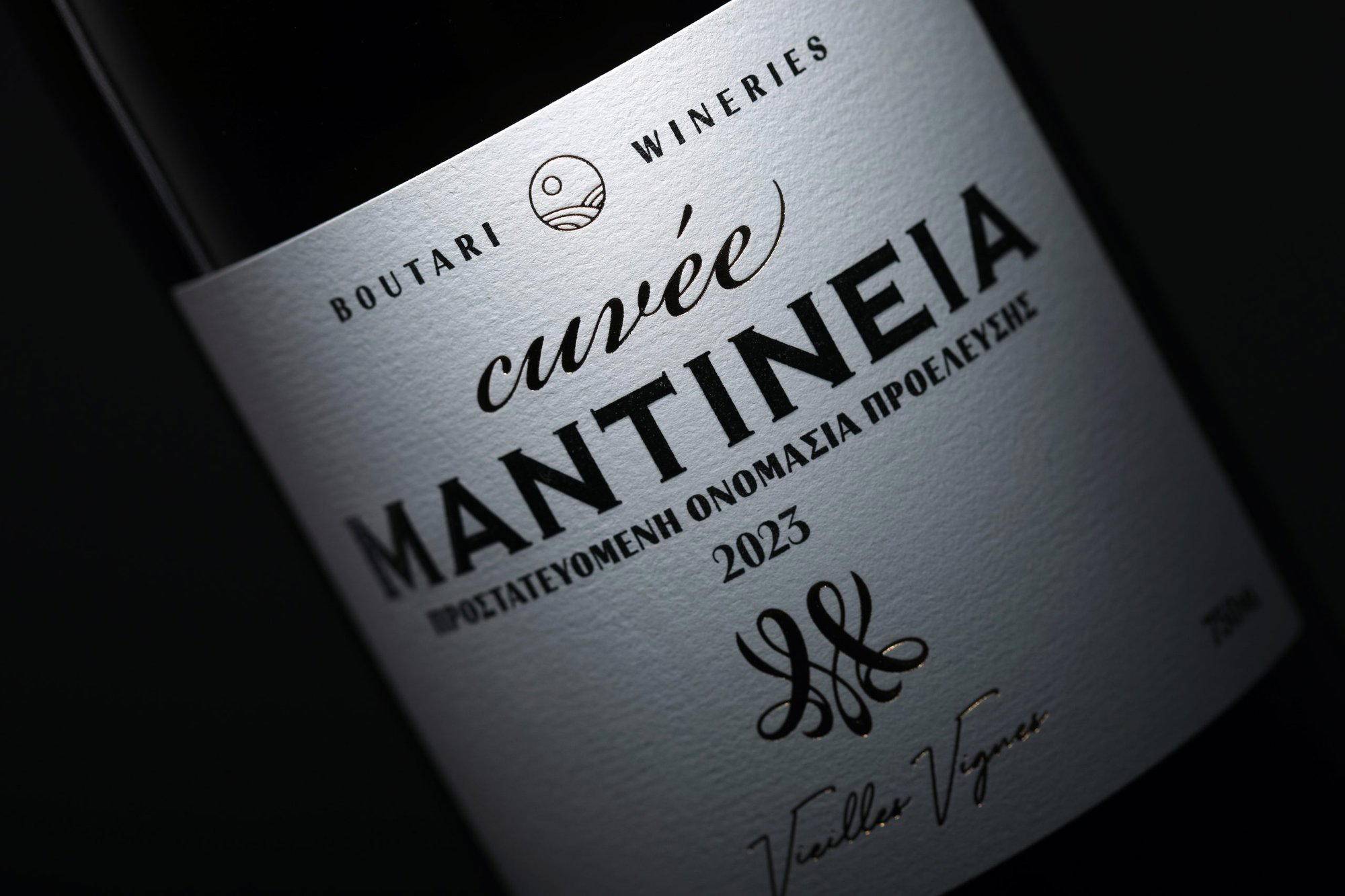

Restaurants in Mantinia
Browse all →
Hotels in Mantinia
Browse all →
At a Glance
- Rustic
- Scenic
- Intimate
- Wine Education
- Solo Exploration
- Vineyard Tour
- Estate Grounds
- Panoramic View
- Organic
- Vineyard
- Mountain
- Mantinia PDO
- Moschofilero
- Agiorgitiko
- Mavrodaphne
- Kolliniatiko
- Still White
- Still Rosé
- Orange
- Dessert
- Wine Tasting
- Tour
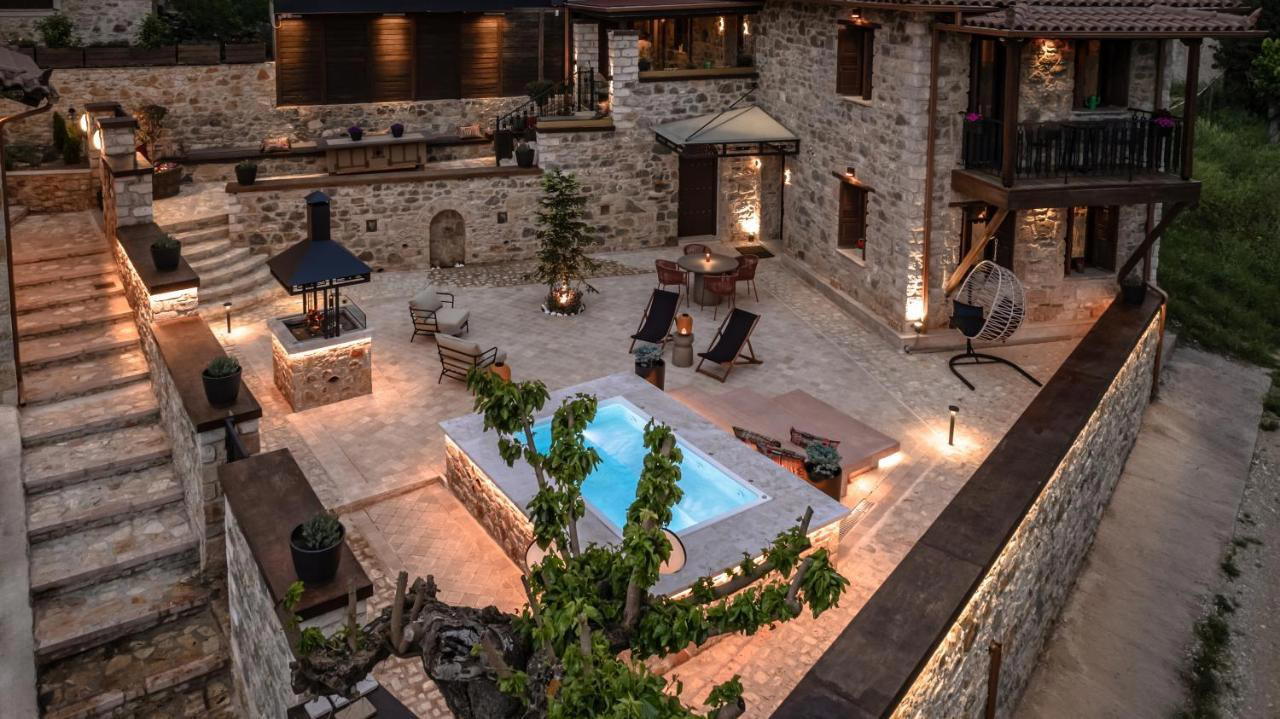
Inviting and hospitable family atmosphere in a small, modernized cellar with dramatic vineyard views and Arcadian scenery.