
The estate sits on the Tripolis-Olympia road in Arcadia, where elevation and continental conditions shape wines of notable freshness and acidity. A reference point for understanding what the Mantinia PDO can achieve.
Pearl is the En Primeur Club membership app — saves, bookings, and concierge access live there. Same editors, same standards.
- Address
- EO Tripolis Olimpias, Tripoli 221 00
- Phone
- +30 271 041 1477
- Website
- boutari.gr
- Directions
- Get directions
 Saves & bookings on Pearl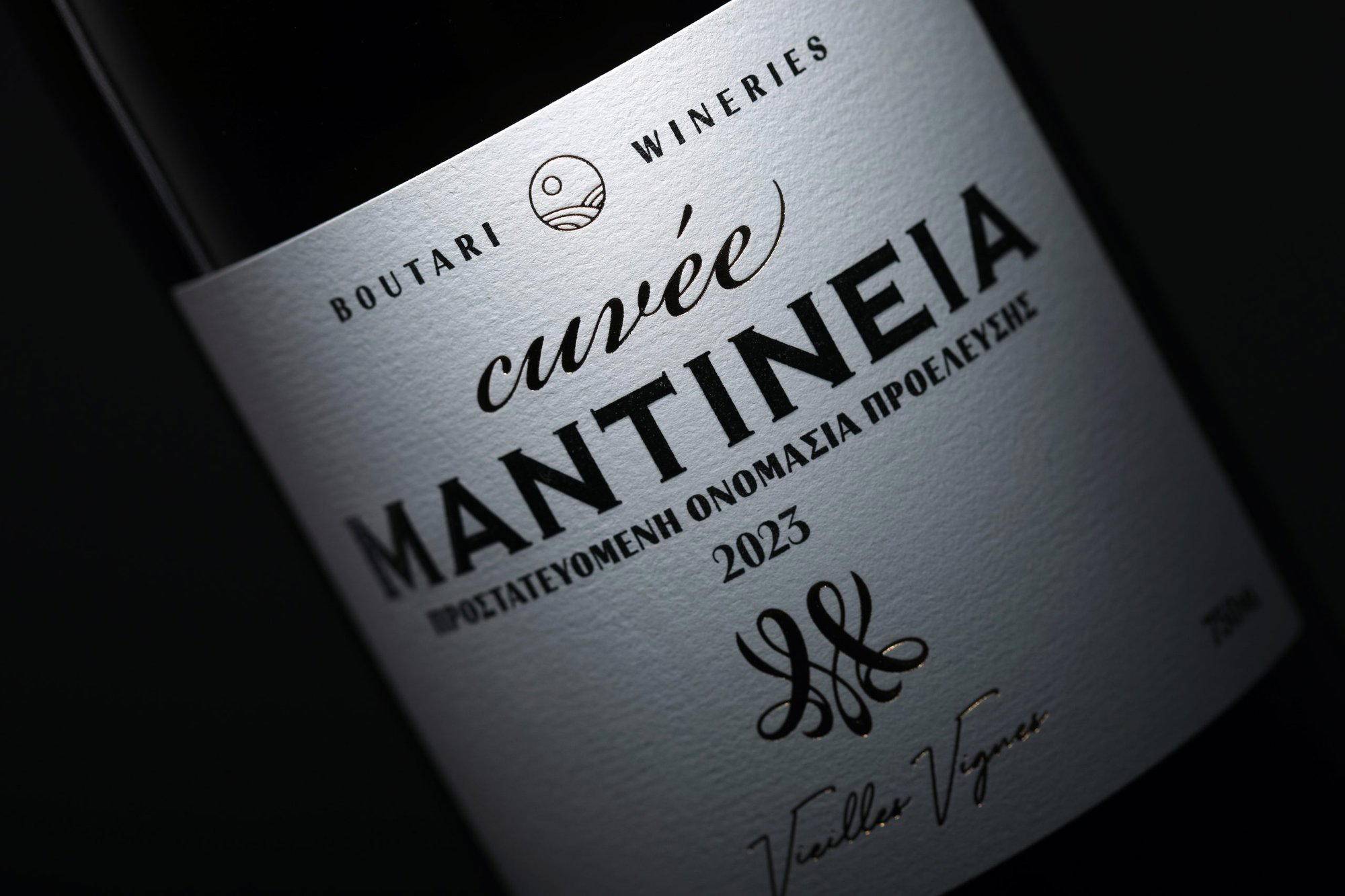
Arcadia at Altitude: What the Mantinia Plateau Puts in the Glass
The road between Tripolis and Olympia rises through the central Peloponnese into a landscape that looks nothing like the sun-scorched coast most visitors associate with Greek wine. The Mantinia plateau sits at roughly 650 metres above sea level, and the air changes noticeably as you climb. Nights stay cool even through the height of summer, morning mist lingers in the vine rows, and the growing season extends longer than producers at sea level can manage. This is the physiographic argument for Mantinia as a serious wine-producing zone, and Boutari Winery, positioned along the EO Tripolis Olimpias corridor in Tripoli, is one of the producers making that argument in the bottle.
Boutari's presence in Mantinia is part of a broader Greek wine story that has played out across multiple appellations. The company established itself as a multi-regional producer at a time when Greek wine was largely defined by a handful of international varieties and a handful of exportable clichés. Mantinia represented something different: a PDO anchored entirely to Moschofilero, an aromatic pink-skinned grape that produces white and rosé wines of distinctly floral character, high natural acidity, and relatively low alcohol. For a producer with serious national ambitions, the Mantinia site was a statement about the depth of Greece's indigenous variety portfolio.
Moschofilero and the Logic of a High-Altitude PDO
To understand what Boutari is doing in Mantinia, you first need to understand what Moschofilero does at altitude. The grape is genetically distinct from the aromatic white varieties of northern Europe, but the climatic conditions it thrives in share certain qualities with cooler continental wine regions: diurnal temperature variation, well-drained soils, and a growing season long enough to develop complexity without sacrificing the acidity that defines the variety's appeal.
Moschofilero's aroma profile centres on rose petal, orange blossom, and spice notes that sit closer to the floral end of the aromatic spectrum than to the tropical. When the Mantinia plateau's cool nights slow ripening and preserve natural acidity, those aromatics stay precise rather than diffuse. The wines that result are not built for power or extraction. They are built for freshness, for pairing with the Peloponnese's seafood and vegetable-forward cooking traditions, and for drinking in a register that neither Assyrtiko nor Sauvignon Blanc quite occupies.
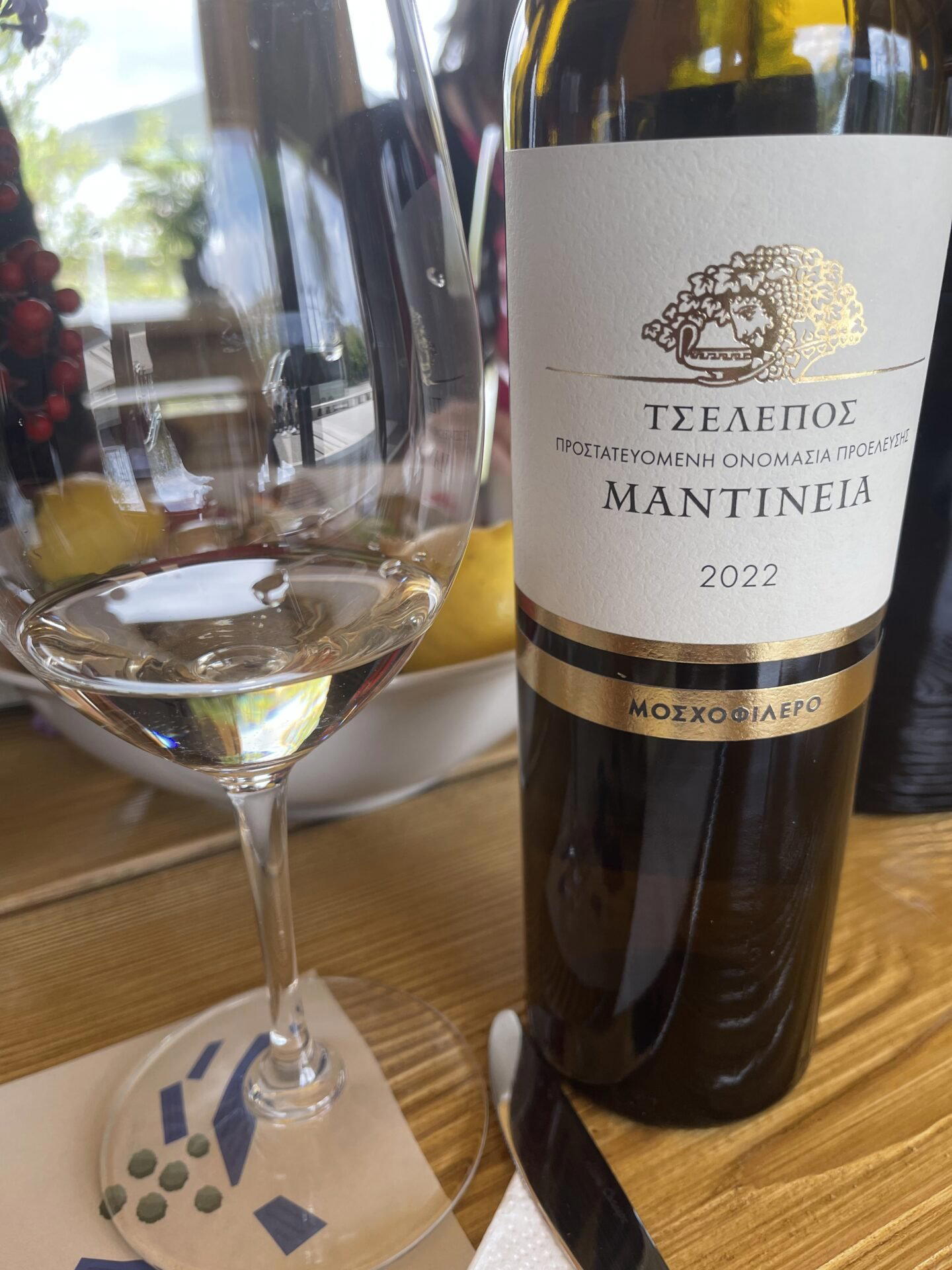
This specificity is what has earned the Mantinia PDO its position as one of the more coherent regional appellations in Greek wine. Producers working here, including Boutari alongside peers like Ktima Tselepos and Troupis Winery, are not competing with each other on a single scale of quality so much as they are articulating different positions within a well-defined regional template. The terroir sets the vocabulary; individual producers determine the sentence.
In a region where the variety range is deliberately narrow and the appellation rules are tightly drawn, a prestige-level award signals consistent execution at altitude rather than spectacle. The wines that earn recognition here do so by faithfully transmitting what the Mantinia plateau provides: cool-climate precision, aromatic integrity, and structural acidity that holds across the bottle's life.
Comparing this to other Greek producers recognising across different appellations is instructive. Achaia Clauss in Patras operates in a historically significant but stylistically different zone. Acra Winery in Nemea works primarily with Agiorgitiko, a red variety from the broader Peloponnese with a warmer-climate profile. The Mantinia PDO and its Moschofilero focus occupy a specific niche in the Greek wine conversation, and awards at this level from that niche carry a different kind of credential than volume-oriented production recognition.
The Peloponnese Wine Circuit: Where Mantinia Sits
Visitors approaching Mantinia typically arrive via Tripolis, the main urban centre of Arcadia and the natural staging point for the high-plateau wine route. The winery address on the EO Tripolis Olimpias road puts it on a natural route that connects the plateau to the broader Peloponnese circuit. That circuit is expanding, with producers across the peninsula developing visitor infrastructure at different speeds and with different formats.
Within the Mantinia zone specifically, the concentration of serious producers within a relatively compact geographic area makes multi-winery visits feasible in a single day. Ktima Tselepos and Troupis Winery represent the closest peer comparisons in terms of regional focus, and visiting all three gives a genuine cross-section of what Moschofilero looks like across different production approaches and vineyard sites. For context beyond the Peloponnese, Greek producers working in other regions, from Alpha Estate in Amyntaio to Artemis Karamolegos Winery in Santorini, offer points of comparison that underline just how varied Greek terroir can be when producers commit to their specific appellation's native varieties.
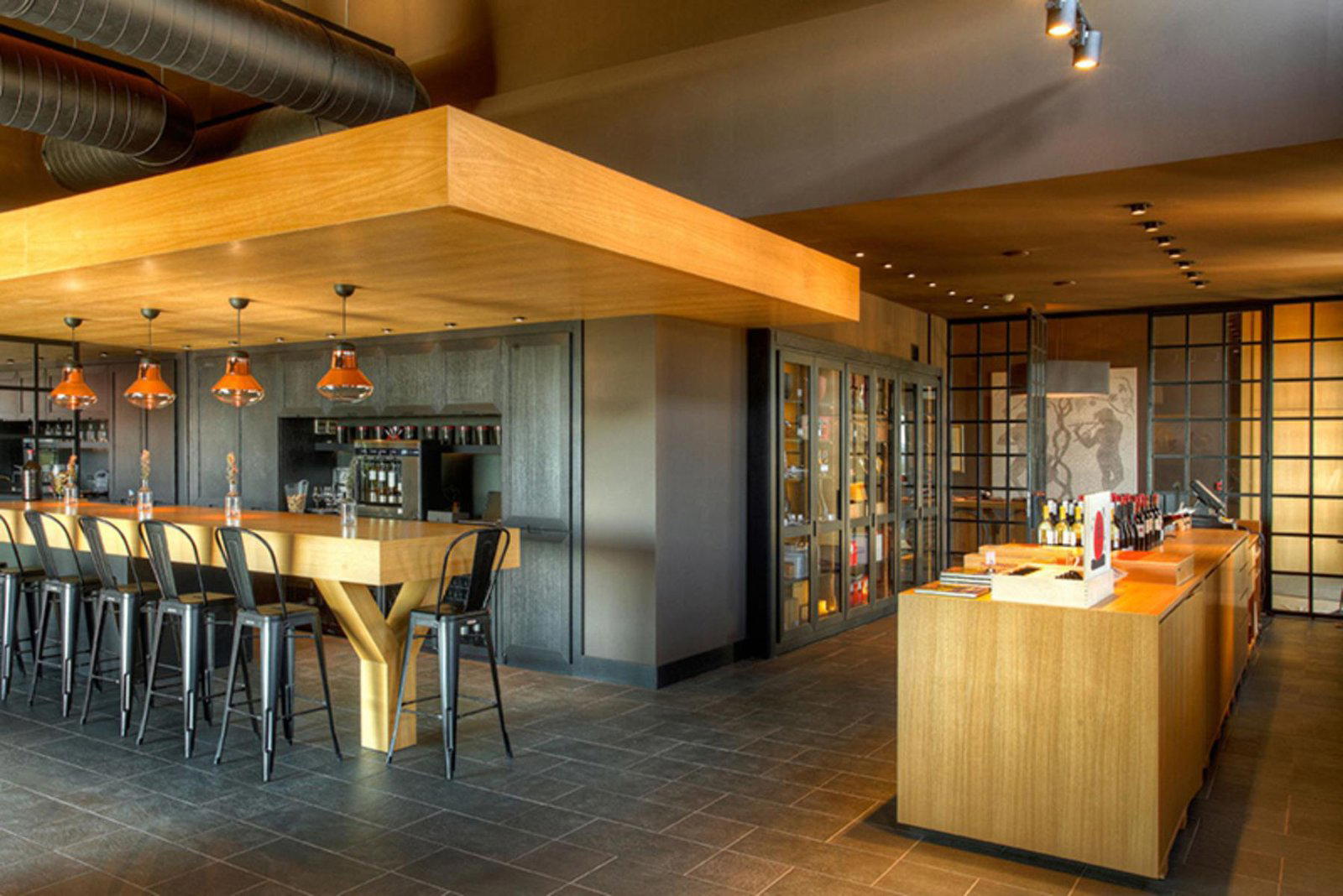
Planning a visit to Boutari Mantinia requires advance contact through the estate directly, as booking arrangements, opening hours, and tasting formats are not published online. This is consistent with how several mid-tier Greek producers manage visits: the preference is for pre-arranged appointments rather than walk-in tastings, which gives the winery more control over the experience and the visitor more dedicated attention. Timing visits for late spring or early autumn makes practical sense for the plateau's climate, avoiding the peak summer heat that affects lower-altitude Peloponnese destinations.
Placing Boutari in the Broader Greek Wine Conversation
Boutari's national footprint spans multiple appellations and has given it a role in shaping how Greek wine has been communicated internationally over several decades. The Mantinia operation represents the company's engagement with cool-climate aromatic whites at a time when that category has gained significant global attention. As international audiences have grown more fluent in the language of terroir-driven white wines, Moschofilero's profile has grown with it.
That trajectory mirrors what has happened in other niche European appellations where indigenous aromatic varieties were historically undervalued. The combination of clear geographic delimitation, a single dominant variety, and cool-climate growing conditions creates the kind of coherent identity that serious wine markets respond to over time. Producers like Boutari, working that identity consistently across vintages, build the category as much as they build their own label.
For visitors exploring Greece's wine geography beyond Santorini and Nemea, Mantinia and its Moschofilero offer a register that fills a gap. Abraam's Vineyards in Komninades and producers like Anatolikos Vineyards in Xanthi or Aoton Winery in Peania each work in their own distinct Greek sub-regions, but none of them offer the specific combination of altitude, aromatic white variety, and plateau terroir that defines Mantinia. For context from entirely different wine geographies, Accendo Cellars in St. Helena and Aberlour in Aberlour each represent their own regional specificity, underscoring that the principle of terroir fidelity travels across different production cultures.
For a fuller picture of eating and drinking across the region, our full Mantinia restaurants guide maps the broader scene beyond the winery circuit. Additional Greek producers worth cross-referencing include Aiolos Winery in Palaio Faliro and Akrathos Newlands Winery in Panagia, both of which operate in distinct micro-climates that illustrate the range of what Greek viticulture can produce. Apostolakis Distillery in Volos extends the picture into Greek spirits production, a category that has followed a comparable trajectory of renewed international interest in indigenous ingredients and regional identity.
Recognition history
Dated appearances from independent guides and award organizations, with the underlying list record or original source where available.
Falstaff Winery - Listed
Falstaff
Continue exploring
More in Mantinia
Wineries in Mantinia
Browse all →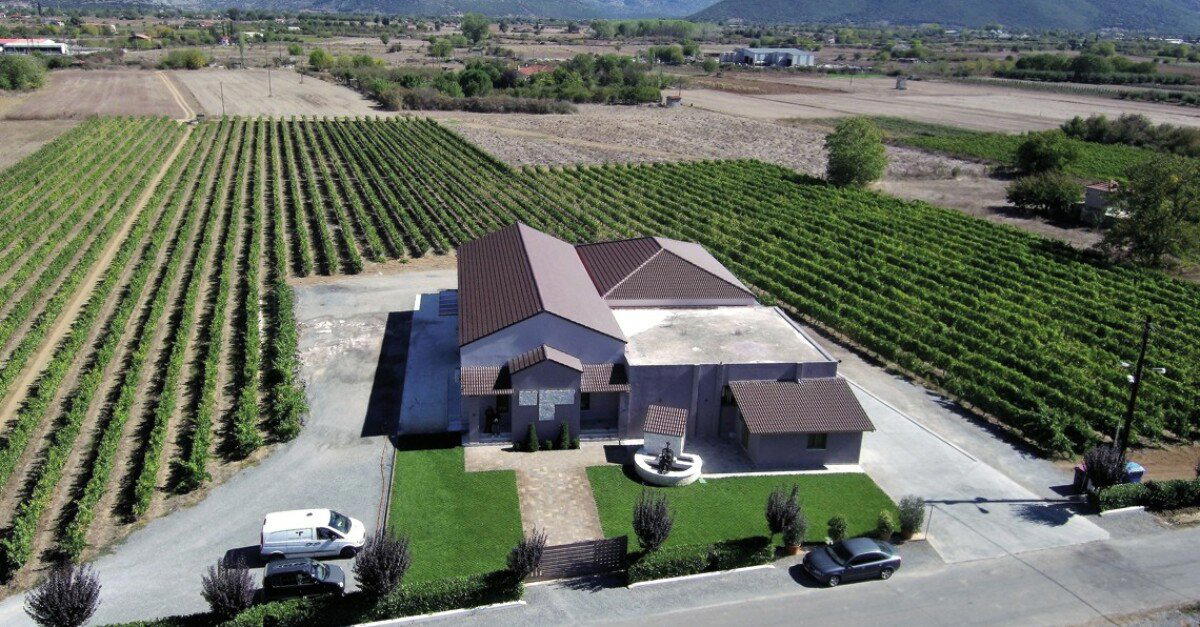

Restaurants in Mantinia
Browse all →
Hotels in Mantinia
Browse all →
At a Glance
- Classic
- Scenic
- Rustic
- Wine Education
- Solo Exploration
- Vineyard Tour
- Estate Grounds
- Vineyard
- Mountain
- PDO Mantinia
- Moschofilero
- Gewürztraminer
- Chardonnay
- Still White
- Estate Tasting
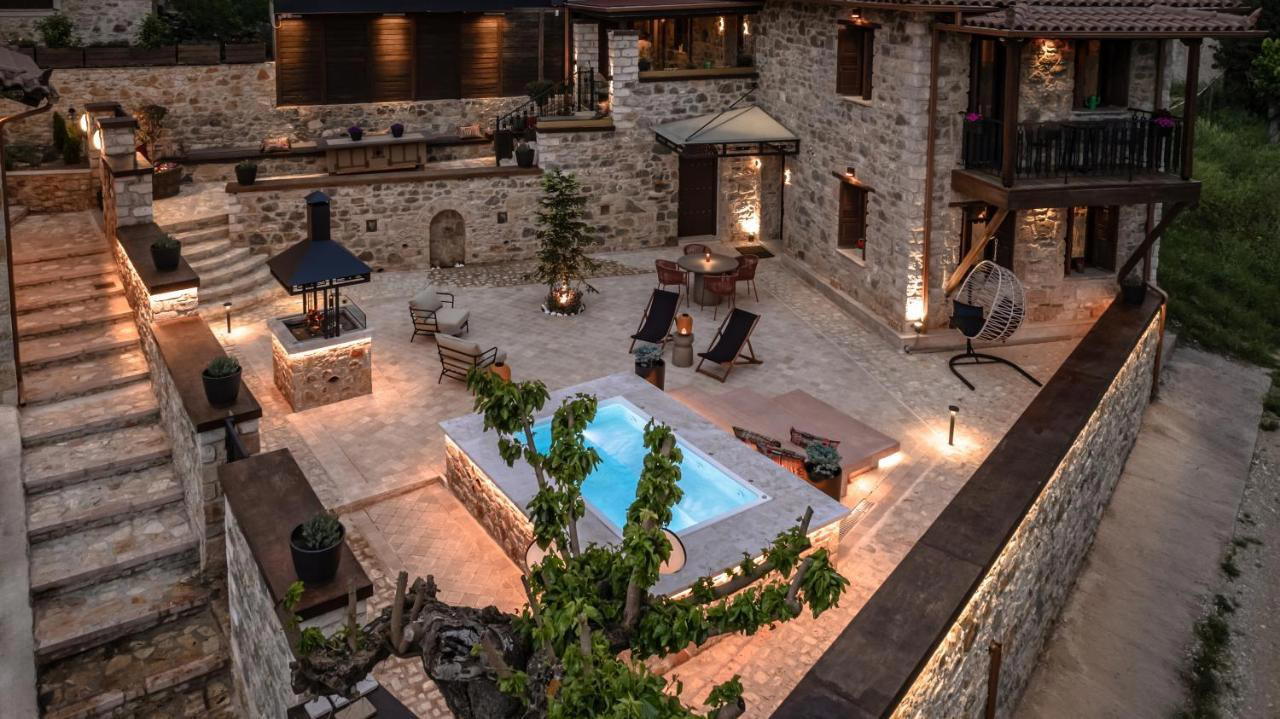
Set in scenic Mantinia plateau at 650m altitude amid vineyards with a classic, traditional atmosphere.