
The Tirnavos Cooperative Distillery holds a Pearl 2 Star Prestige rating (2025), placing it among the recognised producers in Greece's Thessaly region. Tirnavos has long been the heartland of tsipouro production, and the cooperative model here aggregates the output of local grape growers into a distillery program with documented regional standing. Visitors come primarily for the tsipouro tradition, not a designed tasting room experience.
 Discover on Pearl
Pearl is the En Primeur Club membership app — saves, bookings, and concierge access live there. Same editors, same standards.
- Address
- 1ο χλμ, Tirnavos 401 00
- Phone
- +302492024771
- Website
- tirnavoswinery.gr
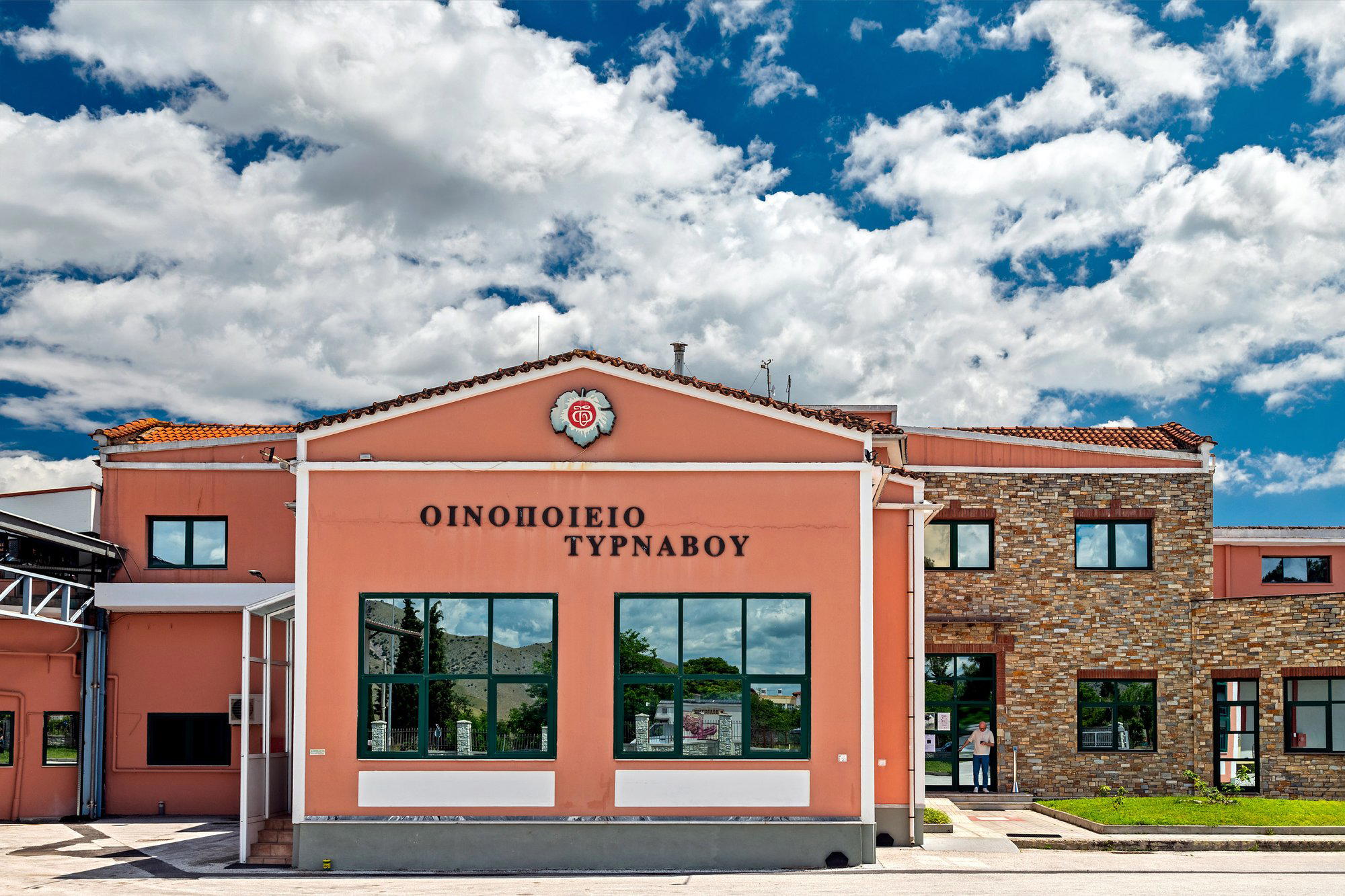
Tsipouro Country: What Tirnavos Represents in Greek Distilling
Thessaly's distilling identity is inseparable from tsipouro, the grape pomace spirit that has been produced in this part of central Greece for centuries. Where other regions built reputations around wine appellations, Tirnavos built one around the still. The town sits on the Thessalian plain at the foot of Mount Ossa, in a zone where viticulture and grain agriculture have coexisted long enough to generate a distinct local production culture. Tsipouro from Tirnavos carries a geographical indication in Greek law, which means the name is not merely a style claim but a regulated designation tied to specific production boundaries and methods.
Within that context, the cooperative model is not incidental. Cooperative distilleries in Greece occupy a different position from estate producers. They aggregate fruit and pomace from dozens of grower members, which gives them both scale and a kind of democratic rootedness in the agricultural community. The Tirnavos Cooperative Distillery, located at the 1st kilometre mark outside the town centre, operates from that tradition. Its Pearl 2 Star Prestige recognition in 2025 is a signal of quality that places it within the recognised tier of Greek distilling.
The Cooperative Distillery in Its Regional comparable set
Tirnavos supports a small but concentrated cluster of recognised producers. Katsaros Distillery and Zafeirakis Winery represent the estate-scale end of the town's production identity, each with their own distinct approach to Thessalian varieties and spirits. The cooperative operates in a parallel category: where estate producers typically control the entire chain from vineyard to bottle, the cooperative's mandate is to serve its member growers, pooling resources and expertise in a way that makes quality production accessible at community scale.
This distinction matters for visitors trying to understand what they are tasting. Cooperative tsipouro is not a lesser product by default. In regions like Tirnavos, where the cooperative has operated long enough to accumulate institutional knowledge of local pomace characteristics and distillation timing, the results can reflect the agricultural character of an entire locality rather than a single estate's choices. The 2025 Pearl 2 Star Prestige award signals this cooperative's quality.
For broader context on how Greek distilleries and wineries operate across different regions, the range is considerable. Apostolakis Distillery in Volos represents another Thessalian producer with a distinct urban production base, while Alpha Estate in Amyntaio shows how northern Greek producers have built export-facing programs from appellations with very different grape profiles. The cooperative model in Tirnavos is specific to its place and its community in a way that neither of those comparisons fully captures.
What the Distilling Tradition Here Produces
Tsipouro is a double-distilled pomace spirit, typically produced without anise in the Thessalian version, distinguishing it from the anise-flavoured tsipouro associated with Macedonia. The Tirnavos geographical indication covers production from the pomace of local grape varieties processed after harvest, with distillation occurring in the autumn months following the vintage. The spirit is clear, assertive, and carries the aromatic character of the grape varieties used, which in Thessaly include both indigenous cultivars and more widely planted varieties suited to the warm, continental plain climate.
The cooperative's scale means it works with pomace from multiple grape growers across the designated zone, which in practice produces a spirit that reflects the aggregate character of the locality rather than a single vineyard block. This is a different philosophy from small-batch estate distilling, and it is worth understanding before visiting. The resulting tsipouro will likely be consistent across years in a way that estate products, more exposed to vintage variation, may not be.
Visiting Tirnavos: What to Expect and How to Plan
Tirnavos is a working agricultural town roughly 8 kilometres from Larissa, the regional capital of Thessaly. It does not have the infrastructure of a wine-tourism destination in the way that Santorini or Nemea does. This is not a liability so much as a characteristic: producers here operate primarily for the domestic Greek market and for local appreciation of tsipouro culture, which means the experience of visiting a cooperative distillery like this one is oriented toward production reality rather than visitor amenity.
Practical planning should account for the fact that cooperative operations typically follow agricultural rhythms. Distillation activity concentrates in the autumn harvest period, which is when the facility will be most animated and when tasting the fresh-distilled spirit in its seasonal context is possible. Outside that window, the distillery is still operational for bottling and distribution, but the atmosphere is different. The address at the 1st kilometre outside town is accessible by car; public transport connections from Larissa are workable but infrequent. Visitors should make direct contact before planning a trip, particularly for group visits or out-of-season calls.
The regional table draws heavily on Thessalian agricultural produce, and pairing tsipouro tastings with local food is the natural way to read the region's production culture together.
Greek Distilling Beyond Tirnavos
The Tirnavos Cooperative Distillery sits within a recognised tier, but the broader Greek spirits and wine scene spans multiple regions. Achaia Clauss in Patras represents a very different tradition, rooted in nineteenth-century wine production in the Peloponnese. Abraam's Vineyards in Komninades and Acra Winery in Nemea are both working within recognised appellation structures in the south, while Artemis Karamolegos Winery in Santorini operates in the volcanic terroir context that has defined Assyrtiko's international profile.
Further afield, Anatolikos Vineyards in Xanthi and Akrathos Newlands Winery in Panagia represent the growing northeastern Greek wine identity, where altitude and cooler temperatures produce a different register entirely from Thessaly's continental heat. Aiolos Winery in Palaio Faliro and Aoton Winery in Peania show how Attica-adjacent producers are developing their own identity close to the capital. For those interested in how cooperative and institutional distilling models work in other international contexts, Aberlour in Aberlour and Accendo Cellars in St. Helena offer instructive contrasts in how heritage and scale interact with quality positioning in Scotch whisky and Napa Cabernet respectively.
Continue exploring
More in Tirnavos
Wineries in Tirnavos
Browse all →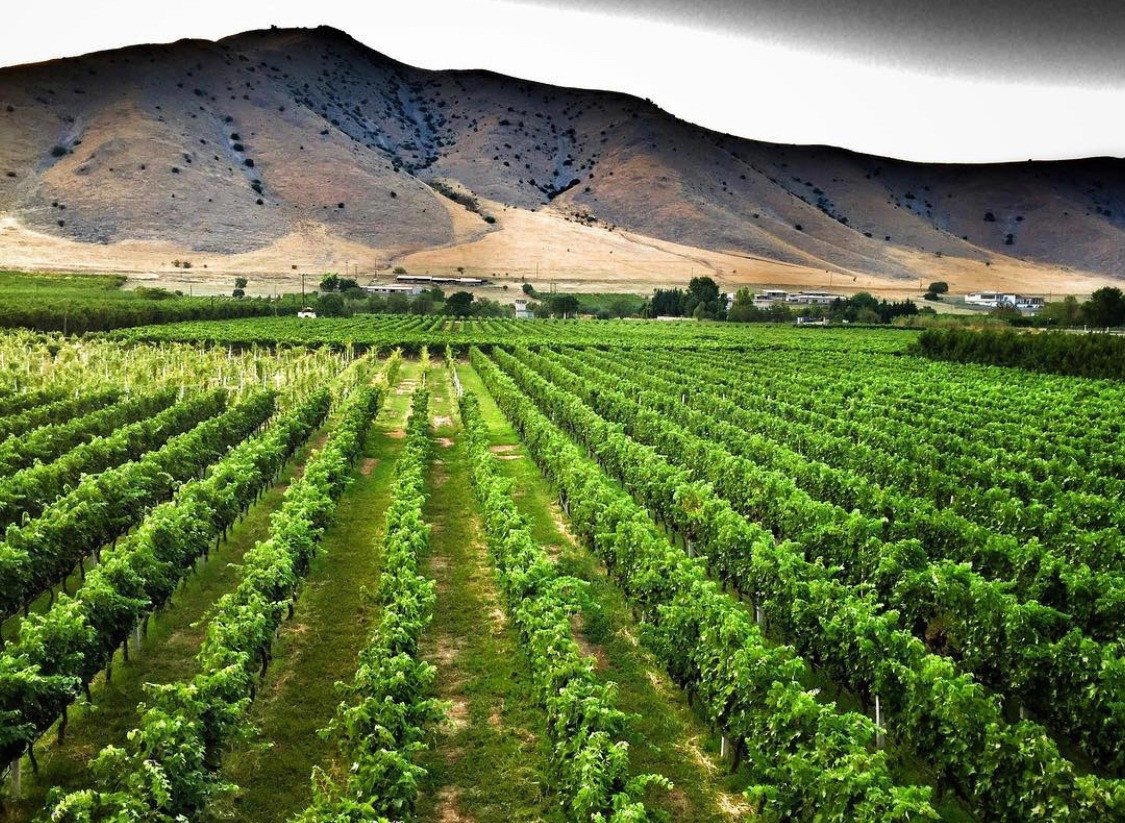


Restaurants in Tirnavos
Browse all →
At a Glance
- Rustic
- Classic
- Iconic
- Group Outing
- Wine Education
- Family
- Vineyard Tour
- Estate Grounds
- Sustainable
- Vineyard
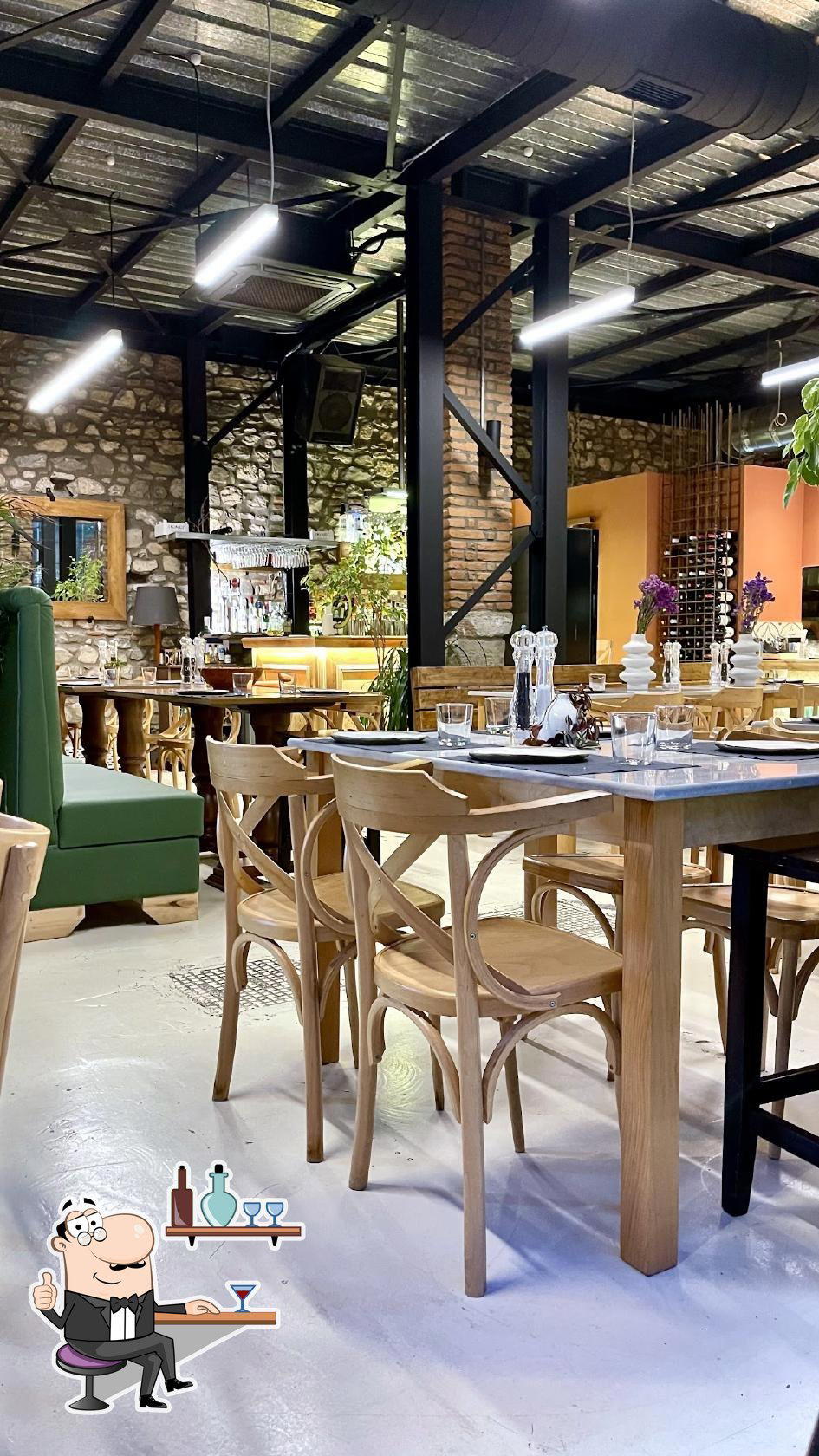
Traditional winery atmosphere with modern production facilities, reflecting both heritage and contemporary winemaking standards.