Aidarinis Winery
Aidarinis Winery operates in Goumenissa, one of northern Greece's most historically grounded PDO appellations, where Xinomavro and Negoska define the regional character. Visiting requires prior arrangement, fitting the low-volume, producer-direct model common across Goumenissa's smaller estates.
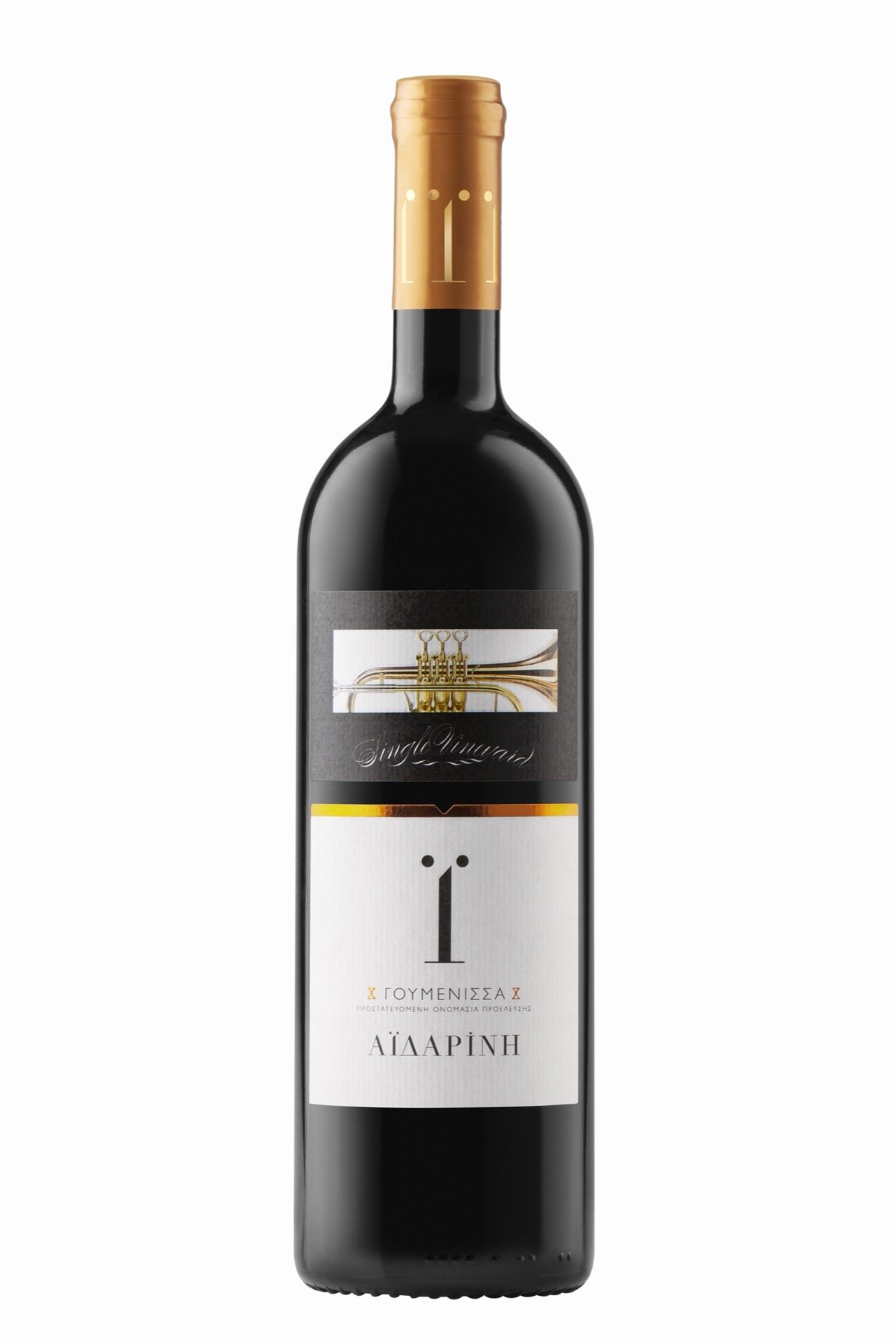
Northern Macedonia's Quiet PDO and Where Aidarinis Sits Within It
Goumenissa occupies a particular position in the Greek wine conversation. Situated in the Kilkis regional unit of Central Macedonia, it holds its own PDO status, separate from the more internationally promoted Naoussa appellation to the southwest. Where Naoussa built its reputation almost entirely on Xinomavro, Goumenissa's PDO permits a blend of Xinomavro with Negoska, a dark-skinned variety grown almost exclusively in this small zone. That blending tradition softens Xinomavro's angular tannin structure and high acidity without erasing it, producing wines that tend toward more approachable texture while retaining the aromatic complexity the variety is known for.
The Goumenissa PDO remains one of the less-discussed appellations in Greek wine, which has historically worked against its producers in export markets. That relative obscurity is changing as critics and importers look beyond Santorini Assyrtiko and the flagship Naoussa estates toward northern Macedonia's broader potential. Producers in Goumenissa are increasingly drawing attention from the same buyers who follow estates like Artisans Vignerons de Naoussa in Stenimachos and Alpha Estate in Amyntaio, two operations that have helped reframe what northern Greek viticulture can produce at a serious level.
The Winemaking Tradition Aidarinis Engages With
Understanding Aidarinis requires understanding the tension at the heart of Goumenissa winemaking. The Negoska component in PDO blends can represent anywhere from a small percentage to nearly half the wine, depending on the producer's approach and the vintage conditions. Decisions about that ratio shape the entire character of the wine: more Negoska generally means deeper colour, softer structure, and a fruit profile that leans toward plum and dark berry; more Xinomavro pulls the wine toward red fruit, savory herb, and the variety's characteristic tomato-skin and olive notes. There is no single correct answer, and the range of styles that emerge from Goumenissa's small producer community reflects those ongoing choices.
The broader northern Macedonia wine scene has seen sustained investment in both vineyard management and cellar technique over the past two decades. Estates across the region, from the lakes district near Florina to the valleys around Goumenissa, have moved toward controlled fermentation, more careful sorting, and longer maceration experiments. That shift has not eliminated the old-vine, low-intervention producers, but it has created a more stratified quality tier where recognised awards now carry real information.
For comparison with producers working at different scales and with different regional identities, Acra Winery in Nemea offers a useful contrast, operating with Agiorgitiko in the Peloponnese PDO, while Achaia Clauss in Patras represents an older, larger-scale Greek winery tradition. Goumenissa's producers, including Aidarinis, operate in a fundamentally different register: smaller volumes, a geographically tight appellation, and varieties that remain largely unfamiliar to non-specialist wine drinkers.
Goumenissa as a Wine Destination
Goumenissa itself is a small agricultural town, and visiting the winery district here feels different from the more developed cellar-door tourism infrastructure found in Santorini or even parts of Nemea. There are no well-signposted wine routes, and most producers receive visitors by arrangement rather than through walk-in tasting rooms. This is consistent with the character of northern Greek wine tourism more broadly: less structured, more reliant on contact made in advance, and more rewarding for visitors who come with specific producer knowledge rather than general curiosity.
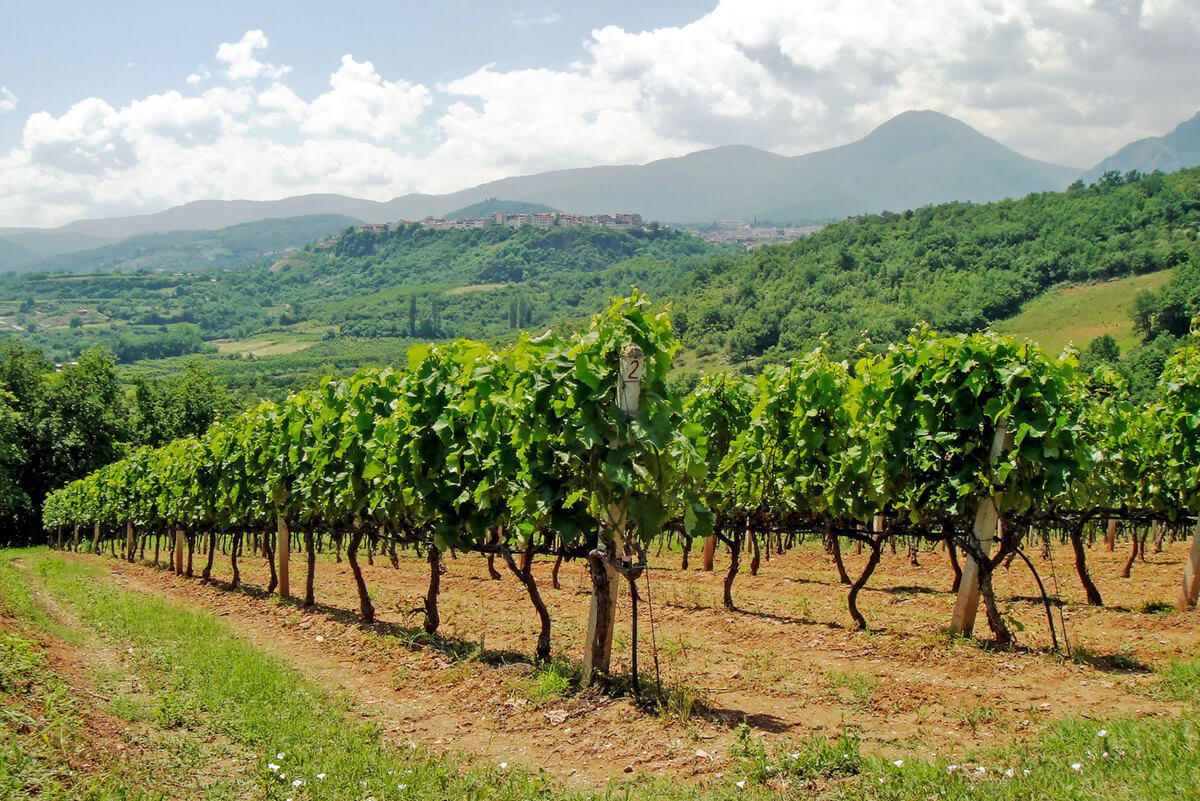
The town sits at moderate elevation in the foothills above the plain, and the vineyard land here benefits from the temperature variation between warm days and cool nights that Xinomavro responds well to. The same climatic logic applies across the northern Macedonia wine belt, though Goumenissa's specific terroir combination, including its heavier soils relative to some Naoussa sites, contributes to the particular weight and structure its blends can carry.
For visitors building a northern Greece wine itinerary, Goumenissa pairs naturally with a visit to Chatzivaritis Estate, the other recognised producer in the immediate area, and the trip can extend westward toward Naoussa or eastward toward Thessaloniki without significant detour. Akrathos Newlands Winery in Panagia and Anatolikos Vineyards in Xanthi extend the northern Macedonia and Thrace arc for those covering the full northern Greek wine belt. Our full Goumenissa restaurants guide covers eating and drinking options in the town for those staying overnight.
Within the Goumenissa PDO, the producer pool is small enough that every recognised winery carries weight in shaping the appellation's reputation. Aidarinis, holding a 2025 Prestige-level award, sits in the category of producers that the appellation relies on for credibility in specialist retail and import channels. That peer group nationally includes estates across different regions: Aiolos Winery in Palaio Faliro, Aoton Winery in Peania, and Abraam's Vineyards in Komninades are among the Greek producers working in different appellations at a similar recognition level.
Beyond Greece, the model of a small, appellation-specific producer drawing credentials through award recognition rather than volume or export scale is familiar across European wine. Artemis Karamolegos Winery in Santorini operates in a far more internationally visible appellation, which illustrates how much geography shapes a producer's market position independent of quality.
Planning a Visit
Aidarinis Winery is located at Ethnikis Antistasis 44 in Goumenissa. Given the small-scale nature of the operation and the region's general approach to wine tourism, contacting the winery directly before visiting is advisable. No booking platform or standardised tasting room format is published for this estate, which is consistent with the producer-direct model common across Goumenissa. Thessaloniki is the logical base for visitors to this part of northern Greece, with Goumenissa reachable by road in under two hours. Those combining the visit with other northern Macedonia producers should plan for a multi-day trip rather than a single-day circuit, as the distances between Goumenissa, Naoussa, and Amyntaio add up. For wider context on producers across Greece at different price and scale tiers, the Apostolakis Distillery in Volos and Aberlour in Aberlour offer points of reference for entirely different production traditions, while Accendo Cellars in St. Helena shows how small-volume, credentials-led positioning works in the Napa Valley context.
Frequently asked questions
Is Aidarinis Winery more formal or casual?
Aidarinis operates as a small, producer-direct winery in Goumenissa, a compact agricultural town in Kilkis, Central Macedonia. The format here is casual and appointment-oriented rather than resort-style cellar-door tourism. Visitors engaging with producers at this scale in the Goumenissa PDO should expect direct, winemaker-led contact rather than a structured tasting room programme.
What's the must-try wine at Aidarinis Winery?
The Goumenissa PDO blend of Xinomavro and Negoska is the defining format of this appellation and the reference point for any visit. Negoska, the minority grape in most blends, softens Xinomavro's pronounced tannin structure and is grown almost nowhere outside this zone, making the combination specific to Goumenissa in a way that few Greek PDO blends can claim.
Where do I go for Aidarinis Winery?
Aidarinis Winery is located at Eth. Antistasis 44, Goumenissa 613 00, Greece, Goumenissa.
What's the standout thing about Aidarinis Winery?
Goumenissa remains one of the least-discussed named appellations in Greek wine, which means that recognition here carries more signal than equivalent awards in higher-profile regions like Naoussa or Nemea.
Price and Positioning
Comparable venues nearby, for context on price, style, and recognition.
| Venue | Cuisine | Awards |
|---|---|---|
| Aidarinis WineryThis venue (the venue you are viewing) | Goumenissa, Xinomavro, Negoska | Not listed |
| Boutari Winery (Goumenissa) | Winery | Not listed |
| Chatzivaritis Estate | Goumenissa, Xinomavro, Negoska | Falstaff Winery - Listed |
| Helion Distillery | Winery | Not listed |
| Kazakis Distillery | Winery | Not listed |
| Melissanidi Distillery | Winery | Not listed |
Request a visit to Aidarinis Winery
Tell us when you would like to go and how many people, and we put the request to the estate and reply to you by email.
Continue exploring
More in Goumenissa
Wineries in Goumenissa
All wineries in Goumenissa →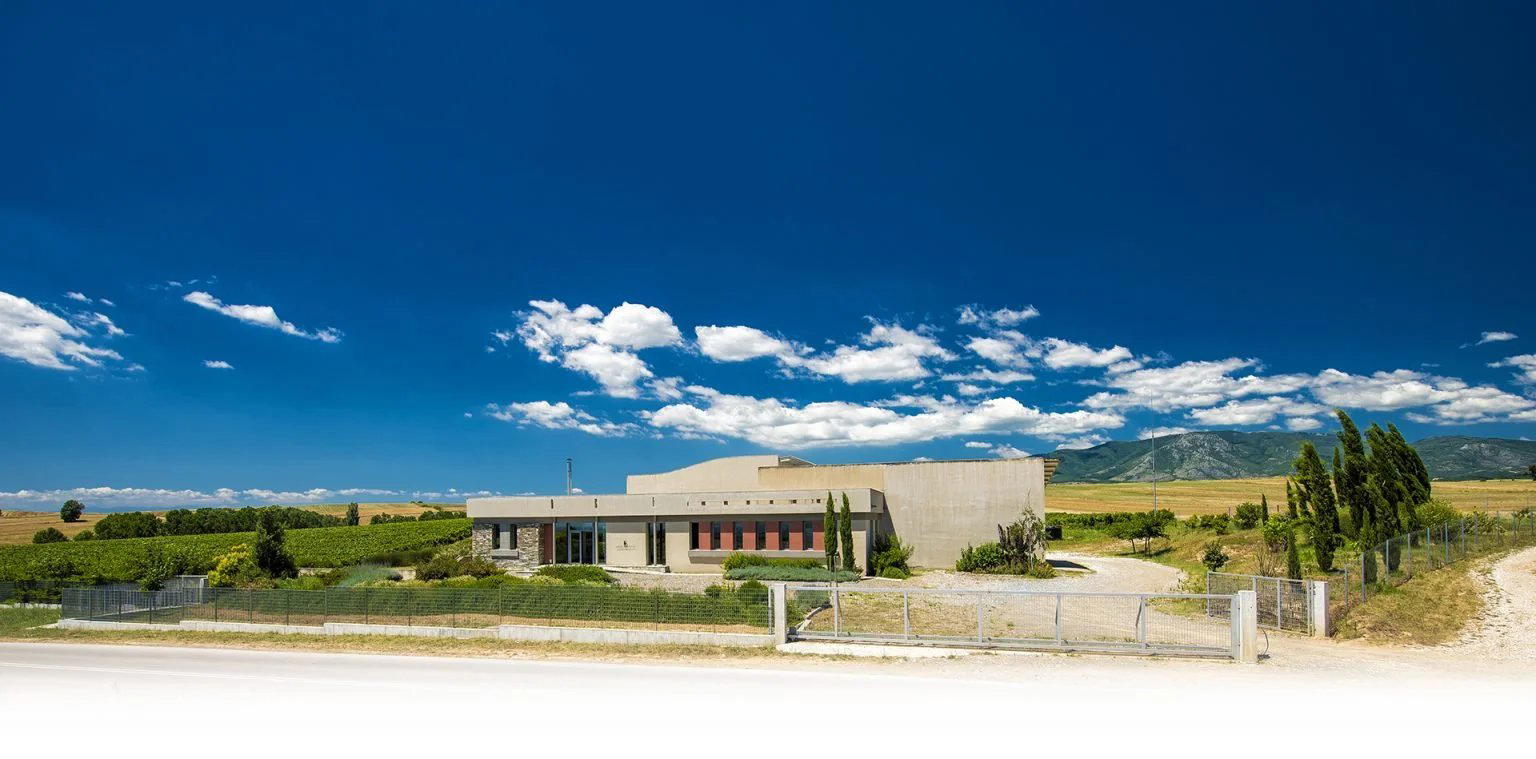

Bars in Goumenissa
Browse all →











Details
- Rustic
- Intimate
- Wine Education
- Solo Exploration
- Vineyard Tour
- Sustainable
- Vineyard
- Xinomavro
- Negoska
- Still Red
- Guided Tasting
Current opening hours
- Monday
- 10 AM–3 PM
- Tuesday
- 10 AM–3 PM
- Wednesday
- 10 AM–3 PM
- Thursday
- 10 AM–3 PM
- Friday
- 10 AM–3 PM
- Saturday
- 12–3 PM
- Sunday
- 11 AM–4 PM
Hours can change for holidays and private events. Hours as of .