Carter Creek Winery
Carter Creek Winery sits along US-290 in Johnson City, at the heart of the Texas Hill Country wine corridor. The property occupies terrain where limestone soils and wide diurnal temperature swings shape grape development in ways that distinguish Hill Country fruit from California or Pacific Northwest benchmarks. It is a credible starting point for understanding what Texas wine geography can produce at a prestige tier.

Pearl is the En Primeur Club membership app — saves, bookings, and concierge access live there. Same editors, same standards.
- Address
- 4064 US-290, Johnson City, TX 78636
- Phone
- (877) 232-0138
- Website
- cartercreekwinery.com
- Directions
- Get directions
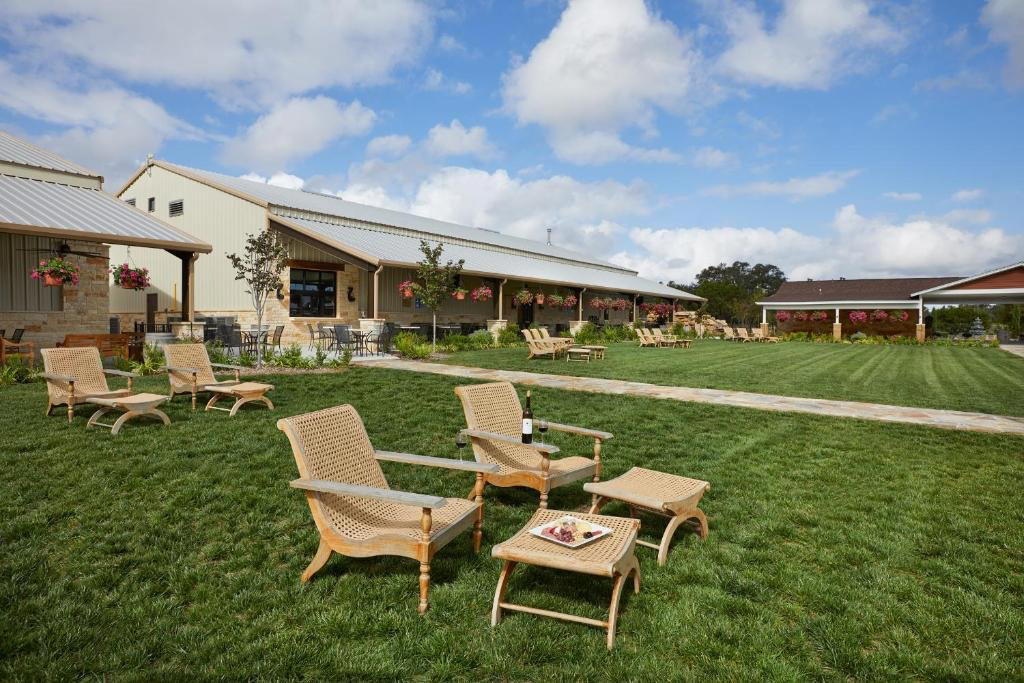
Where the Hill Country Speaks Through the Bottle
Drive west out of Austin on US-290 and the land changes before Johnson City fully announces itself. The cedar and live oak thin out across rolling limestone terrain, and the sky opens up in a way that signals a different kind of agricultural calculus. This is Blanco County wine country, a sub-corridor within the Texas Hill Country American Viticultural Area where the geology is not incidental to what ends up in the glass. Carter Creek Winery sits at 4064 US-290, positioned along the stretch of highway that has become the state's primary wine touring axis, drawing visitors from Austin and San Antonio into a region that serious wine producers have been mapping with increasing precision over the past two decades.
The Hill Country AVA covers an enormous geographic footprint, which makes estate-specific positioning more meaningful than regional labels alone. Limestone-heavy soils in this part of Blanco County drain quickly and push vines into productive stress, concentrating development in ways that loamy, irrigated soils do not. The diurnal temperature swing, warm days and cool nights driven by elevation, preserves acidity in fruit that would otherwise flatten in a hotter climate.
Awards in the Texas wine circuit carry different weights depending on their provenance. Across the Hill Country, a smaller cohort of producers has separated itself from the region's much larger casual-visit segment, and recognition at this level functions as a locator signal for where serious bottles are being made. Peer properties along the same US-290 corridor, including Westcave Cellars Winery, Lewis Wines, and Sandy Road Vineyards, form part of the same conversation about what prestige-tier Hill Country wine looks like in practice.
For context outside Texas, the prestige conversation in American wine has been dominated for decades by Napa Cabernet — properties like Accendo Cellars in St. Helena or Alpha Omega Winery in Rutherford — but regional AVAs across the country have been staking out credible prestige sub-tiers of their own. Oregon's Willamette Valley built its case around Pinot Noir; producers like Adelsheim Vineyard in Newberg helped establish what that tier looked like. Paso Robles built a different argument around Rhône varieties, with estates like Adelaida Vineyards and Alban Vineyards in Arroyo Grande providing the evidence. Texas Hill Country is at a comparable moment of definition, and Carter Creek's 2025 recognition places it inside that emerging upper bracket.
Terroir and What the Land Is Actually Doing Here
Texas Hill Country wine conversations often get dragged toward origin-story territory, which can obscure the more useful question of what the specific geology and climate are actually producing. The Edwards Plateau limestone that underlies Blanco County is part of the same geological shelf that runs through the wine-growing zones around Fredericksburg and further west toward the Llano Estacado. Its drainage profile means vines rarely sit in standing water, and the mineral composition of the rock introduces elements into the soil profile that can register in wine texture and finish. These are not romantic notions; they are the same soil-type arguments that inform the AOC geography of Burgundy and the sub-appellations of the Rhône, and they apply here with genuine force.
Producers working this terrain with Tempranillo, Viognier, and other varieties that tolerate heat stress and benefit from limestone drainage have found more consistent success than those transplanting Napa-style Cabernet programs without adapting to the regional conditions. The Hill Country's elevation also matters: Johnson City sits at roughly 1,400 feet, enough to introduce a thermal differential that extends hang time and improves aromatic development without the extreme heat accumulation of the Texas Plains. Wineries across the corridor have been calibrating their programs to these conditions for long enough that the 2025 award cycle reflects a genuine maturation of the regional argument, not a novelty claim.
The Johnson City Wine Corridor in Practice
Johnson City functions as a practical anchor for Hill Country wine touring. It sits roughly 50 miles west of Austin and 80 miles north of San Antonio, making it accessible from both markets as a day trip or a weekend base. The US-290 corridor concentrates enough serious producers within a short drive to support a structured visit: Carter Creek at 4064 US-290 is positioned alongside neighbors that include Texas Hills Vineyard and Silver Dollar Winery. The full picture of what Johnson City and its immediate surroundings offer as a wine destination is covered in our full Johnson City restaurants guide.
Weekend traffic on US-290 between Austin and Fredericksburg is substantial, particularly in spring and fall when temperatures are more moderate and the landscape is at its most appealing. Visitors aiming to spend focused time at prestige-tier producers rather than cycling through high-volume tasting rooms should plan around mid-week if schedule allows, or arrive early on weekend mornings before tour-bus traffic peaks. The corridor has matured enough that it draws wine-focused travelers rather than only casual day-trippers, which has pushed the better producers toward more serious programming and away from the novelty-experience model that defined the region's earlier growth phase.
For travelers who have toured other American wine regions with a critical eye, the Alexander Valley estates around Geyserville, including Alexander Valley Vineyards, or Rhône-focused producers like Andrew Murray Vineyards in Los Olivos, the Hill Country offers a genuinely different set of reference points. It is a younger region by any comparative standard, and some of the varietal experiments are still working themselves out, but the limestone-driven terroir argument is coherent and the prestige tier is now supported by enough award-level producers to merit serious attention. Carter Creek is one of the addresses that belong on a structured itinerary for that kind of visit.
Planning Your Visit
Carter Creek Winery is located at 4064 US-290, Johnson City, TX 78636. The property is on the main wine-touring highway, making it direct to sequence into a larger corridor visit. As with most Hill Country prestige producers, booking ahead is advisable, particularly for weekend visits or any structured tasting formats the property offers.
Fast Comparison
Comparable venues nearby, for context on price, style, and recognition.
| Venue | Cuisine | Price | Notes |
|---|---|---|---|
| Carter Creek WineryThis venue — the venue you are viewing | Riesling, Pinot Grigio | Not listed | Not listed |
| Silver Dollar Winery | Riesling, Viognier | Not listed | Johnson City |
| Lewis Wines | tempranillo, touriga nacional | $10–20 | Texas Hill Country |
| Sandy Road Vineyards | Sangiovese, Tempranillo | $20–30 | Texas Hill Country |
| Texas Hills Vineyard | Chardonnay, Tempranillo | $30–50 | Pedernales River Valley |
| Westcave Cellars Winery | Viognier, Chenin Blanc | $20–30 | Johnson City |
Continue exploring
More in Johnson City
Wineries in Johnson City
Browse all →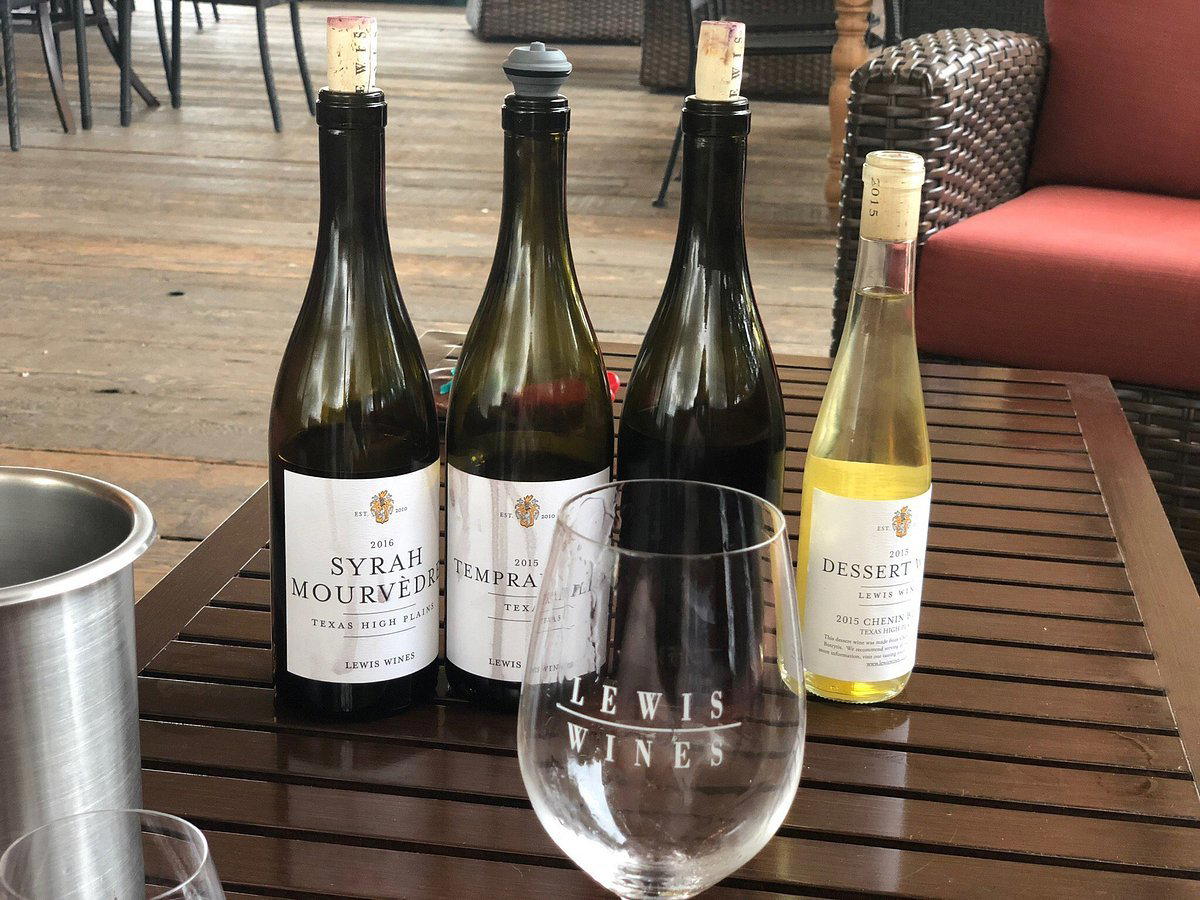
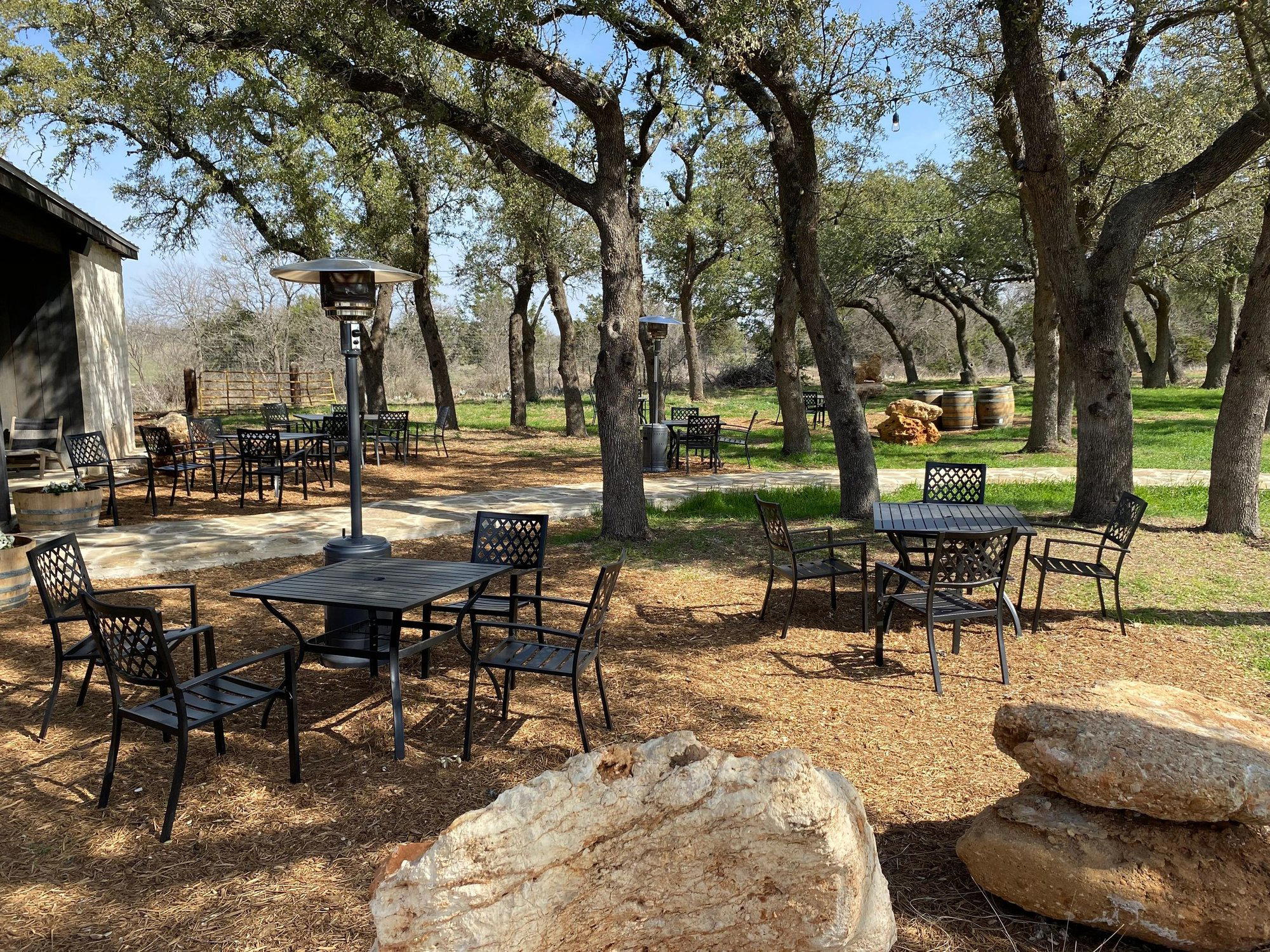
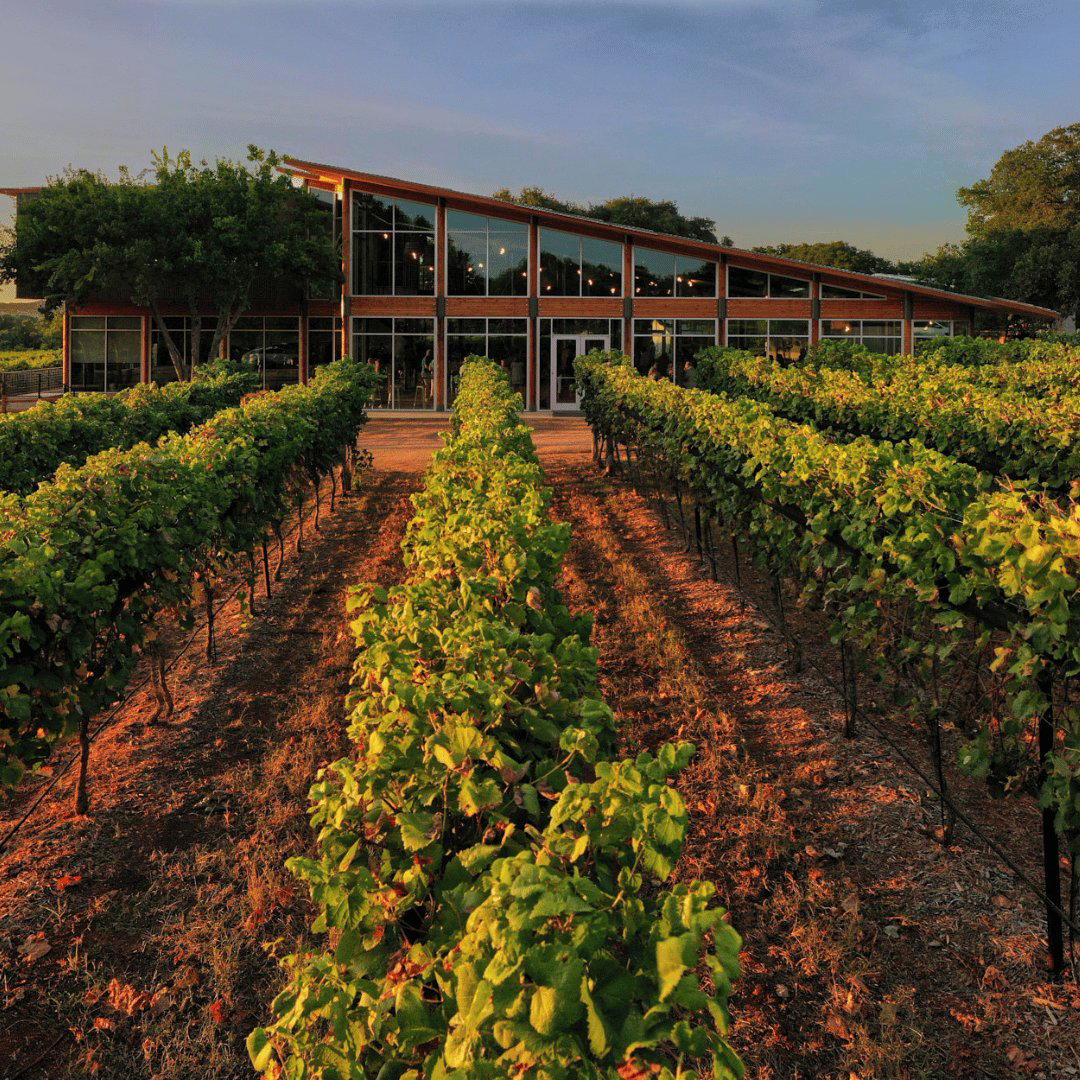
Bars in Johnson City
Browse all →
Restaurants in Johnson City
Browse all →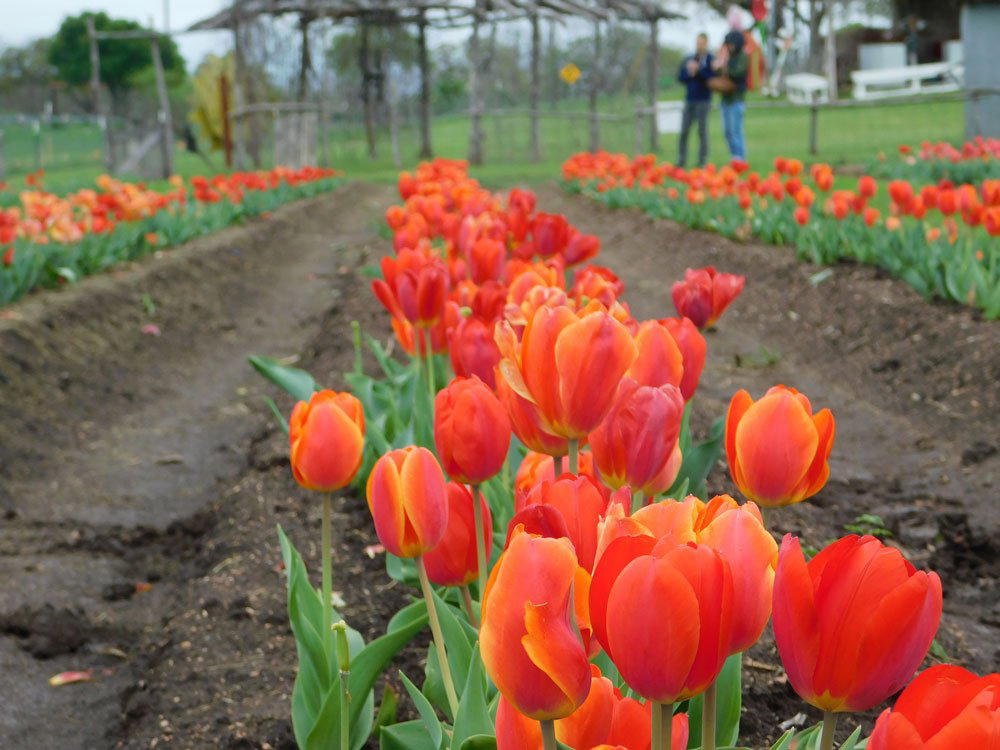
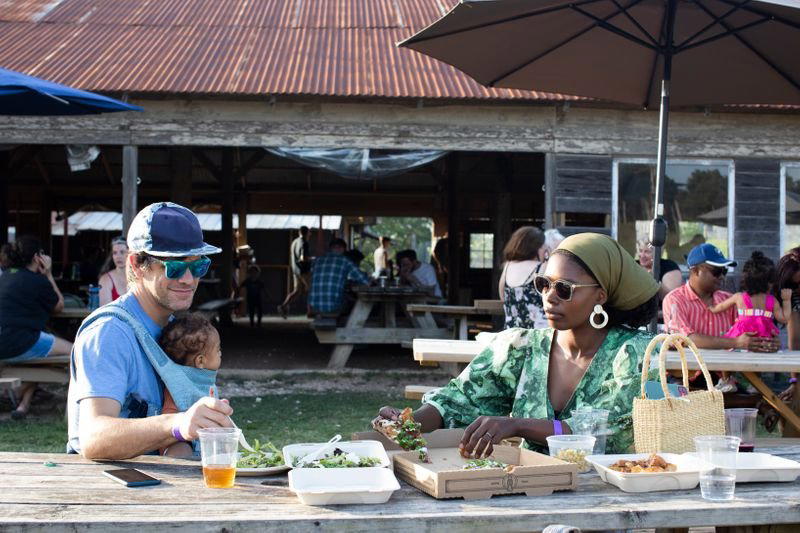
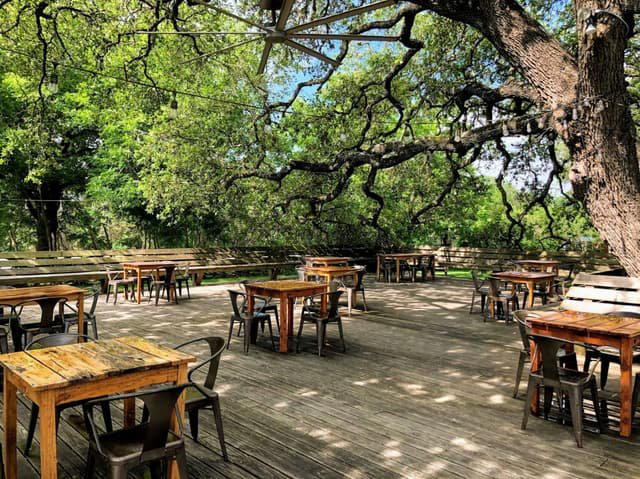
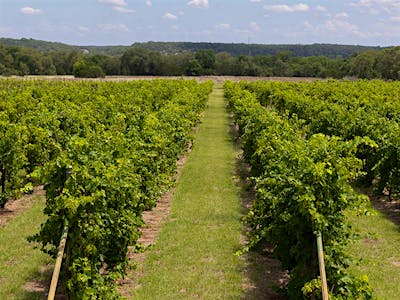
Details
- Rustic
- Scenic
- Cozy
- Romantic
- Quiet
- Romantic Getaway
- Group Outing
- Celebration
- Estate Grounds
- Terrace
- Picnic Area
- Vineyard
- Garden
- Riesling
- Pinot Grigio
- Still White
- Still Red
- Flight
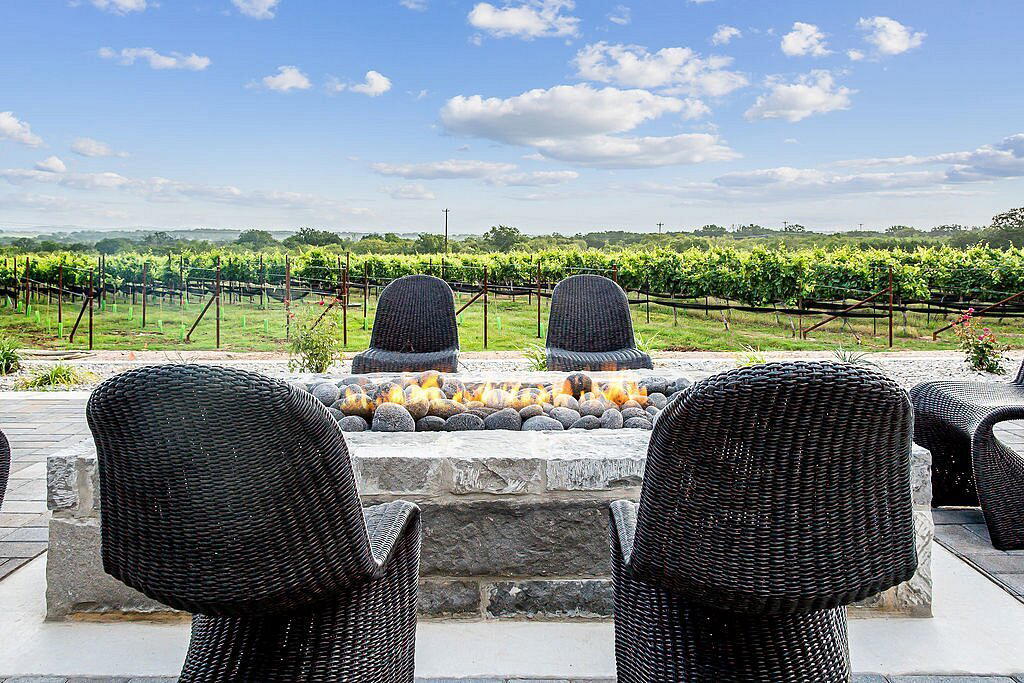
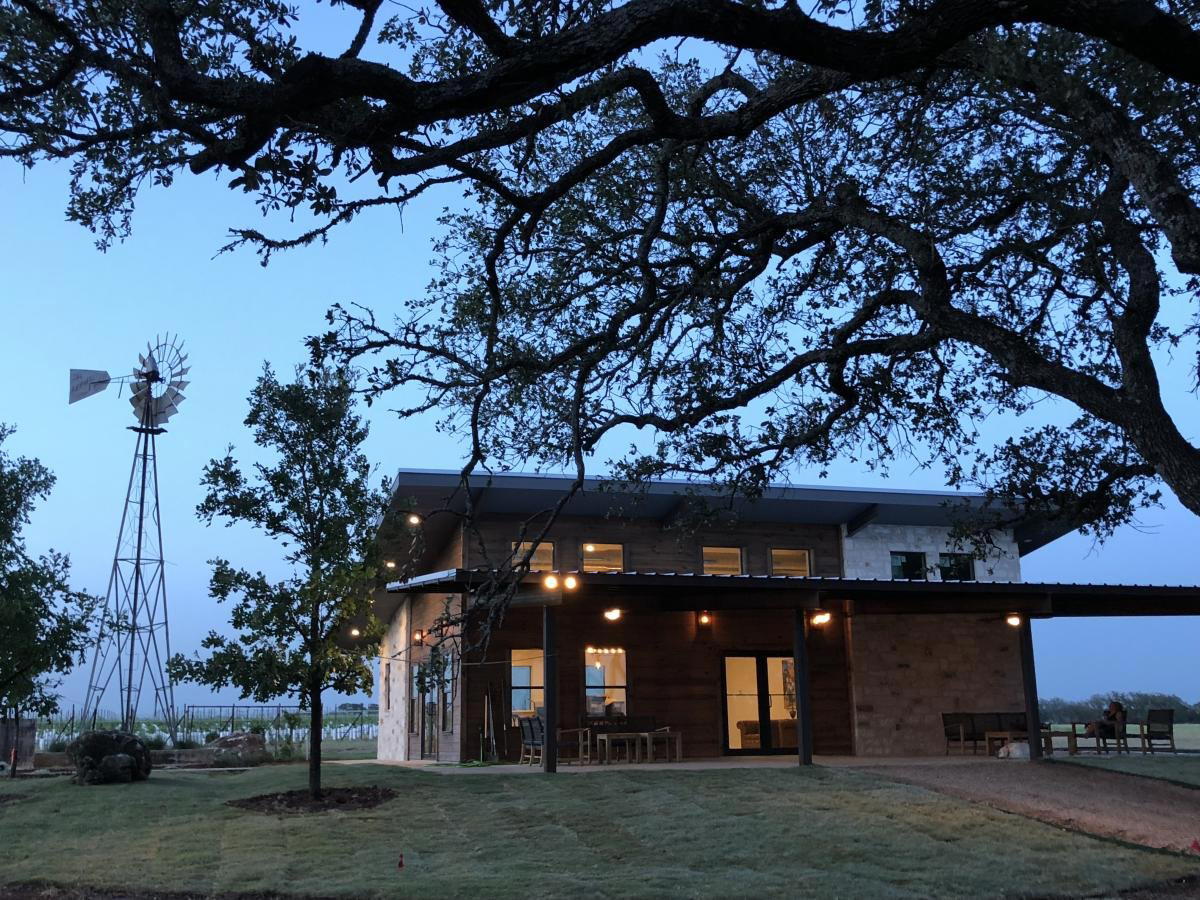
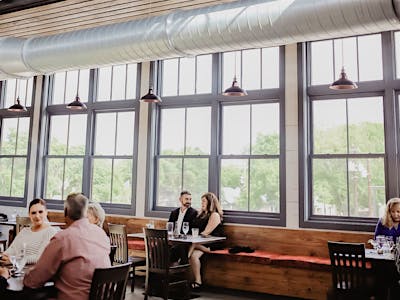
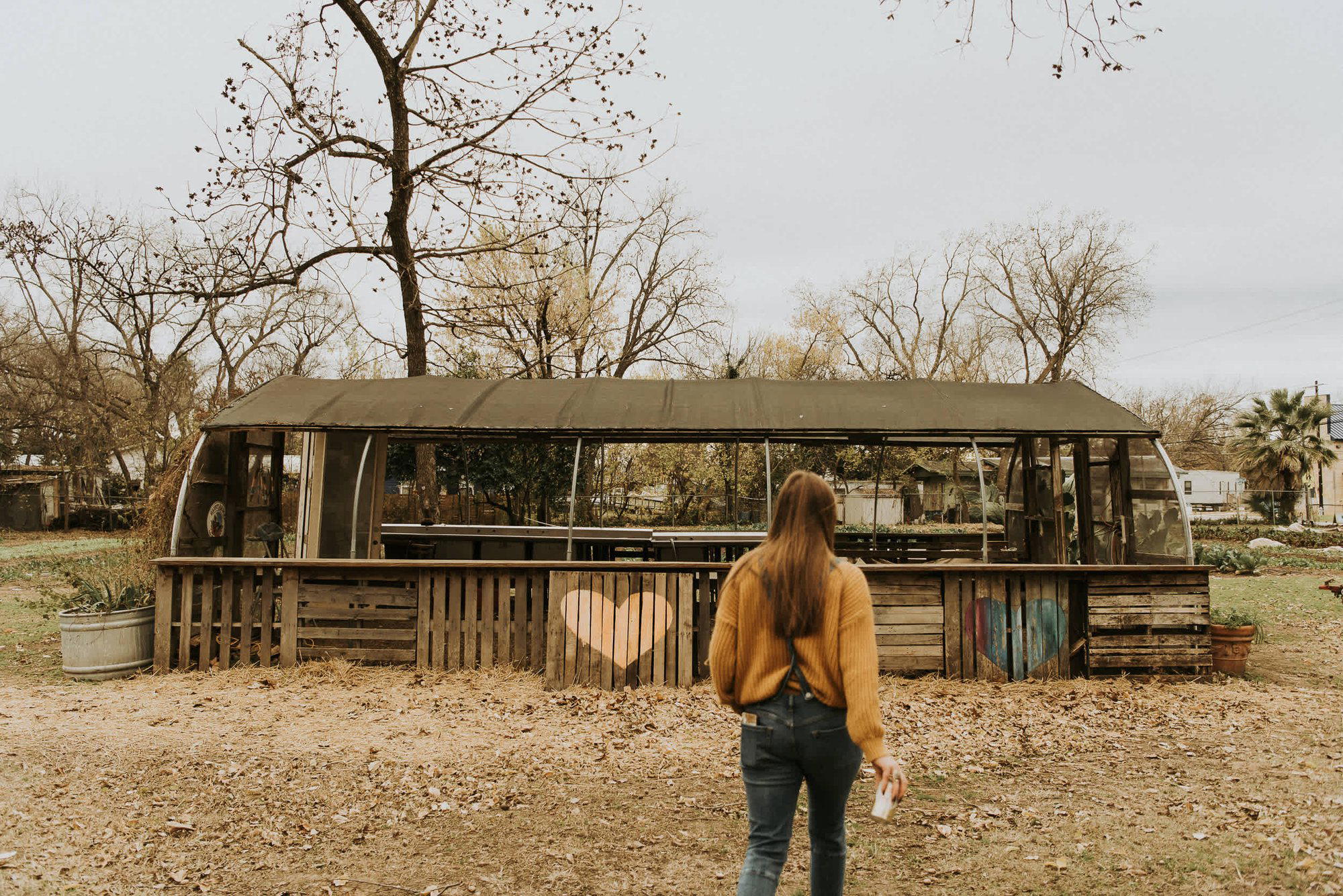
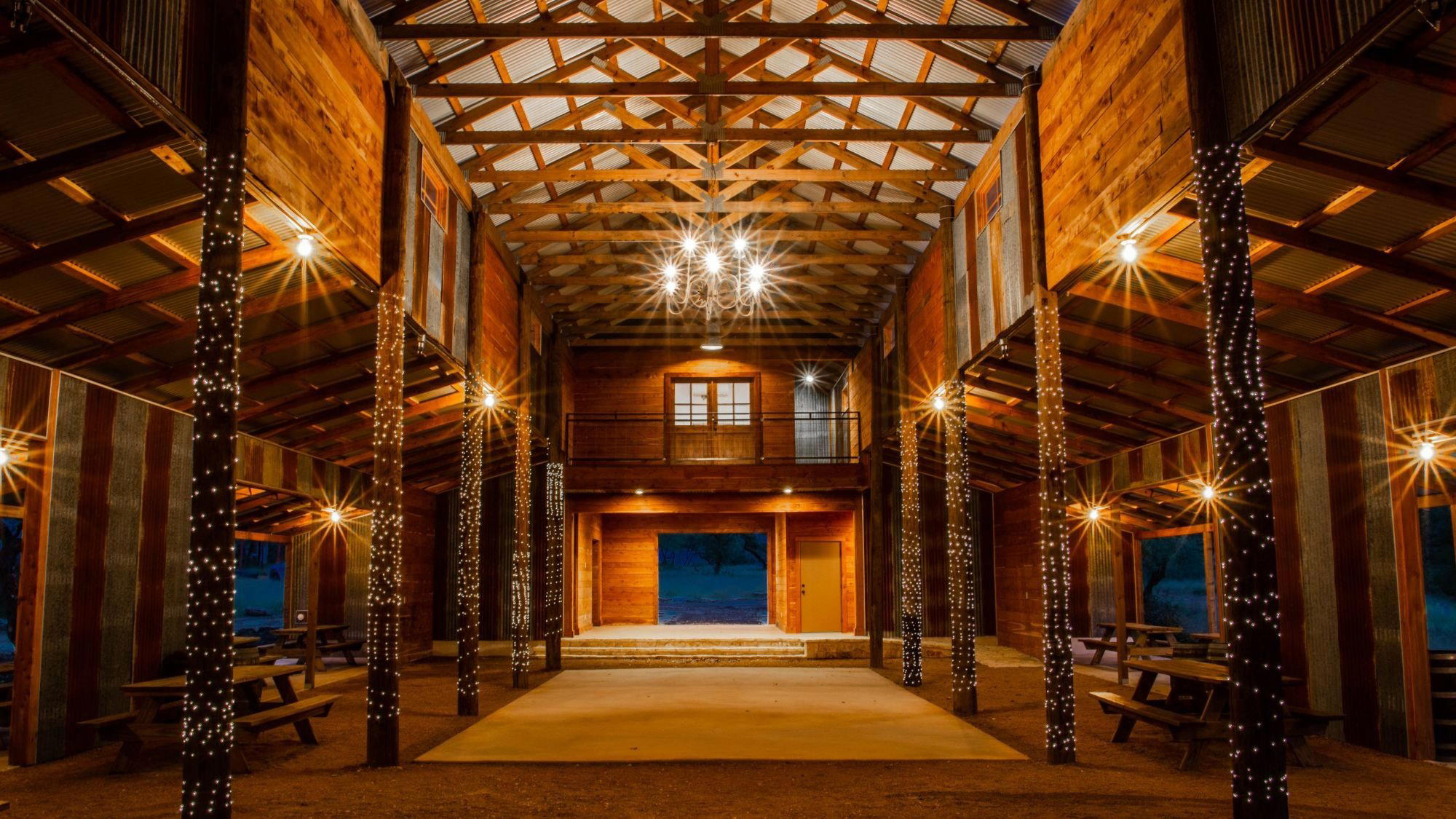
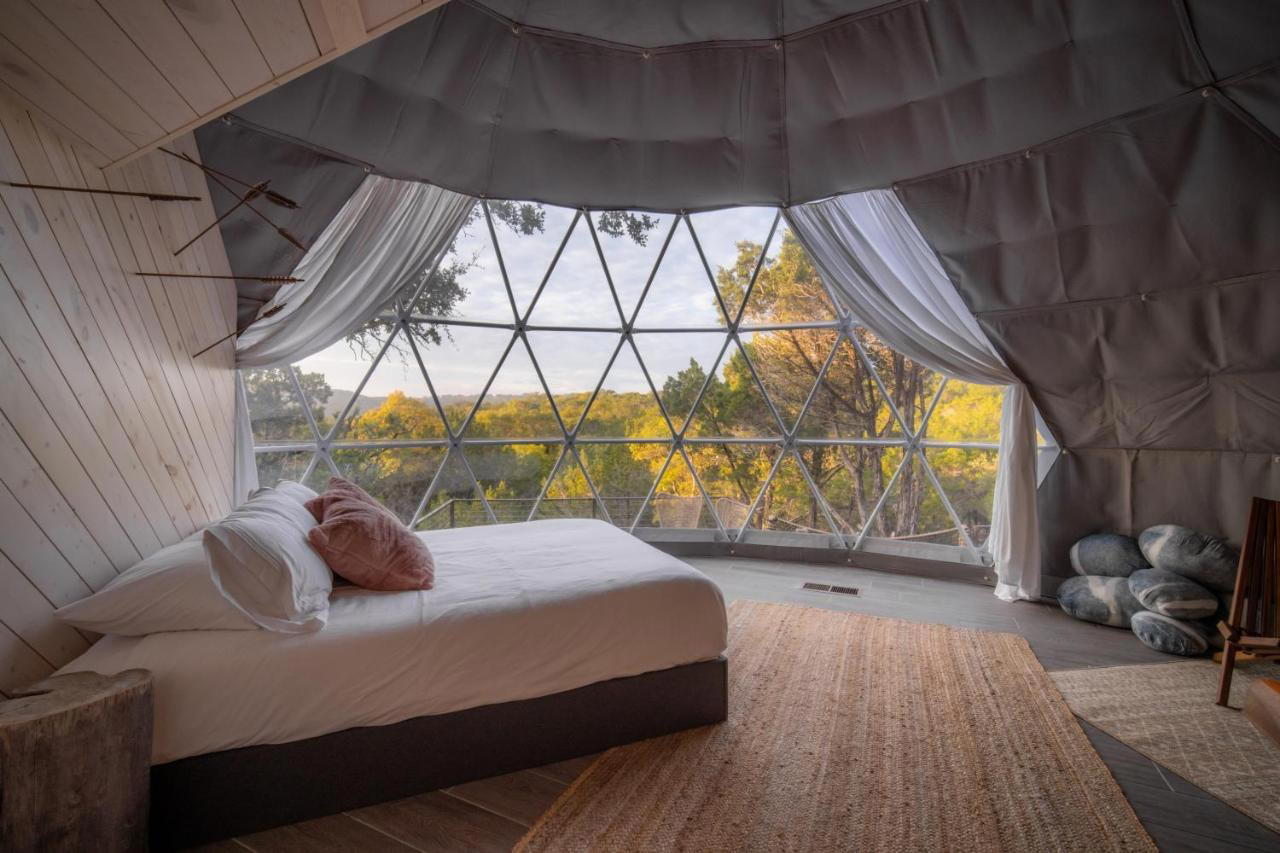
Calm, inviting, serene atmosphere with pristine grounds, beautiful landscaping, and relaxing outdoor spaces like poolside porches.