The property sits within a sub-region long associated with deep-soiled Malbec and altitude-driven structure, where distillate and wine production increasingly share the same philosophical ground.
Pearl is the En Primeur Club membership app — saves, bookings, and concierge access live there. Same editors, same standards.
- Address
- Ruta Provincial N°15 km 22 – Perdriel – Luján de Cuyo – Mendoza, M5509 Perdriel, Mendoza
- Phone
- +54 261 488-0578
- Website
- tapaus.com.ar
- Directions
- Get directions
 Saves & bookings on Pearl
Where Perdriel's Terroir Meets the Still
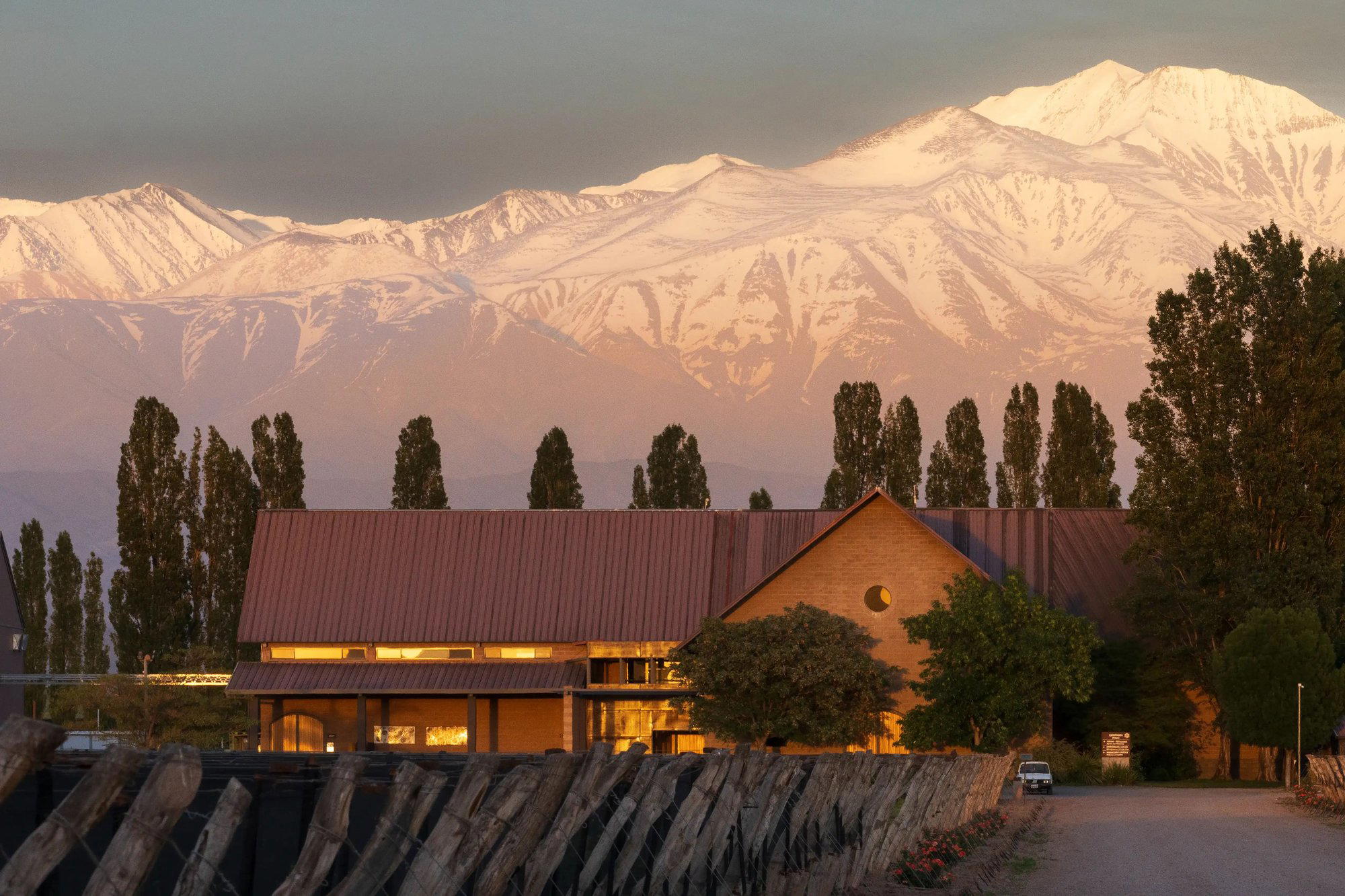
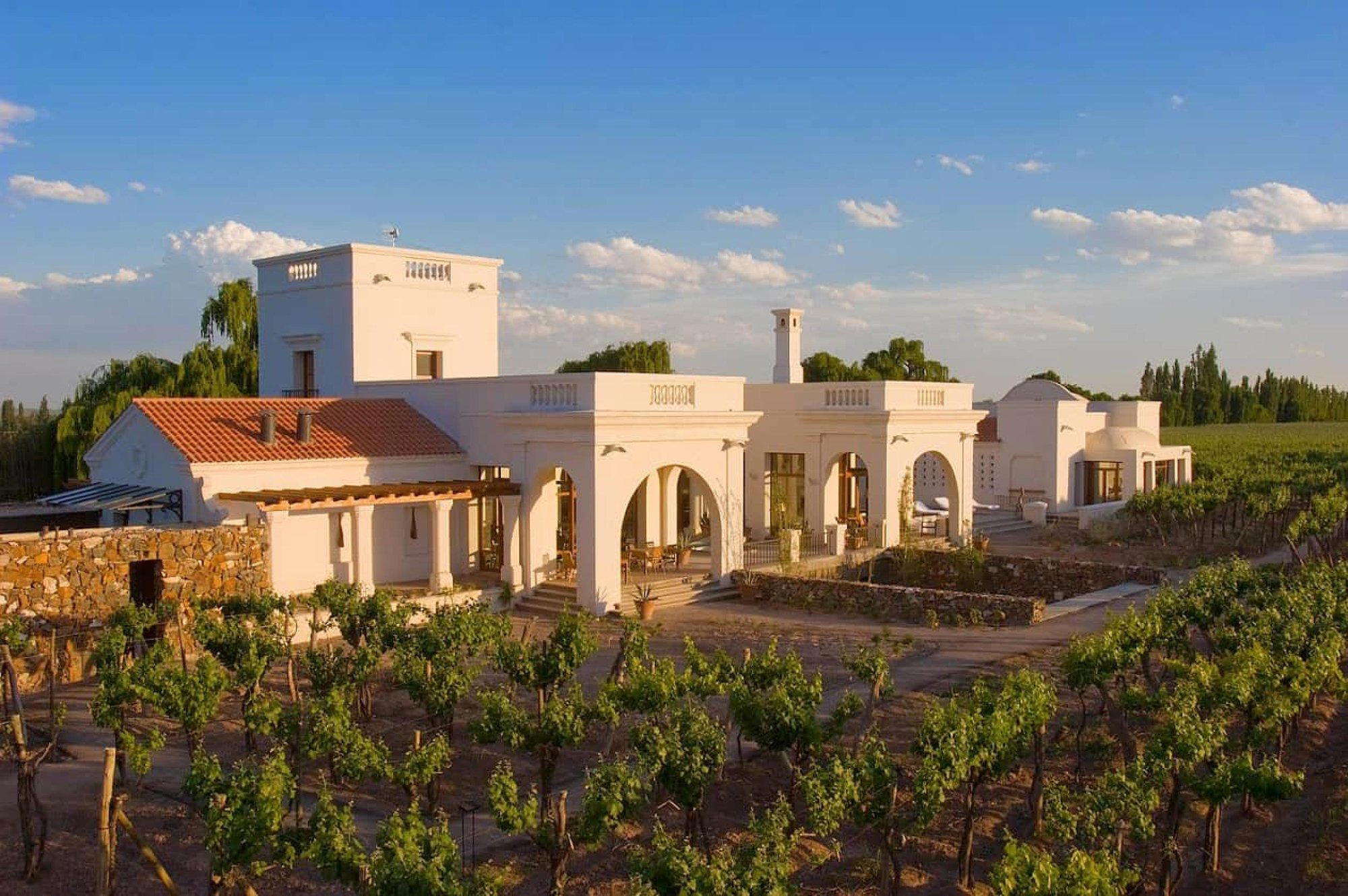
Drive south from Mendoza city along Ruta Provincial N°15 and the landscape changes before the address does. By kilometre 22, the Perdriel district of Luján de Cuyo opens into a corridor of older vine blocks, stony alluvial soils, and the kind of mid-afternoon light that makes every shadow on a vine row look deliberate. Casa Tapaus Destilados sits along this road as part of a newer wave of producers in the zone who have extended the conversation beyond wine into distillate, treating both with the same sourcing rigour that defines the better addresses nearby.
That conceptual framing is not incidental to the region. Perdriel's comparable set has always operated in the longer tradition of Argentine winemaking, where French variety lineage meets local adaptation over generations.
The Viticulture Behind the Bottle
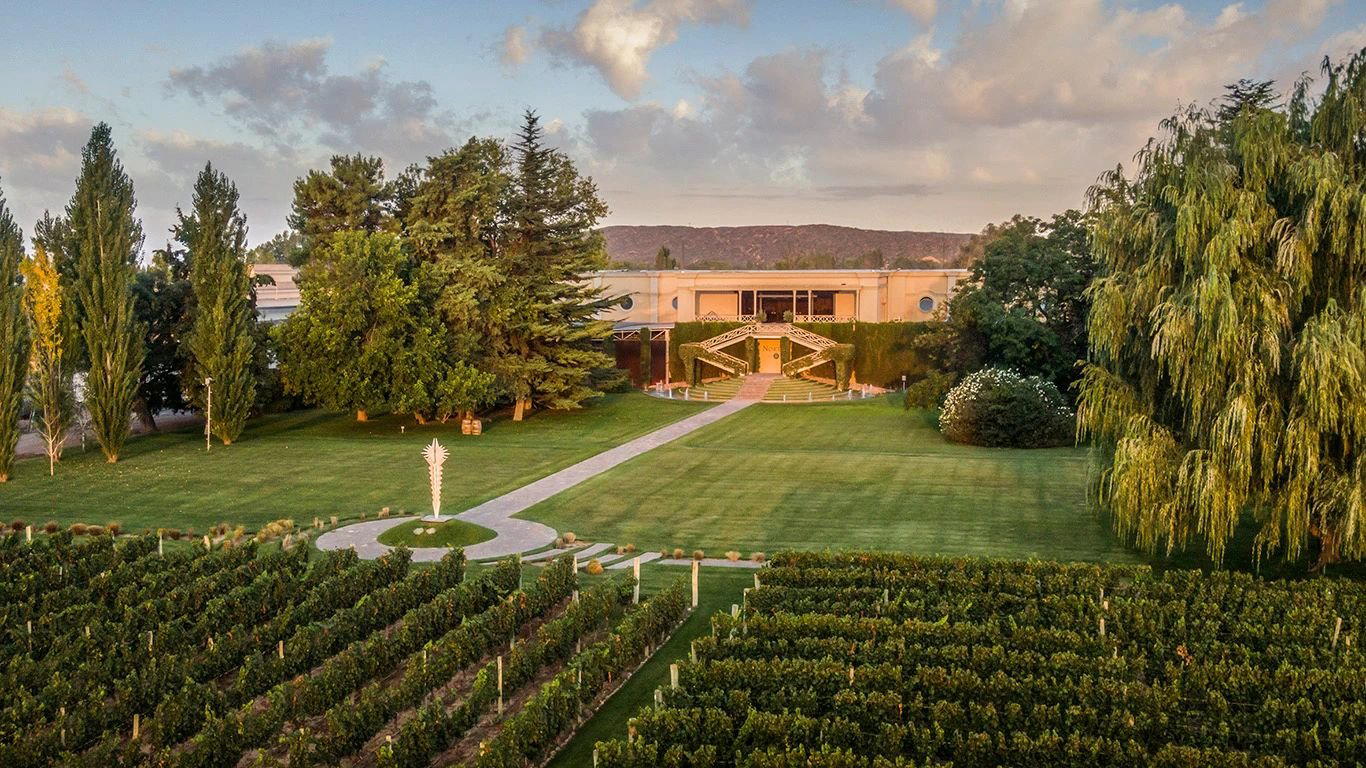
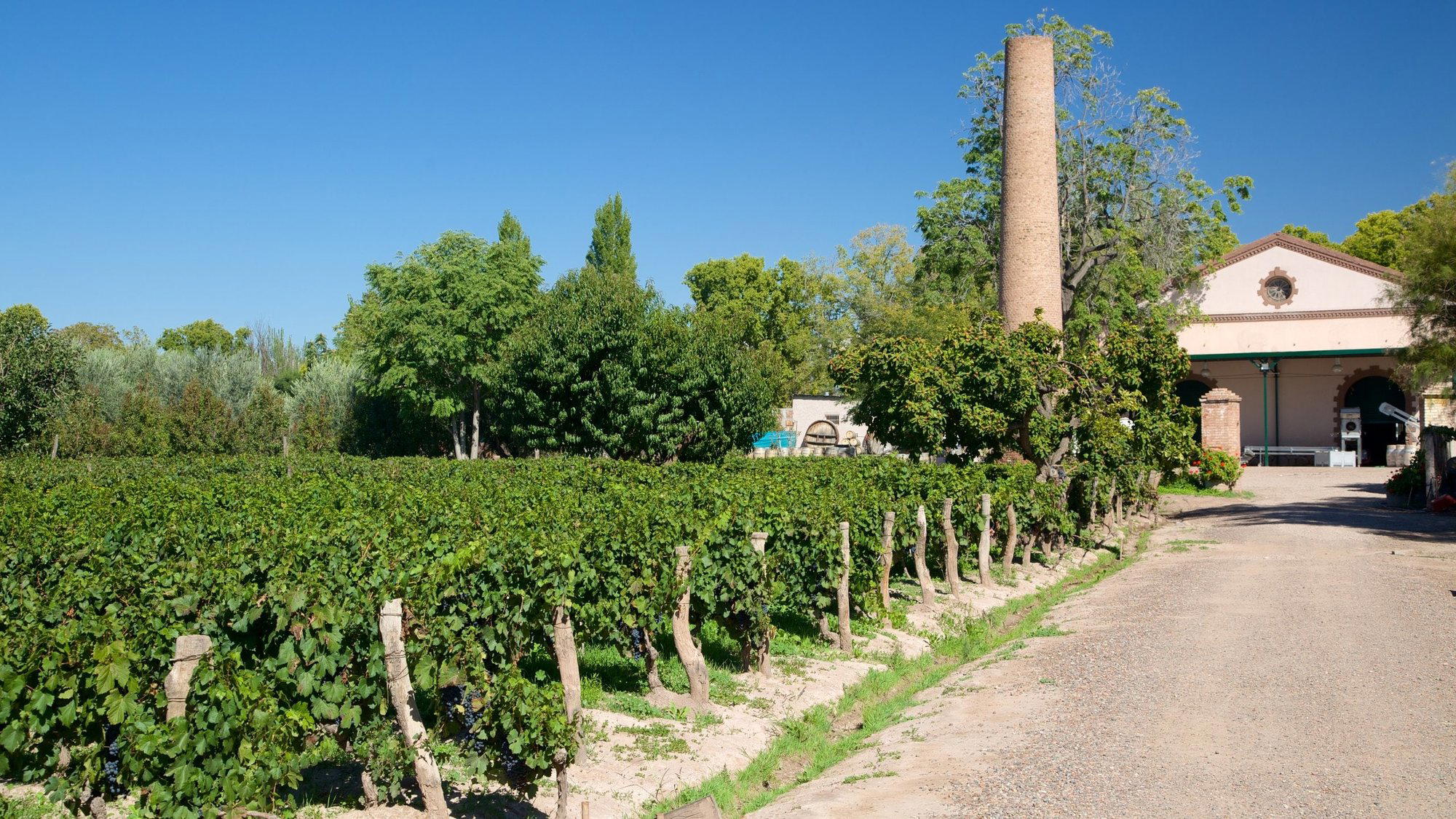
Luján de Cuyo's vineyards carry among the more studied soil profiles in Argentine viticulture. The Perdriel district specifically sits on deep alluvial fans deposited by Andean melt, with gravel and clay loam layers that drain quickly and force vines to develop extensive root systems. That stress-driven depth is part of why the zone produces Malbec with structure rather than volume.
The broader shift toward organic and biodynamic practice in Mendoza's premium tier is visible across neighbours in Luján de Cuyo and beyond. Terrazas de los Andes has invested in altitude-differentiated viticulture that takes the expression of individual plots seriously. Bodega Kaiken and Bodegas CARO both operate from positions that emphasise grape-source integrity. Bodega Riccitelli has taken a smaller-batch, old-vine approach that sits close philosophically to what Casa Tapaus represents in practice. What unifies these producers is a shared understanding that Perdriel and the wider Luján de Cuyo appellation is not simply a geographic convenience but a terroir argument, one that the vine, the wine, and now the still are all being asked to make.
The case for regenerative or low-intervention viticulture in this context goes beyond fashion. At 900-plus metres, seasonal temperature swings between day and night can exceed 20°C during the growing season, which preserves acidity and aromatics without chemical intervention. Producers who respect that natural rhythm, rather than supplementing with corrections, tend to arrive at fruit with greater internal tension, the kind of material that holds its form through both fermentation and distillation.
Distillate as a Serious Practice
Integration of distillate production alongside wine in Mendoza is not new, but the degree of seriousness applied to it has shifted considerably over the past decade. Earlier generations of Argentine brandy and grappa-adjacent spirits often treated the still as a destination for second-use fruit. The more recent approach, visible at a growing number of addresses across Luján de Cuyo and Maipú, treats the still as a primary production environment, making sourcing decisions for distillate with the same intentionality as for wine. This means estate-grown or tightly controlled fruit, specific variety selection, and a production calendar tied to the vineyard rather than to surplus.
For a property named in part for its destilados, this philosophical positioning matters to how the product is understood in the market. Argentina exports more wine than spirits internationally, but the domestic premium spirits conversation has grown. Properties like Bodega Navarro Correas, with its long institutional footprint in Luján de Cuyo, provide a different model of scale in the same corridor. Casa Tapaus sits at the smaller end of that spectrum, where batch size, raw material control, and site-specificity matter most.
Comparing the Mendoza distillate scene to other New World producers with serious spirits ambitions is instructive. Bodega Colomé in Molinos, operating at extreme altitude in Salta, and Bodega El Esteco in Cafayate represent Argentine producer ambition far from Mendoza's centre of gravity, while European references like Abadía Retuerta in Sardón de Duero and Aberlour in Aberlour show how estate-rooted production models translate across different geographic and regulatory environments. The common thread is that altitude, climate discipline, and reduced chemical intervention tend to produce raw material with more inherent character, whether the destination is a barrel-aged wine or a copper still.
The Perdriel Address in Context
Kilometre 22 of Ruta Provincial N°15 is practical geography worth noting. Perdriel sits approximately 25 minutes south of central Mendoza by road, placing it in a comfortable day-trip range from the city's hotels and closer still to the cluster of Luján de Cuyo estates that define the region's premium identity. The corridor is navigable independently or as part of a structured visit through one of the city's growing number of wine and spirits-focused tour operators. Timing matters: late afternoon visits to Perdriel properties often coincide with better light and cooler temperatures, particularly during the Mendoza summer, when midday can push well above 30°C.
For visitors building a Mendoza itinerary around the premium wine and spirits corridor, Bodega DiamAndes in Tunuyán extends the arc further south toward the Uco Valley, offering a contrast in elevation and climate profile.
Comparable Venues
Comparable venues nearby, for context on price, style, and recognition.
| Venue | Cuisine | Notes |
|---|---|---|
| Casa Tapaus DestiladosThis venue — the venue you are viewing | Not listed | Not listed |
| Bodegas CARO | Godoy Cruz, Malbec, Cabernet Sauvignon | Not listed |
| Destilería Flipá | Winery | Not listed |
| Gran Dovadol Gin | Winery | Not listed |
| Terrazas de los Andes | Not listed | Luján de Cuyo, Malbec, Cabernet Sauvignon |
| The Williams Casanegra Distillery | Winery | Not listed |
Continue exploring
More in Mendoza
Wineries in Mendoza
Browse all →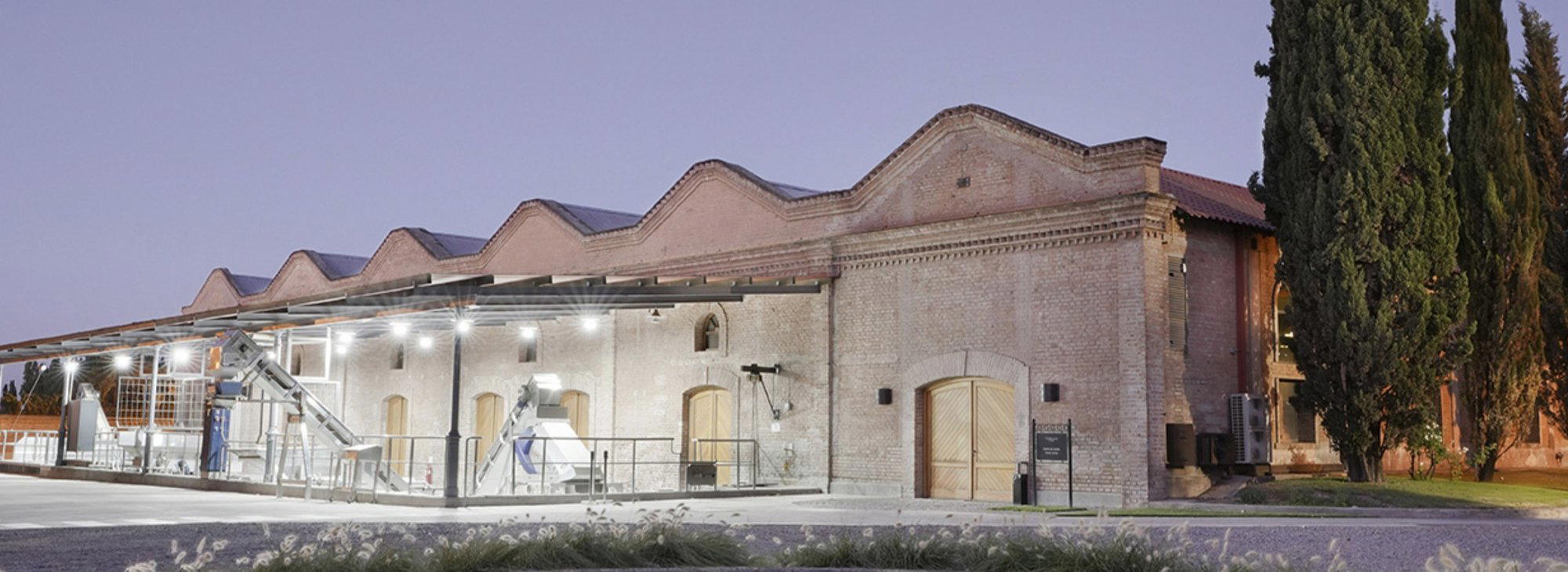
Bars in Mendoza
Browse all →

Restaurants in Mendoza
Browse all →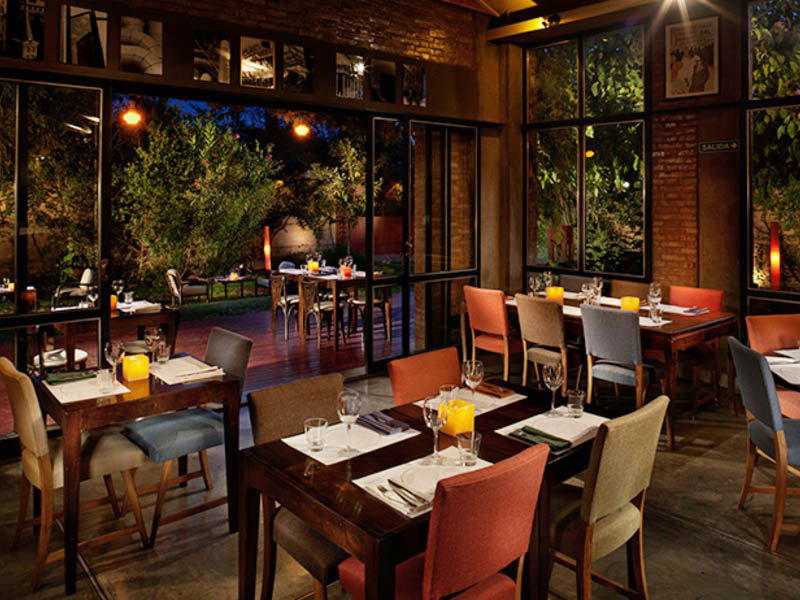
At a Glance
- Scenic
- Rustic
- Group Outing
- Wine Education
- Special Occasion
- Barrel Room
- Estate Grounds
- Panoramic View
- Sustainable
- Mountain
- Mendoza
- Malbec
- Cabernet Sauvignon
- Merlot
- Bonarda
- Tempranillo
- Guided Tour
- Spirit Tasting
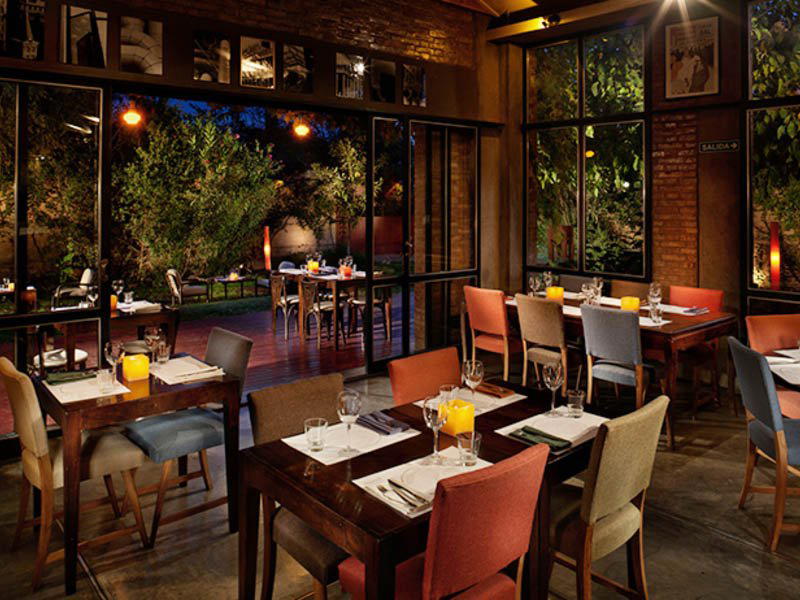
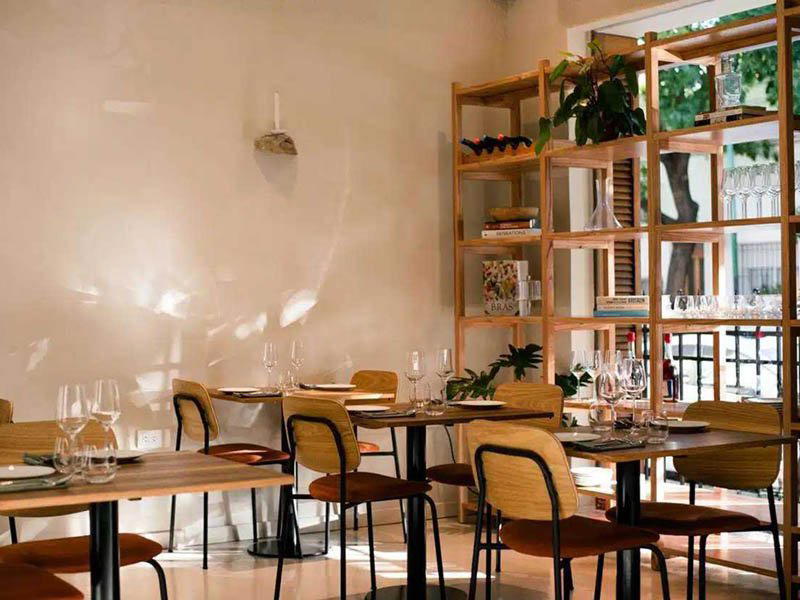
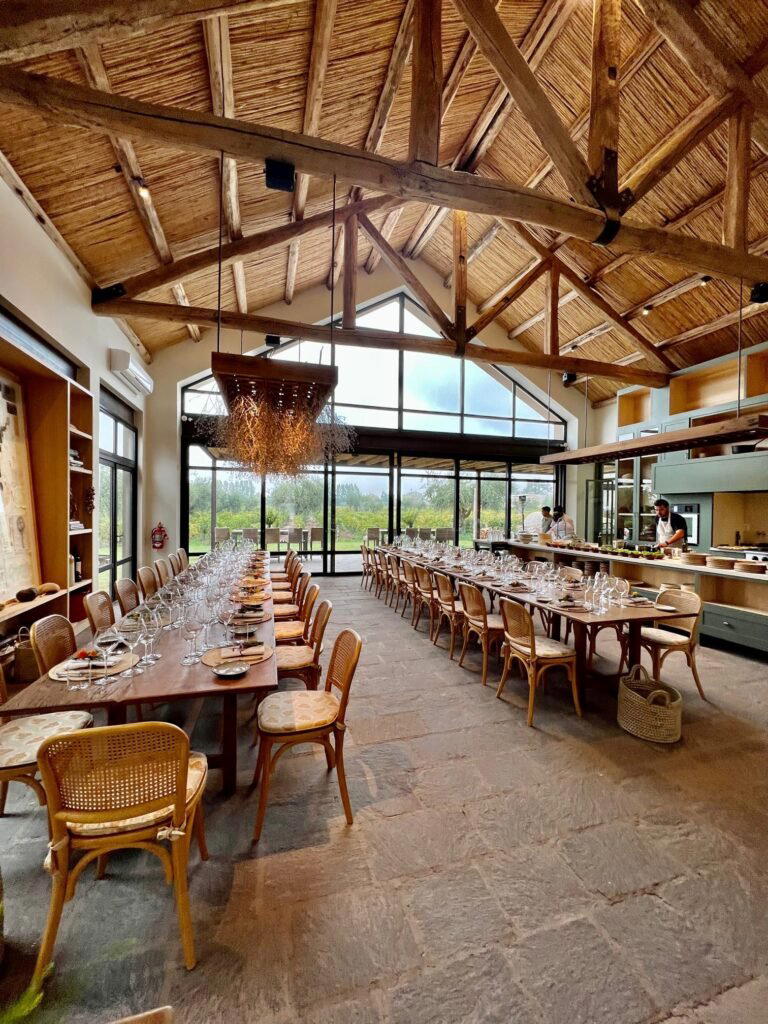
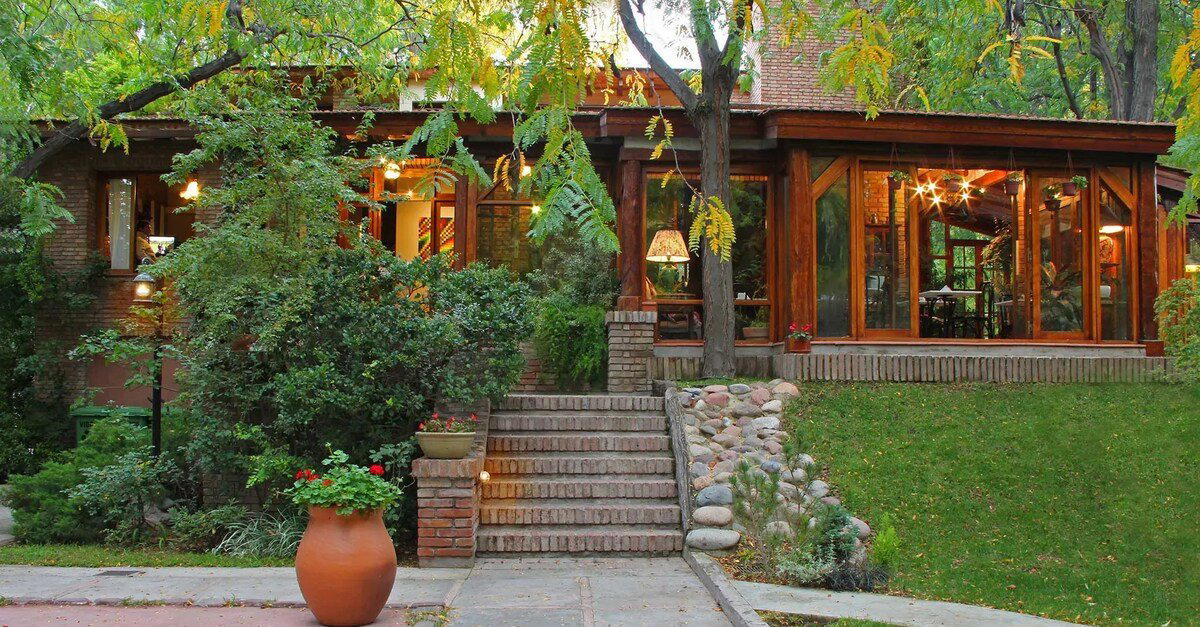
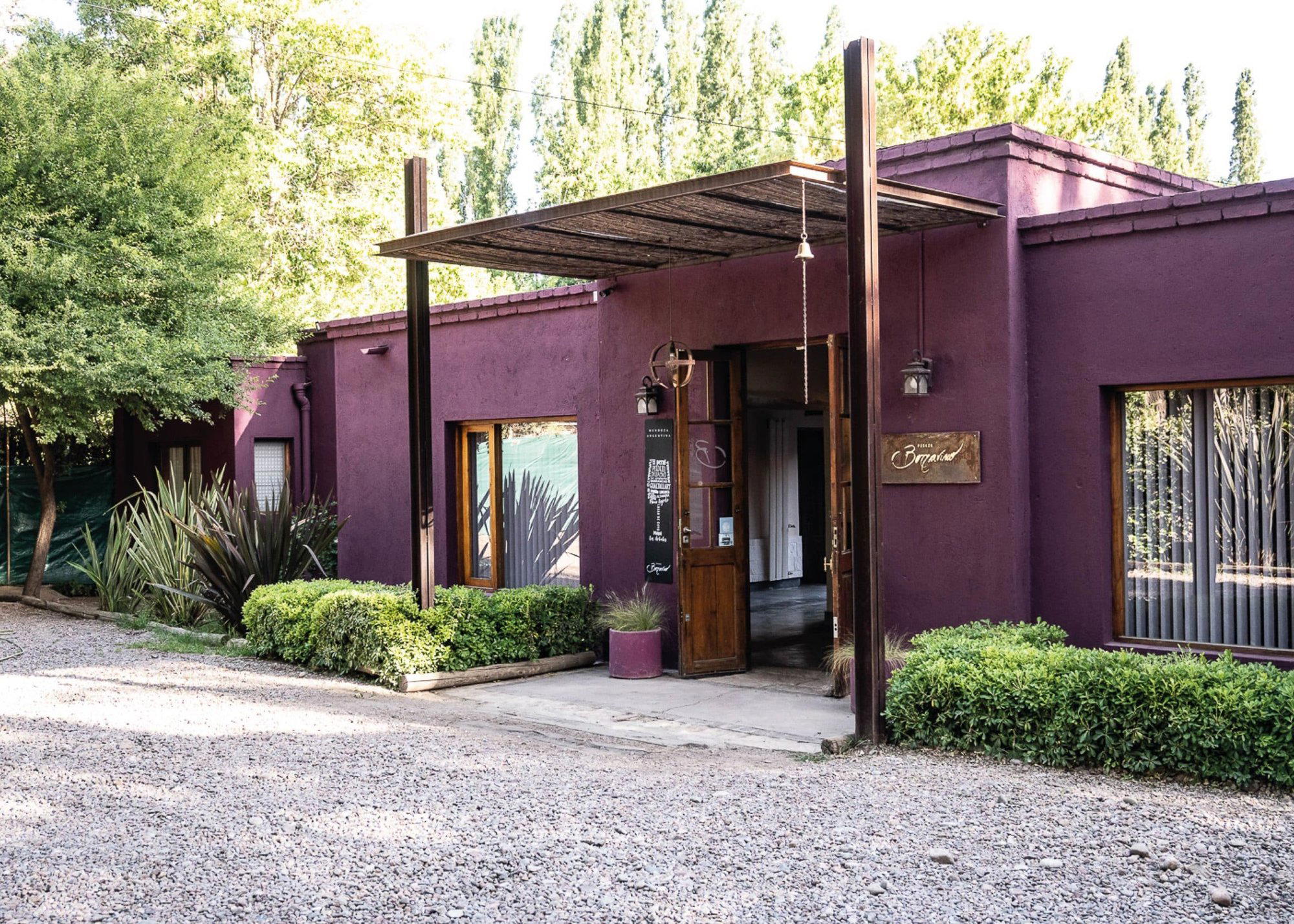
Rustic industrial setting with a hot distillery floor and air-conditioned tasting room; educational and hands-on atmosphere focused on spirit production.