Stolpman Vineyards

Under winemakers Sashi Moorman and John Faulkner, the estate has built a following around Rhône-inflected varieties and natural-leaning production methods that sit at the serious end of California's Central Coast conversation.
Pearl is the En Primeur Club membership app — saves, bookings, and concierge access live there. Same editors, same standards.
- Address
- 2434 Alamo Pintado Ave, Los Olivos, CA 93441
- Phone
- +1 805-688-0400
- Website
- stolpmanvineyards.com
- Directions
- Get directions
 Saves & bookings on Pearl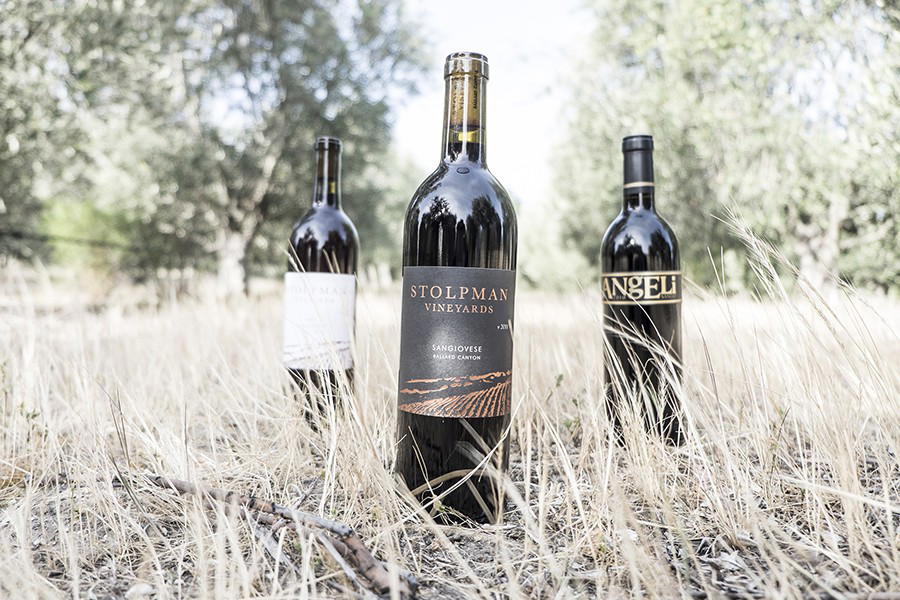
Where Los Olivos Gets Serious About Rhône Varieties
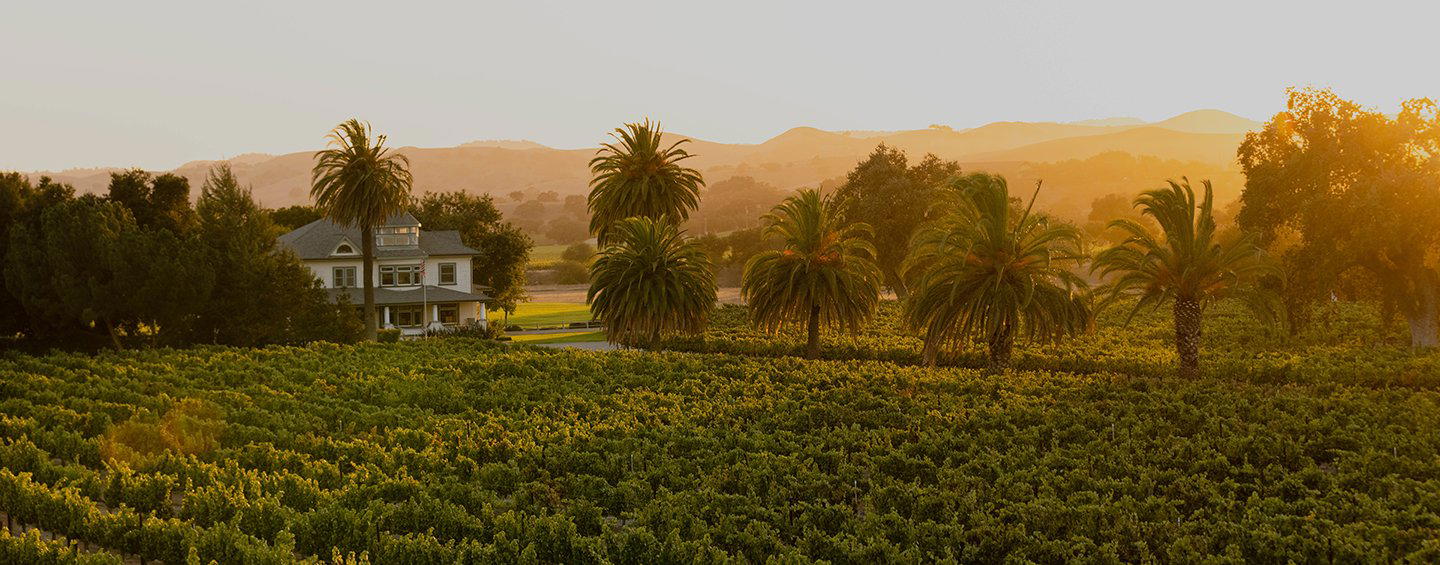
Alamo Pintado Avenue runs through Los Olivos like a slow exhale, past tasting rooms that range from casual weekend pours to focused, appointment-led programs. Stolpman Vineyards occupies a position closer to the latter end of that spectrum. The address, 2434 Alamo Pintado Ave, places it within easy reach of the village's broader tasting corridor, but the estate's focus on single-vineyard Rhône varieties and a production approach shaped by nearly three decades of farming the same ground marks it as a different proposition from most of what surrounds it.
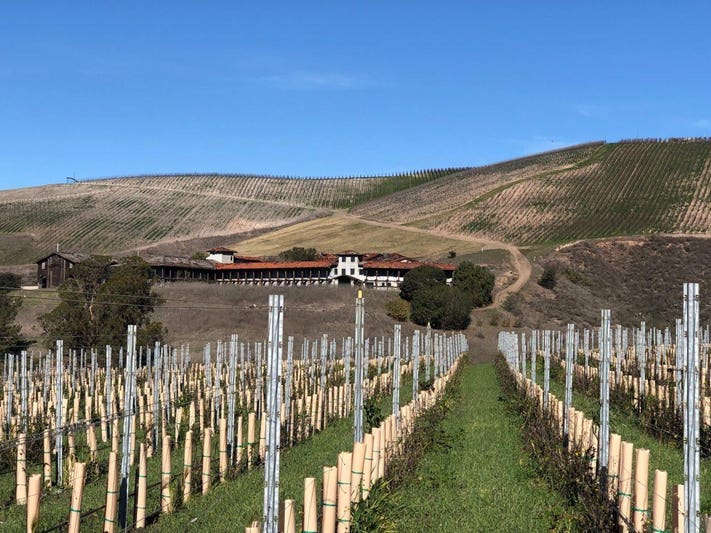
Santa Barbara County's wine identity has long been contested terrain. Pinot Noir and Chardonnay dominate the tourist conversation, particularly through the coastal influence of the Sta. Rita Hills. But the warmer interior valleys, Ballard Canyon chief among them, have quietly built a case for Syrah as the county's most compelling variety. Stolpman, which planted its first vines in 1994, sits squarely inside that argument, with a vineyard block that has had enough time to develop the kind of complexity that only comes from vine age and a long-standing relationship between a specific site and the people farming it.
Sashi Moorman, John Faulkner, and the Winemaking Position They Hold
That rating carries weight in context: the county has many capable producers, and the competition includes estates with strong critical followings and national distribution. Within Los Olivos specifically, the tasting-room corridor features properties like Andrew Murray Vineyards, which leans into Rhône varieties with a similarly serious approach, and Artiste Winery and Tasting Studio, which takes a more art-forward experiential angle. Stolpman's distinction within this group comes partly from scale and partly from the winemaking team.
Sashi Moorman is among the more closely watched winemakers working in California's Central Coast. His name appears across several projects that collectively represent a low-intervention, site-expressive school of thought, and his presence at Stolpman has drawn attention from wine media that covers that movement seriously. John Faulkner operates alongside Moorman in a partnership that has become one of the more cited collaborations in the county's current production conversation. The winemaking credentials here function as a trust signal for a certain kind of buyer: one who follows winemaker trajectories, reads about farming decisions, and treats allocation access as a meaningful metric of quality.
The Food Pairing Logic Built Into Ballard Canyon Syrah
The editorial angle that makes Stolpman most interesting from a hospitality and pairing perspective is the variety itself. Ballard Canyon Syrah, and Stolpman's in particular, tends toward a structure that sits between Northern Rhône austerity and warmer-climate generosity. That middle ground is useful at a table. The wines carry enough acidity to work against fat and char, enough fruit depth to hold up to spice, and enough savory character to complement dishes where meat and earth are the dominant flavors.
That profile makes Stolpman's portfolio well-suited to the food culture of the Santa Ynez Valley more broadly. The Los Olivos area has developed a small but capable restaurant and provisions scene that has grown to meet the wine-tourism trade. Visiting Stolpman as part of a longer day-trip that moves between tastings and a serious lunch is a well-worn pattern here, and the wines reward food more than many tasting-room pours that are optimized for standalone sipping. For those planning around a meal, the pairing logic works in both directions: the wines are structured enough to shape what you order, not just accompany it.
Producers elsewhere in the county take different approaches to the food-and-wine pairing question. Liquid Farm Tasting Room works primarily with Chardonnay and leans into a coastal, acidic style that pairs differently, more seafood, less roasted meat. Dragonette Cellars spans a wider range of varieties and sits closer to the Sta. Rita Hills influence. Solminer Wine Company takes a Germanic angle, working with Austrian varieties that occupy a distinct niche in the county. Each of these represents a coherent production philosophy; Stolpman's is simply especially Rhône-committed among the group, which makes the pairing applications more consistent and in some ways more teachable.
Ratings at this tier from EP Club reflect sustained quality and a traceable competitive position, not a single-vintage performance. It places the winery in a comparable set that, at the California level, includes producers operating with allocation models, controlled distribution, and pricing that reflects the cost of serious farming and low-yield viticulture.
For comparison, other California producers at comparable prestige tiers operate across the state's major regions. Accendo Cellars in St. Helena represents the Napa Cabernet end of that conversation, where prestige-tier pricing reflects a different land and production cost structure. Alpha Omega Winery in Rutherford and Artesa Vineyards and Winery in Napa occupy different segments of the premium California market. The Central Coast prestige tier, where Stolpman operates, tends to price below Napa comparables while offering wines that attract a more technically interested buyer. That dynamic has been a consistent feature of the region since the early 2000s, and Stolpman has been part of it since the 1994 first vintage gave the estate enough history to argue for site seriousness.
Across other American wine regions, the prestige conversation takes different forms. Adelsheim Vineyard in Newberg and Adelaida Vineyards in Paso Robles each represent their regions' premium tiers with distinct variety and climate contexts. Alexander Valley Vineyards in Geyserville anchors a different part of Northern California's wine identity. The point of these comparisons is not hierarchy but orientation: Stolpman's prestige-tier position means something specific about production philosophy and market positioning, and understanding where that fits in the wider American premium wine map helps clarify what you are buying into.
Planning a Visit to Los Olivos and Stolpman
Los Olivos is a small village, and the tasting-room experience here is concentrated enough that a focused Saturday can cover several producers without significant driving. Stolpman's address on Alamo Pintado Ave puts it within the core of that walkable-to-drivable cluster. The village sits roughly 45 minutes north of Santa Barbara, making it a viable day trip from the city or an anchor for a longer Santa Ynez Valley itinerary.
Given the winery's standing, it is reasonable to expect that the more limited releases require advance planning. Visiting in the week rather than on peak weekend days generally allows for a more focused tasting experience at properties in this tier.
For those whose wine travel extends beyond California, the kind of Rhône-focused, site-committed production that Stolpman represents has parallels worth tracking internationally. At different ends of the production spectrum, Alban Vineyards in Arroyo Grande represents an older chapter of the Central Coast Rhône movement, while international producers like Achaia Clauss in Patras and Aberlour in Aberlour show how differently prestige-tier production can be framed when the variety and regional tradition shift entirely.
Comparable Spots, Quickly
Comparable venues nearby, for context on price, style, and recognition.
| Venue | Cuisine | Price | Notes |
|---|---|---|---|
| Stolpman VineyardsThis venue — the venue you are viewing | Syrah, Roussanne | $$ | Not listed |
| Storm Wines | Sauvignon Blanc, Chardonnay | $$ | Los Olivos |
| Dragonette Cellars | Pinot Noir, Syrah | $$$ | Los Olivos |
| Liquid Farm Tasting Room | Chardonnay, Pinot Noir | $$$ | Los Olivos |
| Demetria Vineyards | Pinot Noir, Syrah | $$$ | Foxen Canyon |
| Solminer Wine Company | Grüner Veltliner, Riesling | $$$ | Los Olivos |
Recognition history
Dated appearances from independent guides and award organizations, with the underlying list record or original source where available.
Falstaff Winery - Listed
Falstaff
Continue exploring
More in Los Olivos
Wineries in Los Olivos
Browse all →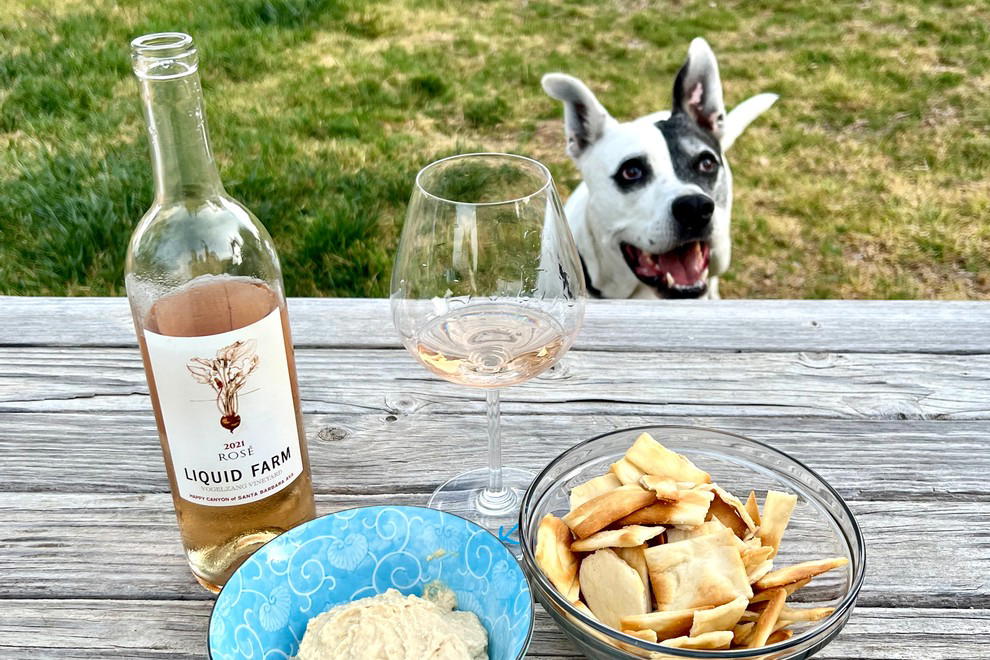
Bars in Los Olivos
Browse all →

Restaurants in Los Olivos
Browse all →
At a Glance
- Rustic
- Cozy
- Casual
- Scenic
- Wine Education
- Group Outing
- Romantic Getaway
- Solo Exploration
- Estate Grounds
- Vineyard Tour
- Terrace
- Organic
- Dry Farmed
- Sustainable
- Vineyard
- Ballard Canyon AVA
- Syrah
- Roussanne
- Grenache
- Sangiovese
- Mourvèdre
- Chardonnay
- Gamay
- Trousseau
- Sauvignon Blanc
- Still Red
- Still White
- Still Rosé
- Wine Tasting
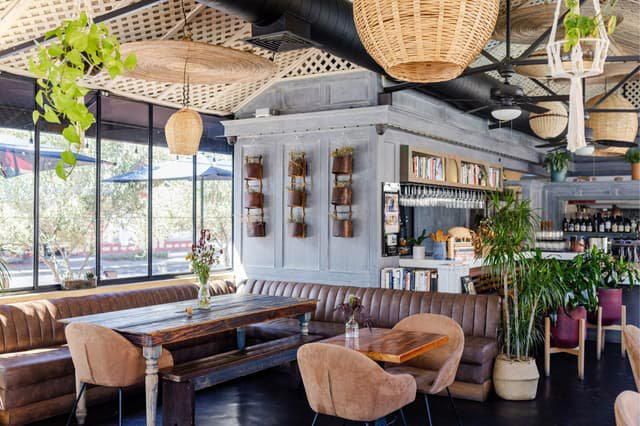
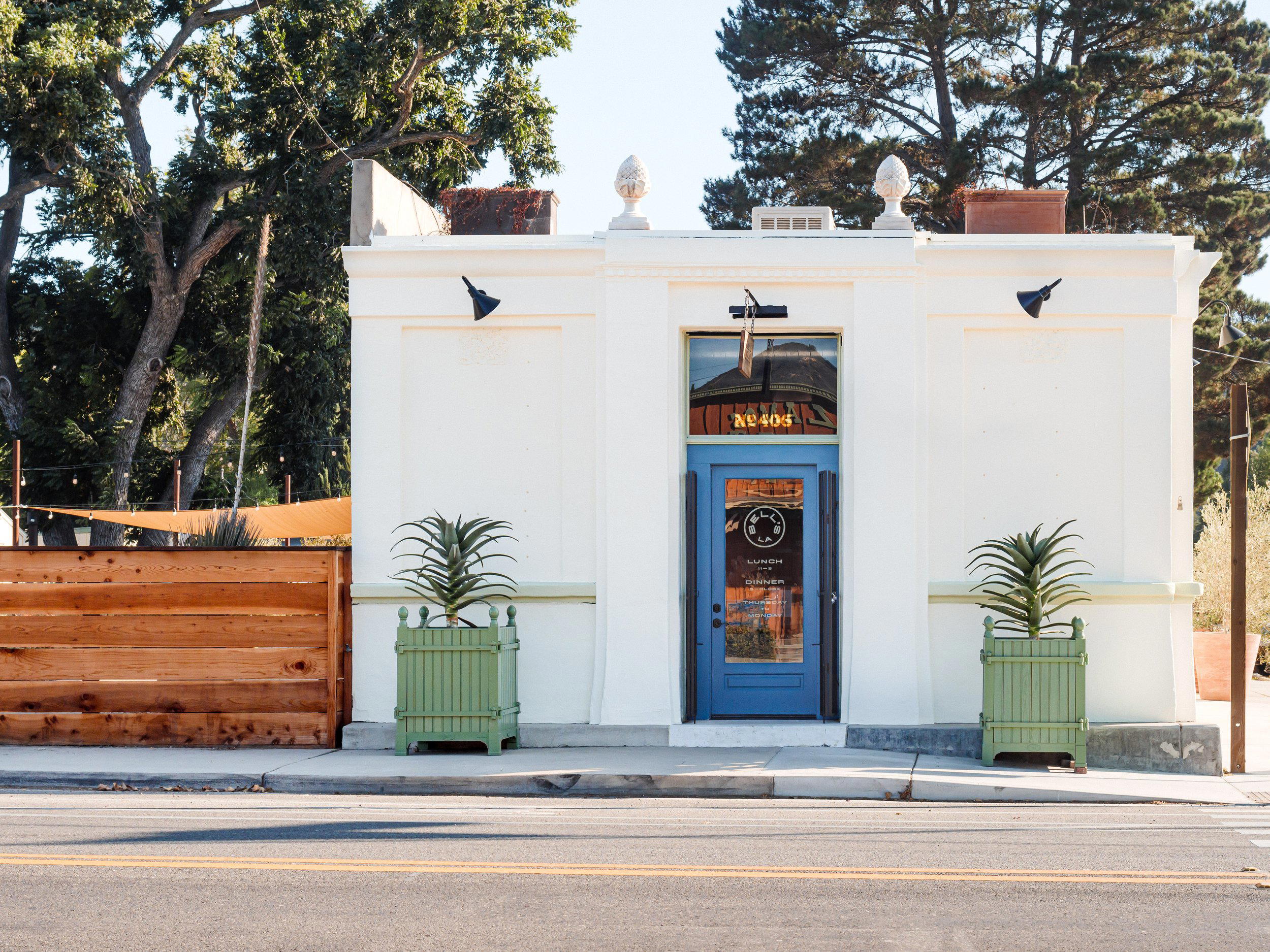
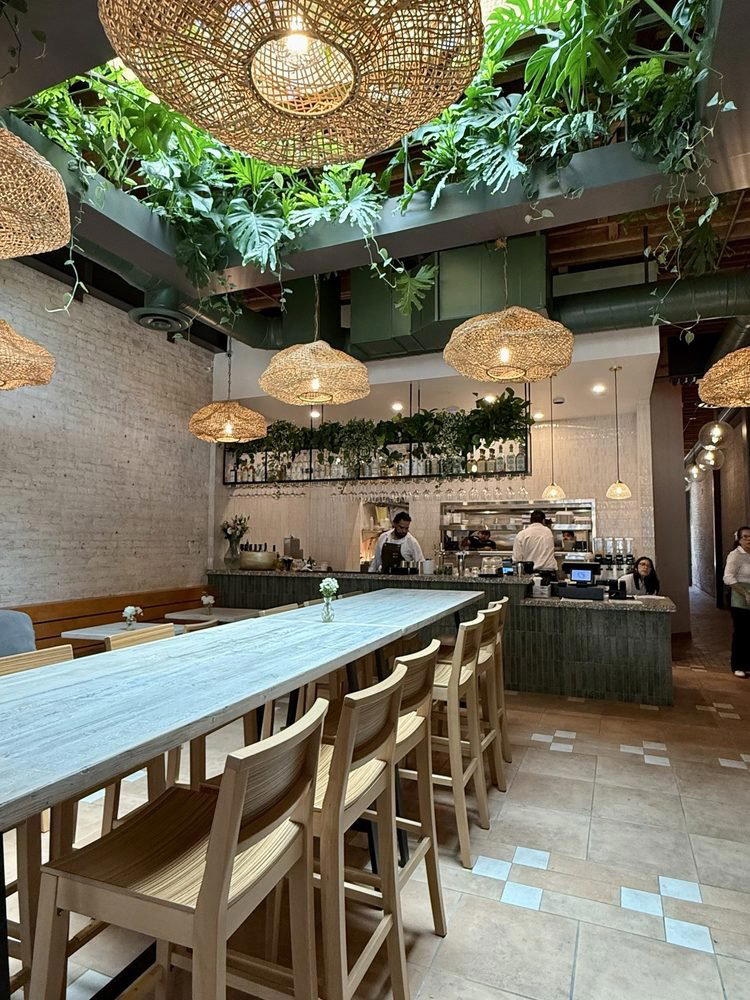
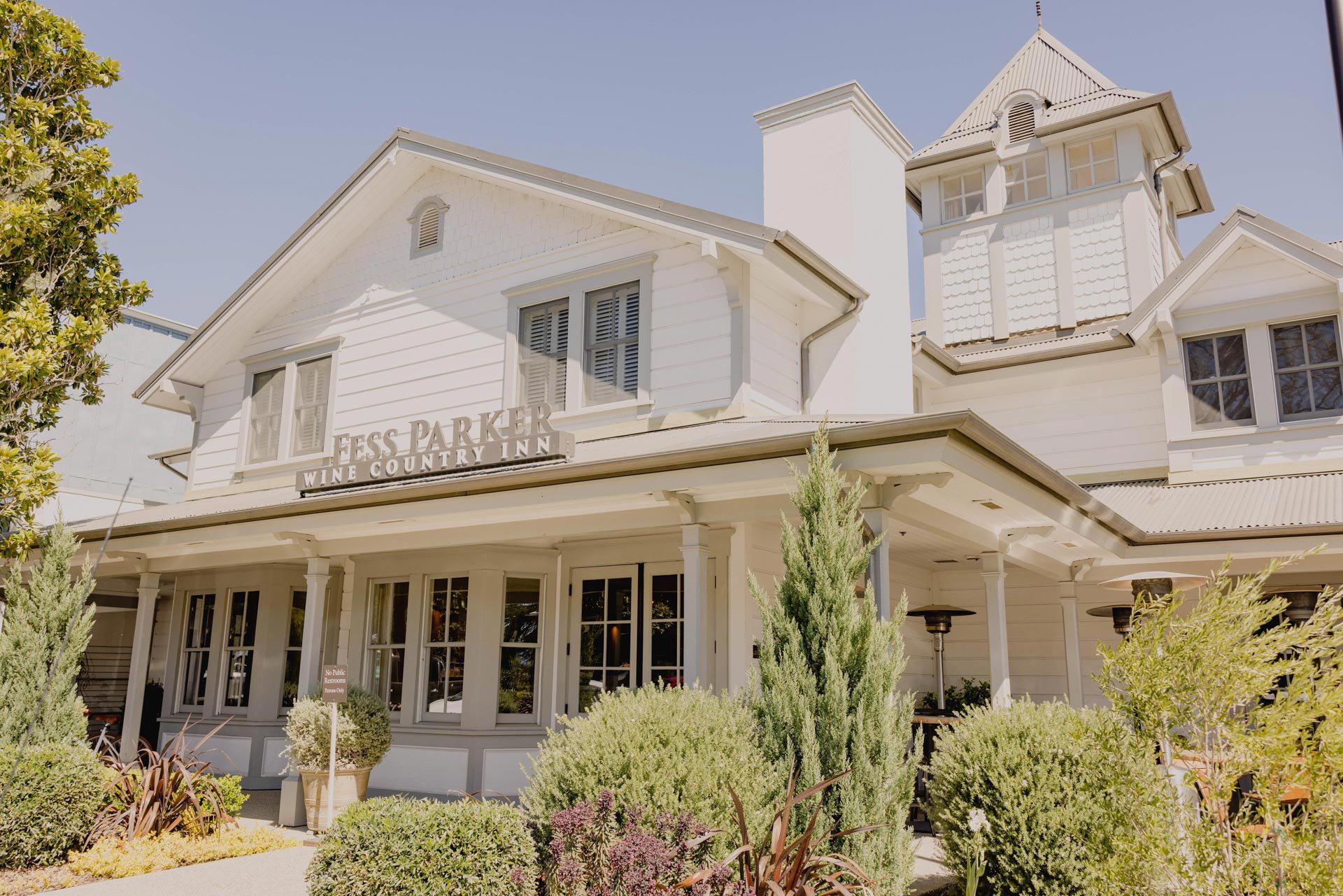
Relaxed, unpretentious outdoor tasting area shaded by trees with basic seating, served from coolers; cozy patio atmosphere with blankets provided on cool days.