Still 33 Distilling Company

Still 33 Distilling Company operates from Kyalami's Barbeque Corner in Midrand, holding a Pearl 2 Star Prestige award for 2025. It sits within Johannesburg's growing craft distilling scene, where small-batch production and transparent sourcing practices define the category's upper tier. For spirits enthusiasts tracking the evolution of South African craft distilling, Still 33 represents a credentialed stop on the northern corridor.
 Discover on Pearl
Pearl is the En Primeur Club membership app — saves, bookings, and concierge access live there. Same editors, same standards.
- Address
- Unit 3, Still 33, Barbeque Corner, 27 Dytchley Rd, Kyalami, Midrand, 1684
- Phone
- +27835716618
- Website
- still33.com
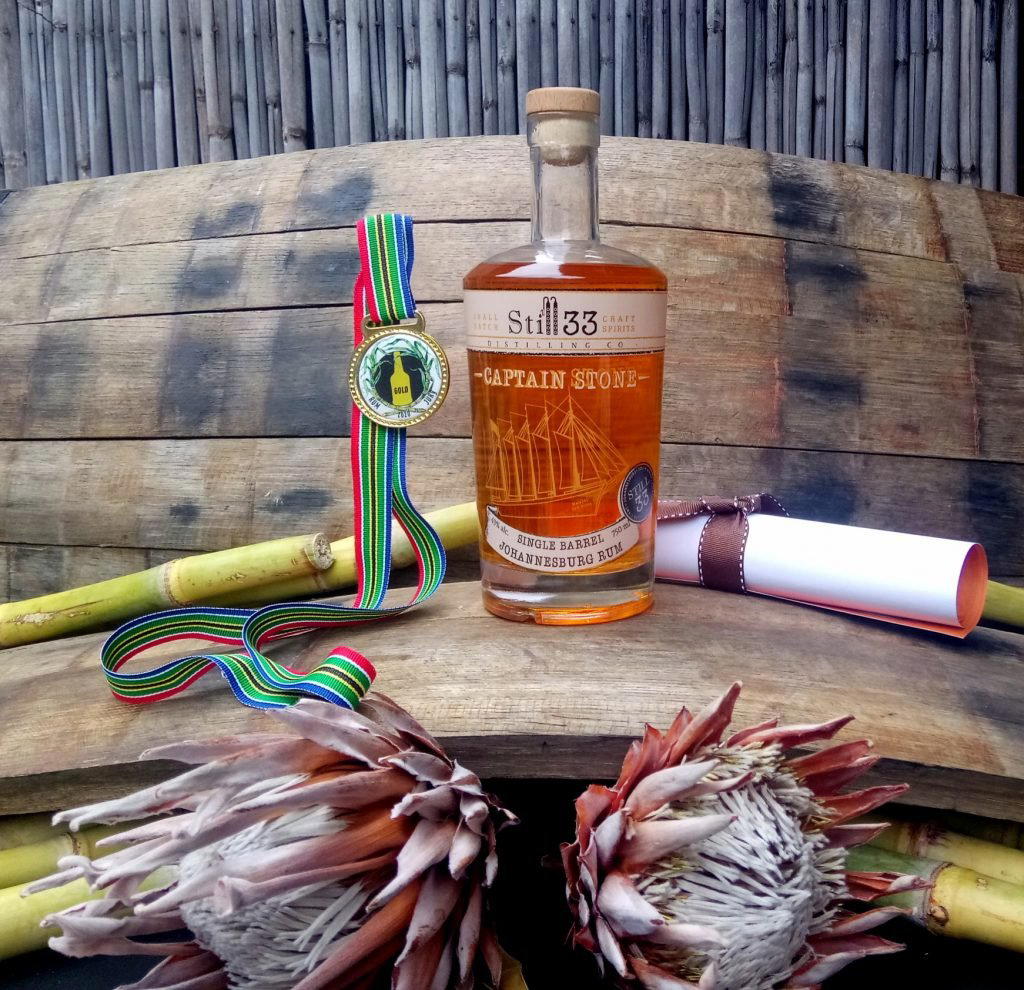
Craft Distilling in Johannesburg's Northern Corridor
South Africa's craft spirits sector has matured faster than most observers predicted a decade ago. What began as a handful of gin producers riding a global wave has since diversified into whisky, brandy, and small-batch blended spirits operations, each staking out distinct positions along the production philosophy spectrum. In Johannesburg specifically, the geography of that movement runs north: away from the dense commercial centre and toward the more industrial-adjacent pockets of Midrand and Kyalami, where production space is viable and the audience for premium product is close at hand. Still 33 Distilling Company, located at Barbeque Corner on Dytchley Road in Kyalami, sits squarely in that corridor, and its Pearl 2 Star Prestige recognition for 2025 places it among the city's craft distilling tier.
The Setting: Industrial Character with Considered Detail
The Kyalami address tells you something before you arrive. This is not the polished wine-farm aesthetic of the Cape winelands, where producers like Babylonstoren in Franschhoek or Val de Vie Estate in Paarl wrap production inside manicured grounds. Midrand's craft producers operate in a different register: the unit format, the business-park adjacency, the sense that what happens here is primarily about what's in the still rather than what's on the terrace. That honesty of setting has become its own kind of credential in the craft spirits world, where proximity to the actual distillation process is increasingly read as a signal of seriousness rather than a concession.
Barbeque Corner is a compact mixed-use node, and finding Unit 3 requires a degree of intentionality that filters out casual passers-by. The experience of approaching Still 33 is less about dramatic arrival and more about the slow reveal of an operation that runs on production logic. The smell of grain or botanical distillate depending on the day's run, the functional architecture of a working still house: these are the environmental cues that orient a visit here.
What the Pearl 2 Star Prestige Award Signals
Pearl ratings in the South African spirits context carry weight because they assess product quality against category benchmarks rather than simply rewarding brand profile or distribution scale. A 2 Star Prestige rating for 2025 places Still 33 in company with producers whose output meets a documented quality threshold, not merely a reputational one. Among Johannesburg's craft distillers, that kind of independent verification matters for two reasons: it separates operations genuinely invested in product discipline from those that entered the market opportunistically, and it gives buyers a reference point that doesn't rely on marketing copy.
Each occupies a different position in terms of style emphasis and target audience, but the shared geography creates a coherent craft distilling circuit for visitors interested in following the category across a concentrated area. Still 33's award places it within the recognised upper tier of that set.
South African Craft Spirits and the Sustainability Turn
The broader South African craft production scene, across both wine and spirits, has moved toward transparency in sourcing and production in ways that align with international shifts in how serious producers think about their raw materials. Producers across the Cape winelands like Neethlingshof Estate in Stellenbosch and Creation Wines in Hermanus have documented their movement toward lower-intervention and regenerative practices in viticulture. In the spirits sector, the equivalent conversation centres on grain sourcing, botanical provenance, and water use: the inputs that shape the character of a distillate before the still is even fired.
For craft distillers operating at small scale, these questions are not abstract. When your production volume is limited, the quality of your raw material has a direct and audible impact on the finished spirit. There is less room to correct through blending at scale, and more reason to be precise about what goes in. This production philosophy, prioritising source integrity over volume efficiency, is one of the defining characteristics of the upper-tier craft spirits category in South Africa, and it is the framework against which award panels like Pearl evaluate product quality. The 2 Star Prestige result for Still 33 implies a product that holds up against that standard.
South Africa's distilling heritage runs deep in categories like brandy, where producers such as Oude Molen Distillery in Grabouw have demonstrated that the country's pot-still tradition produces spirits that benchmark well internationally. The current craft wave builds on that foundation, drawing on accumulated knowledge of local climate effects on raw materials while applying contemporary thinking about production transparency. Johannesburg's distillers, operating inland without the Cape's agricultural advantages, have had to develop sourcing relationships and production discipline that compensate for geography. The results, at the award-recognised end of the market, have been substantive.
Planning a Visit to Kyalami
Still 33 sits at 27 Dytchley Road, Kyalami, Midrand, within the Barbeque Corner development. The address positions it comfortably off the N1 corridor, making it accessible from both central Johannesburg and Pretoria without requiring a dedicated day trip. Visitors combining Still 33 with the broader Johannesburg craft spirits circuit should note that several peer producers are also located in the northern suburbs, making a half-day itinerary across two or three distilleries a practical option.
The Kyalami location, while accessible by car, is not a walk-in environment in the way that a high-street venue might be. Planning ahead is less a formality and more a practical necessity for the format.
For those whose interest in South African craft production extends beyond spirits to wine, the Cape producers offer a natural counterpart to what the Gauteng craft distilling scene represents. Graham Beck Wines in Robertson, Constantia Glen in Cape Town, and the established prestige tier represented by international benchmarks like Aberlour in Aberlour and Accendo Cellars in St. Helena illustrate how different regions and categories approach the question of quality signalling. South Africa's craft distillers are asking the same questions at a different scale and in a different climate.
Recognition, Side-by-Side
Comparable venues nearby, for context on price, style, and recognition.
| Venue | Cuisine | Price | Awards | Notes |
|---|---|---|---|---|
| Still 33 Distilling CompanyThis venue — the venue you are viewing | Winery | 1 recognition | ||
| Time Anchor Distillery | Winery | $$ | 1 recognition | Kramerville |
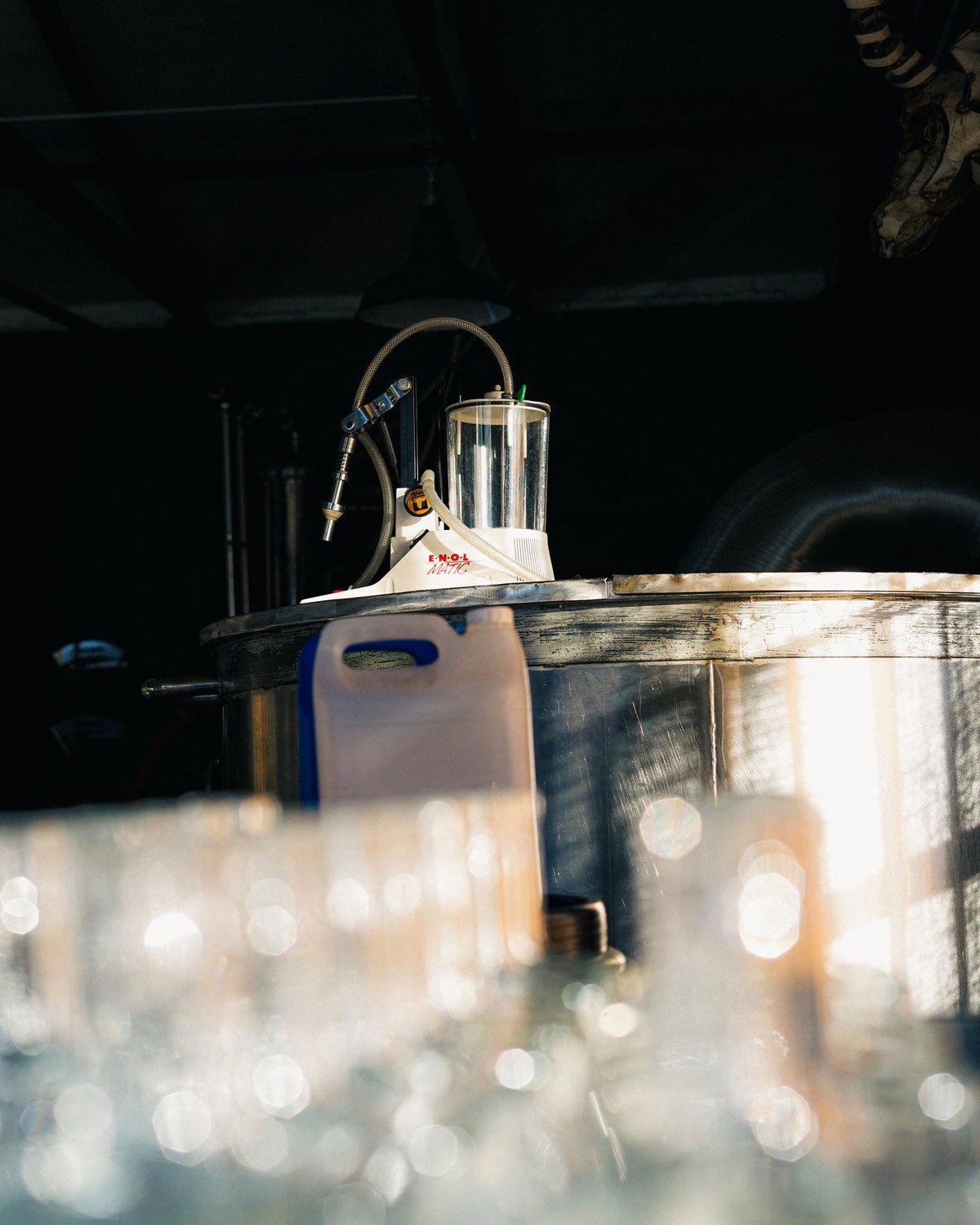
| Copper Republic Distilling Co. | Cape | $$ | 1 recognition | Johannesburg |
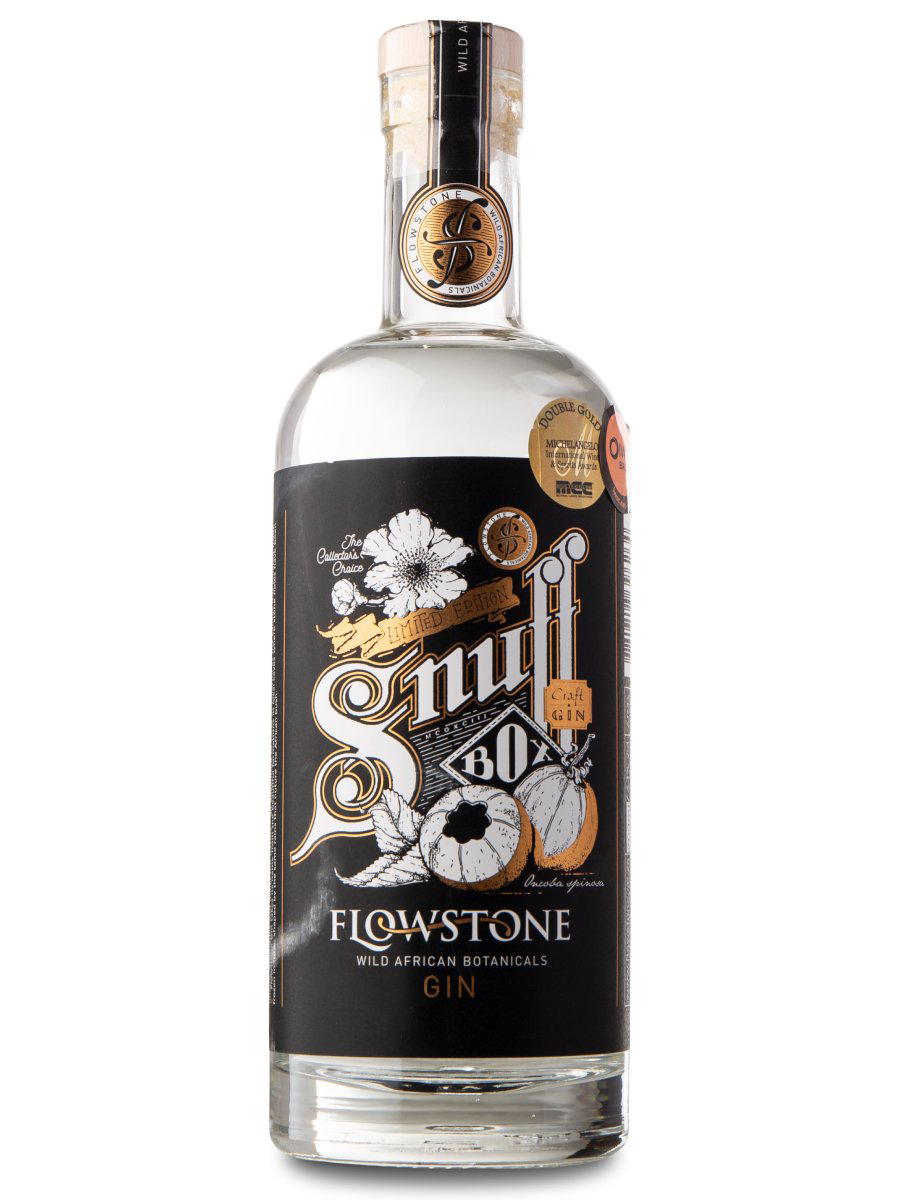
| Flowstone Distillery (Craft Gin) | Cradle of Humankind | $$ | 1 recognition | |
| Primal Spirits Distillery | Winery | $$ | 1 recognition | Victoria Yards |
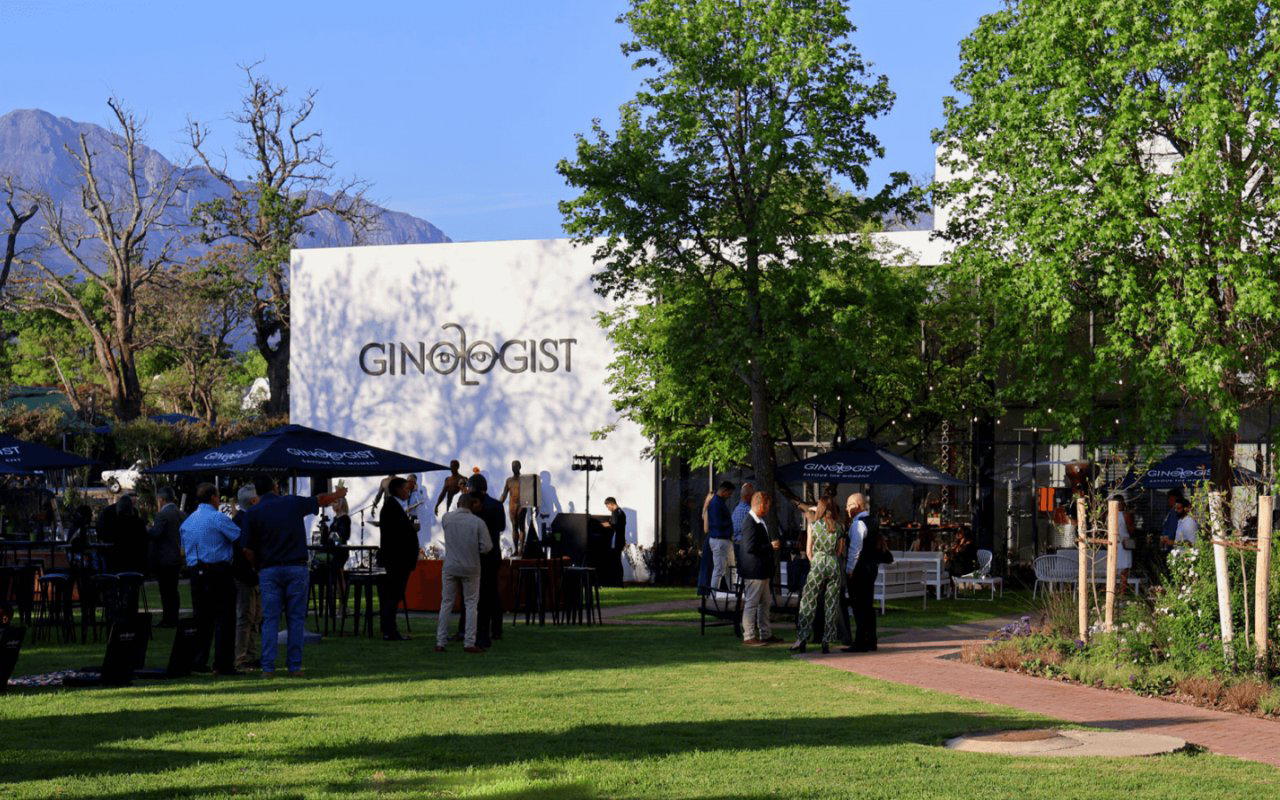
| Ginologist Distillery | Winery | $$$ | 1 recognition | Lourensford Valley, Somerset West |
Continue exploring
More in Johannesburg
Wineries in Johannesburg
Browse all →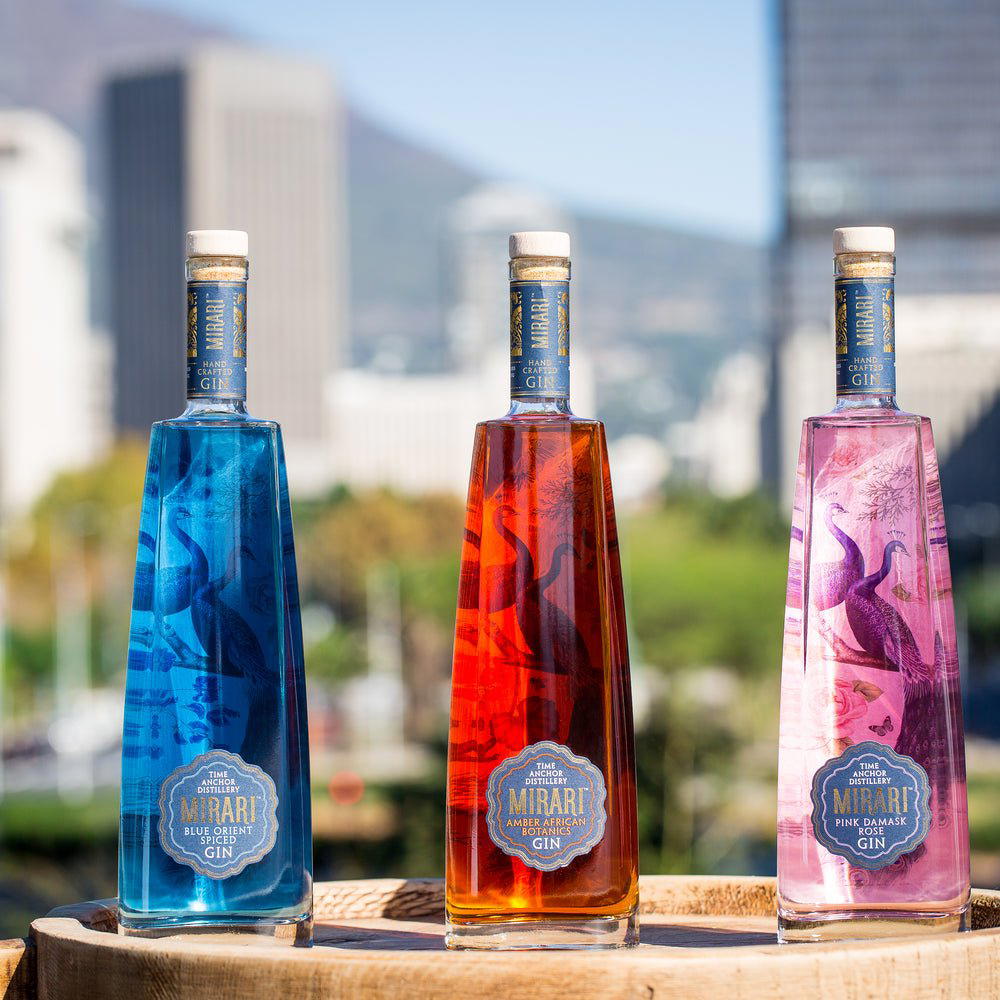
Bars in Johannesburg
Browse all →
Restaurants in Johannesburg
Browse all →
At a Glance
- Industrial
- Modern
- Cozy
- Celebration
- Group Outing
- Private Tasting
- Sustainable
Friendly family-run atmosphere with knowledgeable owners and a great story behind the spirits.